Welcome to Huazhijie!
 +86-572-8086381 / 8282992
  hzjfence1@hzjfence.com


Feb 04, 2026
Content
If you’ve driven through any modern neighborhood lately, you’ve probably noticed those crisp, clean-looking white or tan fences. That is the PVC vinyl fence in its element. Homeowners are moving away from traditional wood because, let’s be honest, nobody actually enjoys spending their weekends sanding, staining, or replacing rotten boards. Vinyl fencing gives you that high-end look without the endless "to-do" list. It is made from a durable plastic resin that handles rain, sun, and snow like a champ, keeping its color and shape for decades without any heavy lifting on your part.
The biggest selling point for a vinyl privacy fence is definitely the durability. Unlike wood, which eventually gets eaten by termites or starts to crumble from moisture, PVC is totally waterproof and bug-proof. It’s also surprisingly flexible. Manufacturers add special "impact modifiers" so the fence can take a hit—like a stray soccer ball or a heavy gust of wind—and bounce back rather than snapping. Plus, it’s got UV protection baked right in, so it won't turn yellow or get brittle after a few summers in the direct sun.
| The Big Question | PVC Vinyl Fence | Traditional Wood | Chain Link |
| Will it rot? | Never | Eventually, yes | No (but can rust) |
| Do I need to paint it? | Nope, never | Every 2-3 years | No |
| Is it easy to clean? | Just use a hose | Requires scrubbing | Hard to deep clean |
Installing these panels isn't rocket science, but you do need to follow a few rules to make sure they don't lean. Since vinyl expands slightly when it’s hot and shrinks when it’s cold, the components are usually designed to "float" within the posts. This means you don't want to screw everything down too tight. The most important part is the post-setting; you’ve got to get those posts deep into the ground with plenty of concrete. If the foundation is solid, your fence will stay straight as an arrow even through a rough storm.
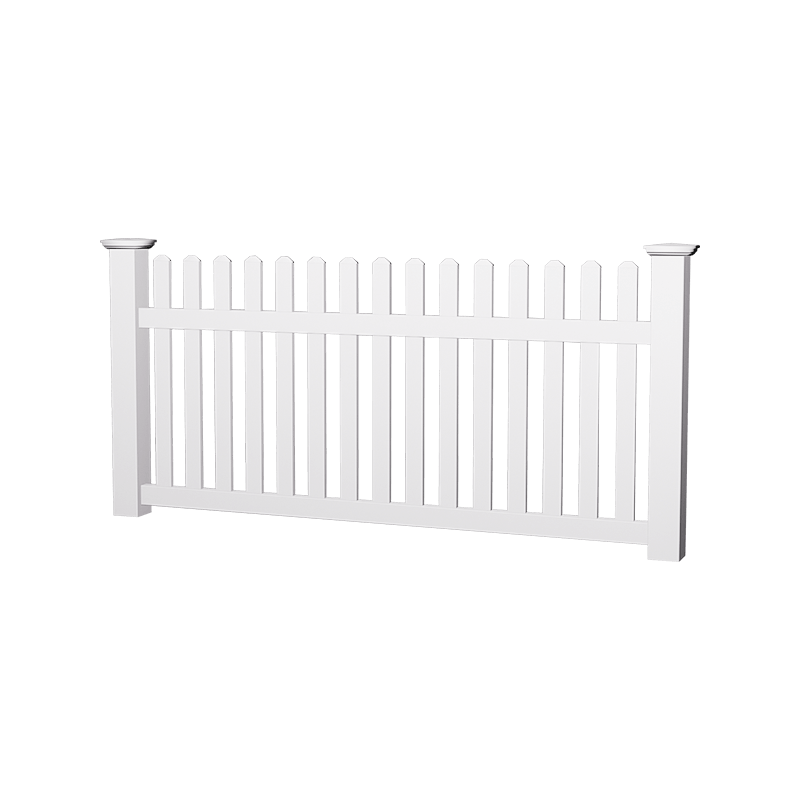
The best part about plastic fencing is that "maintenance" usually just means spraying it down with water when you’re watering the garden. If you get some stubborn dirt or green algae in a shady spot, a simple mix of soap and water usually does the trick. You don't need power washers or harsh chemicals. For scuff marks, many people find that a "magic eraser" sponge works wonders. It’s honestly the closest you can get to a zero-maintenance yard feature.
Yes, a PVC vinyl fence costs more upfront than a basic wood fence. There is no way around that. But, you have to look at the long game. When you add up the cost of the stain, the brushes, the wood cleaner, and the labor every few years—not to mention replacing the whole wood fence in 12 years—vinyl ends up being the cheaper option. It adds instant curb appeal and stays looking fresh for 20 or 30 years, which is a huge win for your property value.
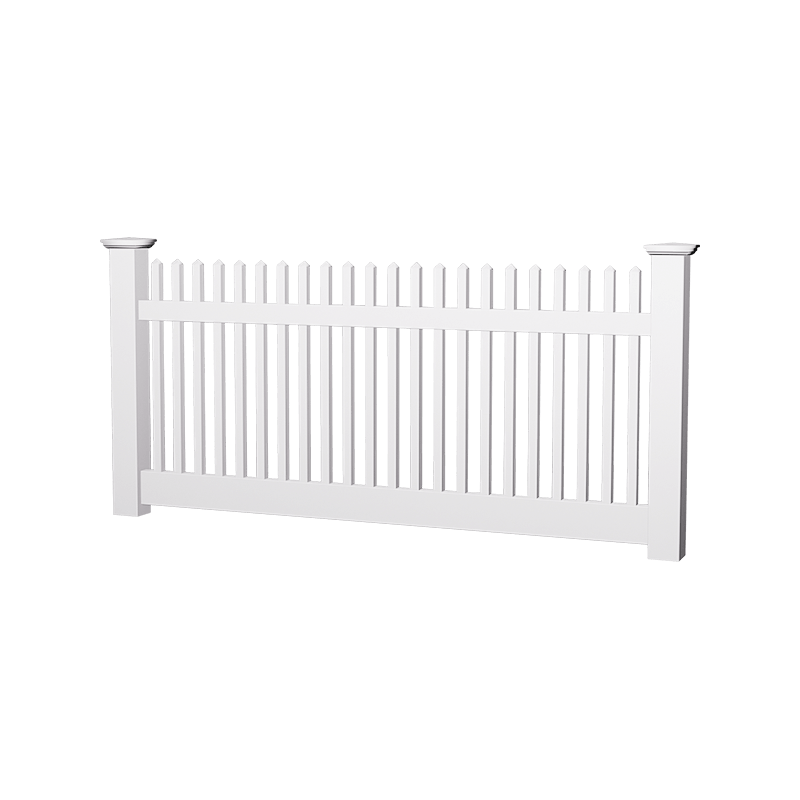
Our 1.5"x1.5" Horizontal Picket Fence, the ultimate garden solution made from 100% virgin PVC for unmatched durability and low maintenance. Designed for easy DIY installation, this fire-proof fence re...
See Details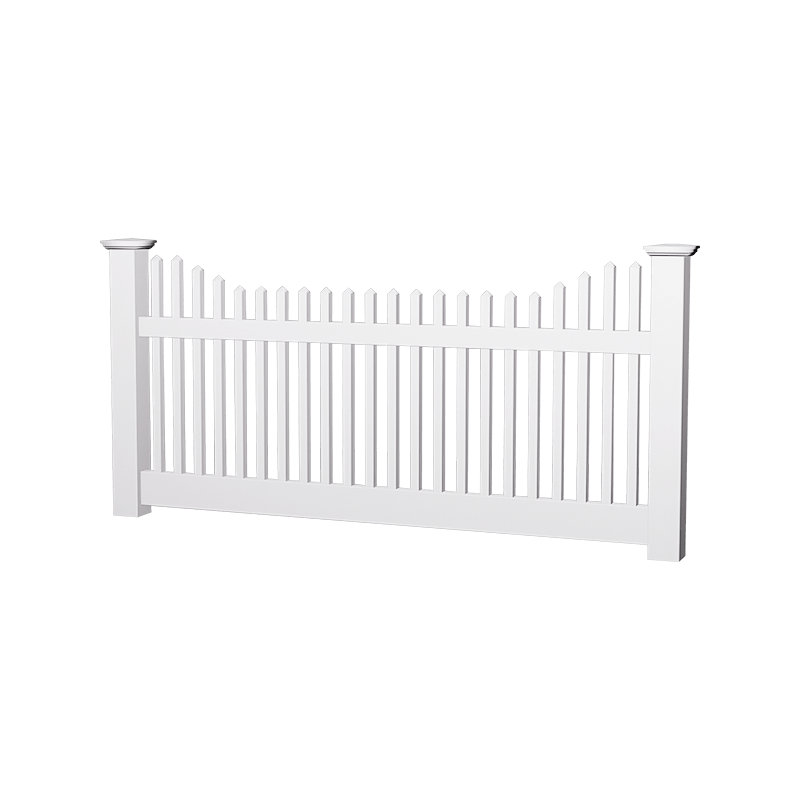
The Special-Shaped Picket Fence, the perfect addition to any home. Crafted from 100% virgin PVC, this fence combines durability and elegance with low maintenance requirements. Designed for easy DIY in...
See Details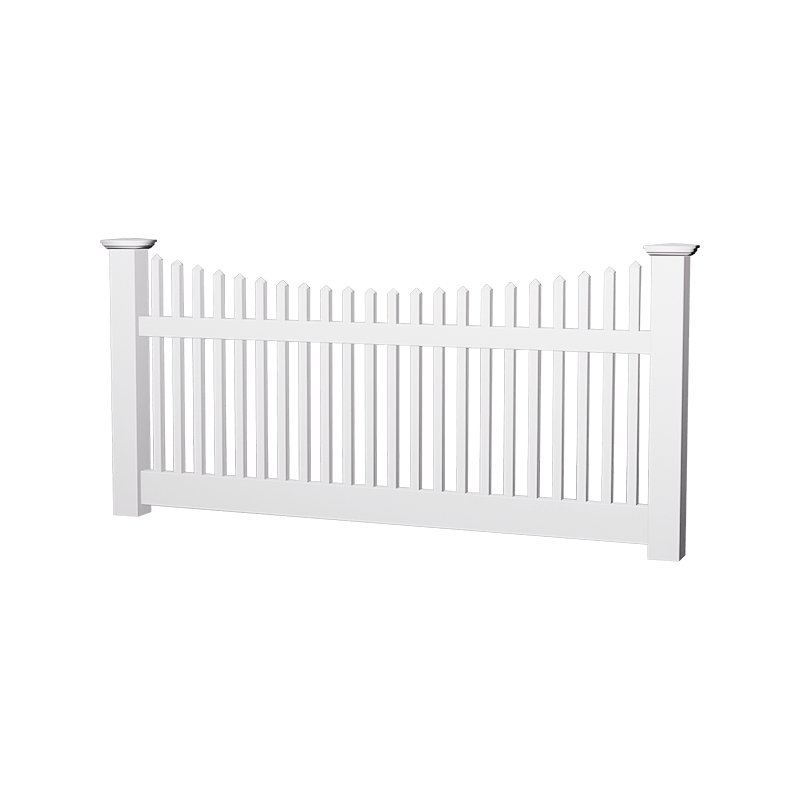
The Special-Shaped Picket Fence, the perfect addition to any home. Crafted from 100% virgin PVC, this fence combines durability and elegance with low maintenance requirements. Designed for easy DIY in...
See Details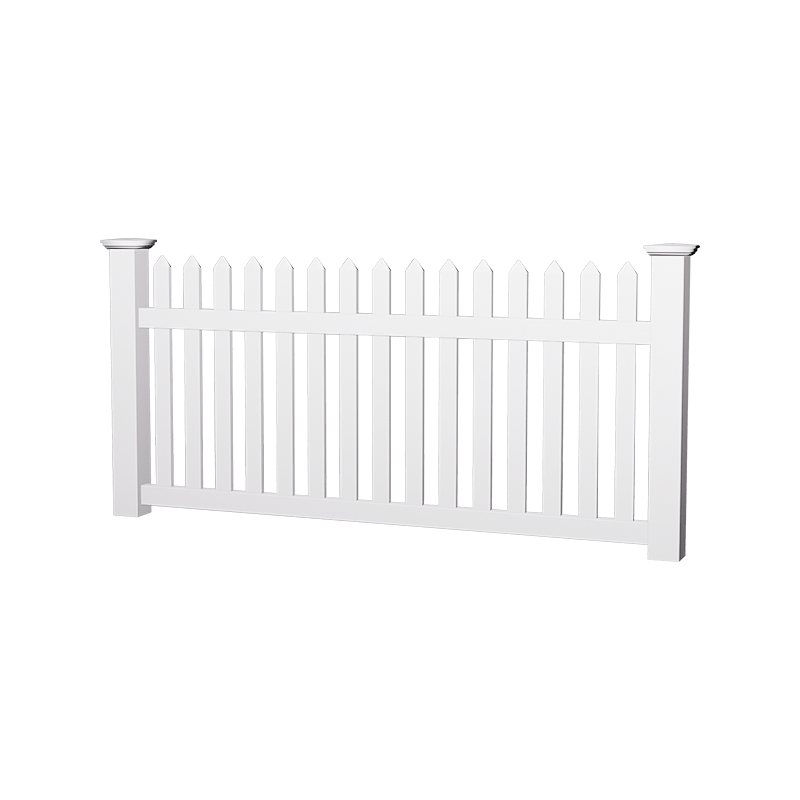
Enhance your home’s exterior with our Traditional Straight Spade Fence, crafted from 100% virgin PVC for exceptional durability and style. This low-maintenance solution is designed for easy installati...
See Details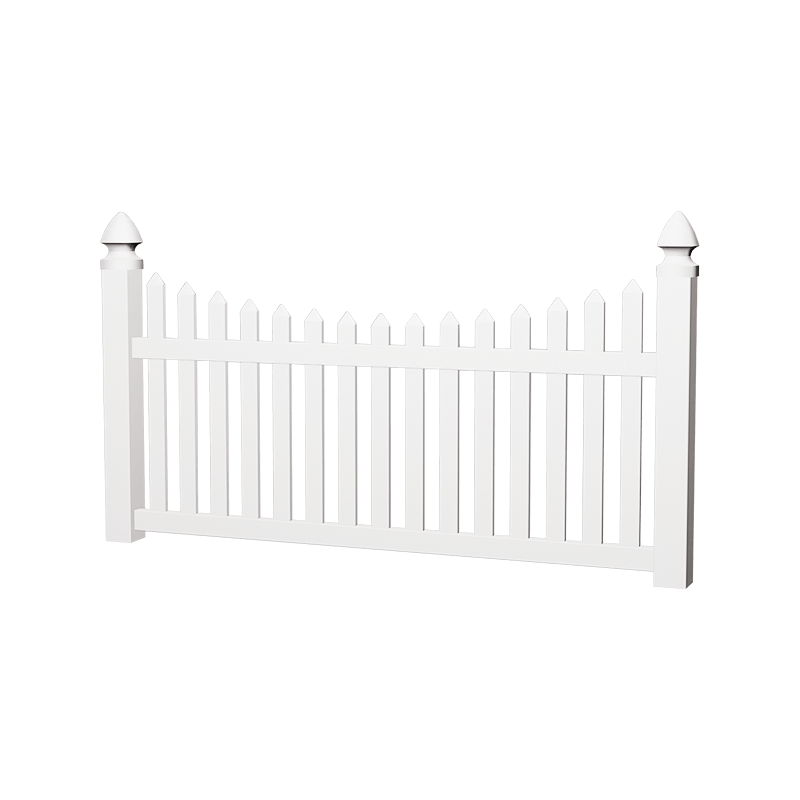
Transform your outdoor space with our 7/8"x3" Outdoor Picket Fence, specifically designed for farm use and outdoor applications. Crafted from 100% Virgin PVC, this durable and high-impact resistant fe...
See Details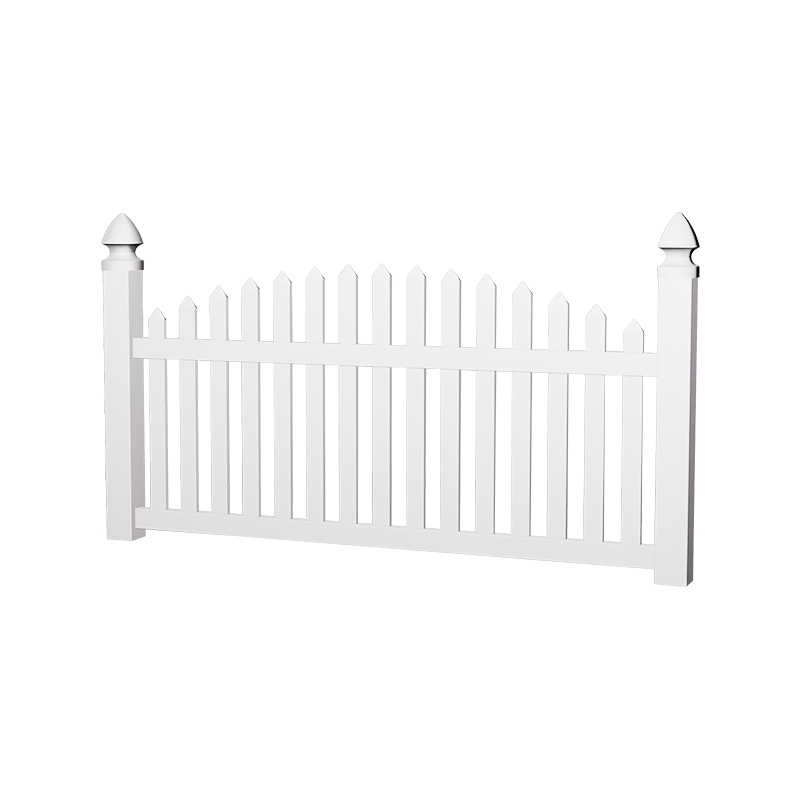
Enhance your farm's aesthetic and functionality with our PVC Arched Picket Fence. Crafted from 100% virgin PVC, this durable and stylish fencing solution combines the classic charm of traditional pick...
See Details
Our durable and versatile Picket Fence, designed specifically for farm use. Crafted from 100% virgin PVC plastic, this fence panel is not coated, ensuring superior quality and longevity. With dimensio...
See Details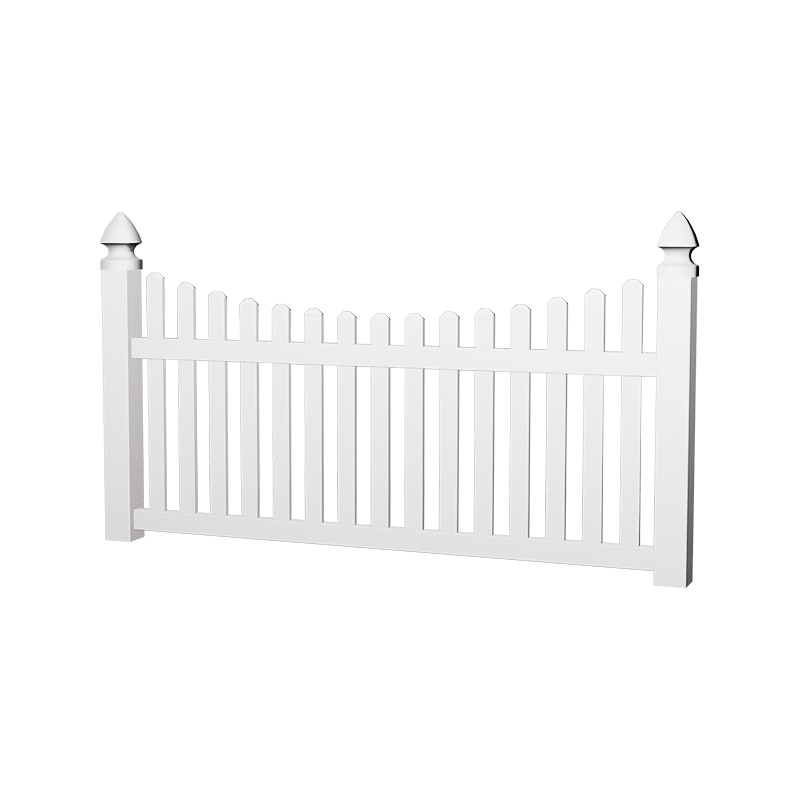
Introducing our 7/8"x3" Plastic Picket, designed specifically for farm applications. Crafted from 100% virgin PVC, this picket is not coated, ensuring maximum durability and resistance to impacts. Wit...
See Details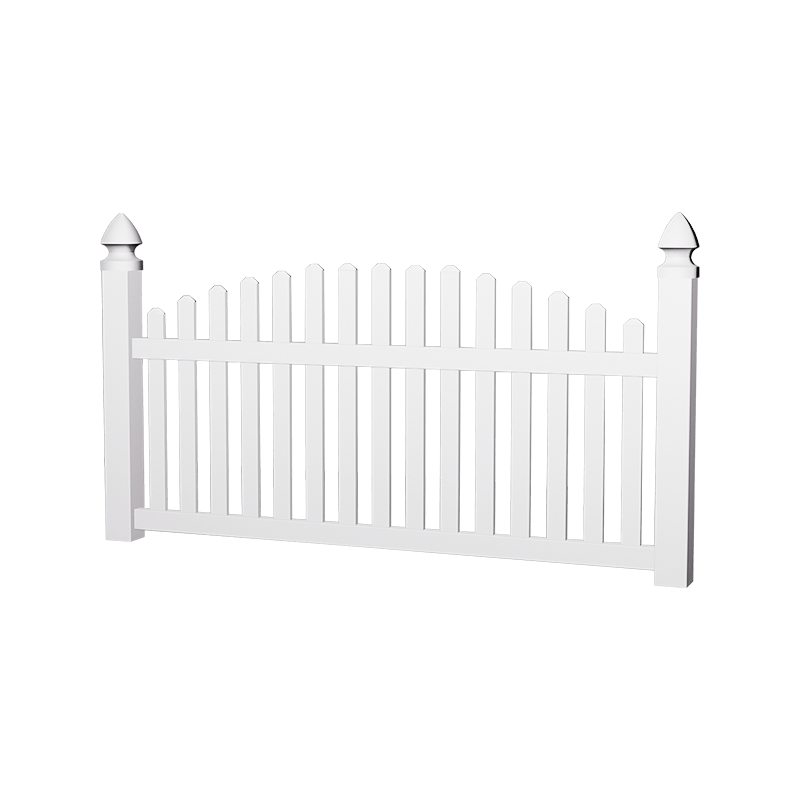
The Dog Ear Top Garden Fence, the ultimate solution for your farm fencing needs. Crafted from 100% virgin PVC, this fence is designed to withstand the elements without the worry of rot or decay, makin...
See Details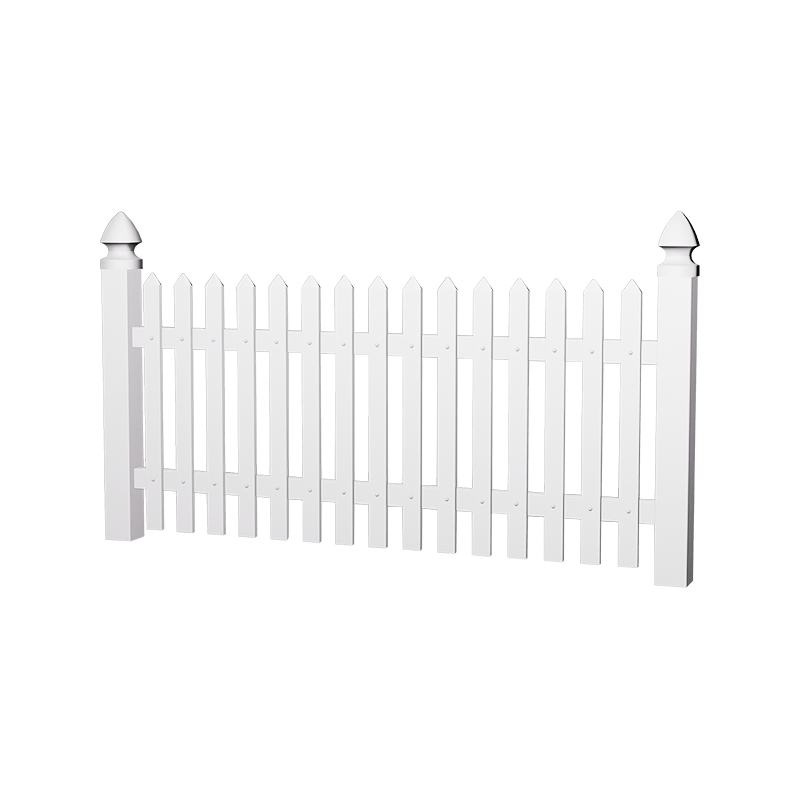
Decorate your outdoor spaces with our durable and stylish PVC Face Mounted Pickets Fence. Designed for easy installation and long-lasting performance, this fence is perfect for residential and commerc...
See Details
Our White Vinyl Fence, measuring 4'H x 8'W, designed for both functionality and aesthetics. Made from 100% virgin PVC plastic, this fence is not coated, ensuring unmatched durability and resistance to...
See Details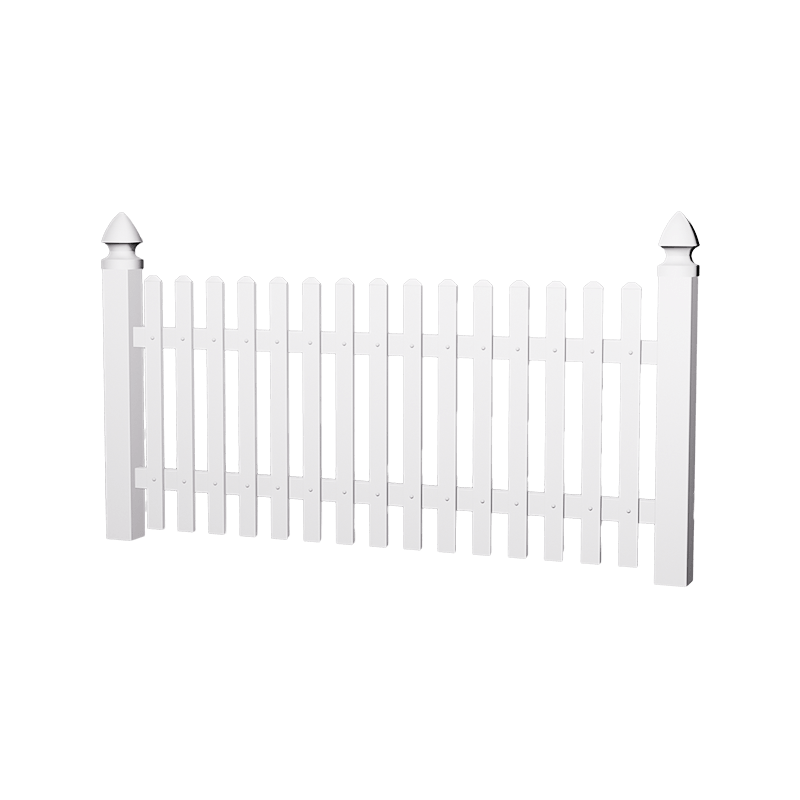
The Traditional Dog Ear Picket is an ideal choice for warehouses, combining aesthetic appeal with practicality. Made from 100% virgin PVC, this durable, low-maintenance fence resists rotting and water...
See Details
We are a professional manufacturer engaged in the research, development,
production, sale, and service of PVC fences and PVC flooring.
Contact Us
Mobile
Copyright © Deqing Huazhijie Railing & Fencing Co.,Ltd. All Rights Reserved.
 Custom Vinyl Fence Manufacturers
 English
 عربى
عربى 中文简体
中文简体 Español