Welcome to Huazhijie!
 +86-572-8086381 / 8282992
  hzjfence1@hzjfence.com


Apr 29, 2026
Content
A PVC garden arbor — also referred to as a vinyl garden arbor or plastic garden arbor — is a freestanding or anchored garden structure made from polyvinyl chloride (PVC) or vinyl profiles, used as a decorative entrance feature, a support for climbing plants, a seating focal point, or a combination of all three. PVC arbors have grown steadily in popularity as an alternative to traditional wood and metal arbors for practical reasons that become obvious once you own one: they do not rot, rust, warp, splinter, or require annual painting or staining to maintain their appearance. A well-made PVC garden arbor installed correctly will look essentially the same after fifteen years of outdoor exposure as it did when first assembled, with no maintenance beyond an occasional wash with a garden hose.
The comparison with wood is particularly stark. A cedar or pressure-treated pine arbor in a temperate climate typically requires stripping and re-staining or re-painting every two to three years to prevent UV graying and surface weathering, and even well-maintained wood structures rarely last more than fifteen to twenty years before structural decay makes them unsafe. Wrought iron arbors are durable but heavy, expensive, and require rust treatment when the surface coating chips — which it will, in outdoor conditions. PVC garden arbors sidestep all of these maintenance demands while delivering a clean, bright appearance that suits a wide range of garden styles, particularly cottage, formal, and contemporary gardens where white or off-white garden structures are a natural fit.
PVC garden arbors are available in a wider range of styles than many buyers expect, reflecting the versatility of vinyl as a manufacturing material. The main design categories cover most garden applications and aesthetic preferences.
The classic arch arbor is the most widely recognised style — four vertical posts connected at the top by an arched or flat-topped roof structure with open lattice side panels. This is the standard garden entrance arbor, typically 5 to 7 feet wide and 7 to 8 feet tall, sized for a garden path to pass beneath. Classic arch PVC arbors are available in simple ladder-frame designs and more ornate styles with decorative finials, scalloped roof edges, and Victorian-inspired detailing moulded directly into the vinyl profiles. The open construction allows climbing plants to weave through the lattice panels and roof structure, eventually creating the classic flower-framed arch effect that makes garden arbors such a popular garden feature.
Arbors with integrated bench seating on one or both sides are a highly functional combination of garden structure and garden furniture. The bench is typically built into the side panels of the arbor, with the lattice work continuing above the seat back to provide a climbing plant support and a degree of enclosure that makes the seat feel like a destination rather than just a place to sit. PVC arbors with benches are heavier and more structurally complex than plain arch arbors and generally require more careful assembly and more secure anchoring to remain stable. They are best positioned as garden focal points at the end of a path, beside a pond, or at the corner of a lawn — locations where the enclosed seating feeling enhances the experience of using the space.
Some PVC garden arbors include a matching gate fitted across the opening, combining the arbor's decorative function with a practical garden division or boundary feature. Gate-equipped arbors are used at garden entrance points, as transitions between different garden areas, or to restrict access to vegetable gardens and formal parterre areas. The gate hardware — hinges, latch, and closing mechanism — on PVC arbor gates is typically galvanised steel or stainless steel to resist rust, and the gate itself is usually the same lattice design as the arbor side panels for a cohesive appearance. Checking the quality of gate hardware before purchase is worthwhile, as cheap hinge sets on otherwise well-made arbors are a common weak point that causes sagging and sticking over time.
Tunnel or pergola-style PVC garden arbors extend the classic arch concept into a longer walkway structure — multiple arch sections linked together with horizontal connecting members to create a covered garden walk. These structures are less commonly sold as pre-packaged PVC products than as custom or semi-custom assemblies, but modular PVC arbor systems from several manufacturers allow multiple arch sections to be connected with matching horizontal rails to achieve the tunnel effect. Tunnel arbors require more investment in both cost and plant establishment time to look their best — they are most rewarding in larger gardens where a 10 to 20 foot rose or wisteria tunnel creates a genuinely memorable garden experience.
Not all PVC garden arbors are built to the same standard. The price range for comparable-looking products is wide, and the differences that justify the price gap are not always obvious from product photographs. Understanding the key construction variables helps buyers identify genuinely durable products and avoid structures that will sag, discolour, or fall apart within a few years.
The single most important structural variable in a PVC garden arbor is the wall thickness of the hollow vinyl profiles used for the posts and cross members. Budget arbors use thin-walled profiles — sometimes as little as 1.5mm wall thickness — that flex, sag, and eventually crack under the combined stress of wind load, plant weight, and thermal expansion and contraction. Quality PVC garden arbors use profiles with wall thicknesses of 2.5mm and above, and often incorporate internal steel or aluminium reinforcement in the main structural members — the posts and main cross beams — to prevent the lateral deflection that makes thin-walled PVC structures look unstable and feel unsafe. When evaluating any PVC arbor, ask specifically whether the posts are reinforced and what the wall thickness of the main structural profiles is. If the product listing does not specify this information, treat the product with caution.
Standard PVC compounds without UV stabilisation yellow, chalk, and become brittle when exposed to prolonged sunlight — a rapid and irreversible process that destroys the appearance of a PVC garden arbor within two to three years in a sunny location. Quality exterior PVC garden structures use compounds with UV stabilisers and titanium dioxide pigmentation that maintain their colour, surface quality, and impact resistance over many years of outdoor exposure. UV-stabilised vinyl is specified in the product description of quality arbors — terms like "UV-resistant vinyl," "virgin PVC compound," or compliance with ASTM weathering standards are positive indicators. Arbors described only as "white PVC" without UV qualification may use recycled or unstabilised compounds that will degrade rapidly.
The connections between structural members in a PVC arbor — where posts meet cross beams and where panels attach to the frame — are stress concentration points that determine whether the assembled structure is rigid and stable or wobbly and prone to gradual loosening. Quality arbors use interlocking or keyed joint designs that resist racking forces, combined with stainless steel or galvanised fasteners rather than cadmium-plated or zinc-plated screws that will rust and stain the white vinyl within a season or two. Arbors that rely entirely on push-fit connections without mechanical fasteners are acceptable for very lightweight decorative products but are inadequate for structures that will carry the weight of mature climbing plants or be exposed to wind loading.
Getting the size right before purchasing a PVC vinyl garden arbor saves the frustration of receiving a structure that is too narrow for comfortable passage, too short for tall visitors, or out of proportion with the surrounding garden. Standard arbor dimensions vary between manufacturers, but the following framework covers the key measurements to consider:
| Dimension | Minimum recommended | Standard size | Notes |
| Opening width | 48 inches (122cm) | 54 – 72 inches (137 – 183cm) | Wider is better for wheelbarrows, garden carts, and comfortable two-person passage |
| Clear height at centre | 84 inches (213cm) | 88 – 96 inches (224 – 244cm) | Allow extra height if planting climbing roses or wisteria that will hang below the roof structure |
| Depth front to back | 24 inches (61cm) | 36 – 48 inches (91 – 122cm) | Deeper arbors feel more substantial and provide better plant support; too shallow looks insubstantial |
| Post ground anchor depth | 18 inches (46cm) | 24 inches (61cm) | Deeper anchoring essential for taller arbors and locations with wind exposure |
One dimension that product listings frequently omit is the overall assembled height including any decorative finials or roof peak above the clear walking height. On arbors with pointed arch roofs or decorative finials, the overall height can be 12 to 18 inches taller than the clear passage height. This matters if the arbor is being positioned beneath overhanging branches, within a pergola structure, or against a boundary fence where vertical clearance is limited. Always check the overall assembled height against the product dimensions rather than assuming the stated height is the clear passage height.
The most common cause of PVC garden arbor instability — leaning, rocking, or outright collapse — is inadequate anchoring into the ground. A PVC arbor acts as a significant wind sail once covered in climbing plants, and the forces exerted by a mature rose or wisteria in full leaf during a storm are substantial. Correct anchoring is not optional; it is a safety requirement for any structure that stands in a garden where people, children, or pets will be nearby.
The simplest and most widely used anchoring method for PVC garden arbors is direct ground anchoring using galvanised steel post spikes driven into the ground, with the arbor posts sliding into the spike sockets. Post spikes must be correctly sized for the post dimensions — a loose fit between post and spike allows rocking that progressively enlarges the socket and worsens over time. In firm soil, well-driven post spikes provide adequate stability for most residential garden conditions. In sandy, loose, or waterlogged soil, post spikes are insufficient as the sole anchoring method — the resistance of the surrounding soil is inadequate to prevent the spike from tilting under wind loading on a plant-covered arbor.
For maximum stability — particularly for larger arbors, those in exposed locations, or those supporting heavy climbing plants — setting the post bases or post anchor hardware in concrete footings is the most reliable approach. Dig holes to a minimum depth of 18 to 24 inches at each post location, pour a concrete mix to approximately 6 inches below ground level, and set the anchor hardware into the wet concrete with the posts at the correct spacing and plumb. Allow the concrete to cure for at least 48 hours before loading the structure. This method is more labour-intensive than post spikes but produces a structure that can safely support heavy plants and withstand significant wind loading without movement.
Where a PVC garden arbor is being installed on a patio, deck, or other hard surface where ground penetration is not possible, surface-mount post base plates bolted to the surface are the standard solution. These plates must be fixed into a substrate capable of resisting the uplift and lateral forces the arbor will generate — masonry anchors into concrete are appropriate, but fixing into thin pavers without a concrete sub-base is not. Surface-mounted arbors on paved areas are more susceptible to rocking and require the strongest post base design available. Filling the PVC posts with concrete from the base to ground level adds significant weight and stability to surface-mounted installations.
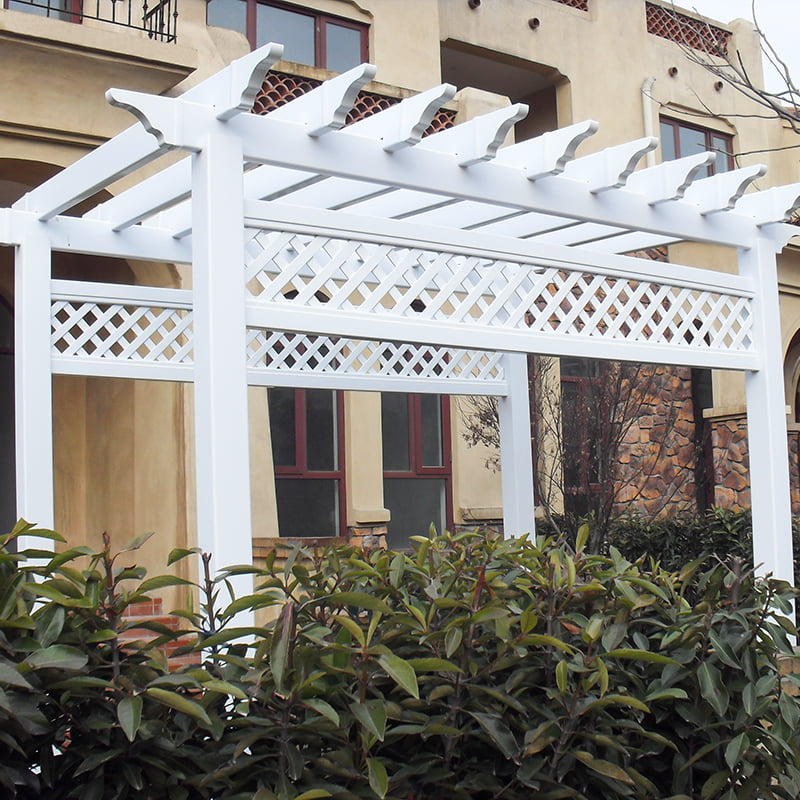
The right climbing plant choice for a PVC garden arbor considers not just appearance but the physical weight and attachment method of the plant, its compatibility with the arbor's structural capacity, and how the plant's root system and growth habit interacts with the arbor over time.
Climbing and rambling roses are the most popular choice for garden arbors of all materials, and they work well on PVC arbors provided the structure is adequately reinforced and anchored. The weight of a mature climbing rose in full leaf with a season's worth of new growth can be surprisingly substantial, and the thorns make training and pruning a tactile experience. Climbing roses with flexible canes — such as Zephirine Drouhin, New Dawn, or Climbing Iceberg — train more easily around PVC lattice than stiff-caned varieties. Secure the canes to the lattice with soft plant ties rather than wire, which can cut into the canes. Plan for annual pruning to keep the weight manageable and the structure visible beneath the growth.
Clematis is perhaps the most naturally suited climbing plant for a PVC garden arbor. The petiole-wrapping attachment method of clematis — where the leaf stalks coil around thin supports — works perfectly with the narrow bars of PVC lattice panels, and the relatively low weight of clematis growth does not stress the structure. Large-flowered hybrid clematis such as Nelly Moser, Niobe, and The President provide spectacular seasonal colour without the thorns of roses. Combining a large-flowered clematis with a climbing rose on the same arbor — the classic combination in English garden design — makes the structure attractive for a longer season and distributes the visual interest across the full arbor structure.
Some climbing plants are poor choices for PVC garden arbors despite being otherwise excellent garden plants. Wisteria is the most important example — a mature wisteria develops woody stems that can exert enormous structural forces as they grow and thicken, and the weight of a mature plant in full flower is far beyond what a standard residential PVC arbor is designed to carry. Wisteria belongs on purpose-built masonry or heavy timber structures. Similarly, Virginia creeper and Boston ivy attach by adhesive pads that can permanently stain and eventually damage PVC surfaces. Large ornamental gourds and heavy fruiting climbers like squash are too heavy for most PVC arbor structures. Annual lightweight climbers — sweet peas, morning glory, and black-eyed Susan vine — are excellent choices for PVC arbors because they provide seasonal colour without permanent structural loading and can be cut back completely each autumn.
One of the main selling points of a PVC garden arbor is low maintenance, and this is largely true — but "low maintenance" does not mean "zero maintenance." A few simple tasks performed occasionally will keep a vinyl arbor looking clean and structurally sound for decades.
The market for PVC garden arbors spans a wide quality and price range, and the product photographs that dominate online listings make it difficult to distinguish genuinely durable products from lightweight budget items. The following checklist cuts through the visual similarity to identify the specification details that actually determine long-term performance:
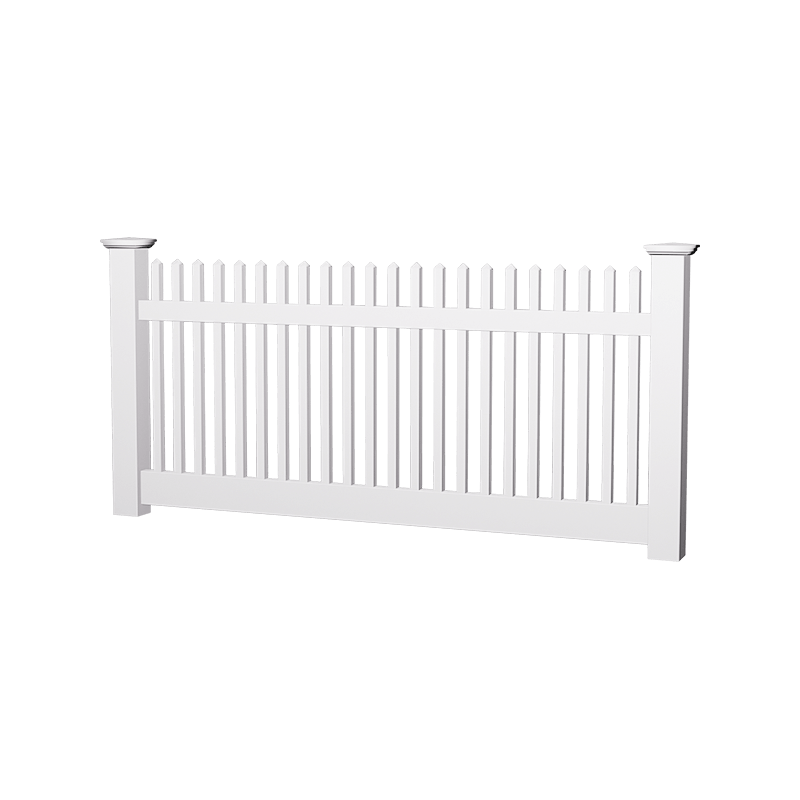
Our 1.5"x1.5" Horizontal Picket Fence, the ultimate garden solution made from 100% virgin PVC for unmatched durability and low maintenance. Designed for easy DIY installation, this fire-proof fence re...
See Details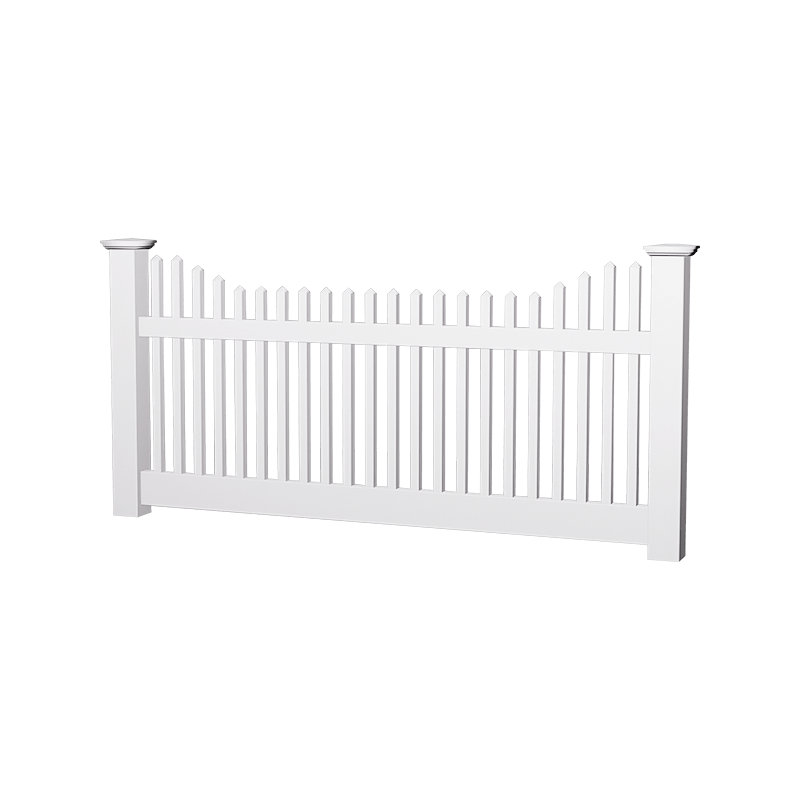
The Special-Shaped Picket Fence, the perfect addition to any home. Crafted from 100% virgin PVC, this fence combines durability and elegance with low maintenance requirements. Designed for easy DIY in...
See Details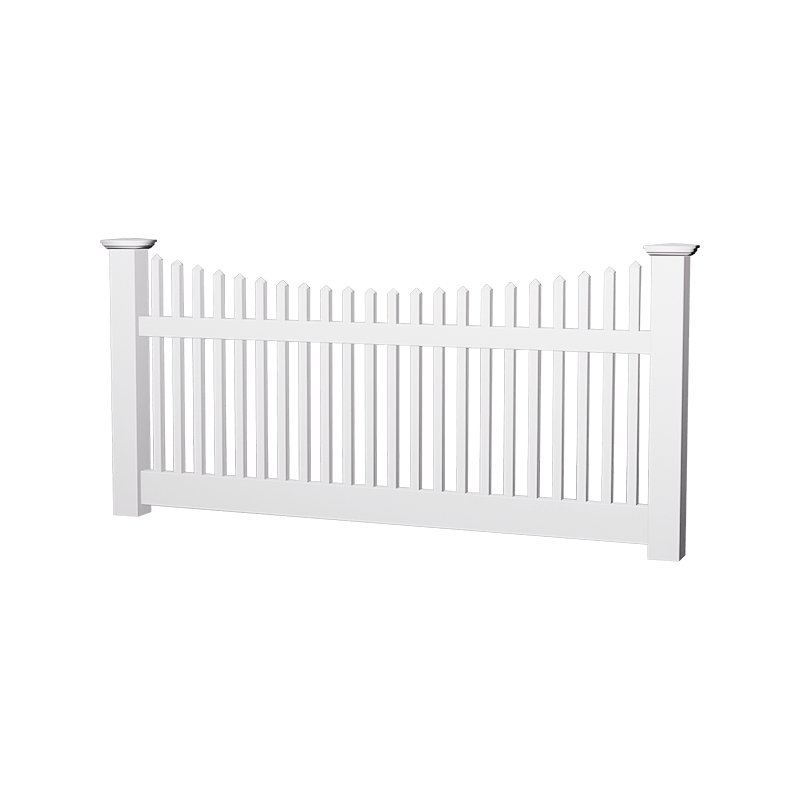
The Special-Shaped Picket Fence, the perfect addition to any home. Crafted from 100% virgin PVC, this fence combines durability and elegance with low maintenance requirements. Designed for easy DIY in...
See Details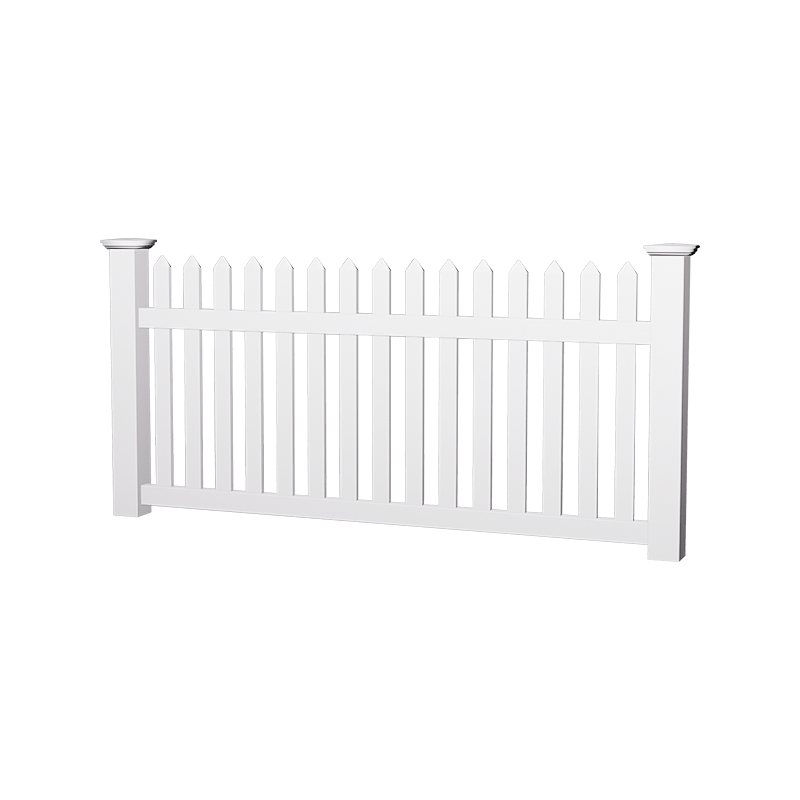
Enhance your home’s exterior with our Traditional Straight Spade Fence, crafted from 100% virgin PVC for exceptional durability and style. This low-maintenance solution is designed for easy installati...
See Details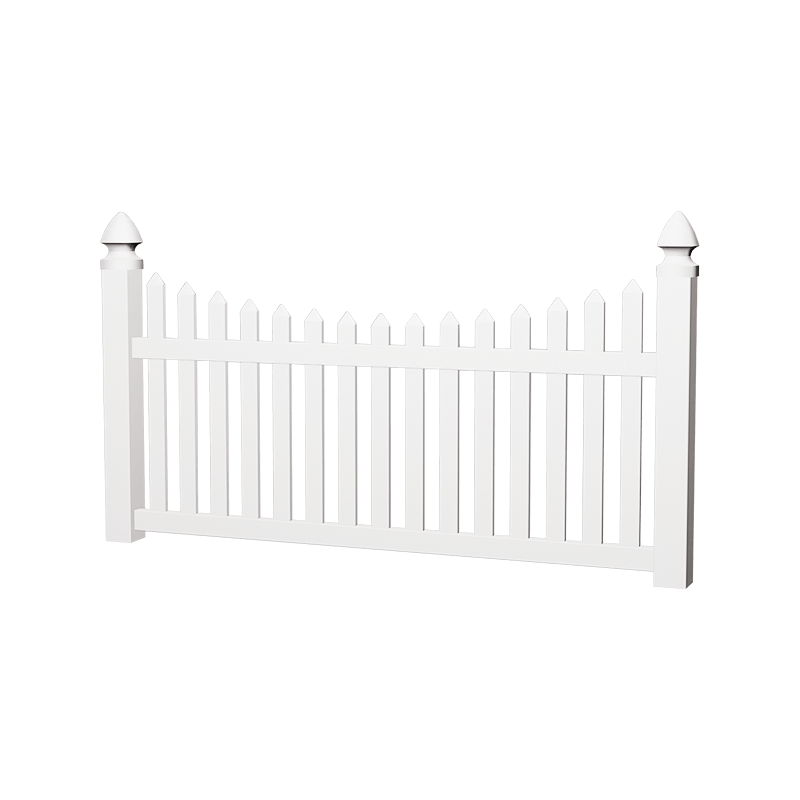
Transform your outdoor space with our 7/8"x3" Outdoor Picket Fence, specifically designed for farm use and outdoor applications. Crafted from 100% Virgin PVC, this durable and high-impact resistant fe...
See Details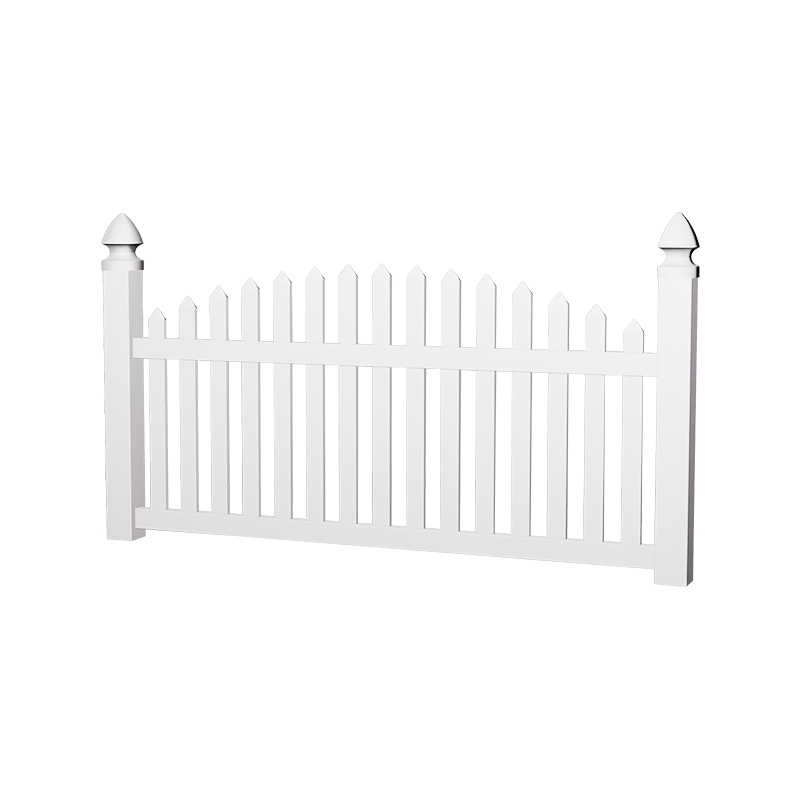
Enhance your farm's aesthetic and functionality with our PVC Arched Picket Fence. Crafted from 100% virgin PVC, this durable and stylish fencing solution combines the classic charm of traditional pick...
See Details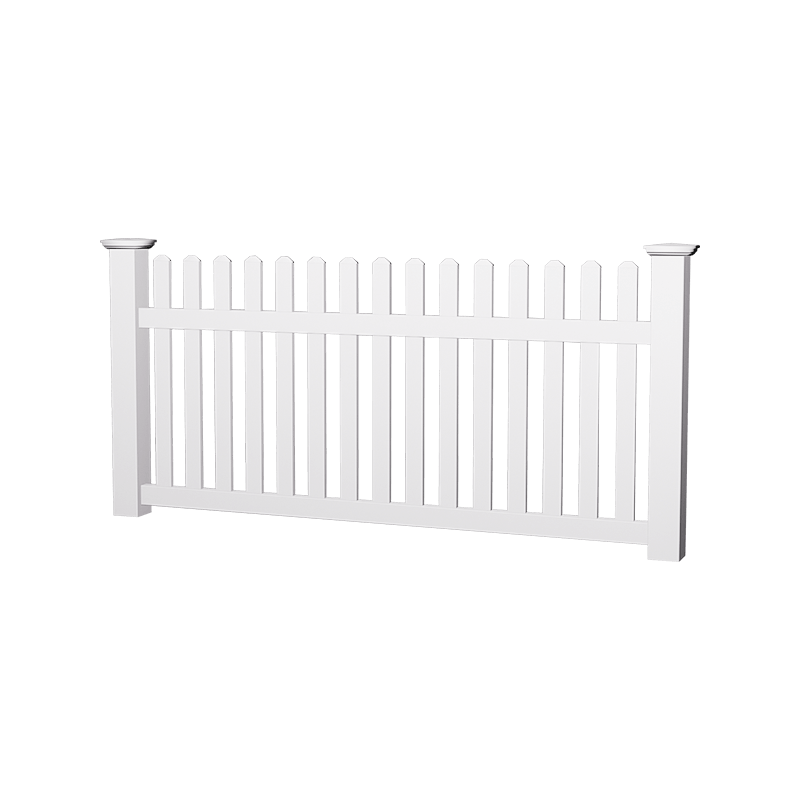
Our durable and versatile Picket Fence, designed specifically for farm use. Crafted from 100% virgin PVC plastic, this fence panel is not coated, ensuring superior quality and longevity. With dimensio...
See Details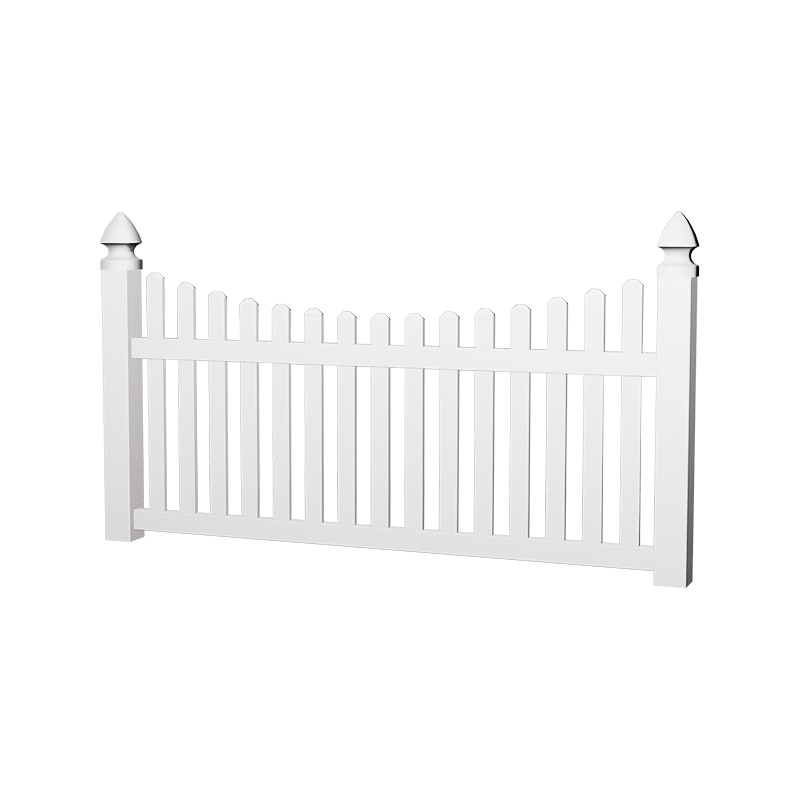
Introducing our 7/8"x3" Plastic Picket, designed specifically for farm applications. Crafted from 100% virgin PVC, this picket is not coated, ensuring maximum durability and resistance to impacts. Wit...
See Details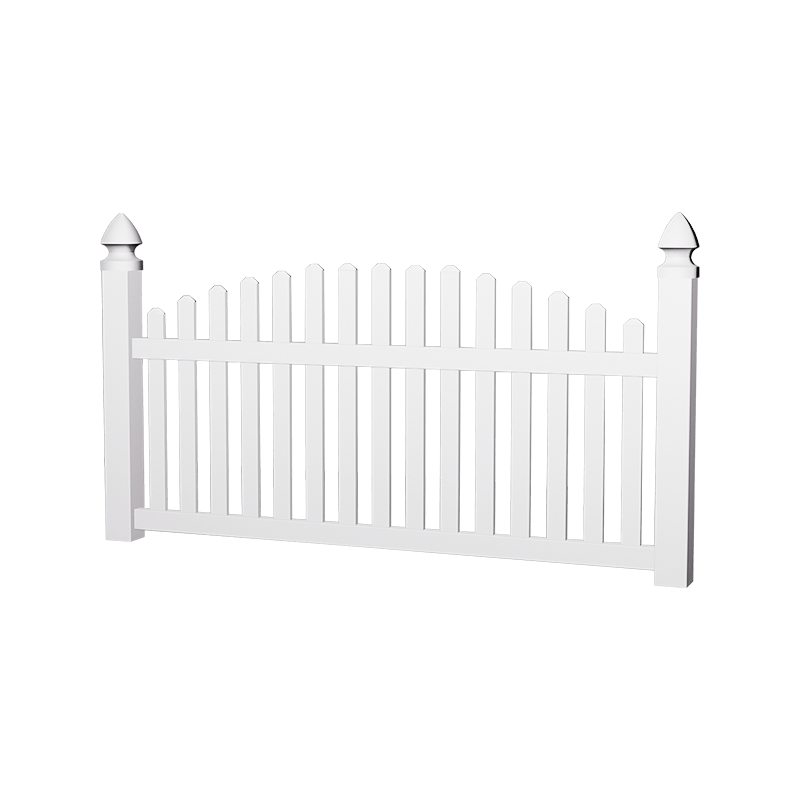
The Dog Ear Top Garden Fence, the ultimate solution for your farm fencing needs. Crafted from 100% virgin PVC, this fence is designed to withstand the elements without the worry of rot or decay, makin...
See Details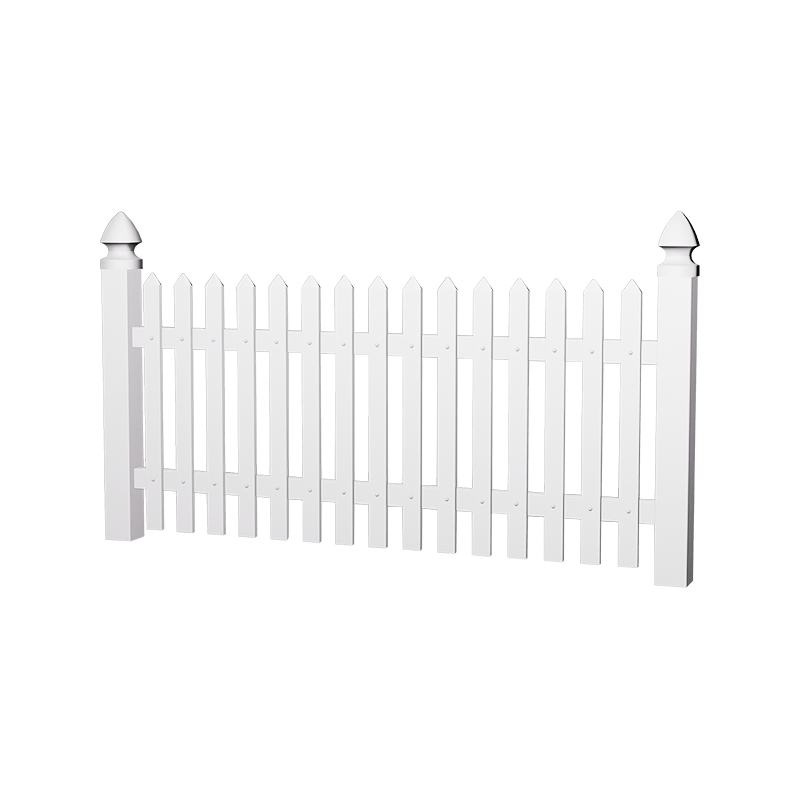
Decorate your outdoor spaces with our durable and stylish PVC Face Mounted Pickets Fence. Designed for easy installation and long-lasting performance, this fence is perfect for residential and commerc...
See Details
Our White Vinyl Fence, measuring 4'H x 8'W, designed for both functionality and aesthetics. Made from 100% virgin PVC plastic, this fence is not coated, ensuring unmatched durability and resistance to...
See Details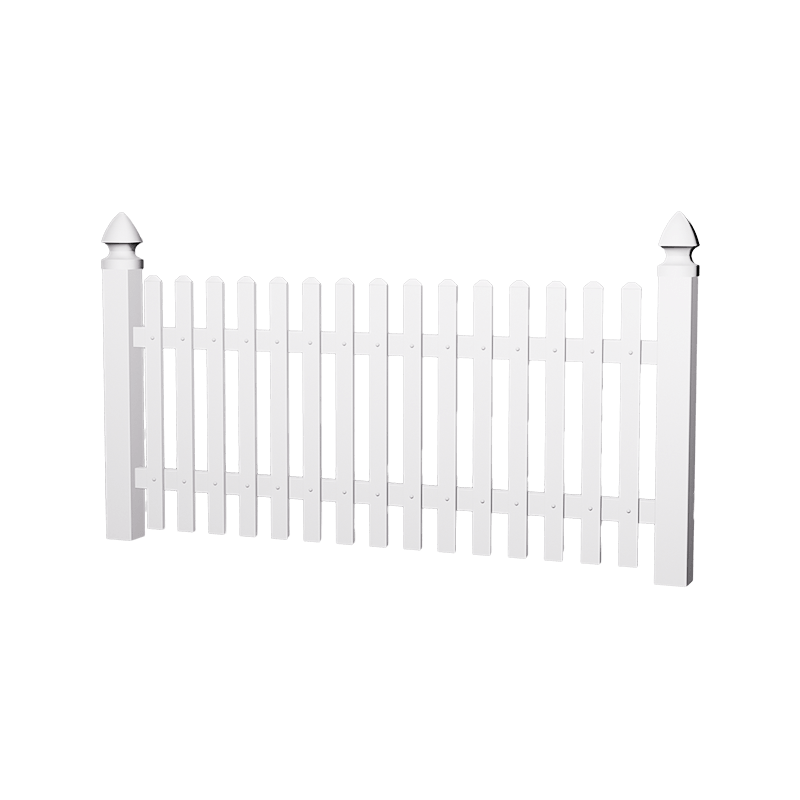
The Traditional Dog Ear Picket is an ideal choice for warehouses, combining aesthetic appeal with practicality. Made from 100% virgin PVC, this durable, low-maintenance fence resists rotting and water...
See Details
We are a professional manufacturer engaged in the research, development,
production, sale, and service of PVC fences and PVC flooring.
Contact Us
Mobile
Copyright © Deqing Huazhijie Railing & Fencing Co.,Ltd. All Rights Reserved.
 Custom Vinyl Fence Manufacturers
 English
 عربى
عربى 中文简体
中文简体 Español