Welcome to Huazhijie!
 +86-572-8086381 / 8282992
  hzjfence1@hzjfence.com


May 07, 2026
Content
If you've been searching for a reliable way to keep your pets safe in the yard without dealing with rust, rot, or constant repainting, a PVC pet fence might be exactly what you need. PVC, or polyvinyl chloride, is a synthetic plastic material that has become increasingly popular for outdoor fencing because it holds up well against the elements and requires almost no upkeep. Whether you have a curious dog that loves to dig under fences or a cat that likes to test every boundary, PVC fencing offers a sturdy and long-lasting solution that blends well with most home styles.
Unlike wood fences that can warp or splinter over time, or metal fences that may corrode in wet climates, PVC pet fences maintain their shape and finish for years. They're also smooth on the surface, which means no sharp edges or splinters that could injure your pet. This makes them a particularly practical choice for households with active or energetic animals.
Not all PVC pet fencing is the same. Depending on your yard layout, your pet's size and behavior, and your aesthetic preferences, you'll find several distinct styles on the market. Here's a breakdown of the most common types:
These are the classic-looking fences with evenly spaced vertical boards and a flat or pointed top. They work well for decorative purposes and for keeping small to medium pets within a defined area. The gaps between pickets are usually narrow enough to prevent small dogs from squeezing through, though they're not ideal for containing very small animals like rabbits or guinea pigs.
These feature solid panels with no gaps, providing both containment and a visual barrier. Dogs that tend to bark at or react to passersby often calm down when they can't see the street. Privacy PVC fencing is typically taller, ranging from 5 to 8 feet, which also makes it harder for larger breeds to jump over.
These consist of horizontal rails between posts and are more commonly seen on rural or semi-rural properties. They're better suited for larger animals like horses or livestock, but some homeowners also use them in combination with wire mesh to create a more pet-secure enclosure.
For those who need flexibility, portable modular PVC panels can be assembled and reconfigured without permanent installation. These are ideal for renters, for creating temporary play zones, or for use indoors and outdoors alike. They're lightweight, easy to move, and don't require tools to set up.
There are several practical reasons why pet owners continue to choose PVC vinyl fencing over other materials. Here are the most significant advantages:
Choosing the right fence material involves trade-offs. Here's a direct comparison of PVC against wood, aluminum, and chain-link fencing across the factors that matter most to pet owners:
| Feature | PVC / Vinyl | Wood | Aluminum | Chain-Link |
| Maintenance | Very Low | High | Low | Low |
| Weather Resistance | Excellent | Poor–Fair | Good | Good |
| Pet Safety | High | Medium | Medium | Low–Medium |
| Privacy | High (privacy style) | High | Low | Low |
| Lifespan | 20–30 years | 10–15 years | 30+ years | 15–20 years |
| Upfront Cost | Medium–High | Low–Medium | High | Low |
As the table shows, PVC vinyl fencing scores well across nearly every category that matters to pet owners. Its main drawback is the higher initial cost compared to wood or chain-link, but the low lifetime maintenance expense tends to balance that out over time.

Shopping for a PVC pet enclosure requires more than just picking a style you like. Here are the most important factors to evaluate before making a purchase:
Thicker PVC walls mean a stronger, more impact-resistant fence. Budget options often use thin-walled PVC that can crack under pressure, especially in cold climates where the material becomes more brittle. Look for panels with a wall thickness of at least 0.150 inches for residential use, and choose products that are rated for outdoor UV exposure.
A fence that's too short is no fence at all. As a general guide, small breeds under 25 lbs typically need at least 3 to 4 feet of height. Medium breeds need 4 to 5 feet, and large or athletic breeds — especially known jumpers like Huskies, Labradors, or German Shepherds — need at least 6 feet. If your dog is a determined climber, look for fence styles that don't offer easy footholds.
Gaps that are too wide allow smaller dogs, puppies, or cats to squeeze through. Standard picket spacing is around 3.5 inches, which works for most medium to large dogs, but if you have a smaller breed, look for closer-spaced options or solid panel styles. For multi-pet households with both cats and dogs, solid privacy panels are usually the safest bet.
The posts anchor the entire fence, so a weak post system undermines even the best panels. For permanent installations, posts should be set in concrete at least 2 feet deep. Make sure the post caps and rail brackets included with the system are made from the same grade of PVC or a compatible material, as mismatched components can lead to premature failure.
Gates are often the weakest point in any pet fence. Look for self-closing hinges and a latch that's difficult for a dog to nudge open. Double-latch systems or latches positioned on the inside of the gate are ideal for households with clever, persistent dogs. Also check that the gate frame is reinforced, as gates take more physical stress than stationary panels.
Installing a PVC fence yourself is achievable for most homeowners with basic DIY skills. Here are practical steps and tips to get it right:
One of the biggest selling points of a vinyl pet fence is how little ongoing care it requires. That said, a little routine attention goes a long way in keeping it looking and performing its best.
Rinse the fence with a garden hose every few months to remove dirt, pollen, and organic buildup. For tougher stains like mold, mildew, or algae, a solution of warm water and white vinegar works well without damaging the surface. Avoid abrasive scrubbers, as they can dull the finish. For stubborn marks, a soft-bristle brush with mild dish soap is usually enough.
Do a visual walk-around at least twice a year, ideally in spring and fall. Look for cracks, warped sections, or loose post caps. In areas with extreme seasonal temperature swings, PVC can expand and contract, which occasionally causes panels to pop out of their rail brackets. These are easy to snap back in place, but catching them early prevents a potential escape route for your pet.
Light surface scratches on white PVC can often be reduced with a product like Rejuvenate or a vinyl restorer. Deeper gouges or cracks may require replacing the affected panel section. Since PVC fence systems are modular, replacing a single panel or post is usually straightforward and doesn't require professional help.
Even with a quality fence, certain oversights can undermine its effectiveness. Here are the mistakes worth avoiding:
A PVC pet fence is a strong choice for homeowners who want a durable, low-maintenance, and visually clean solution for containing their pets. It works especially well in suburban settings, for small to large dog breeds, and for anyone who wants to avoid the recurring costs of wood fence upkeep. It's also a good option for households where pet safety is a top priority, given the smooth, non-hazardous surface and solid construction options available.
That said, it's not a perfect fit for every situation. If you're on a tight budget, need a temporary solution, or have a property with challenging terrain, other materials or portable fencing options might serve you better. The key is to assess your specific pet's behavior, your yard's conditions, and your long-term goals before committing to a fencing system. When the fit is right, a quality PVC vinyl pet fence can provide years of reliable, worry-free performance.
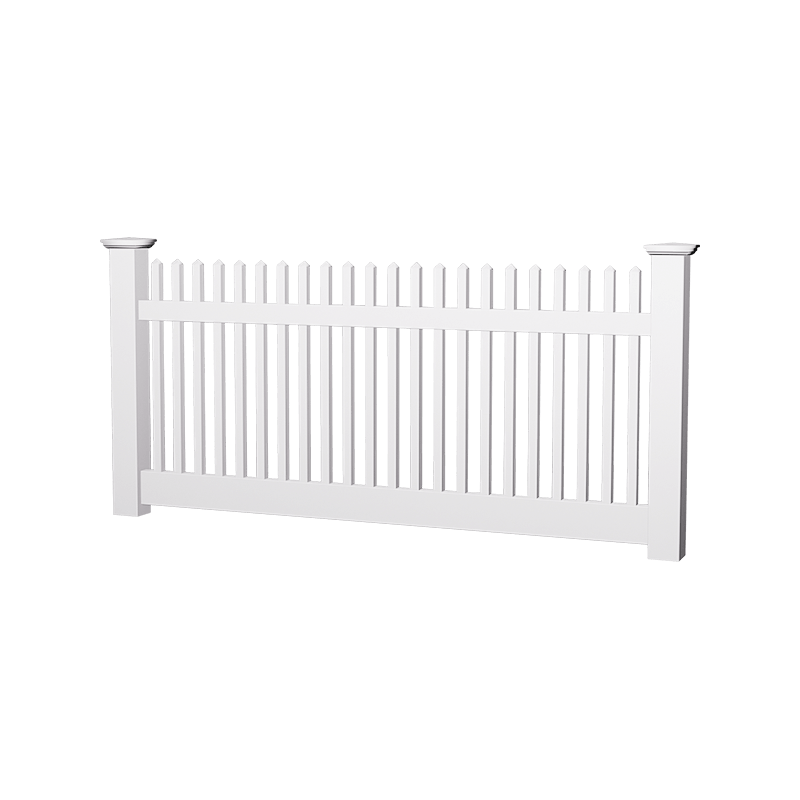
Our 1.5"x1.5" Horizontal Picket Fence, the ultimate garden solution made from 100% virgin PVC for unmatched durability and low maintenance. Designed for easy DIY installation, this fire-proof fence re...
See Details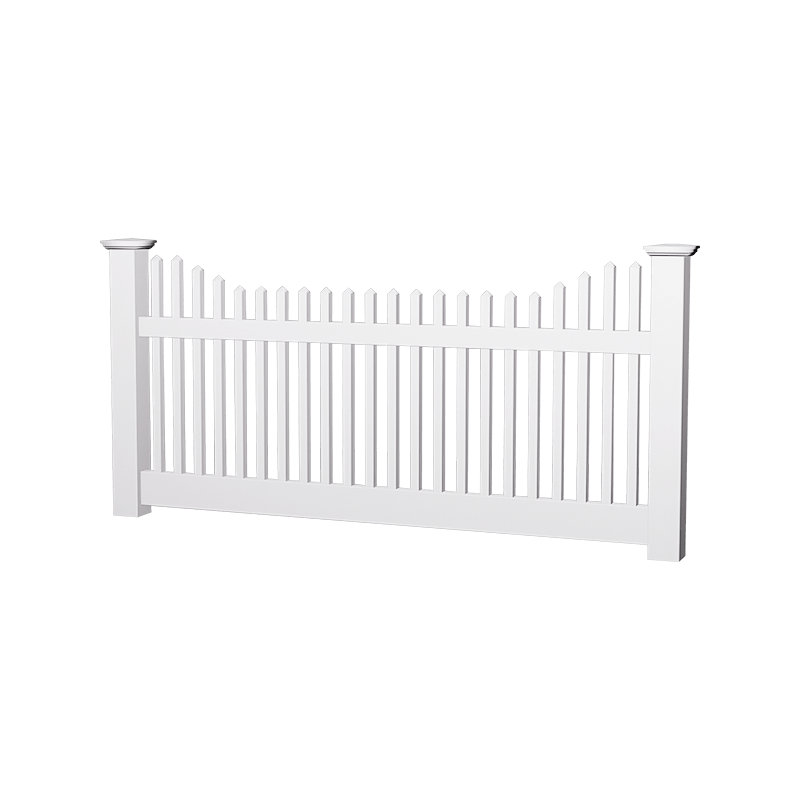
The Special-Shaped Picket Fence, the perfect addition to any home. Crafted from 100% virgin PVC, this fence combines durability and elegance with low maintenance requirements. Designed for easy DIY in...
See Details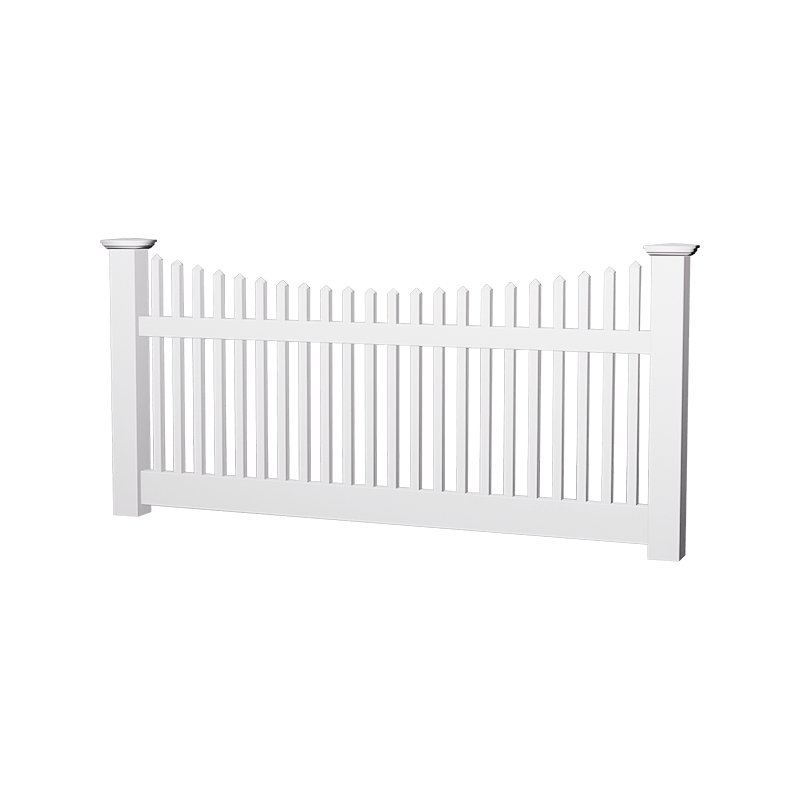
The Special-Shaped Picket Fence, the perfect addition to any home. Crafted from 100% virgin PVC, this fence combines durability and elegance with low maintenance requirements. Designed for easy DIY in...
See Details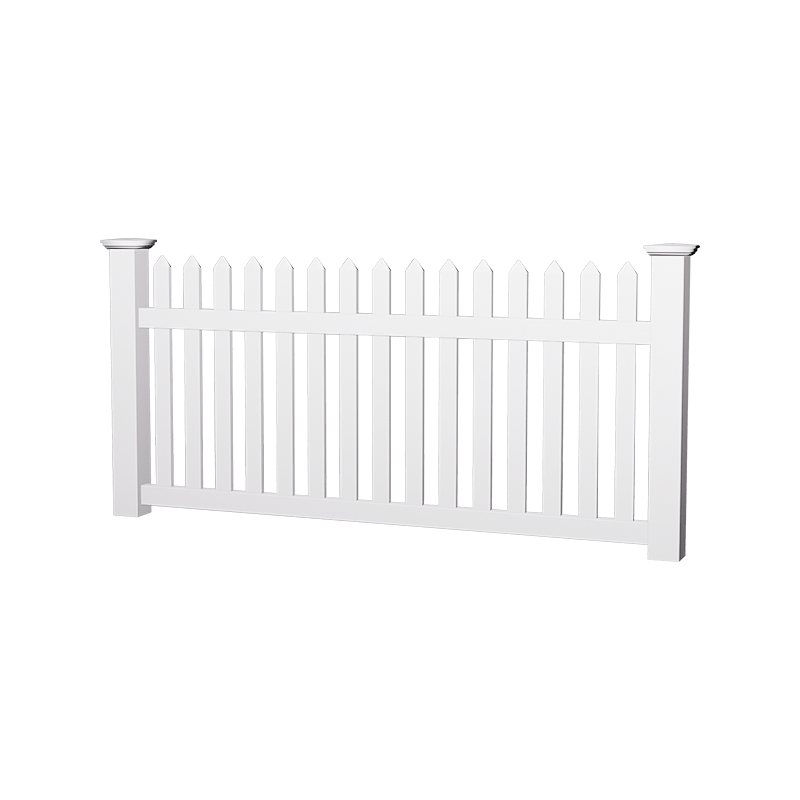
Enhance your home’s exterior with our Traditional Straight Spade Fence, crafted from 100% virgin PVC for exceptional durability and style. This low-maintenance solution is designed for easy installati...
See Details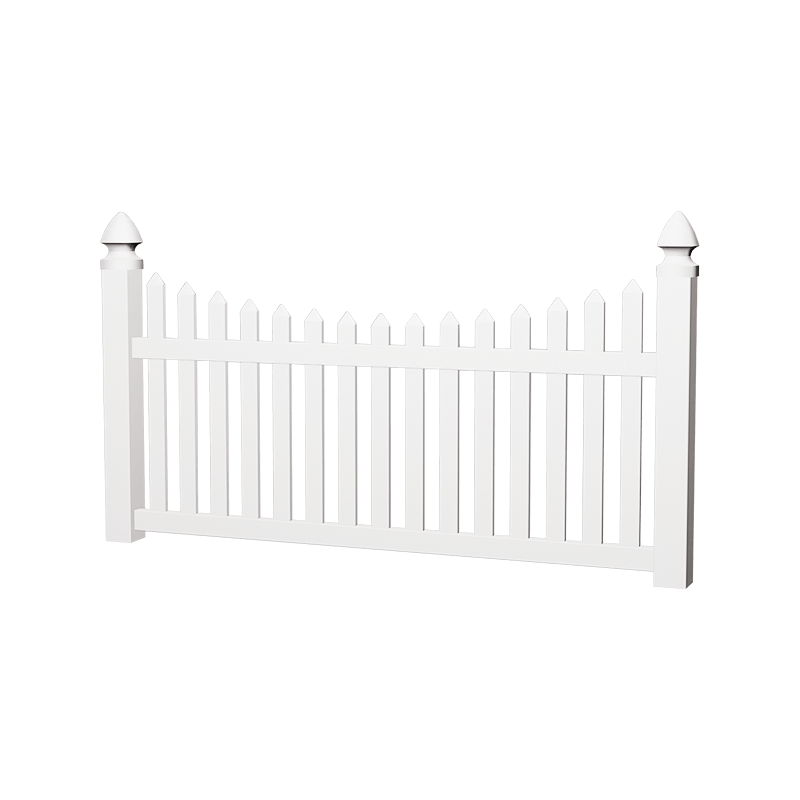
Transform your outdoor space with our 7/8"x3" Outdoor Picket Fence, specifically designed for farm use and outdoor applications. Crafted from 100% Virgin PVC, this durable and high-impact resistant fe...
See Details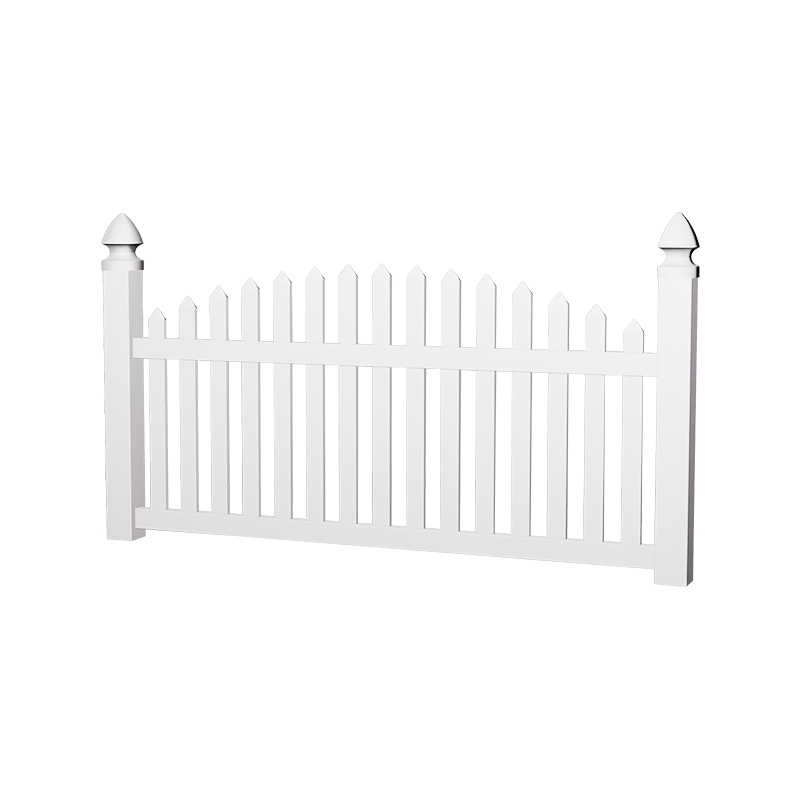
Enhance your farm's aesthetic and functionality with our PVC Arched Picket Fence. Crafted from 100% virgin PVC, this durable and stylish fencing solution combines the classic charm of traditional pick...
See Details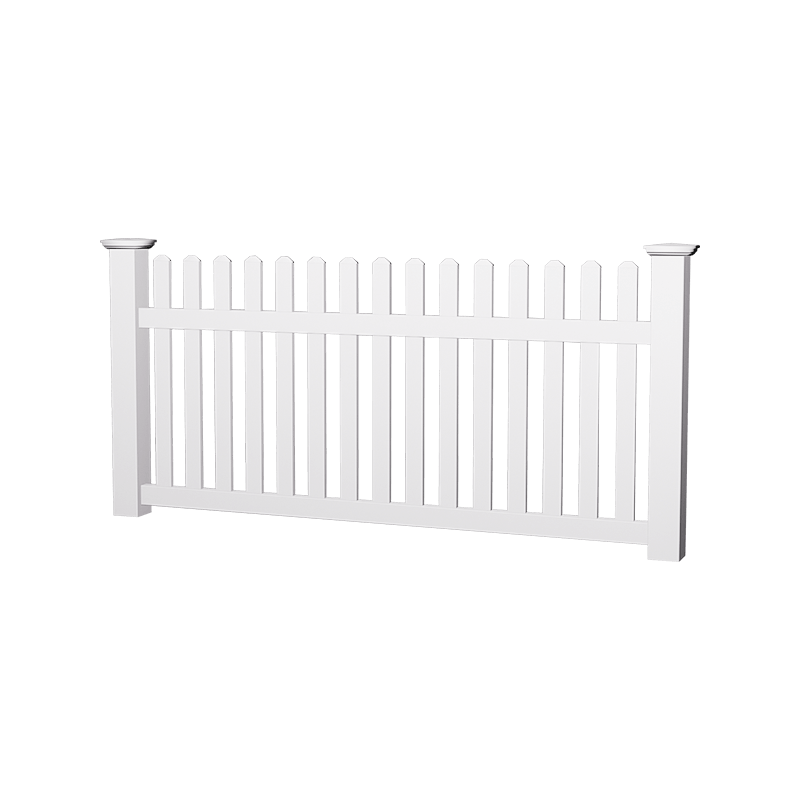
Our durable and versatile Picket Fence, designed specifically for farm use. Crafted from 100% virgin PVC plastic, this fence panel is not coated, ensuring superior quality and longevity. With dimensio...
See Details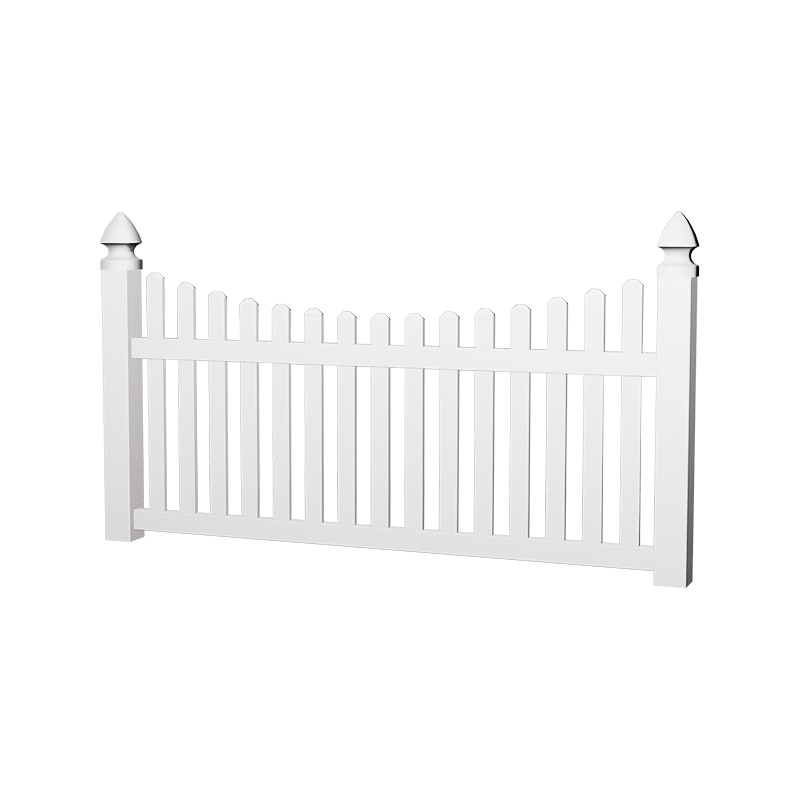
Introducing our 7/8"x3" Plastic Picket, designed specifically for farm applications. Crafted from 100% virgin PVC, this picket is not coated, ensuring maximum durability and resistance to impacts. Wit...
See Details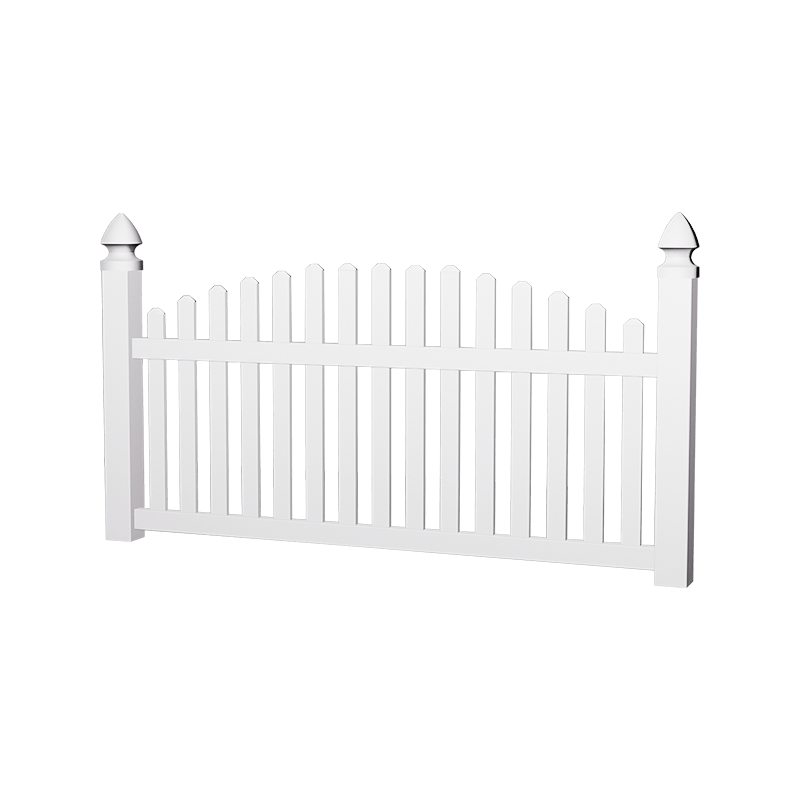
The Dog Ear Top Garden Fence, the ultimate solution for your farm fencing needs. Crafted from 100% virgin PVC, this fence is designed to withstand the elements without the worry of rot or decay, makin...
See Details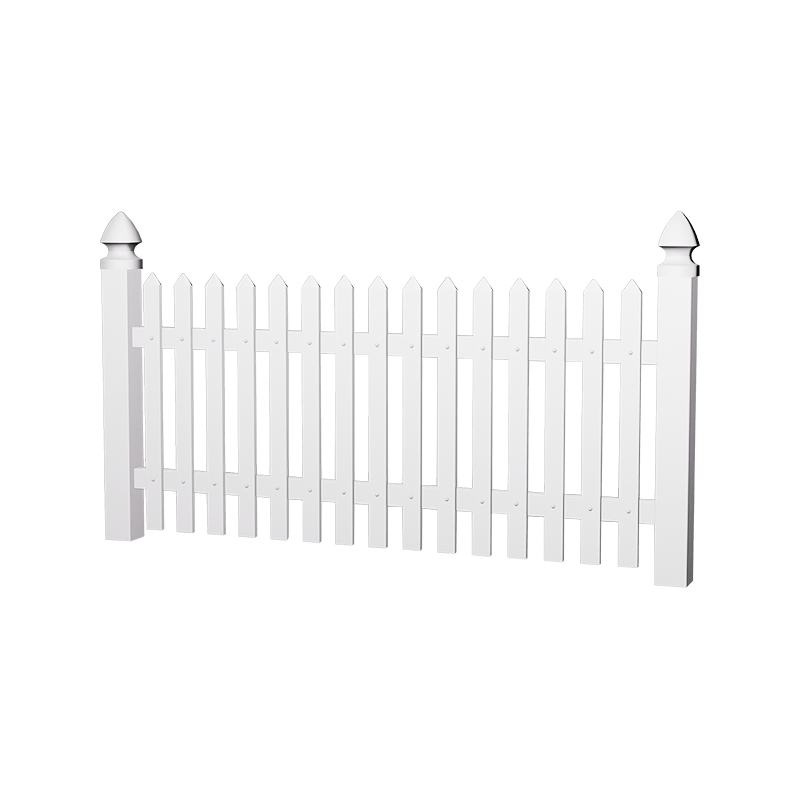
Decorate your outdoor spaces with our durable and stylish PVC Face Mounted Pickets Fence. Designed for easy installation and long-lasting performance, this fence is perfect for residential and commerc...
See Details
Our White Vinyl Fence, measuring 4'H x 8'W, designed for both functionality and aesthetics. Made from 100% virgin PVC plastic, this fence is not coated, ensuring unmatched durability and resistance to...
See Details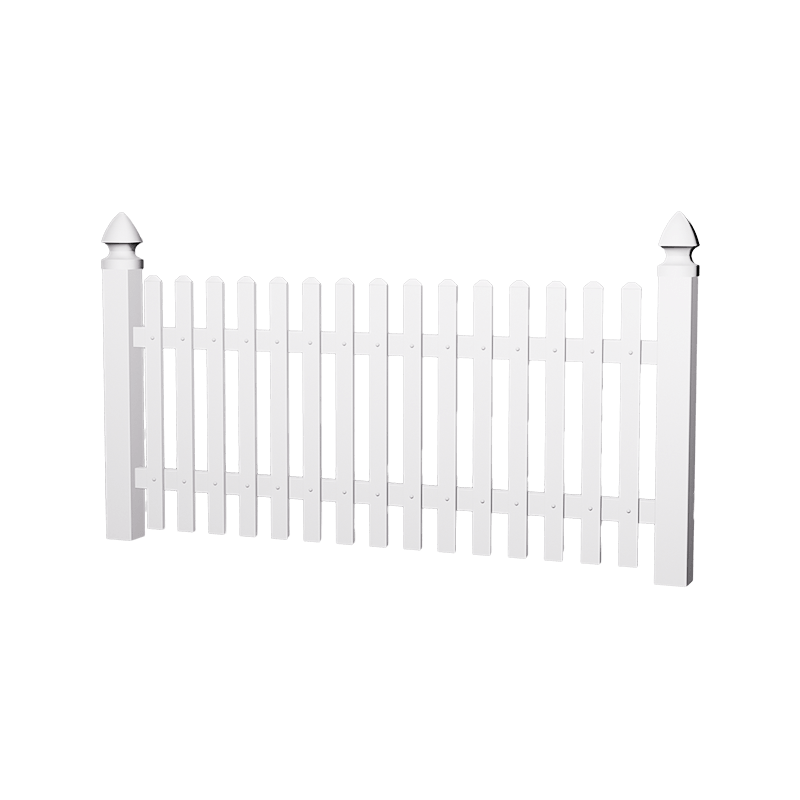
The Traditional Dog Ear Picket is an ideal choice for warehouses, combining aesthetic appeal with practicality. Made from 100% virgin PVC, this durable, low-maintenance fence resists rotting and water...
See Details
We are a professional manufacturer engaged in the research, development,
production, sale, and service of PVC fences and PVC flooring.
Contact Us
Mobile
Copyright © Deqing Huazhijie Railing & Fencing Co.,Ltd. All Rights Reserved.
 Custom Vinyl Fence Manufacturers
 English
 عربى
عربى 中文简体
中文简体 Español