Welcome to Huazhijie!
 +86-572-8086381 / 8282992
  hzjfence1@hzjfence.com


Jul 14, 2026
Content
A horizontal picket fence flips the traditional fence design on its side, literally, replacing the classic vertical pickets with long horizontal boards that run the length of each section. This simple shift in orientation creates a clean, modern look that has become one of the most requested fence styles for new builds and renovations alike. Instead of the familiar white picket look most people grew up with, a horizontal picket fence offers sleek lines that pair beautifully with contemporary homes, mid-century modern architecture, and minimalist landscaping.
Beyond aesthetics, horizontal picket fences also tend to make yards feel more spacious. Because the eye naturally follows horizontal lines outward, a horizontal fence can visually widen a narrow lot, making it a popular choice for suburban homes on tighter parcels. The style works for both privacy fencing, where boards sit close together, and semi-open designs that let light and air pass through while still defining the property line.
Material choice affects everything from upfront cost to how much maintenance your fence will need over the years. Here's a breakdown of the most common options for horizontal picket fencing.
| Material | Lifespan | Maintenance Level |
| Cedar | 15-20 years | Moderate, needs periodic sealing |
| Pressure-Treated Pine | 10-15 years | Higher, prone to warping if untreated |
| Composite | 25-30 years | Low, occasional cleaning only |
| Vinyl or PVC | 20-30 years | Very low, rinse with water |
| Aluminum or Steel | 25-40 years | Very low, rust-resistant coatings |
Cedar remains a favorite for horizontal picket fences because its natural grain looks stunning running horizontally, and it resists rot better than most other softwoods without chemical treatment. That said, composite and vinyl options have become increasingly popular for homeowners who want the horizontal look without the recurring maintenance that wood demands.
Not every horizontal picket fence looks the same. Small design decisions, like board spacing and height, dramatically change both the appearance and function of the finished fence.
This design places horizontal boards edge to edge with little to no gap between them, creating a solid privacy screen while still keeping the modern horizontal aesthetic. It's a popular choice for backyard fencing where blocking sightlines from neighbors matters as much as curb appeal.
Leaving a consistent gap, often one to two inches, between each horizontal board allows light and airflow through the fence while still providing a strong visual barrier. This style tends to look lighter and less imposing than a full privacy fence, making it a good fit for front yards.
Boards are attached on alternating sides of the horizontal rails, creating a fence that looks nearly identical from both sides of the property while still leaving small gaps for airflow. This design is especially popular in shared-fence situations where both neighbors want the finished side facing their own yard.
Building a horizontal picket fence involves a slightly different process than a traditional vertical fence, mainly because of how the horizontal boards attach to the posts. Here's a general step-by-step overview.
Getting the horizontal lines perfectly level matters more with this style than with vertical picket fences, since any dip or rise in the boards is immediately noticeable across a long horizontal run. Taking extra time with a laser level during installation pays off significantly in the finished appearance.
A horizontal picket fence looks simple, but a few overlooked details can lead to warping, sagging, or a finished product that doesn't hold up over time.
Keeping a horizontal picket fence looking its best requires a bit of routine attention, particularly for wood versions that are more exposed to weather changes than composite or vinyl alternatives.
Applying a fresh coat of stain or sealant every two to three years helps horizontal wood boards resist moisture absorption, which is the leading cause of warping and cracking in this fence style. Pay special attention to the top edges of each board, since horizontal orientation means rain sits directly on these surfaces.
Because horizontal boards rely on cleats or hidden brackets rather than direct post attachment, it's worth checking these connection points once a year to make sure nothing has loosened from seasonal wood movement or weather exposure.
A horizontal picket fence offers a striking way to update your home's curb appeal while providing the privacy and boundary definition a traditional fence delivers. Choosing the right material for your climate and maintenance preferences, paying close attention during installation, and staying on top of routine upkeep will keep your fence looking sharp for years to come. Whether you're drawn to the clean lines of a modern build or simply want a fresh alternative to the classic vertical picket look, a horizontal picket fence is a project that consistently delivers a strong return on both style and function.

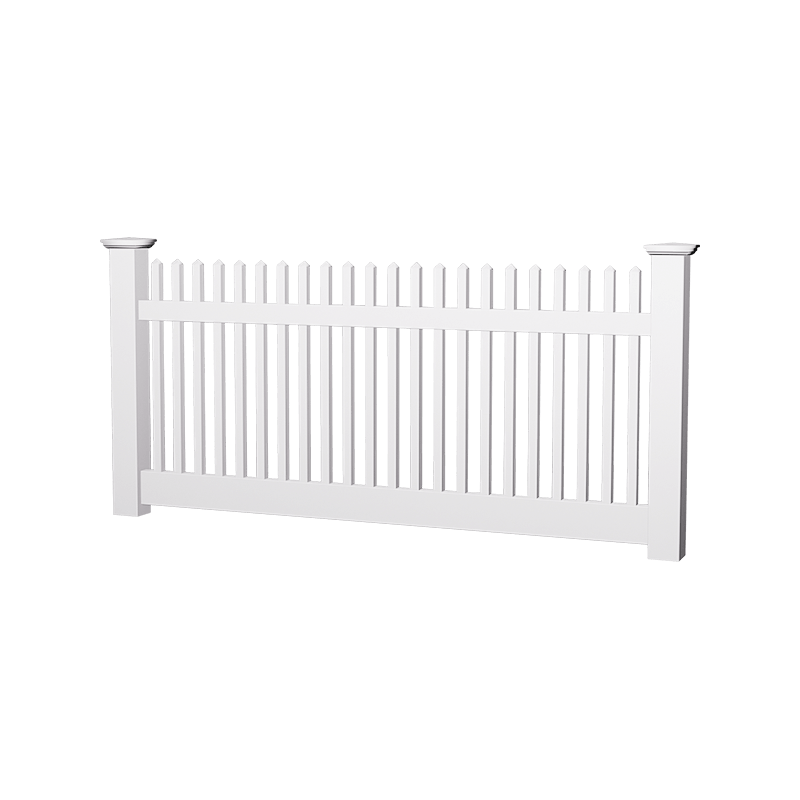
Our 1.5"x1.5" Horizontal Picket Fence, the ultimate garden solution made from 100% virgin PVC for unmatched durability and low maintenance. Designed for easy DIY installation, this fire-proof fence re...
See Details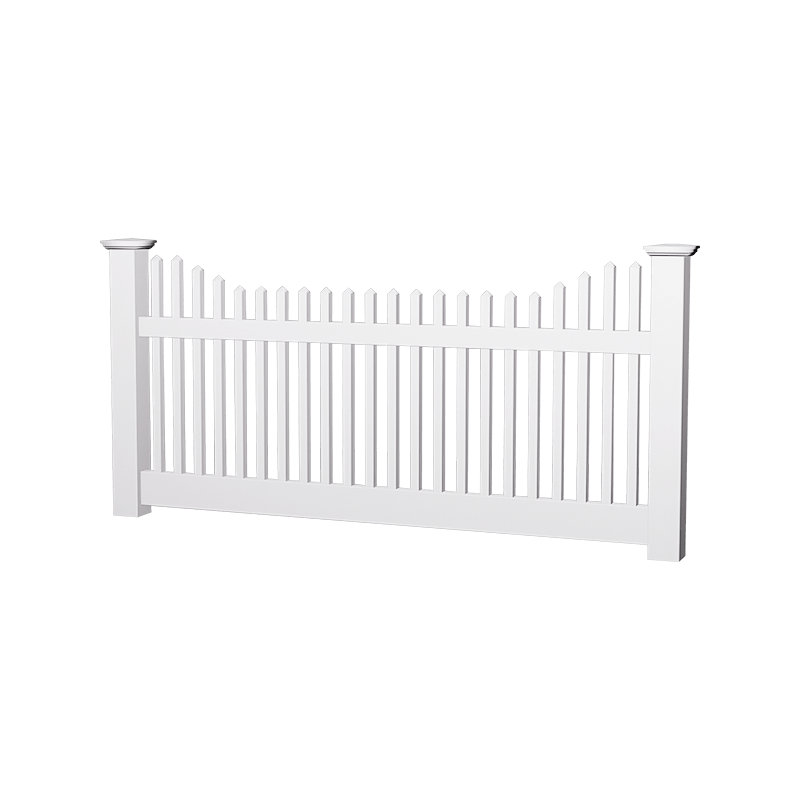
The Special-Shaped Picket Fence, the perfect addition to any home. Crafted from 100% virgin PVC, this fence combines durability and elegance with low maintenance requirements. Designed for easy DIY in...
See Details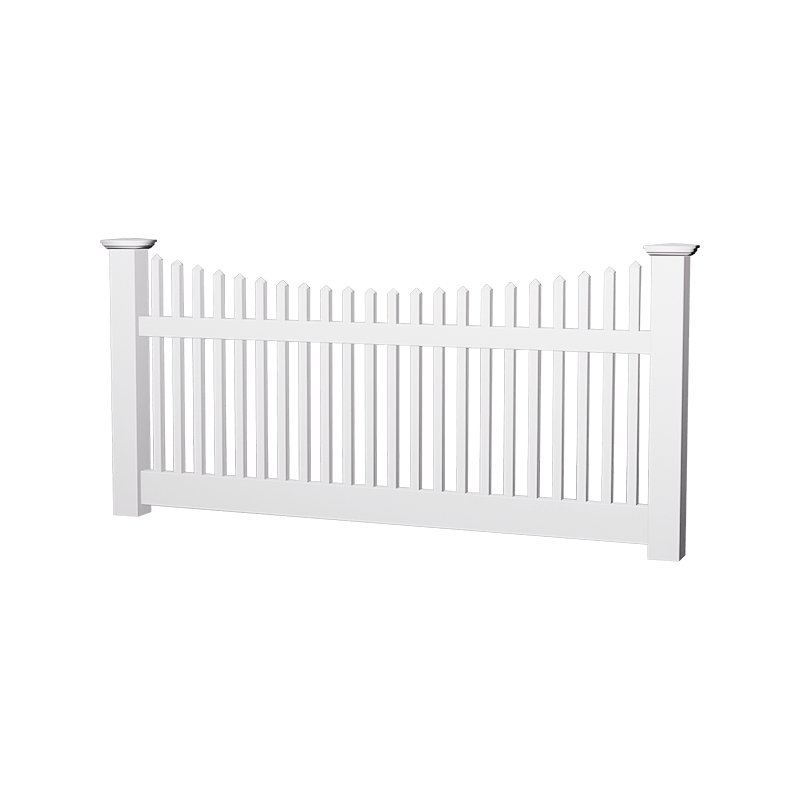
The Special-Shaped Picket Fence, the perfect addition to any home. Crafted from 100% virgin PVC, this fence combines durability and elegance with low maintenance requirements. Designed for easy DIY in...
See Details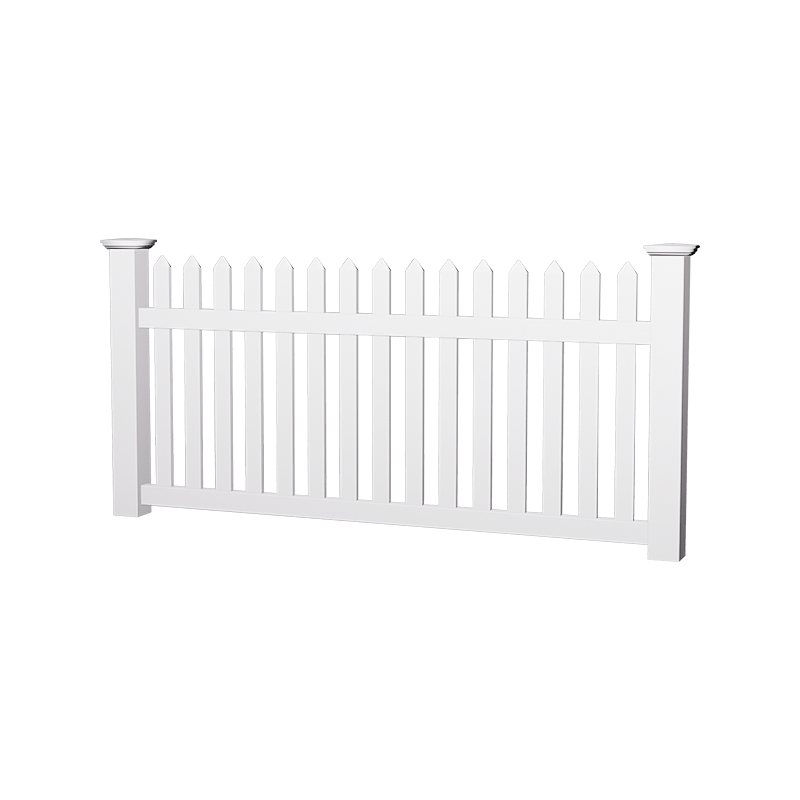
Enhance your home’s exterior with our Traditional Straight Spade Fence, crafted from 100% virgin PVC for exceptional durability and style. This low-maintenance solution is designed for easy installati...
See Details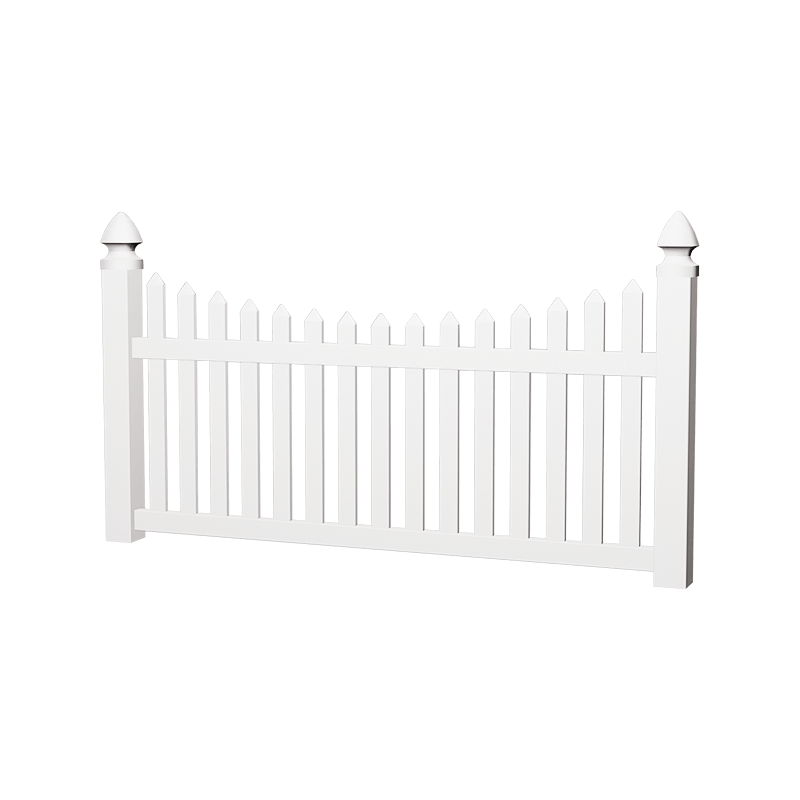
Transform your outdoor space with our 7/8"x3" Outdoor Picket Fence, specifically designed for farm use and outdoor applications. Crafted from 100% Virgin PVC, this durable and high-impact resistant fe...
See Details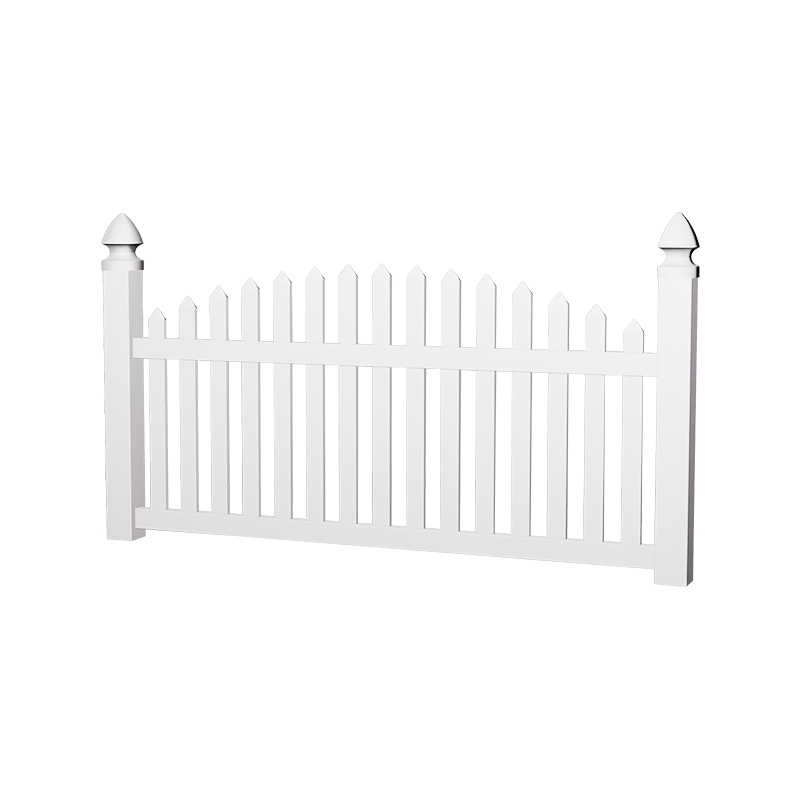
Enhance your farm's aesthetic and functionality with our PVC Arched Picket Fence. Crafted from 100% virgin PVC, this durable and stylish fencing solution combines the classic charm of traditional pick...
See Details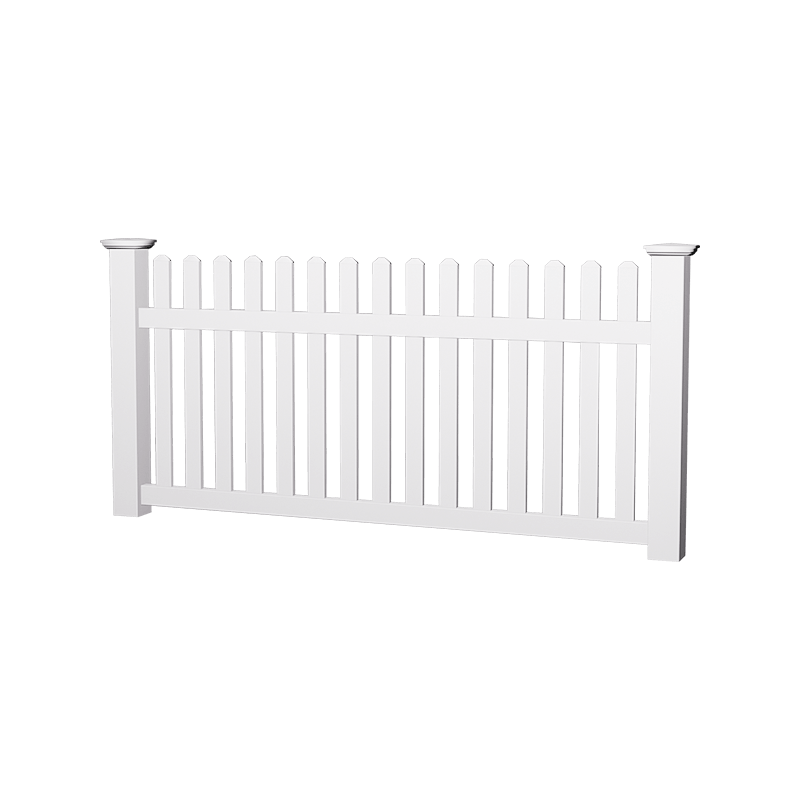
Our durable and versatile Picket Fence, designed specifically for farm use. Crafted from 100% virgin PVC plastic, this fence panel is not coated, ensuring superior quality and longevity. With dimensio...
See Details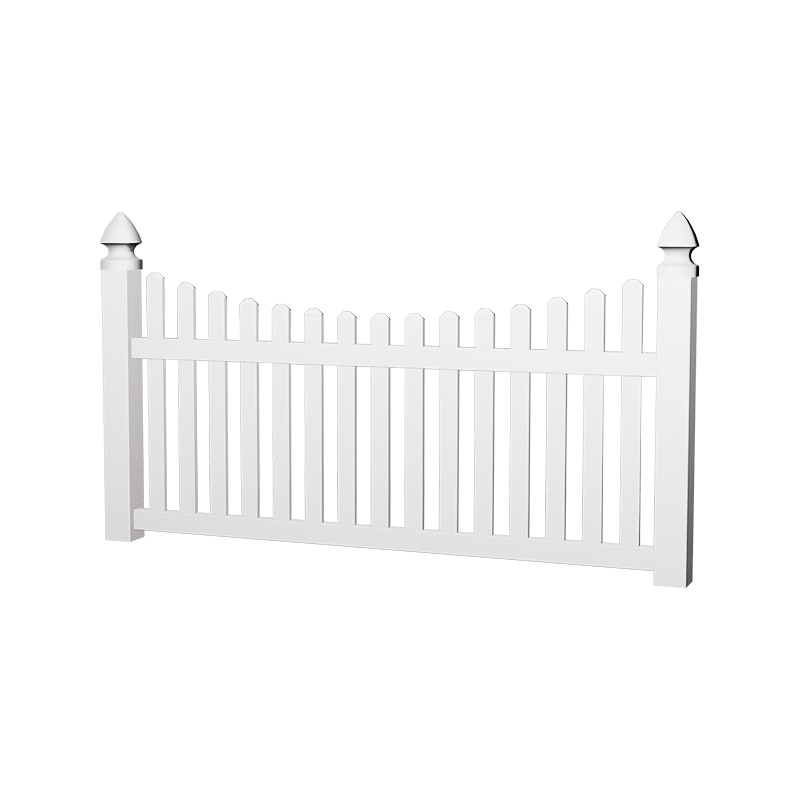
Introducing our 7/8"x3" Plastic Picket, designed specifically for farm applications. Crafted from 100% virgin PVC, this picket is not coated, ensuring maximum durability and resistance to impacts. Wit...
See Details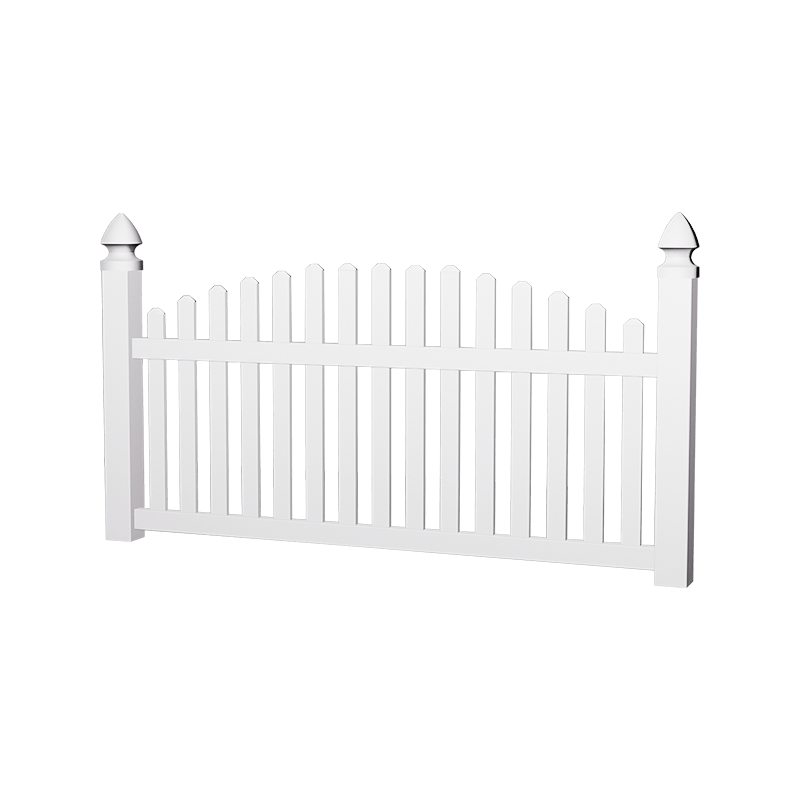
The Dog Ear Top Garden Fence, the ultimate solution for your farm fencing needs. Crafted from 100% virgin PVC, this fence is designed to withstand the elements without the worry of rot or decay, makin...
See Details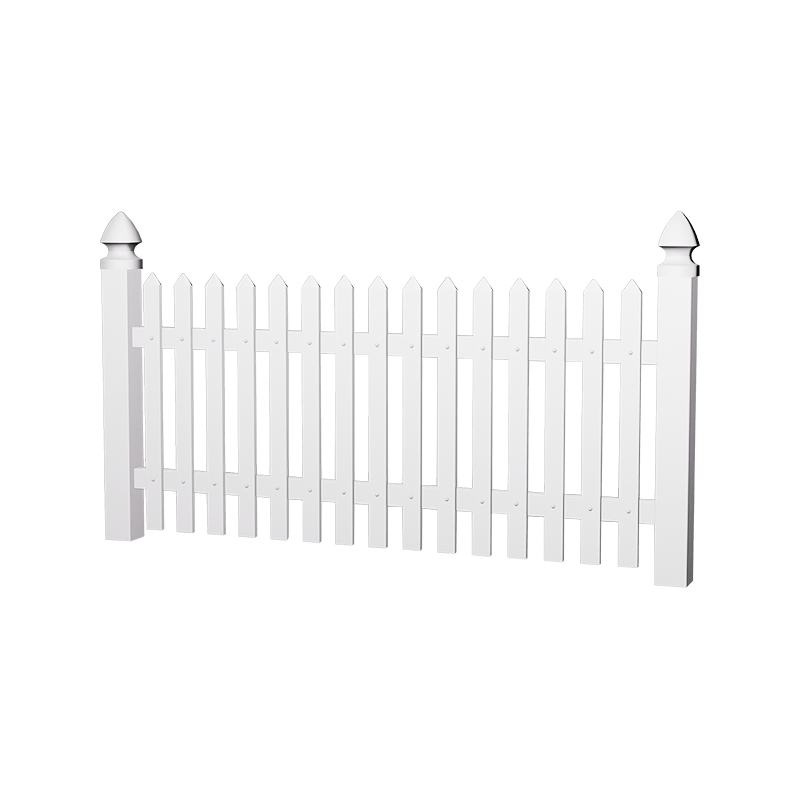
Decorate your outdoor spaces with our durable and stylish PVC Face Mounted Pickets Fence. Designed for easy installation and long-lasting performance, this fence is perfect for residential and commerc...
See Details
Our White Vinyl Fence, measuring 4'H x 8'W, designed for both functionality and aesthetics. Made from 100% virgin PVC plastic, this fence is not coated, ensuring unmatched durability and resistance to...
See Details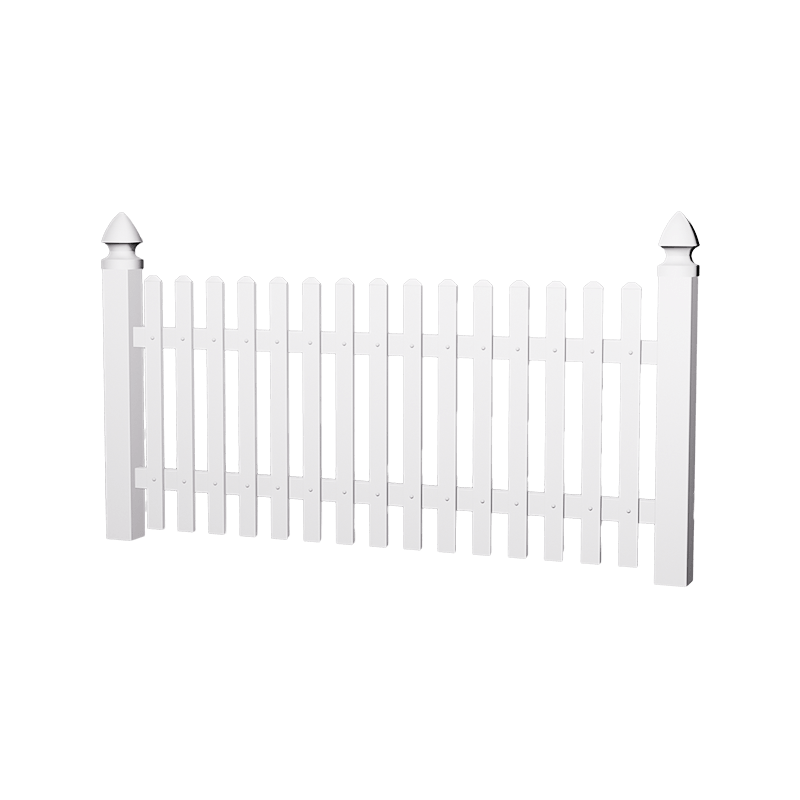
The Traditional Dog Ear Picket is an ideal choice for warehouses, combining aesthetic appeal with practicality. Made from 100% virgin PVC, this durable, low-maintenance fence resists rotting and water...
See Details
We are a professional manufacturer engaged in the research, development,
production, sale, and service of PVC fences and PVC flooring.
Contact Us
Mobile
Copyright © Deqing Huazhijie Railing & Fencing Co.,Ltd. All Rights Reserved.
 Custom Vinyl Fence Manufacturers
 English
 عربى
عربى 中文简体
中文简体 Español