Welcome to Huazhijie!
 +86-572-8086381 / 8282992
  hzjfence1@hzjfence.com


Jul 07, 2026
Content
A PVC privacy fence is a solid-panel fencing system made from polyvinyl chloride, engineered to block sightlines completely while resisting the rot, warping, and insect damage that plague traditional wood fencing. Unlike wood, which requires ongoing staining, sealing, and repair, PVC fencing maintains its appearance for years with minimal upkeep, making it an increasingly common choice for backyards, pool areas, and properties where consistent long-term privacy matters more than a natural wood aesthetic.
The material itself is manufactured using extruded PVC formulated with UV inhibitors and impact modifiers, which allow it to withstand sun exposure and temperature swings without becoming brittle or discolored. This durability is a major reason PVC privacy fencing has expanded beyond budget-conscious installations into mid-range and premium residential markets, where buyers want a fence that looks clean for decades without constant maintenance demands.
Homeowners comparing fencing materials often find that PVC privacy fences solve several common frustrations associated with traditional options.
PVC privacy fences come in several style variations, each suited to different aesthetic preferences and functional needs around a property.
This style uses tongue-and-groove interlocking boards to create a completely solid barrier with no visible gaps, offering maximum privacy and sound dampening for busy neighborhoods or street-facing yards.
Alternating panels overlap on both sides of the fence rail, eliminating gaps while giving a slightly textured appearance that mimics traditional wood board fencing more closely than flat panel designs.
Combining a solid lower section with a decorative lattice top, this style balances privacy at eye level with a softer, more open look near the top of the fence line.
Boards alternate front and back along the rail with small gaps between them, offering a compromise between full privacy and airflow, while looking identical from both sides of the fence.
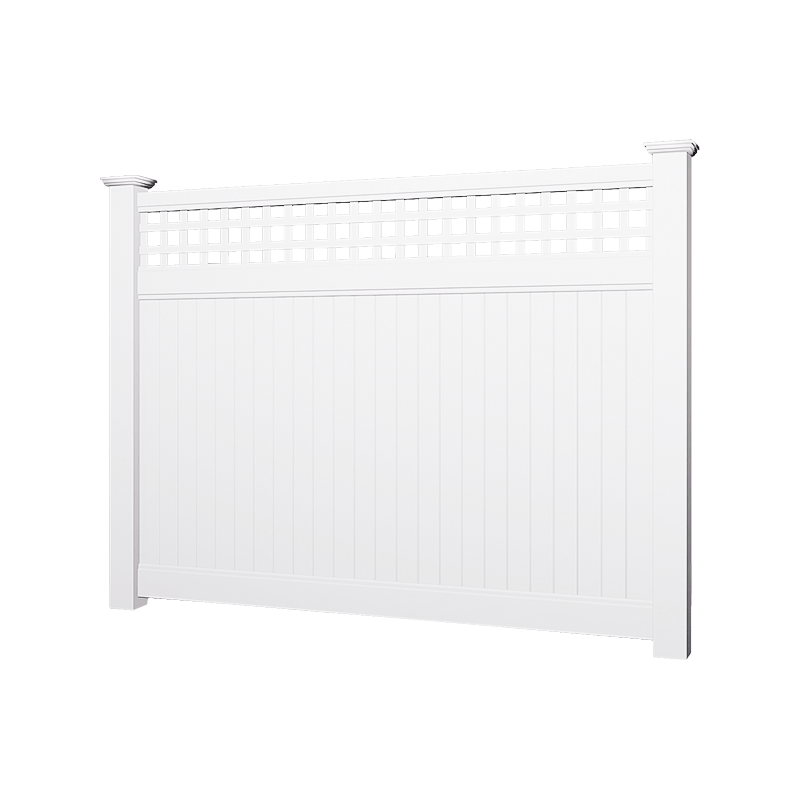
Choosing the right fencing material depends on budget, maintenance tolerance, and how long you expect the fence to last. The table below compares PVC against wood and aluminum options.
| Material | Maintenance Level | Expected Lifespan |
| PVC Fence | Very Low | 20 to 30+ years |
| Wood Fence | High | 10 to 15 years |
| Aluminum Fence | Low | 20 to 30 years |
Before committing to a PVC privacy fence installation, homeowners should think through a few practical factors that affect both the process and long-term satisfaction with the fence.
Many municipalities restrict fence height, particularly for front yards, and some neighborhoods with homeowner associations have specific color or style requirements that need to be confirmed before ordering materials.
PVC fence posts typically require concrete footings set below the frost line in colder climates, so soil composition and drainage should be assessed to prevent post shifting over time.
Because solid PVC panels block wind entirely rather than allowing it to pass through, properties in high-wind regions may need reinforced posts or additional bracing to prevent panel damage during storms.
While many homeowners hire professional installers, understanding the general process helps set realistic expectations for timeline and labor involved. Installation typically begins with marking post locations according to the fence layout, followed by digging post holes to the appropriate depth and setting posts in concrete to cure for at least 24 to 48 hours before continuing. Once posts are secure, rails are attached between posts, and privacy panels are slid or snapped into place along the rail system. Gates require additional reinforcement, often including metal internal framing within the PVC gate frame, to prevent sagging over time from repeated opening and closing.
Although PVC privacy fences require far less maintenance than wood, a few simple habits keep them looking their best for the long haul.
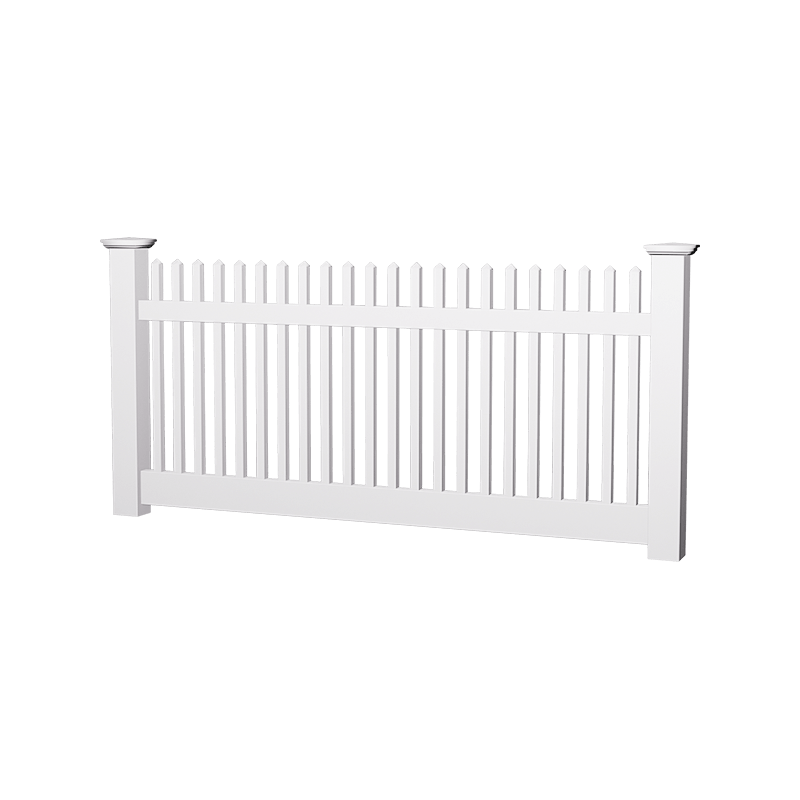
Our 1.5"x1.5" Horizontal Picket Fence, the ultimate garden solution made from 100% virgin PVC for unmatched durability and low maintenance. Designed for easy DIY installation, this fire-proof fence re...
See Details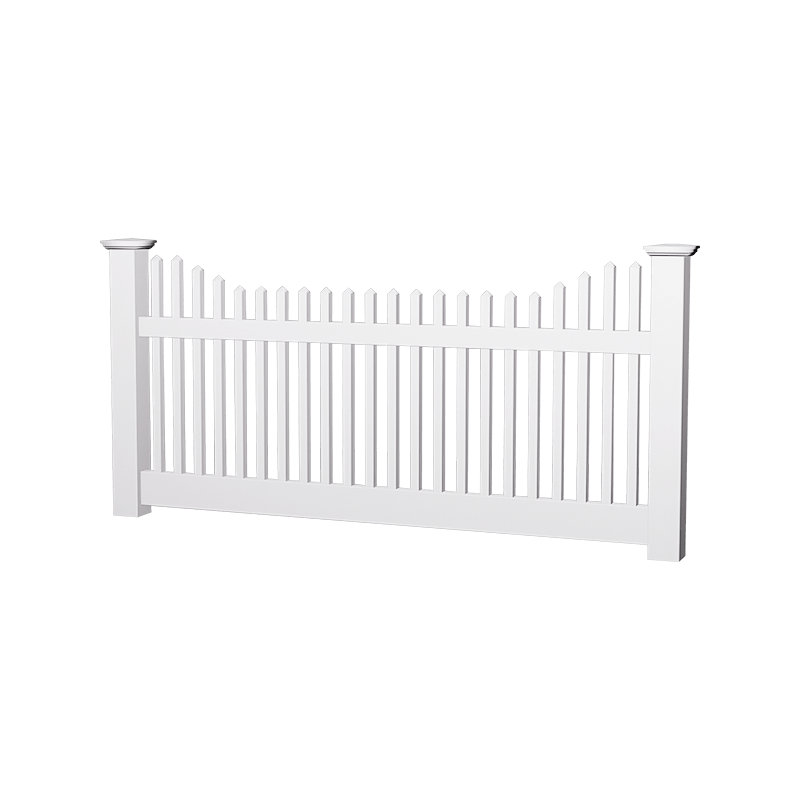
The Special-Shaped Picket Fence, the perfect addition to any home. Crafted from 100% virgin PVC, this fence combines durability and elegance with low maintenance requirements. Designed for easy DIY in...
See Details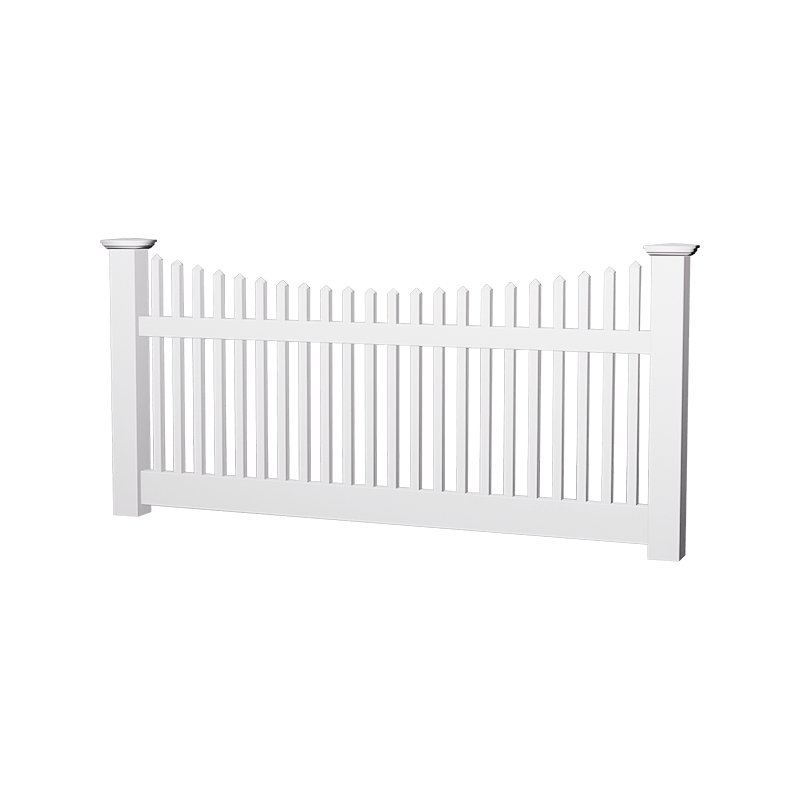
The Special-Shaped Picket Fence, the perfect addition to any home. Crafted from 100% virgin PVC, this fence combines durability and elegance with low maintenance requirements. Designed for easy DIY in...
See Details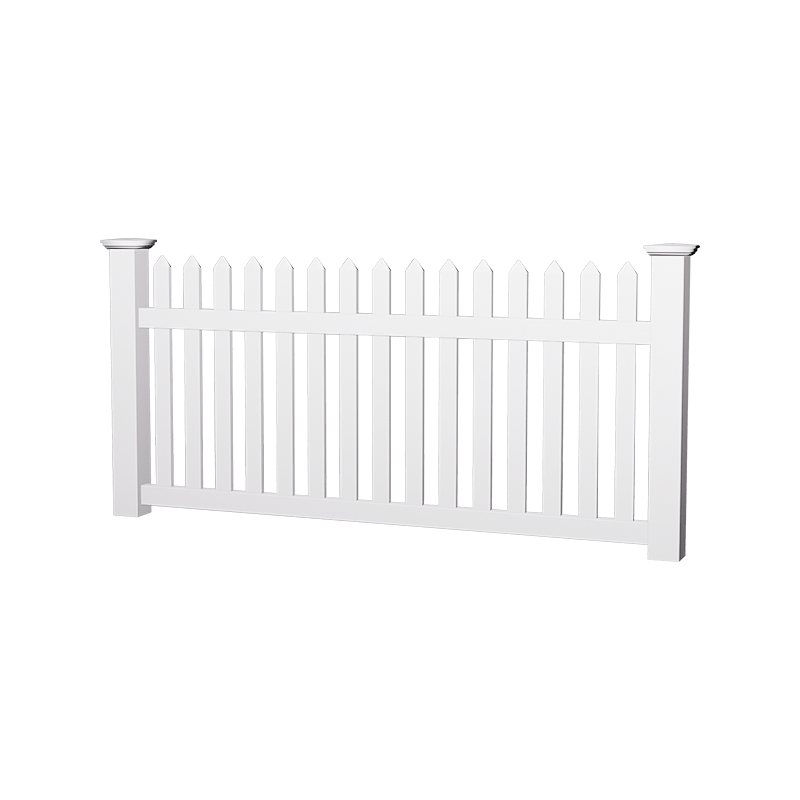
Enhance your home’s exterior with our Traditional Straight Spade Fence, crafted from 100% virgin PVC for exceptional durability and style. This low-maintenance solution is designed for easy installati...
See Details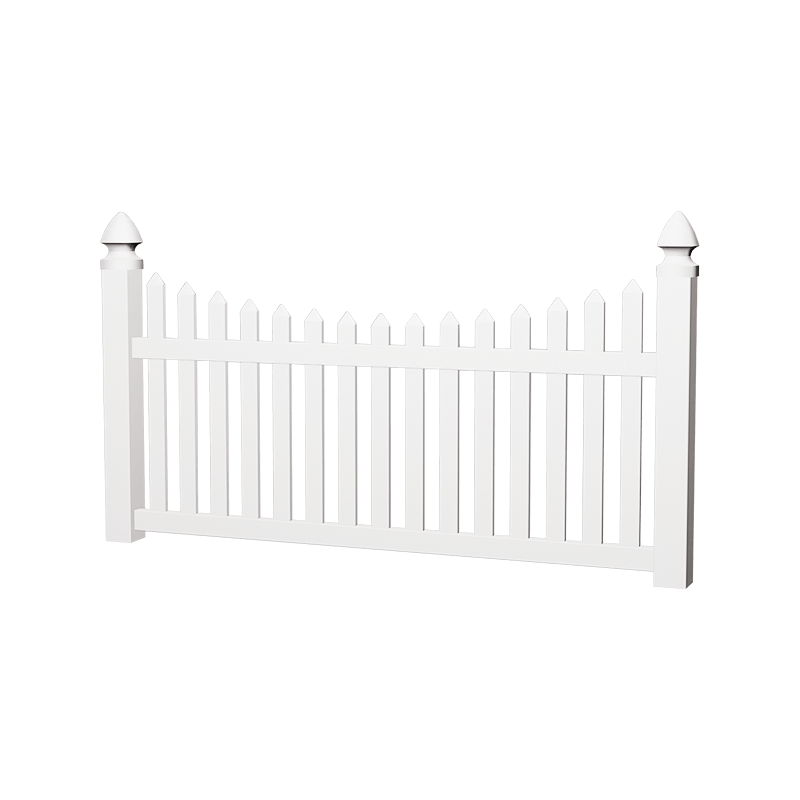
Transform your outdoor space with our 7/8"x3" Outdoor Picket Fence, specifically designed for farm use and outdoor applications. Crafted from 100% Virgin PVC, this durable and high-impact resistant fe...
See Details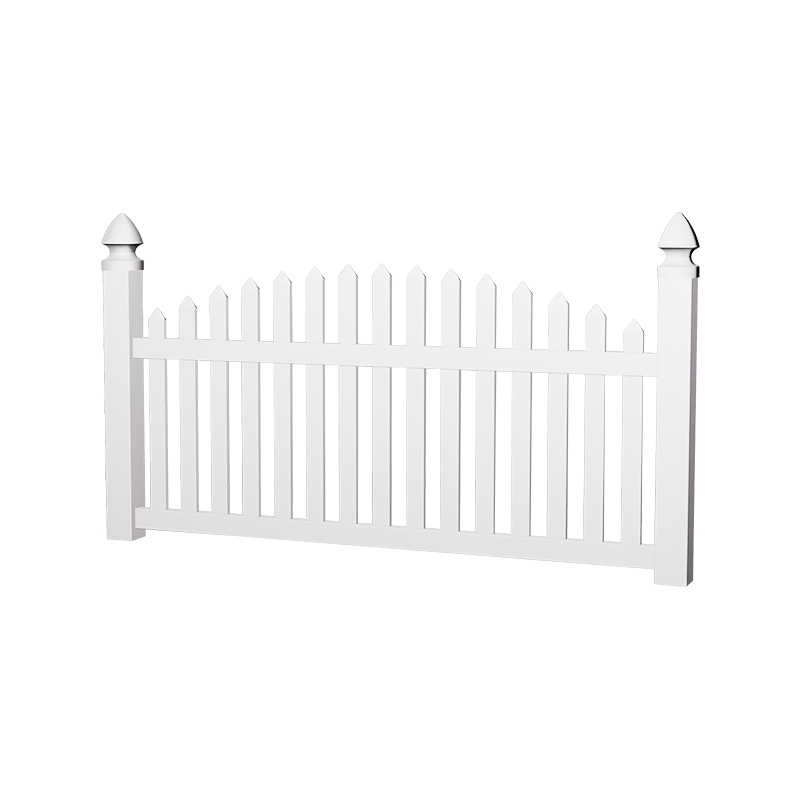
Enhance your farm's aesthetic and functionality with our PVC Arched Picket Fence. Crafted from 100% virgin PVC, this durable and stylish fencing solution combines the classic charm of traditional pick...
See Details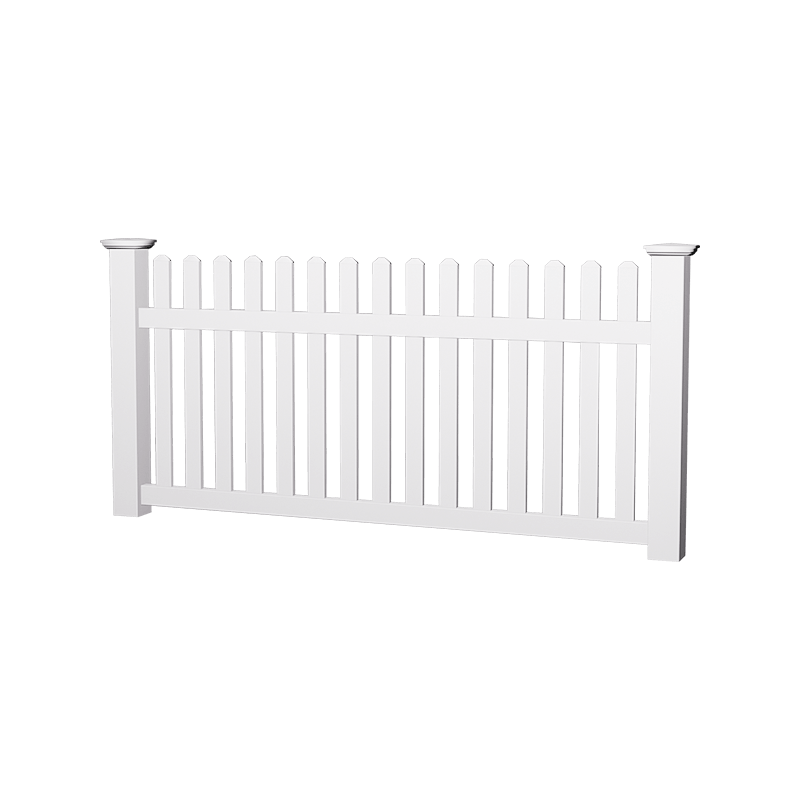
Our durable and versatile Picket Fence, designed specifically for farm use. Crafted from 100% virgin PVC plastic, this fence panel is not coated, ensuring superior quality and longevity. With dimensio...
See Details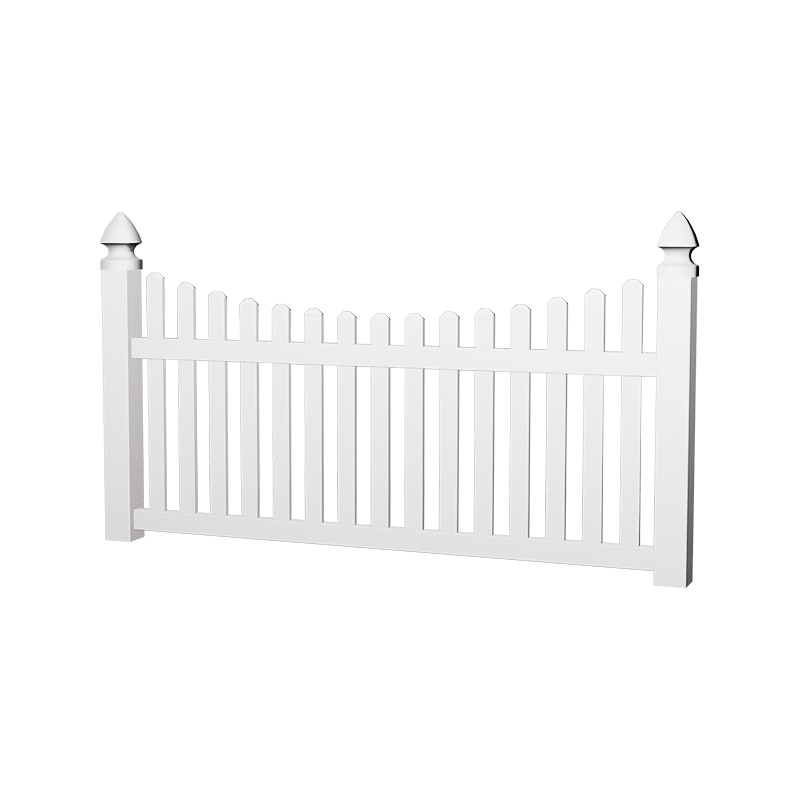
Introducing our 7/8"x3" Plastic Picket, designed specifically for farm applications. Crafted from 100% virgin PVC, this picket is not coated, ensuring maximum durability and resistance to impacts. Wit...
See Details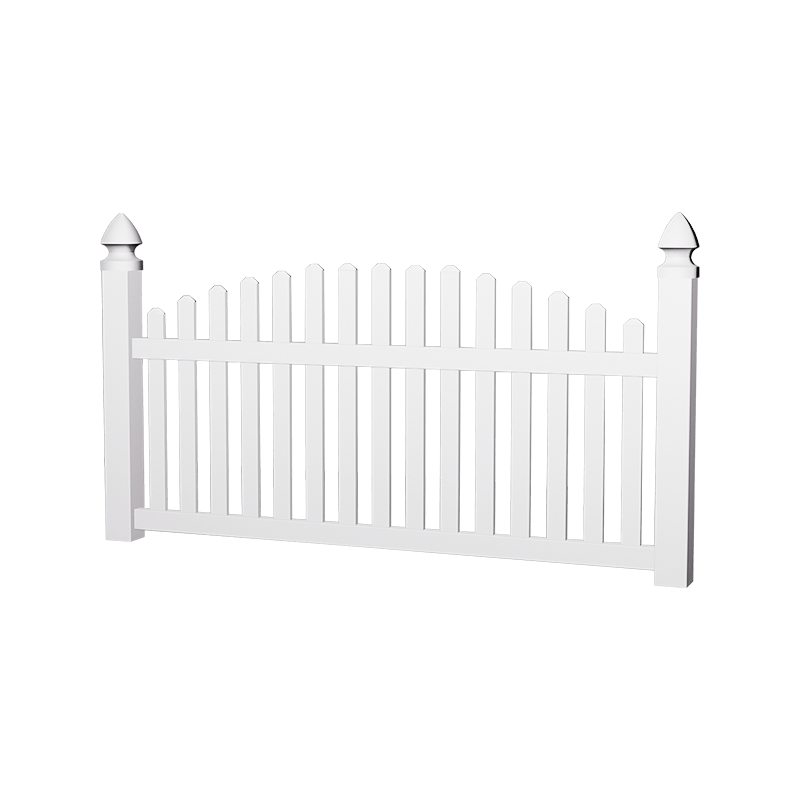
The Dog Ear Top Garden Fence, the ultimate solution for your farm fencing needs. Crafted from 100% virgin PVC, this fence is designed to withstand the elements without the worry of rot or decay, makin...
See Details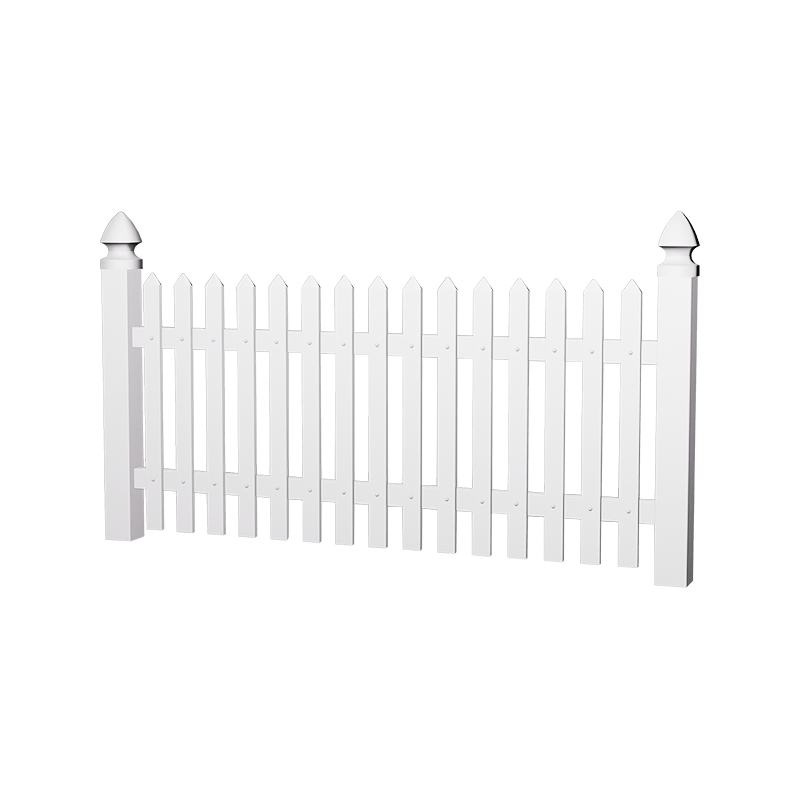
Decorate your outdoor spaces with our durable and stylish PVC Face Mounted Pickets Fence. Designed for easy installation and long-lasting performance, this fence is perfect for residential and commerc...
See Details
Our White Vinyl Fence, measuring 4'H x 8'W, designed for both functionality and aesthetics. Made from 100% virgin PVC plastic, this fence is not coated, ensuring unmatched durability and resistance to...
See Details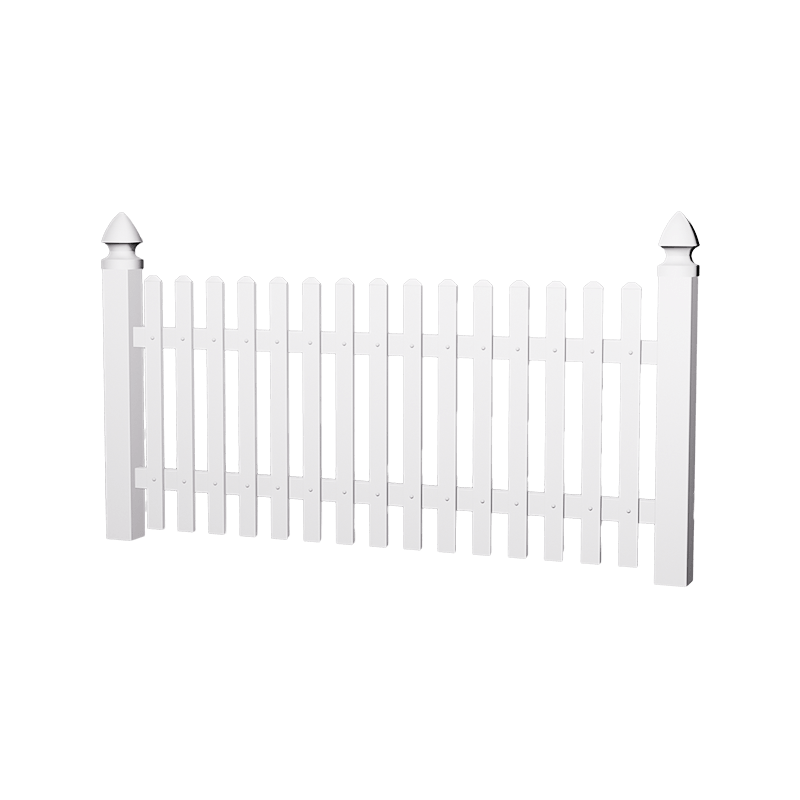
The Traditional Dog Ear Picket is an ideal choice for warehouses, combining aesthetic appeal with practicality. Made from 100% virgin PVC, this durable, low-maintenance fence resists rotting and water...
See Details
We are a professional manufacturer engaged in the research, development,
production, sale, and service of PVC fences and PVC flooring.
Contact Us
Mobile
Copyright © Deqing Huazhijie Railing & Fencing Co.,Ltd. All Rights Reserved.
 Custom Vinyl Fence Manufacturers
 English
 عربى
عربى 中文简体
中文简体 Español