Welcome to Huazhijie!
 +86-572-8086381 / 8282992
  hzjfence1@hzjfence.com


Jul 02, 2026
Content
A PVC railing fence is a fencing system built from polyvinyl chloride, a durable plastic material engineered to mimic the look of painted wood while avoiding nearly all the maintenance headaches that come with it. Unlike traditional wood fencing, PVC railing won't rot, splinter, warp, or attract termites, which makes it a popular choice for homeowners who want a clean, finished look around a yard, pool, deck, or porch without committing to years of sanding, staining, and repainting. Most PVC fence railing systems are built with hollow or foam-filled posts and rails that snap or glue together, creating a rigid structure that holds its shape through temperature swings, moisture, and years of sun exposure.
The rise in popularity of PVC railing fences also has a lot to do with how closely modern manufacturing has managed to replicate traditional fence styles. Many PVC fence and railing products are molded to look like classic picket, post-and-rail, or privacy fence designs, right down to subtle wood-grain texturing on some product lines. This means homeowners can get a familiar, traditional appearance while gaining the practical benefits of a synthetic material that's built to handle decades of outdoor exposure with minimal upkeep.
PVC railing fences come in a range of styles designed for different purposes around a home, and choosing the right one depends largely on whether the goal is privacy, decoration, safety, or some combination of the three. Picket-style PVC fencing remains one of the most popular choices for front yards, offering a classic look with evenly spaced vertical pickets that provide visual openness while still marking a clear property boundary. Privacy-style PVC fencing uses tightly spaced or interlocking panels to block sightlines almost entirely, making it a common choice for backyards where homeowners want a private outdoor space.
| Style | Best Suited For |
| Picket-style railing | Front yards, decorative boundaries |
| Privacy panel fencing | Backyards, areas needing full visual screening |
| Post-and-rail fencing | Larger properties, rural or farmhouse-style yards |
| Pool safety railing | Pool areas requiring code-compliant barriers |
| Deck and porch railing | Elevated decks, porches, and balconies |
Deciding between a PVC railing fence and more traditional materials usually comes down to weighing upfront cost against long-term maintenance and durability. Wood fencing typically costs less to install initially, but the ongoing expense of staining, sealing, and repairing damaged boards adds up considerably over a decade or more, especially in climates with heavy rain, snow, or strong sun exposure. Metal railing, including aluminum and wrought iron, offers excellent strength and a more formal appearance, but it generally costs more upfront and can still be vulnerable to rust over time unless properly coated and maintained.
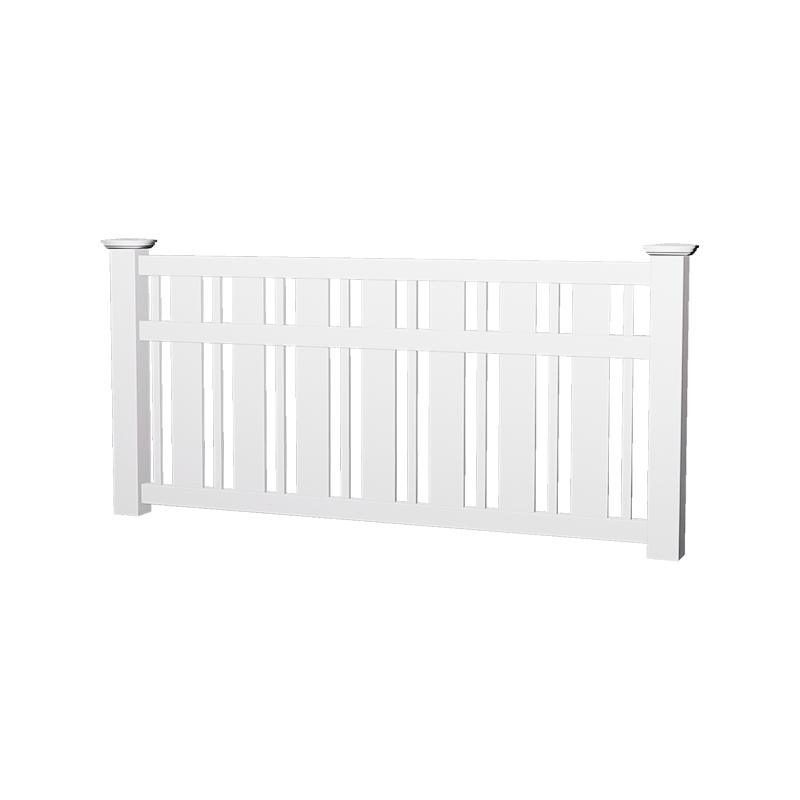
Not all PVC railing fence products are manufactured to the same quality standard, and a few key details separate long-lasting systems from ones that may discolor, crack, or warp prematurely. Checking whether the PVC includes UV-resistant additives matters significantly, since lower-quality material can yellow or become brittle after just a few years of direct sun exposure, while UV-stabilized PVC holds its color and structural integrity far longer. Wall thickness is another important factor, since thicker-walled posts and rails resist impact damage and wind load better than thinner, less expensive alternatives that may flex or crack under pressure.
Even a high-quality PVC railing fence can underperform if it's installed incorrectly, so a few installation details deserve close attention regardless of whether the project is DIY or professionally installed. Post depth and concrete footing size need to account for local frost line depth in colder climates, since shallow or undersized footings can allow posts to shift or heave during freeze-thaw cycles. Proper spacing between posts, following the manufacturer's specified maximum span, also affects how well the rails resist sagging over time, particularly on longer fence runs exposed to wind.
Ground slope is another factor that often gets overlooked until installation is already underway. Many PVC railing fence systems offer routed or adjustable rail options specifically designed to accommodate sloped yards, allowing the fence to step down a grade while keeping each section level rather than installing it at an awkward angle. Confirming which slope-adaptation options a particular product line offers before purchasing saves significant frustration during installation on anything other than perfectly flat ground.
One of the most appealing aspects of a PVC railing fence is just how little ongoing care it actually needs compared to traditional materials. A simple rinse with a hose, combined with an occasional scrub using mild soap and water for stubborn dirt or algae buildup, is typically enough to keep the fence looking clean year-round. There's no need for sanding, staining, sealing, or repainting at any point in the fence's lifespan, which represents a significant time and cost savings compared to wood fencing over a comparable period.
Periodically checking post stability and rail connections is still worth doing, even though PVC itself doesn't degrade the way wood does, since ground shifting or severe weather events can occasionally loosen fittings or shift post footings over time. Catching and addressing these mechanical issues early helps the fence maintain both its appearance and structural integrity for the many years a quality PVC railing system is designed to last.
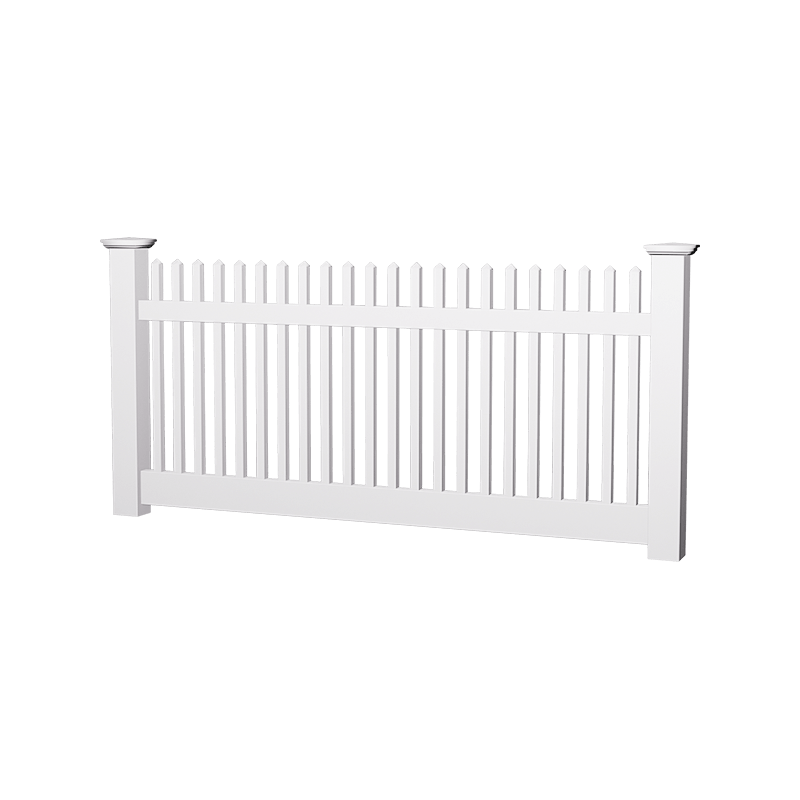
Our 1.5"x1.5" Horizontal Picket Fence, the ultimate garden solution made from 100% virgin PVC for unmatched durability and low maintenance. Designed for easy DIY installation, this fire-proof fence re...
See Details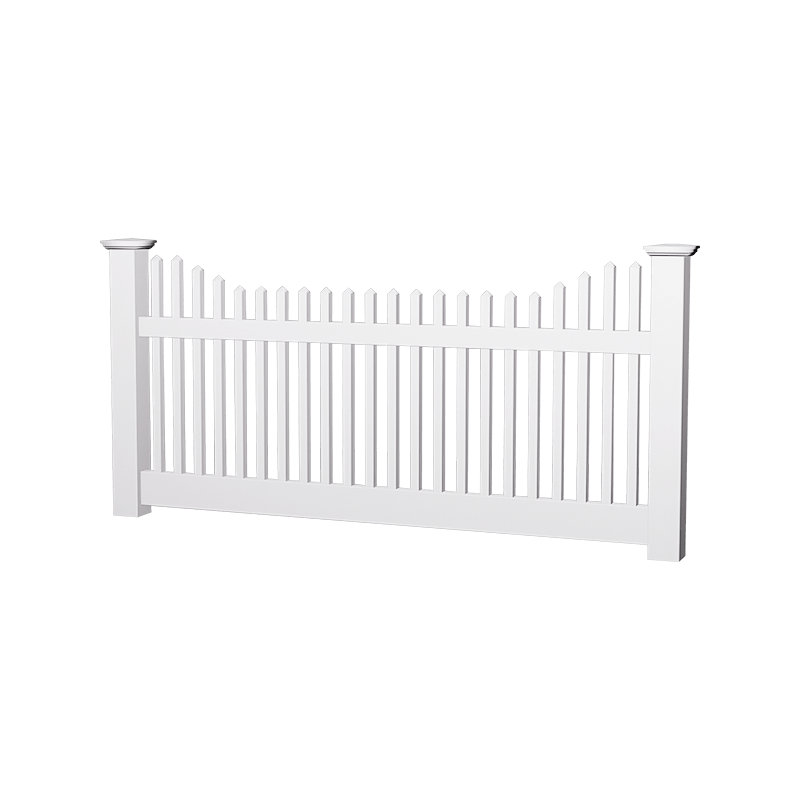
The Special-Shaped Picket Fence, the perfect addition to any home. Crafted from 100% virgin PVC, this fence combines durability and elegance with low maintenance requirements. Designed for easy DIY in...
See Details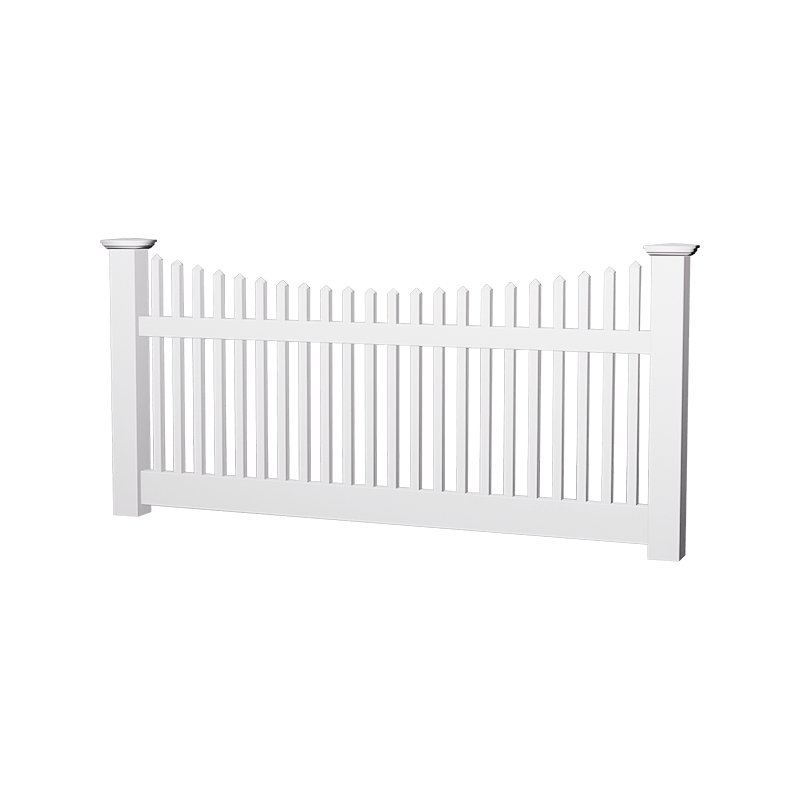
The Special-Shaped Picket Fence, the perfect addition to any home. Crafted from 100% virgin PVC, this fence combines durability and elegance with low maintenance requirements. Designed for easy DIY in...
See Details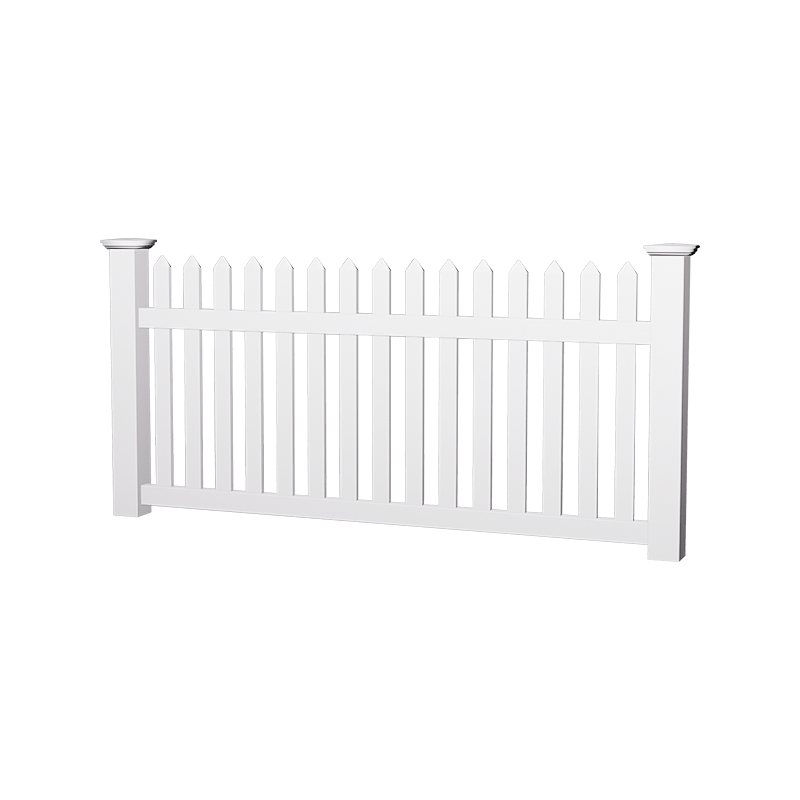
Enhance your home’s exterior with our Traditional Straight Spade Fence, crafted from 100% virgin PVC for exceptional durability and style. This low-maintenance solution is designed for easy installati...
See Details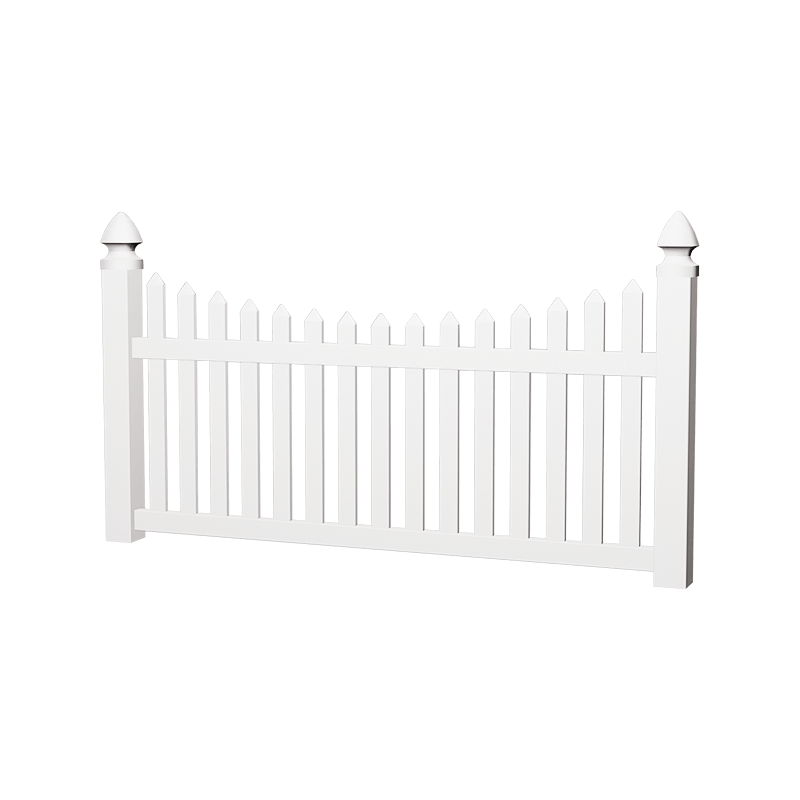
Transform your outdoor space with our 7/8"x3" Outdoor Picket Fence, specifically designed for farm use and outdoor applications. Crafted from 100% Virgin PVC, this durable and high-impact resistant fe...
See Details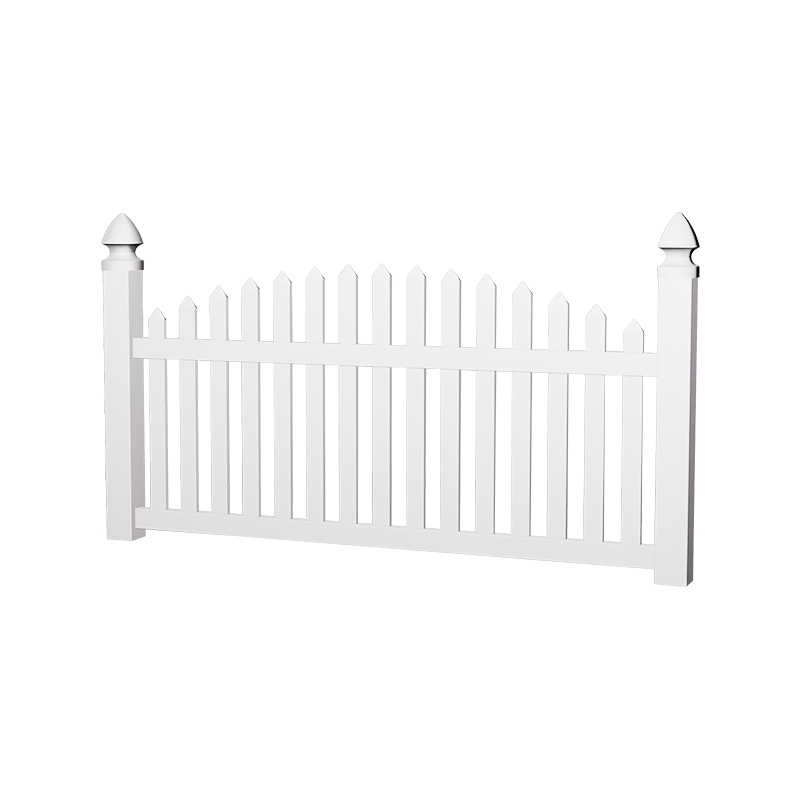
Enhance your farm's aesthetic and functionality with our PVC Arched Picket Fence. Crafted from 100% virgin PVC, this durable and stylish fencing solution combines the classic charm of traditional pick...
See Details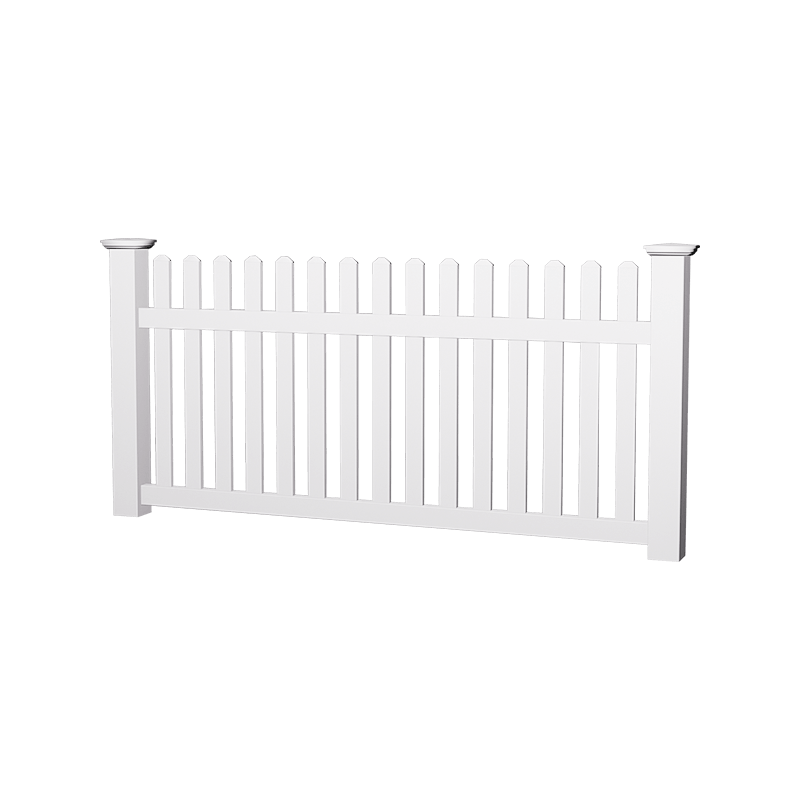
Our durable and versatile Picket Fence, designed specifically for farm use. Crafted from 100% virgin PVC plastic, this fence panel is not coated, ensuring superior quality and longevity. With dimensio...
See Details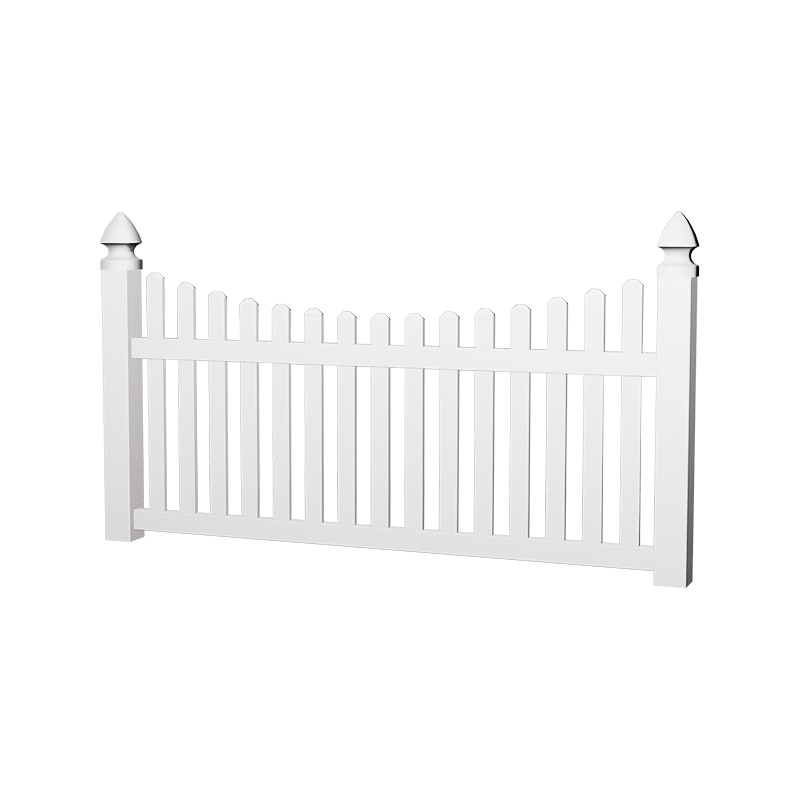
Introducing our 7/8"x3" Plastic Picket, designed specifically for farm applications. Crafted from 100% virgin PVC, this picket is not coated, ensuring maximum durability and resistance to impacts. Wit...
See Details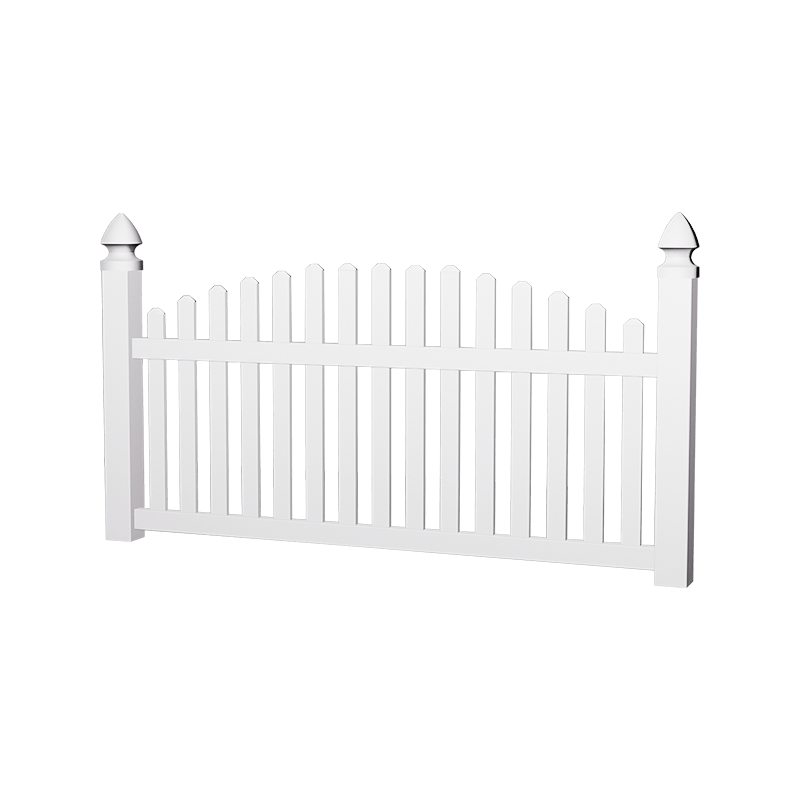
The Dog Ear Top Garden Fence, the ultimate solution for your farm fencing needs. Crafted from 100% virgin PVC, this fence is designed to withstand the elements without the worry of rot or decay, makin...
See Details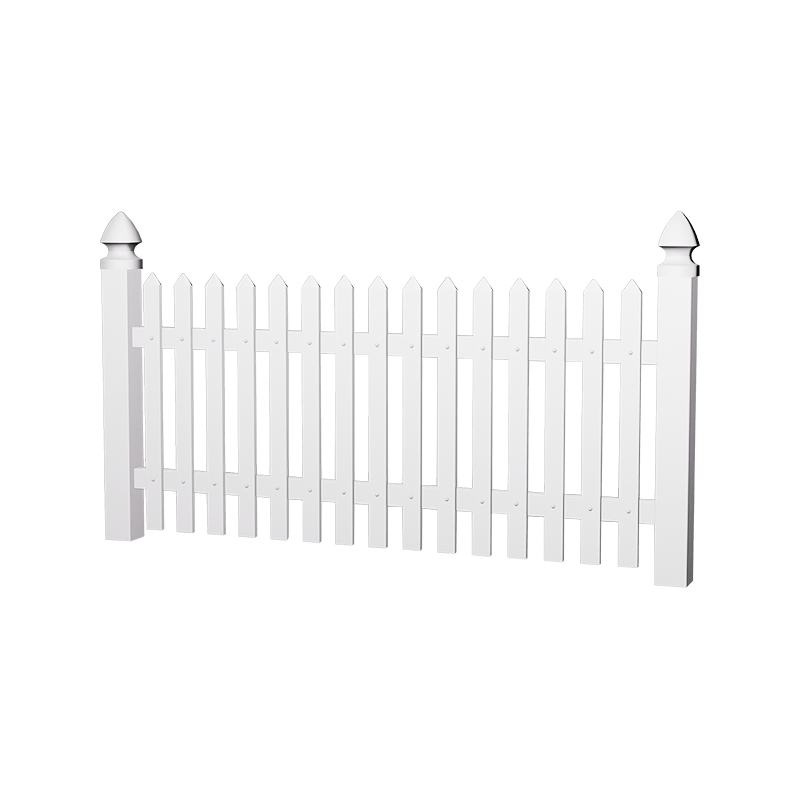
Decorate your outdoor spaces with our durable and stylish PVC Face Mounted Pickets Fence. Designed for easy installation and long-lasting performance, this fence is perfect for residential and commerc...
See Details
Our White Vinyl Fence, measuring 4'H x 8'W, designed for both functionality and aesthetics. Made from 100% virgin PVC plastic, this fence is not coated, ensuring unmatched durability and resistance to...
See Details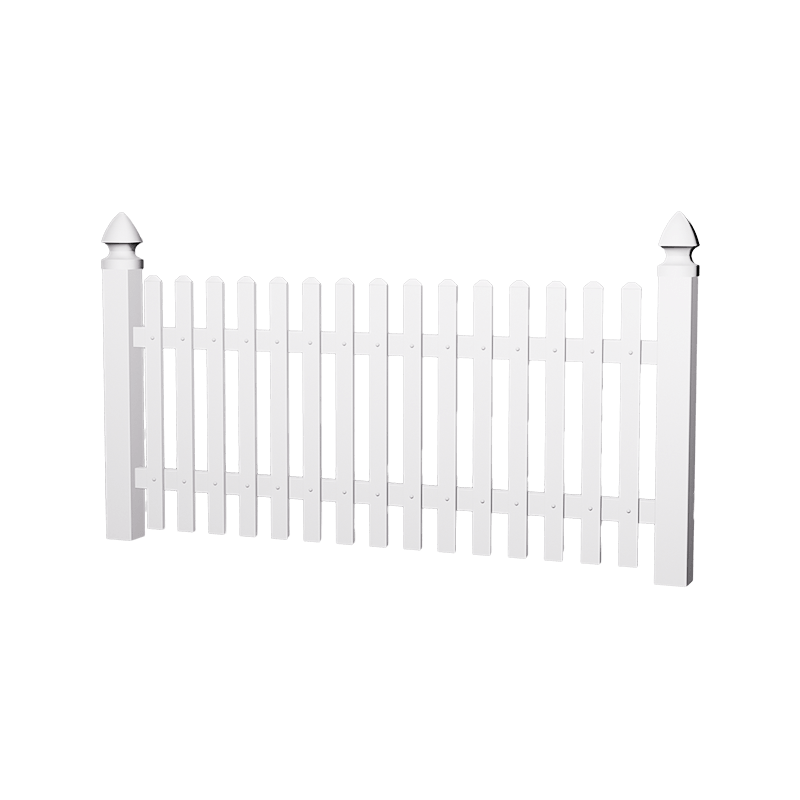
The Traditional Dog Ear Picket is an ideal choice for warehouses, combining aesthetic appeal with practicality. Made from 100% virgin PVC, this durable, low-maintenance fence resists rotting and water...
See Details
We are a professional manufacturer engaged in the research, development,
production, sale, and service of PVC fences and PVC flooring.
Contact Us
Mobile
Copyright © Deqing Huazhijie Railing & Fencing Co.,Ltd. All Rights Reserved.
 Custom Vinyl Fence Manufacturers
 English
 عربى
عربى 中文简体
中文简体 Español