Welcome to Huazhijie!
 +86-572-8086381 / 8282992
  hzjfence1@hzjfence.com


Aug 17, 2026
Content
A 4ft height plastic fence sits at a sweet spot that a lot of property owners love. It's tall enough to mark a clear boundary, keep small pets contained, and stop kids from wandering off, but it's short enough that it doesn't block your view or make your yard feel closed in. Unlike wood, plastic fencing (usually vinyl or PVC) doesn't rot, splinter, or need to be repainted every few years. That combination of function and low upkeep is why the 4ft plastic fence has become one of the most requested fence styles for front yards, garden borders, and pool surrounds.
Beyond looks, this fence height also tends to be more budget-friendly to install than taller 6ft privacy fencing, since it uses less material and typically requires fewer structural posts per linear foot. For anyone comparing fencing options for a mid-sized yard, a 4-foot plastic fence often ends up being the most practical middle ground between a decorative border and a full privacy barrier.
Not every yard needs the same fence, and a 4ft plastic fence tends to shine in specific settings rather than as an all-purpose privacy solution. Knowing where it performs best helps you decide if it matches what you actually need.
Not all plastic fencing looks or performs the same way. Before buying, it helps to understand the main styles available at this height so you pick one that fits both your budget and the look you're going for.
This is the classic look, spaced vertical slats that mimic a traditional wood picket fence but in maintenance-free PVC. It's a favorite for front yards because it keeps sightlines open while still defining the property edge.
Solid panels offer more visual screening than pickets, which makes them a good fit for pool enclosures or spots where you want a cleaner, more modern look at the same 4-foot height.
Lightweight and often more affordable, mesh-style plastic fencing is common for garden borders and temporary or semi-permanent setups where full rigidity isn't as important.
Getting accurate measurements before you order panels saves you from costly returns and mismatched sections. Start by measuring the full perimeter you want fenced, then divide that number by the panel width your chosen product offers (most 4ft plastic fence panels run 6 to 8 feet wide) to estimate how many sections and posts you'll need.
Always check your local codes before finalizing your plan. Many municipalities have specific rules for pool barriers, corner lot visibility, and setback distances from the property line, and a 4-foot height is a common threshold used in these regulations.
Installing a 4ft plastic fence is generally more DIY-friendly than wood or metal fencing because the panels are lighter and the systems are designed for simple assembly.
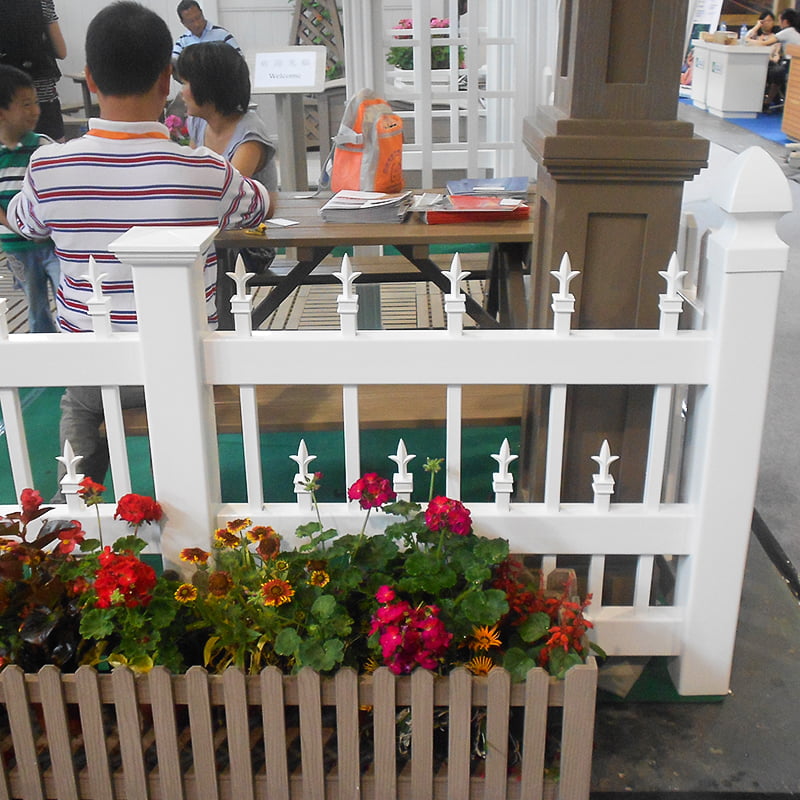
One of the biggest selling points of a plastic fence is how little upkeep it needs compared to wood. Even so, a bit of regular care keeps it looking sharp for years. A simple rinse with a garden hose a few times a year removes dust and pollen, and a mix of mild soap and water handles most stains from dirt or lawn debris. Avoid abrasive scrubbers, which can dull the surface finish, and check post caps and hardware occasionally to make sure nothing has loosened from weather exposure.
Comparing a 4-foot plastic fence against wood and metal alternatives at the same height makes the trade-offs clearer.
| Material | Average Lifespan | Maintenance Needed | Relative Cost |
| 4ft Plastic (PVC/Vinyl) | 20-30 years | Very low | Moderate |
| 4ft Wood Picket | 10-15 years | High (staining/sealing) | Low to Moderate |
| 4ft Aluminum | 20-25 years | Low | Higher |
A little caution before you buy prevents most of the regrets people run into after installation. Watch out for these common missteps.
A 4ft height plastic fence is a practical, low-maintenance option for anyone who wants a clean boundary without the upkeep of wood or the higher cost of metal. Whether you're fencing a garden, pool, or front yard, taking the time to measure correctly, check local rules, and choose a quality panel style will make sure the fence looks good and holds up for years to come.
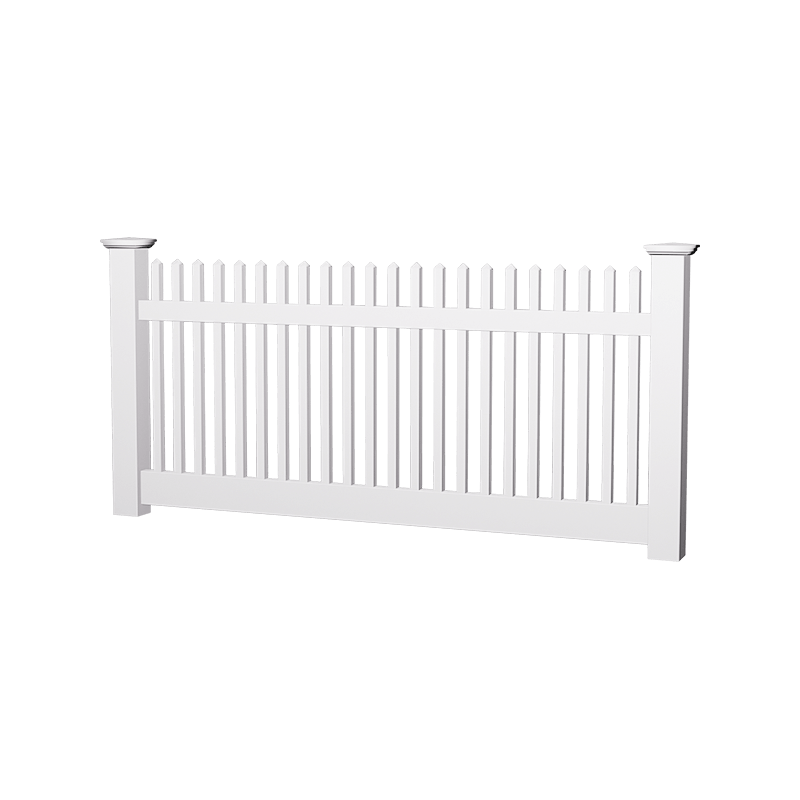
Our 1.5"x1.5" Horizontal Picket Fence, the ultimate garden solution made from 100% virgin PVC for unmatched durability and low maintenance. Designed for easy DIY installation, this fire-proof fence re...
See Details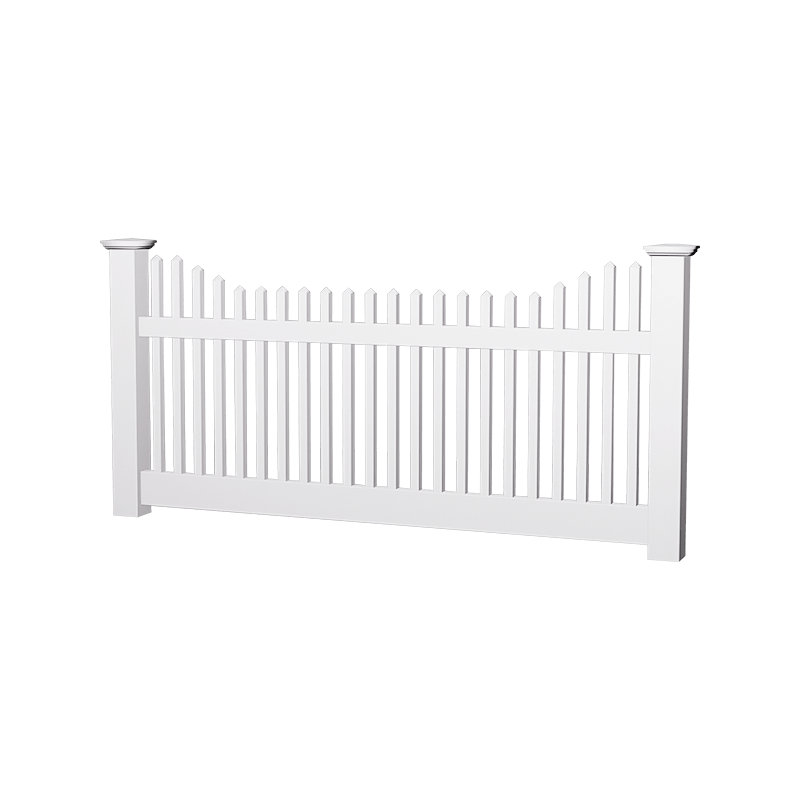
The Special-Shaped Picket Fence, the perfect addition to any home. Crafted from 100% virgin PVC, this fence combines durability and elegance with low maintenance requirements. Designed for easy DIY in...
See Details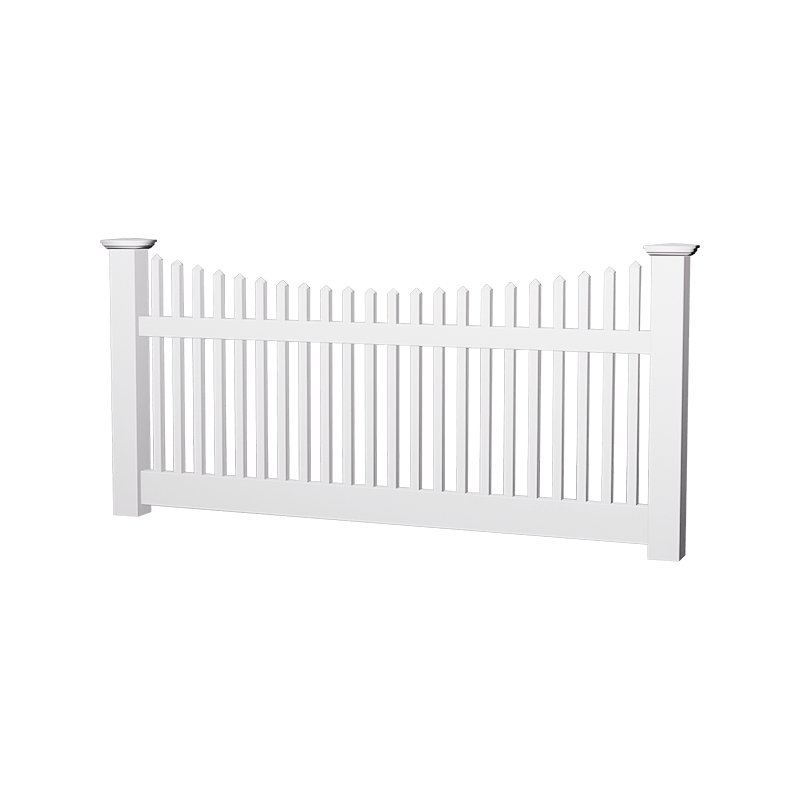
The Special-Shaped Picket Fence, the perfect addition to any home. Crafted from 100% virgin PVC, this fence combines durability and elegance with low maintenance requirements. Designed for easy DIY in...
See Details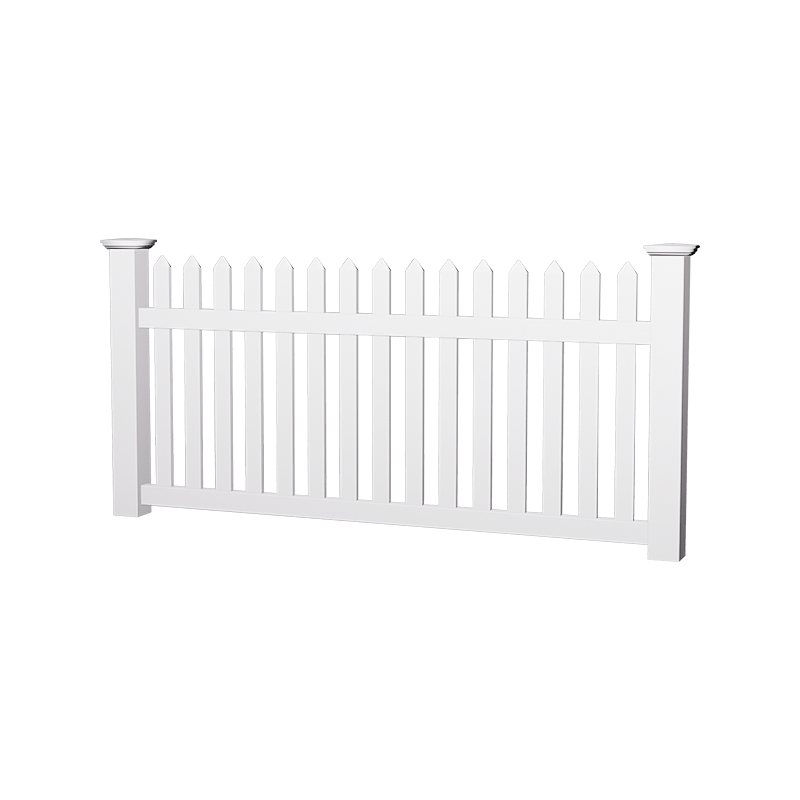
Enhance your home’s exterior with our Traditional Straight Spade Fence, crafted from 100% virgin PVC for exceptional durability and style. This low-maintenance solution is designed for easy installati...
See Details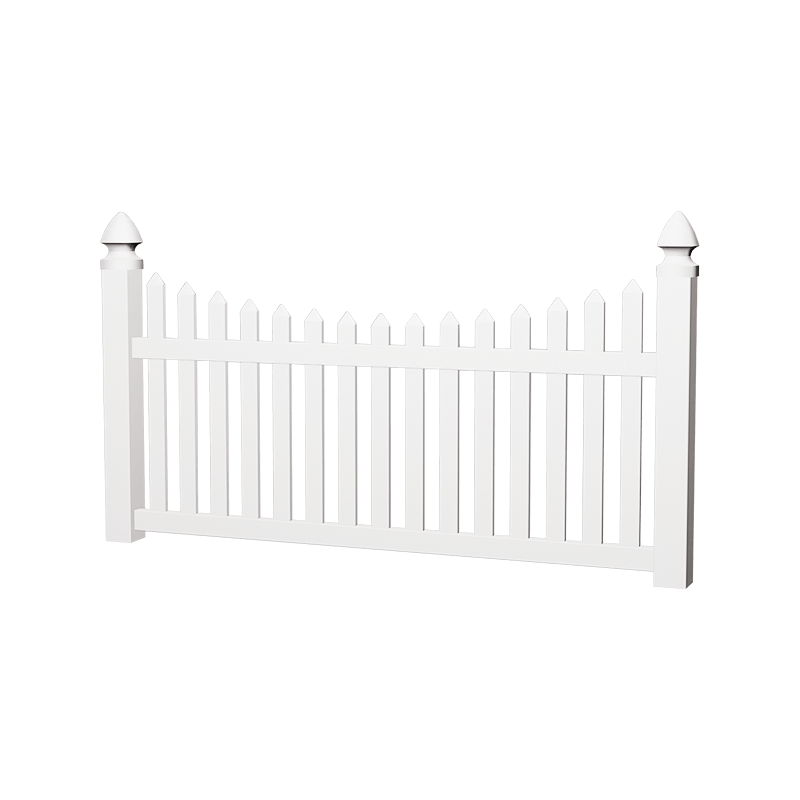
Transform your outdoor space with our 7/8"x3" Outdoor Picket Fence, specifically designed for farm use and outdoor applications. Crafted from 100% Virgin PVC, this durable and high-impact resistant fe...
See Details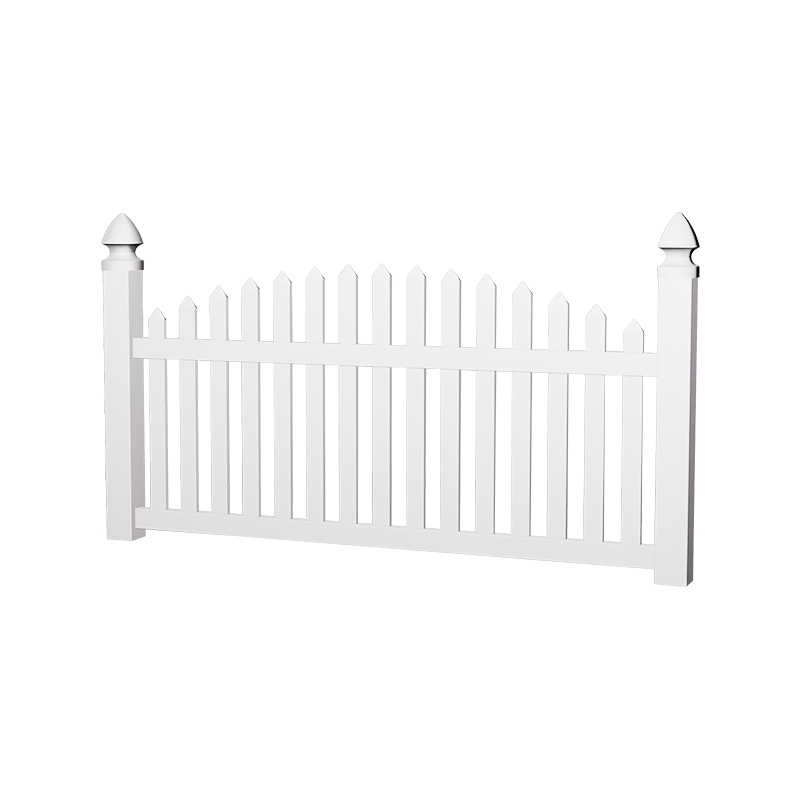
Enhance your farm's aesthetic and functionality with our PVC Arched Picket Fence. Crafted from 100% virgin PVC, this durable and stylish fencing solution combines the classic charm of traditional pick...
See Details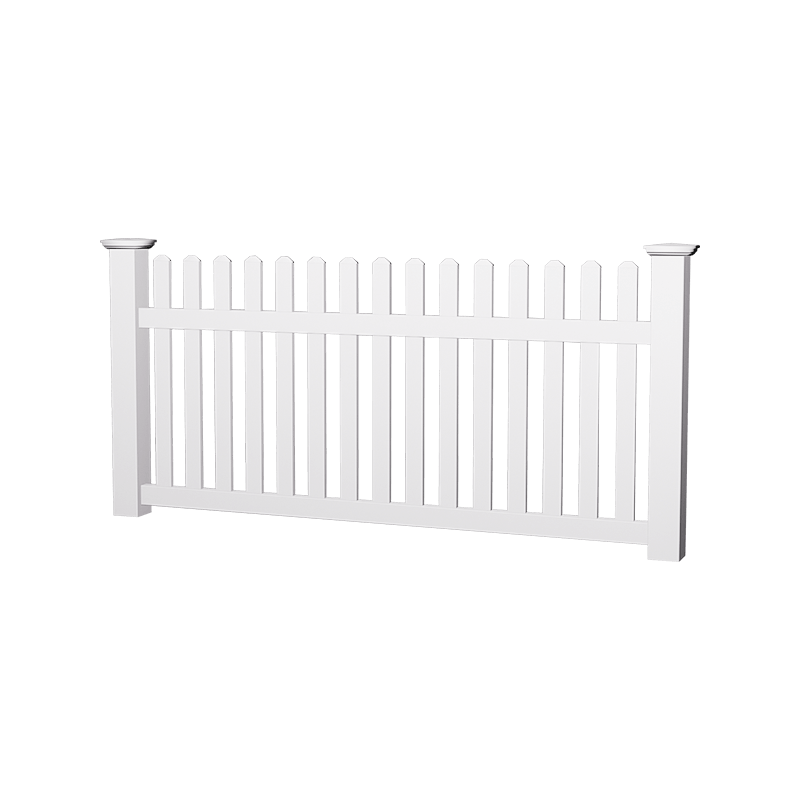
Our durable and versatile Picket Fence, designed specifically for farm use. Crafted from 100% virgin PVC plastic, this fence panel is not coated, ensuring superior quality and longevity. With dimensio...
See Details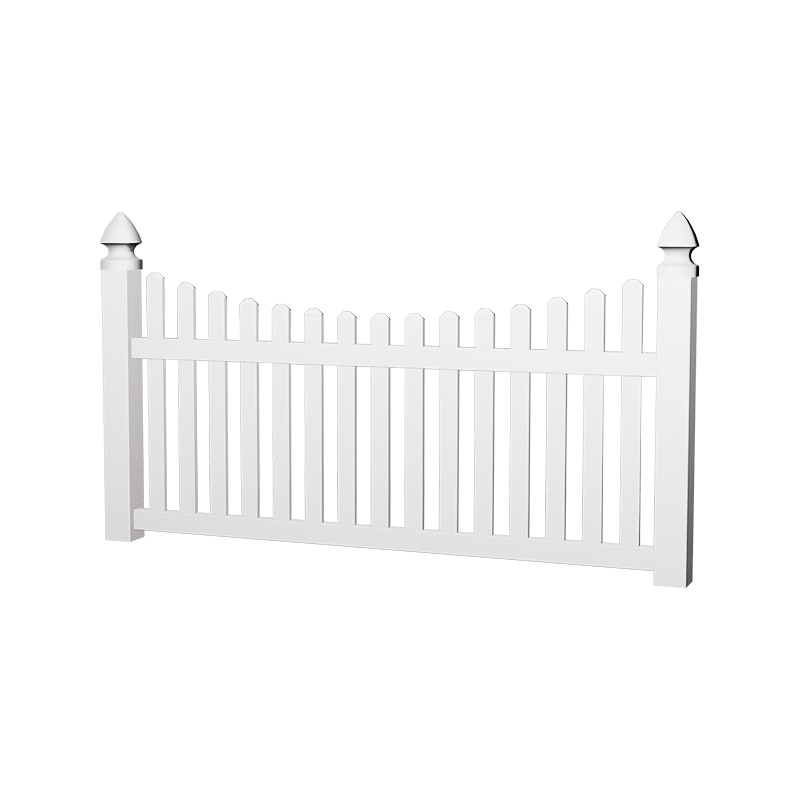
Introducing our 7/8"x3" Plastic Picket, designed specifically for farm applications. Crafted from 100% virgin PVC, this picket is not coated, ensuring maximum durability and resistance to impacts. Wit...
See Details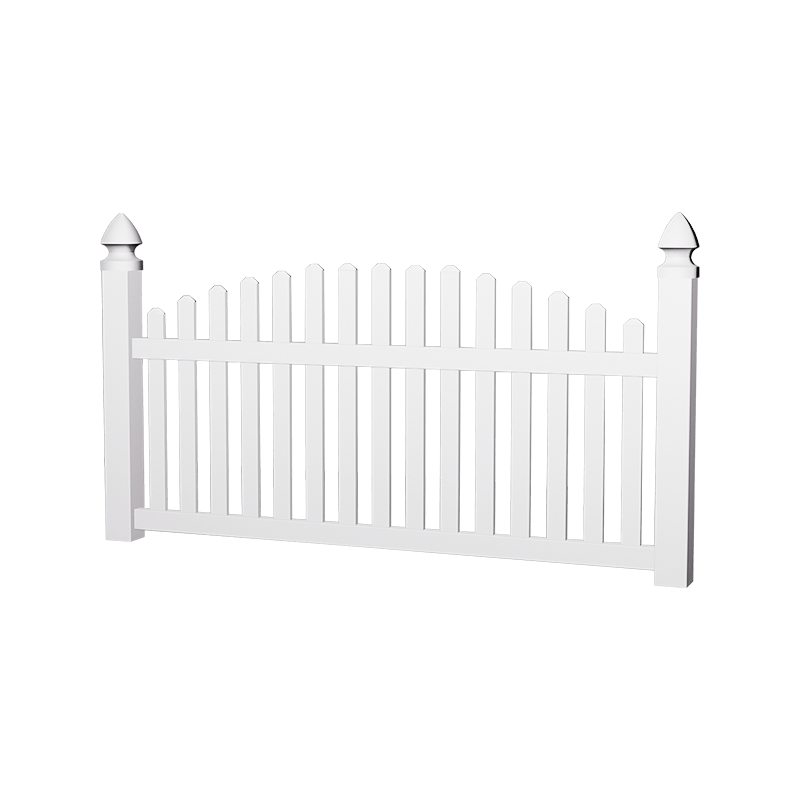
The Dog Ear Top Garden Fence, the ultimate solution for your farm fencing needs. Crafted from 100% virgin PVC, this fence is designed to withstand the elements without the worry of rot or decay, makin...
See Details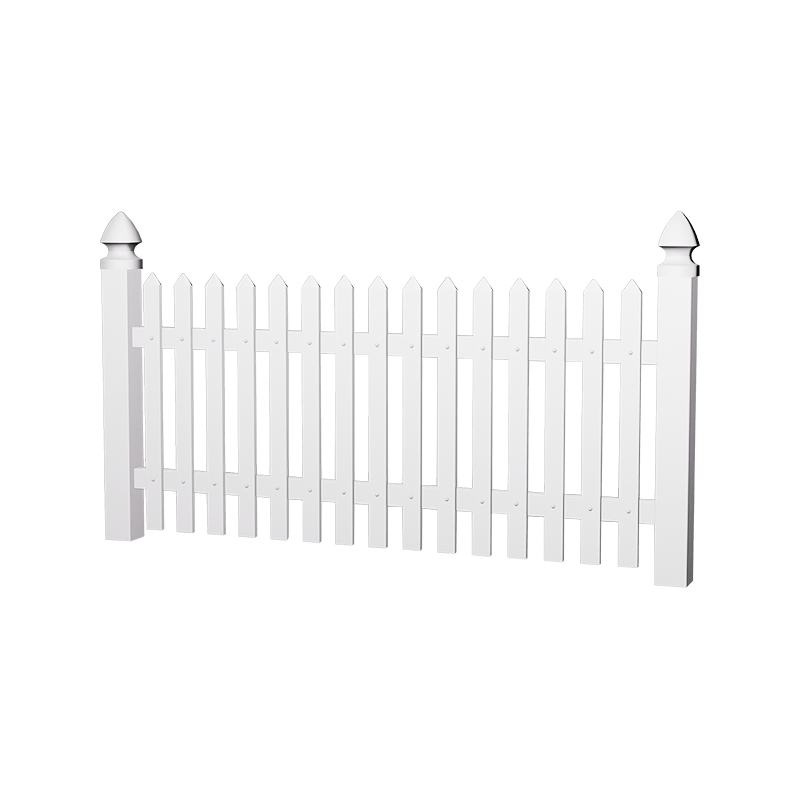
Decorate your outdoor spaces with our durable and stylish PVC Face Mounted Pickets Fence. Designed for easy installation and long-lasting performance, this fence is perfect for residential and commerc...
See Details
Our White Vinyl Fence, measuring 4'H x 8'W, designed for both functionality and aesthetics. Made from 100% virgin PVC plastic, this fence is not coated, ensuring unmatched durability and resistance to...
See Details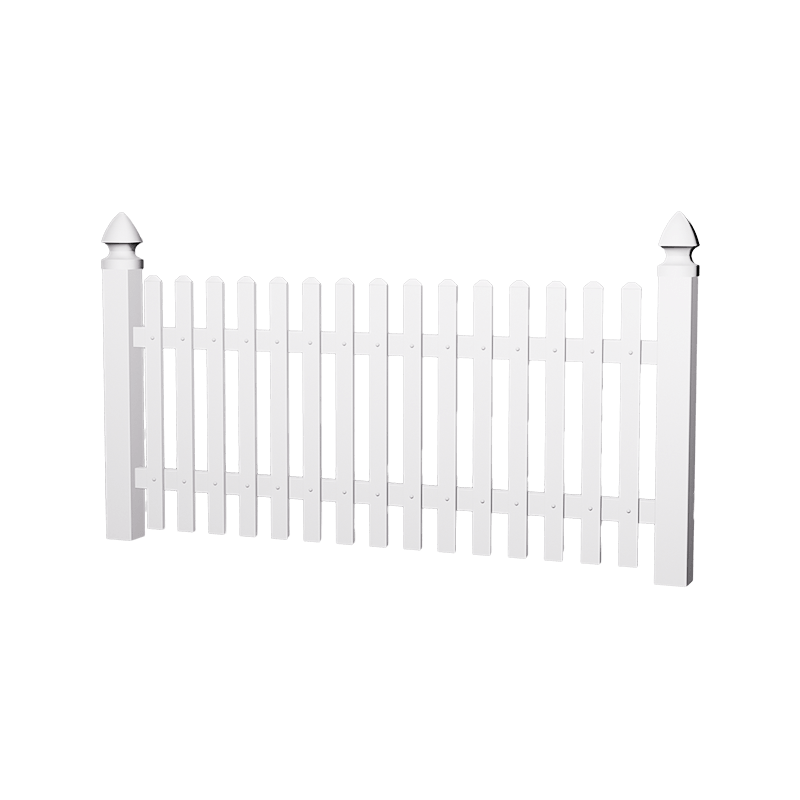
The Traditional Dog Ear Picket is an ideal choice for warehouses, combining aesthetic appeal with practicality. Made from 100% virgin PVC, this durable, low-maintenance fence resists rotting and water...
See Details
We are a professional manufacturer engaged in the research, development,
production, sale, and service of PVC fences and PVC flooring.
Contact Us
Mobile
Copyright © Deqing Huazhijie Railing & Fencing Co.,Ltd. All Rights Reserved.
 Custom Vinyl Fence Manufacturers
 English
 عربى
عربى 中文简体
中文简体 Español