Welcome to Huazhijie!
 +86-572-8086381 / 8282992
  hzjfence1@hzjfence.com


Aug 25, 2026
Content
A PVC vertical railing fence is a fence built from rigid vinyl (PVC) posts and rails, with evenly spaced vertical pickets running from the top rail to the bottom rail — similar in look to a classic wrought iron or aluminum picket fence, but made entirely of weather-resistant plastic. Unlike solid PVC privacy panels, a vertical railing fence has open sightlines, so you get a defined boundary without completely blocking the view of your yard, pool, or garden.
These fences are popular for pool enclosures, front yard boundaries, and areas where local codes require a certain amount of visibility through the fence line. Because the material is PVC rather than wood or metal, it doesn't rot, rust, splinter, or need to be repainted every few years.
If you've been comparing fencing options, you've probably noticed PVC vertical railing fences popping up everywhere — and there are practical reasons for that, not just aesthetics.
A PVC vertical railing fence doesn't need staining, sealing, or repainting. An occasional rinse with a hose or a quick scrub with soapy water is usually enough to keep it looking new. Most quality PVC fencing is designed to last 20 to 30 years without cracking or fading significantly.
Many municipalities require pool barriers to have limited gaps between pickets so small children can't squeeze through, while still allowing visibility for supervision. A PVC vertical railing fence is often specifically designed to meet these pool-safety spacing requirements right out of the box.
Wood warps, metal rusts, but PVC keeps its shape and color consistently. Because the color runs through the material rather than sitting on top as paint, scratches don't reveal a different color underneath, and the fence keeps a uniform look for years.
Here's a quick side-by-side comparison to help you decide if PVC vertical railing is the right fit compared to wood, aluminum, and chain link options.
| Material | Maintenance | Average Lifespan | Typical Cost per Linear Foot |
| PVC Vertical Railing | Very Low | 20–30 years | $25–$45 |
| Wood Picket | High | 10–15 years | $15–$30 |
| Aluminum Railing | Low | 20–25 years | $30–$55 |
| Chain Link | Low | 15–20 years | $10–$20 |
PVC sits in the middle price range but wins out over time because there's virtually no ongoing maintenance cost, unlike wood, which needs repeated staining or replacement of rotted boards.
Total project cost depends on fence height, picket spacing, gate hardware, and whether you hire a professional installer or do it yourself. On average, homeowners spend between $25 and $45 per linear foot installed, which includes materials and labor. A typical backyard project (150 linear feet) often lands between $3,750 and $6,750.
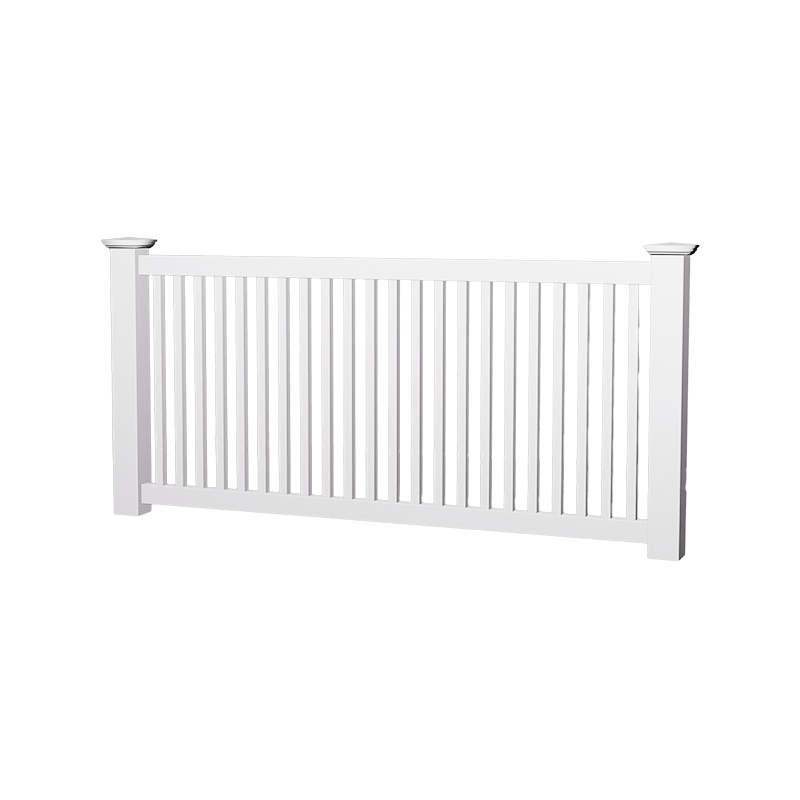
Installation is more approachable than metal railing because PVC components are lightweight and typically snap or screw together rather than requiring welding. Still, a few steps make a big difference in the final result.
Most PVC vertical railing systems come as pre-assembled panels, which speeds up installation significantly compared to building a wood fence board by board.
One of the biggest selling points of PVC fencing is how little upkeep it needs, but a small amount of care still goes a long way toward keeping it looking sharp for decades.
While PVC vertical railing fences are generally trouble-free, a few issues do come up, usually from poor installation rather than the material itself.
Sagging usually happens when posts aren't set deep enough or the concrete footing wasn't given time to cure before rails were attached. Following manufacturer specs for post depth prevents most of this.
Mildew can build up where the fence stays damp, especially in shaded or humid areas. Regular cleaning and good drainage around the base of the posts keeps this from becoming a persistent issue.
Some rattling is normal since pickets sit in routed channels rather than being permanently fused, but excessive movement usually means the rail wasn't seated correctly during installation and should be checked.
PVC vertical railing fences come in a range of configurations, so it helps to think through function before picking a look.
Before buying, check your local HOA guidelines and municipal codes, since height limits and pool-barrier spacing rules vary widely by location.
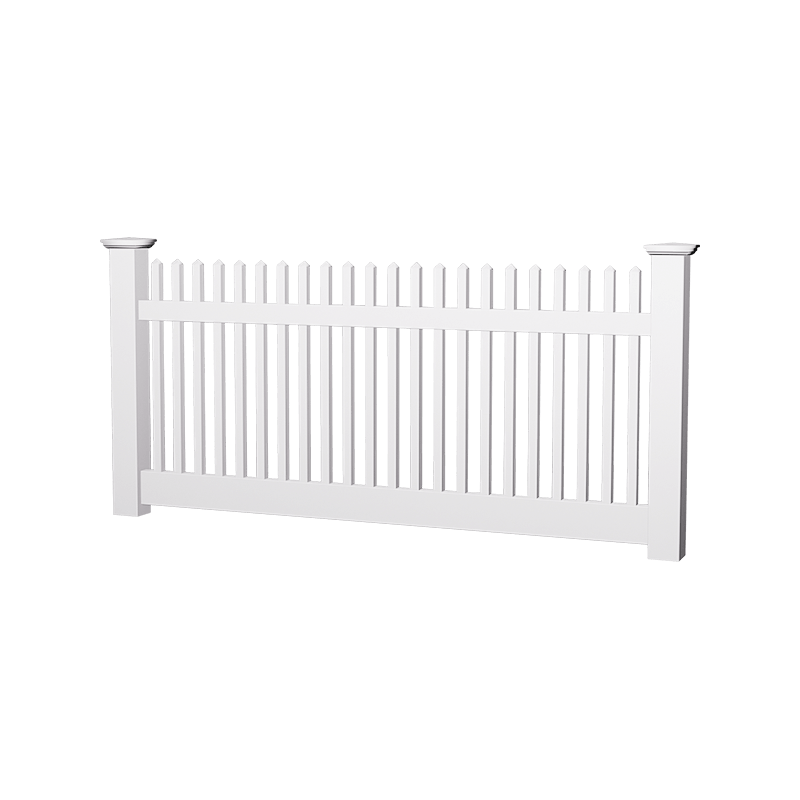
Our 1.5"x1.5" Horizontal Picket Fence, the ultimate garden solution made from 100% virgin PVC for unmatched durability and low maintenance. Designed for easy DIY installation, this fire-proof fence re...
See Details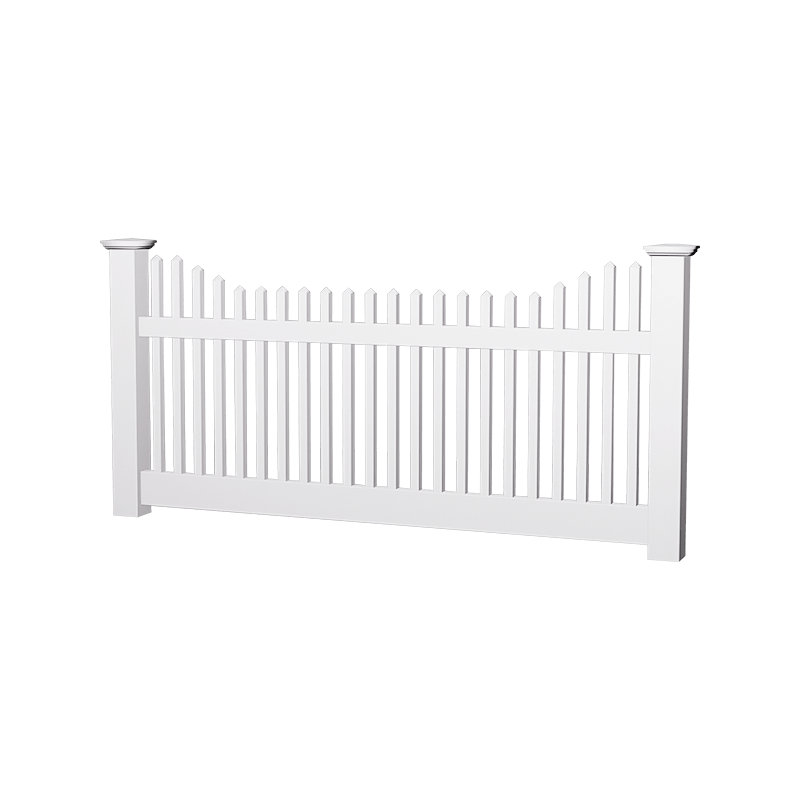
The Special-Shaped Picket Fence, the perfect addition to any home. Crafted from 100% virgin PVC, this fence combines durability and elegance with low maintenance requirements. Designed for easy DIY in...
See Details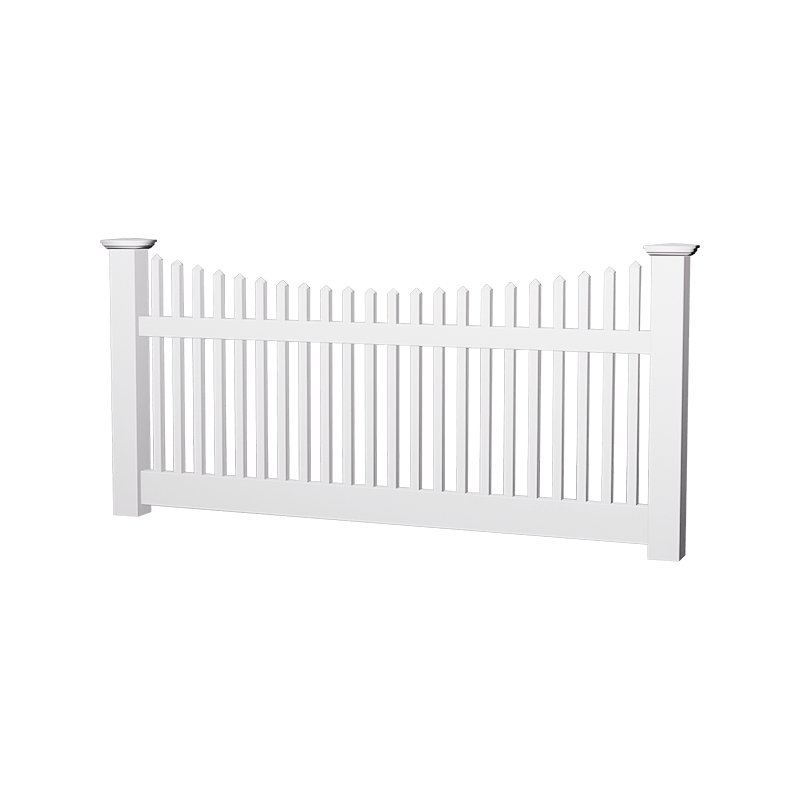
The Special-Shaped Picket Fence, the perfect addition to any home. Crafted from 100% virgin PVC, this fence combines durability and elegance with low maintenance requirements. Designed for easy DIY in...
See Details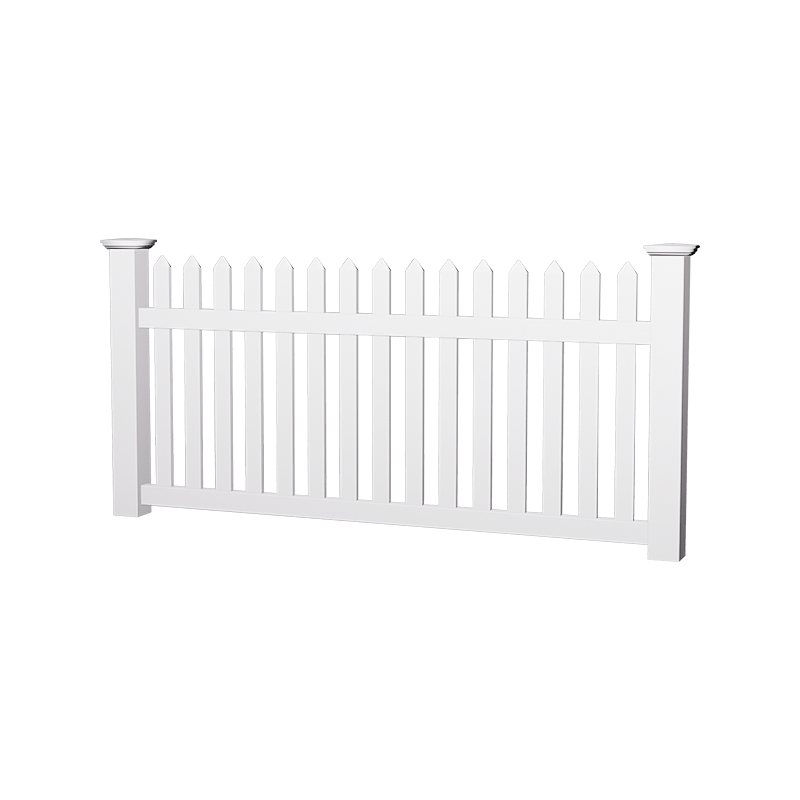
Enhance your home’s exterior with our Traditional Straight Spade Fence, crafted from 100% virgin PVC for exceptional durability and style. This low-maintenance solution is designed for easy installati...
See Details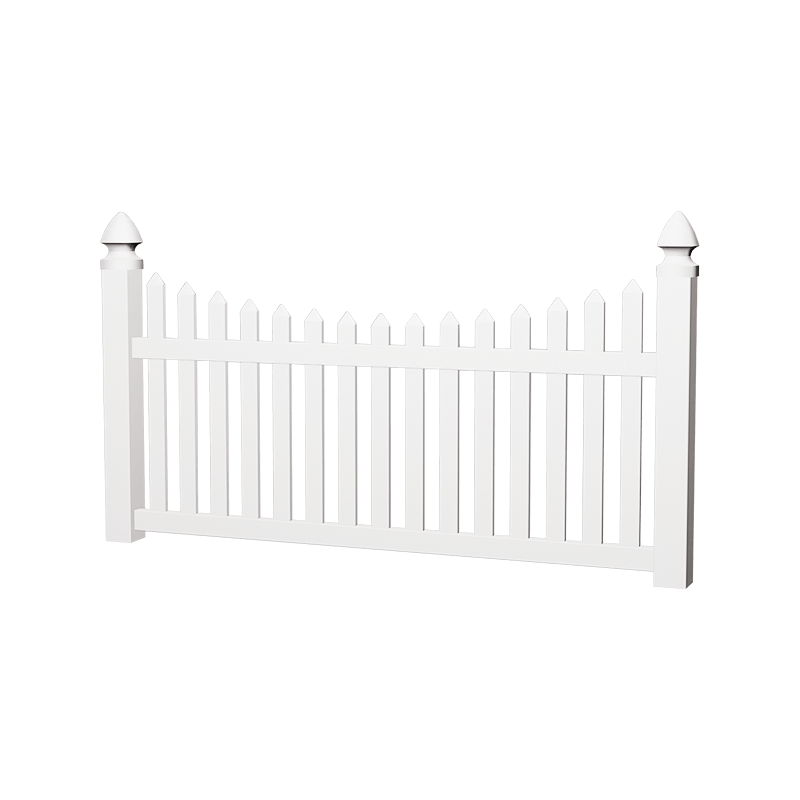
Transform your outdoor space with our 7/8"x3" Outdoor Picket Fence, specifically designed for farm use and outdoor applications. Crafted from 100% Virgin PVC, this durable and high-impact resistant fe...
See Details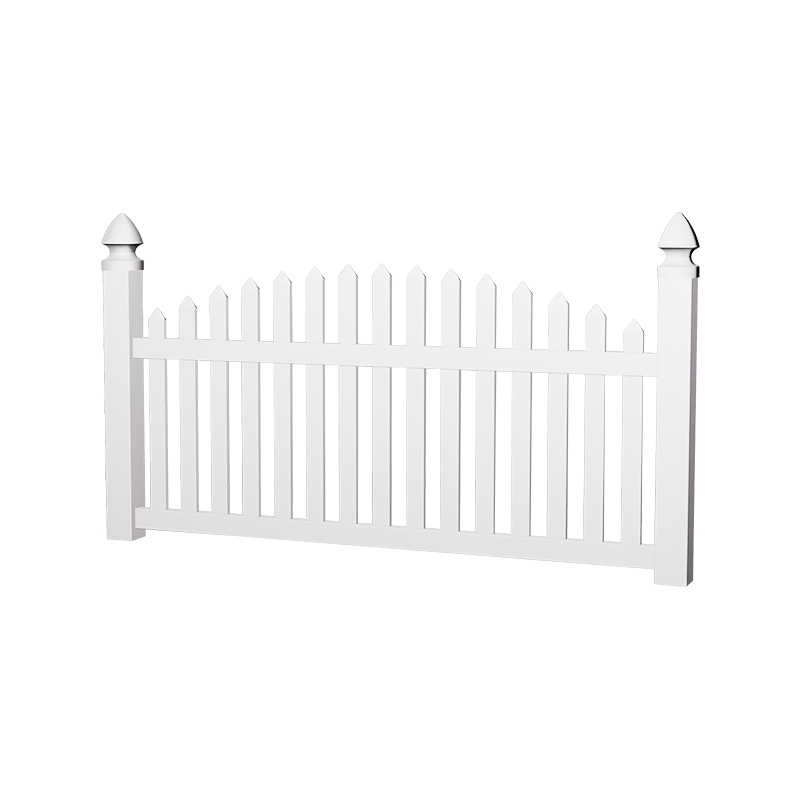
Enhance your farm's aesthetic and functionality with our PVC Arched Picket Fence. Crafted from 100% virgin PVC, this durable and stylish fencing solution combines the classic charm of traditional pick...
See Details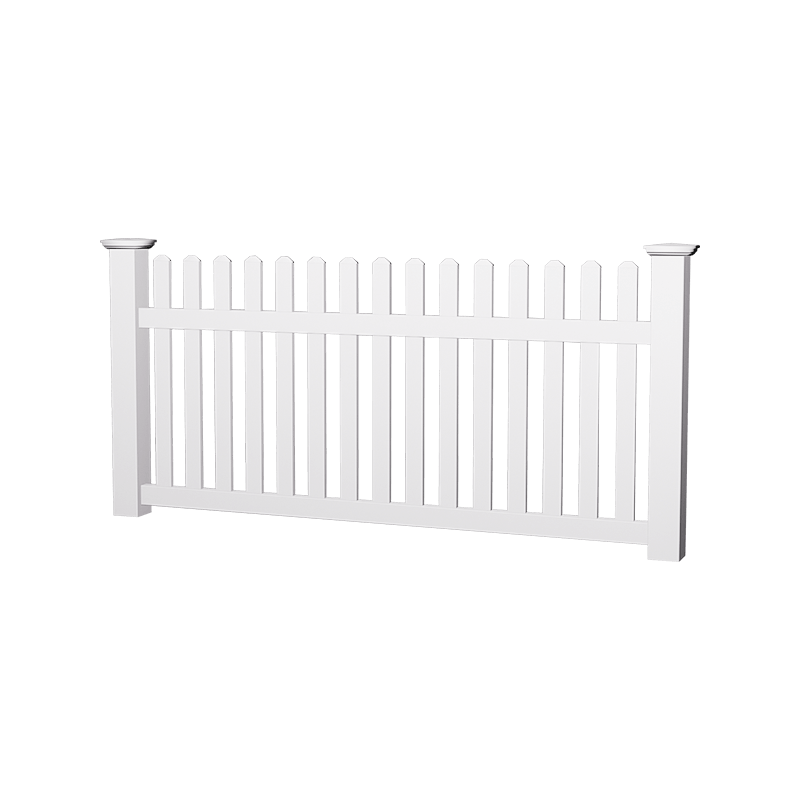
Our durable and versatile Picket Fence, designed specifically for farm use. Crafted from 100% virgin PVC plastic, this fence panel is not coated, ensuring superior quality and longevity. With dimensio...
See Details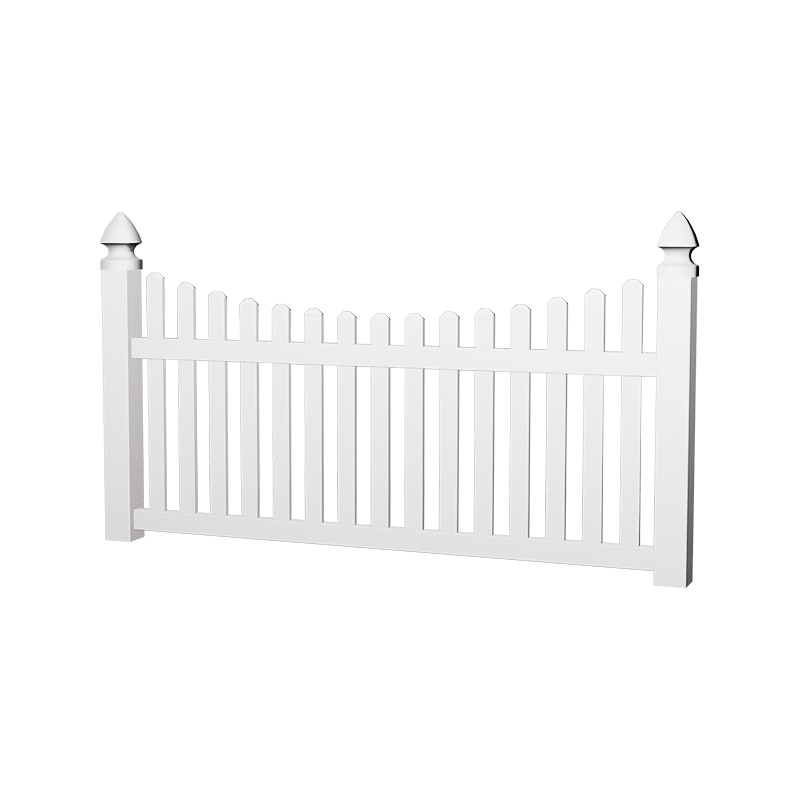
Introducing our 7/8"x3" Plastic Picket, designed specifically for farm applications. Crafted from 100% virgin PVC, this picket is not coated, ensuring maximum durability and resistance to impacts. Wit...
See Details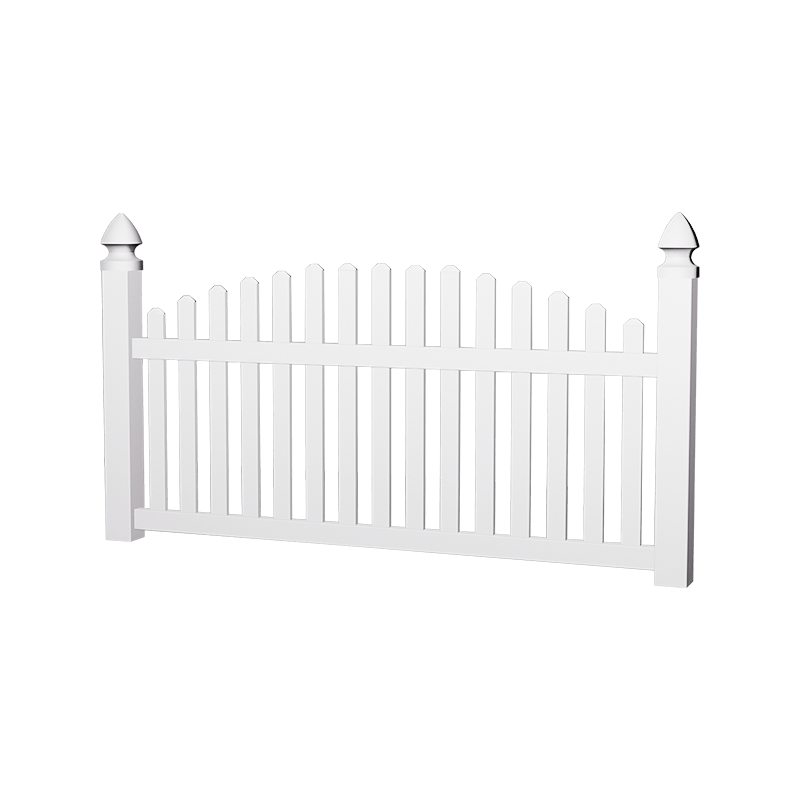
The Dog Ear Top Garden Fence, the ultimate solution for your farm fencing needs. Crafted from 100% virgin PVC, this fence is designed to withstand the elements without the worry of rot or decay, makin...
See Details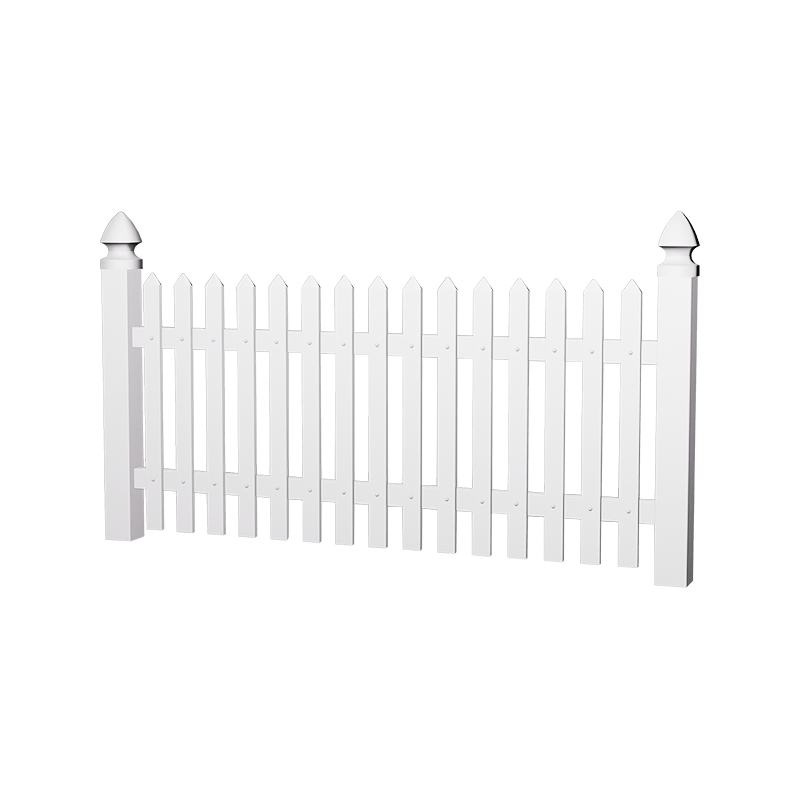
Decorate your outdoor spaces with our durable and stylish PVC Face Mounted Pickets Fence. Designed for easy installation and long-lasting performance, this fence is perfect for residential and commerc...
See Details
Our White Vinyl Fence, measuring 4'H x 8'W, designed for both functionality and aesthetics. Made from 100% virgin PVC plastic, this fence is not coated, ensuring unmatched durability and resistance to...
See Details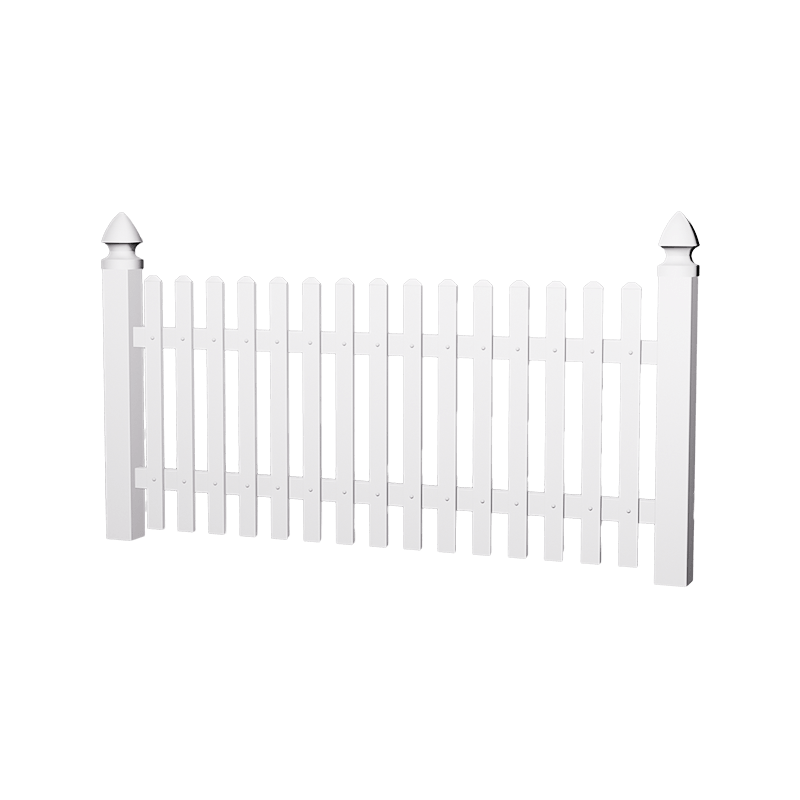
The Traditional Dog Ear Picket is an ideal choice for warehouses, combining aesthetic appeal with practicality. Made from 100% virgin PVC, this durable, low-maintenance fence resists rotting and water...
See Details
We are a professional manufacturer engaged in the research, development,
production, sale, and service of PVC fences and PVC flooring.
Contact Us
Mobile
Copyright © Deqing Huazhijie Railing & Fencing Co.,Ltd. All Rights Reserved.
 Custom Vinyl Fence Manufacturers
 English
 عربى
عربى 中文简体
中文简体 Español