Welcome to Huazhijie!
 +86-572-8086381 / 8282992
  hzjfence1@hzjfence.com


Sep 02, 2026
Imagine a forty-acre pasture with five horses, a wooden fence that needs repainting every two years, and a maintenance budget that never seems to shrink. This is the starting point for many farm and ranch owners who eventually switch to PVC fencing. The 2-rail PVC farm fence was designed for exactly this situation. It provides clear boundary control and livestock containment while removing the two biggest headaches of traditional fencing: annual maintenance and premature rail replacement.
The practical conclusion is simple: a 2-rail PVC farm fence delivers a lower lifetime cost, better animal safety, and a cleaner visual line than most wood or metal alternatives. The reason lies in the material, the rail spacing, and the way the fence is manufactured. This guide explains what a 2-rail PVC farm fence is, why it is worth considering, how installation works, and what a buyer should verify before placing an order.
Content
A 2-rail PVC farm fence consists of two horizontal rails installed between posts. The top rail is usually placed at around 4 feet, with the second rail at roughly 30 inches below the top rail. This creates an open, airy structure that animals can see through, which is important for keeping them calm and reducing contact pressure.
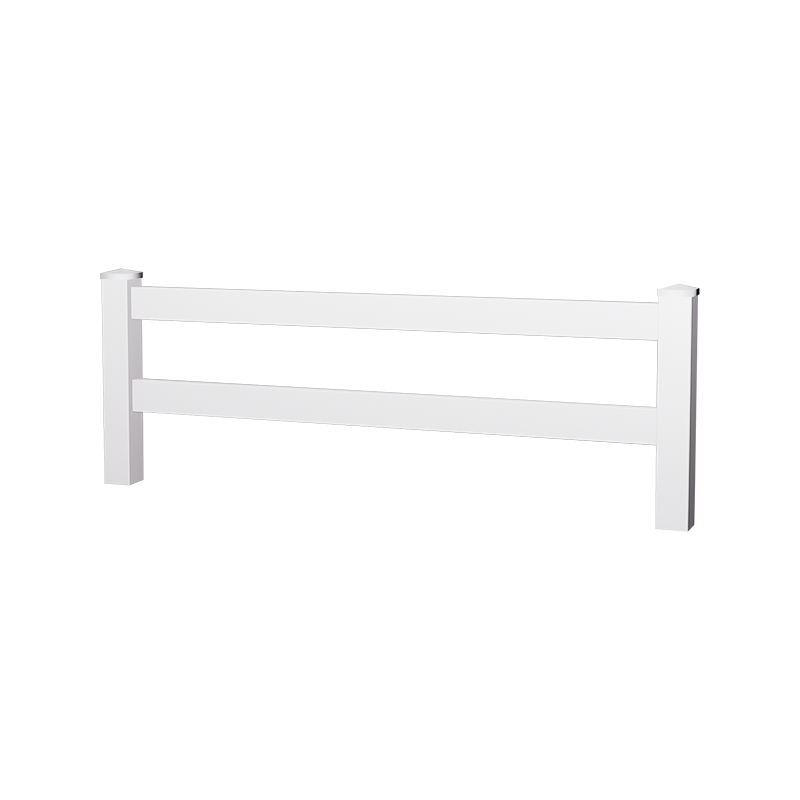 2-Rail PVC Farm Fence with Ribbed Rails and Flat CapsThis 36-inch-tall two-rail fence offers open sightlines and a clean look, with pre-routed posts and ribbed rails for stable, fastener-free assembly. Ideal for low-pressure enclosures like pastures and farm boundaries.View Product →
PVC, or vinyl, is made by extruding polyvinyl chloride resin combined with stabilizers and impact modifiers. The extrusion process produces profiles with consistent dimensions, so posts, rails, and caps fit together without nails or brackets. There are no exposed fasteners or sharp edges, which is a major safety advantage in pastures where horses and cattle move freely.
A 2-rail farm fence is not a privacy fence. It is a control and containment system. Its job is to mark a boundary, guide livestock movement, and hold up under repeated animal pressure. This makes it a solid fit for horse pastures, farm boundaries, and property lines where visibility is more valuable than seclusion.
The first question buyers often ask is why two rails instead of three or four. The answer depends on the animals, the terrain, and the budget.
For horses and cattle, a fence must be easy to see. A two-rail profile offers a strong horizontal line that animals recognize, especially when the rail is white or bright. Visibility directly reduces run-through incidents, which makes the open design a practical safety feature rather than a cosmetic one.
There is also a cost advantage. Fewer rails mean less material, fewer profiles, and faster installation. On a large paddock or a long perimeter run, the savings per linear foot add up quickly.
The 2-rail fence also handles uneven ground better. With fewer rails, installers can stagger post heights and let the fence line flow over slopes, which reduces the need for stepped panels or custom post extensions.
Buyers who are deciding between a 2-rail and a 3-rail fence should look at the specific pressure level of their enclosure. A 3-rail fence adds an additional horizontal profile, which may be preferred for young horses, stallions, or high-pressure paddocks. For open grazing land and ordinary farm boundaries, the 2-rail design is usually sufficient.
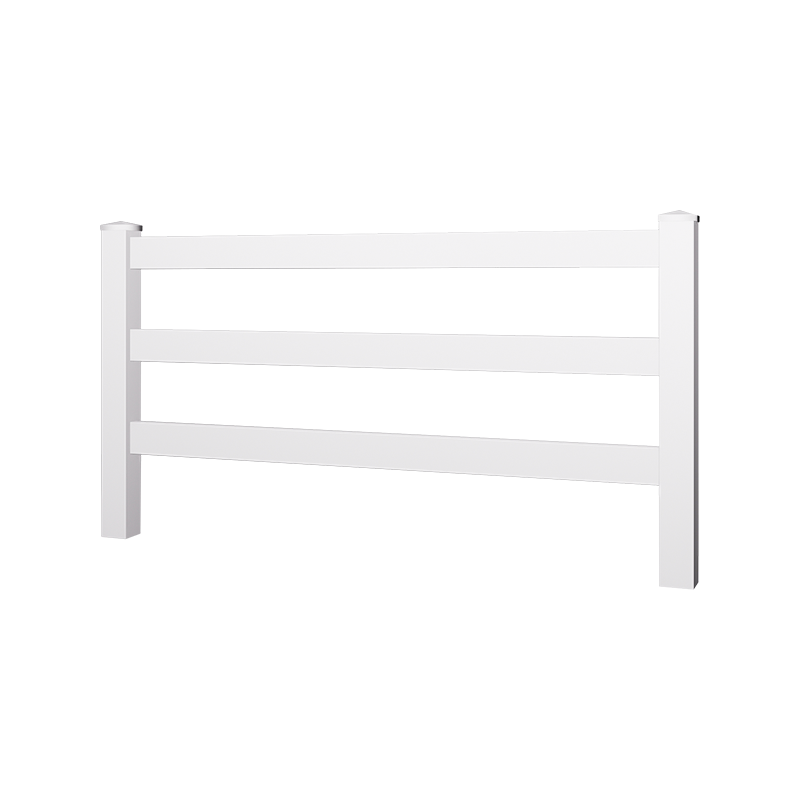 3-Rail PVC Horse Fence for Enhanced ContainmentAt 54 inches high with three ribbed rails, this fence provides extra strength and security for high-pressure areas or young horses. Pre-routed posts and flat caps ensure a durable, low-maintenance enclosure.View Product →
It is also worth noting that this type of fence is commonly manufactured in a "farm fence" or "ranch fence" style, with a flat top cap available for a more finished look.
Installing a 2-rail PVC farm fence is a straightforward job, but preparation determines how straight and durable the final fence will be.
Start by marking the fence line and checking the slope of the terrain. Post spacing matters: most installations use 8 feet between posts. In high-wind areas, some specifiers reduce the spacing to 6 feet. This is a concrete tolerance to write into your procurement plan before you order.
Second, set the posts. The standard method is to sink the post into a pre-drilled hole and backfill with concrete or compacted soil. For a 4-foot fence, a typical burial depth is 24 inches. In frost-prone regions, the holes must go below the frost line. This detail is critical for markets like Canada and the northern United States.
Third, attach the rails. PVC profiles are designed for a friction fit with the posts. The rails slide through routed openings in the post, so the installer simply pushes them into place and caps the post. No metal brackets are needed, and the assembly stays rattle-free over time.
Fourth, level and align. Because rail sections are cut at the factory, the buyer should specify the exact length in advance. Most standard sections are 8 feet wide. If the ground is too steep for an 8-foot section, a custom length may be required. A manufacturer with in-house extrusion lines can produce custom sizes without leaving unfinished edges on site.
Wood fences rot, warp, and splinter. Metal fences rust and require periodic painting. PVC does not absorb moisture, which means it does not expand, contract, or feed mold. For a fence that sits outside through rain, snow, and intense sunlight, this is a decisive difference.
The key engineering factors are the UV stabilizers and impact modifiers in the extrusion compound. A well-formulated PVC profile should remain white without chalky dust buildup, and it should not become brittle after several winters. When evaluating a supplier, ask about the specific UV package and whether the material is lead-free. Certifications such as ROHS and UL94 are useful indicators of compliance with international safety and flammability standards.
Wind load is another consideration. A 2-rail fence has much less surface area than a privacy fence, so wind pressure is low. This makes the design suitable for open farmland where gusty conditions are common. The rail profiles are usually multi-chambered, which increases their section modulus and keeps them straight over long spans.
For a contractor or importer, the decision to buy a 2-rail PVC farm fence involves more than the unit price. Freight, installation labor, and replacement frequency all affect the total cost of ownership.
| Configuration | Typical Use | Visibility | Cost Level |
|---|---|---|---|
| 2-rail | Open pasture, property lines, ordinary boundaries | High | Lower |
| 3-rail | Paddocks, young stock, high-pressure areas | Medium-high | Moderate |
| 4-rail | Stallion enclosures, intense containment | Medium | Higher |
When comparing quotes, remember that the cheapest option in the short term is not always the cheapest over five years. A 2-rail farm fence may use fewer parts than a 4-rail version, but installation speed and reduced maintenance are part of the value.
Quantity and customization matter. If you are a distributor or landscape contractor, ask about OEM and ODM capabilities. A manufacturer with in-house extrusion lines and mold inventory can produce a fence with your specified post spacing, rail length, cap style, and even color.
A 2-rail PVC farm fence works best in a few clear scenarios.
First, horse pastures. The open design prevents horses from feeling trapped and reduces the chance of leaning damage. It is also a practical solution for farm boundaries where cattle or sheep are grazed.
Second, property lines and road frontage on rural sites. The white finish gives a neat, professional appearance that does not compete with the natural landscape.
Third, horse training areas and paddock dividers. Because the fence is non-injurious, it works well in spaces where animals are handled regularly.
For a broader overview of the different horse fence styles, installation methods, and cost ranges, the manufacturer's original guide is a useful starting point.
complete PVC horse fence guide
The limitation of the 2-rail fence is privacy. If the main goal is to block views, choose a different product. A 2-rail fence is designed for visibility and air flow.
Before committing to a 2-rail PVC farm fence, run through this short checklist:
These questions are practical and answerable directly by a manufacturer. A factory that produces its own profiles, controls its tooling, and manages its own quality checks is a stronger partner than a trading company that only assembles parts.
A 2-rail PVC farm fence is not the most complex product in the fencing world. That is exactly why so many buyers choose it. It is simple, strong, low-maintenance, and visually calm. When you start with a clear boundary, a reliable supplier, and the correct rail spacing, the rest of your farm work becomes easier.
With two decades of PVC production experience and export to North America and Europe, a manufacturer like Huazhijie can serve as a useful reference point for your next fence project. Start with the product card above, then compare your site's dimensions and your animal management needs. The fence you choose should match the work you do.
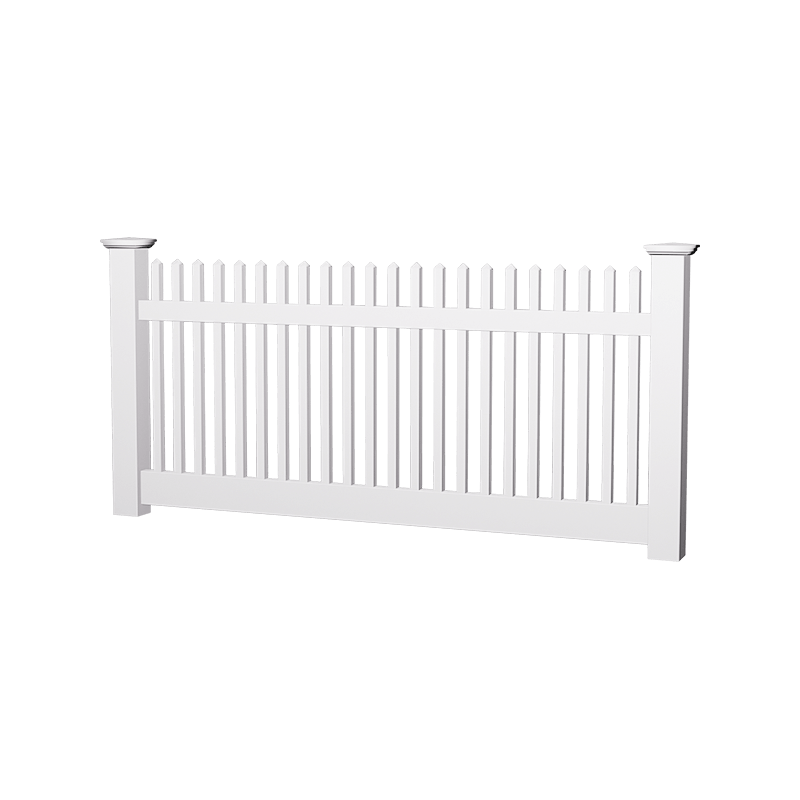
Our 1.5"x1.5" Horizontal Picket Fence, the ultimate garden solution made from 100% virgin PVC for unmatched durability and low maintenance. Designed for easy DIY installation, this fire-proof fence re...
See Details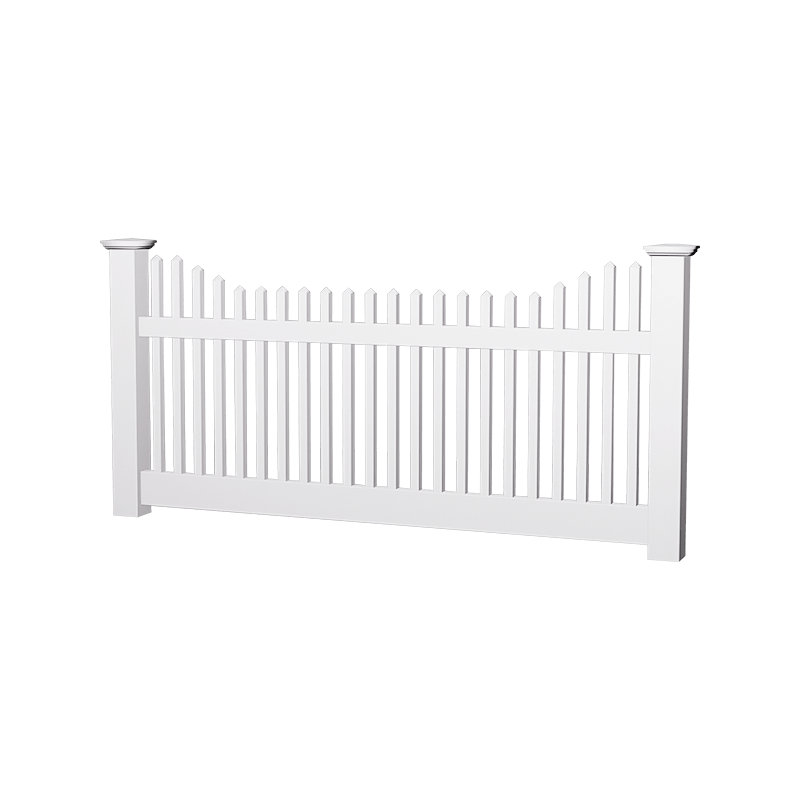
The Special-Shaped Picket Fence, the perfect addition to any home. Crafted from 100% virgin PVC, this fence combines durability and elegance with low maintenance requirements. Designed for easy DIY in...
See Details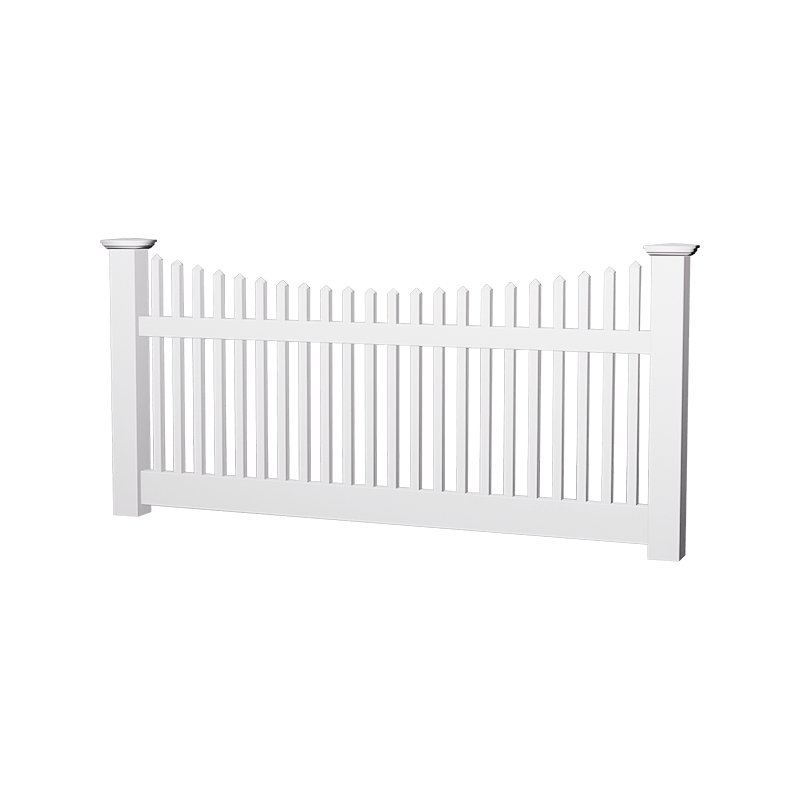
The Special-Shaped Picket Fence, the perfect addition to any home. Crafted from 100% virgin PVC, this fence combines durability and elegance with low maintenance requirements. Designed for easy DIY in...
See Details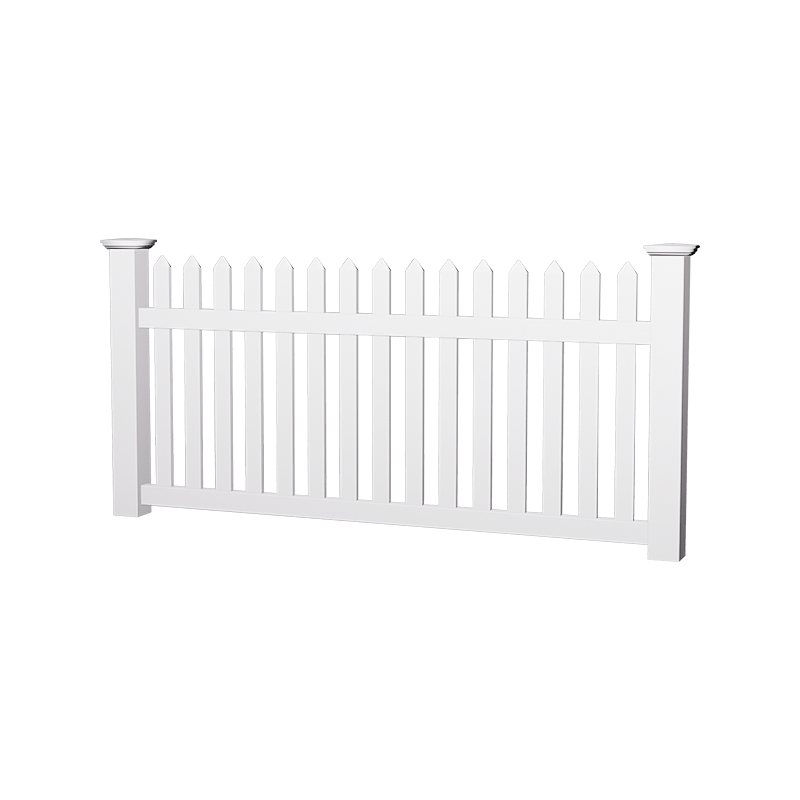
Enhance your home’s exterior with our Traditional Straight Spade Fence, crafted from 100% virgin PVC for exceptional durability and style. This low-maintenance solution is designed for easy installati...
See Details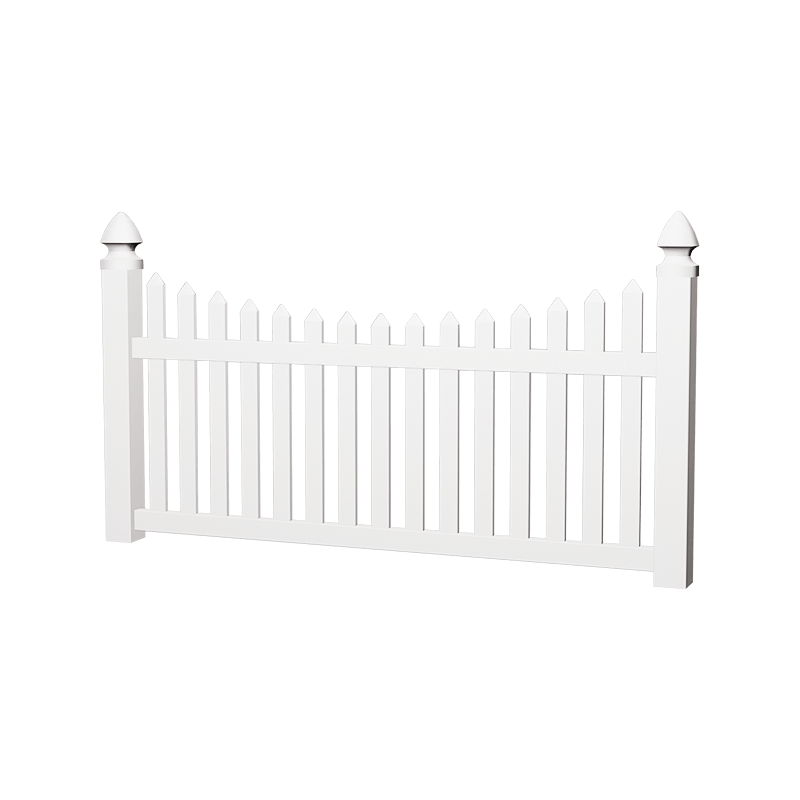
Transform your outdoor space with our 7/8"x3" Outdoor Picket Fence, specifically designed for farm use and outdoor applications. Crafted from 100% Virgin PVC, this durable and high-impact resistant fe...
See Details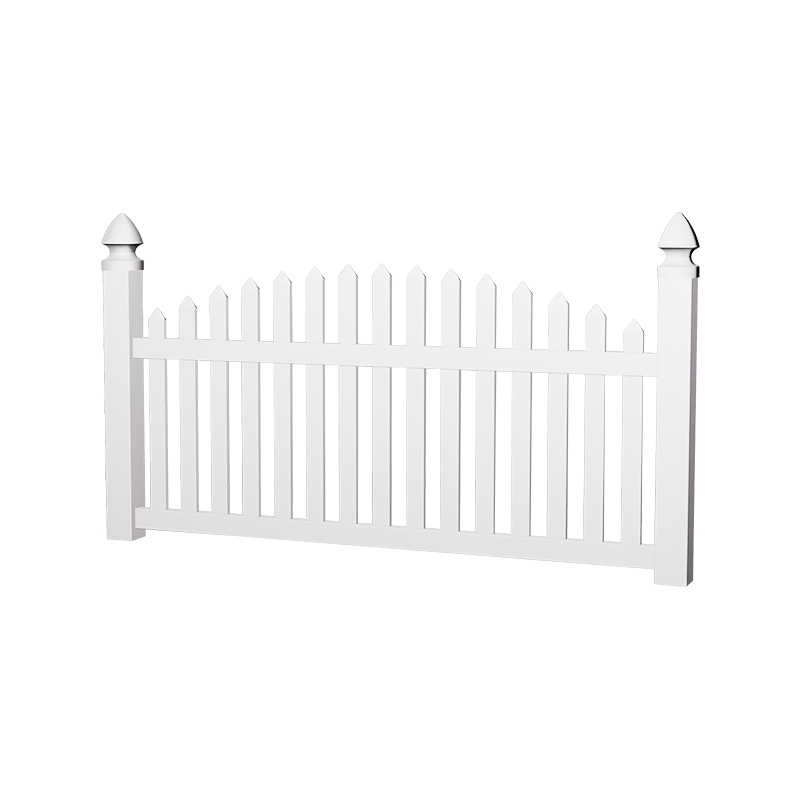
Enhance your farm's aesthetic and functionality with our PVC Arched Picket Fence. Crafted from 100% virgin PVC, this durable and stylish fencing solution combines the classic charm of traditional pick...
See Details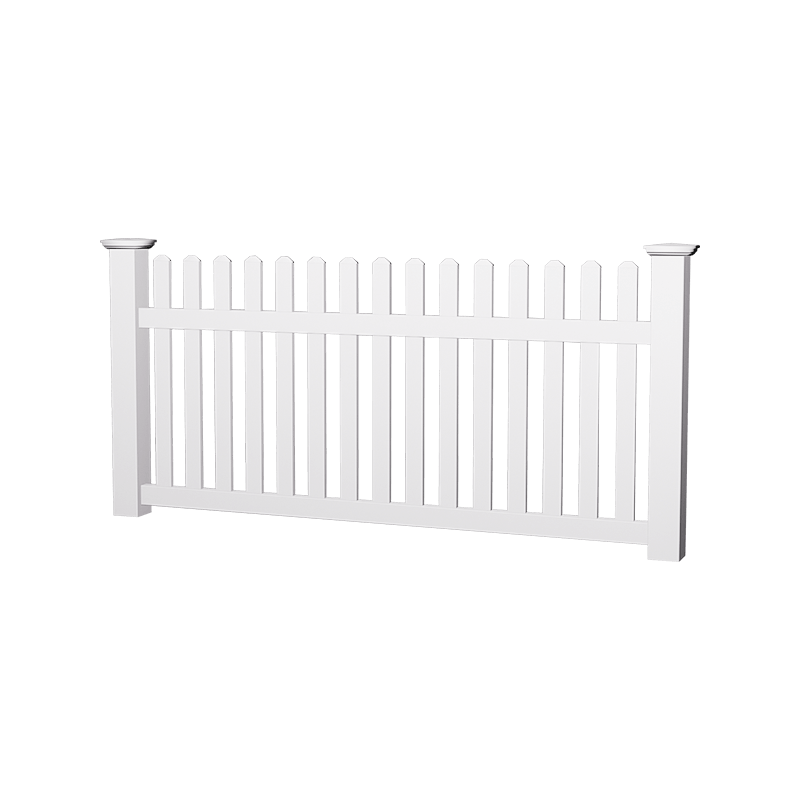
Our durable and versatile Picket Fence, designed specifically for farm use. Crafted from 100% virgin PVC plastic, this fence panel is not coated, ensuring superior quality and longevity. With dimensio...
See Details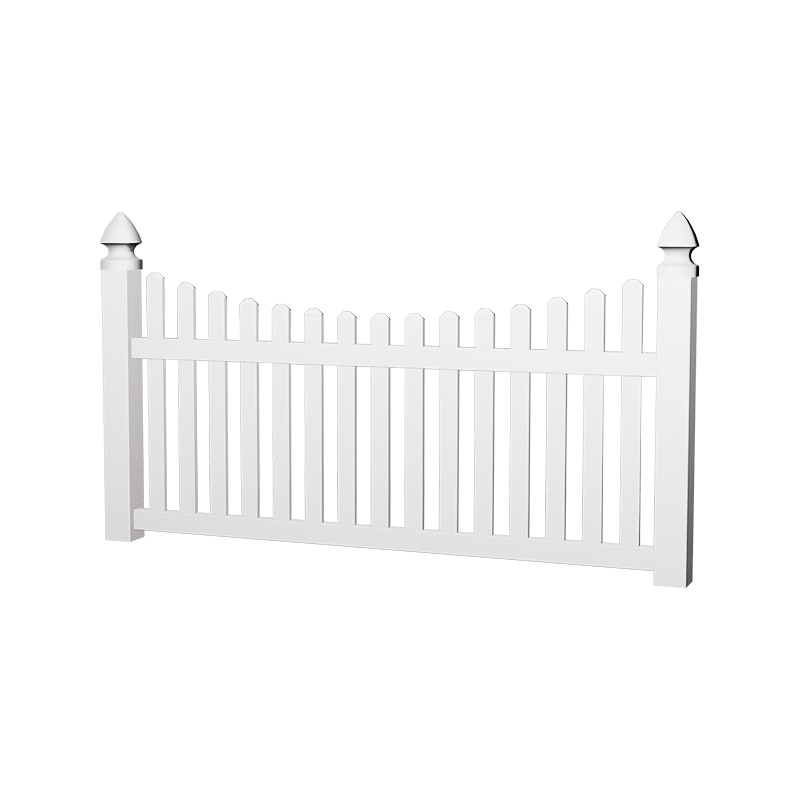
Introducing our 7/8"x3" Plastic Picket, designed specifically for farm applications. Crafted from 100% virgin PVC, this picket is not coated, ensuring maximum durability and resistance to impacts. Wit...
See Details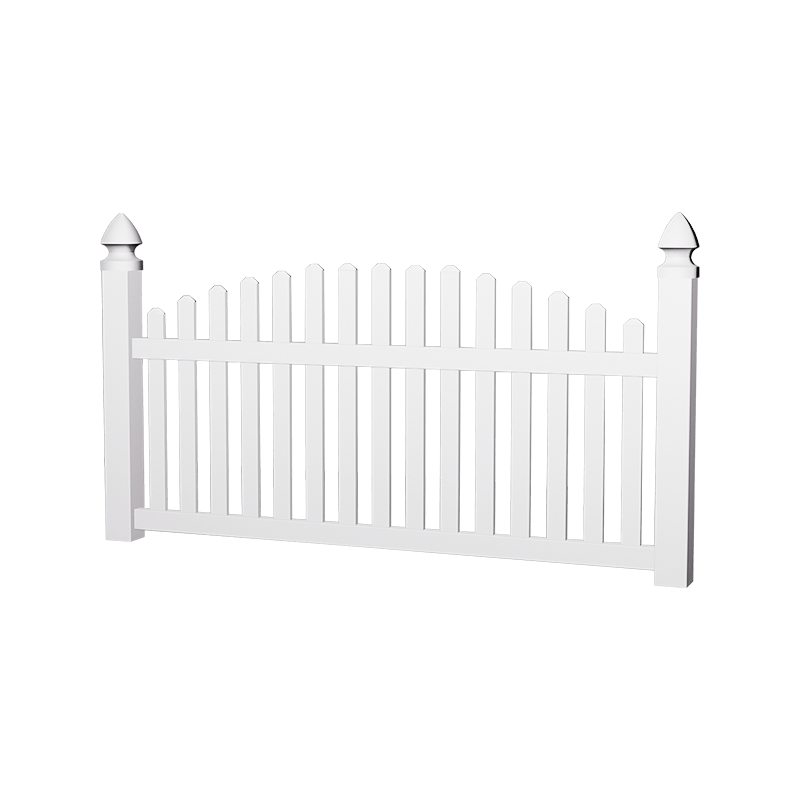
The Dog Ear Top Garden Fence, the ultimate solution for your farm fencing needs. Crafted from 100% virgin PVC, this fence is designed to withstand the elements without the worry of rot or decay, makin...
See Details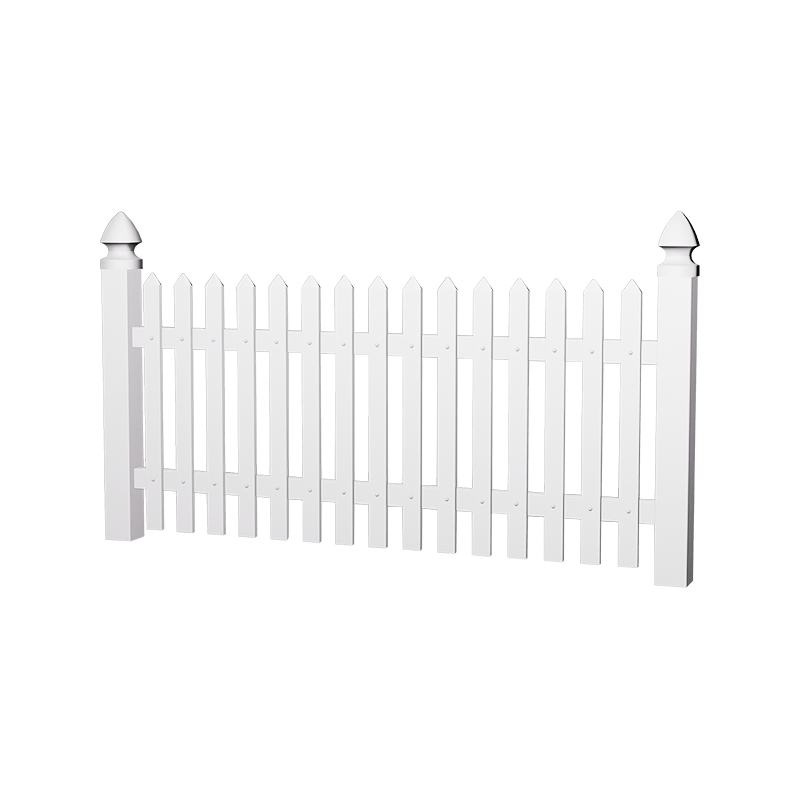
Decorate your outdoor spaces with our durable and stylish PVC Face Mounted Pickets Fence. Designed for easy installation and long-lasting performance, this fence is perfect for residential and commerc...
See Details
Our White Vinyl Fence, measuring 4'H x 8'W, designed for both functionality and aesthetics. Made from 100% virgin PVC plastic, this fence is not coated, ensuring unmatched durability and resistance to...
See Details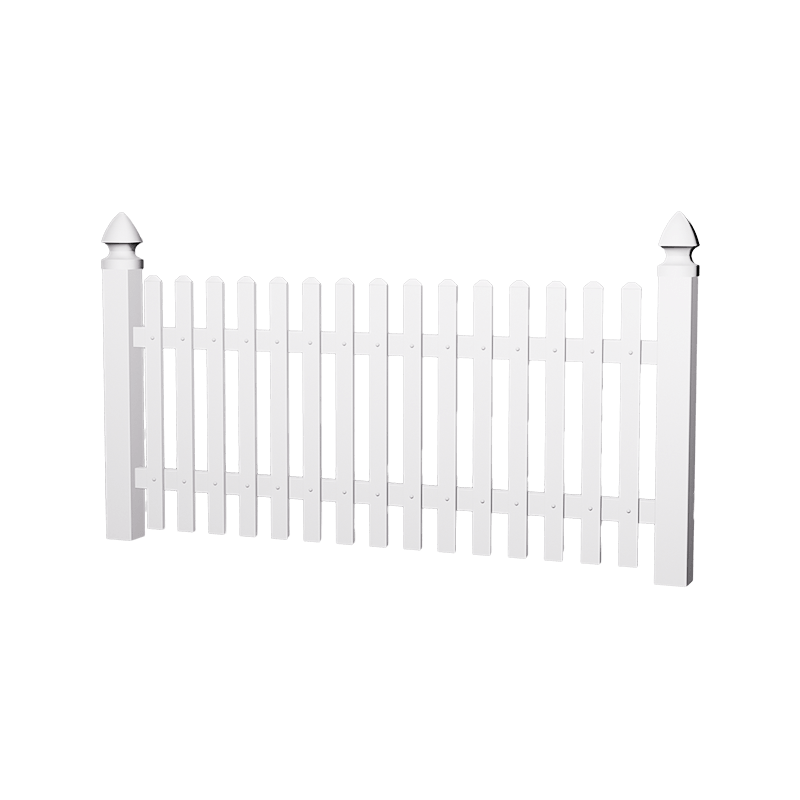
The Traditional Dog Ear Picket is an ideal choice for warehouses, combining aesthetic appeal with practicality. Made from 100% virgin PVC, this durable, low-maintenance fence resists rotting and water...
See Details
We are a professional manufacturer engaged in the research, development,
production, sale, and service of PVC fences and PVC flooring.
Contact Us
Mobile
Copyright © Deqing Huazhijie Railing & Fencing Co.,Ltd. All Rights Reserved.
 Custom Vinyl Fence Manufacturers
 English
 عربى
عربى 中文简体
中文简体 Español