Welcome to Huazhijie!
 +86-572-8086381 / 8282992
  hzjfence1@hzjfence.com


Jun 03, 2026
Content
PVC horse fence — also widely called vinyl horse fence or vinyl rail fence — is a structural fencing system manufactured from polyvinyl chloride extrusions formed into posts, rails, and caps. It has become one of the most popular equine fencing choices in North America and Europe because it combines the traditional visual appeal of painted board fencing with none of the ongoing maintenance that wood demands. A properly installed PVC horse fence requires no painting, no staining, no rot treatment, and no concern about termites — ever.
The material itself goes beyond basic PVC. Quality horse fencing is compounded with specific additives during manufacturing: UV inhibitors that prevent sun-induced fading, cracking, and brittleness; impact modifiers that give the rails flexibility rather than sudden shattering on hard contact; and thermal stabilizers that maintain dimensional integrity across the temperature extremes a fence in a field will experience across decades of service. A well-specified PVC horse fence from a reputable manufacturer is expected to last 20 to 30 years, with high-quality products with thick wall construction and strong UV protection potentially exceeding 40 years. That longevity, combined with near-zero maintenance costs, is what makes the higher upfront cost relative to wood competitive over a full service life.
An important note on terminology: PVC fence and vinyl fence describe the same product. PVC (polyvinyl chloride) is the specific plastic compound; "vinyl" is the commercial term used in the fencing industry. Both terms appear on product listings and in installation guides, and the difference is marketing language, not a material distinction.
PVC horse fencing is sold in rail configurations — the number of horizontal rails between posts — and the right configuration depends on the horse type being contained, the purpose of the enclosure, and the height required. Each configuration has a standard height profile and a recommended application.
Two-rail vinyl fencing provides a visible boundary marker but minimal physical containment. It is not recommended as primary horse enclosure fencing — a determined horse can step through or over a two-rail fence without significant effort. In equestrian contexts, 2-rail PVC is appropriate for decorative perimeter marking along driveways or property lines where horses are not actively pastured, or as a secondary outer boundary fence around a larger paddock system. It is the most affordable configuration and the easiest to install, which is why it remains popular for visual applications.
Three-rail PVC fencing is the most widely used configuration for horse paddocks, pastures, and arena perimeters. A standard 3-rail system stands approximately 54 inches (4.5 feet) above ground, with posts set 28 to 36 inches below grade in concrete and spaced 8 feet on center to accommodate standard 8-foot rails. Rail spacing in a 3-rail system is typically around 11.8 inches between rails, which provides good containment for adult horses while leaving enough visual openness for horses to see and be seen. Three-rail PVC horse fence costs approximately $15 to $25 per linear foot installed, making it cost-competitive with quality wood board fencing when the absence of future maintenance costs is factored into the lifetime comparison.
Four-rail fencing stands approximately 60 inches (5 feet) above ground and provides the strongest containment profile of the standard residential configurations. The additional rail reduces the gap between rails to around 9 inches, which is narrow enough to prevent most foals from slipping through — an important consideration in breeding operations and for mares with young foals. The 4-rail configuration is also the standard recommendation for stallion paddocks, training arenas, and high-activity enclosures where horses push against the fence regularly. It is the preferred choice of professional equestrian facilities because it combines strong physical containment with a clean, prestigious appearance that complements high-value properties.
| Configuration | Above-Ground Height | Rail Spacing | Best Use |
|---|---|---|---|
| 2-Rail | ~42 inches | ~18 inches | Decorative boundary, property lines |
| 3-Rail | ~54 inches | ~11.8 inches | Adult horse paddocks, pastures, arenas |
| 4-Rail | ~60 inches | ~9 inches | Foals, stallions, breeding operations, show facilities |
The standard white PVC post-and-rail system is the most recognizable equine fencing format, but PVC horse fencing is available in additional configurations that address specific containment, safety, or aesthetic requirements.
Standard rail fencing has gaps between the rails that are appropriate for adult horses but can allow young foals, small dogs, or wildlife to pass through. Adding a welded wire mesh panel behind the PVC rails closes these gaps without affecting the fence's visual profile from a distance. The mesh is typically attached to the inside face of the posts and rails and sits behind the PVC, so the clean white rail appearance is preserved on the outside while the effective opening size is reduced to 2 to 4 inches on the interior. This configuration is common on breeding farms, properties that house multiple animal species, or facilities near roads where keeping wildlife out of the paddock matters.
Flexible rail systems use a PVC-coated polymer or composite rail that has some give on impact, rather than a rigid hollow extrusion. When a horse runs into a flexible rail, the rail deflects and returns to shape rather than transmitting full impact force to the post. This reduces injury risk in high-activity or high-density situations where horses are frequently in physical contact with the fence. Flexible rail systems look similar to rigid PVC rail from a distance and are valued primarily in training arenas and turnout paddocks where horses at speed are more likely to contact the fence line.
Some horse operations run a single strand of electric tape or wire along the top rail or inside face of a PVC rail fence. This is particularly useful for horses that crib (chew) on rails, lean heavily on the fence, or test boundaries repeatedly. The electric deterrent discourages these behaviors without requiring a separate all-electric fence system, and it can be added to an existing PVC fence as a retrofit. When used, the electric tape attachment clips are designed to hold the wire away from the PVC surface slightly, which prevents the current from grounding through the fence material.
PVC horse fence products vary substantially in quality, and the differences are not always visible from a product photo or a price per foot. Understanding the specifications that determine long-term performance helps buyers avoid purchasing fence that looks good initially but degrades within a decade.
The wall thickness of the post and rail extrusions is the single most important structural specification. Thicker walls resist impact better, flex less under pressure, and resist damage from horses leaning or pushing against the fence. Standard post wall thickness in quality horse fencing is 0.15 inches (approximately 3.8 mm). Rail wall thickness in quality systems is typically 0.079 to 0.10 inches for standard loads, with heavier-duty rails available at 2.2 mm to 2.5 mm (approximately 0.087 to 0.098 inches) for higher-pressure applications. Cheap entry-level PVC fence may have post walls as thin as 0.10 inches and rail walls below 0.070 inches — these are appropriate for garden decorative use but will not withstand the physical demands of horse paddock service.
Without UV inhibitors, PVC turns yellow, becomes brittle, and develops surface cracks within a few years of outdoor exposure. Quality horse fencing uses UV-stabilized PVC compound with sufficient inhibitor loading to maintain color stability and structural integrity for decades. Manufacturers who warrant their product against UV degradation for 10 to 25 years are making a meaningful commitment; manufacturers who offer no UV warranty or only a short-term one are signaling lower inhibitor quality. Ask specifically whether the UV inhibitors are distributed throughout the full thickness of the PVC or only in a thin surface layer — the latter yellows once the surface layer weathers away.
PVC alone is a relatively brittle material at cold temperatures. Quality equine fencing compounds add impact modifiers — typically chlorinated polyethylene or acrylic — that give the fence flexibility rather than sudden fracture. A fence that shatters in cold weather is a serious safety hazard because the broken ends create sharp projections that can injure a horse. Impact-modified PVC horse fence is specified by reputable manufacturers for use in a full range of climates, including regions with hard winters where fence temperatures drop well below freezing regularly.
Some high-load applications — gate posts, corner posts, and end posts — use PVC posts with internal steel channel or pipe inserts. The steel insert carries the structural load that the hollow PVC post alone cannot reliably sustain at the anchor points of the fence line. For line posts in the interior of a straight fence run, PVC without steel reinforcement is generally adequate when post size and wall thickness are correct. For any post that will anchor a gate, take the load of a corner, or serve as a terminal post at the end of a run, internal reinforcement is strongly recommended by most professional installers.
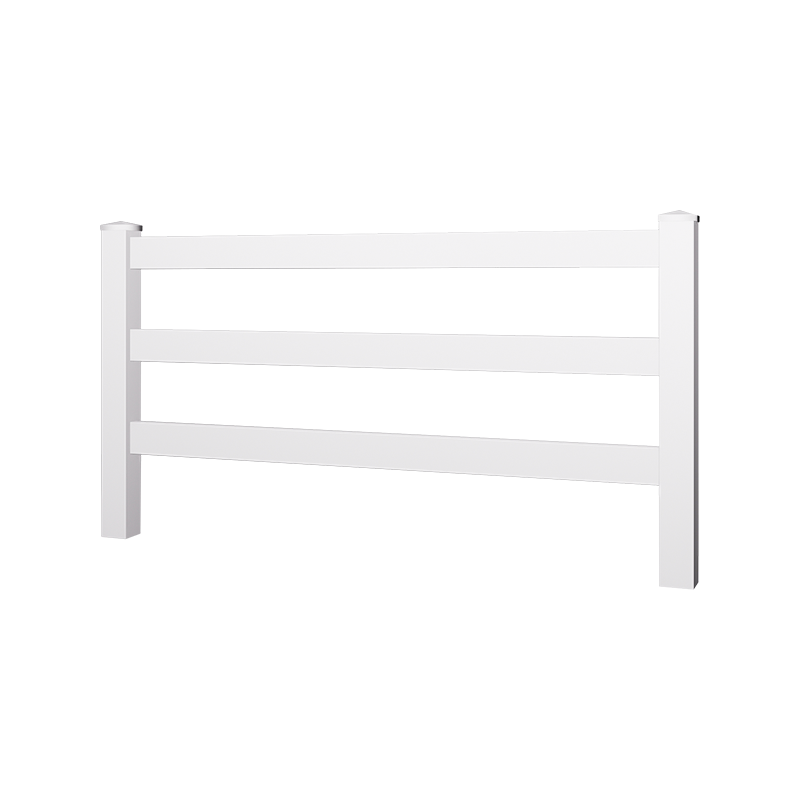
Fence safety is a genuine operational concern in equine management — horses can and do injure themselves on poorly designed fencing. PVC horse fencing has specific safety characteristics that make it preferable to several common alternatives.
The common objection to PVC horse fencing is upfront cost. The comparison is real: vinyl horse fence systems cost more per foot at installation than most wood board fencing options. However, a total cost of ownership comparison over 20 to 30 years produces a very different picture.
Wood board fencing — pine or oak in most farm applications — costs approximately $12 to $25 per linear foot installed, depending on wood species and labor rates. That compares to approximately $15 to $30 per linear foot installed for a quality 3-rail or 4-rail PVC horse fence. On a 1,000-foot paddock fence, the difference at the higher end of the range is $5,000 to $10,000 — real money. However, wood fences require staining or painting every two to three years at a typical cost of $200 to $500 annually, plus periodic board replacement as rot, insect damage, and weathering degrade individual boards over time. Over 20 years, those maintenance costs easily total $5,000 to $10,000 or more on a large paddock — eliminating or reversing the initial cost advantage of wood entirely. PVC maintenance over the same period consists of occasional washing with a hose or mild soap solution, with essentially zero material replacement cost if the fence was properly specified from the start.
Wood fences also require repainting or restaining to maintain their appearance — a time commitment of multiple days per year on a large property that PVC eliminates entirely. For professional equestrian operations where staff time is a significant cost, the labor saved on fence maintenance alone can justify the higher PVC material cost within a few years of installation.
PVC horse fence is designed for straightforward installation by capable DIY property owners as well as professional fence contractors. The components — posts, rails, caps, and gate hardware — are engineered to fit together with clips, notches, and interlocking mechanisms that reduce the need for complex carpentry skills. The following overview covers the standard installation sequence for a post-and-rail PVC horse fence.
Start by marking the fence line with stakes and string line. Locate all gate positions before setting any posts, because gate width determines the position of the adjacent gate posts, and those positions determine the spacing of all line posts from the gate outward. Standard 8-foot rails require posts spaced 8 feet on center — mark each post location with a stake at exactly 8-foot intervals along the string line. Double-check the layout by walking the line before digging; fixing a post spacing error after setting in concrete is far more costly than catching it in the planning phase.
Post holes for a standard 5-inch PVC horse fence post should be 12 inches in diameter and 28 to 36 inches deep — the deeper end of this range provides more resistance to frost heave in cold climates. In regions with significant frost, posts should be set below the frost line. Using quik-tube concrete forms inside the hole keeps the concrete column contained and prevents the soil from collapsing into wet concrete before it sets.
Place a post in the hole, use the string line to confirm alignment, then fill around the post with concrete to approximately 3 inches below ground level — this allows soil and grass to cover the concrete top and prevents water from pooling at the post base. Use two 80-pound bags of fast-setting concrete per 5-inch post. Check the post is plumb on two perpendicular faces with a level before the concrete begins to set. Setting posts one at a time — rather than all holes first — allows easy correction if a post is slightly out of position before the concrete locks it in place.
Standard concrete sets sufficiently for rail installation in 24 to 48 hours with fast-setting mix. Full structural cure takes longer, but the posts will hold the weight of the rails and resist installation stress after the initial set period. Do not attempt to adjust or force a post after concrete has begun to set — this breaks the bond between the concrete and the post and undermines the structural integrity of the installation.
PVC rails clip or slide into pre-routed slots in the post profile. The rail ends are typically notched to interlock within the post slot, preventing the rail from pulling out laterally. Rails can be cut shorter with a standard wood saw or circular saw if the span requires a shorter-than-standard section at the end of a run or around a corner. Apply rail caps and post caps as the last step to complete the weatherproof seal at the top of each post.
One of the primary selling points of PVC horse fence is its minimal maintenance requirement, but "low maintenance" is not the same as "no maintenance." Understanding what the fence does and does not need keeps it looking good and functioning correctly for decades.
The range of PVC horse fence products on the market spans from thin-walled entry-level components appropriate only for decorative light duty, to heavy-duty equine-rated systems designed for decades of paddock service. Evaluating suppliers on the following criteria before purchasing avoids the most common and costly mistakes.
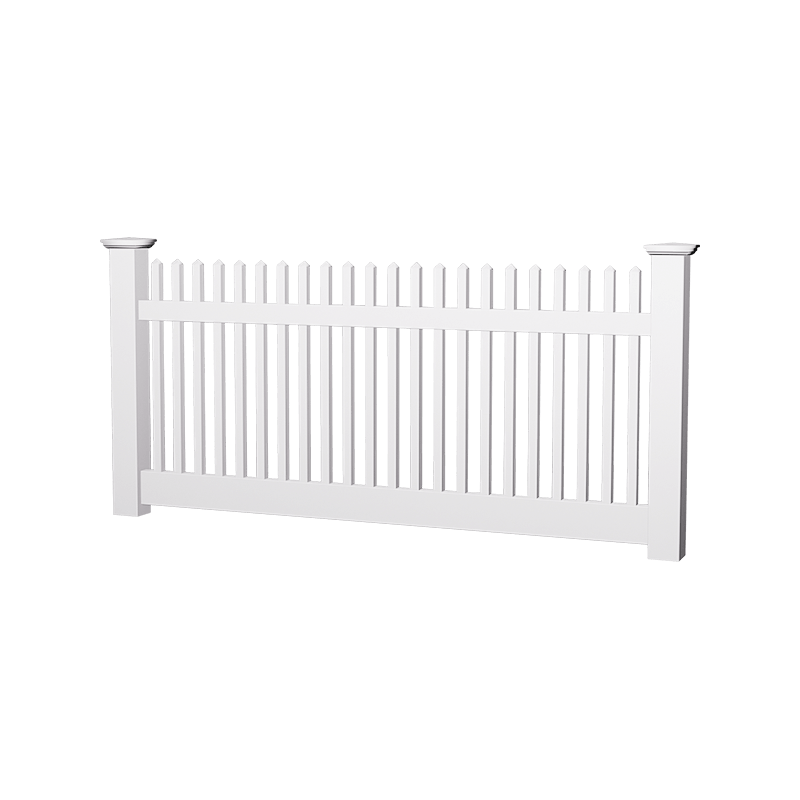
Our 1.5"x1.5" Horizontal Picket Fence, the ultimate garden solution made from 100% virgin PVC for unmatched durability and low maintenance. Designed for easy DIY installation, this fire-proof fence re...
See Details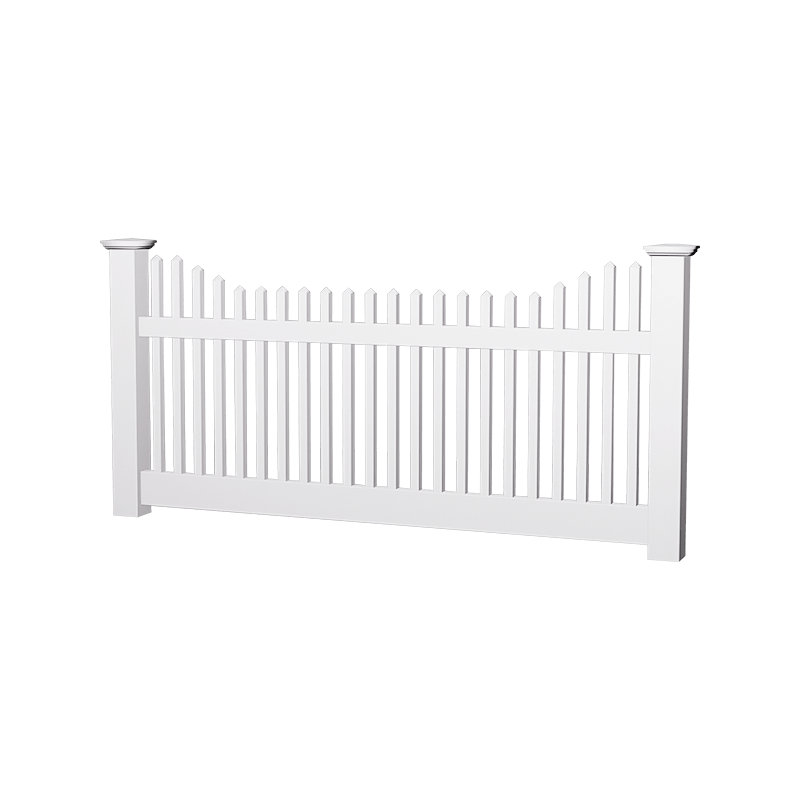
The Special-Shaped Picket Fence, the perfect addition to any home. Crafted from 100% virgin PVC, this fence combines durability and elegance with low maintenance requirements. Designed for easy DIY in...
See Details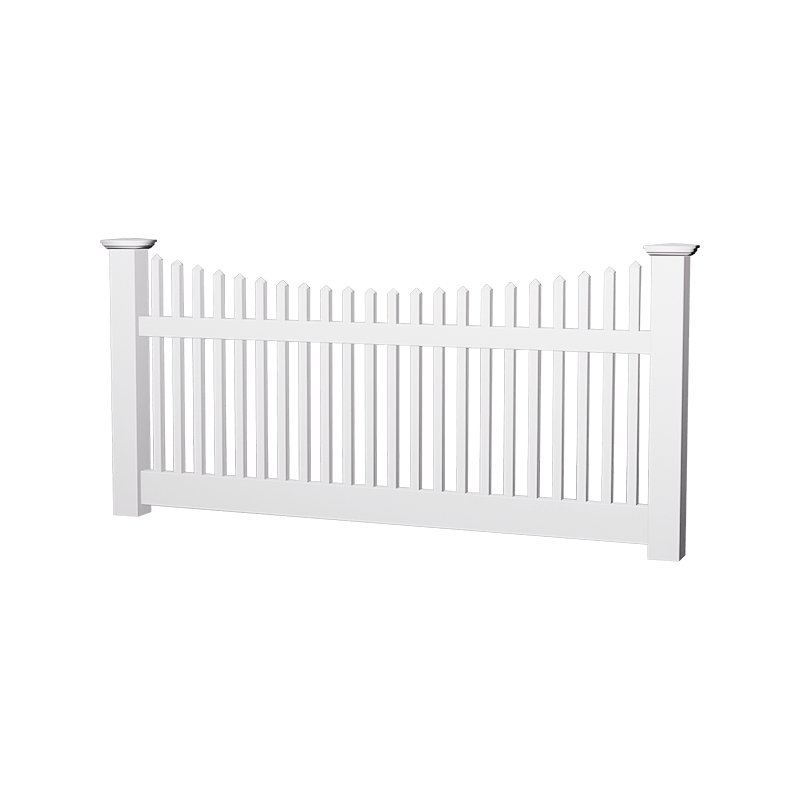
The Special-Shaped Picket Fence, the perfect addition to any home. Crafted from 100% virgin PVC, this fence combines durability and elegance with low maintenance requirements. Designed for easy DIY in...
See Details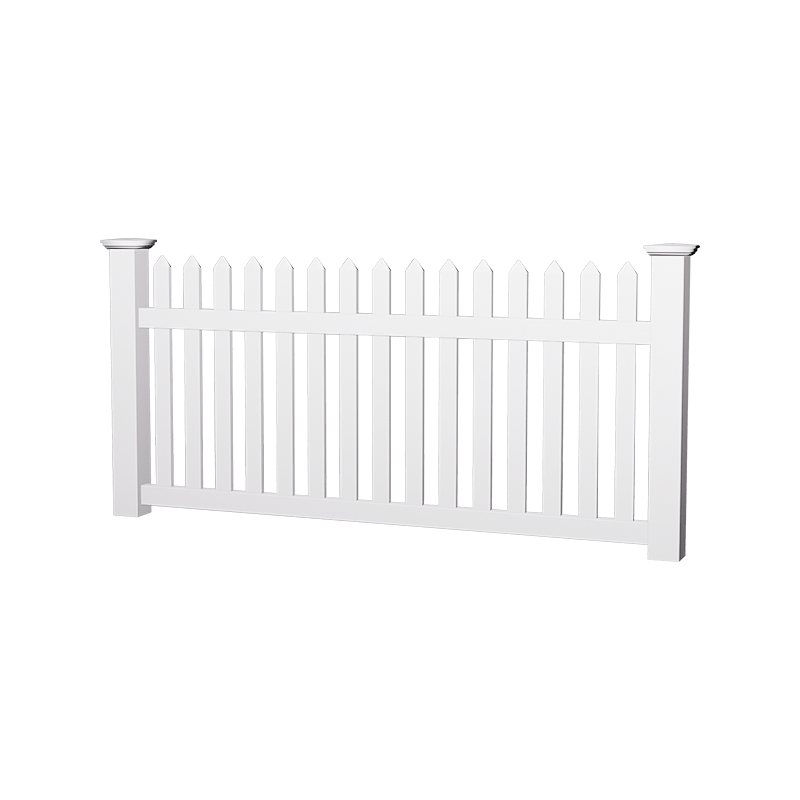
Enhance your home’s exterior with our Traditional Straight Spade Fence, crafted from 100% virgin PVC for exceptional durability and style. This low-maintenance solution is designed for easy installati...
See Details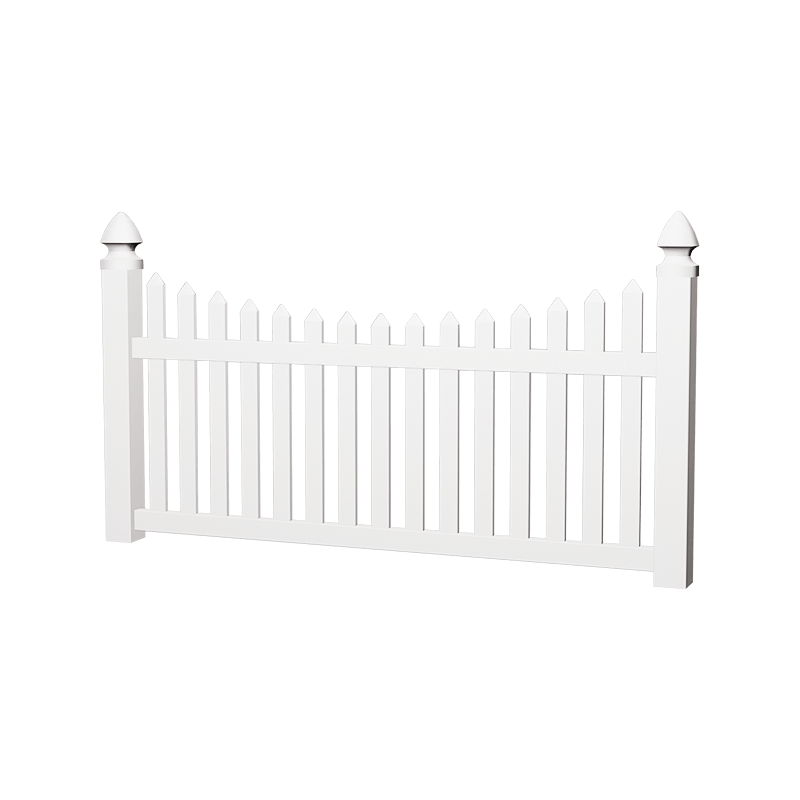
Transform your outdoor space with our 7/8"x3" Outdoor Picket Fence, specifically designed for farm use and outdoor applications. Crafted from 100% Virgin PVC, this durable and high-impact resistant fe...
See Details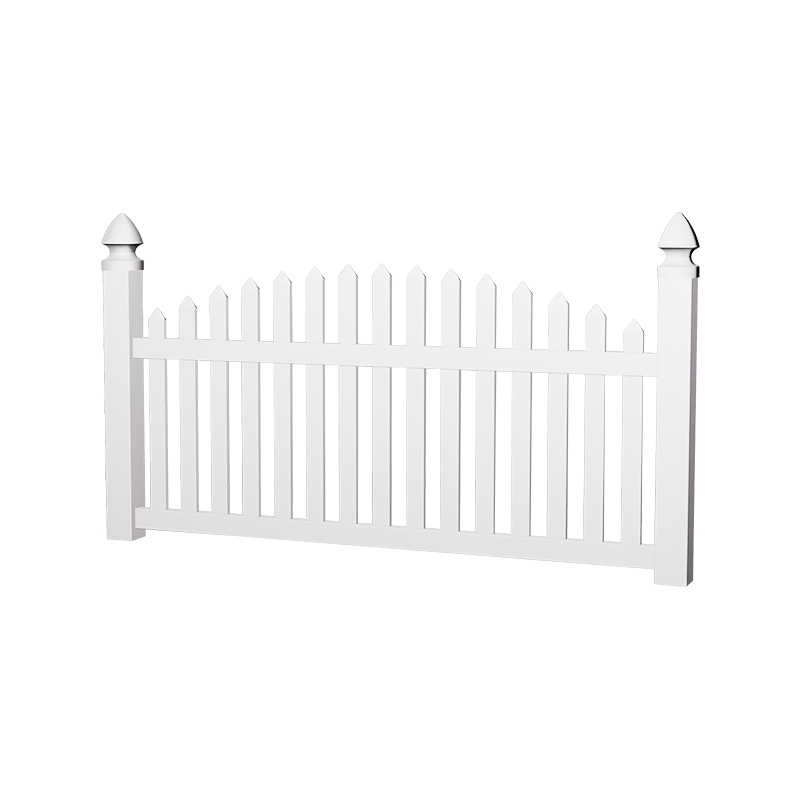
Enhance your farm's aesthetic and functionality with our PVC Arched Picket Fence. Crafted from 100% virgin PVC, this durable and stylish fencing solution combines the classic charm of traditional pick...
See Details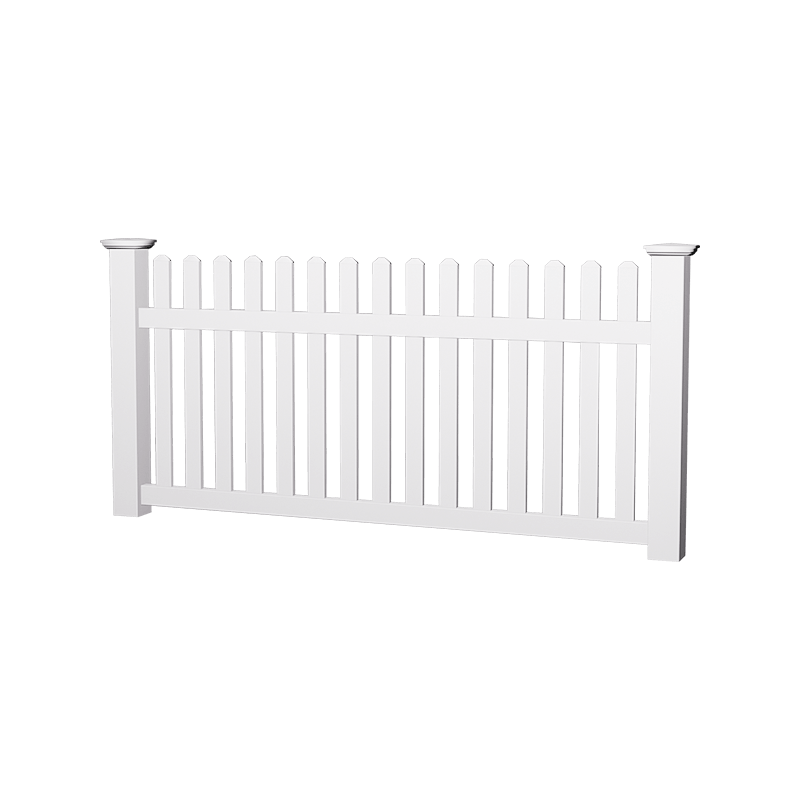
Our durable and versatile Picket Fence, designed specifically for farm use. Crafted from 100% virgin PVC plastic, this fence panel is not coated, ensuring superior quality and longevity. With dimensio...
See Details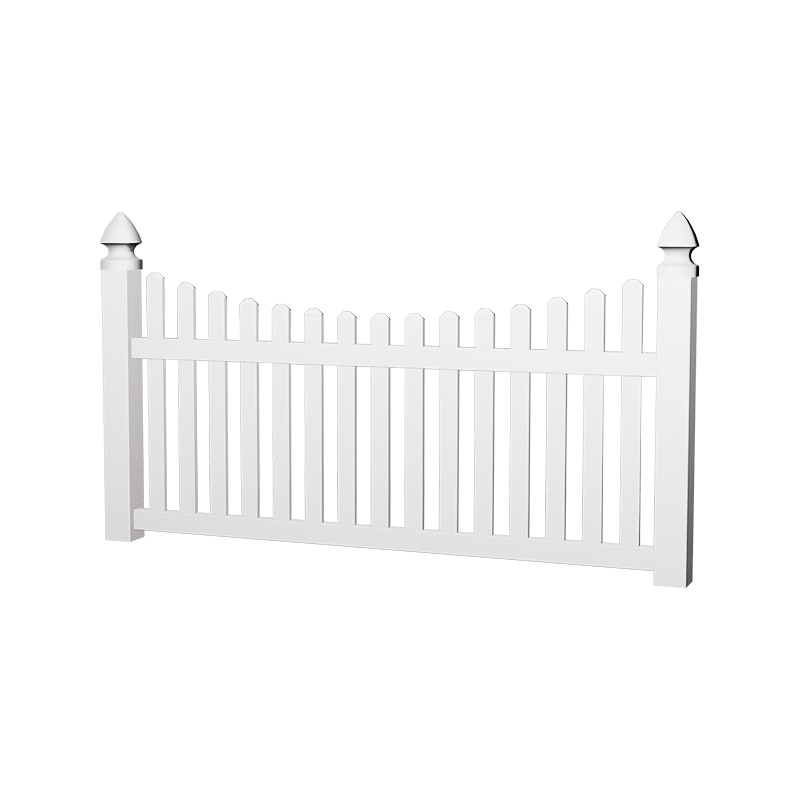
Introducing our 7/8"x3" Plastic Picket, designed specifically for farm applications. Crafted from 100% virgin PVC, this picket is not coated, ensuring maximum durability and resistance to impacts. Wit...
See Details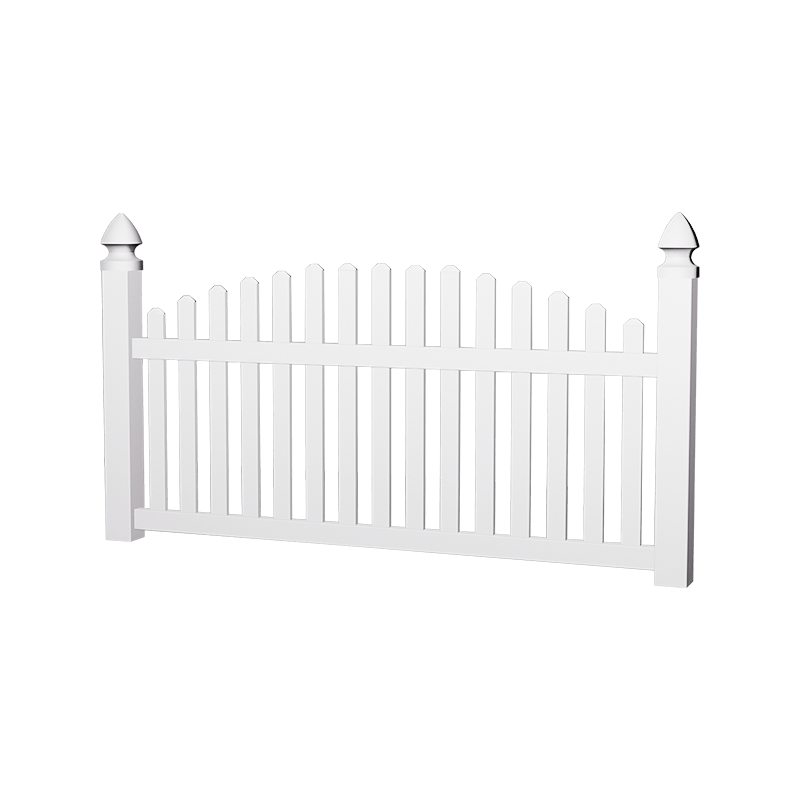
The Dog Ear Top Garden Fence, the ultimate solution for your farm fencing needs. Crafted from 100% virgin PVC, this fence is designed to withstand the elements without the worry of rot or decay, makin...
See Details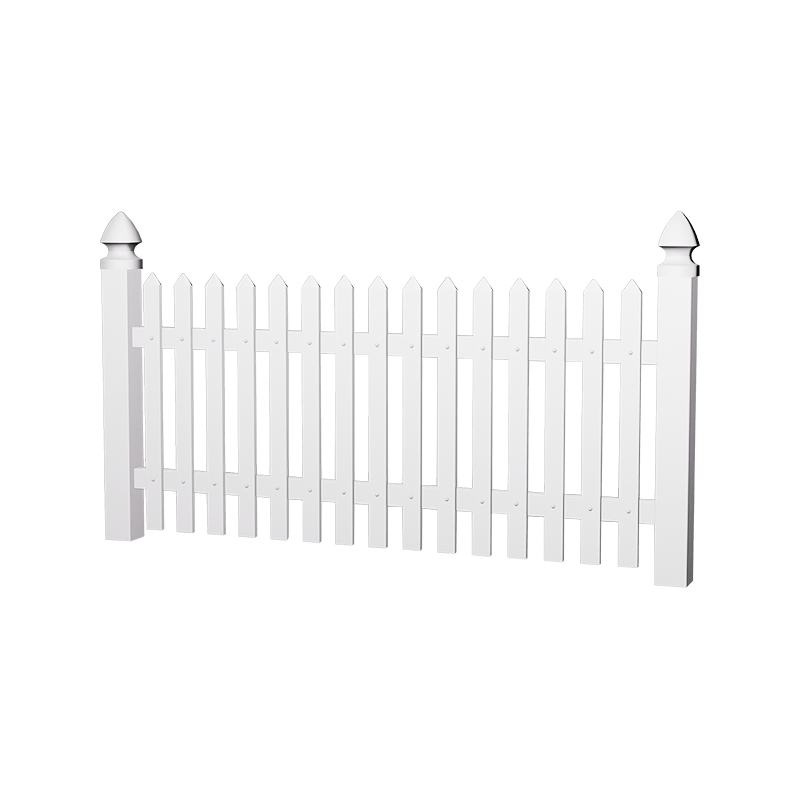
Decorate your outdoor spaces with our durable and stylish PVC Face Mounted Pickets Fence. Designed for easy installation and long-lasting performance, this fence is perfect for residential and commerc...
See Details
Our White Vinyl Fence, measuring 4'H x 8'W, designed for both functionality and aesthetics. Made from 100% virgin PVC plastic, this fence is not coated, ensuring unmatched durability and resistance to...
See Details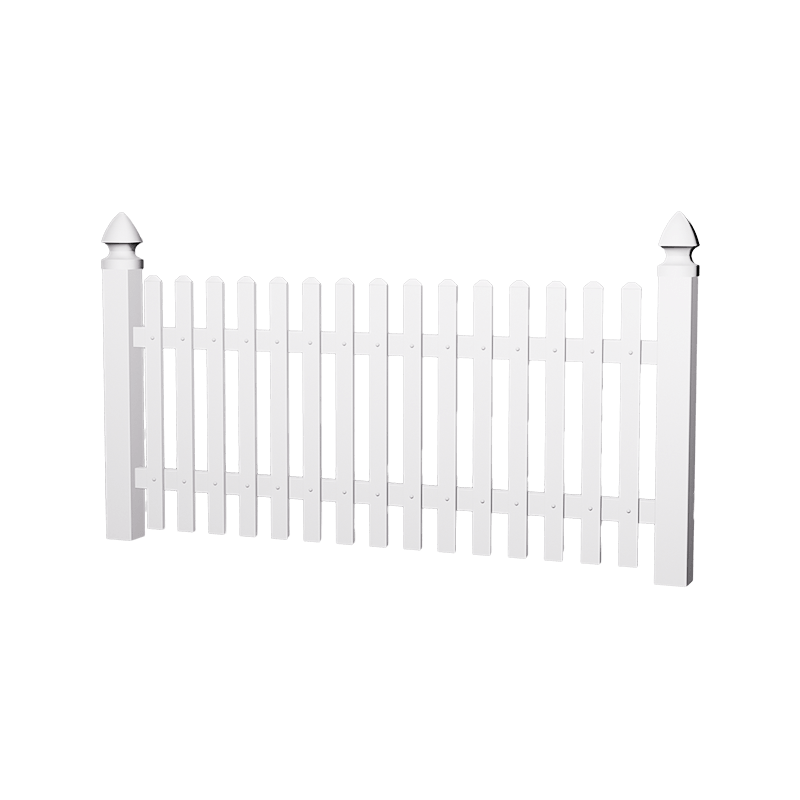
The Traditional Dog Ear Picket is an ideal choice for warehouses, combining aesthetic appeal with practicality. Made from 100% virgin PVC, this durable, low-maintenance fence resists rotting and water...
See Details
We are a professional manufacturer engaged in the research, development,
production, sale, and service of PVC fences and PVC flooring.
Contact Us
Mobile
Copyright © Deqing Huazhijie Railing & Fencing Co.,Ltd. All Rights Reserved.
 Custom Vinyl Fence Manufacturers
 English
 عربى
عربى 中文简体
中文简体 Español