Welcome to Huazhijie!
 +86-572-8086381 / 8282992
  hzjfence1@hzjfence.com


May 26, 2026
Content
A PVC railing fence is a fencing and railing system made from polyvinyl chloride — a rigid, weather-resistant plastic material that has become one of the most widely used fencing materials in residential and commercial construction. You'll find PVC fence railing along decks, porches, driveways, pool enclosures, garden borders, and property lines across virtually every climate zone. Its rise in popularity over the past two decades comes down to a simple combination of factors: it looks clean and polished, it requires almost no maintenance, and it holds up reliably over time without rotting, rusting, or warping the way wood and metal alternatives can.
PVC railing fences are also commonly referred to as vinyl railing fences or vinyl fence railings, and the terms are used interchangeably in the industry. The core material is the same — extruded PVC — though the quality of the compound, the wall thickness, and the UV stabilizers built into the material vary significantly between manufacturers and product lines. Understanding these differences matters when you're comparing prices and trying to figure out why two products that look identical on a retailer's website carry very different price tags.
Before committing to any fencing material, it helps to see how PVC railing stacks up against the alternatives across the factors that matter most in a real-world installation. The table below breaks down the key differences:
| Factor | PVC / Vinyl | Wood | Aluminum | Composite |
| Maintenance Required | Very low | High (staining, sealing, painting) | Low | Low to moderate |
| Rot / Rust Resistance | Excellent | Poor (rots without treatment) | Good (can corrode in saltwater) | Good |
| Upfront Cost | Moderate to high | Low to moderate | Moderate to high | High |
| Long-Term Cost | Low (minimal upkeep) | High (ongoing treatment costs) | Low | Low to moderate |
| Color Options | White, tan, gray, limited colors | Any (painted) | Wide range (powder-coated) | Wide range |
| Impact Resistance | Moderate (can crack in extreme cold) | Good | Good | Good |
| DIY-Friendly Installation | Yes | Yes | Moderate | Moderate |
For most homeowners weighing long-term value against upfront cost, PVC vinyl railing fence comes out ahead when the total cost of ownership over 15 to 20 years is factored in. A wood fence that needs repainting every three to five years and boards replaced after a decade often ends up costing more overall than a vinyl fence railing system that needs nothing beyond an occasional rinse.
One of the strongest selling points of vinyl fence railing systems is the breadth of styles available. Whether the goal is a classic look for a traditional home or a clean, modern aesthetic for a contemporary property, there's a PVC railing profile to match. The most widely installed styles include:
The PVC picket railing fence is the quintessential American front-yard look — a horizontal top and bottom rail with evenly spaced vertical pickets in between. Available with flat-top, dog-ear, or spear-point picket profiles, this style works equally well as a decorative border along a garden, a low boundary fence at the front of a property, or a railing along a low deck or porch. The classic white vinyl picket fence has become so strongly associated with well-kept suburban homes that it's now a standard inclusion in many residential development landscaping packages.
For backyard enclosures, pool surrounds, and property boundaries where privacy is the primary goal, PVC privacy fence panels are the go-to option. These feature tongue-and-groove vertical boards installed tightly together between horizontal rails, creating a solid panel with no gaps. Heights typically range from 4 to 8 feet, and the panels can be capped with a flat, rounded, or lattice top. PVC privacy fencing is significantly more durable than wood privacy panels, which tend to warp, shrink, and gap over time as they cycle through seasonal moisture changes.
Ranch rail vinyl fence railing systems use two or three horizontal rails connecting a series of posts without vertical infill boards. This open style is popular for large properties, horse paddocks, rural boundaries, and any application where a defined border is needed without visual obstruction. The PVC ranch rail fence delivers the aesthetic of a traditional wooden split-rail fence without the splitting, rotting, or graying that makes real wood ranch fencing a constant maintenance challenge in humid or wet climates.
PVC deck railing systems are purpose-designed for use along elevated decks, porches, and balconies where building codes require a guardrail of a specified height — typically 36 inches for decks up to 30 inches above grade, and 42 inches for higher elevations. These systems include top and bottom rails, balusters, post sleeves, and post caps in a coordinated assembly. Many PVC deck railing kits are engineered to comply with IRC (International Residential Code) load requirements straight out of the box, simplifying the permit approval process for homeowners adding or replacing a deck railing.
Not all vinyl railing fence products are manufactured to the same standard, and the differences in quality can be hard to spot from photos alone. When evaluating products — whether in a showroom, a home improvement store, or online — these are the specifications that actually matter:
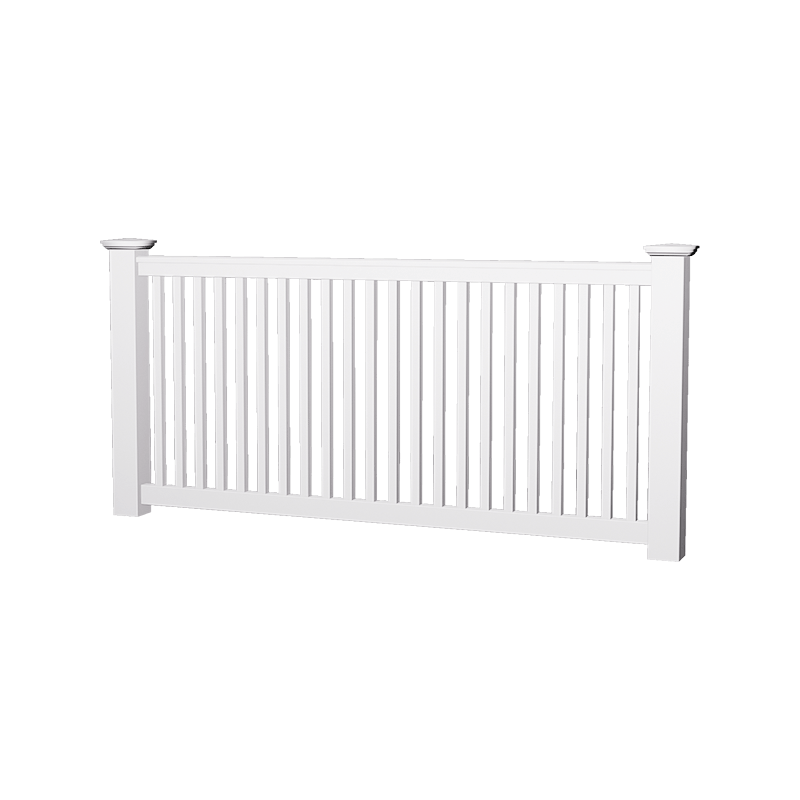
PVC railing fence systems are among the most DIY-accessible fencing options available. Most manufacturers design their systems with snap-fit connectors, pre-routed rails, and detailed installation guides that allow a homeowner with basic tools to complete an installation over a weekend. That said, there are several critical steps where mistakes are commonly made and worth understanding in advance.
Post spacing on most PVC railing fence systems is standardized at 6 or 8 feet on center, but always verify the maximum span for the specific product being installed — exceeding the rated span causes rail sag and is a common installation error. Post holes should be dug to a depth of at least one-third of the total post length, with an additional 6 inches for a gravel drainage base. In cold climates, post holes must extend below the local frost depth — typically 36 to 48 inches in northern states — to prevent frost heave from lifting and tilting posts through seasonal freeze-thaw cycles. Set posts in concrete and allow full cure time before attaching rails.
PVC expands and contracts with temperature changes more than wood or metal. A vinyl rail installed tightly in winter will buckle and bow outward in summer heat if no expansion gap is allowed. Most PVC railing fence manufacturers specify an expansion gap of 1/4 to 1/2 inch at each end of a rail section — these instructions are in the installation guide and should not be skipped. Failure to account for thermal movement is one of the leading causes of wavy, buckling vinyl fence rails on otherwise correctly installed fences.
Gates are the most mechanically demanding part of any PVC railing fence installation. The gate posts carry all the dynamic load of the gate swinging open and closed and must be set deeper and in a larger concrete footing than line posts. Most manufacturers recommend a minimum 4-inch diameter concrete footing at double the normal line post depth for gate posts. Use hardware specifically designed and rated for vinyl fence gates — standard wood fence hardware is frequently misapplied to PVC gates and lacks the load ratings needed for long-term reliable operation. Spring-loaded or gravity-latch hinges designed for the weight of the specific gate panel are the right specification for residential PVC gate installations.
One of the primary reasons homeowners choose vinyl fence railing over wood is the dramatic reduction in ongoing maintenance. PVC doesn't need painting, staining, or sealing — ever. However, "low maintenance" doesn't mean "no maintenance," and a PVC railing fence that's never cleaned will accumulate dirt, mildew, algae, and environmental staining that dulls its appearance over time. The good news is that cleaning is straightforward and infrequent.
Before purchasing materials or starting installation, it's essential to check local building codes and HOA (homeowners association) guidelines for fencing on your property. Requirements vary by municipality, but several categories of regulation apply to most PVC railing fence and vinyl deck railing installations:
The PVC railing fence market is served by a mix of national manufacturers, regional suppliers, and big-box home improvement retailers. Quality varies widely across the spectrum, so knowing which names carry a strong reputation for material quality, fit, and warranty support helps narrow the field considerably.
Among the most recognized names in the vinyl fence railing industry are Bufftech (a CertainTeed brand), Kroy Building Products, Barrette Outdoor Living, and Westech Fence, all of which produce fence-grade PVC systems with multi-decade warranties and documented compliance with ASTM material standards. These brands are available through fencing specialty dealers, lumber yards, and some home improvement chains. For deck railing specifically, Trex Seclusions, AZEK, and Fiberon offer premium PVC and composite railing systems with broader color palettes and engineered load ratings for code-required guardrail applications.
Big-box retailers like Home Depot and Lowe's carry an accessible range of PVC fence railing panels and posts for DIY projects, typically at competitive price points. These products work well for straightforward installations but may have thinner walls and shorter warranty terms than premium dealer lines. For large projects, perimeter fencing, or applications requiring code compliance documentation, purchasing through a fencing specialty dealer who can provide product specifications and installation support is generally the better approach.
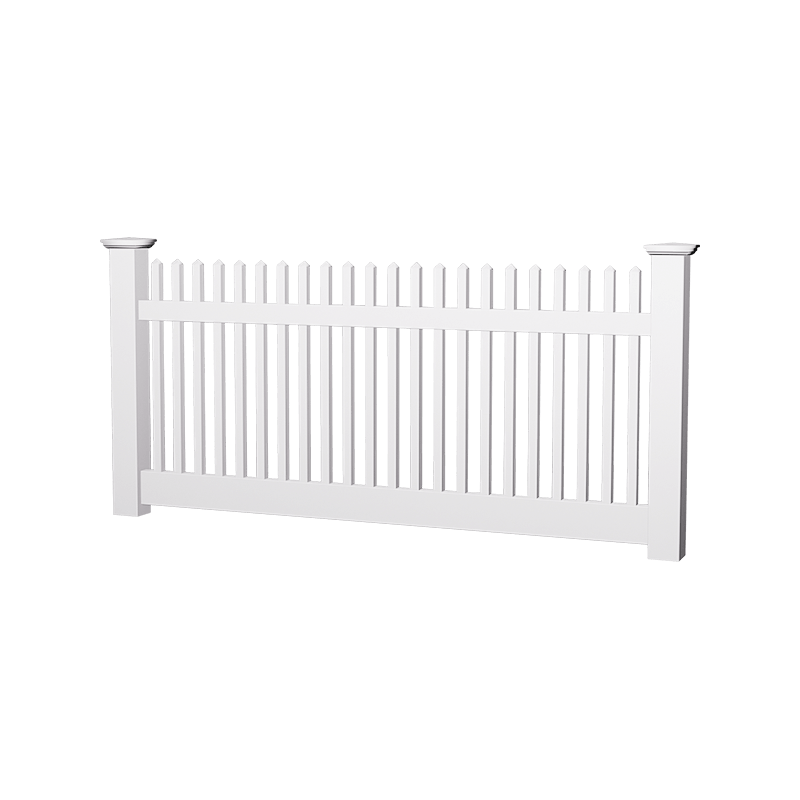
Our 1.5"x1.5" Horizontal Picket Fence, the ultimate garden solution made from 100% virgin PVC for unmatched durability and low maintenance. Designed for easy DIY installation, this fire-proof fence re...
See Details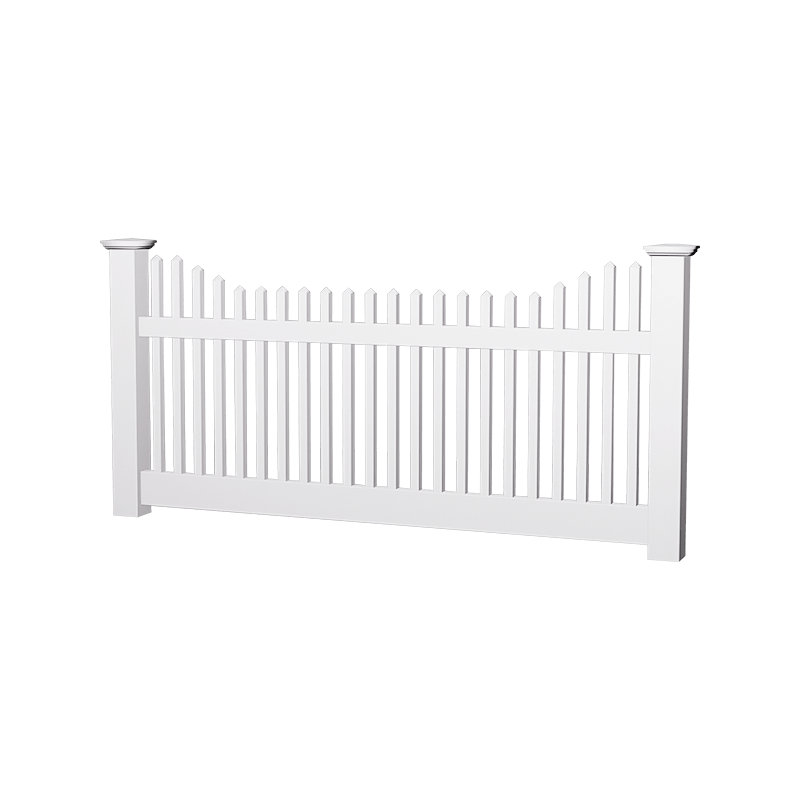
The Special-Shaped Picket Fence, the perfect addition to any home. Crafted from 100% virgin PVC, this fence combines durability and elegance with low maintenance requirements. Designed for easy DIY in...
See Details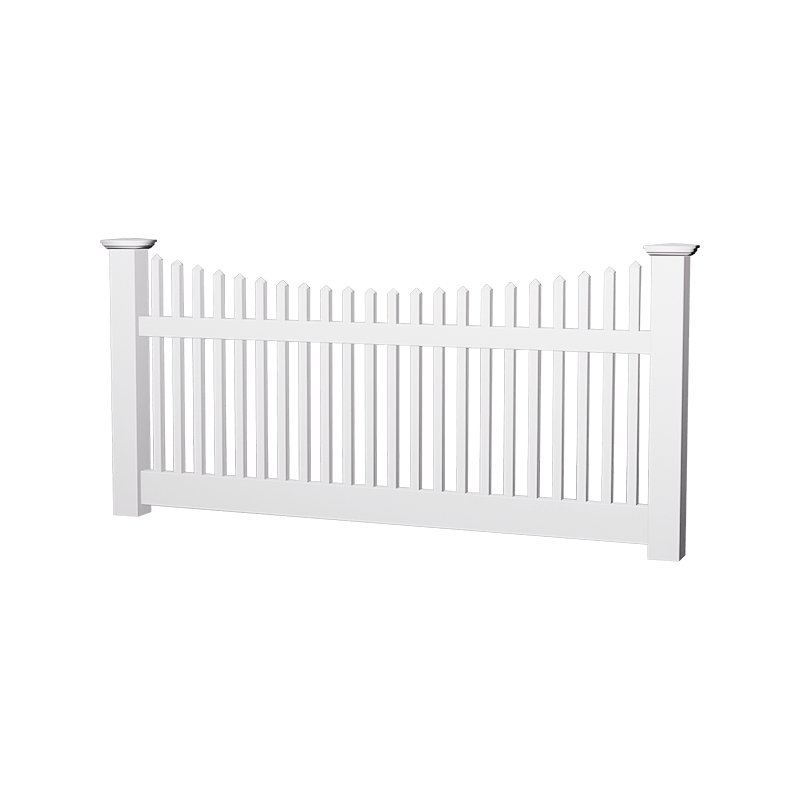
The Special-Shaped Picket Fence, the perfect addition to any home. Crafted from 100% virgin PVC, this fence combines durability and elegance with low maintenance requirements. Designed for easy DIY in...
See Details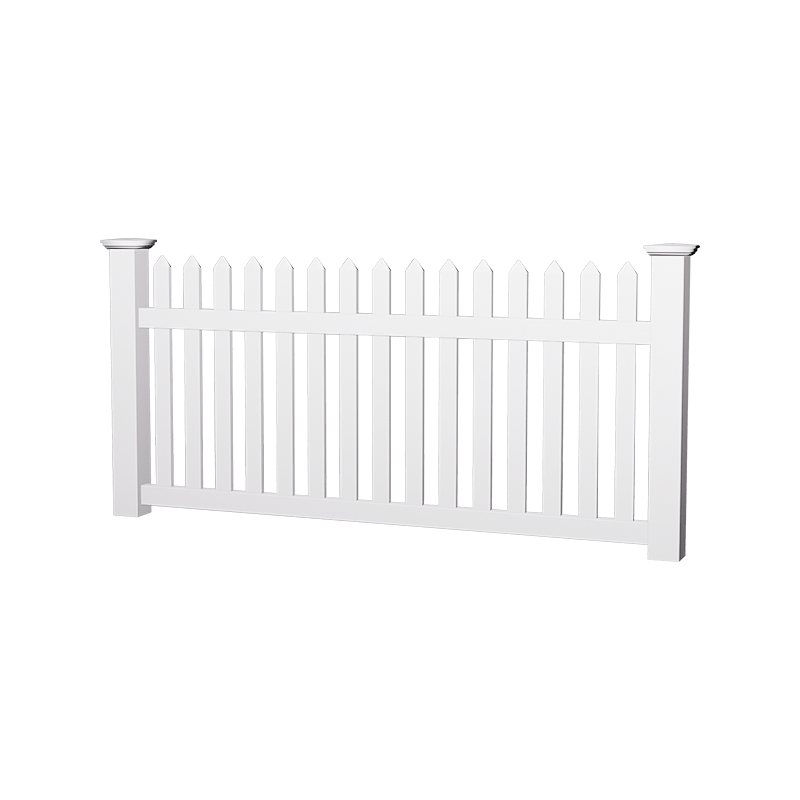
Enhance your home’s exterior with our Traditional Straight Spade Fence, crafted from 100% virgin PVC for exceptional durability and style. This low-maintenance solution is designed for easy installati...
See Details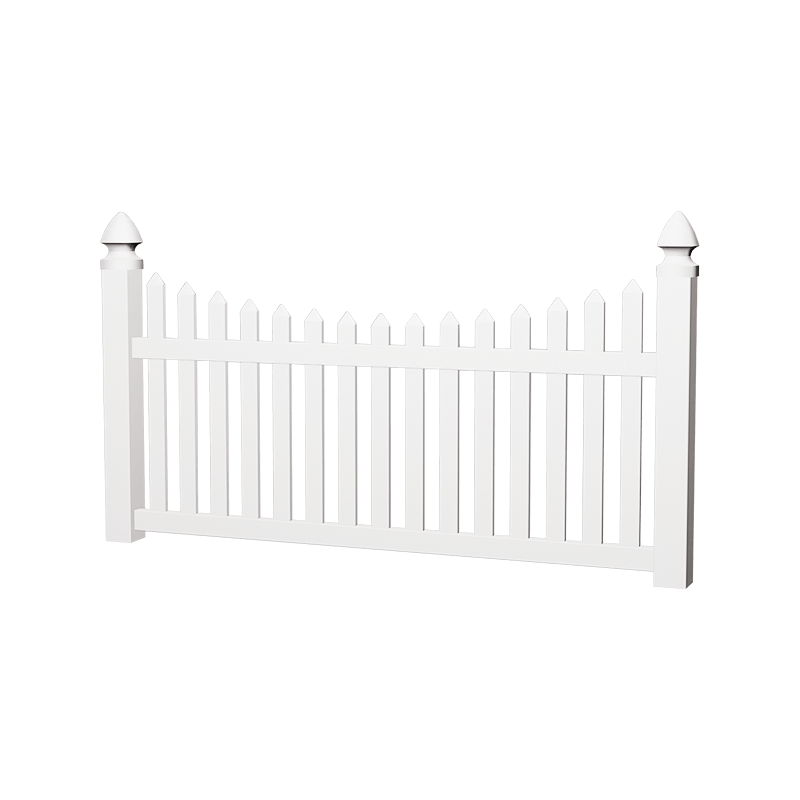
Transform your outdoor space with our 7/8"x3" Outdoor Picket Fence, specifically designed for farm use and outdoor applications. Crafted from 100% Virgin PVC, this durable and high-impact resistant fe...
See Details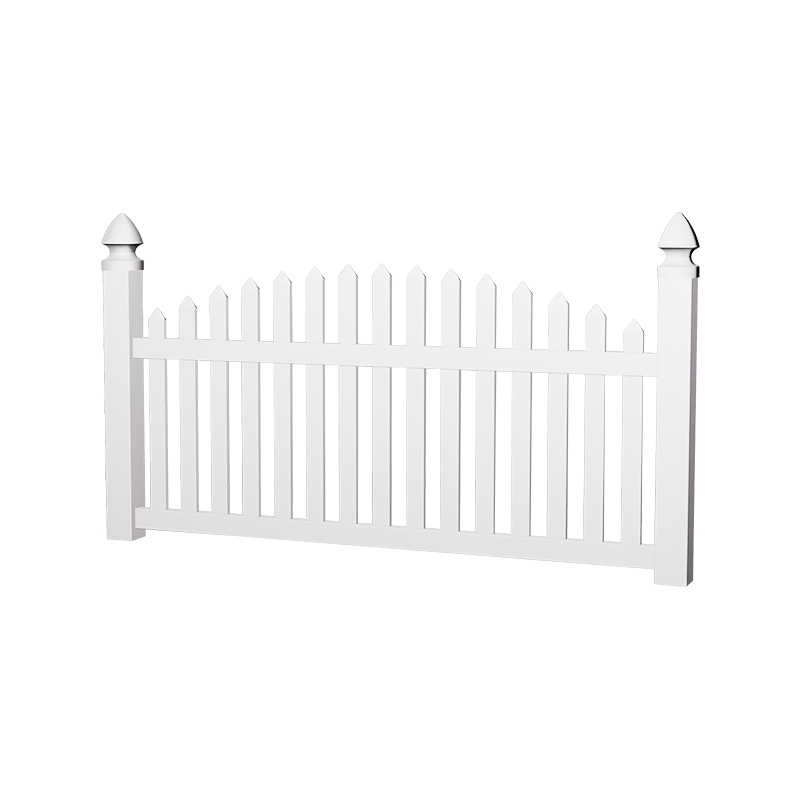
Enhance your farm's aesthetic and functionality with our PVC Arched Picket Fence. Crafted from 100% virgin PVC, this durable and stylish fencing solution combines the classic charm of traditional pick...
See Details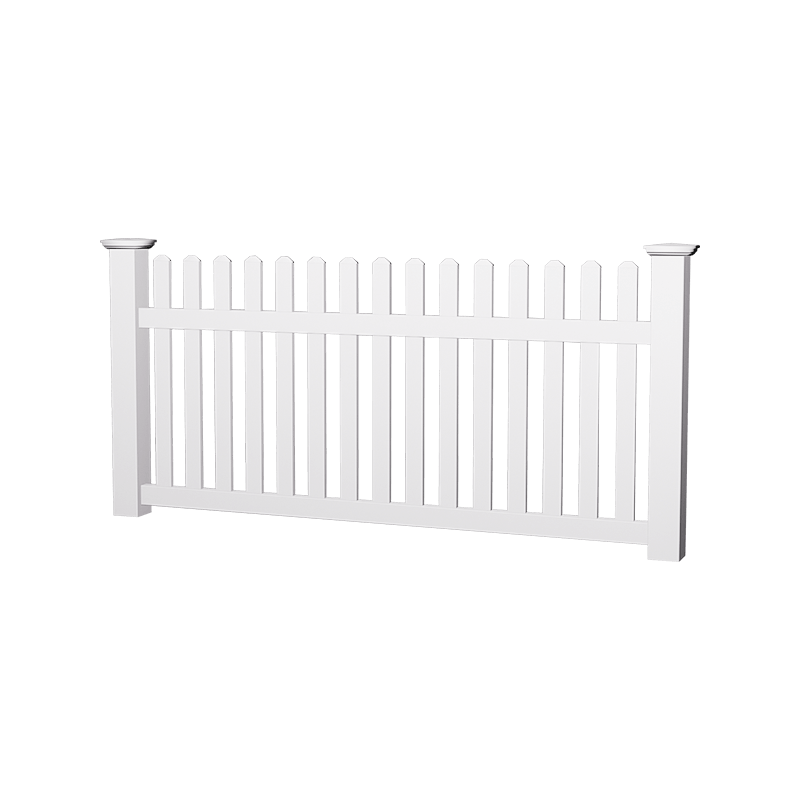
Our durable and versatile Picket Fence, designed specifically for farm use. Crafted from 100% virgin PVC plastic, this fence panel is not coated, ensuring superior quality and longevity. With dimensio...
See Details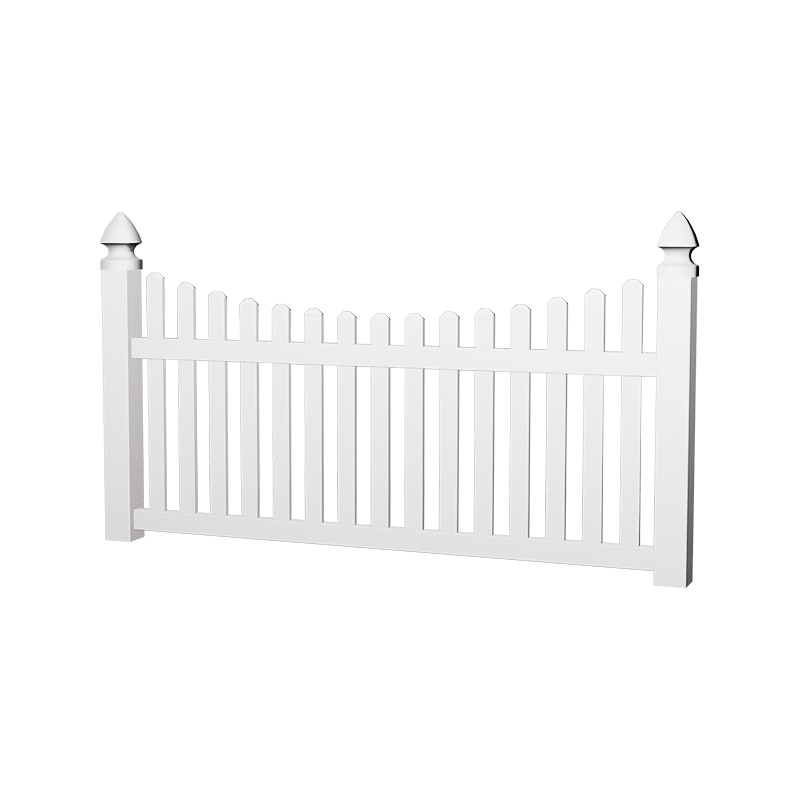
Introducing our 7/8"x3" Plastic Picket, designed specifically for farm applications. Crafted from 100% virgin PVC, this picket is not coated, ensuring maximum durability and resistance to impacts. Wit...
See Details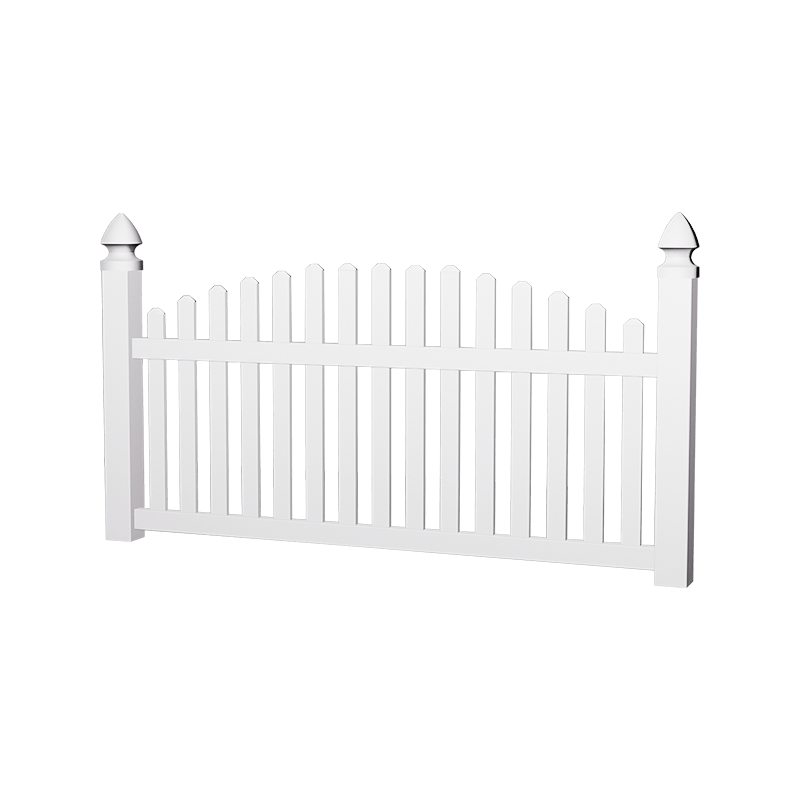
The Dog Ear Top Garden Fence, the ultimate solution for your farm fencing needs. Crafted from 100% virgin PVC, this fence is designed to withstand the elements without the worry of rot or decay, makin...
See Details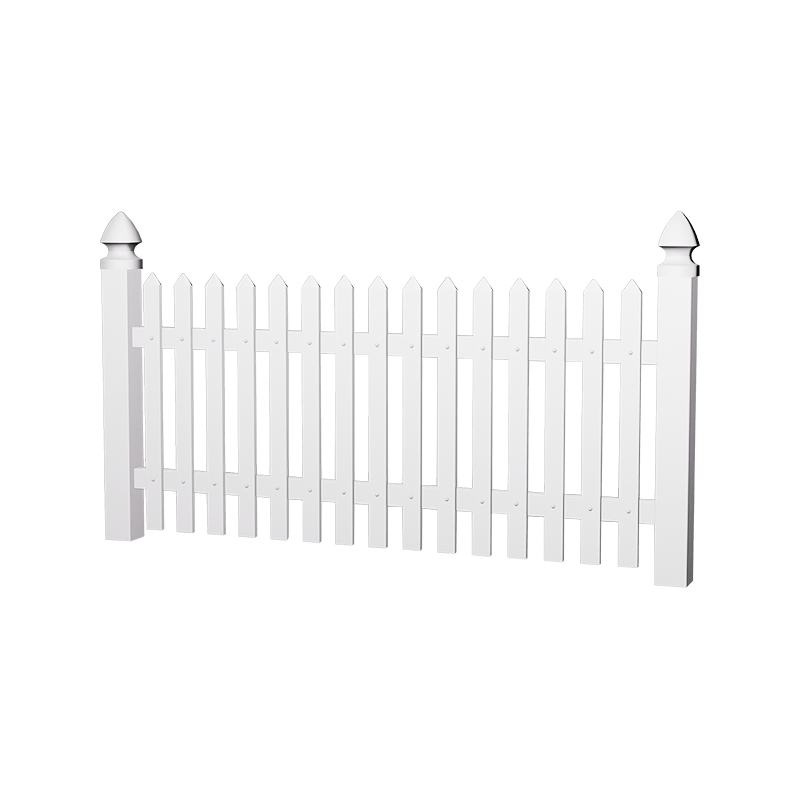
Decorate your outdoor spaces with our durable and stylish PVC Face Mounted Pickets Fence. Designed for easy installation and long-lasting performance, this fence is perfect for residential and commerc...
See Details
Our White Vinyl Fence, measuring 4'H x 8'W, designed for both functionality and aesthetics. Made from 100% virgin PVC plastic, this fence is not coated, ensuring unmatched durability and resistance to...
See Details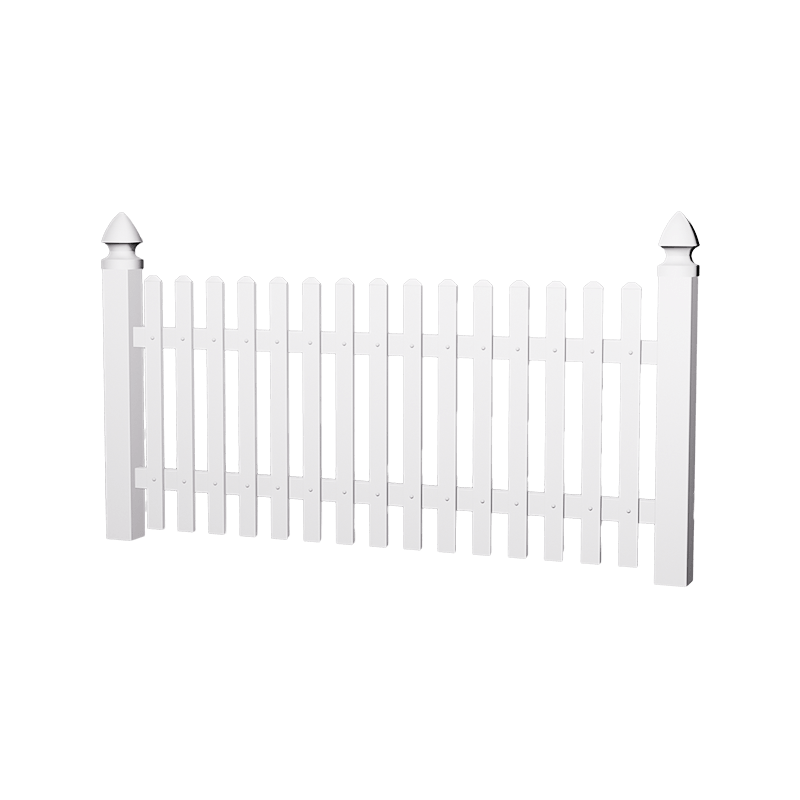
The Traditional Dog Ear Picket is an ideal choice for warehouses, combining aesthetic appeal with practicality. Made from 100% virgin PVC, this durable, low-maintenance fence resists rotting and water...
See Details
We are a professional manufacturer engaged in the research, development,
production, sale, and service of PVC fences and PVC flooring.
Contact Us
Mobile
Copyright © Deqing Huazhijie Railing & Fencing Co.,Ltd. All Rights Reserved.
 Custom Vinyl Fence Manufacturers
 English
 عربى
عربى 中文简体
中文简体 Español