Welcome to Huazhijie!
 +86-572-8086381 / 8282992
  hzjfence1@hzjfence.com


May 19, 2026
Content
PVC picket fences and traditional wood picket fences look nearly identical at a distance, but the material difference between them affects every practical aspect of ownership — installation time, maintenance requirements, lifespan, and long-term cost. Understanding those differences upfront saves buyers from purchasing decisions they'll regret after the first winter or rainy season.
Wood picket fences require regular painting or staining, typically every two to three years, to prevent rot, warping, and insect damage. Even pressure-treated pine will eventually check, split, and gray without consistent maintenance. A PVC picket fence, by contrast, is manufactured with UV stabilizers and color integrated throughout the material — not applied to the surface. The color doesn't peel, the material doesn't rot, and there are no insects that will damage it. Cleaning is limited to an occasional rinse with a garden hose or a scrub with mild soap for tougher stains.
The structural behavior of PVC also differs from wood in ways that matter for installation. PVC expands and contracts with temperature changes more than wood does — a 6-foot panel can shift by as much as half an inch between winter and summer extremes. This thermal movement has to be accounted for during installation by leaving expansion gaps at post connections, something that's not required with wood framing. Skipping this step causes panels to bow or pop out of brackets in hot weather.
Vinyl picket fences are available in a wider range of styles than most buyers expect. While the classic flat-top white picket is the most recognized, manufacturers produce multiple picket profiles, fence heights, and picket spacing options that change both the appearance and the functional purpose of the fence significantly.
The picket top shape is the most visible design variable and the easiest way to match the fence to the architectural character of a home. Common profiles include:
Standard PVC picket fence panels are available in heights of 36 inches and 48 inches, with 36-inch being most common for front yard and garden boundary applications. Taller 48-inch panels are used where more visual separation is needed or local code requires a minimum fence height around pools or play areas. Picket spacing — the gap between individual pickets — typically runs between 2.5 inches and 4 inches. Narrower spacing keeps small pets contained and provides more visual privacy; wider spacing is purely decorative and uses less material.
PVC picket fence panels are manufactured in standard widths that determine post spacing and affect how a run of fencing fits across a given property boundary. Knowing these dimensions before purchasing prevents the common problem of arriving at the end of a fence line with a gap that doesn't match any standard panel size.
| Component | Standard Dimension | Notes |
| Panel width | 6 ft / 8 ft | 6 ft most common for picket styles |
| Panel height | 36 in / 48 in | 36 in standard residential front yard |
| Line post size | 4×4 in nominal | Actual outer dimension varies by wall thickness |
| Post burial depth | Min. 24 in / ideally 36 in | Deeper in freeze-thaw climates |
| Post spacing (on center) | 6 ft / 8 ft | Must match panel width exactly |
| Picket width | 2.5 in – 3.5 in | Varies by style and manufacturer |
| Gate width (single) | 36 in – 48 in | 36 in clears standard wheelbarrow |
When planning the fence layout, measure the total linear footage of the fence line and divide by the panel width to determine the number of panels needed. Always account for gate openings separately — a gate frame takes the place of one panel span but requires its own set of hinge posts, which are typically heavier-gauge than standard line posts to handle the swing load.
Installing a vinyl picket fence is a realistic DIY project for a homeowner with basic tools and a weekend available. The process follows a consistent sequence regardless of panel style, and getting each step right before moving to the next is what determines whether the finished fence looks professional or amateurish.
Start by locating and marking your property line — don't rely on assumptions. Drive stakes at the two end points of the fence run and stretch a string line between them at ground level. Mark each post location along the string at exact panel-width intervals (typically every 6 feet on center). Use a measuring tape, not pacing. Any accumulated error in post spacing will cause the last panel to not fit correctly.
Post holes for a 36-inch or 48-inch PVC picket fence should be a minimum of 24 inches deep, and 36 inches in climates with hard freeze cycles. Frost heave — the ground movement caused by freezing and thawing — will push shallower posts out of alignment over time. Hole diameter should be three times the post width, so roughly 12 inches for a standard 4×4 post. Call 811 (in the US) before digging to have underground utilities marked — this is a legal requirement in most states.
Set corner and end posts first. Plumb each post using a level on two adjacent faces and brace it in position before pouring concrete. Use fast-setting concrete mix — pour the dry mix directly into the hole around the post, then add water. Fast-set mix reaches working strength in 20 to 40 minutes, so you can proceed to the next post without a full day's wait. Once end posts are set and cured, re-run the string line between them at the finished post height to use as a guide for intermediate post heights.
PVC picket fence panels typically slide into routed channels or snap into brackets on the posts. Before inserting each panel, leave a deliberate expansion gap — most manufacturers specify between 1/4 inch and 1/2 inch at each post connection — to allow for thermal movement. Do not force panels tight against posts or use fasteners that restrict lateral movement. In hot weather, a panel installed with no expansion gap will have nowhere to go and will bow outward between posts.
Gate posts require deeper burial and heavier concrete footings than line posts because they bear both the static weight of the gate and the dynamic load of repeated opening and closing. Most manufacturers recommend setting gate posts at least 36 inches deep regardless of climate, and using a double-post or larger-dimension post on the hinge side. Install the gate hardware (hinges and latch) before hanging the gate, then adjust hinge height to achieve a level swing. Always check that the gate swings freely before the concrete fully cures — adjusting post position after cure requires breaking out the footing.

White is by far the most popular color for PVC picket fences, and for practical reasons — white titanium dioxide pigment provides the most effective UV protection of any color option, meaning white vinyl fences tend to maintain their appearance longer than darker alternatives. But white is not the only option, and for properties where a white fence would clash with the home's exterior palette, there are workable alternatives.
Tan and almond tones are the next most widely available, and they blend better with brick, stone, and earth-toned exteriors. Gray is increasingly common as contemporary home design has shifted toward cooler palettes. Some manufacturers offer black PVC picket fence panels, which mimic the look of traditional wrought iron at a fraction of the cost and with no rust risk — though black vinyl absorbs significantly more heat than white, which can accelerate thermal expansion and surface degradation in very hot climates.
Wood-grain texture PVC picket fencing is a newer category worth knowing about. The surface of the vinyl is embossed with a grain pattern during extrusion and colored in cedar, redwood, or weathered gray tones. From a few feet away the resemblance to real wood is convincing, and the material still carries all the maintenance-free advantages of standard PVC. These products typically cost 15 to 25 percent more than smooth-finish equivalents but appeal to buyers who want the visual warmth of wood without the upkeep commitment.
One of the primary selling points of a PVC picket fence is low maintenance, but "low maintenance" doesn't mean zero maintenance. Understanding what does and doesn't require attention helps owners protect their investment and keep the fence looking new for its full service life.
Most PVC picket fences need cleaning once or twice a year to remove dirt, pollen, and mildew. A garden hose with a spray nozzle handles light accumulation. For heavier staining or mildew growth — common in shaded or damp areas — a solution of one part white vinegar to three parts water applied with a soft brush and rinsed off is effective without damaging the PVC surface. Bleach-based cleaners work on mildew but should be used at low concentration (no more than one part bleach to ten parts water) and rinsed thoroughly, as prolonged bleach exposure can degrade the PVC compound over time.
Once a year, walk the fence line and check that no panels have shifted out of their post channels, that no pickets have cracked from impact damage, and that gate hardware is operating smoothly. PVC replacement pickets and rails are available from most manufacturers as individual components, so spot repairs are straightforward — there's no need to replace an entire panel because one picket was damaged by a lawnmower or vehicle impact.
For landscape contractors, developers, and property managers purchasing PVC picket fence materials across multiple projects, product quality consistency and supplier reliability matter as much as unit price. Budget-grade vinyl picket fence panels produced with thin wall sections or inadequate UV stabilizers will yellow, crack, and draw complaints within a few years — which reflects on the installer, not just the manufacturer.
The following specifications are worth verifying before committing to a supplier:
Sourcing directly from a manufacturer rather than through a regional distributor provides full visibility into product specifications, consistent batch quality, and significantly better pricing at volume — particularly important for multi-project purchasing programs where specification consistency across job sites is a contractual requirement.
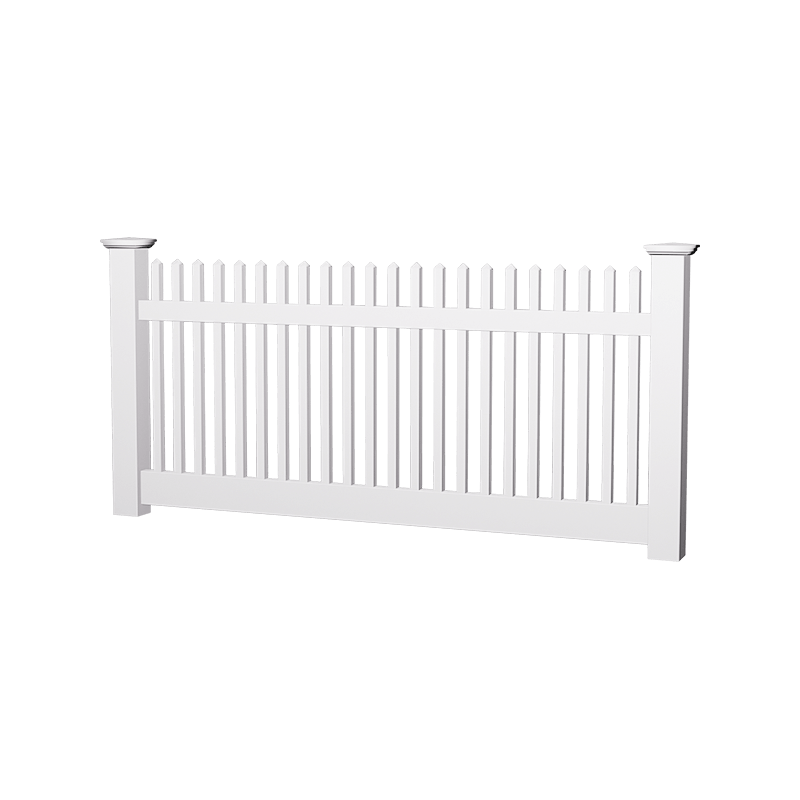
Our 1.5"x1.5" Horizontal Picket Fence, the ultimate garden solution made from 100% virgin PVC for unmatched durability and low maintenance. Designed for easy DIY installation, this fire-proof fence re...
See Details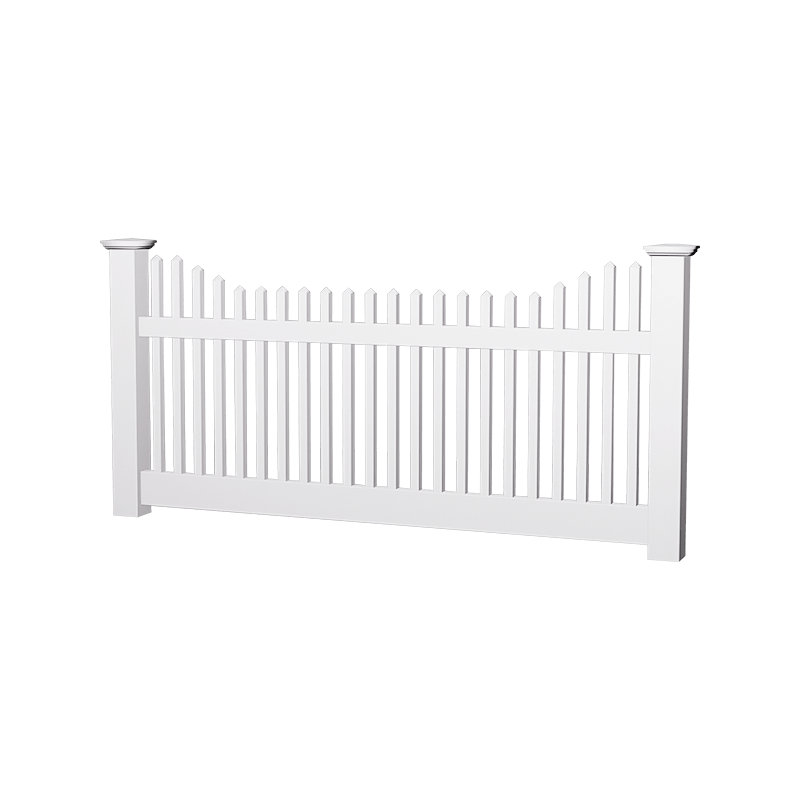
The Special-Shaped Picket Fence, the perfect addition to any home. Crafted from 100% virgin PVC, this fence combines durability and elegance with low maintenance requirements. Designed for easy DIY in...
See Details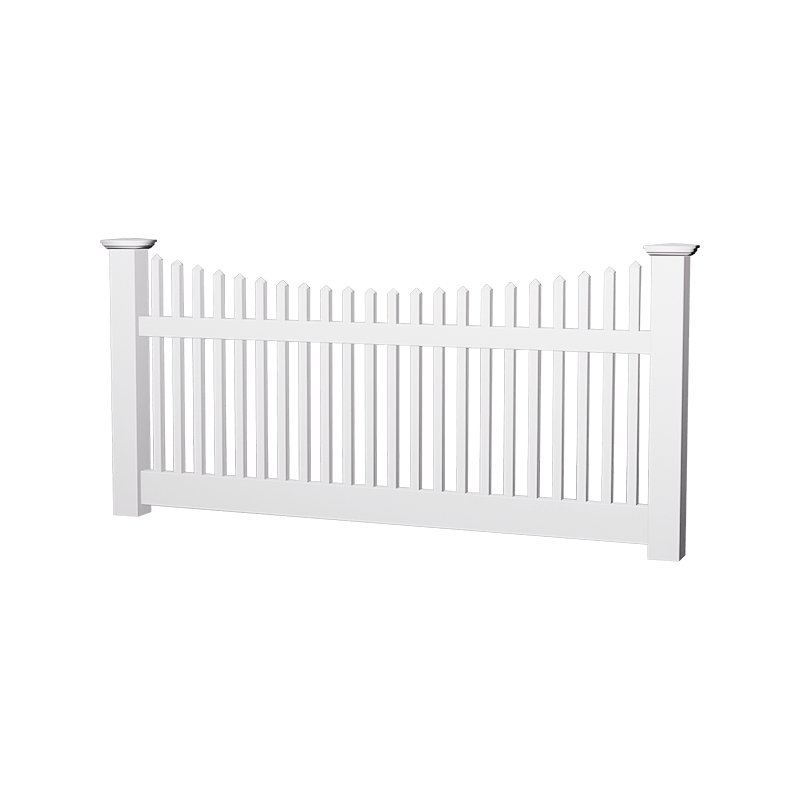
The Special-Shaped Picket Fence, the perfect addition to any home. Crafted from 100% virgin PVC, this fence combines durability and elegance with low maintenance requirements. Designed for easy DIY in...
See Details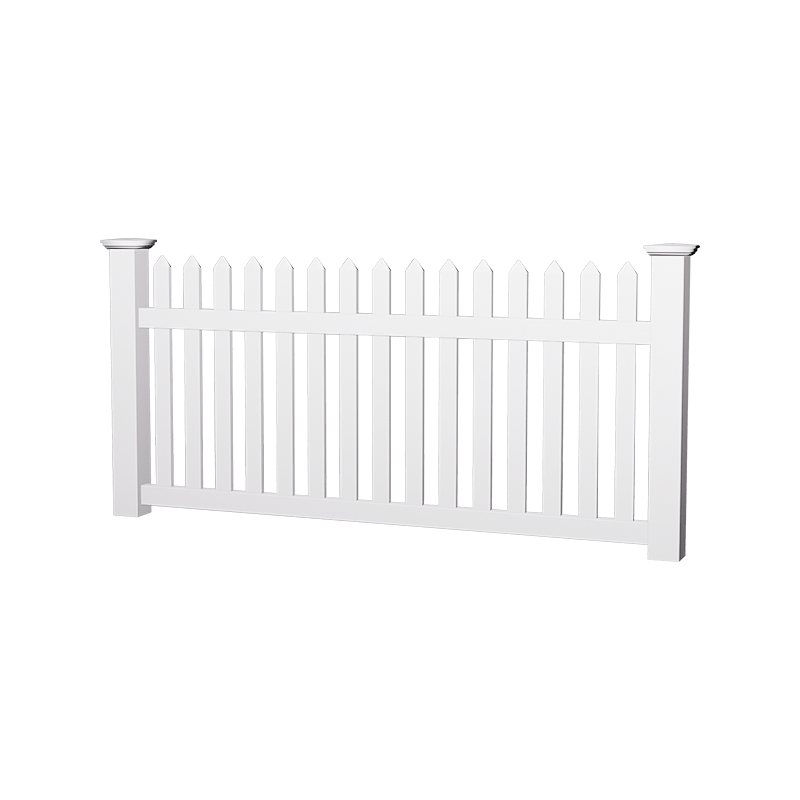
Enhance your home’s exterior with our Traditional Straight Spade Fence, crafted from 100% virgin PVC for exceptional durability and style. This low-maintenance solution is designed for easy installati...
See Details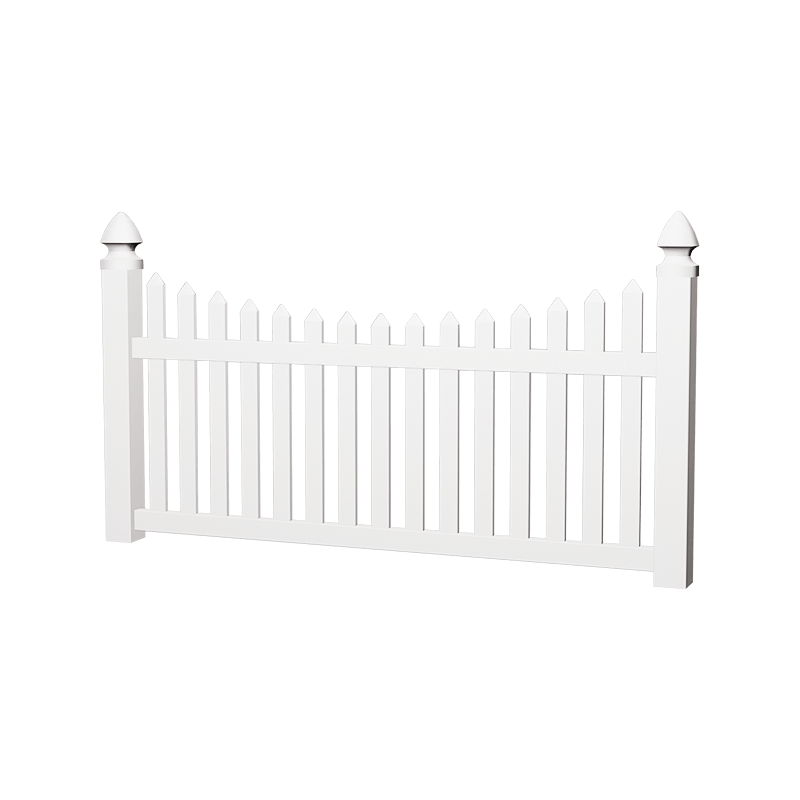
Transform your outdoor space with our 7/8"x3" Outdoor Picket Fence, specifically designed for farm use and outdoor applications. Crafted from 100% Virgin PVC, this durable and high-impact resistant fe...
See Details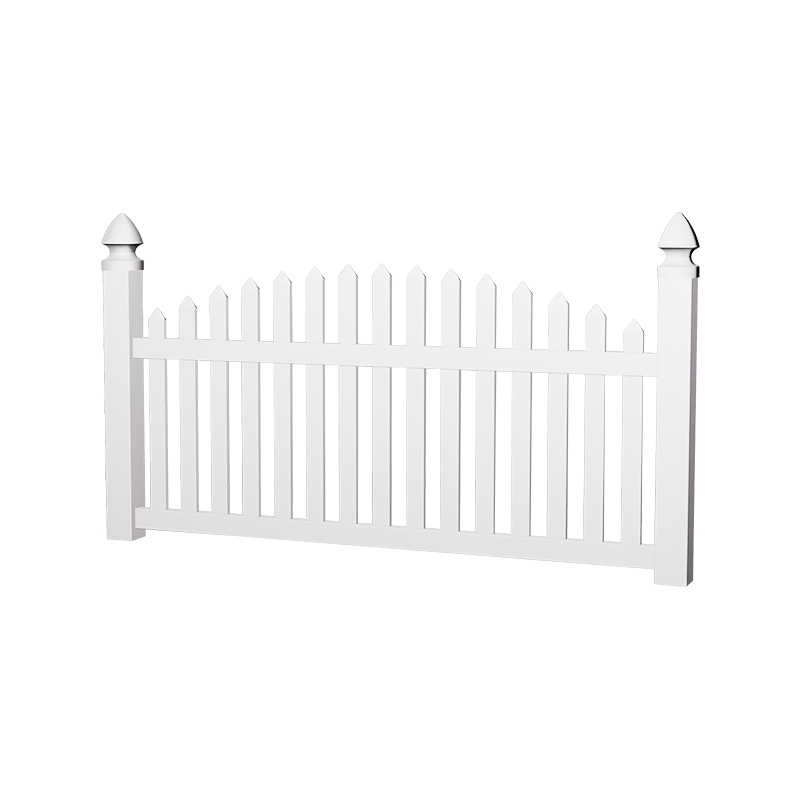
Enhance your farm's aesthetic and functionality with our PVC Arched Picket Fence. Crafted from 100% virgin PVC, this durable and stylish fencing solution combines the classic charm of traditional pick...
See Details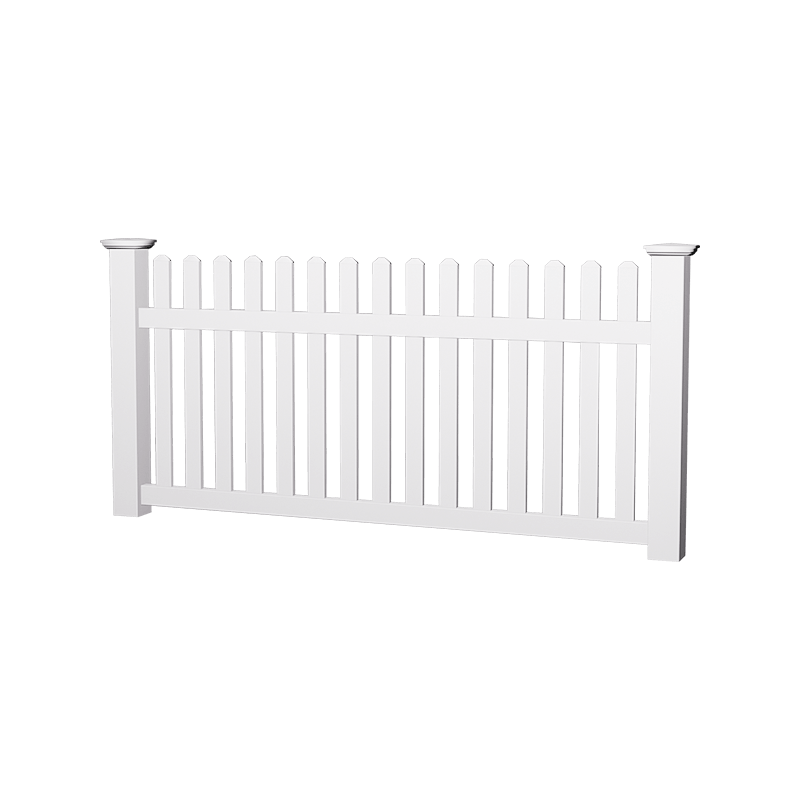
Our durable and versatile Picket Fence, designed specifically for farm use. Crafted from 100% virgin PVC plastic, this fence panel is not coated, ensuring superior quality and longevity. With dimensio...
See Details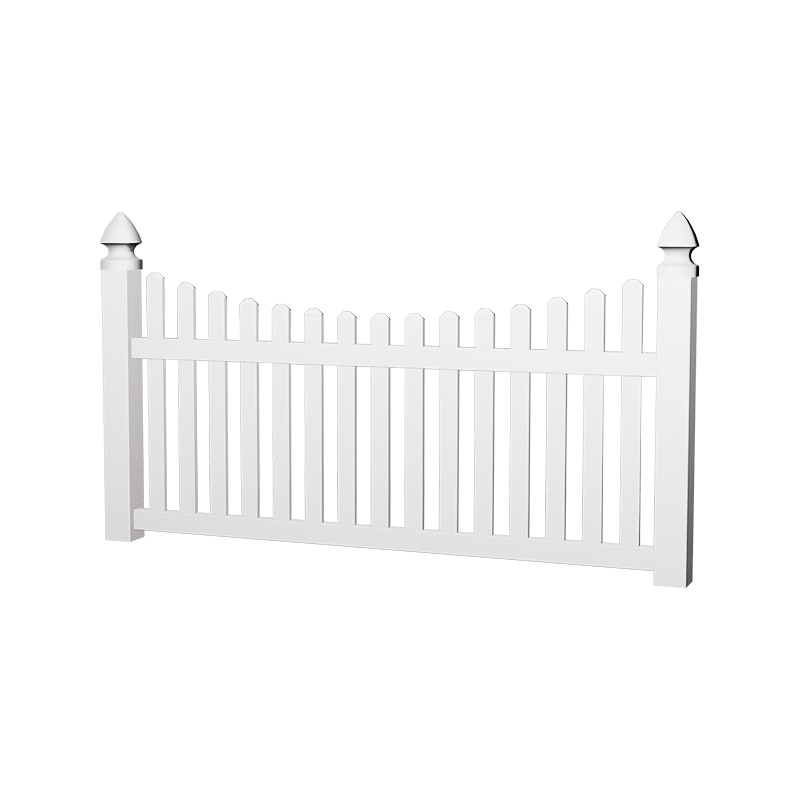
Introducing our 7/8"x3" Plastic Picket, designed specifically for farm applications. Crafted from 100% virgin PVC, this picket is not coated, ensuring maximum durability and resistance to impacts. Wit...
See Details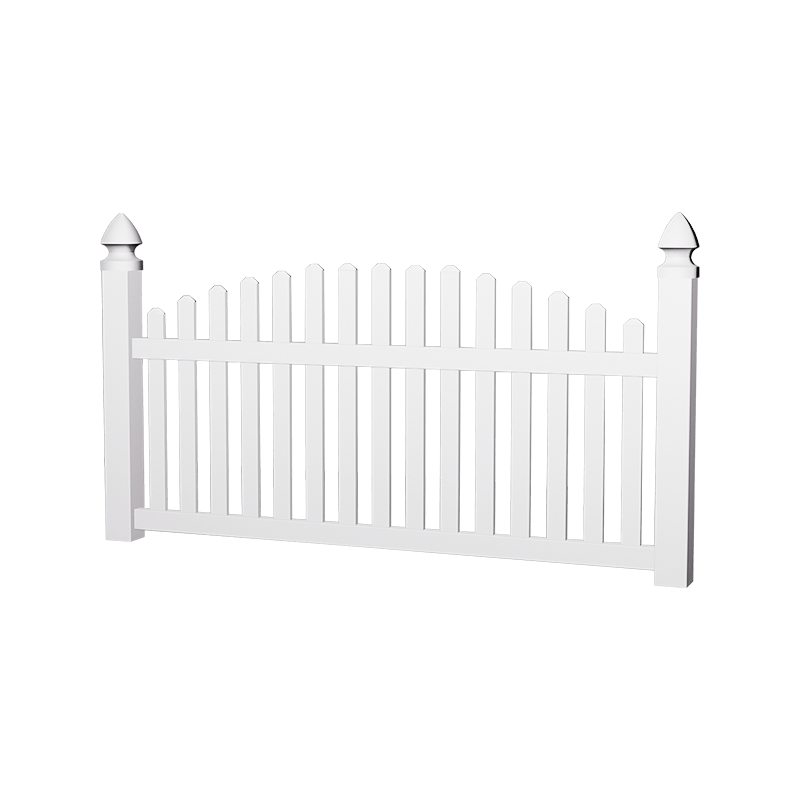
The Dog Ear Top Garden Fence, the ultimate solution for your farm fencing needs. Crafted from 100% virgin PVC, this fence is designed to withstand the elements without the worry of rot or decay, makin...
See Details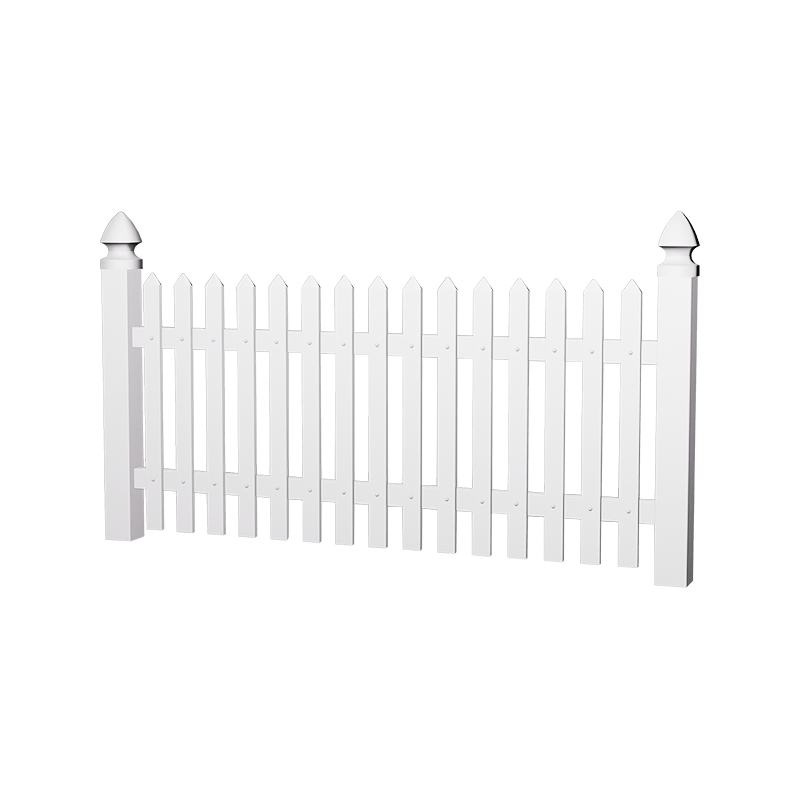
Decorate your outdoor spaces with our durable and stylish PVC Face Mounted Pickets Fence. Designed for easy installation and long-lasting performance, this fence is perfect for residential and commerc...
See Details
Our White Vinyl Fence, measuring 4'H x 8'W, designed for both functionality and aesthetics. Made from 100% virgin PVC plastic, this fence is not coated, ensuring unmatched durability and resistance to...
See Details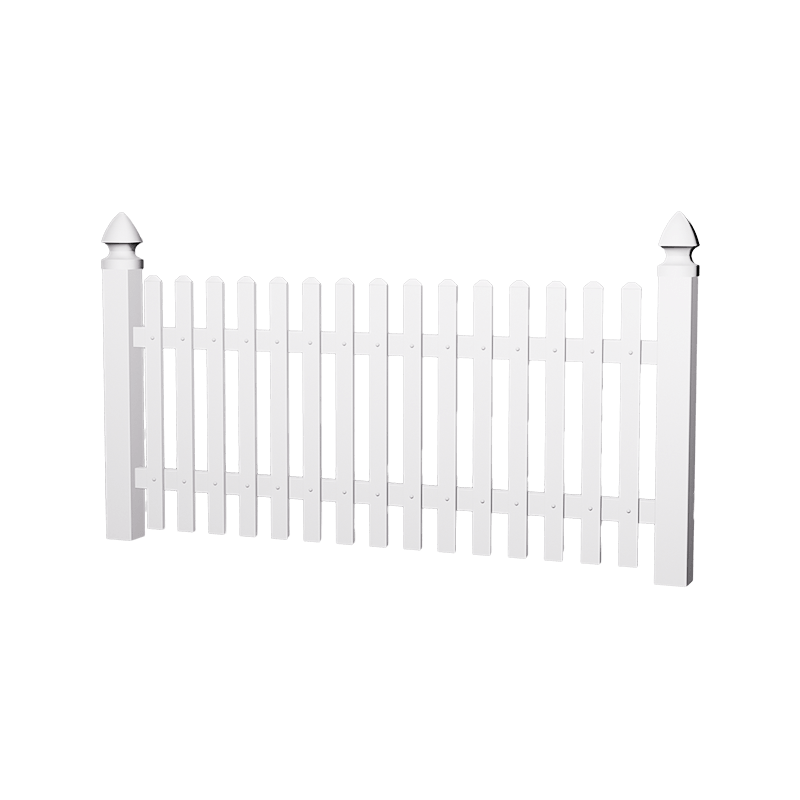
The Traditional Dog Ear Picket is an ideal choice for warehouses, combining aesthetic appeal with practicality. Made from 100% virgin PVC, this durable, low-maintenance fence resists rotting and water...
See Details
We are a professional manufacturer engaged in the research, development,
production, sale, and service of PVC fences and PVC flooring.
Contact Us
Mobile
Copyright © Deqing Huazhijie Railing & Fencing Co.,Ltd. All Rights Reserved.
 Custom Vinyl Fence Manufacturers
 English
 عربى
عربى 中文简体
中文简体 Español