Welcome to Huazhijie!
 +86-572-8086381 / 8282992
  hzjfence1@hzjfence.com


Sep 08, 2026
When you plan a horse paddock, the rail count is one of the first decisions that shapes both the look and the safety of the fencing. Many farm owners and stable managers settle on a 3-rail PVC horse fence because it balances containment, visibility, and cost more effectively than most alternatives. The three horizontal rails create a boundary that horses can see clearly, while the open spacing still allows airflow and views. This makes it a versatile default for grazing paddocks, training pens, and perimeter fencing.
Content
The three-rail configuration works for both adult horses and young stock. The top rail sits high enough to discourage jumping in most situations, and the bottom rail stays low enough to stop a foal from rolling out or crawling through the gap. Typical rail spacing runs about 12 to 16 inches, depending on the total height of the fence. With a 4- to 5-foot overall height, the 3-rail design leaves visible spaces that help horses judge depth and distance. That same openness is why many paddock owners prefer it over a 4-rail design when the goal is a less intimidating barrier.
PVC material is the other major reason for choosing this fence type. Unlike wood or metal, PVC horse fencing does not splinter, rust, or require annual painting. A horse that pushes against a rail will not get splinters or cuts from a jagged edge. Rail profiles are extruded with rounded or beveled corners, which reduces the risk of injury during a kick or an awkward turn. The fence also stays cool in summer and does not conduct electricity, which matters when animals have direct contact with the rail.
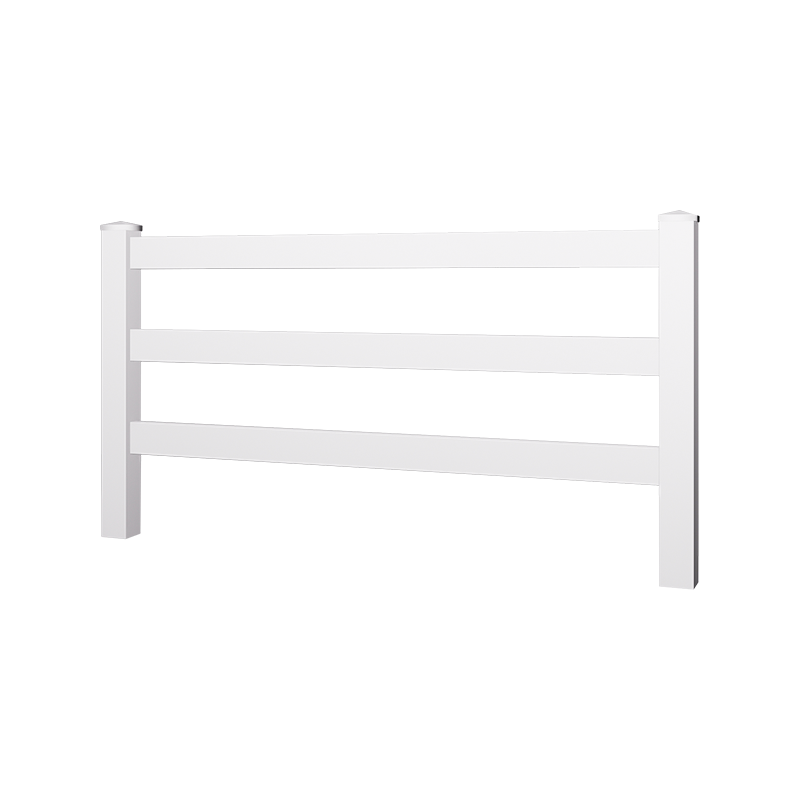 Durable 3-Rail PVC Horse Fence for Safe EnclosuresThis 3-rail PVC fence balances cost and containment, offering a splinter-free, rust-proof barrier with pre-routed posts and ribbed rails. Ideal for horse facilities, it requires no painting and provides secure, low-maintenance fencing.View Product →
| Rail Count | Typical Use | Visual Density | Best For |
|---|---|---|---|
| 2-Rail | Low-cost pasture boundary | Very open | Quiet adult horses, trail borders |
| 3-Rail | Multi-purpose paddock and perimeter | Moderate | Mixed herds, training pens, visible containment |
| 4-Rail | High-pressure confinement | Dense | Stallion pens, young stock, high-traffic zones |
The 3-rail layout is the workhorse of these three options. It uses less material than a 4-rail fence, which lowers the upfront cost, while still providing more physical and visual containment than a 2-rail fence. That balance is why it appears in so many horse facilities, from small hobby farms to commercial boarding stables.
Installation starts with post spacing. For horse fencing, posts are commonly spaced 8 feet apart to match the standard length of PVC rail sections. Set each post in concrete below the frost line or to the depth your local conditions require. Use a level on every post because the rails, not a chain, will make the fence straight. The three rails are installed at consistent heights, ideally set to keep the top rail about shoulder to head height on a mature horse.
Most PVC fence systems use a bracket or rail mount that hides the fasteners. This is a real advantage in a horse fence because exposed screws and sharp metal edges disappear. Choose a bracket that locks the rail securely without allowing it to spin or pull loose when a horse leans on it. Detailed mounting methods, anchor depth, and budget ranges are covered in our PVC horse fence guide on types, costs, and installation tips.
A 3-rail PVC horse fence is essentially a low-maintenance option. Cleaning is usually a matter of spraying the fence with a hose and using a soft brush for the occasional dust or mud stain. Unlike wood, PVC does not rot or attract insects. Unlike steel, it does not rust or need protecting with paint. UV inhibitors in quality vinyl compounds slow color fade, so a white fence can retain its brightness for years. If you live in a high-sun region, look for a fence with an explicit UV protection rating or a lead-free formulation, which also makes it safer in a barn or stable environment.
The long-term cost of a 3-rail fence is often lower than a similarly sized wood fence because you avoid painting, replacing cracked boards, and treating posts. A 3-rail design also uses fewer materials than a 4-rail fence, which improves the initial price. Those two factors together make the 3-rail PVC horse fence one of the strongest value choices for horse owners planning a perimeter or paddock.
When you source a 3-rail PVC horse fence, compare a few specific specifications: rail wall thickness, rail profile dimensions, bracket strength, and the supplier's ability to deliver consistent color across a full order. A manufacturer who produces the complete fence system—rails, posts, caps, brackets, and gates—can match components precisely and offer better support if you need replacement parts.
It also helps to ask about lead-free materials and any quality certifications. If you are buying for a ranch, a distributor, or a landscaping contractor, ask about OEM and ODM options. An experienced PVC fence manufacturer with in-house extrusion and tooling can adjust rail lengths, post heights, and colors to match your project. The best way to evaluate a supplier is to request a sample assembly and measure the wall thickness yourself. That simple step gives you a clear picture of the fence you will actually receive.
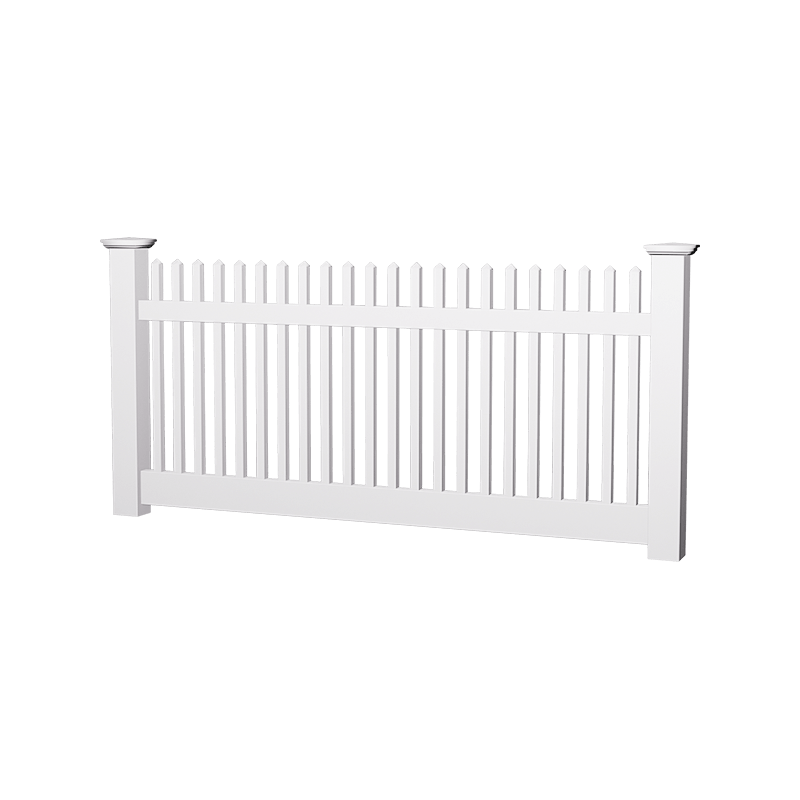
Our 1.5"x1.5" Horizontal Picket Fence, the ultimate garden solution made from 100% virgin PVC for unmatched durability and low maintenance. Designed for easy DIY installation, this fire-proof fence re...
See Details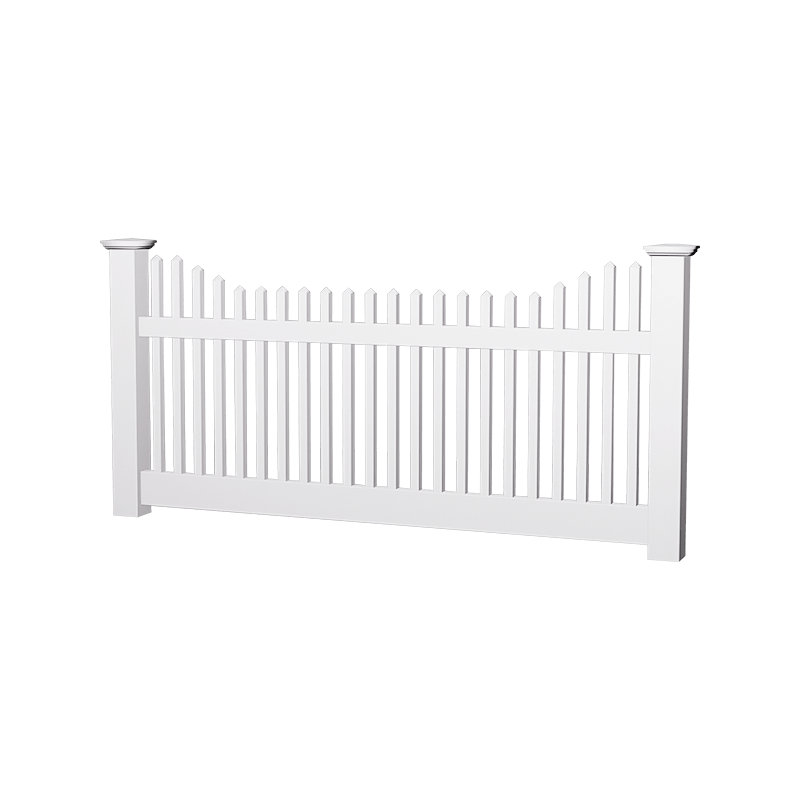
The Special-Shaped Picket Fence, the perfect addition to any home. Crafted from 100% virgin PVC, this fence combines durability and elegance with low maintenance requirements. Designed for easy DIY in...
See Details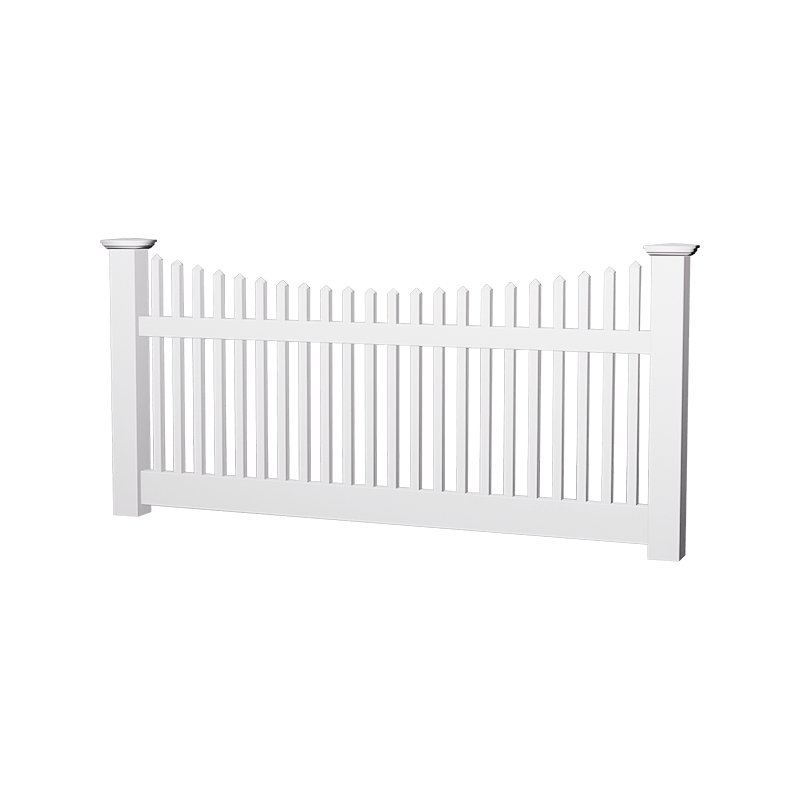
The Special-Shaped Picket Fence, the perfect addition to any home. Crafted from 100% virgin PVC, this fence combines durability and elegance with low maintenance requirements. Designed for easy DIY in...
See Details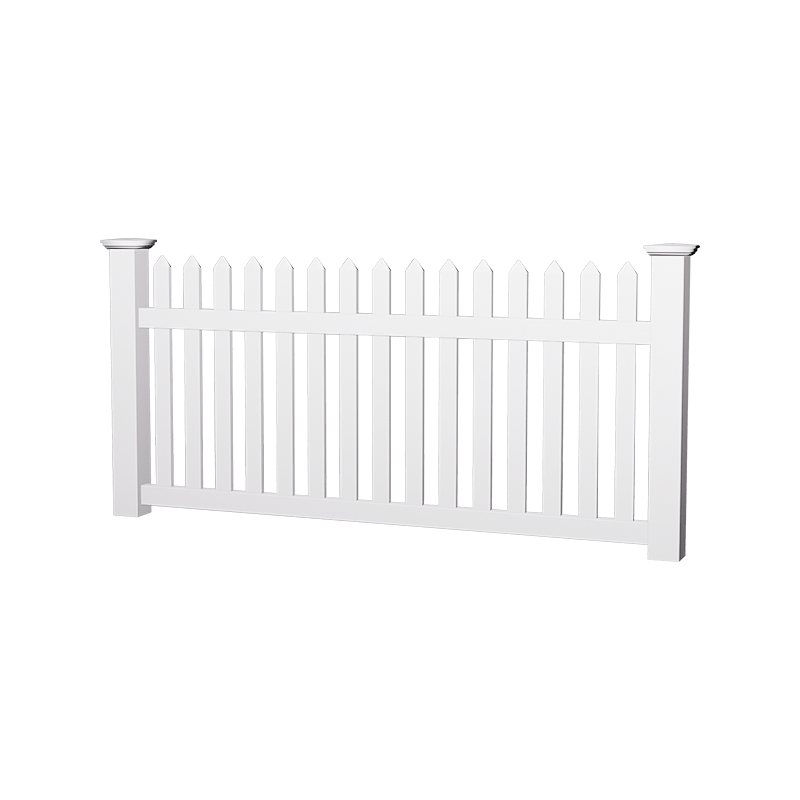
Enhance your home’s exterior with our Traditional Straight Spade Fence, crafted from 100% virgin PVC for exceptional durability and style. This low-maintenance solution is designed for easy installati...
See Details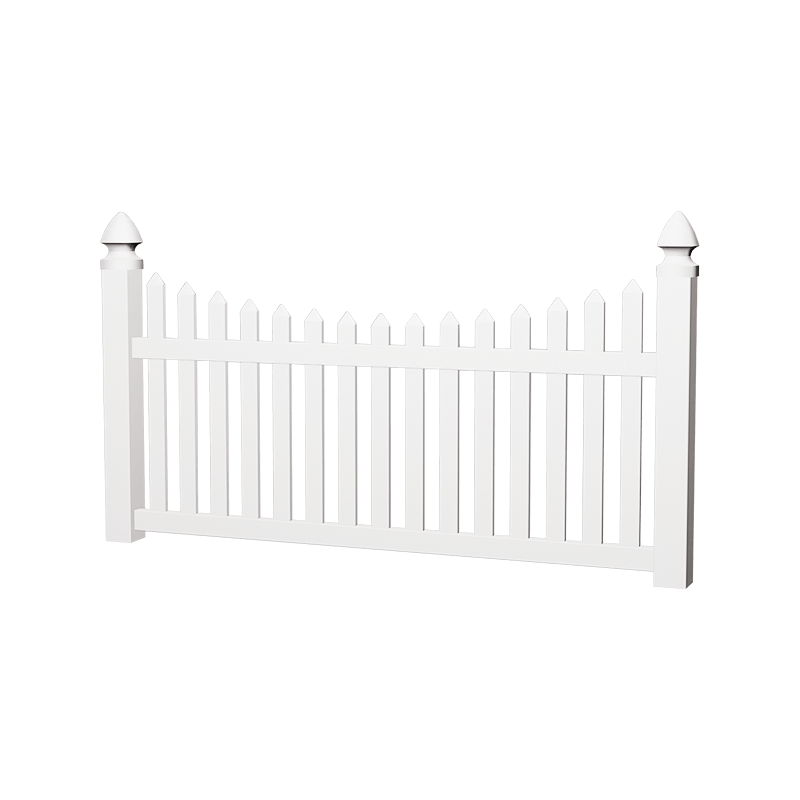
Transform your outdoor space with our 7/8"x3" Outdoor Picket Fence, specifically designed for farm use and outdoor applications. Crafted from 100% Virgin PVC, this durable and high-impact resistant fe...
See Details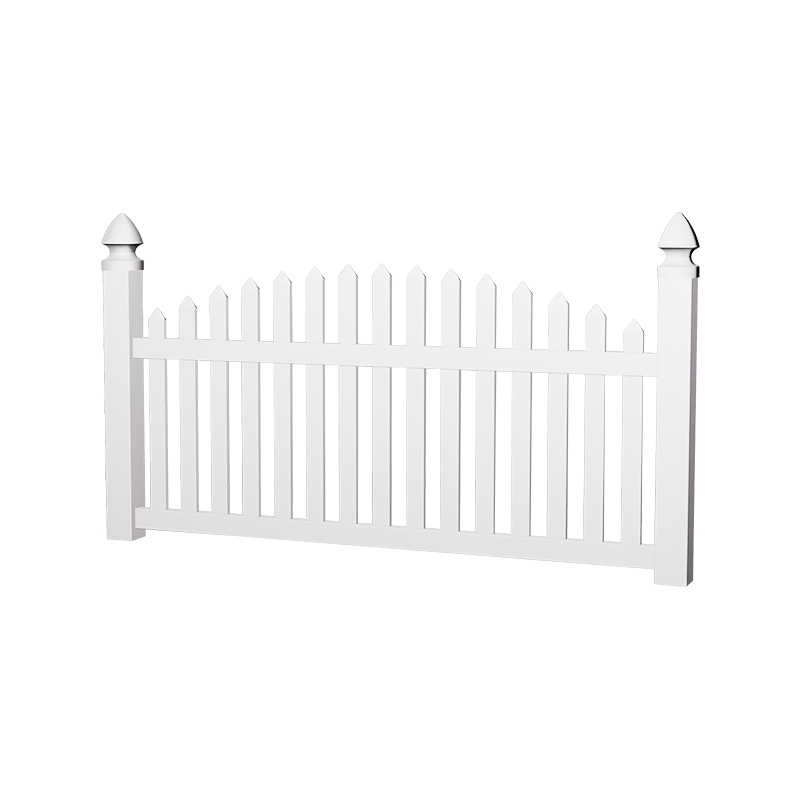
Enhance your farm's aesthetic and functionality with our PVC Arched Picket Fence. Crafted from 100% virgin PVC, this durable and stylish fencing solution combines the classic charm of traditional pick...
See Details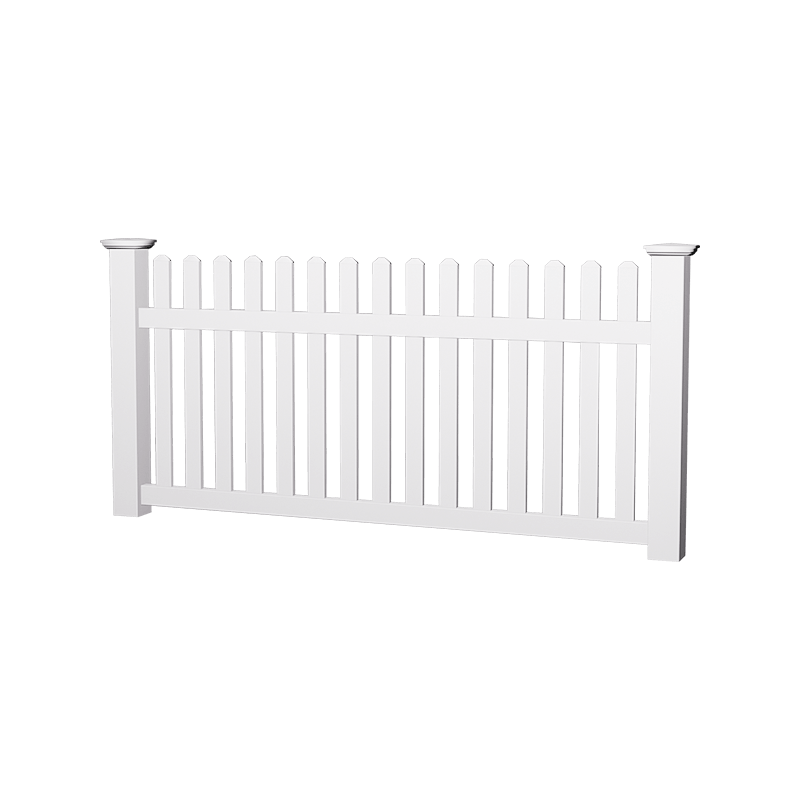
Our durable and versatile Picket Fence, designed specifically for farm use. Crafted from 100% virgin PVC plastic, this fence panel is not coated, ensuring superior quality and longevity. With dimensio...
See Details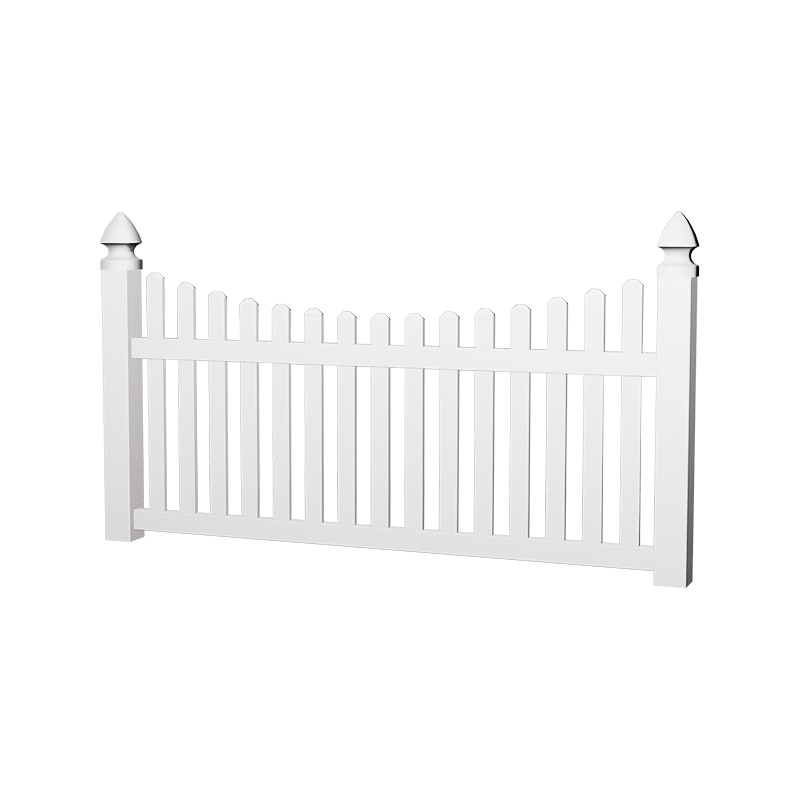
Introducing our 7/8"x3" Plastic Picket, designed specifically for farm applications. Crafted from 100% virgin PVC, this picket is not coated, ensuring maximum durability and resistance to impacts. Wit...
See Details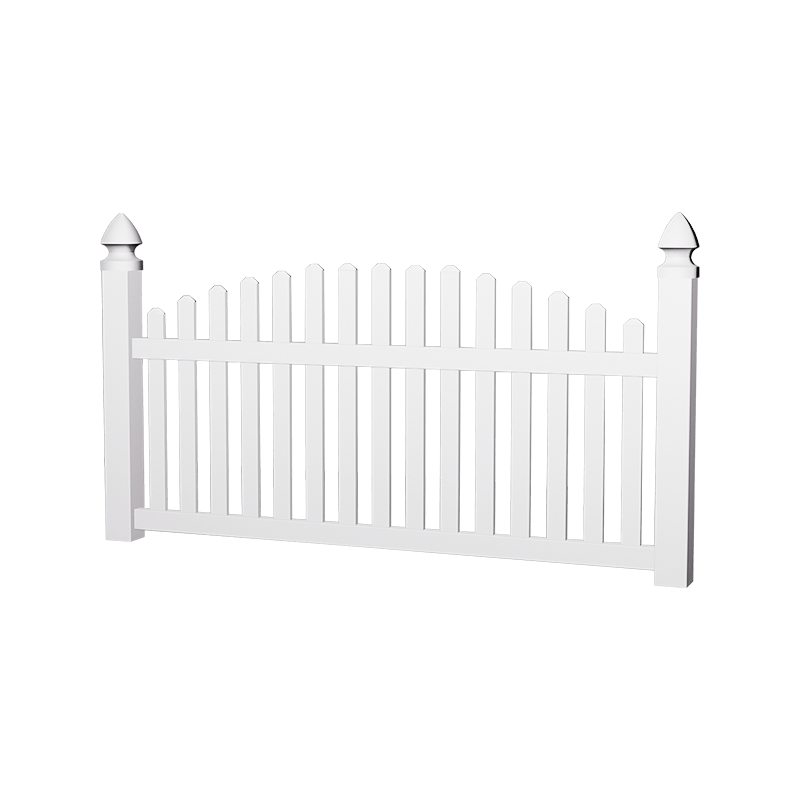
The Dog Ear Top Garden Fence, the ultimate solution for your farm fencing needs. Crafted from 100% virgin PVC, this fence is designed to withstand the elements without the worry of rot or decay, makin...
See Details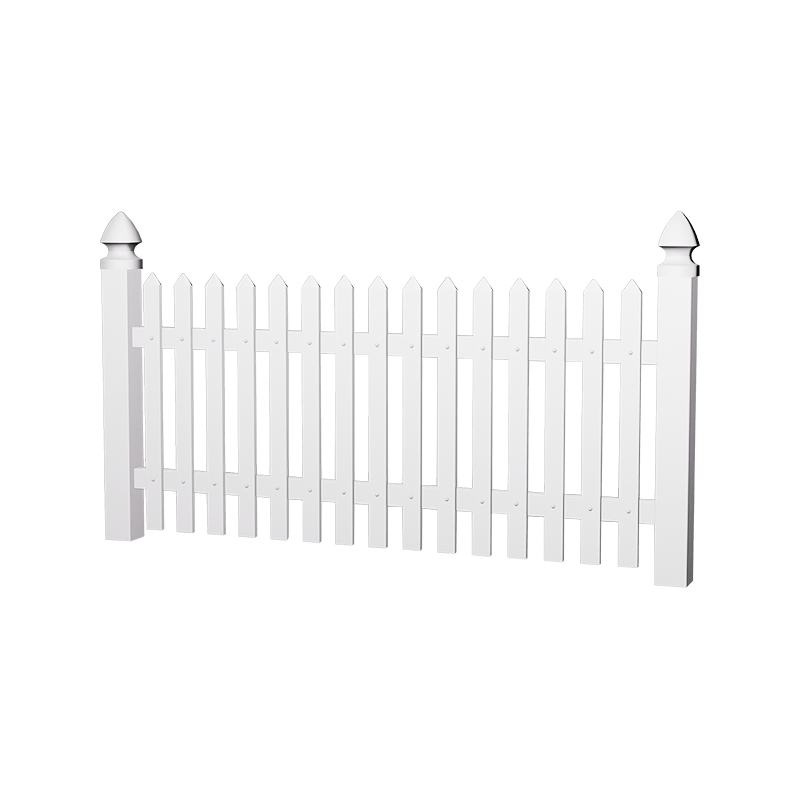
Decorate your outdoor spaces with our durable and stylish PVC Face Mounted Pickets Fence. Designed for easy installation and long-lasting performance, this fence is perfect for residential and commerc...
See Details
Our White Vinyl Fence, measuring 4'H x 8'W, designed for both functionality and aesthetics. Made from 100% virgin PVC plastic, this fence is not coated, ensuring unmatched durability and resistance to...
See Details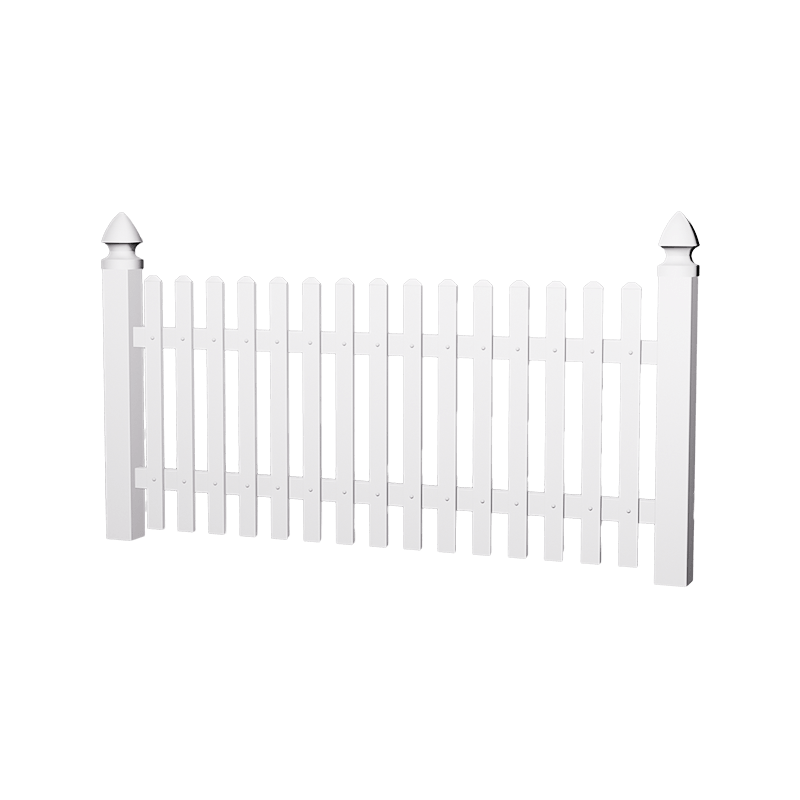
The Traditional Dog Ear Picket is an ideal choice for warehouses, combining aesthetic appeal with practicality. Made from 100% virgin PVC, this durable, low-maintenance fence resists rotting and water...
See Details
We are a professional manufacturer engaged in the research, development,
production, sale, and service of PVC fences and PVC flooring.
Contact Us
Mobile
Copyright © Deqing Huazhijie Railing & Fencing Co.,Ltd. All Rights Reserved.
 Custom Vinyl Fence Manufacturers
 English
 عربى
عربى 中文简体
中文简体 Español