Welcome to Huazhijie!
 +86-572-8086381 / 8282992
  hzjfence1@hzjfence.com


Sep 15, 2026
Standing at the edge of a 20-acre pasture, you want a fence that looks like a ranch, works like a livestock barrier, and does not demand a weekend of sanding and painting every year. A 4-rail PVC ranch fence can deliver exactly that, but the phrase covers a wide range of quality. The decision comes down to specific choices: post size, rail size, wall thickness, rail spacing, and gate hardware. If you get those details right, the fence can serve for decades with almost no maintenance; if you get them wrong, you might be replacing bowed rails or cracked posts within a few seasons.
Content
A 4-rail PVC ranch fence is a fully vinyl fence system made of PVC posts and horizontal rails. Instead of wire mesh or wooden boards, it uses four horizontal rails stacked between posts. This configuration is common around horse properties, equestrian centers, and rural home boundaries.
Unlike a rigid board fence, PVC rails flex slightly on impact. This can reduce injury to horses and makes the fence more forgiving when an animal leans on it. The trade-off is that you need proper rail spacing and secure post anchoring to keep the system rigid enough for containment.
The two most important components are the posts and the rails. Many 4-rail systems use a 5x5 inch commercial-grade post, which provides the stiffness needed to hold four rails in windy areas or when livestock push against them. Rails are usually rectangular PVC extrusions sized around 1x6 inches or 2x6 inches, depending on the manufacturer. Thicker walls matter more than the outer dimension, so always compare the wall thickness of both the post and the rail.
Rail spacing is another variable. A 4-rail fence should not simply be a 3-rail fence with an extra rail squeezed in. Top rail height, bottom rail clearance, and gaps between rails affect whether a horse can catch a hoof or get its head through. Ask for a line drawing that gives exact spacing values before ordering.
| Configuration | Typical use | Visual effect | Containment level |
|---|---|---|---|
| 2-rail | Property boundary, decorative | Open, light | Low |
| 3-rail | Pasture, horse training areas | Traditional ranch look | Medium |
| 4-rail | Horse containment, ranches | Solid, substantial | High |
Some manufacturers offer a complete 4-rail system in which the rails, posts, and brackets are engineered as one design. The HDC 4-rail PVC ranch fence from Huazhijie is an example of this pre-engineered approach, with the four-rail spacing set specifically for ranch and farm use.
 HDC 4-Rail PVC Ranch Fence with Pre-Notched Ribbed RailsThis pre-engineered four-rail PVC fence is designed for ranch and farm use, with customizable height and width options, sturdy posts, and easy assembly, making it a practical choice for boundary definition.View Product →
Also compare section widths. Some systems use 8-foot panels, while others use longer rails with a post in the middle. Longer sections reduce post count, but they require stiffer rails and more careful installation.
The main reason buyers opt for four rails is containment. Horses that are turned out in large paddocks tend to lean, scratch, and stretch over fences. A four-rail fence reduces the space between horizontal barriers, making it harder for a horse to hook a leg between rails or push through the top and bottom sections.
Four rails also create a stronger visual boundary. A ranch fence has a distinct heavy look that a two-rail decorative fence does not. If you are using the fence as a perimeter around a paddock and also as part of the property's appearance, the extra rail is usually worth the added material cost.
The trade-off is cost and installation time. More rails mean more material, more brackets, and more labor. For a large pasture, this difference adds up, so many owners use 4-rail only on front paddocks and use 3-rail or 2-rail on back boundaries. That approach works if the fence is planned as a system from the start.
A four-rail fence is only as good as its gate. Gate posts need to be larger and set deeper because a gate carries its own weight and transmits stress to the fence. Check that the gate width matches your equipment: a single gate works for walk-through access, while a double gate provides enough clearance for tractors, trailers, and hay equipment.
Your gate should also use the same rail color and profile design as the fence. Mixing brands can lead to visible differences in white color, gloss level, and rail shape. If you buy the fence panels and gate from the same manufacturer, fit is simpler and replacement parts stay consistent.
Huazhijie offers single and double PVC fence gates designed to pair with their panel systems. The double gate version suits ranch driveways, and it is built to handle daily use.
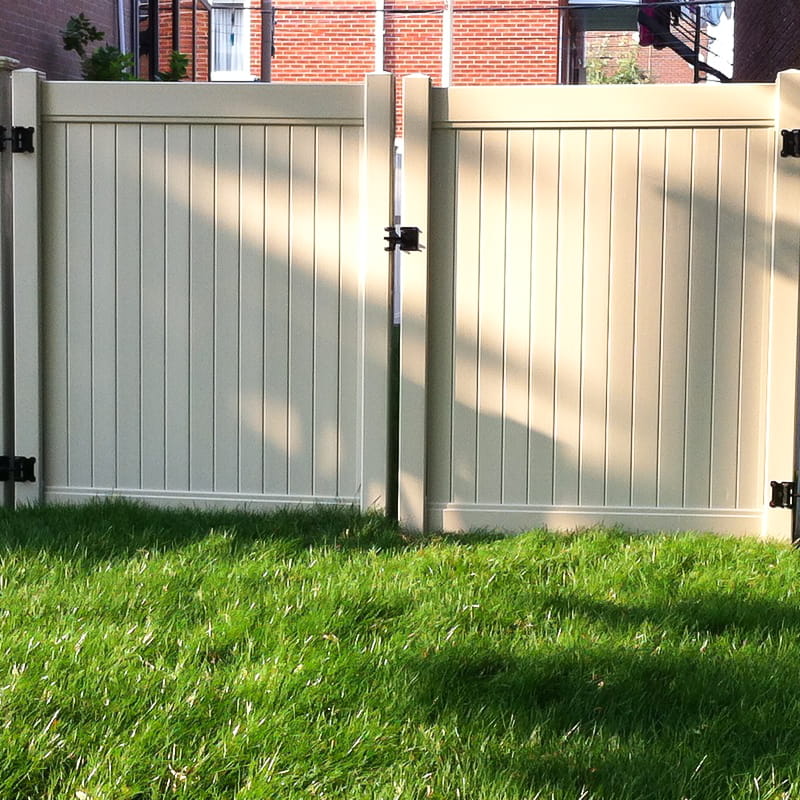 PVC Fence Double Gate with Adjustable Width and HardwareThis double gate pairs with Huazhijie PVC panels, offers adjustable widths from 3 to 8 feet, and includes self-closing hinges and locks, suitable for ranch driveways requiring durability and daily use.View Product →
Ask the supplier to verify that the gate's latch, hinges, and drop rod are included, and whether the gate frame needs reinforcement for wind loads.
PVC ranch fence installation follows the same basic sequence as wood fence: lay out the line, dig holes, set posts in concrete, and attach rails. The main difference is that PVC is lighter and more flexible, which makes alignment tricky. If one post is out of line, the rail joints will show the gap.
Most manufacturers recommend concrete footings below the frost line. In moderate climates, an 18- to 24-inch deep hole is common, but local soil and wind conditions can change that. Do not guess; use the supplier's installation manual.
Once installed, the maintenance routine is simple. Wash the rails and posts with soapy water or a mild pressure wash to remove dirt and mildew. Avoid abrasive pads and solvent-based cleaners. You should also check brackets and caps every spring, since hardware can loosen over time.
For a step-by-step breakdown of what the job involves, see this install-focused guide to PVC horse fencing.
Not all PVC fence products are equivalent. The biggest risk is buying a fence with thin post walls. A post can look like a 5x5 from a distance but have walls thin enough to bow under moderate pressure. Ask for the wall thickness in millimeters for both the post and the rails.
Material quality matters. Look for a fence made from virgin or primary-grade PVC, not heavily reground scrap, because recycled content can affect color stability and impact strength. The material should have UV stabilizers to resist sun fading.
Also confirm that the material is lead-free and meets basic safety standards. Huazhijie's production lines follow CE, RoHS, and UL94 requirements, and its product range includes lead-free PVC fence options. Certifications like these give you a baseline for requesting in-house test reports.
Consider the connection between sections. Some systems use hidden bracket inserts, while others use tongue-and-groove joints. Hidden brackets look cleaner, but they need to be manufactured to tight tolerances so rails do not slide or rattle. Ask how the rails attach to the post and whether expansion has been accounted for.
Finally, check the warranty terms. A fence that comes with a documented warranty for UV fading, chalking, and impact damage is a stronger purchase than one sold without any written guarantee.
Dealers, contractors, and ranch owners can benefit from buying a 4-rail PVC ranch fence directly from a factory that controls the extrusion, panel assembly, and gate production. Direct sourcing usually means better pricing, more consistent color between batches, and the possibility to request custom dimensions.
Work with a manufacturer that can provide technical drawings, samples, and a clear lead time. If you are developing a branded product line, ask about OEM and ODM services. A factory with export experience understands the need for pallet packing, container loading plans, and documentation for international orders.
You can browse the complete PVC horse fence lineup to see the range of post sizes, rail counts, and accessories available from one source.
A 4-rail PVC ranch fence is a practical long-term investment, but only when the posts are strong, the rail walls are thick, the spacing is correct, and the gate is designed for the same system. Start with a clear specification sheet. Compare post wall thickness, rail dimensions, material composition, and gate compatibility from at least two suppliers. Request production samples before you commit, and confirm the warranty in writing.
When those details are handled, a 4-rail PVC ranch fence gives you the visual weight of a traditional ranch boundary without the ongoing upkeep of wood. It is a fence you can install, clean occasionally, and then rely on for years.
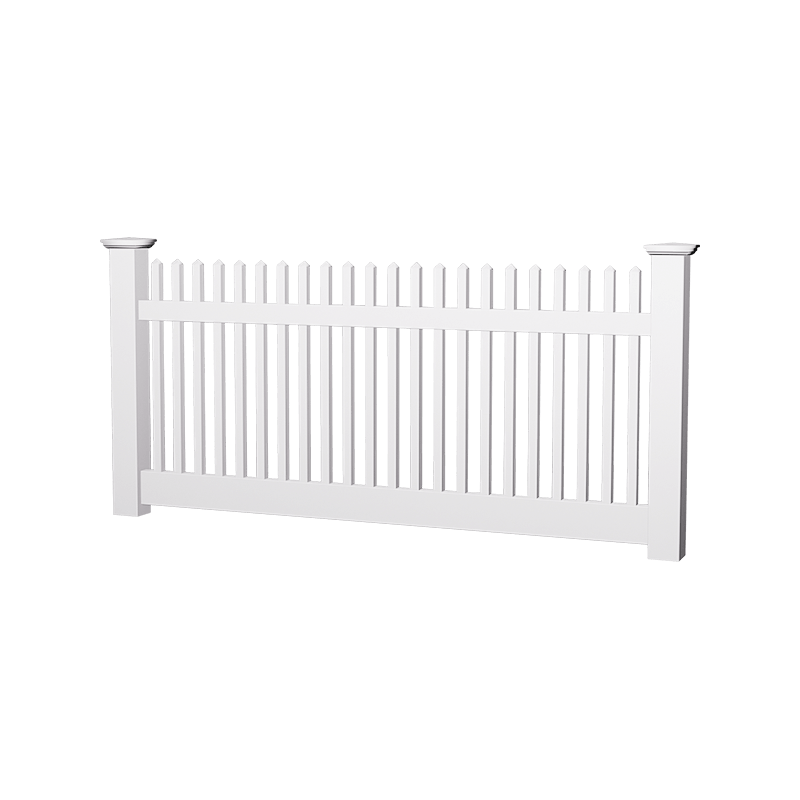
Our 1.5"x1.5" Horizontal Picket Fence, the ultimate garden solution made from 100% virgin PVC for unmatched durability and low maintenance. Designed for easy DIY installation, this fire-proof fence re...
See Details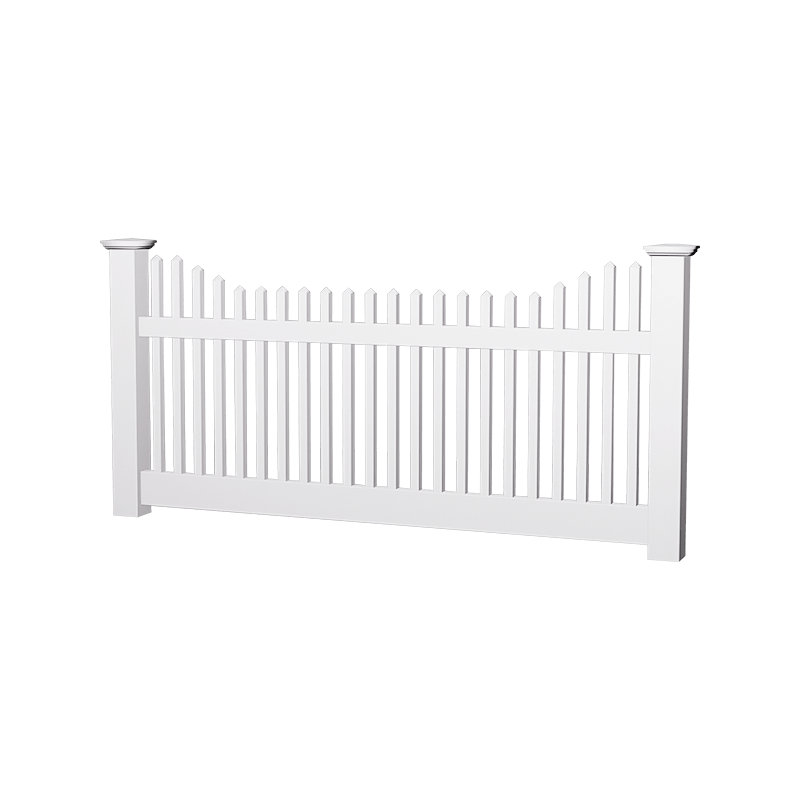
The Special-Shaped Picket Fence, the perfect addition to any home. Crafted from 100% virgin PVC, this fence combines durability and elegance with low maintenance requirements. Designed for easy DIY in...
See Details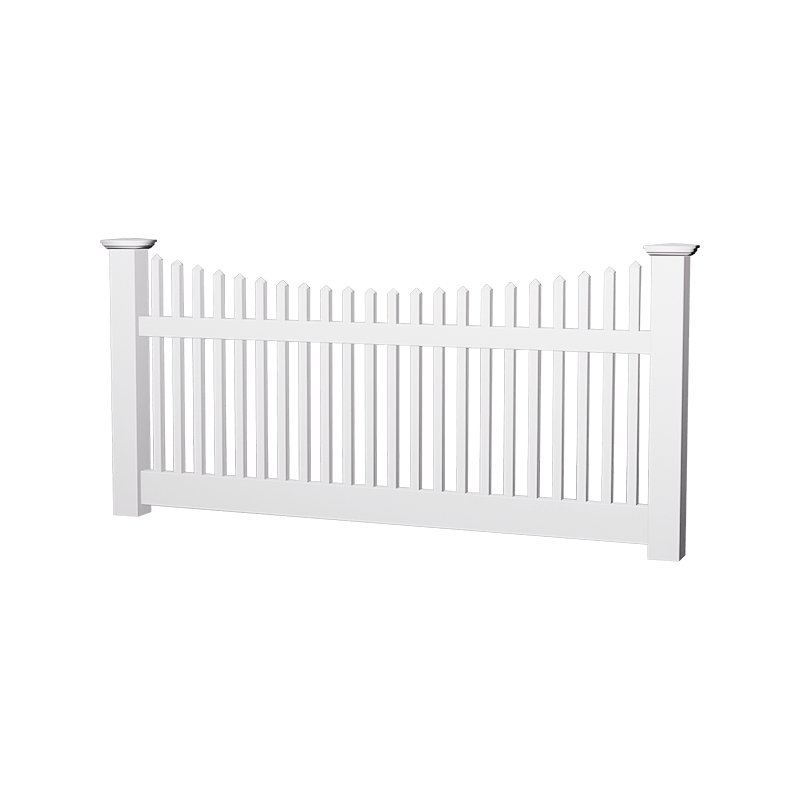
The Special-Shaped Picket Fence, the perfect addition to any home. Crafted from 100% virgin PVC, this fence combines durability and elegance with low maintenance requirements. Designed for easy DIY in...
See Details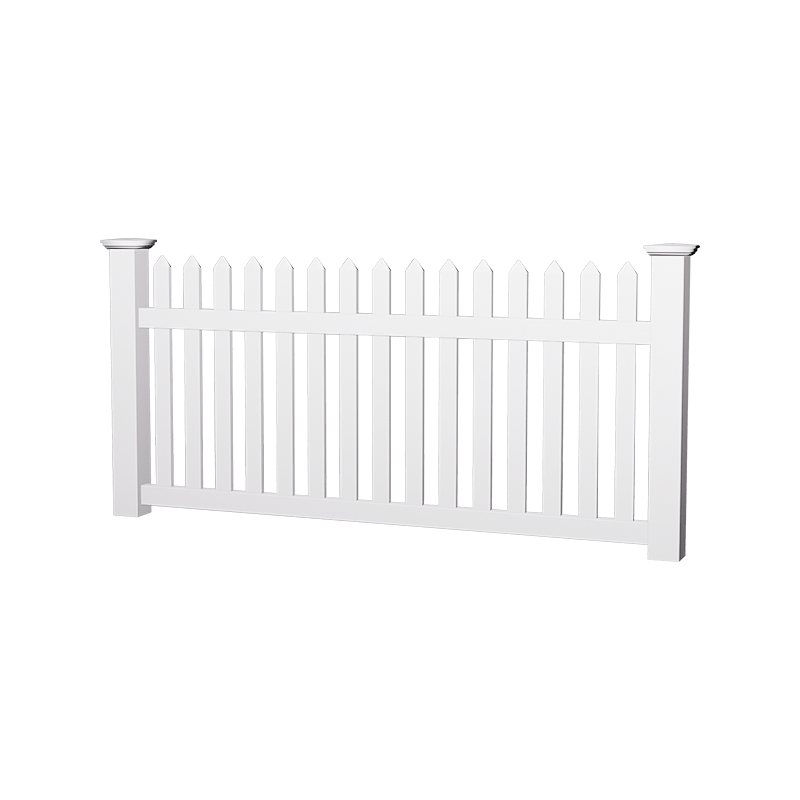
Enhance your home’s exterior with our Traditional Straight Spade Fence, crafted from 100% virgin PVC for exceptional durability and style. This low-maintenance solution is designed for easy installati...
See Details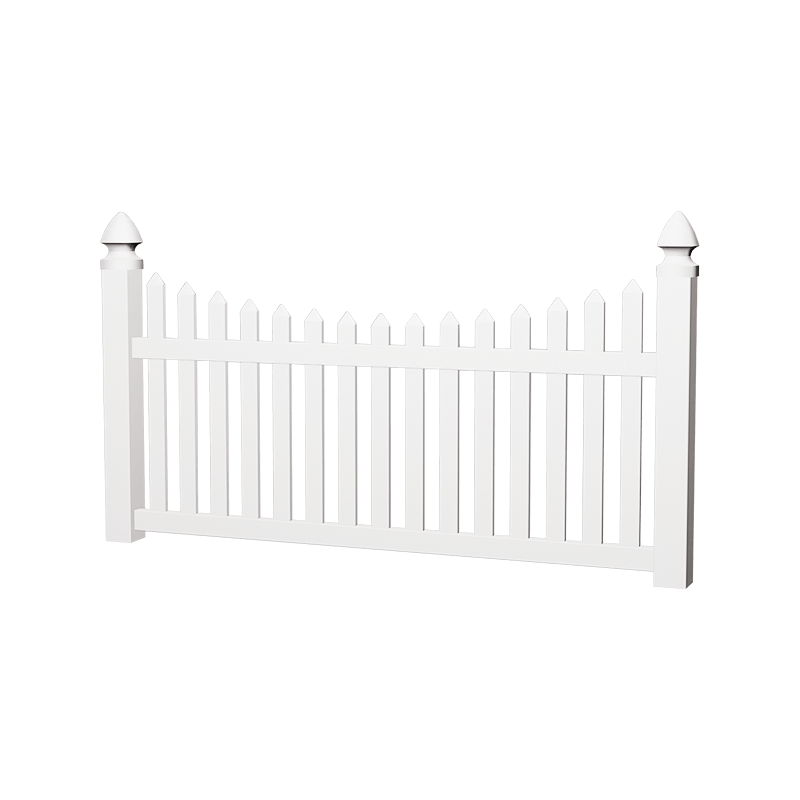
Transform your outdoor space with our 7/8"x3" Outdoor Picket Fence, specifically designed for farm use and outdoor applications. Crafted from 100% Virgin PVC, this durable and high-impact resistant fe...
See Details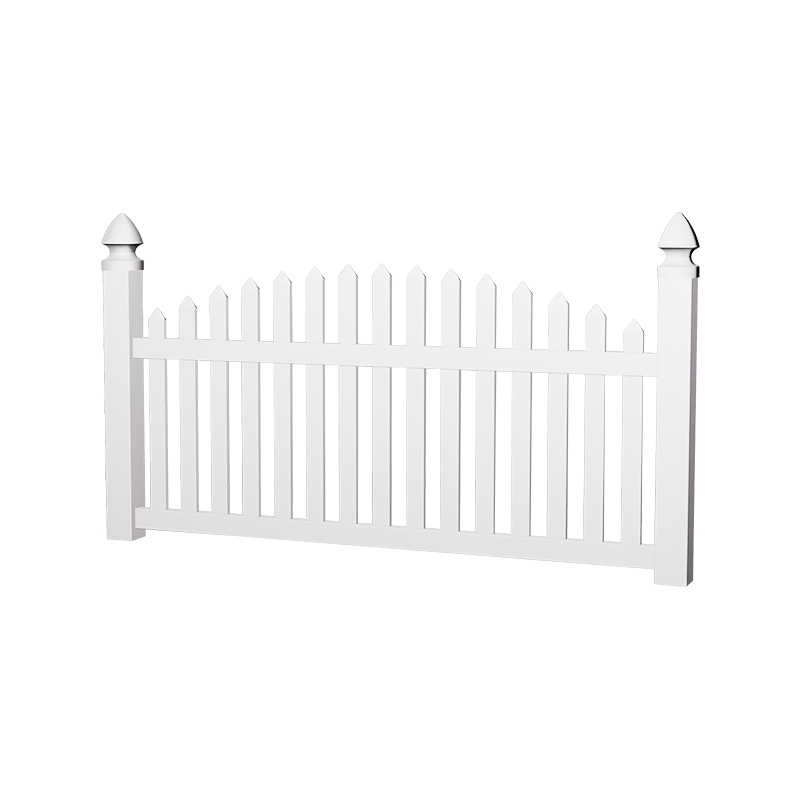
Enhance your farm's aesthetic and functionality with our PVC Arched Picket Fence. Crafted from 100% virgin PVC, this durable and stylish fencing solution combines the classic charm of traditional pick...
See Details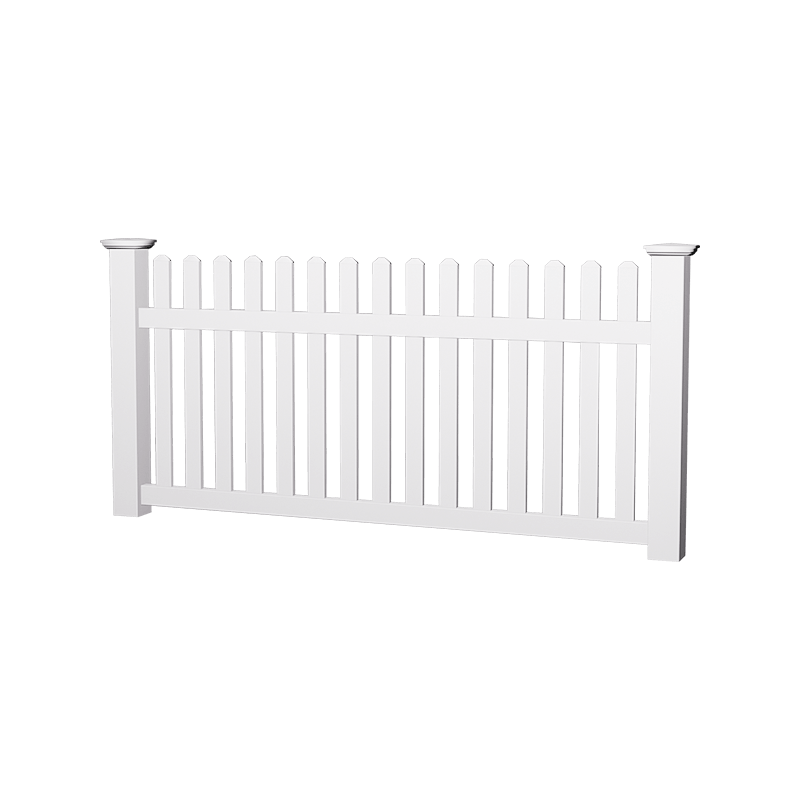
Our durable and versatile Picket Fence, designed specifically for farm use. Crafted from 100% virgin PVC plastic, this fence panel is not coated, ensuring superior quality and longevity. With dimensio...
See Details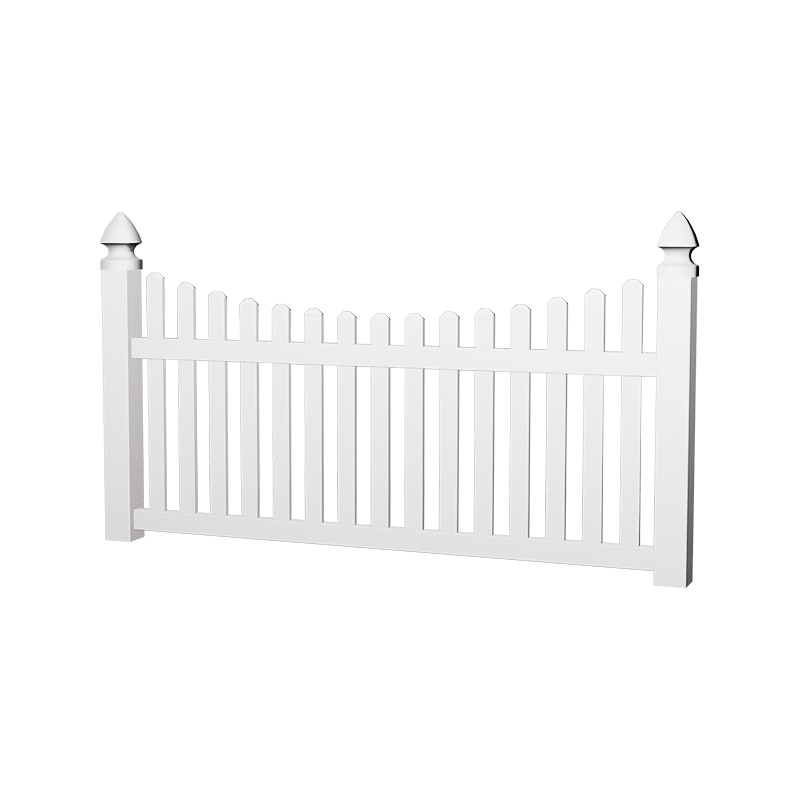
Introducing our 7/8"x3" Plastic Picket, designed specifically for farm applications. Crafted from 100% virgin PVC, this picket is not coated, ensuring maximum durability and resistance to impacts. Wit...
See Details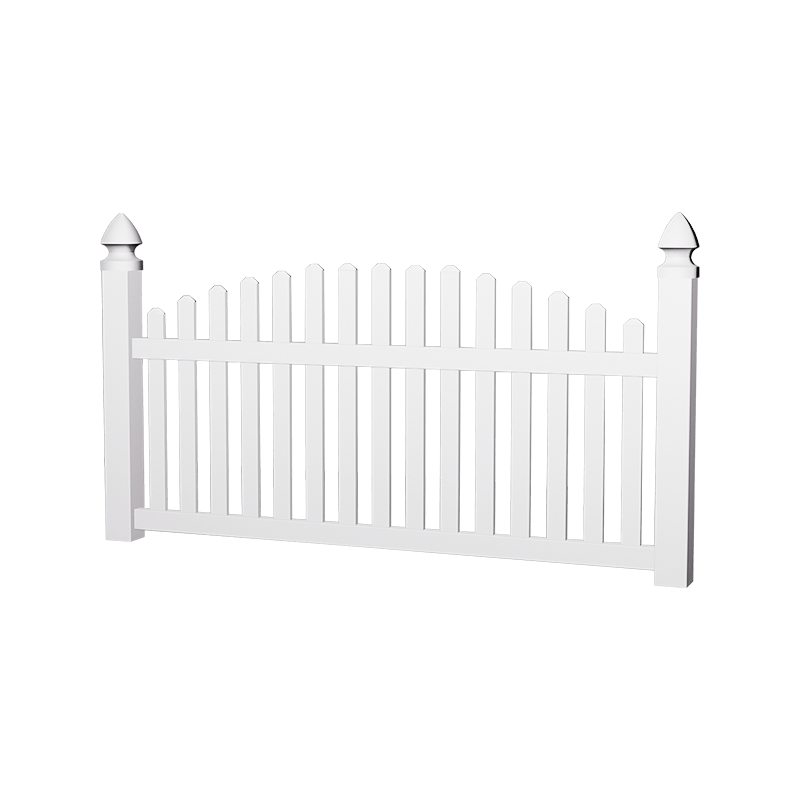
The Dog Ear Top Garden Fence, the ultimate solution for your farm fencing needs. Crafted from 100% virgin PVC, this fence is designed to withstand the elements without the worry of rot or decay, makin...
See Details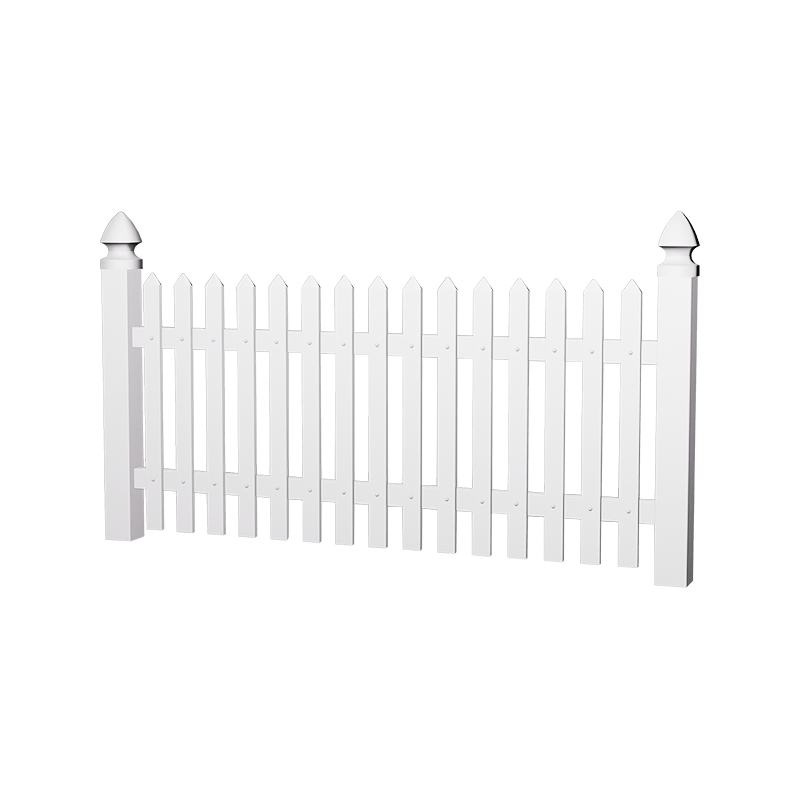
Decorate your outdoor spaces with our durable and stylish PVC Face Mounted Pickets Fence. Designed for easy installation and long-lasting performance, this fence is perfect for residential and commerc...
See Details
Our White Vinyl Fence, measuring 4'H x 8'W, designed for both functionality and aesthetics. Made from 100% virgin PVC plastic, this fence is not coated, ensuring unmatched durability and resistance to...
See Details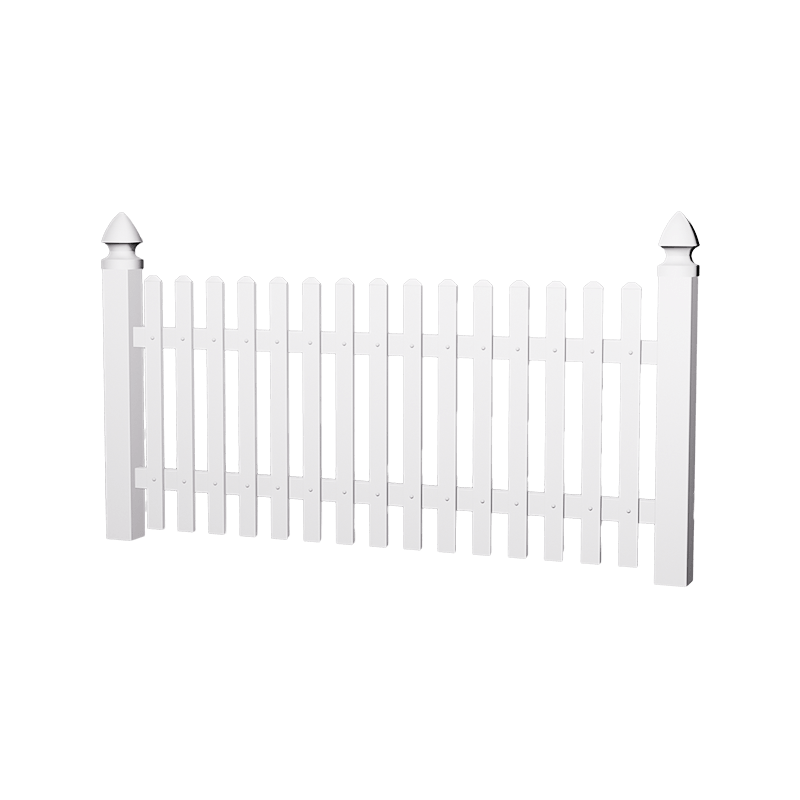
The Traditional Dog Ear Picket is an ideal choice for warehouses, combining aesthetic appeal with practicality. Made from 100% virgin PVC, this durable, low-maintenance fence resists rotting and water...
See Details
We are a professional manufacturer engaged in the research, development,
production, sale, and service of PVC fences and PVC flooring.
Contact Us
Mobile
Copyright © Deqing Huazhijie Railing & Fencing Co.,Ltd. All Rights Reserved.
 Custom Vinyl Fence Manufacturers
 English
 عربى
عربى 中文简体
中文简体 Español