Welcome to Huazhijie!
 +86-572-8086381 / 8282992
  hzjfence1@hzjfence.com


Sep 23, 2026
Searching for "1500 feet PVC decking" usually means you are planning something substantial. Most people who arrive at this term are contractors, distributors, farm managers, or facility owners pricing a job that will consume a serious amount of board, and they want to know what a 1500-foot run actually delivers once it reaches the site. The answer is more interesting than it sounds. Length is one of the most underrated specifications in PVC decking: it decides how many visible joints a finished surface has, how much material ends up as offcuts, how many hours a crew spends measuring and fastening, and how the final invoice compares with timber or composite alternatives. This guide explains what a 1500-foot PVC decking specification covers, how the boards behave outdoors, and what to confirm before placing a bulk order.
Content
The product listing is the simplest starting point: a 1 in x 5.5 in PVC decking board, listed with a supply length of 1500 feet. That is a mill-style figure rather than a retail one, and it is worth clarifying two points with any supplier before you commit.
Once those questions are settled, the commercial logic of a long run becomes obvious: fewer joints to align, less cutting, and a surface that reads as one continuous plane instead of a patchwork of short pieces.
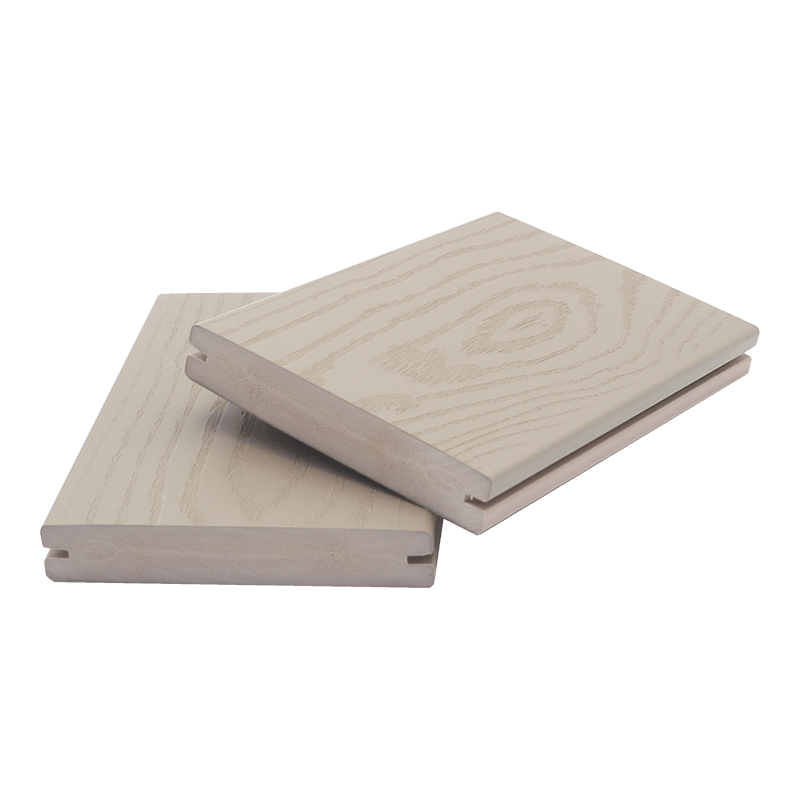 1"x5.5" 1500 feet PVC deckingElevate your outdoor spaces with our high-quality PVC decking, designed for durability and style. Available in a versatile range of colors—White, Tan, Grey, and Brown—...View Product →
Buyers often compare decking on price per foot and stop there. In practice, the length format quietly moves several other cost lines at the same time.
The table below summarizes the stated parameters of this decking profile and flags the details that deserve confirmation during quotation.
| Parameter | Stated Specification | What It Means for Buyers |
|---|---|---|
| Board profile | 1 in x 5.5 in | Familiar deck-board proportions; plan joist spacing, clips, and edge trim around this thickness |
| Supply length | 1500 ft per run | Suits long spans and large areas; confirm whether it is one continuous piece or total footage |
| Material | PVC, with lead-free formulations promoted by the factory | No rot, no insect damage, and no annual sealing or staining cycle |
| Compliance | CE, ROHS, and UL94 certificates stated by the manufacturer | Useful where projects, tenders, or retail buyers require documented compliance |
| Customization | OEM and ODM orders welcomed; custom sizes discussed case by case | Relevant for private-label decking programs and non-standard profiles |
| Color and finish | Confirmed at quotation stage against available tooling | Avoid assuming a finish or shade that is not in the current mould list |
PVC decking earns its place on exterior projects because the material simply does not offer rot, mould, or insects the same foothold that timber does. It does not absorb water the way wood does, so swelling, splintering, and warping are far less of a maintenance conversation. Rain, irrigation runoff, pool splash, and coastal salt spray are all manageable with ordinary cleaning rather than refinishing.
Sun exposure and temperature swings are the two conditions that deserve honest attention. Every outdoor board moves as it heats and cools, and long continuous runs move more than short ones, which is exactly why expansion gaps, fastener choice, and ventilation underneath matter so much on this format. For a closer look at how the material handles heat, frost, and humidity over a full season cycle, see this guide to how PVC decking performs in extreme weather conditions. Routine upkeep, meanwhile, is mostly soap, water, and a soft brush.
Long lengths are an advantage when they are installed with movement in mind and a headache when they are not. These steps keep a large deck or walkway stable and quiet.
Long-run decking tends to appear wherever the surface is long, exposed, and expensive to maintain:
If your project sits somewhere else on that spectrum, the same profile family covers most of these applications.
PVC Decking ManufacturersPVC decking is 100% recyclable; even after 30 years, deck boards can be recycled into new decking material, so it’s a very sustainable product. No splintering, peeling...View Product →Not every 1500-foot run ends up underfoot. Contractors working on landscape packages often use the same PVC material for raised planting beds, where the board's resistance to moisture and soil contact is a genuine advantage over untreated timber. Because these installations are usually cut to fit a specific yard or courtyard, custom sizing matters more than a fixed catalogue dimension, and that is where a made-to-measure approach pays off.
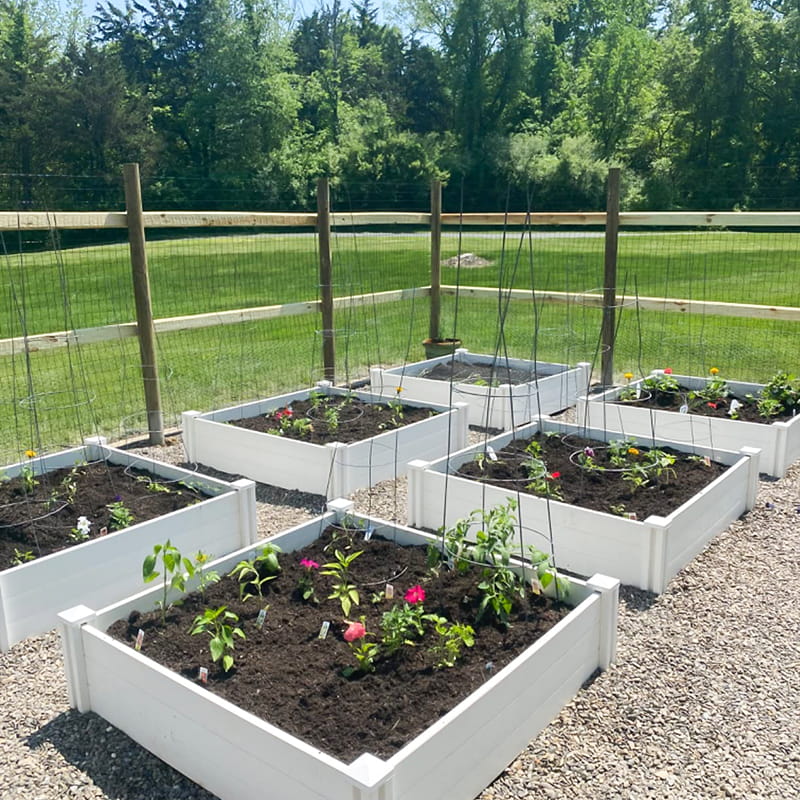 Custom size pvc garden bedCustom Size PVC Garden Bed, designed to elevate your gardening experience while providing ultimate flexibility. Crafted from 100% virgin PVC plastic, this garden bed i...View Product →
When you are ordering this much material, the supplier relationship matters as much as the specification sheet. Our company, Deqing Huazhijie Railing & Fencing Co., Ltd., has been manufacturing PVC fence and decking products since 2003, operates a 4,800 square meter factory in Huzhou with more than 100 employees, and has been exporting for over 18 years to markets including Canada, the United States, Europe, Australia, and New Zealand.
For buyers planning a 1500-foot decking order, a few practical points help the quotation stage go smoothly: share the intended application and load expectations, confirm the packing format your site can handle, ask for a sample before full production, and raise any private-label or size requirements early. We welcome OEM and ODM projects, and you can learn more about our factory in Huzhou and how we handle custom orders before you send drawings or a bill of materials.
That depends on the profile and the agreed packing format. Some suppliers supply long continuous runs, while others treat 1500 feet as the total footage in a bundle. Always confirm the format in writing before production begins.
Most installations still use a joist or frame system so the board is supported and ventilated. Direct ground contact should be discussed with your supplier and depends on drainage, load, and how the site is prepared.
Profiles, lengths, colors, and packaging can often be adjusted, particularly for OEM and ODM programs. The available mould list decides what is realistic, so request confirmation against current tooling.
Whether you are pricing a dock replacement, a farm walkway, or a distributor stock programme, the number at the front of this specification is really a question about how you want the finished surface to behave for the next twenty years. Get the length format, movement allowances, and supplier capabilities aligned first, and the rest of the project tends to fall into place.
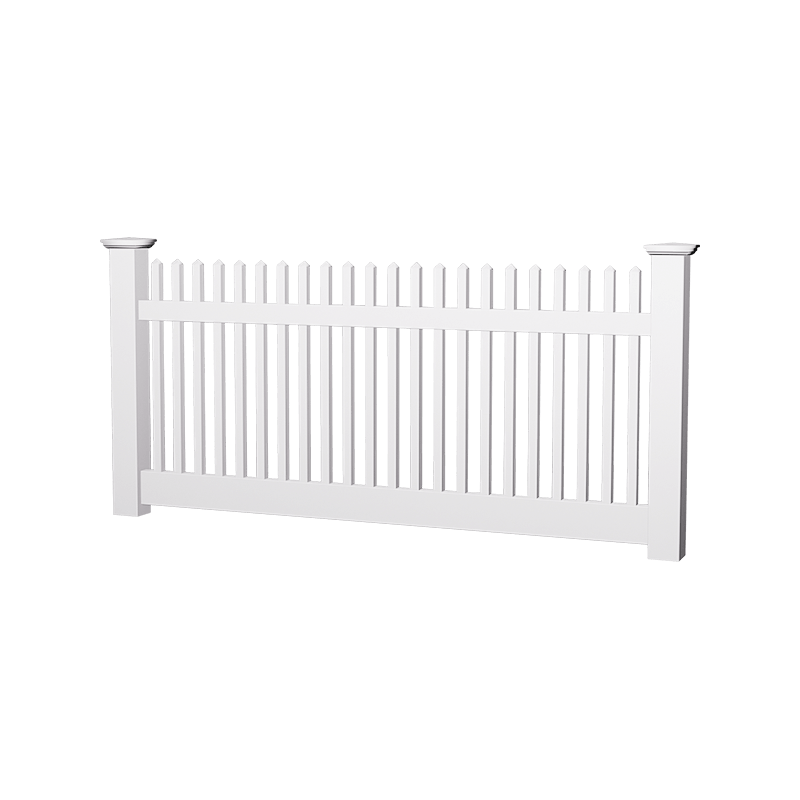
Our 1.5"x1.5" Horizontal Picket Fence, the ultimate garden solution made from 100% virgin PVC for unmatched durability and low maintenance. Designed for easy DIY installation, this fire-proof fence re...
See Details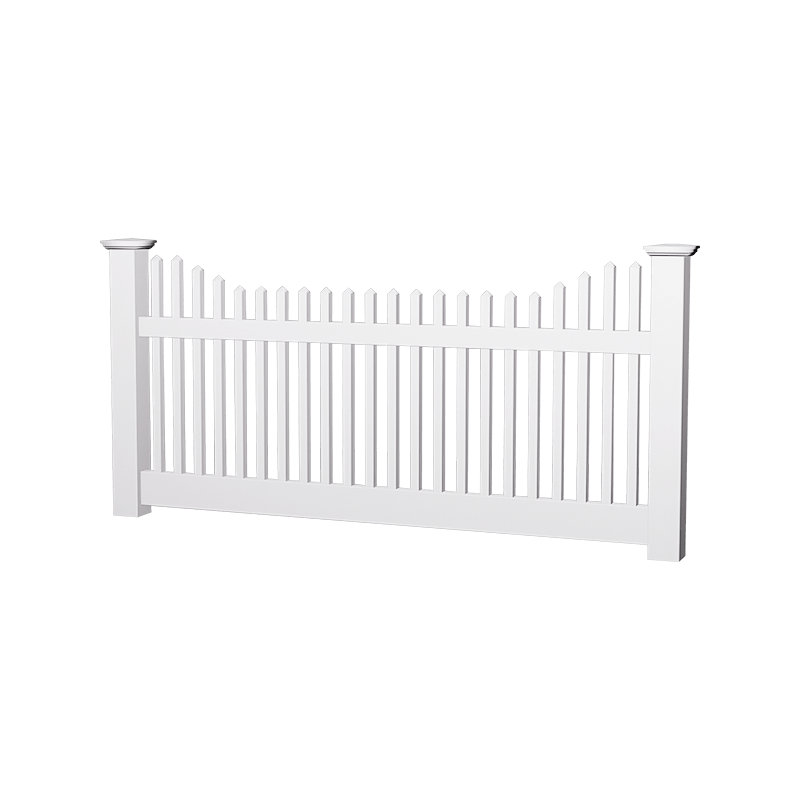
The Special-Shaped Picket Fence, the perfect addition to any home. Crafted from 100% virgin PVC, this fence combines durability and elegance with low maintenance requirements. Designed for easy DIY in...
See Details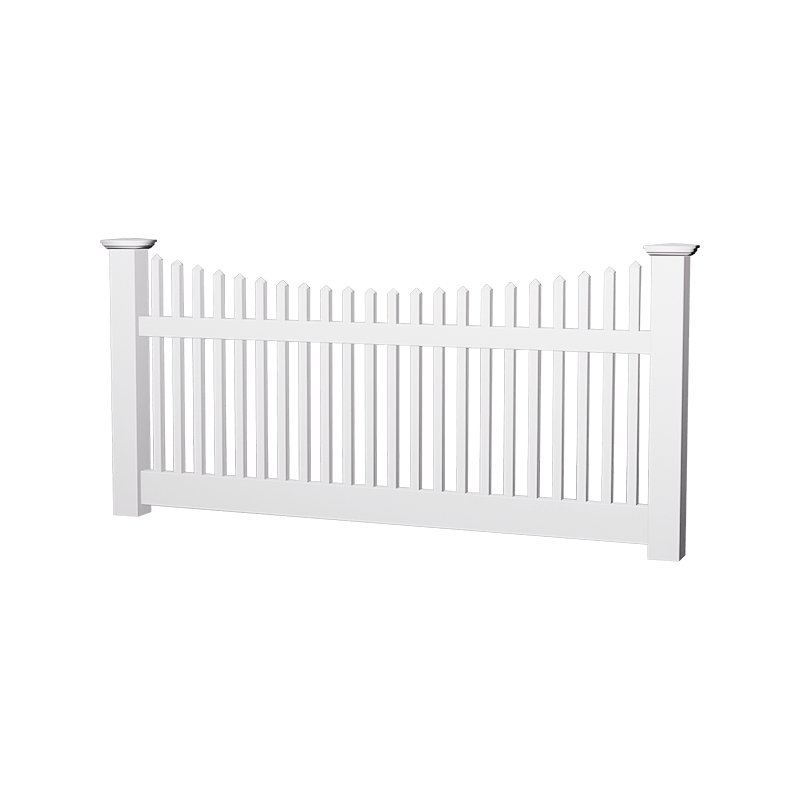
The Special-Shaped Picket Fence, the perfect addition to any home. Crafted from 100% virgin PVC, this fence combines durability and elegance with low maintenance requirements. Designed for easy DIY in...
See Details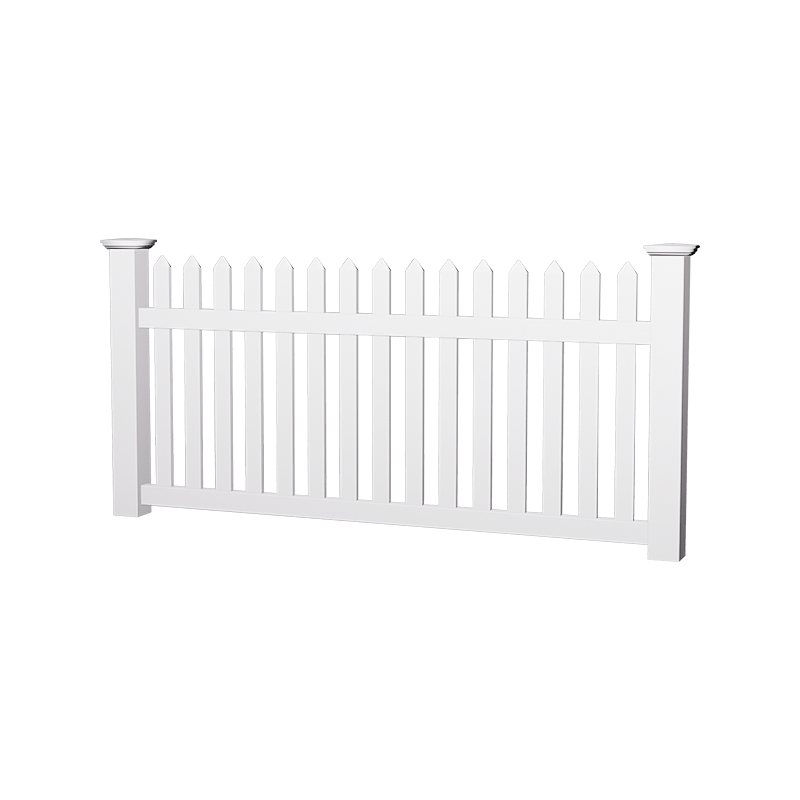
Enhance your home’s exterior with our Traditional Straight Spade Fence, crafted from 100% virgin PVC for exceptional durability and style. This low-maintenance solution is designed for easy installati...
See Details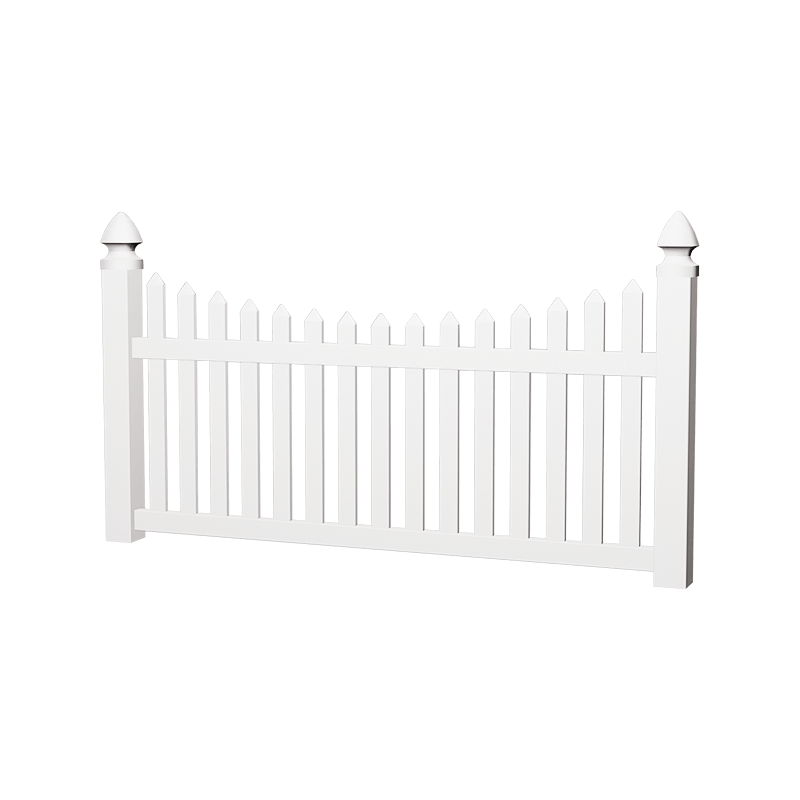
Transform your outdoor space with our 7/8"x3" Outdoor Picket Fence, specifically designed for farm use and outdoor applications. Crafted from 100% Virgin PVC, this durable and high-impact resistant fe...
See Details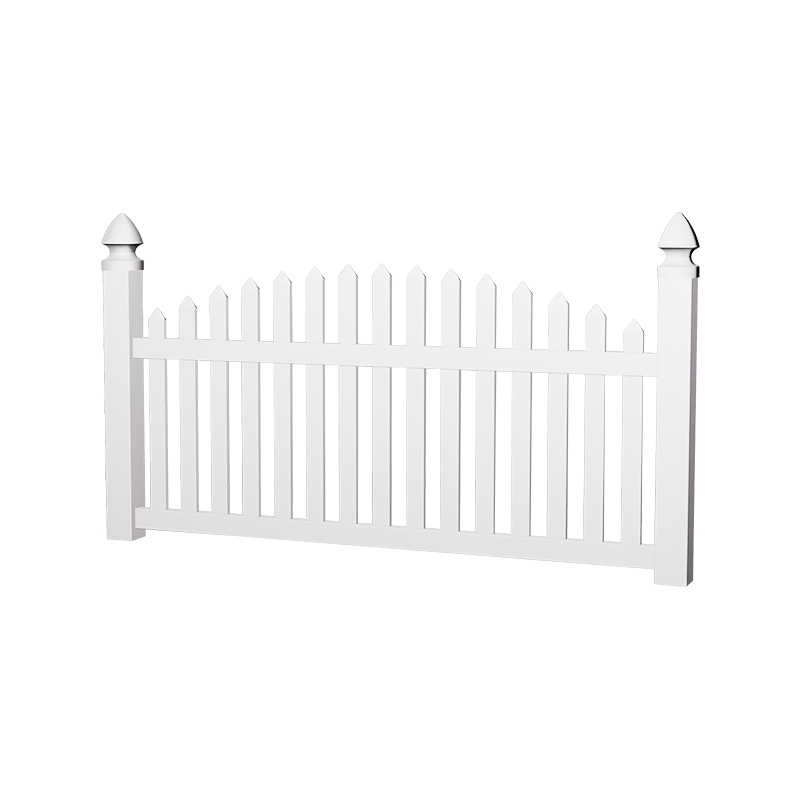
Enhance your farm's aesthetic and functionality with our PVC Arched Picket Fence. Crafted from 100% virgin PVC, this durable and stylish fencing solution combines the classic charm of traditional pick...
See Details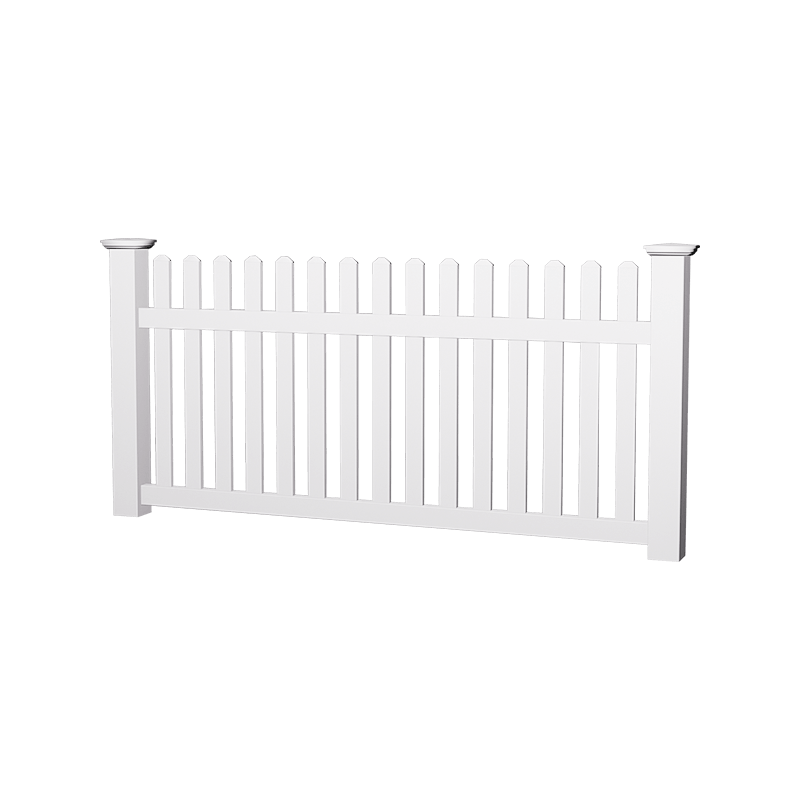
Our durable and versatile Picket Fence, designed specifically for farm use. Crafted from 100% virgin PVC plastic, this fence panel is not coated, ensuring superior quality and longevity. With dimensio...
See Details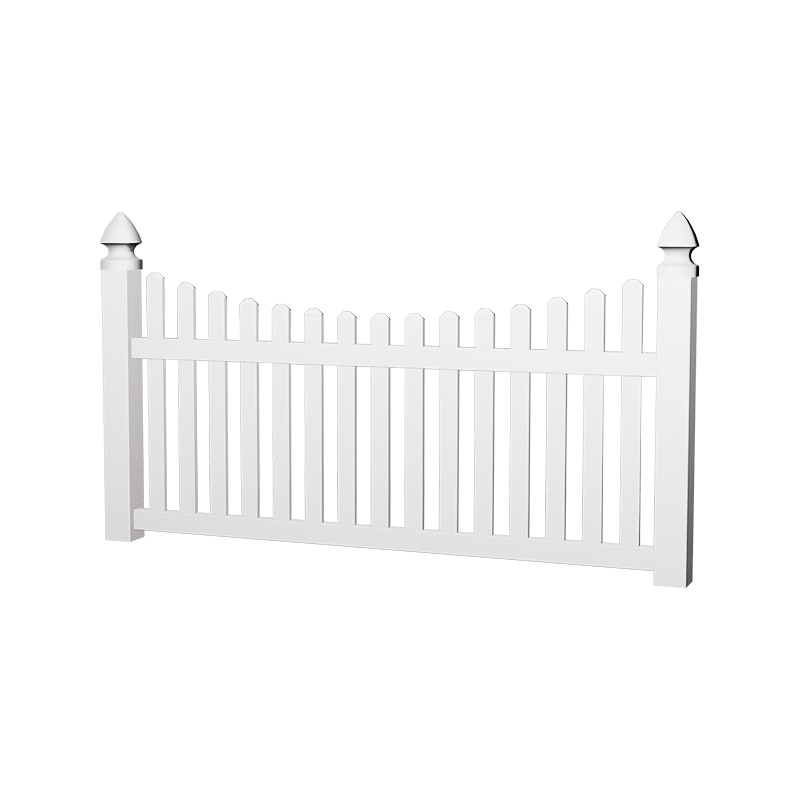
Introducing our 7/8"x3" Plastic Picket, designed specifically for farm applications. Crafted from 100% virgin PVC, this picket is not coated, ensuring maximum durability and resistance to impacts. Wit...
See Details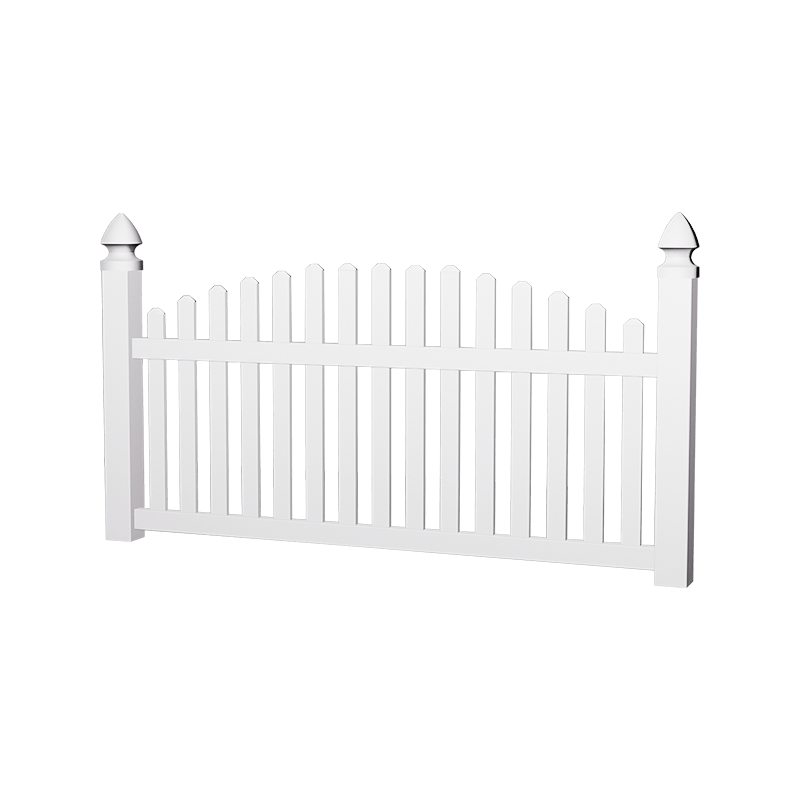
The Dog Ear Top Garden Fence, the ultimate solution for your farm fencing needs. Crafted from 100% virgin PVC, this fence is designed to withstand the elements without the worry of rot or decay, makin...
See Details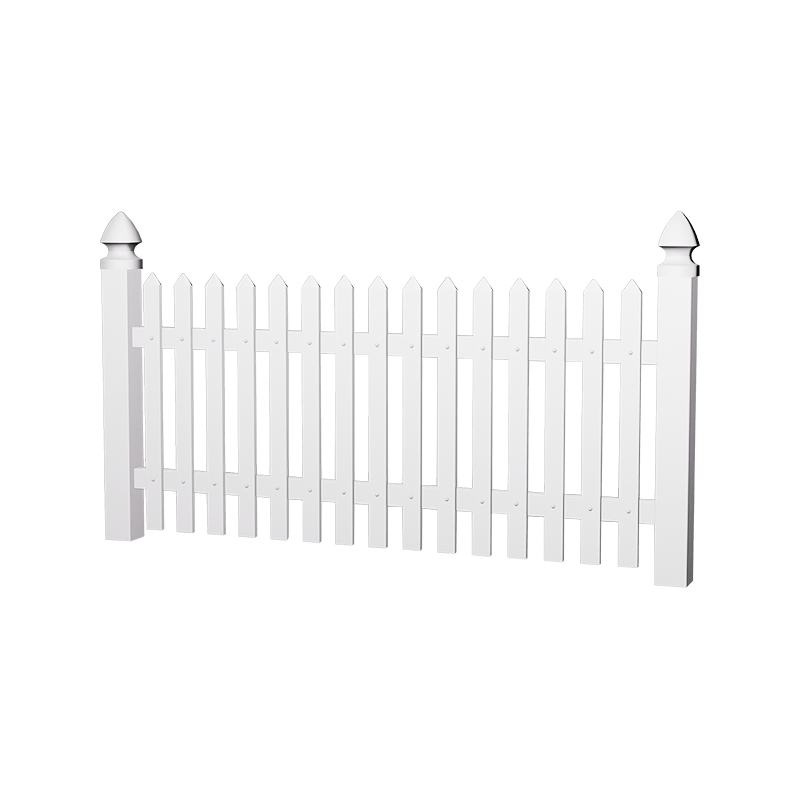
Decorate your outdoor spaces with our durable and stylish PVC Face Mounted Pickets Fence. Designed for easy installation and long-lasting performance, this fence is perfect for residential and commerc...
See Details
Our White Vinyl Fence, measuring 4'H x 8'W, designed for both functionality and aesthetics. Made from 100% virgin PVC plastic, this fence is not coated, ensuring unmatched durability and resistance to...
See Details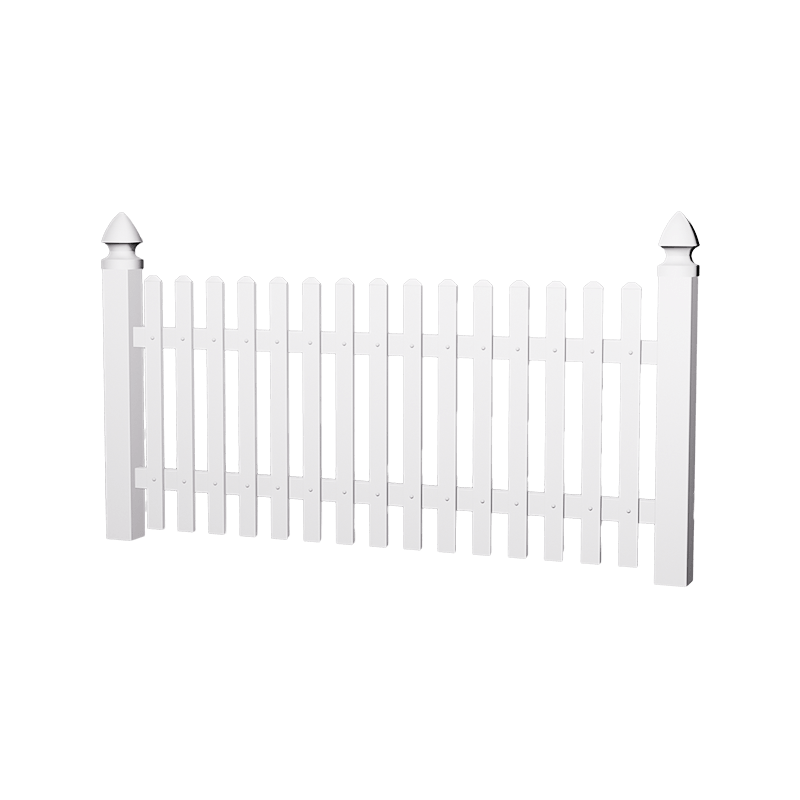
The Traditional Dog Ear Picket is an ideal choice for warehouses, combining aesthetic appeal with practicality. Made from 100% virgin PVC, this durable, low-maintenance fence resists rotting and water...
See Details
We are a professional manufacturer engaged in the research, development,
production, sale, and service of PVC fences and PVC flooring.
Contact Us
Mobile
Copyright © Deqing Huazhijie Railing & Fencing Co.,Ltd. All Rights Reserved.
 Custom Vinyl Fence Manufacturers
 English
 عربى
عربى 中文简体
中文简体 Español