Welcome to Huazhijie!
 +86-572-8086381 / 8282992
  hzjfence1@hzjfence.com


Apr 01, 2026
Content
A PVC arbor is one of those garden structures that earns its keep in multiple ways simultaneously. It creates a defined entry point or focal feature in an outdoor space, provides a climbing framework for plants, offers a shaded seating area when covered with mature growth, and does all of this with a material that requires virtually no ongoing maintenance. For homeowners who have watched a beautiful wooden arbor slowly deteriorate through years of painting, sanding, re-staining, and eventually replacing rotted posts, the appeal of a PVC vinyl arbor that simply holds its shape and color without any of that effort is immediately obvious.
PVC arbors — also sold as vinyl arbors or white vinyl garden arbors — are manufactured from polyvinyl chloride profiles that are shaped, welded, and assembled into the classic arched or pergola-style structures familiar from traditional garden design. The material is the same category of PVC used in fencing, decking trim, and outdoor furniture, with UV stabilizers incorporated into the compound to resist the color fading and surface degradation that unprotected plastics suffer in prolonged sun exposure. A quality PVC arbor installed correctly will look essentially the same in fifteen years as it did on the day it was unpacked, assuming basic cleaning is performed periodically.
The practical case for a PVC vinyl arbor is strong, but it is not the right choice in every garden or for every purpose. Understanding what PVC arbors do well, where their limitations lie, how to select the right size and style, and how to install and anchor them properly makes the difference between a garden feature that genuinely enhances the space and one that looks out of place, wobbles in the wind, or fails to support climbing plants effectively. This guide addresses all of those practical questions in enough detail to help you make and execute a confident decision.
PVC arbors are manufactured in several distinct style categories, each suited to different garden scales, design aesthetics, and intended uses. Identifying which style aligns with your specific goal — plant support, garden entry, seating area, or decorative focal point — is the natural starting point for any arbor purchase decision.
The classic arch arbor is the most widely recognized style — two vertical side panels connected by an arched or flat-topped overhead structure, creating a passage that frames a garden path, gate opening, or transition between two areas of the garden. These structures are typically 1.2 to 1.5 meters wide, 0.5 to 0.8 meters deep, and 2.0 to 2.4 meters tall at the apex of the arch. The side panels are almost always lattice-work, providing the climbing surface that makes this style so useful for roses, clematis, jasmine, and other vigorous climbers. A pair of climbing roses trained over a white PVC garden arbor is one of the most enduringly popular planting combinations in residential garden design, and it is a combination that genuinely works — the lattice panels provide enough support structure for the canes, the arch creates the classic framed-entry effect, and the white PVC requires none of the annual maintenance that a painted timber equivalent would demand.
An arbor with an integrated bench seat — sometimes called a garden arbor bench or seated arbor — adds a functional seating element to the classic arch form. These structures have a wider footprint than a simple passage arch, with the bench built into one or both sides of the structure beneath the overhead framing. The overhead section is typically slatted or lattice-framed rather than fully enclosed, providing dappled shade when covered with climbing plants while allowing enough light and air circulation for comfortable seating. PVC arbor bench combinations are popular for creating a defined destination point in a garden — a quiet corner to sit, a place to watch the garden, or a feature that gives a relatively flat or featureless garden space a clear focal element. The integrated construction means no separate furniture is needed, and the entire structure including the seat components benefits from the same low-maintenance PVC material properties.
For larger gardens or more ambitious landscaping projects, double arch arbors and pergola-style PVC structures extend the single arch concept into longer tunnels, wider passageways, or multi-bay overhead structures. A PVC pergola arbor typically consists of four or more posts supporting a series of overhead rafters or lattice panels, creating a larger covered area suitable for an outdoor dining space, a planted walkway, or a structural element linking two areas of a larger garden. These larger structures require more careful foundation planning and anchoring than a simple two-post arch arbor, and in many jurisdictions they may require a building permit if they exceed certain size thresholds — a point worth confirming with your local planning authority before purchasing.
A less common but visually distinctive variant is the obelisk or column-style PVC arbor — a tall, narrow, four-sided structure that functions primarily as a plant support and vertical accent rather than as a passage or seating feature. These structures are essentially large plant towers, providing climbing surfaces on all four sides and creating a strong vertical element in a border or lawn setting. They work particularly well with annual climbers such as sweet peas, morning glory, or black-eyed Susan vine that can be replanted each season, as well as with perennial climbers in warmer climates. PVC obelisk arbors are significantly more resistant to weather damage and require far less maintenance than the painted timber or wrought iron equivalents they compete with in garden center display areas.
Buying a PVC arbor that looks correct in the product photography but turns out to be significantly smaller or larger than expected when it arrives is one of the most common sources of disappointment in garden structure purchases. Manufacturers use a variety of dimension reporting conventions, and the stated height, width, and depth figures do not always reflect what the arbor will actually look and feel like in a specific garden setting.
The height figure for an arch arbor is typically measured from the ground to the highest point of the arch. For a structure positioned over a garden path, the relevant clearance dimension is the interior height at the sides of the arch opening — which is often 200–300mm less than the stated apex height, depending on the arch curve. For comfortable passage by adults, the interior side clearance should be at least 1.9 meters, and 2.0 meters or more is preferable if the arbor will be used as an entry point for a gate or regular foot traffic. Confirm this interior clearance figure specifically with the supplier rather than relying on the stated overall height.
Width is the other dimension that frequently surprises buyers. A standard single-arch PVC arbor with an interior width of 1.0–1.2 meters is adequate for a single person walking through but feels narrow when two people are passing at the same time, and it limits the planting width of roses or other climbers that will be trained up the sides. For a garden entry that will see regular use, an interior width of 1.4–1.6 meters is considerably more comfortable and allows the climbing plants to develop without crowding the passageway. The external footprint — the total width including the post and lattice panel thickness — will typically be 100–150mm wider than the interior dimension on each side.
No arbor material is universally superior — each has genuine strengths and meaningful limitations, and the right choice depends on the specific priorities of the homeowner and the conditions of the garden. The comparison below is designed to be honest about what PVC arbors do and do not do well relative to their main competitors.
| Factor | PVC Vinyl Arbor | Pressure-Treated Wood | Cedar / Hardwood | Metal (Steel / Aluminum) |
| Maintenance Required | Very low — clean only | Moderate — paint/stain every 2–3 years | Moderate — oiling or staining required | Low (aluminum) to moderate (steel) |
| Structural Strength | Moderate — hollow profiles flex under load | Good | Very good | Excellent |
| Weather Resistance | Excellent — no rot, rust, or corrosion | Good with maintenance | Good — naturally rot resistant | Good (aluminum) — steel rusts if coating fails |
| Aesthetic Appeal | Clean, classic — suits formal gardens | Natural — suits cottage and informal styles | Premium natural look | Contemporary — suits modern gardens |
| Service Life | 20+ years with UV stabilizers | 10–15 years with maintenance | 15–25+ years | 20–30+ years |
| Typical Cost | Low to moderate | Low to moderate | Moderate to high | Moderate to high |
| DIY Installation | Easy — pre-assembled panels | Moderate — cutting and fastening required | Moderate to difficult | Moderate — welding or bolted assembly |
The most common failure mode for PVC arbors in residential gardens is not material degradation — it is inadequate anchoring. A PVC vinyl arbor that is not securely fixed to the ground becomes progressively more unstable as climbing plants add weight and wind resistance to the structure, until it eventually leans, twists, or topples entirely. Getting the foundation and anchoring right at installation is by far the most important thing you can do to ensure the structure performs well and looks good for its full service life.
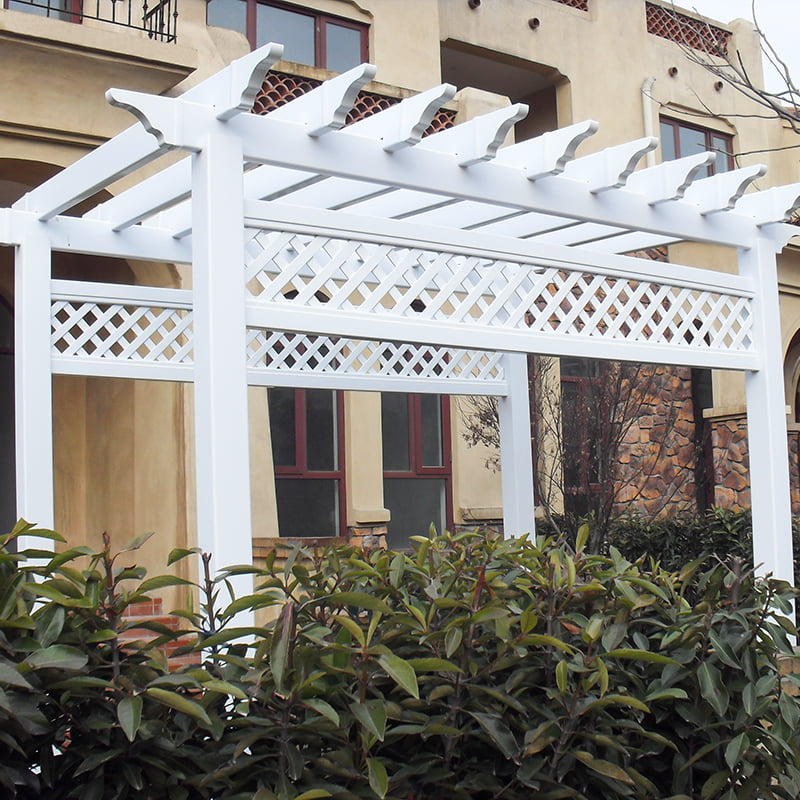
PVC arbors are anchored to the ground using one of three main methods depending on the soil type, the arbor design, and whether a permanent or semi-permanent installation is preferred. The most secure method for any permanent installation is setting the arbor posts into concreted ground sockets — steel spike or tube anchors driven or cast into the ground into which the PVC post slides and is secured with through-bolts. This creates a rigid, moisture-isolated connection between the PVC post and the ground that prevents post base deterioration and allows the post to be removed in future without disturbing the anchor if the structure needs to be relocated.
For softer soil conditions, screw-in ground anchors — helical steel spikes that are rotated into the ground using a bar or drill adapter — provide strong holding power without the need for concrete and without the disruption of excavation. The PVC post is placed over the anchor stem and secured with a through-bolt at the base. Screw anchors are particularly useful in lawn settings where avoiding concrete is preferable for future garden flexibility. In very hard or stony ground where neither driving nor screwing anchors is practical, surface-mounted post base flanges — steel plates bolted to a concrete pad or paving slab — provide a stable connection point, though they leave a visible base flange at ground level that some homeowners find aesthetically objectionable.
The post anchoring depth for a PVC arbor should be a minimum of 450–600mm below ground level for a standard arch arbor up to 2.4 meters tall. For taller structures or in exposed locations with frequent high winds, increase this to 600–750mm and use concrete around the anchor base. Before fixing posts permanently, confirm that all four posts are perfectly vertical using a spirit level checked on two perpendicular faces of each post, and confirm that the spacing between opposite posts matches the arbor's specified dimensions exactly. A difference of even 20–30mm between the top and bottom spacing of opposite posts will create a twist in the assembled structure that is difficult to correct once the overhead panels are attached.
Use a string line between the two front posts and between the two rear posts to confirm the posts are in-line along each side of the structure. An arbor where one post is slightly forward or back relative to its partner will produce a racking effect in the assembled overhead panels that places permanent lateral stress on the panel joints. Taking the time to get post positioning right before anchoring permanently avoids these structural problems and produces a finished structure that looks professionally installed rather than slightly skewed.
Most PVC arbors are shipped in partially pre-assembled sections — typically the side lattice panels as complete units, and the overhead arch or rafter components as individual pieces requiring assembly at installation. Follow the manufacturer's assembly sequence precisely, as PVC arbor joints are designed to be assembled in a specific order and attempting to shortcut the sequence often results in components that cannot be fitted without partially disassembling what was already completed. Use the fasteners supplied with the arbor — typically stainless steel or zinc-plated self-tapping screws — rather than substituting different hardware, as the specified fasteners are matched to the wall thickness of the PVC profiles being joined.
Do not over-tighten fasteners into PVC profiles. The material is strong in compression but can crack at a fastener location if a screw is driven too aggressively into a hollow-wall section. Drive screws until snug and the joint is secure, then stop — there is no benefit to the additional quarter-turn that a wood structure would tolerate, and the risk of cracking the PVC wall is real if power tools are used without a torque-limiting clutch setting.
One of the primary functions of any garden arbor is to support climbing plants, and a PVC vinyl arbor is well-suited to this role — provided the right plants are chosen and trained in a way that works with the structure's characteristics rather than against them. The smooth, non-porous surface of PVC does not provide the natural grip that rough-sawn timber offers to self-clinging climbers, so plant selection and training method need to account for this difference.
Self-clinging climbers that attach using aerial roots or adhesive pads — such as ivy, climbing hydrangea, or Virginia creeper — do not perform well on smooth PVC surfaces. These plants rely on microscopic surface texture or porosity to develop adhesion, and the smooth PVC face provides insufficient grip for reliable attachment. Attempting to grow these climbers on a PVC arbor typically results in them falling away from the surface rather than climbing it, particularly after rain when the smooth PVC is wet.
The following plant types are well-suited to PVC arbors and should be prioritized for best results:
The low-maintenance reputation of PVC arbors is well-deserved, but it benefits from a small amount of clarification. PVC does not rot, rust, or require repainting — those maintenance tasks are genuinely eliminated. What PVC does do is accumulate surface grime, green algae, and mildew in outdoor conditions, particularly in shaded or damp garden positions, and it can yellow or develop a chalky surface texture over many years in high-UV environments if the UV stabilizer content in the compound is inadequate. Managing these tendencies is straightforward and requires only occasional attention.
An annual wash-down with a garden hose and a soft brush using warm water with a small amount of mild detergent removes the majority of accumulated dirt, green algae, and surface staining from a PVC arbor in most garden conditions. For more persistent green staining on shaded lattice sections, a diluted solution of white vinegar or a proprietary PVC cleaning product applied with a soft cloth and left for a few minutes before rinsing will break down the organic growth effectively without damaging the PVC surface. Avoid pressure washers at close range on PVC arbors — the water pressure can force water into joints, loosen fasteners, and in some cases crack thinner PVC profiles if concentrated on a single point.
In high-UV climates or after many years of outdoor exposure, a PVC UV restorer and protectant spray — widely available from garden and hardware retailers — can rejuvenate the surface of a faded or chalky PVC arbor and slow the rate of future UV degradation. Apply the product to a clean, dry surface using a soft cloth and buff to a consistent sheen. This treatment is not a structural repair — it is a surface cosmetic treatment — but it measurably improves the appearance of UV-tired PVC and extends the period before the material reaches the end of its aesthetic service life.
The majority of PVC arbor problems encountered by homeowners — structures that lean, wobble, look out of scale, or fail to support climbing plants effectively — are the result of a small number of avoidable mistakes made during the selection or installation process. Being aware of these common errors makes them easy to sidestep.
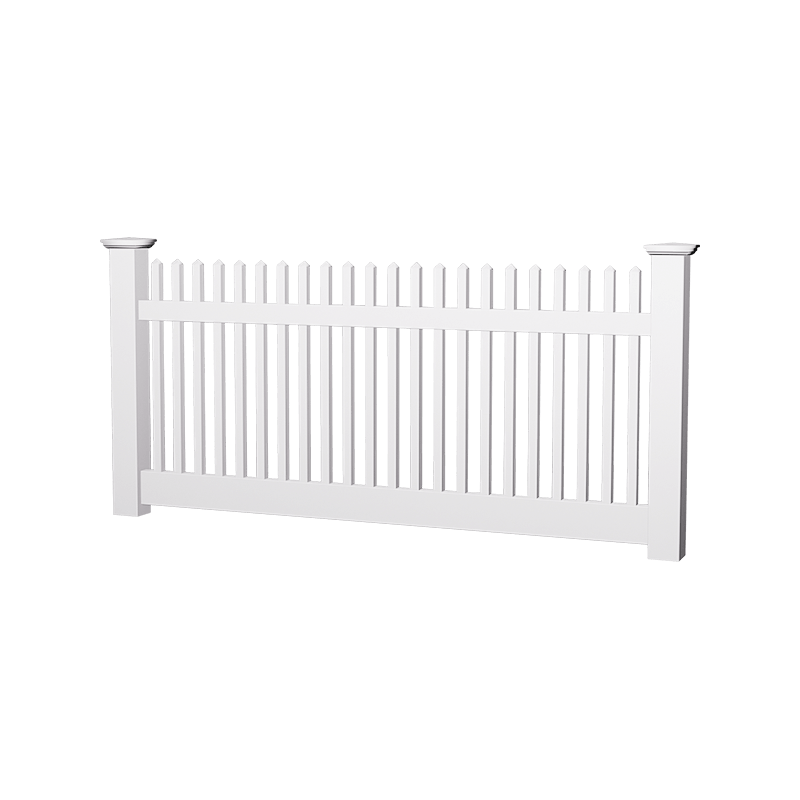
Our 1.5"x1.5" Horizontal Picket Fence, the ultimate garden solution made from 100% virgin PVC for unmatched durability and low maintenance. Designed for easy DIY installation, this fire-proof fence re...
See Details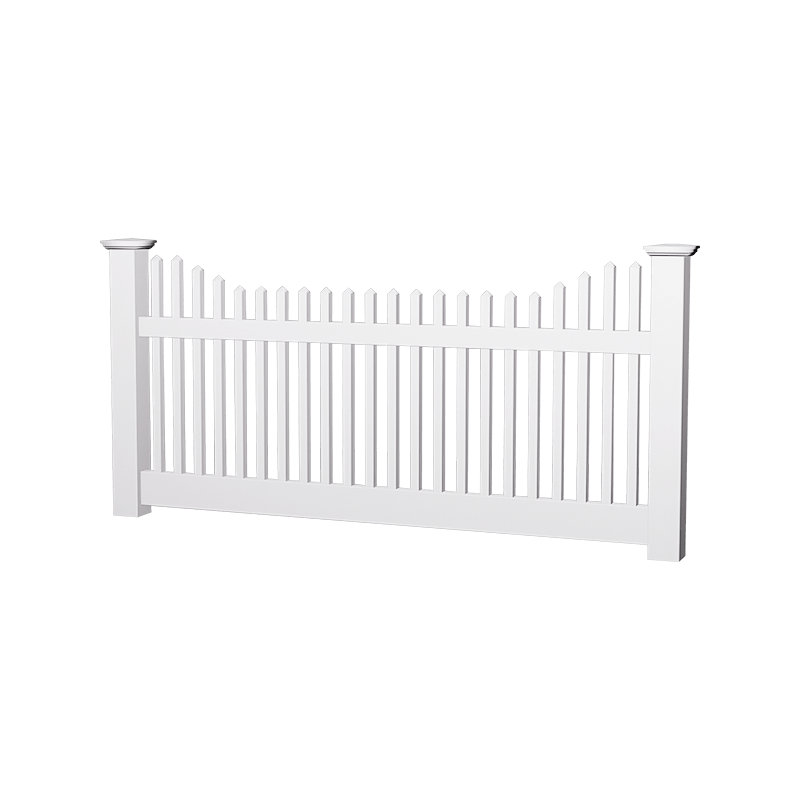
The Special-Shaped Picket Fence, the perfect addition to any home. Crafted from 100% virgin PVC, this fence combines durability and elegance with low maintenance requirements. Designed for easy DIY in...
See Details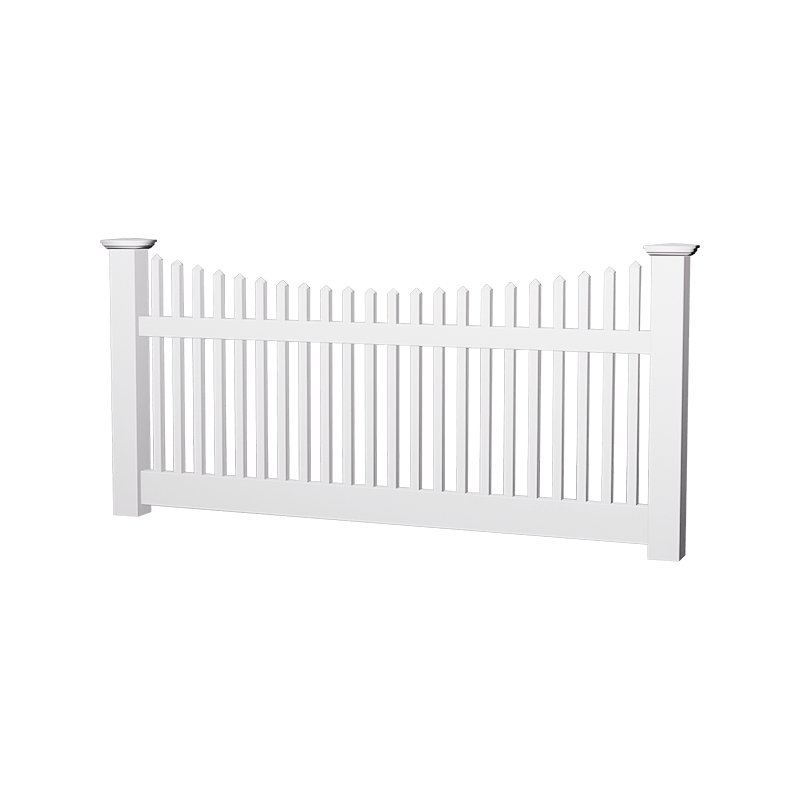
The Special-Shaped Picket Fence, the perfect addition to any home. Crafted from 100% virgin PVC, this fence combines durability and elegance with low maintenance requirements. Designed for easy DIY in...
See Details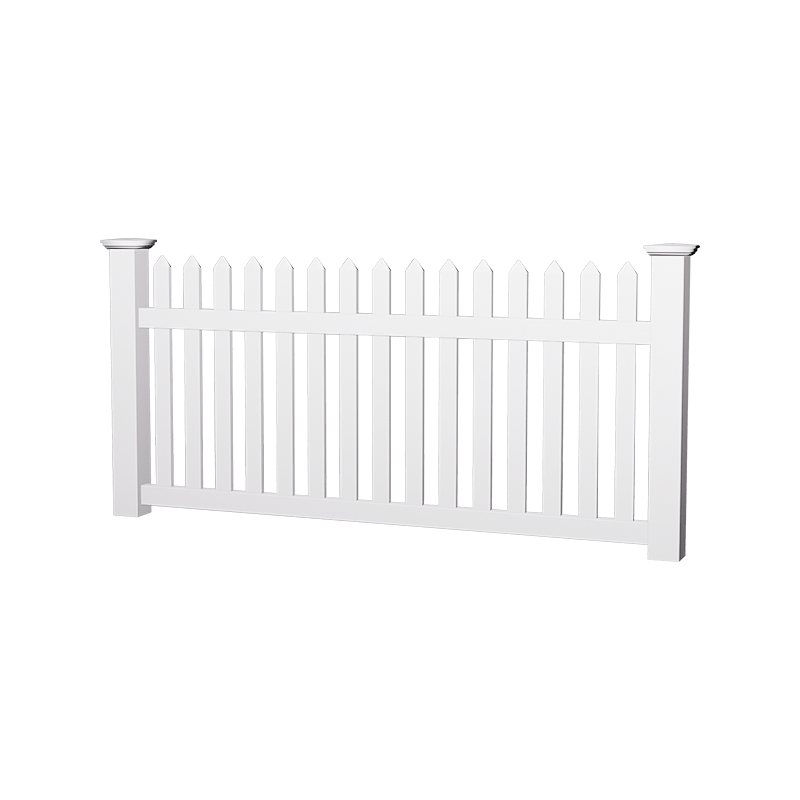
Enhance your home’s exterior with our Traditional Straight Spade Fence, crafted from 100% virgin PVC for exceptional durability and style. This low-maintenance solution is designed for easy installati...
See Details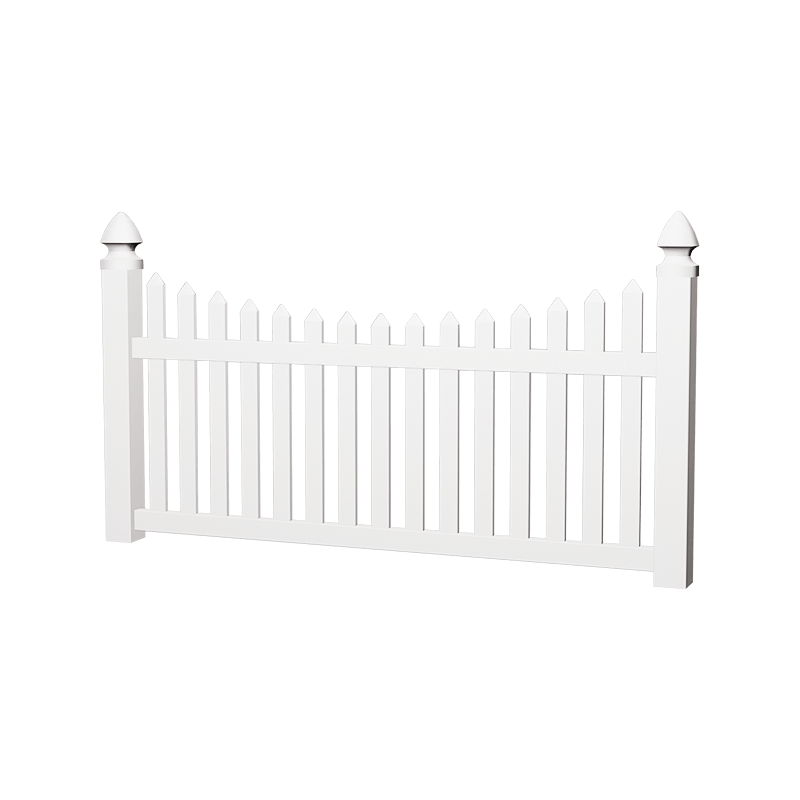
Transform your outdoor space with our 7/8"x3" Outdoor Picket Fence, specifically designed for farm use and outdoor applications. Crafted from 100% Virgin PVC, this durable and high-impact resistant fe...
See Details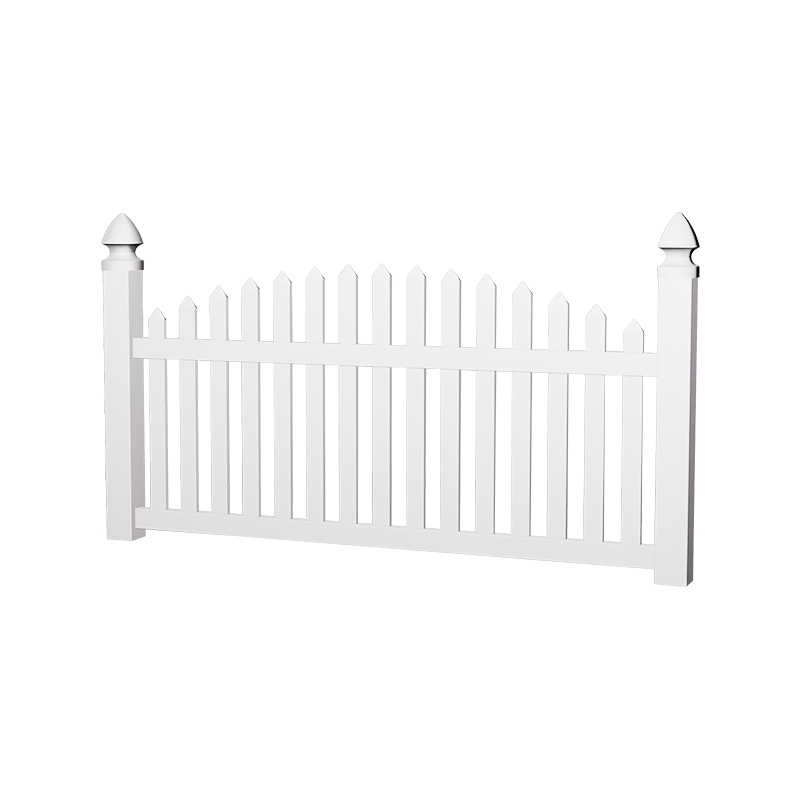
Enhance your farm's aesthetic and functionality with our PVC Arched Picket Fence. Crafted from 100% virgin PVC, this durable and stylish fencing solution combines the classic charm of traditional pick...
See Details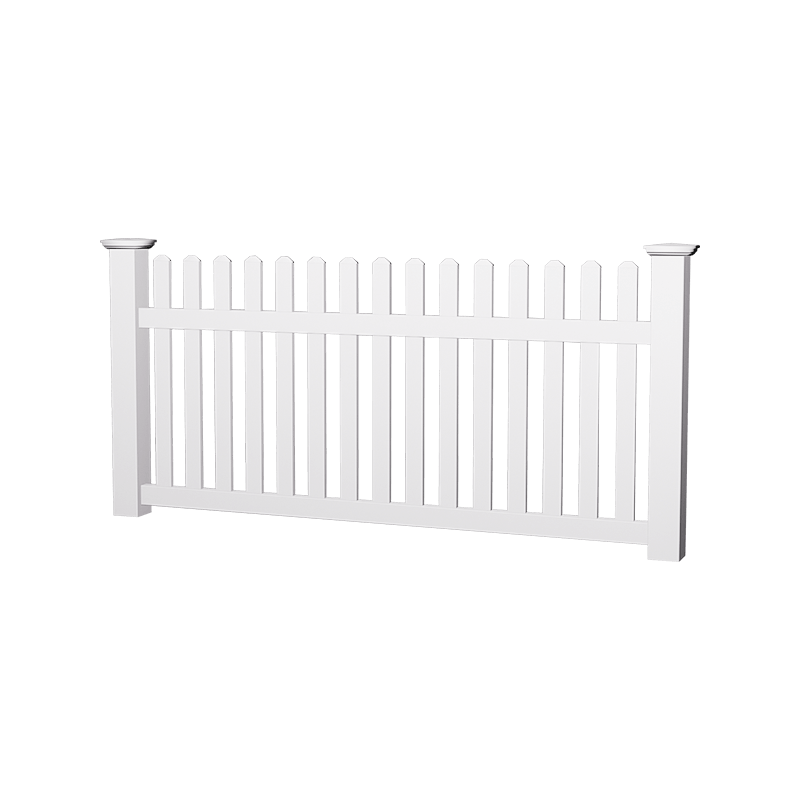
Our durable and versatile Picket Fence, designed specifically for farm use. Crafted from 100% virgin PVC plastic, this fence panel is not coated, ensuring superior quality and longevity. With dimensio...
See Details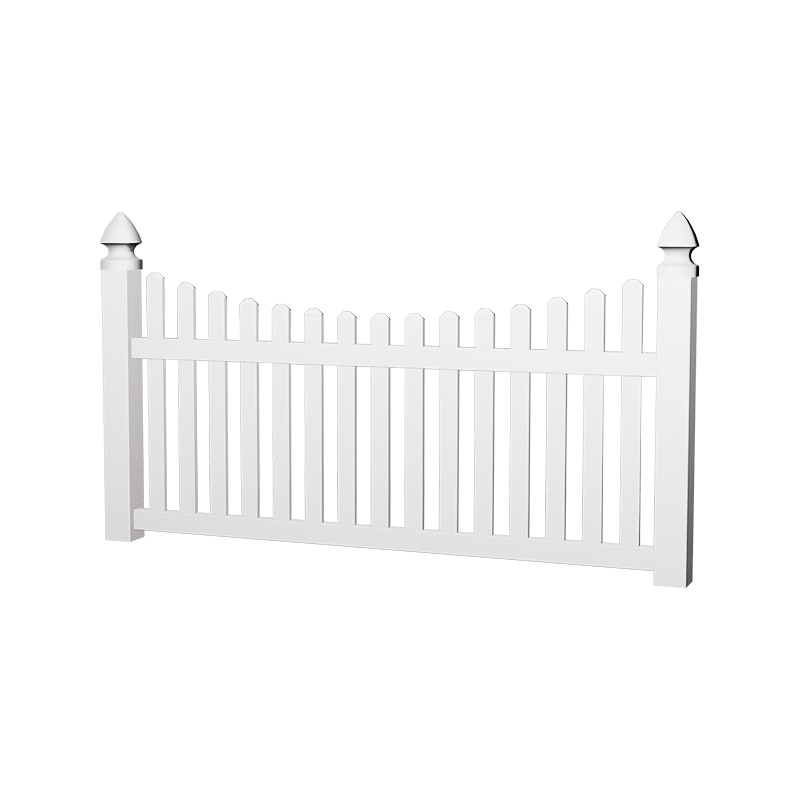
Introducing our 7/8"x3" Plastic Picket, designed specifically for farm applications. Crafted from 100% virgin PVC, this picket is not coated, ensuring maximum durability and resistance to impacts. Wit...
See Details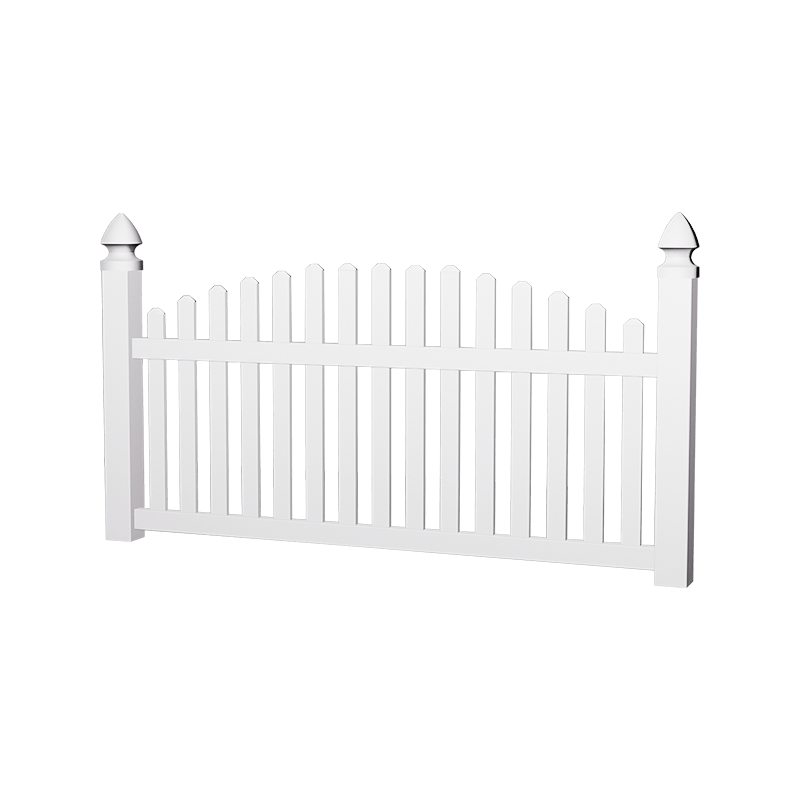
The Dog Ear Top Garden Fence, the ultimate solution for your farm fencing needs. Crafted from 100% virgin PVC, this fence is designed to withstand the elements without the worry of rot or decay, makin...
See Details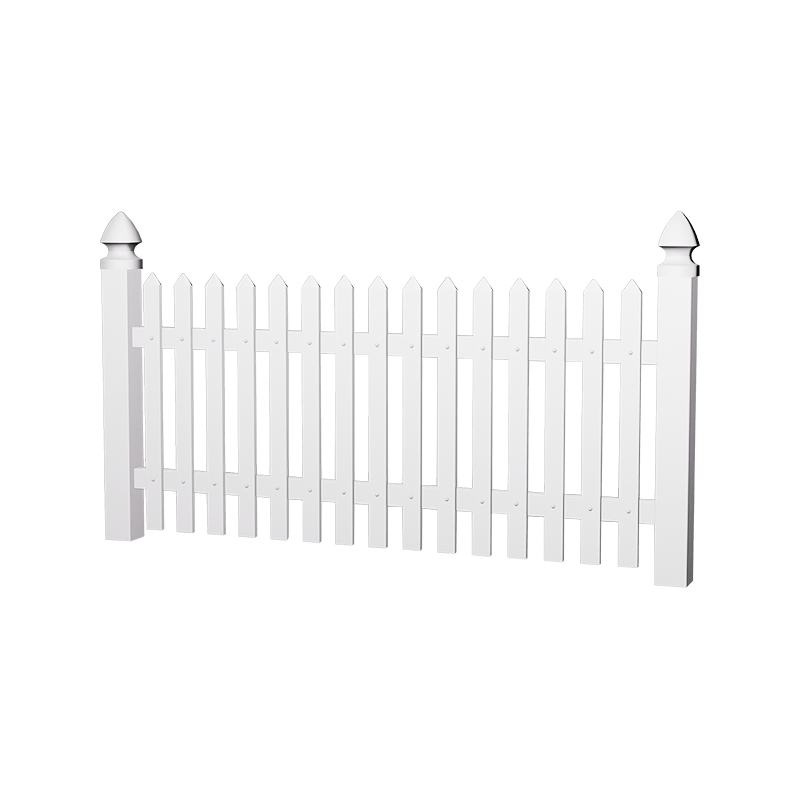
Decorate your outdoor spaces with our durable and stylish PVC Face Mounted Pickets Fence. Designed for easy installation and long-lasting performance, this fence is perfect for residential and commerc...
See Details
Our White Vinyl Fence, measuring 4'H x 8'W, designed for both functionality and aesthetics. Made from 100% virgin PVC plastic, this fence is not coated, ensuring unmatched durability and resistance to...
See Details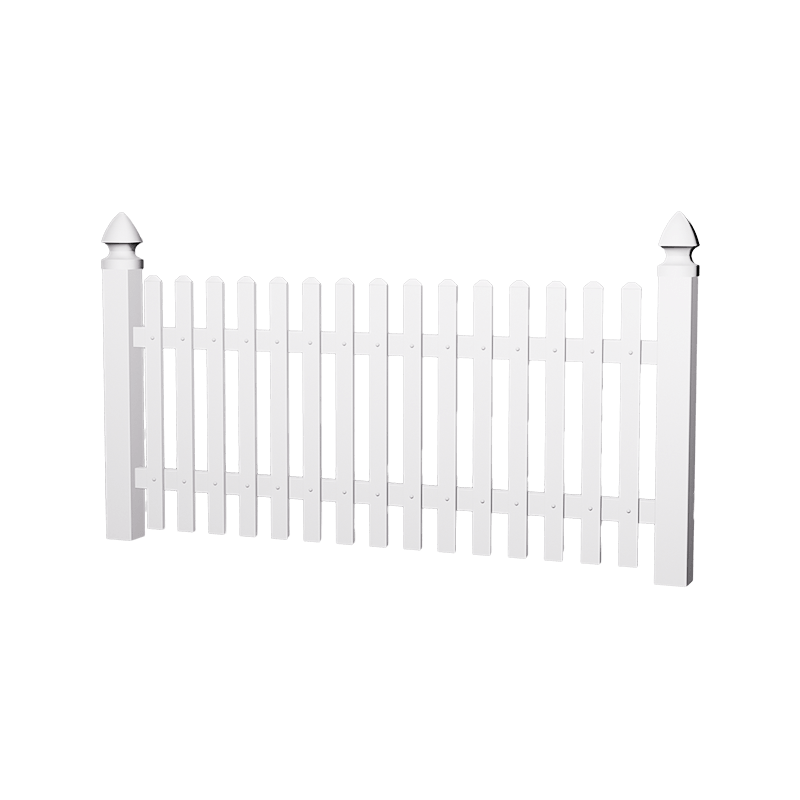
The Traditional Dog Ear Picket is an ideal choice for warehouses, combining aesthetic appeal with practicality. Made from 100% virgin PVC, this durable, low-maintenance fence resists rotting and water...
See Details
We are a professional manufacturer engaged in the research, development,
production, sale, and service of PVC fences and PVC flooring.
Contact Us
Mobile
Copyright © Deqing Huazhijie Railing & Fencing Co.,Ltd. All Rights Reserved.
 Custom Vinyl Fence Manufacturers
 English
 عربى
عربى 中文简体
中文简体 Español