Welcome to Huazhijie!
 +86-572-8086381 / 8282992
  hzjfence1@hzjfence.com


Mar 25, 2026
Content
A PVC pet fence is one of the most practical and increasingly popular solutions for pet owners who want to contain dogs, cats, rabbits, or other animals safely within a defined outdoor area. PVC — polyvinyl chloride — is a rigid plastic material that has been used in construction and outdoor applications for decades, and its properties translate particularly well to pet fencing. It does not rust, rot, splinter, or require painting. It holds up to rain, humidity, UV exposure, and temperature swings without the structural degradation that shortens the life of wood or the maintenance burden that comes with metal fencing. For pet owners who want a containment solution that looks clean, works reliably, and demands minimal upkeep over many years, a PVC pet fence checks a lot of important boxes.
The appeal goes beyond durability. PVC pet fencing is available in a wide range of styles, heights, and configurations — from simple modular panel systems assembled without tools to more permanent post-and-rail installations anchored into the ground. It comes in white, tan, grey, and other colors that complement outdoor spaces and garden aesthetics far more attractively than chain-link or welded wire alternatives. And because PVC is a smooth, splinter-free material, there is no risk of a curious or energetic pet injuring itself on sharp edges or rough surfaces during normal interaction with the fence.
That said, PVC pet fencing is not the right solution for every situation or every animal. Its performance as a containment barrier depends heavily on the specific fence design chosen, the installation method used, the size and behavior of the pet being contained, and whether the fence is configured to address the specific escape strategies — jumping, digging, pushing — that the animal is likely to attempt. This guide covers all of those practical considerations in enough detail to help you make a well-informed purchase and installation decision from the start.
PVC pet fencing is manufactured in several distinct product formats, each with different structural characteristics, installation requirements, and appropriate applications. Understanding the differences between these formats is the starting point for selecting the right product for your specific situation.
Modular PVC pet fence panels are perhaps the most accessible entry point into PVC pet fencing. These systems consist of individual flat panels — typically constructed from hollow PVC rails and vertical pickets assembled into a framed section — that connect to each other and to corner and post components using simple push-fit, clip, or bolt connections. The entire enclosure can be assembled and disassembled without tools or ground anchoring, making modular panel systems ideal for indoor use, apartment balconies, temporary outdoor containment areas, and situations where the fence needs to be relocated or reconfigured regularly.
Playpen-style PVC enclosures take this concept a step further, offering a fully self-contained circular or octagonal enclosure that can be set up anywhere in minutes and collapsed for storage or transport. These are particularly useful for small dogs, puppies, cats, rabbits, and other smaller pets that need a safe outdoor area without the need for a permanent fence installation. Their limitation is obvious: they are not anchored into the ground and can be pushed, toppled, or lifted by a determined or large animal, so they are most appropriate for supervised use and for animals that are not actively trying to escape.
Post-and-rail PVC pet fencing is the permanent installation option, designed to look and function like traditional timber post-and-rail fencing but using hollow or solid PVC components throughout. Posts are set into the ground — either concreted in for maximum stability or driven into the ground using post spikes in softer soil conditions — and horizontal rails slot through routed holes in the post sides or into bracket fittings. This system creates a rigid, ground-anchored fence line that can follow the perimeter of a yard, garden, or specific area in straight runs and around corners.
For pet containment purposes, post-and-rail PVC fences are often fitted with additional mesh or wire infill between the rails to close the gaps that a decorative post-and-rail design would leave open. Without infill, a standard two- or three-rail PVC fence provides a visual boundary and deters casual wandering but offers minimal physical barrier to a small or agile animal that can walk through, squeeze under, or jump over the open rail spacing. The combination of the PVC post-and-rail structure for aesthetics and strength with a discrete wire or plastic mesh infill for containment is a common and effective approach for dog runs, garden borders, and property perimeter fencing where appearance matters.
PVC picket fence — the classic white fence with evenly spaced vertical pickets between horizontal rails — is popular for front gardens and yard borders and can serve as an effective pet barrier when the picket spacing and fence height are selected to suit the specific animals being contained. Standard picket fencing with 75–100mm picket spacing is effective for medium and large dogs that are not inclined to dig or jump, but it is inadequate for small breeds that can fit through the gaps or for any dog that jumps enthusiastically. PVC picket fences for pet containment should be specified with narrow picket spacing — 40–50mm maximum for small dogs — and at a height that the specific animal cannot realistically clear, typically a minimum of 1.0–1.2 meters for most medium breeds and 1.5–1.8 meters for larger or more athletic dogs.
A closely related product category is PVC-coated wire mesh fencing — steel or galvanized wire mesh with a PVC coating applied over the wire surface for corrosion protection and a cleaner appearance. This product is sometimes referred to loosely as PVC pet fencing in retail contexts, though the structural element is metal rather than pure PVC. PVC-coated mesh fencing offers superior containment performance for small and agile animals due to its fine aperture sizing, and it is significantly more resistant to pushing and distortion than hollow PVC panel systems. The PVC coating provides good weather resistance and prevents the rust staining and sharp wire ends that uncoated galvanized mesh can develop over time. For applications requiring maximum containment security at a cost-effective price point — particularly for small dogs, rabbits, poultry, and cats — PVC-coated wire mesh fencing is often the most practical choice.
Fence height is the single most important specification for pet containment effectiveness, and it is one that is routinely underestimated by pet owners purchasing their first containment fence. The instinct is to estimate how high a pet can jump from a standing position and then choose a fence slightly taller than that estimate. This approach underestimates actual jumping capability — a motivated dog running toward a fence can achieve jump heights considerably greater than it can from standing — and it ignores the tendency for animals to test the fence repeatedly and find escape methods that were not anticipated during the initial assessment.
The table below provides general height recommendations for common pet types as a starting reference. These should be treated as minimum guidelines, not maximum safe heights — when in doubt, go taller:
| Pet Type | Minimum Recommended Height | Notes |
| Small dogs (under 10kg) | 0.9 – 1.0m | Focus on gap width — small breeds can squeeze through open rail designs |
| Medium dogs (10–25kg) | 1.2 – 1.5m | Higher for active or working breeds with strong jumping instinct |
| Large dogs (25–45kg) | 1.5 – 1.8m | Consider inward-angled topper for confirmed jumpers |
| Very large / athletic dogs | 1.8 – 2.0m+ | Breeds like Huskies, Malinois, and German Shepherds need maximum height |
| Cats | 1.8m minimum with overhang | Cats can scale most vertical fences — an inward-angled coyote roller or topper is essential |
| Rabbits | 0.9 – 1.0m | Bury base 150–300mm to prevent digging underneath |
Jump height gets most of the attention in pet fence planning, but digging is responsible for a significant proportion of escape incidents — particularly with terriers, huskies, beagles, dachshunds, and other breeds with strong digging instincts. A PVC pet fence that is perfectly adequate as a vertical barrier can be completely ineffective against a dog that simply digs under the base panel or post line.
The most reliable solution to digging is a physical underground barrier that extends the fence below the soil surface. For permanent PVC post-and-rail or picket fence installations, this can be achieved by attaching a strip of galvanized wire mesh or hardware cloth to the base of the fence and burying it horizontally outward — away from the enclosed area — at a depth of 150–300mm. This L-shaped underground extension is called an apron or dig guard, and it works by presenting an impenetrable barrier at the point where the dog is trying to dig through. A dog digging at the fence base very quickly encounters the buried mesh and typically gives up rather than attempting to dig further outward. The mesh does not need to be buried deep — it is the horizontal extension rather than the depth that defeats the digging behavior.
For modular or playpen-style PVC pet fence systems that sit on the surface without ground anchoring, an alternative approach is to use ground stakes or pegs to pin the base of the fence panels firmly to the soil, combined with placing paving slabs, large rocks, or a concrete border strip along the inside perimeter of the fence line. These physical deterrents make it difficult for the animal to access the base of the fence and begin digging. While not as foolproof as a buried apron, they are effective for most dogs and are practical in situations where burying an underground barrier is not feasible.
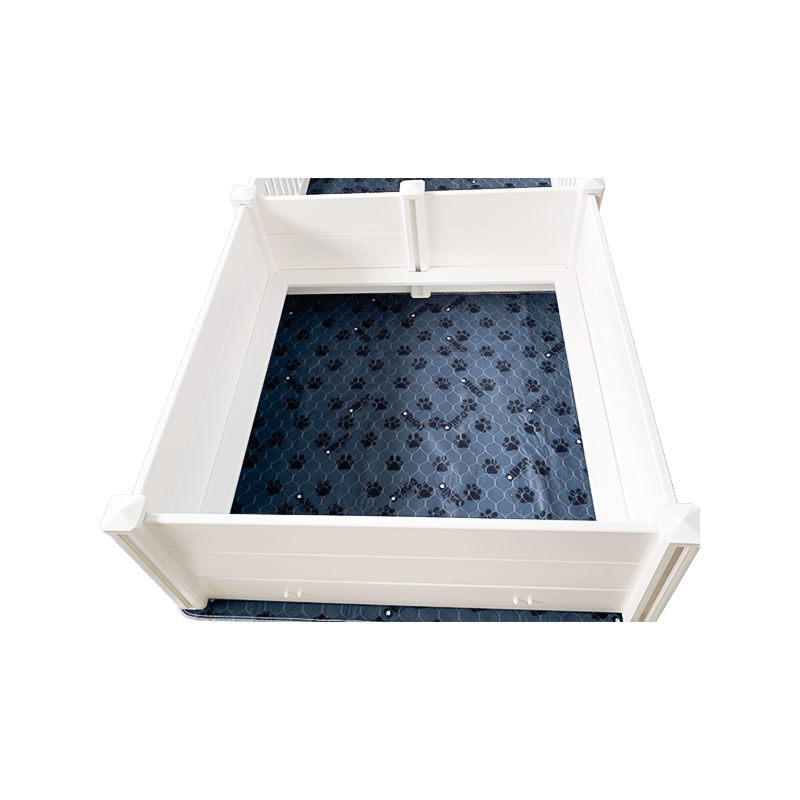
The quality of a PVC pet fence installation determines how long it will hold up and how well it will contain your pets. A fence assembled and installed correctly will remain rigid, stable, and visually attractive for many years. One installed with insufficient post depth, inadequate corner bracing, or skipped ground preparation will flex, lean, and develop gaps that compromise containment effectiveness long before the material itself reaches the end of its service life.
Begin with an accurate perimeter measurement of the area to be enclosed, noting the positions of all corners, gates, and any obstacles such as trees, garden beds, or existing structures that the fence line must work around. Most PVC fence systems are sold in standard panel lengths — typically 1.8 meters or 2.4 meters — so the total run length determines how many panels are required, with offcuts accounted for at corners and gate openings. Order a minimum of 5–10% extra material to cover measurement errors and breakage during installation. Gates should be specified at the same time as fence panels to ensure compatibility of post profiles, hinge fittings, and latch hardware.
Post setting is the most critical step in a permanent PVC pet fence installation. Posts that are too shallow or inadequately concreted will lean under wind loading and the lateral pressure of an animal pushing against the fence, creating gaps and eventually collapsing the fence line. As a general rule, a post should be set to a depth of at least one-third of its total length — so a 1.8-meter fence post should be set a minimum of 600mm below ground level. In soft or sandy soil, increase this to 700–750mm and use a concrete collar of at least 150mm diameter around the post base. In heavy clay soil that drains poorly, a gravel collar around the post base aids drainage and reduces the risk of frost heave lifting the post over winter.
Corner posts and gate posts carry higher loads than intermediate line posts and should always be concreted in, regardless of soil conditions. Use a spirit level to confirm each post is perfectly vertical before the concrete sets — once cured, a leaning post is extremely difficult to correct without excavating and resetting it from scratch. Allow concrete a minimum of 24–48 hours to cure adequately before attaching rails and panels and before applying any lateral load to the posts.
Once posts are set and cured, rails and panels are assembled according to the specific system's instructions — typically by sliding rail ends into routed post holes or bracket fittings and securing them with self-tapping screws or push-fit locking clips. Keep rail joints away from post centers where possible to maximize the structural continuity of the rail run. If fitting wire mesh or plastic mesh infill for small-animal containment, attach it to the inside face of the fence using galvanized staples, cable ties, or dedicated fence clips at intervals of no more than 150mm along each rail and post. Loose or infrequently secured mesh will bow, create gaps, and is more susceptible to being pushed through by a persistent animal.
One of the most often-cited reasons for choosing PVC over wood or metal for pet fencing is the low maintenance requirement. This reputation is well-earned — PVC genuinely does not require painting, staining, oiling, or rust treatment at any point in its service life. However, low maintenance does not mean zero maintenance, and a small amount of periodic attention keeps a PVC pet fence looking clean and performing at its best for many years longer than one that is completely ignored.
PVC pet fencing has clear strengths, but it is not the right material in every situation. A straightforward comparison against the main alternatives helps clarify where PVC genuinely excels and where another material might serve a specific application better.
The PVC pet fence market includes a wide range of products at different quality and price levels. Spending a few minutes evaluating the following factors before making a purchase protects against the frustration of receiving a product that looks adequate in photographs but underperforms in actual use.
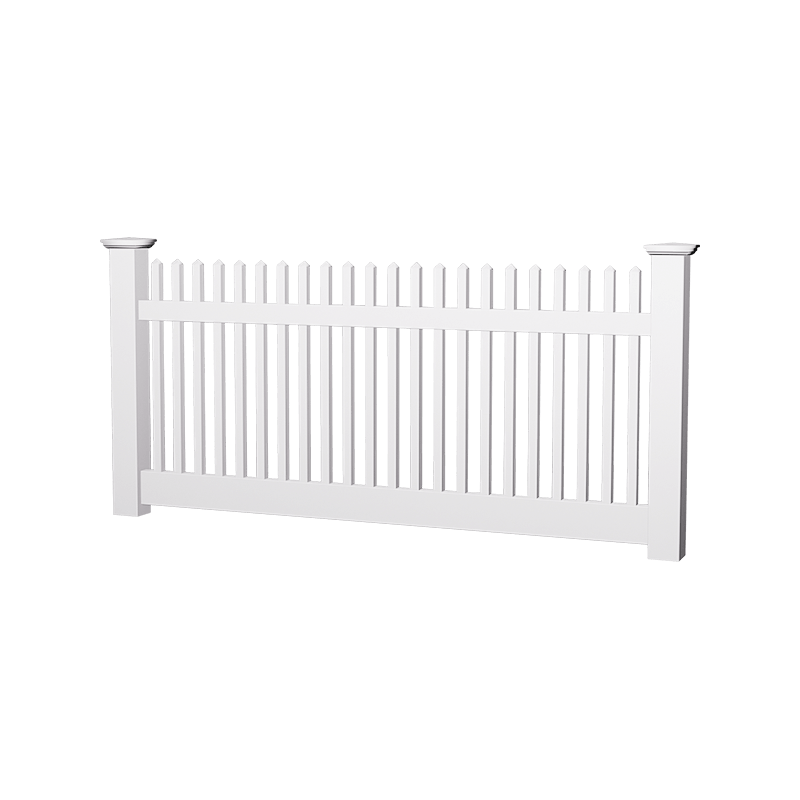
Our 1.5"x1.5" Horizontal Picket Fence, the ultimate garden solution made from 100% virgin PVC for unmatched durability and low maintenance. Designed for easy DIY installation, this fire-proof fence re...
See Details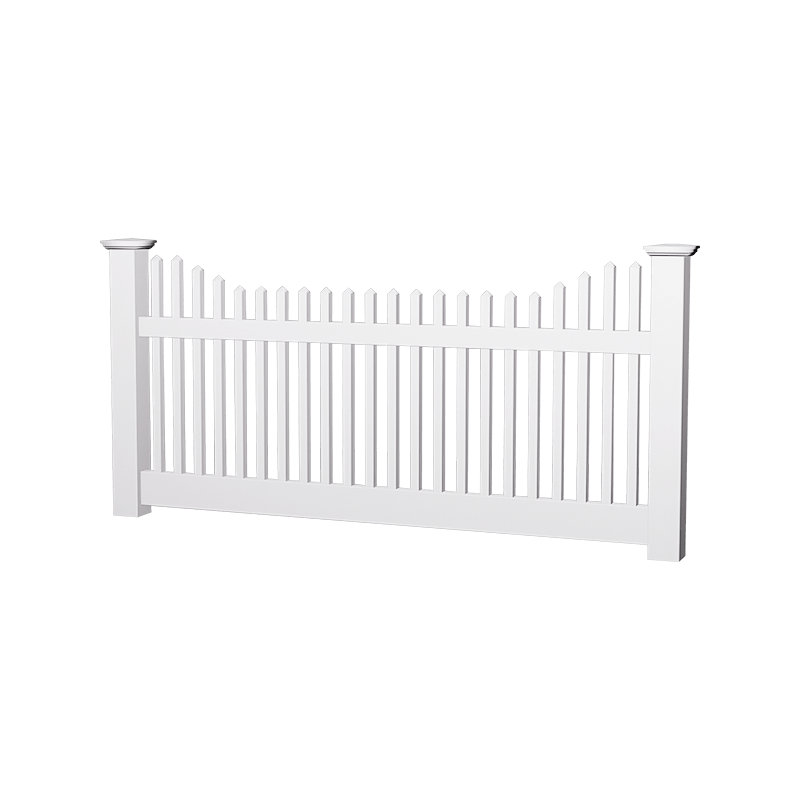
The Special-Shaped Picket Fence, the perfect addition to any home. Crafted from 100% virgin PVC, this fence combines durability and elegance with low maintenance requirements. Designed for easy DIY in...
See Details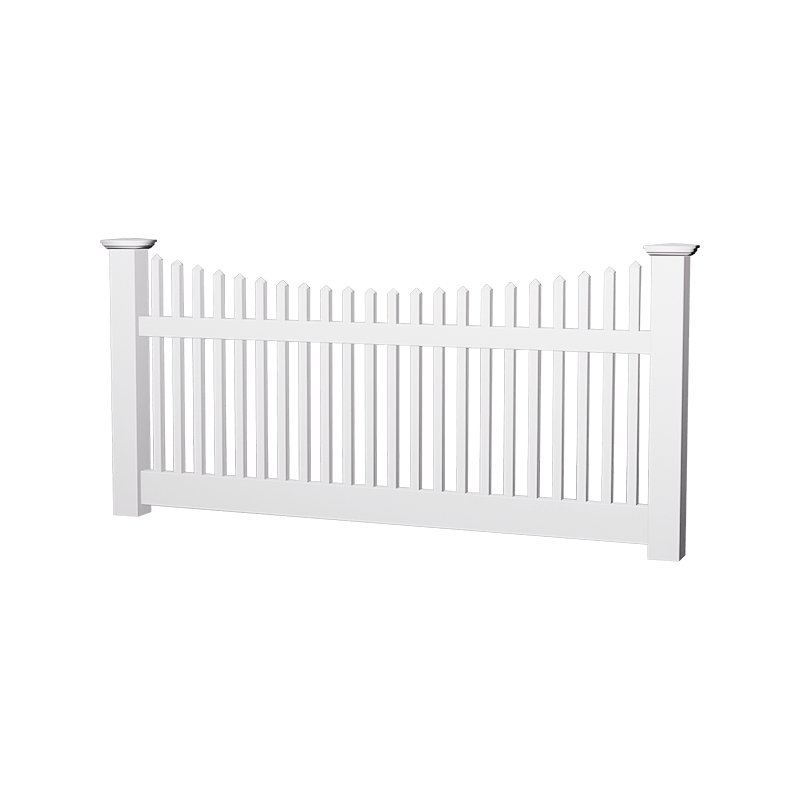
The Special-Shaped Picket Fence, the perfect addition to any home. Crafted from 100% virgin PVC, this fence combines durability and elegance with low maintenance requirements. Designed for easy DIY in...
See Details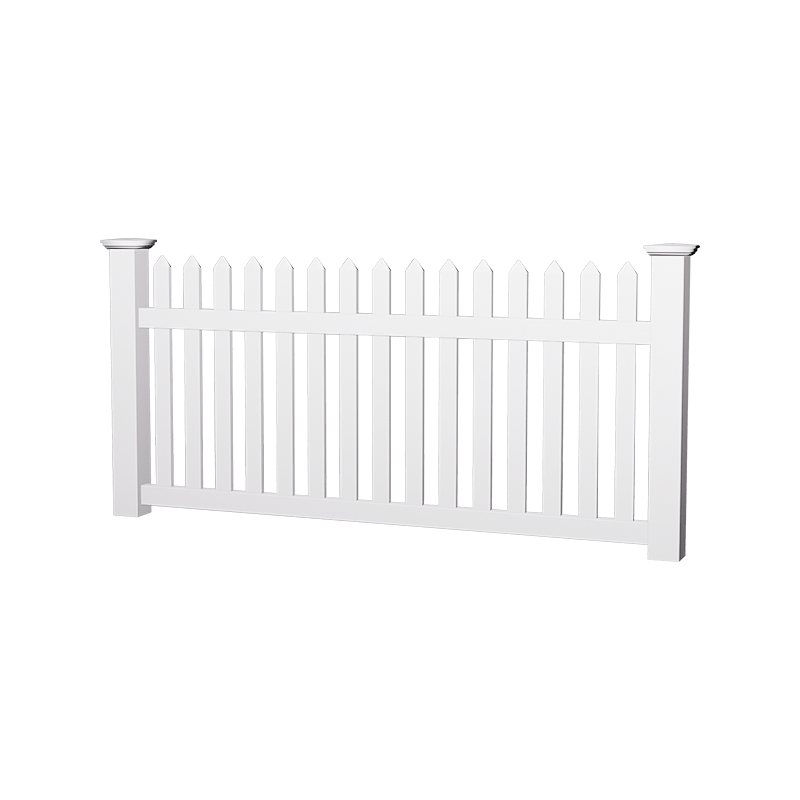
Enhance your home’s exterior with our Traditional Straight Spade Fence, crafted from 100% virgin PVC for exceptional durability and style. This low-maintenance solution is designed for easy installati...
See Details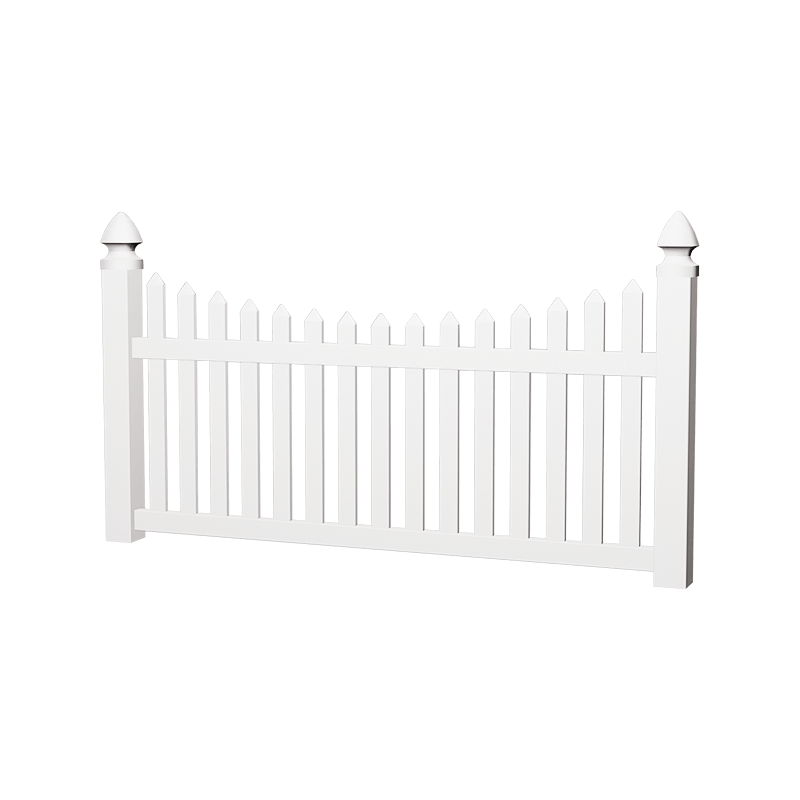
Transform your outdoor space with our 7/8"x3" Outdoor Picket Fence, specifically designed for farm use and outdoor applications. Crafted from 100% Virgin PVC, this durable and high-impact resistant fe...
See Details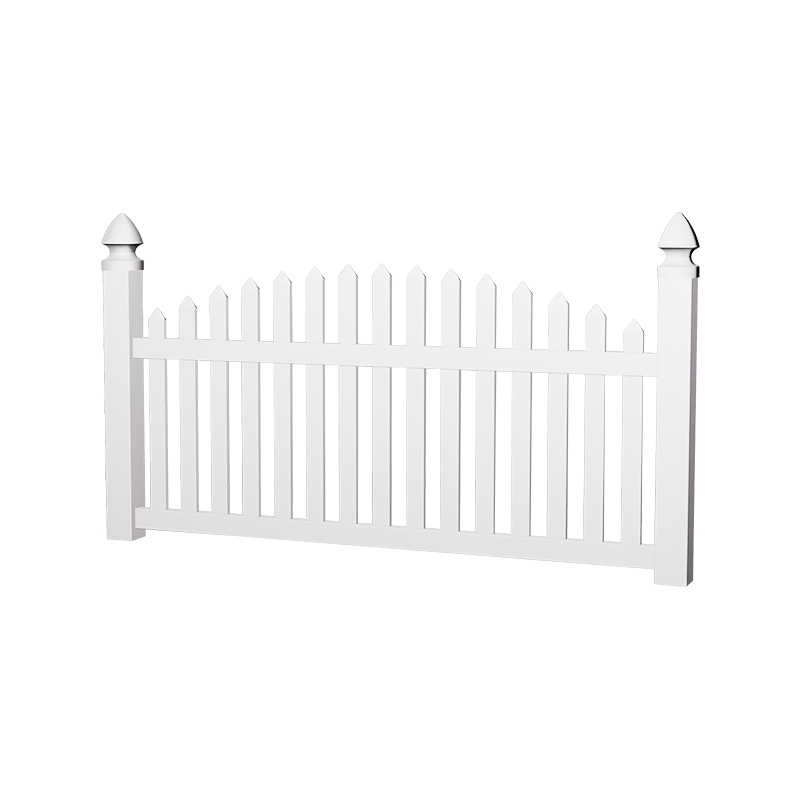
Enhance your farm's aesthetic and functionality with our PVC Arched Picket Fence. Crafted from 100% virgin PVC, this durable and stylish fencing solution combines the classic charm of traditional pick...
See Details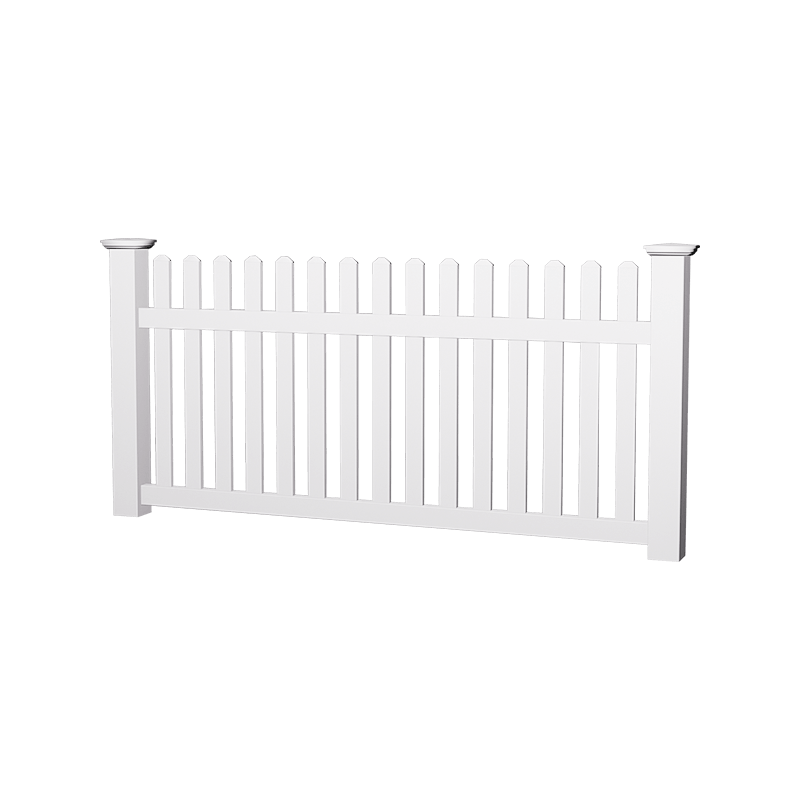
Our durable and versatile Picket Fence, designed specifically for farm use. Crafted from 100% virgin PVC plastic, this fence panel is not coated, ensuring superior quality and longevity. With dimensio...
See Details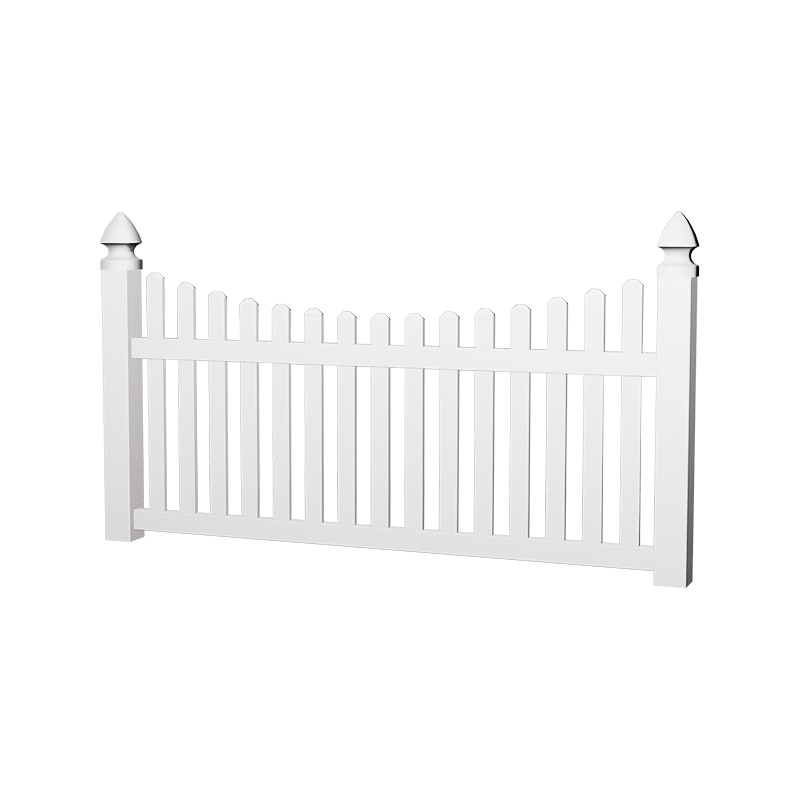
Introducing our 7/8"x3" Plastic Picket, designed specifically for farm applications. Crafted from 100% virgin PVC, this picket is not coated, ensuring maximum durability and resistance to impacts. Wit...
See Details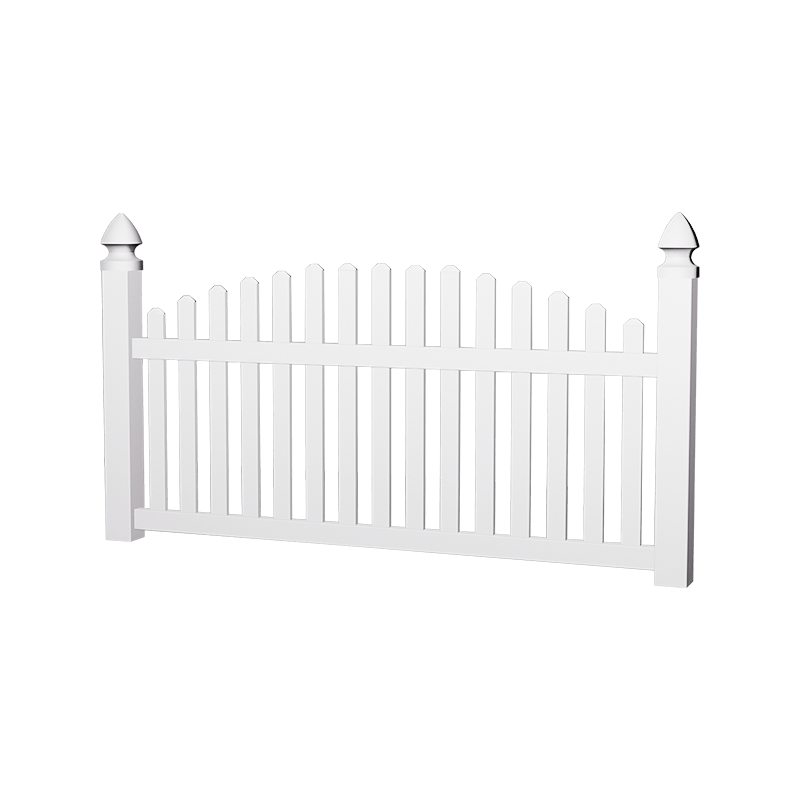
The Dog Ear Top Garden Fence, the ultimate solution for your farm fencing needs. Crafted from 100% virgin PVC, this fence is designed to withstand the elements without the worry of rot or decay, makin...
See Details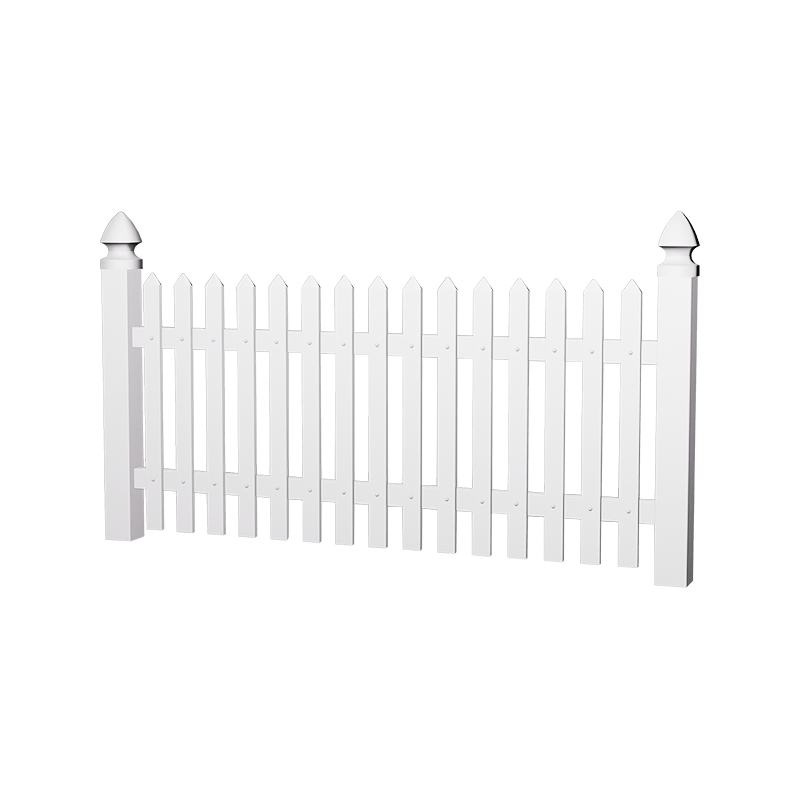
Decorate your outdoor spaces with our durable and stylish PVC Face Mounted Pickets Fence. Designed for easy installation and long-lasting performance, this fence is perfect for residential and commerc...
See Details
Our White Vinyl Fence, measuring 4'H x 8'W, designed for both functionality and aesthetics. Made from 100% virgin PVC plastic, this fence is not coated, ensuring unmatched durability and resistance to...
See Details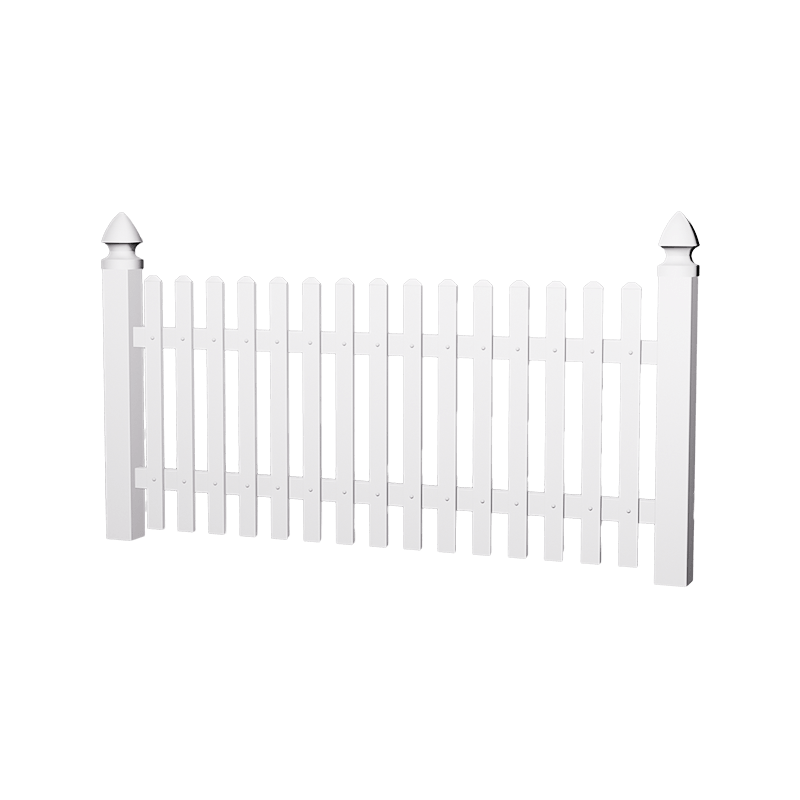
The Traditional Dog Ear Picket is an ideal choice for warehouses, combining aesthetic appeal with practicality. Made from 100% virgin PVC, this durable, low-maintenance fence resists rotting and water...
See Details
We are a professional manufacturer engaged in the research, development,
production, sale, and service of PVC fences and PVC flooring.
Contact Us
Mobile
Copyright © Deqing Huazhijie Railing & Fencing Co.,Ltd. All Rights Reserved.
 Custom Vinyl Fence Manufacturers
 English
 عربى
عربى 中文简体
中文简体 Español