Welcome to Huazhijie!
 +86-572-8086381 / 8282992
  hzjfence1@hzjfence.com


Mar 18, 2026
Content
PVC decking is an outdoor deck board manufactured entirely from polyvinyl chloride — a synthetic polymer that contains no wood fiber, no organic material, and no cellulosic content of any kind. This 100% plastic composition is the defining characteristic that separates PVC deck boards from composite decking, which blends wood fiber with plastic binders, and from wood-plastic composite (WPC) products that contain varying percentages of sawdust or rice hulls. Because PVC decking contains no organic material, it cannot absorb moisture, cannot support mold or mildew growth as a food source, and cannot rot — three of the most persistent and costly failure modes that affect wood and wood-composite decking systems over time.
PVC deck boards are manufactured through an extrusion process in which PVC resin is blended with stabilizers, impact modifiers, pigments, and processing aids, then forced through a die that shapes the board's cross-sectional profile. The resulting boards are available in solid and cellular (foamed) constructions — cellular PVC decking, which contains a foamed internal structure with a dense outer skin, is the dominant product in the residential market because it reduces board weight, minimizes thermal expansion, and provides a workability similar to softwood lumber for cutting and fastening operations. Understanding the material science behind PVC decking helps buyers evaluate performance claims, compare products across brands, and set realistic expectations for installation and long-term behavior in their specific climate.
The performance advantages of PVC decking over pressure-treated wood, hardwood, and wood-composite decking alternatives are substantial and well-documented after decades of real-world installation data. These advantages are not marketing claims — they derive directly from the material's fundamental chemistry and physical properties, and they translate into measurable differences in maintenance cost, longevity, and performance across the full lifecycle of a deck installation.
PVC deck boards do not absorb water. Unlike pressure-treated pine, cedar, or wood-composite decking that absorbs moisture during rain events and releases it during dry periods — a repeated wet-dry cycle that causes wood fibers to swell, shrink, check, splinter, and eventually delaminate — PVC decking maintains its dimensions regardless of rainfall, humidity, or prolonged water immersion. This impermeability makes PVC deck boards the material of choice for docks, pool surrounds, waterfront decks, and rooftop deck applications where the decking will be in near-continuous contact with water. The moisture resistance also eliminates the fungal decay that renders wood decking structurally compromised within 10 to 20 years in high-humidity climates, even when pressure-treated with preservative chemicals.
Mold and mildew require an organic food source to colonize a surface — and PVC provides none. While surface biofilm can develop on any outdoor surface given sufficient dust accumulation and moisture, PVC deck boards do not provide the embedded organic substrate that allows mold to permanently discolor and structurally compromise composite and wood decking. Surface contamination on PVC decking is typically removable with standard household cleaners, a garden hose, and a soft brush — a maintenance requirement measured in minutes rather than the annual power washing, sanding, and refinishing cycles that wood decking demands. This low-maintenance characteristic has significant practical and economic value for homeowners in humid climates where wood and composite decking develops visible mold within a single season.
Termites, carpenter ants, and marine wood borers cannot damage PVC decking because there is no cellulose for them to consume. In coastal and tropical regions where subterranean termite pressure is severe, PVC deck boards eliminate the chronic maintenance and replacement costs associated with wood decking that requires ongoing chemical treatment to resist insect damage. Marine installations — piers, floating docks, boat lifts, and tidal-zone decking — benefit equally from PVC's immunity to teredo worms and gribble crustaceans that reduce untreated wood decking to structural failure within a few years of saltwater exposure.
The smooth, dense outer skin of cellular PVC deck boards does not splinter, check, or develop surface fractures with age — a significant barefoot safety advantage for pool decks and family-use outdoor spaces. Wood decking that has undergone several seasons of weathering develops surface checks and splinters that present genuine injury risk and require sanding before refinishing. PVC decking requires no annual sealing, staining, or painting to maintain its appearance or structural integrity — the color and surface texture are inherent to the material and do not require topical treatment to protect the underlying substrate. This absence of an annual maintenance cycle represents a substantial time and cost saving over the 25 to 30-year expected service life of a quality PVC deck installation.
Choosing between PVC decking, composite decking, and wood involves trade-offs across performance, aesthetics, installation, and total cost of ownership. The comparison table below provides a structured side-by-side evaluation of the most important decision criteria across all three material categories.
| Performance Factor | PVC Decking | Composite Decking | Pressure-Treated Wood |
| Moisture Resistance | Excellent — 0% absorption | Good–Excellent (capped) / Poor (uncapped) | Poor — absorbs and releases moisture |
| Mold / Mildew Resistance | Excellent | Good (capped) / Moderate (uncapped) | Poor without treatment |
| Maintenance Requirements | Very Low — periodic cleaning only | Low — periodic cleaning | High — annual seal/stain/sand |
| Splinter Risk | None | None | High after weathering |
| Thermal Expansion | Moderate — requires gap spacing | Moderate — requires gap spacing | Low — minimal expansion |
| Heat Retention | Moderate — lighter colors stay cooler | Moderate to High | Low — stays relatively cool |
| Upfront Cost | High ($5–$12+ per linear ft) | Medium–High ($3–$10 per linear ft) | Low ($1–$3 per linear ft) |
| Expected Service Life | 25–50 years | 20–30 years | 10–20 years with maintenance |
| Environmental Impact | Moderate — recyclable PVC | Good — uses recycled content | Mixed — chemical treatment concerns |
The total cost of ownership calculation strongly favors PVC decking and capped composite decking over pressure-treated wood when the full 25-year lifecycle is analyzed. While wood's lower initial material cost appears attractive, the cumulative cost of annual maintenance products, labor, and eventual full replacement within 15 to 20 years in most climates typically produces a total lifecycle cost higher than the one-time installation cost of quality PVC deck boards that require only periodic cleaning for their entire service life.
The vast majority of residential PVC decking products on the market use cellular foam construction rather than solid PVC extrusion. Understanding the structural differences between cellular and solid PVC decking helps buyers evaluate product quality, recognize meaningful performance distinctions between brands, and avoid the confusion created by superficially similar products with significantly different performance profiles.
Cellular PVC decking is produced through a co-extrusion process that creates a foamed internal cell structure — microscopic air voids distributed throughout the board's interior — surrounded by a dense, smooth outer skin layer. This construction reduces board weight by 30 to 50 percent compared to equivalent solid PVC extrusions of the same dimensions, which simplifies handling and installation on elevated deck structures and reduces the live load applied to the framing system. The cellular interior also acts as a thermal break that limits the temperature differential between the top surface skin and the board's core during high-temperature summer conditions, reducing the thermal gradient that drives dimensional change. Solid PVC decking products are heavier, more rigid, and typically used in commercial or industrial applications where maximum structural stiffness under high load is required rather than the workability and weight considerations that favor cellular construction in residential decking.
Premium cellular PVC decking incorporates a distinct cap stock layer — a separately extruded outer shell of denser, UV-stabilized PVC compound — that encapsulates the foamed core on all four sides of the board. This four-sided cap construction provides a hard, wear-resistant surface with enhanced UV stability that resists fading more effectively than single-sided cap products, and prevents moisture and debris from entering through board edges or the bottom face over time. The cap stock layer is also the surface on which embossed wood grain textures, color variegation, and edge detailing are applied — the aesthetic quality of the cap layer determines how convincingly the PVC decking mimics the appearance of natural wood grain. Multi-layer cap constructions from premium manufacturers such as Azek, TimberTech, and Fiberon PVC lines use mineral-filled or acrylic-enhanced cap formulations that further improve scratch resistance, stain resistance, and long-term color retention beyond what standard PVC cap compounds provide.
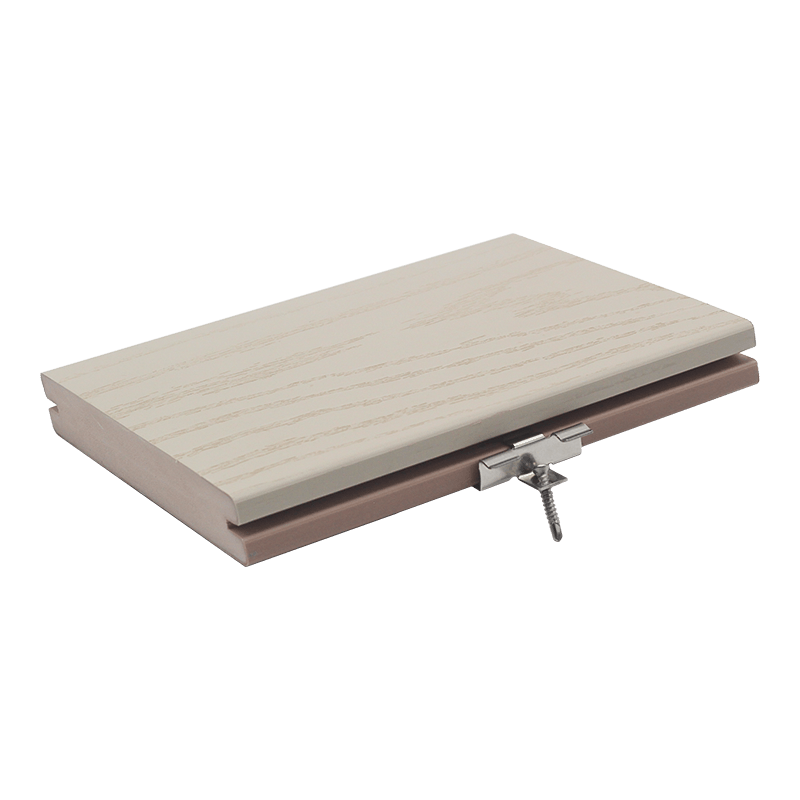
Thermal expansion is the most important technical consideration in PVC decking installation that distinguishes it from wood decking installation practice. PVC has a significantly higher coefficient of thermal expansion than wood — cellular PVC decking can expand and contract by 1/8 inch or more per 12-foot board length between winter cold and summer heat — and failure to accommodate this movement during installation produces boards that buckle, crown, or pull from fasteners as temperatures fluctuate seasonally.
All PVC decking manufacturers specify minimum end gaps — the spacing between the ends of adjacent boards in the same run, and between board ends and any fixed structure such as a house wall, post, or fascia board. These gaps provide the space for boards to expand longitudinally without creating compressive stress between butted ends. Typical end gap requirements range from 1/8 inch to 1/4 inch between board ends, and 1/4 inch to 1/2 inch between board ends and fixed structures. The correct gap size depends on the temperature at the time of installation — boards installed during cold weather should be gapped at the maximum specified dimension because they will expand more as temperatures rise, while boards installed during the hottest period of summer require only the minimum specified gap because they are near their maximum expanded dimension at installation. Most manufacturers provide an installation temperature adjustment table that specifies the correct end gap for installation temperatures ranging from below 40°F to above 90°F.
In addition to end gaps, PVC deck boards require consistent side gaps between board edges to allow minor transverse expansion and to facilitate drainage and ventilation beneath the deck surface. Hidden fastener clip systems — proprietary plastic or stainless steel clips that engage the grooved edges of PVC deck boards and fasten to the joist top — maintain consistent side spacing automatically while concealing all fastener hardware from the deck surface view. Hidden fastener systems are strongly recommended for PVC decking because they allow boards to float and expand without the constraint that face-screwed fasteners impose at the fastener locations, which can cause surface splitting or fastener pull-through in cellular PVC if thermal movement forces are not accommodated. When face screwing is required — at board ends, picture frame borders, or structural attachment points — pre-drilling and using fasteners sized to allow slight board movement around the fastener shank reduces stress concentration at fastener penetrations.
PVC deck boards have specific framing requirements that differ in some important respects from wood decking installation, and following manufacturer specifications for joist spacing, blocking, and ventilation is essential for achieving a flat, stable deck surface that performs as designed throughout its service life.
Most residential cellular PVC decking products are rated for maximum joist spacing of 16 inches on center when boards are installed perpendicular to the joists — the standard installation orientation. For diagonal installations — where boards cross joists at 45 degrees — the maximum joist spacing must be reduced to 12 inches on center because the diagonal span between joist contacts is geometrically longer than the perpendicular span at the same joist spacing. Exceeding the manufacturer's maximum joist spacing specification produces visible board deflection between joists under foot traffic loads, and in extreme cases can cause permanent deformation of the cellular PVC board structure that cannot be corrected without replacement. Verify joist spacing specifications for the specific product being installed before framing construction begins, as these requirements vary between manufacturers and board thicknesses.
PVC deck board ends require solid bearing support at all butt joints and at board ends terminating at the deck perimeter. This means installing double joists or solid blocking wherever board ends will be located within the framing layout — a framing requirement that must be planned into the structural design before decking installation begins. Without solid bearing at board ends, the unsupported end of a cellular PVC board can deflect under foot traffic load and over time develops a visible step at the joint location. The butt joint location planning should account for the thermal expansion gap required at each joint so that the blocking is positioned to provide bearing on both sides of the gap without the board ends overhanging the bearing surface.
Although PVC decking itself does not rot, the wood framing beneath it does — and ensuring adequate ventilation and drainage beneath a PVC deck surface protects the structural framing and prevents the moisture accumulation that accelerates corrosion of metal fasteners and hardware. Maintain a minimum clearance of 12 inches between the ground and the underside of the lowest framing member wherever possible, and ensure the ground beneath an enclosed deck is graded to drain away from the structure. In applications where clearance is restricted, use pressure-treated framing rated for ground contact and stainless steel or hot-dipped galvanized fasteners throughout the joist and beam structure to resist corrosion in the reduced-ventilation environment beneath a low-clearance PVC deck.
The aesthetic range of PVC decking has expanded dramatically over the past decade, moving well beyond the early generation of uniform-color, smooth-surface boards that bore little resemblance to natural wood. Premium PVC deck board lines now offer variegated color streaking, deeply embossed realistic wood grain textures, wire-brushed and hand-scraped surface profiles, and a color palette that spans the full range from light blonde ash tones to rich dark walnut and tropical hardwood-inspired hues.
One of PVC decking's most marketable characteristics is its low maintenance requirement, but "low maintenance" does not mean "no maintenance." A straightforward annual cleaning routine keeps PVC deck boards looking their best, prevents the surface biofilm accumulation that causes premature discoloration, and allows early detection of any installation issues that should be addressed before they become structural concerns.
For standard dirt, dust, and general surface soiling, rinsing the deck with a garden hose and scrubbing lightly with a soft-bristle brush using a mild dish soap or purpose-formulated composite and PVC deck cleaner removes most surface contamination effectively. Always scrub in the direction of the board's embossed grain pattern to avoid creating cross-grain scratches visible against the textured surface. For stubborn tannin stains from leaves and organic debris, or for early-stage biofilm development, a diluted solution of deck brightener or oxalic acid-based cleaner applied with a soft brush and rinsed thoroughly restores the original surface appearance without damaging the PVC cap stock. Avoid using chlorine bleach on PVC decking with colored cap stock, as prolonged bleach contact can affect color stability in some formulations — consult the manufacturer's cleaning guidelines before applying any chemical cleaner.
Pressure washing can be used on PVC decking but requires careful technique to avoid surface damage. Use a fan tip nozzle rather than a concentrated stream, maintain a minimum distance of 8 to 10 inches between the nozzle and the deck surface, keep pressure below 1,500 psi, and always direct the spray at an angle that follows the embossed grain pattern rather than perpendicular to it. High-pressure water directed into the board end grain or into the gap between boards can force water behind the fascia board and into the framing area — a moisture management concern that careful spray angle avoids. Avoid steam cleaning PVC decking, as elevated temperatures above the material's design range can cause localized softening and permanent surface deformation.
The PVC decking market is led by a small number of brands that have established long performance track records and comprehensive product warranties. Understanding what distinguishes these brands helps buyers evaluate product quality and warranty terms with greater confidence than marketing materials alone provide.
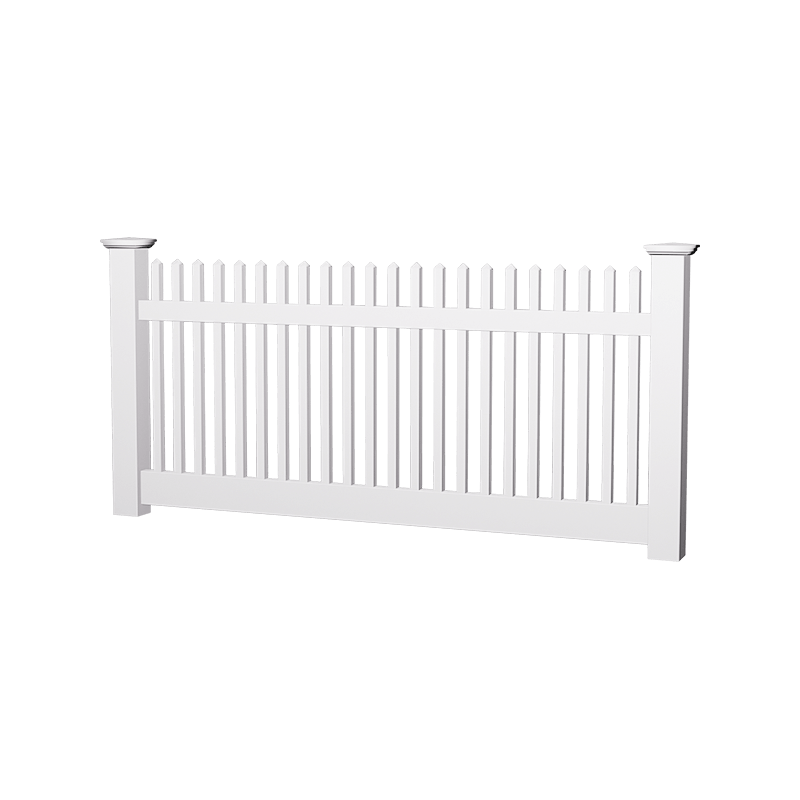
Our 1.5"x1.5" Horizontal Picket Fence, the ultimate garden solution made from 100% virgin PVC for unmatched durability and low maintenance. Designed for easy DIY installation, this fire-proof fence re...
See Details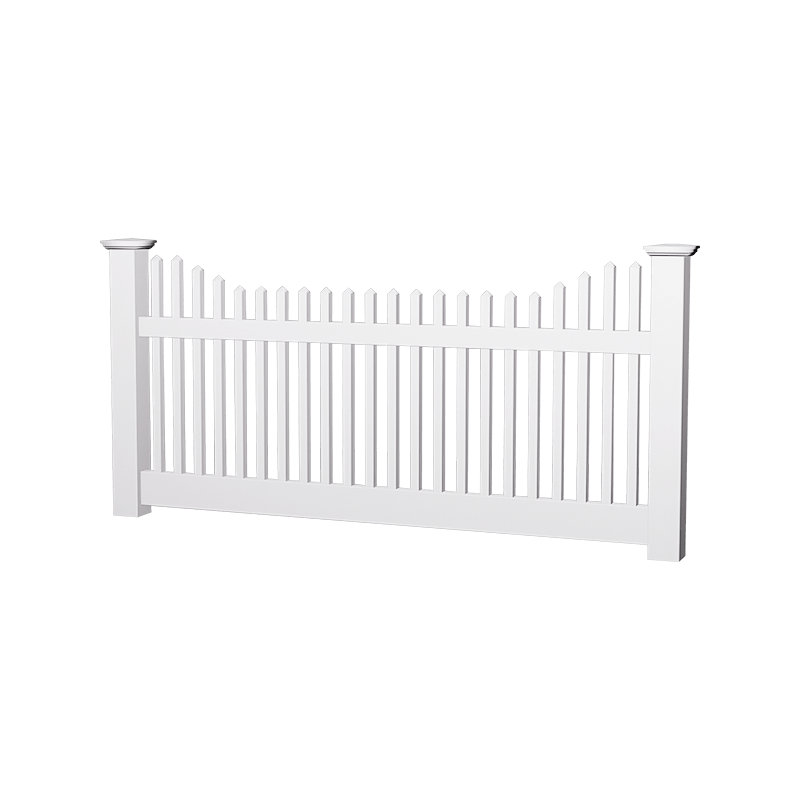
The Special-Shaped Picket Fence, the perfect addition to any home. Crafted from 100% virgin PVC, this fence combines durability and elegance with low maintenance requirements. Designed for easy DIY in...
See Details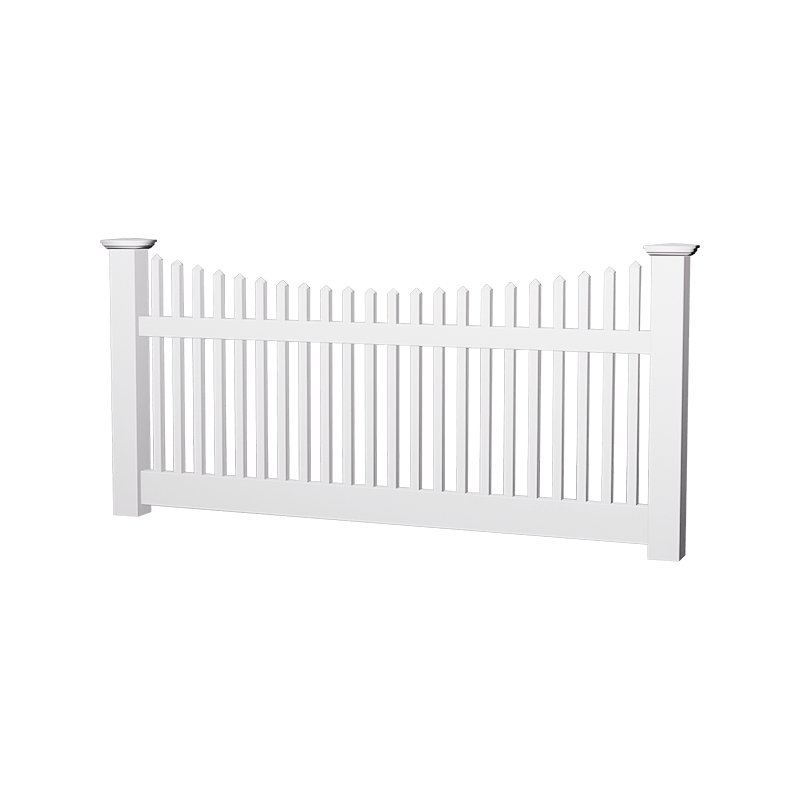
The Special-Shaped Picket Fence, the perfect addition to any home. Crafted from 100% virgin PVC, this fence combines durability and elegance with low maintenance requirements. Designed for easy DIY in...
See Details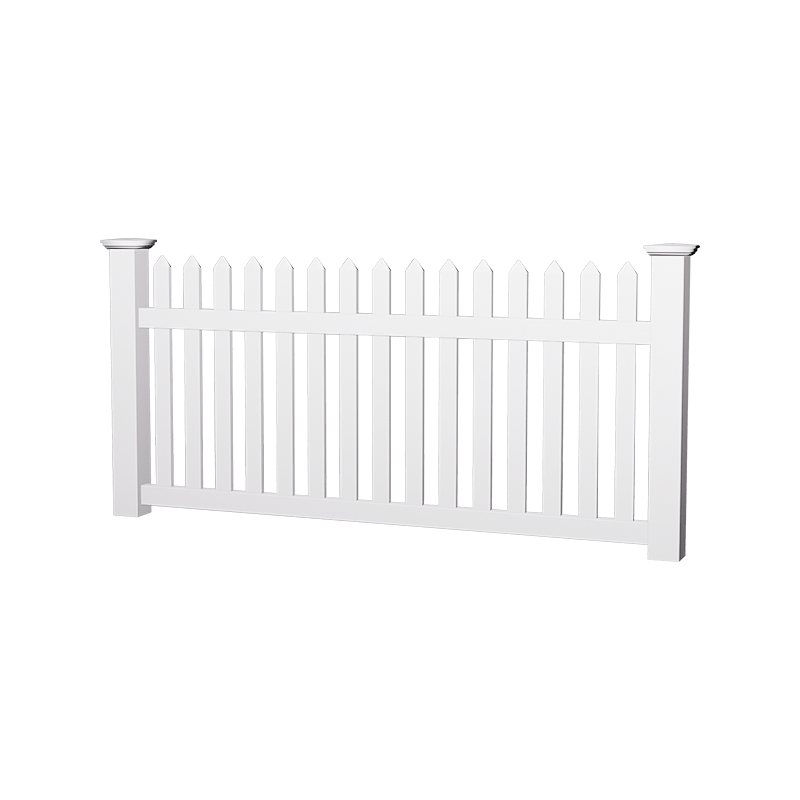
Enhance your home’s exterior with our Traditional Straight Spade Fence, crafted from 100% virgin PVC for exceptional durability and style. This low-maintenance solution is designed for easy installati...
See Details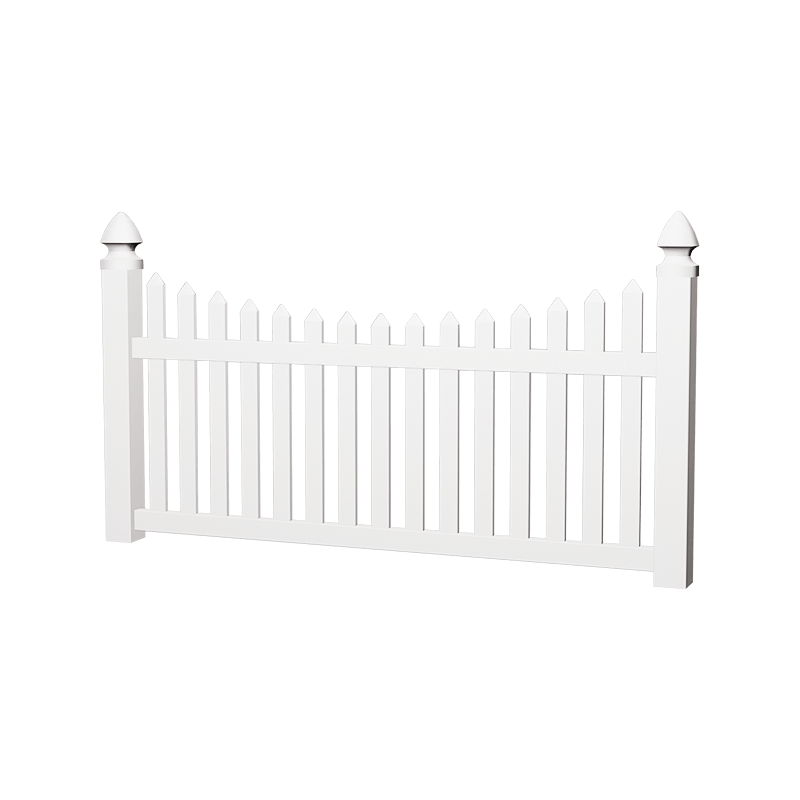
Transform your outdoor space with our 7/8"x3" Outdoor Picket Fence, specifically designed for farm use and outdoor applications. Crafted from 100% Virgin PVC, this durable and high-impact resistant fe...
See Details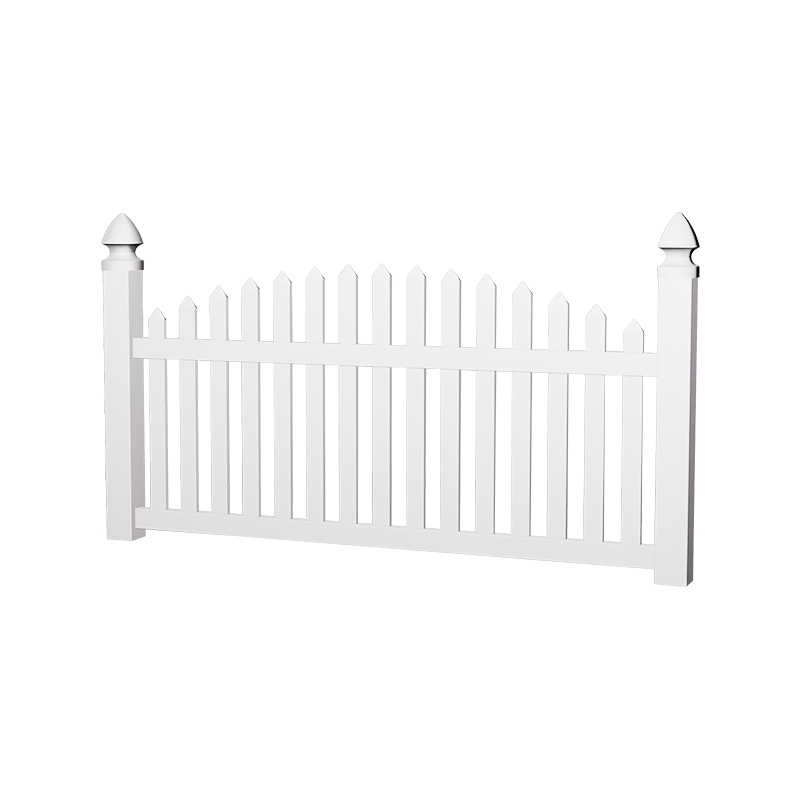
Enhance your farm's aesthetic and functionality with our PVC Arched Picket Fence. Crafted from 100% virgin PVC, this durable and stylish fencing solution combines the classic charm of traditional pick...
See Details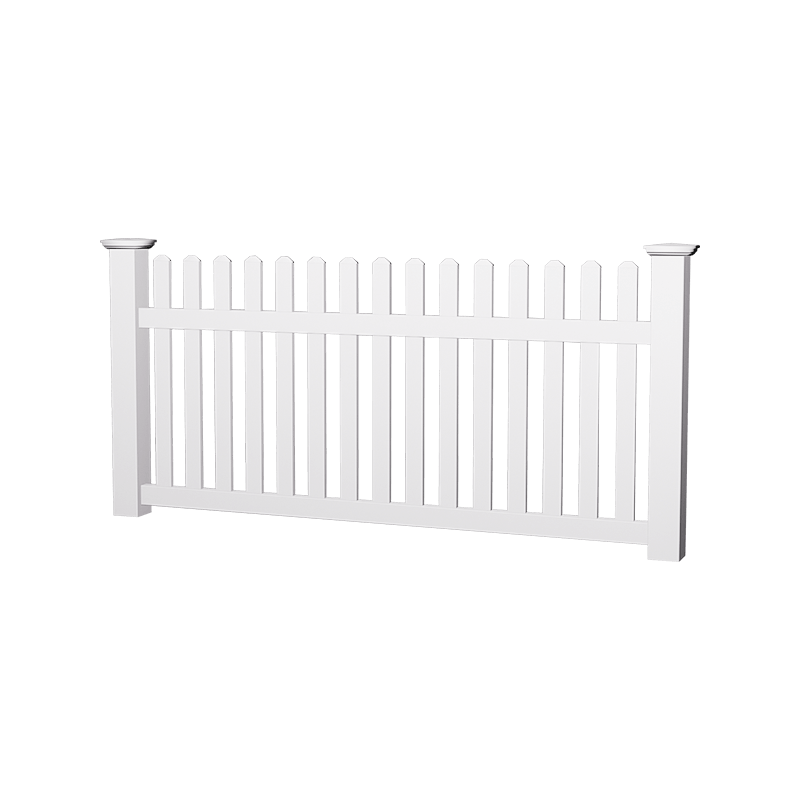
Our durable and versatile Picket Fence, designed specifically for farm use. Crafted from 100% virgin PVC plastic, this fence panel is not coated, ensuring superior quality and longevity. With dimensio...
See Details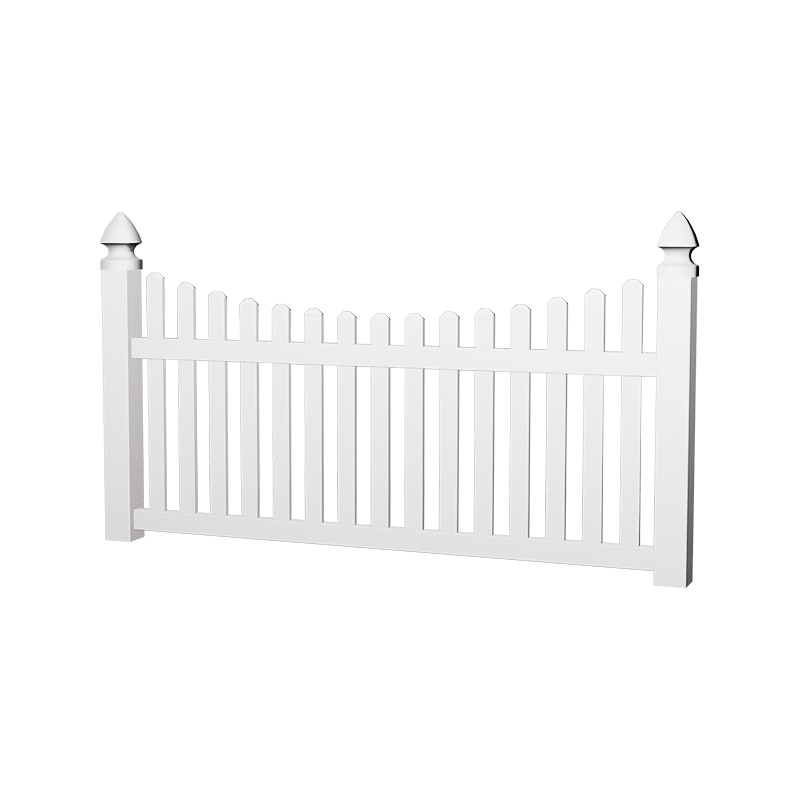
Introducing our 7/8"x3" Plastic Picket, designed specifically for farm applications. Crafted from 100% virgin PVC, this picket is not coated, ensuring maximum durability and resistance to impacts. Wit...
See Details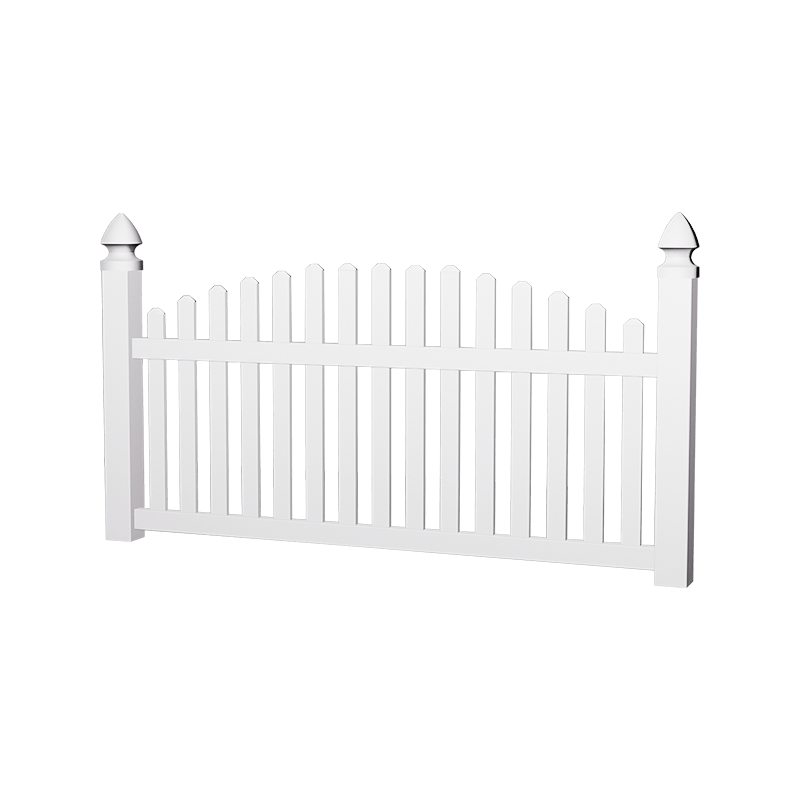
The Dog Ear Top Garden Fence, the ultimate solution for your farm fencing needs. Crafted from 100% virgin PVC, this fence is designed to withstand the elements without the worry of rot or decay, makin...
See Details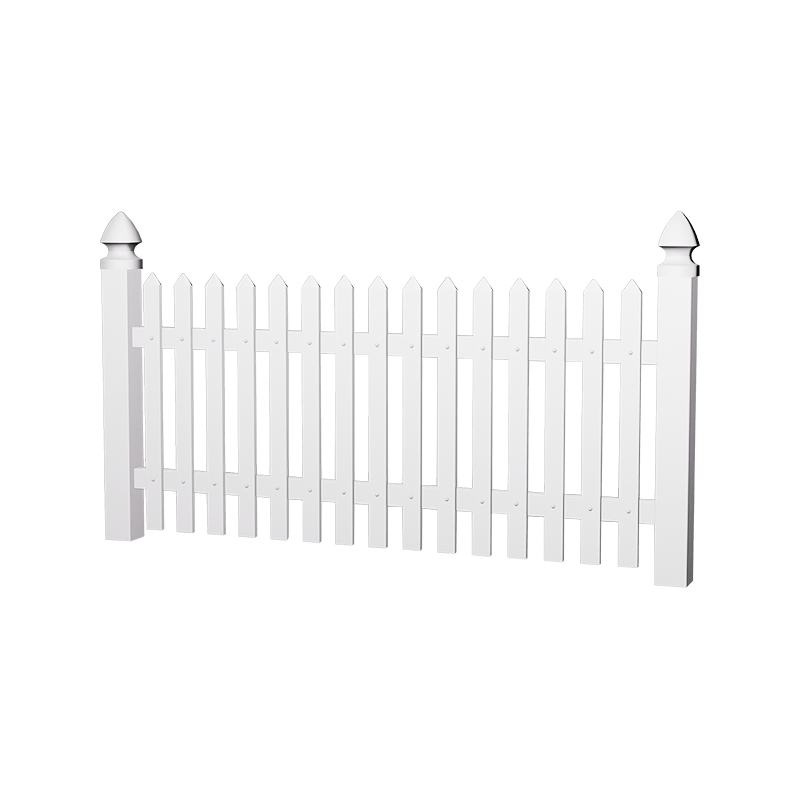
Decorate your outdoor spaces with our durable and stylish PVC Face Mounted Pickets Fence. Designed for easy installation and long-lasting performance, this fence is perfect for residential and commerc...
See Details
Our White Vinyl Fence, measuring 4'H x 8'W, designed for both functionality and aesthetics. Made from 100% virgin PVC plastic, this fence is not coated, ensuring unmatched durability and resistance to...
See Details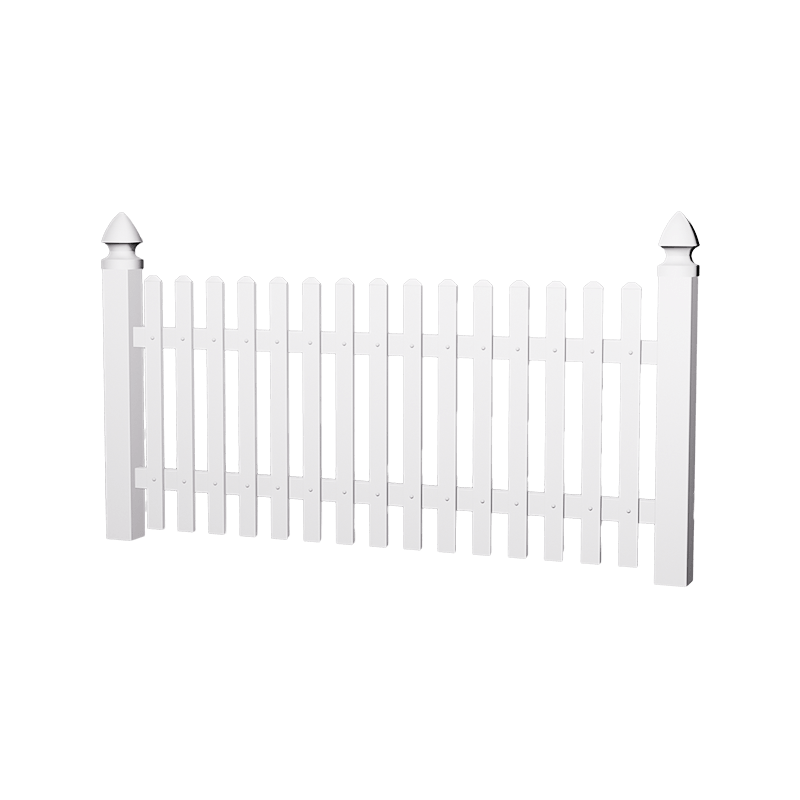
The Traditional Dog Ear Picket is an ideal choice for warehouses, combining aesthetic appeal with practicality. Made from 100% virgin PVC, this durable, low-maintenance fence resists rotting and water...
See Details
We are a professional manufacturer engaged in the research, development,
production, sale, and service of PVC fences and PVC flooring.
Contact Us
Mobile
Copyright © Deqing Huazhijie Railing & Fencing Co.,Ltd. All Rights Reserved.
 Custom Vinyl Fence Manufacturers
 English
 عربى
عربى 中文简体
中文简体 Español