Welcome to Huazhijie!
 +86-572-8086381 / 8282992
  hzjfence1@hzjfence.com


Mar 11, 2026
Content
A PVC fence — also widely called a vinyl fence — is a fencing system made from rigid polyvinyl chloride (PVC), a durable plastic compound that is formed into posts, rails, pickets, and panels through extrusion and injection molding processes. PVC fencing was introduced as a residential fencing product in the 1980s and has grown into one of the most popular fence materials in North America, Europe, and Australia, primarily because it delivers the clean, painted-wood appearance that homeowners want without the maintenance, rot, insect damage, and repainting that wood fencing demands.
The appeal of vinyl fencing is straightforward. Once installed, a quality PVC fence requires essentially no maintenance beyond occasional washing — it does not rot, warp, splinter, or rust, and it never needs painting or staining. Its color is integral to the material rather than applied as a coating, so there is no peeling or fading to deal with. For homeowners who want a clean, attractive boundary around their property without the ongoing time and cost investment of wood fence maintenance, PVC fencing panels are a compelling solution.
PVC fence systems are available in a wide range of styles, heights, and colors to suit residential, commercial, and agricultural applications. From classic white picket fences and full-privacy panels to ranch-rail paddock fencing and decorative semi-privacy designs, the category has expanded far beyond the basic white fence that defined it in the early years.
One of the advantages of PVC fencing is the breadth of styles available. Understanding which style suits your specific application — and what the trade-offs are — helps you make the right choice from the start rather than discovering limitations after installation.
The PVC privacy fence is the most popular style for residential rear yards and side boundaries. It consists of closely spaced vertical pickets or tongue-and-groove solid panels fitted between posts, creating a continuous barrier with no gaps. Heights typically range from 1.5m to 2.4m (5ft to 8ft), with 1.8m (6ft) being the most common for residential privacy applications. Full privacy panels block sightlines completely and also provide a degree of wind and noise reduction. They are the go-to choice for swimming pool enclosures, outdoor living areas, and any property boundary where homeowners want to screen their yard from neighbors or the street.
The white PVC picket fence is the most iconic style — the classic front yard boundary that defines a neat, traditional home aesthetic. Picket fences have evenly spaced vertical boards (pickets) with gaps between them, mounted on horizontal rails between posts. Heights are typically 0.9m to 1.2m (3ft to 4ft), suitable for decorative front boundaries, garden beds, and low-level property demarcation. The open design allows airflow and visibility, making it the preferred style for front yards where a welcoming, open feel is desired rather than full enclosure. PVC picket fences are available in a variety of picket top profiles — flat, gothic (pointed), dog-eared, and french gothic — that each give a slightly different visual character.
Semi-privacy vinyl fencing sits between the full privacy panel and the open picket design — it uses wider pickets with smaller gaps, typically 10–25mm spacing between boards. This allows airflow and filtered light while still providing a significant degree of visual screening from passersby. Semi-privacy styles are popular in side yard applications, pool surrounds where local codes require a visual barrier but full solid panels are not mandatory, and in commercial applications where a boundary needs to be visible but not opaque. The partial open design also reduces wind loading on the fence compared to full privacy panels, which is a meaningful structural advantage in exposed coastal or open rural locations.
PVC ranch rail fencing uses two to four horizontal rails mortised into round or square posts, with no vertical pickets between them. This open design is used primarily for paddock demarcation, horse property boundaries, and large rural or semi-rural properties where a visible boundary rather than a containment barrier is the goal. White PVC ranch rail fencing is a particularly popular alternative to painted timber rail fencing on equestrian properties, because it is chew-resistant (horses tend to chew timber rails), requires no painting, and its smooth surface does not present the splinter and nail hazards of aging wood rail fences.
A shadowbox PVC fence alternates pickets on opposite sides of the rails — one picket on the front face, the next on the back face, overlapping slightly. This gives the fence a similar appearance from both sides (unlike a standard privacy fence where the finished side faces outward and the neighbor sees the rails), and allows some airflow through the staggered gap. Shadowbox fencing is popular where good-neighbor agreements or HOA regulations require that the fence look the same from both sides of the property line.
PVC fencing does not suit every situation, and understanding how it compares to the alternatives helps set realistic expectations before you commit to a material. Here is a direct comparison across the most important criteria:
| Criteria | PVC / Vinyl | Wood | Aluminum | Chain Link |
| Initial Cost | Moderate–High | Low–Moderate | Moderate–High | Low |
| Maintenance Required | Very Low | High | Very Low | Low |
| Lifespan (years) | 20–30+ | 10–20 | 30–50+ | 15–25 |
| Rot / Rust Resistance | Excellent | Poor (untreated) | Excellent | Moderate |
| Privacy Options | Excellent | Excellent | Moderate | None |
| Impact Resistance | Moderate | Good | Good | Good |
| Aesthetic Range | Wide | Very Wide | Moderate | Narrow |
| Environmental Impact | Moderate (PVC) | Low (if sustainable) | Low (recyclable) | Low |
The key insight from this comparison is that PVC fencing's real advantage is its ten-year total cost of ownership rather than its upfront price. Wood fencing is cheaper to buy initially but needs repainting or staining every 2–4 years, is vulnerable to rot and termite damage, and typically needs significant repair or replacement within 15 years. When you factor in labor and materials for maintenance over a 20-year period, PVC fencing is typically less expensive overall than wood, despite its higher purchase price. Aluminum fencing lasts longer than vinyl and is equally low-maintenance, but its open decorative panel styles are less suited to privacy applications, and it costs more per linear meter than PVC.
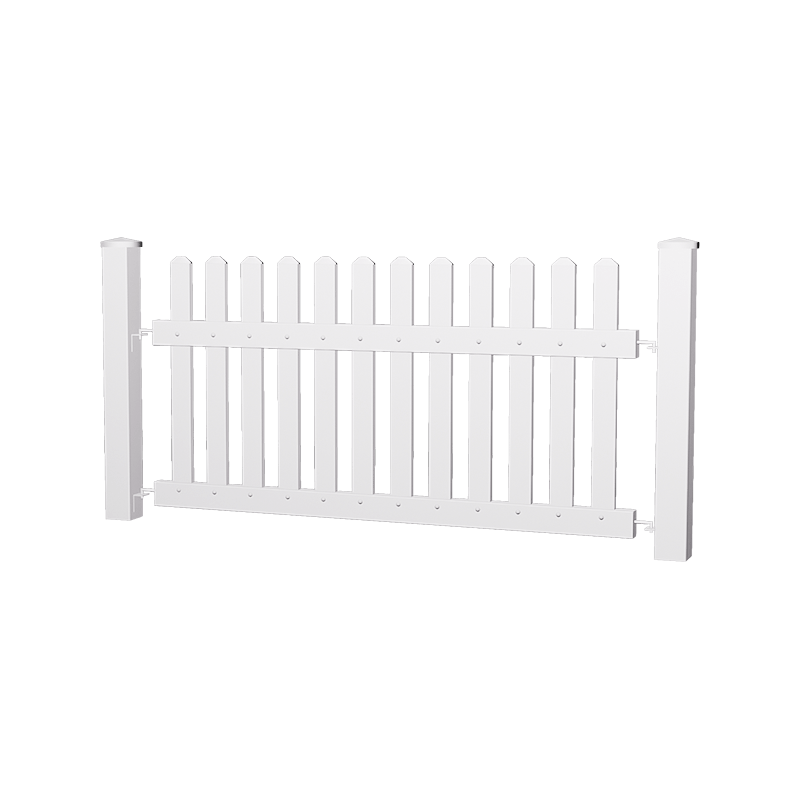
PVC fence installation is achievable as a competent DIY project for homeowners with basic construction skills and the right tools. Most vinyl fencing systems are designed with interlocking or slip-fit components that assemble without welding or cutting of posts. Here is a practical overview of the installation process:
Before any digging begins, the fence line must be precisely laid out using string lines and stakes. Mark the exact positions of all posts — PVC fence panels are manufactured to standard widths (typically 1.8m or 2.4m), so post spacing must match panel width exactly. Check your local council or municipality for any required permits, setback requirements from the property boundary, and maximum fence height regulations — these vary significantly by location and zoning type. Call a utility locating service (811 in the US, Dial Before You Dig in Australia) to identify any buried cables or pipes along the fence line before digging.
Post installation is the most critical step — the strength and alignment of the entire fence depends on it. Dig post holes using a power auger or manual post hole digger to a depth of at least one-third the above-ground post height (for a 1.8m fence, holes should be at least 600mm deep; deeper in areas with soft soil or frost heave). In cold climates, holes must go below the frost line to prevent heaving. Set the PVC post in the hole, check it is plumb (vertical) in both directions with a spirit level, brace it in position, and fill the hole with concrete. Allow concrete to cure for at least 24–48 hours before attaching rails and panels — attaching fence components to uncured post concrete is the single most common installation mistake, leading to posts pulled out of alignment.
Once posts are set and concrete is fully cured, rails are inserted into the pre-routed slots or brackets in the posts. For solid panel privacy fences, the tongue-and-groove boards are slid down into the routed channel in the bottom rail first, then the top rail is slipped over the top of the boards and into the post slot. For picket fences, pre-assembled panels with pickets already attached are lifted into the rail brackets, or individual pickets are attached to rails using screws or snap-lock clips depending on the system design. Leave a small gap at the base of the fence panels (25–50mm) above grade level — this prevents dirt and moisture accumulation against the PVC and avoids creating a pathway for water retention that could cause premature discoloration.
PVC gate frames must be fitted with internal steel or aluminum reinforcement — a vinyl gate frame without metal reinforcement will sag under its own weight within a short time. Most quality PVC gate kits include a galvanized or stainless steel internal frame. Use heavy-duty adjustable hinges rated for the gate weight, and a self-closing, self-latching mechanism if the gate is part of a pool fence where self-closing is mandatory under building code. The gate posts need extra concrete — use a larger hole diameter and deeper embedment for gate posts than for line posts, as they bear much greater loading from the cantilevered gate weight and repeated opening and closing forces.
While bright white remains the most popular and widely sold PVC fence color — and the one most people associate with vinyl fencing — the product range has expanded considerably in response to demand for more varied aesthetics. Here is what is typically available from quality manufacturers:
PVC fence pricing varies widely depending on style, quality grade, and installation method. Understanding what drives cost helps you budget accurately and avoid being misled by low-price product that won't perform over the long term.
One of the primary selling points of vinyl fencing is minimal maintenance, but "minimal" does not mean "zero." Keeping a PVC fence looking its best over the years involves a few simple but important steps:
Not all PVC fencing products are equal, and the differences between a quality fence that lasts 30 years and a budget product that yellows, becomes brittle, and starts failing within 10 years come down to a few specific material and construction details that are worth verifying before you buy:
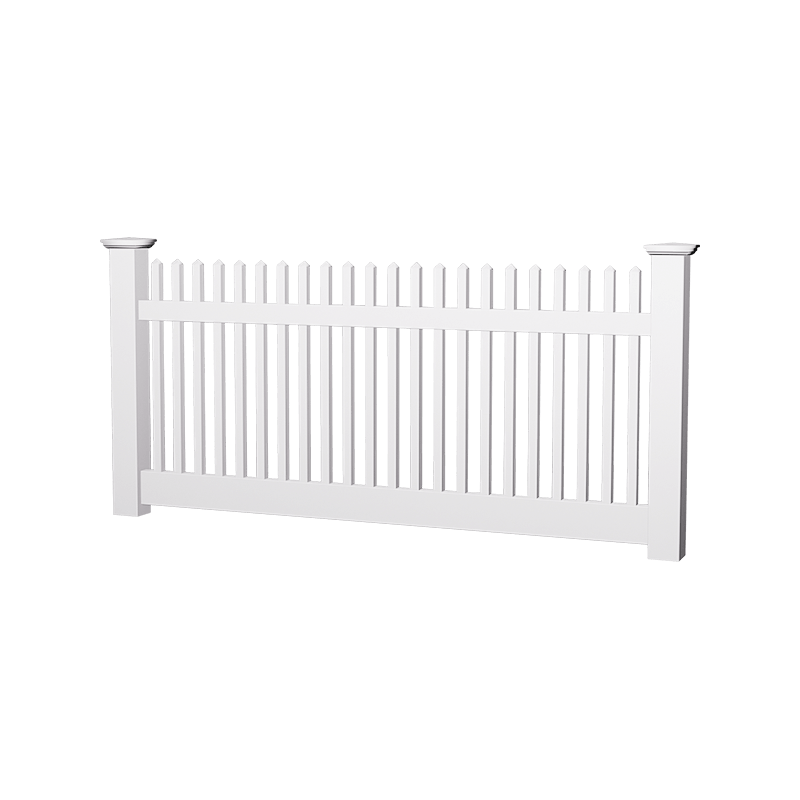
Our 1.5"x1.5" Horizontal Picket Fence, the ultimate garden solution made from 100% virgin PVC for unmatched durability and low maintenance. Designed for easy DIY installation, this fire-proof fence re...
See Details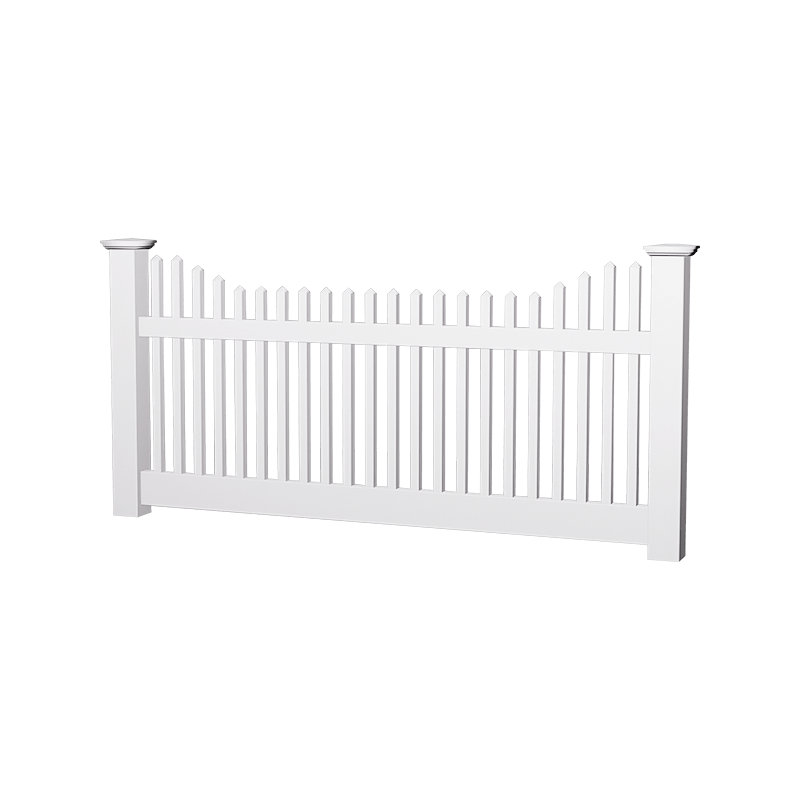
The Special-Shaped Picket Fence, the perfect addition to any home. Crafted from 100% virgin PVC, this fence combines durability and elegance with low maintenance requirements. Designed for easy DIY in...
See Details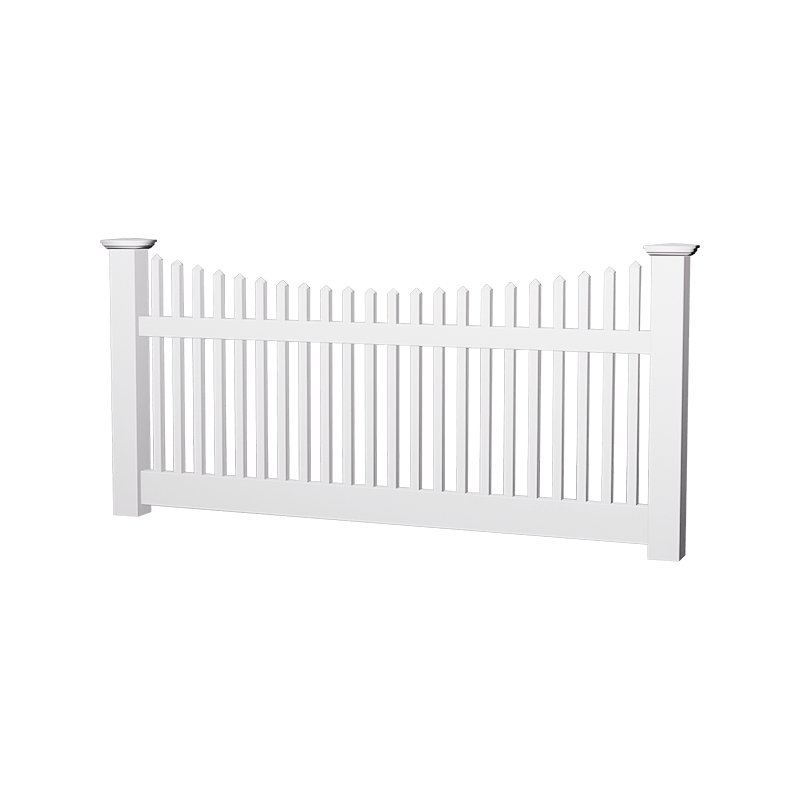
The Special-Shaped Picket Fence, the perfect addition to any home. Crafted from 100% virgin PVC, this fence combines durability and elegance with low maintenance requirements. Designed for easy DIY in...
See Details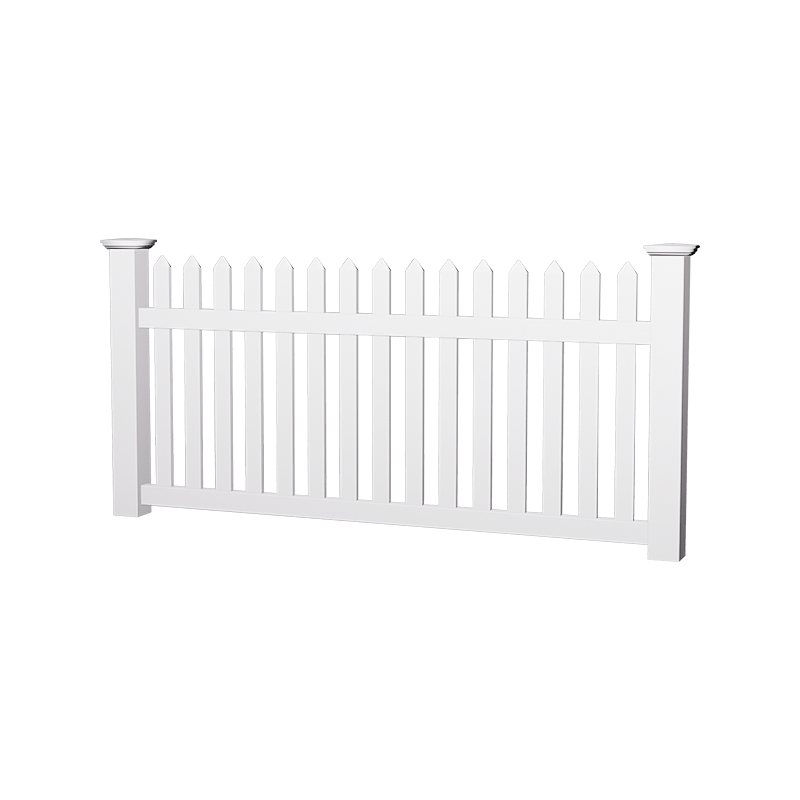
Enhance your home’s exterior with our Traditional Straight Spade Fence, crafted from 100% virgin PVC for exceptional durability and style. This low-maintenance solution is designed for easy installati...
See Details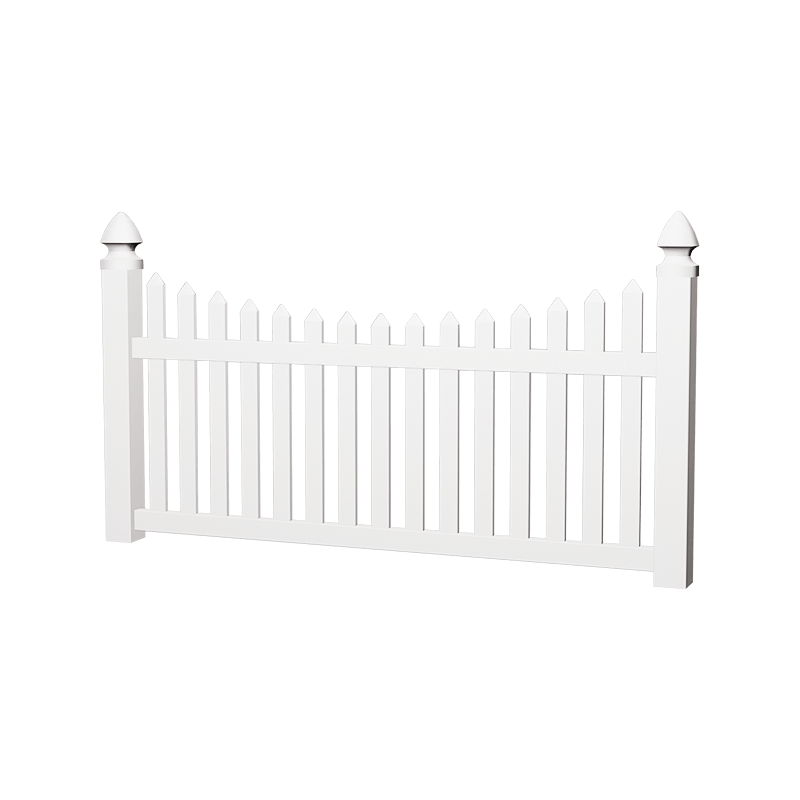
Transform your outdoor space with our 7/8"x3" Outdoor Picket Fence, specifically designed for farm use and outdoor applications. Crafted from 100% Virgin PVC, this durable and high-impact resistant fe...
See Details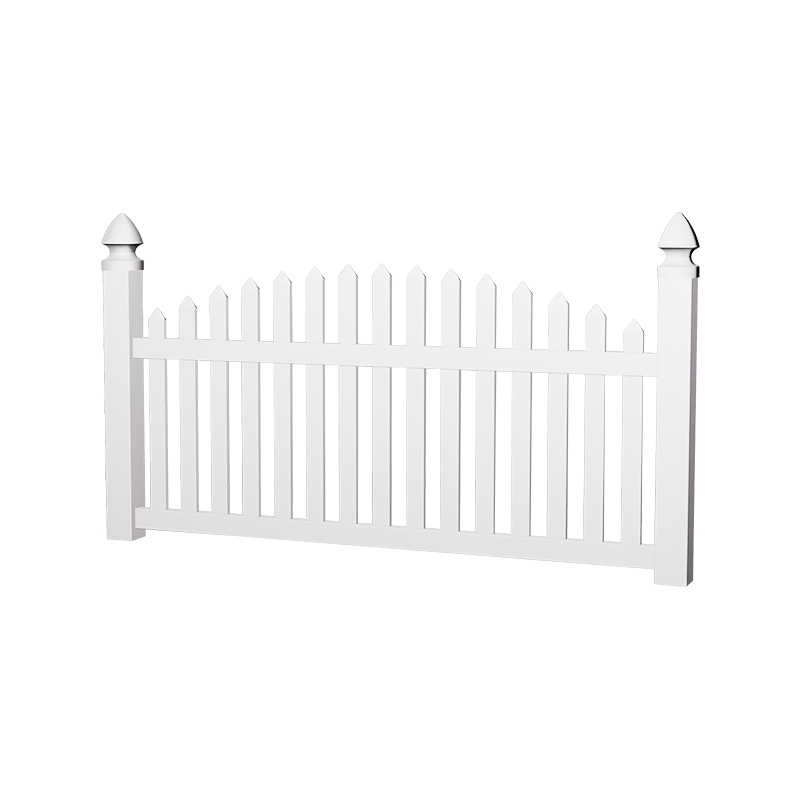
Enhance your farm's aesthetic and functionality with our PVC Arched Picket Fence. Crafted from 100% virgin PVC, this durable and stylish fencing solution combines the classic charm of traditional pick...
See Details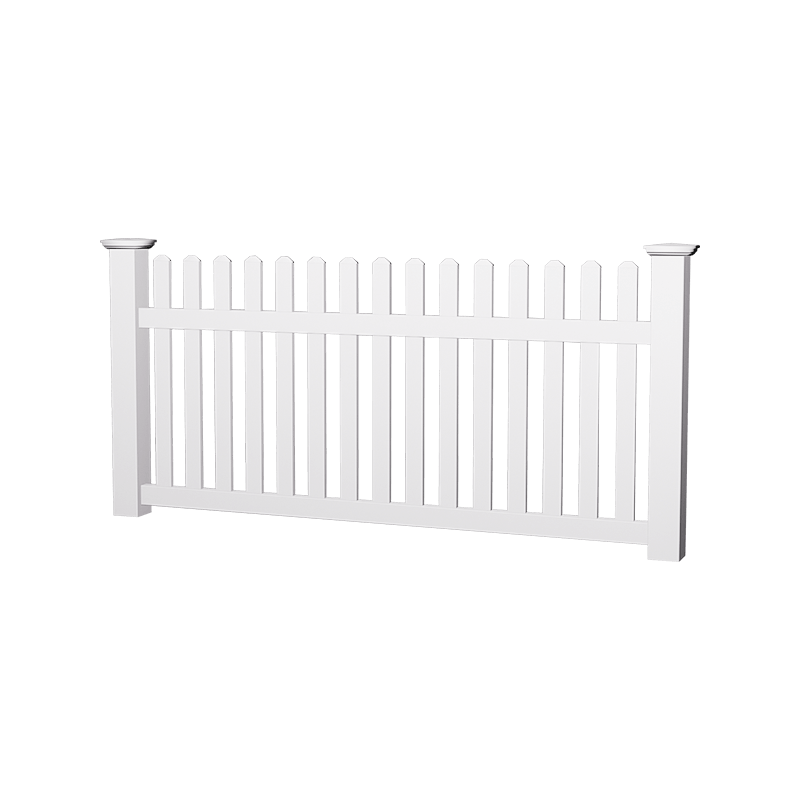
Our durable and versatile Picket Fence, designed specifically for farm use. Crafted from 100% virgin PVC plastic, this fence panel is not coated, ensuring superior quality and longevity. With dimensio...
See Details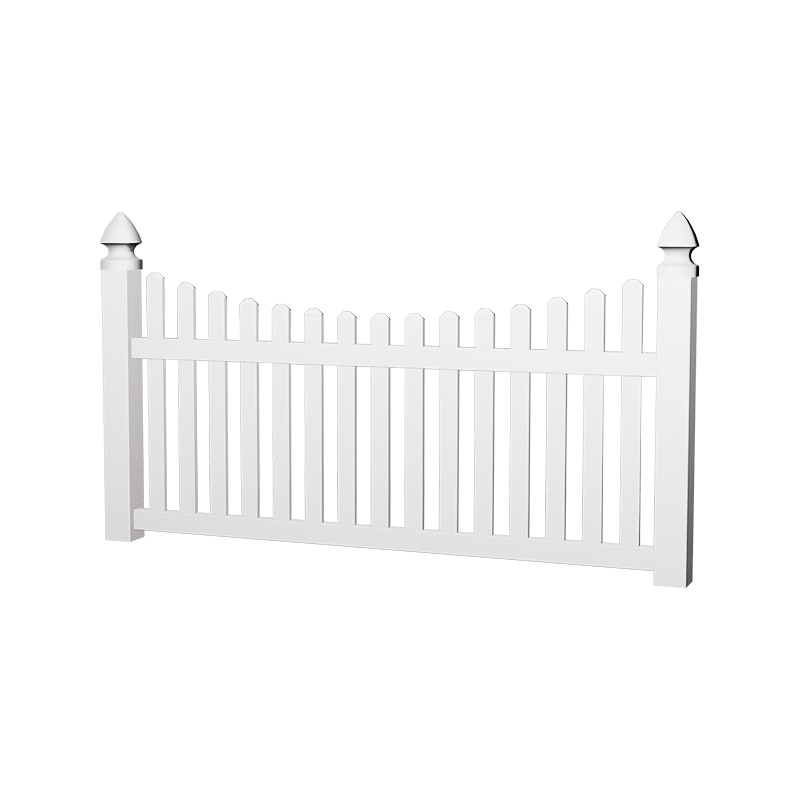
Introducing our 7/8"x3" Plastic Picket, designed specifically for farm applications. Crafted from 100% virgin PVC, this picket is not coated, ensuring maximum durability and resistance to impacts. Wit...
See Details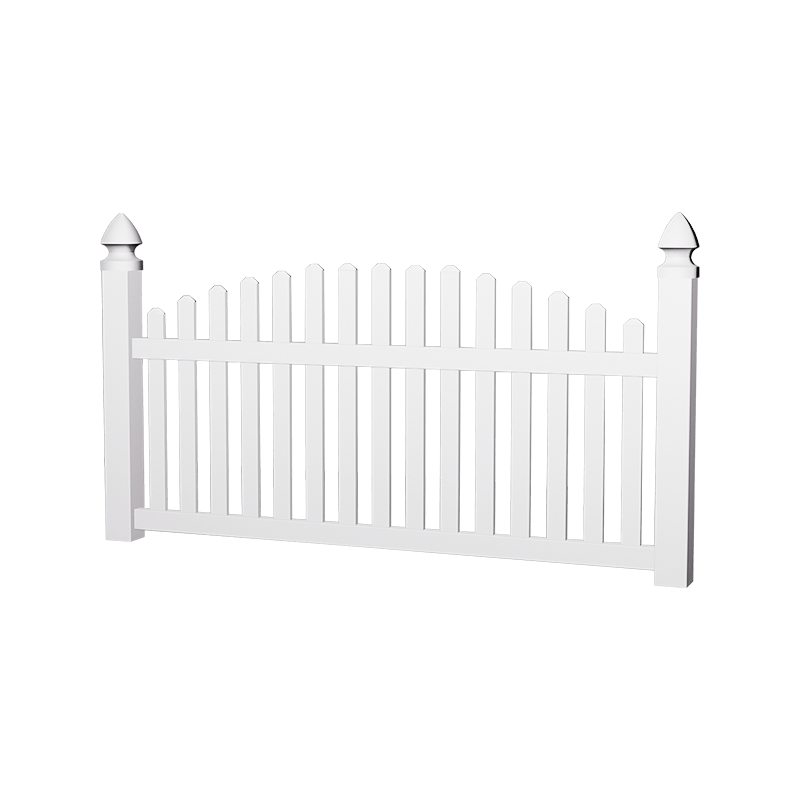
The Dog Ear Top Garden Fence, the ultimate solution for your farm fencing needs. Crafted from 100% virgin PVC, this fence is designed to withstand the elements without the worry of rot or decay, makin...
See Details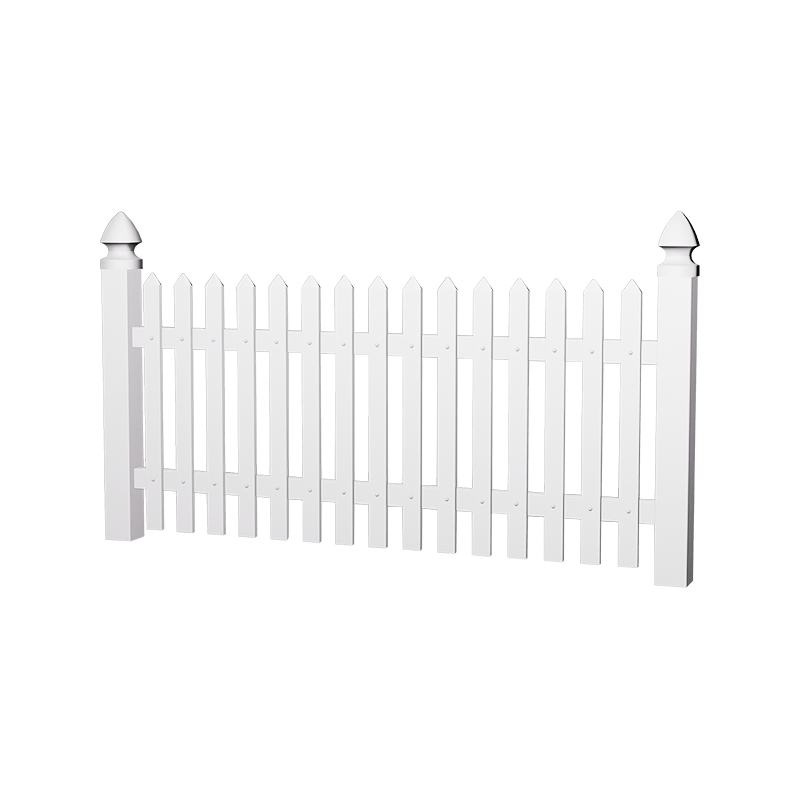
Decorate your outdoor spaces with our durable and stylish PVC Face Mounted Pickets Fence. Designed for easy installation and long-lasting performance, this fence is perfect for residential and commerc...
See Details
Our White Vinyl Fence, measuring 4'H x 8'W, designed for both functionality and aesthetics. Made from 100% virgin PVC plastic, this fence is not coated, ensuring unmatched durability and resistance to...
See Details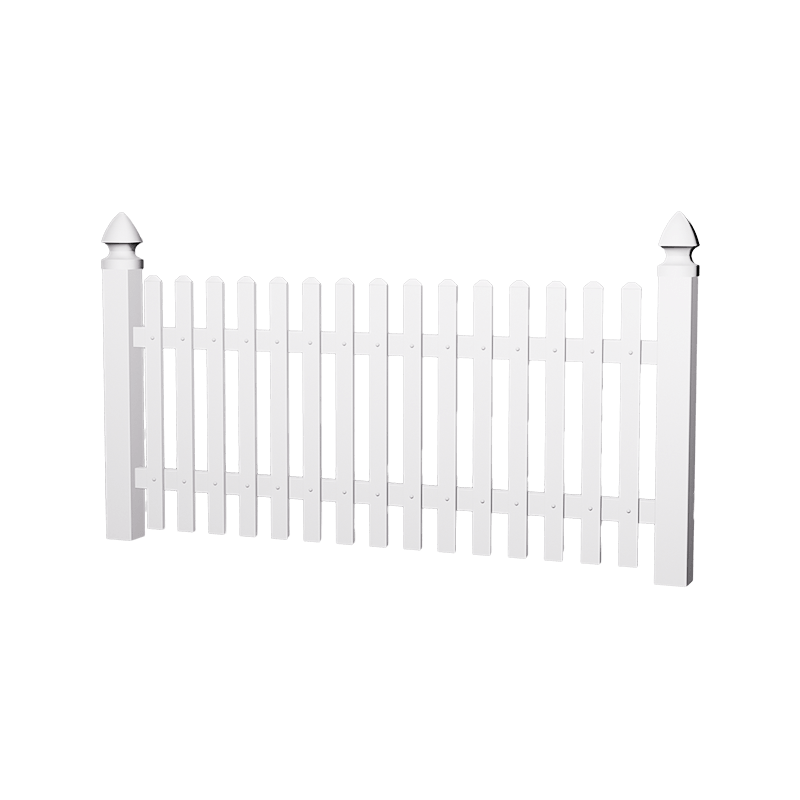
The Traditional Dog Ear Picket is an ideal choice for warehouses, combining aesthetic appeal with practicality. Made from 100% virgin PVC, this durable, low-maintenance fence resists rotting and water...
See Details
We are a professional manufacturer engaged in the research, development,
production, sale, and service of PVC fences and PVC flooring.
Contact Us
Mobile
Copyright © Deqing Huazhijie Railing & Fencing Co.,Ltd. All Rights Reserved.
 Custom Vinyl Fence Manufacturers
 English
 عربى
عربى 中文简体
中文简体 Español