Welcome to Huazhijie!
 +86-572-8086381 / 8282992
  hzjfence1@hzjfence.com


Mar 04, 2026
Content
When it comes to enclosing livestock, a PVC horse fence—also commonly known as vinyl fencing—has become the gold standard for modern equestrian properties. Unlike traditional wood, which is prone to rotting, warping, and termite damage, PVC is engineered to withstand the elements without ever needing a fresh coat of paint. For horse owners, this means reclaiming dozens of hours every year that would otherwise be spent scraping and staining wooden rails. The material is infused with UV inhibitors, ensuring that the bright white or tan finish remains crisp despite years of exposure to harsh sunlight.
Safety is perhaps the most compelling reason to opt for vinyl equine fencing. Horses are notorious for "cribbing" or chewing on wooden fences, which can lead to digestive issues and splinters. PVC horse fencing is generally unappealing to chew on and is completely splinter-free. Furthermore, high-quality vinyl rails are designed to flex under pressure. If a horse accidentally runs into the fence or kicks out, the rails are often flexible enough to absorb the impact or "pop" out of the posts, significantly reducing the risk of a serious injury compared to the rigid, jagged break of a wooden board.
The "rail count" is the first decision you'll need to make when designing your layout. A two-rail PVC horse fence is often used for decorative perimeter fencing or for very large pastures where the horses are low-energy. However, for smaller paddocks or areas with high-spirited animals, a three-rail or even four-rail system is highly recommended. The additional rails provide a better visual barrier for the horse and prevent them from attempting to reach their heads through or under the fence to graze on the other side, which can put unnecessary stress on the posts.
Not all vinyl fencing is built the same. When shopping for horse-specific PVC, you must look for "commercial grade" or "equine grade" materials. These rails feature internal ribbing—cross-sections of PVC inside the rail—that provide structural integrity. Residential-grade vinyl meant for backyard privacy is often too thin and brittle for large animals. Ensure the wall thickness is sufficient to handle the "lean" of a thousand-pound animal without bowing permanently.

Choosing a fencing material is a long-term investment. While the initial cost of a PVC horse fence might be higher than a simple wire or untreated wood fence, the life-cycle costs tell a different story. The following table highlights the key differences between the most common fencing options.
| Feature | PVC / Vinyl | Pressure Treated Wood | Electric Wire |
| Maintenance | Low (Wash only) | High (Paint/Stain) | Moderate (Tensioning) |
| Safety Level | Excellent | Moderate (Splinters) | High (Visibility issues) |
| Longevity | 20+ Years | 10-15 Years | 5-10 Years |
| Cribbing Resistant | Yes | No | N/A |
Installing a PVC horse fence requires a slightly different approach than wood. Since the rails are designed to expand and contract with temperature changes, they are usually "routed" through the posts rather than being nailed or screwed to the outside. This creates a much cleaner look and ensures there are no sharp metal fasteners sticking out that could scratch a horse.
Keep these constructive tips in mind for a professional-grade installation:
By choosing a high-quality PVC horse fence, you are investing in a beautiful, durable, and safe environment for your animals. It provides the classic "ranch" look without the endless chores associated with traditional materials.
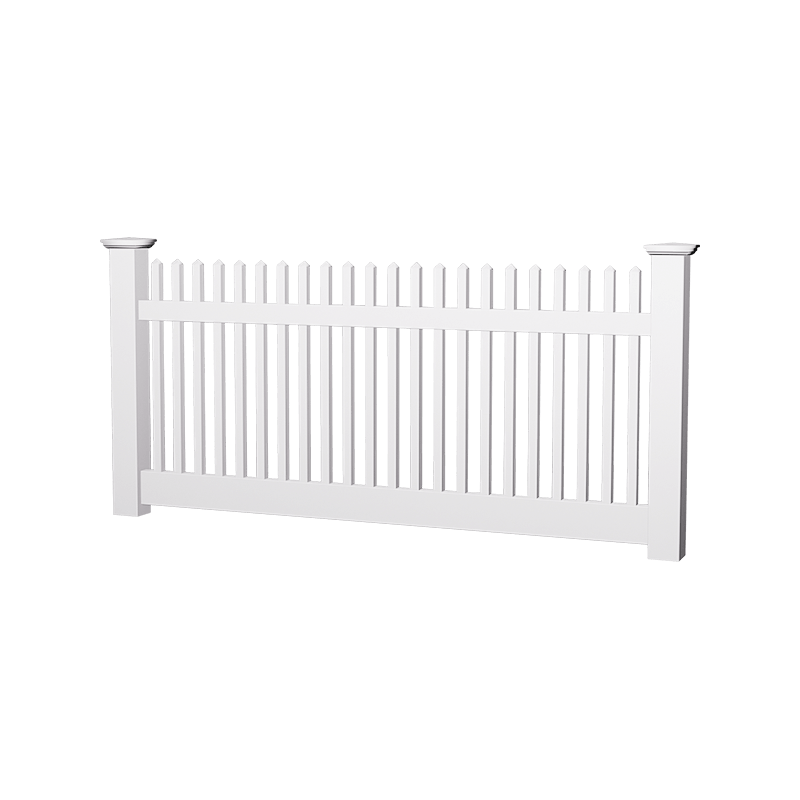
Our 1.5"x1.5" Horizontal Picket Fence, the ultimate garden solution made from 100% virgin PVC for unmatched durability and low maintenance. Designed for easy DIY installation, this fire-proof fence re...
See Details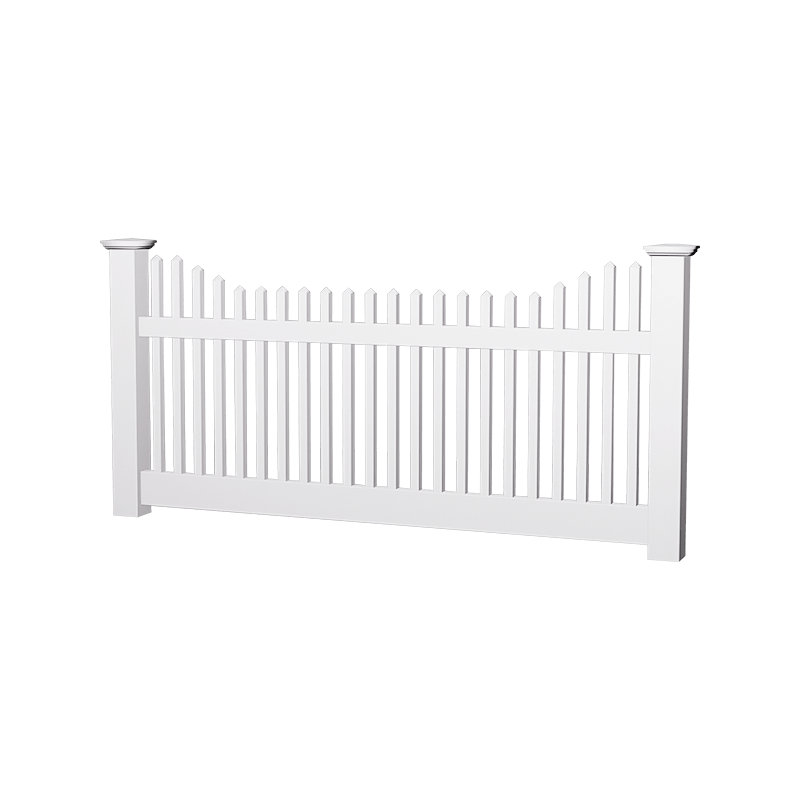
The Special-Shaped Picket Fence, the perfect addition to any home. Crafted from 100% virgin PVC, this fence combines durability and elegance with low maintenance requirements. Designed for easy DIY in...
See Details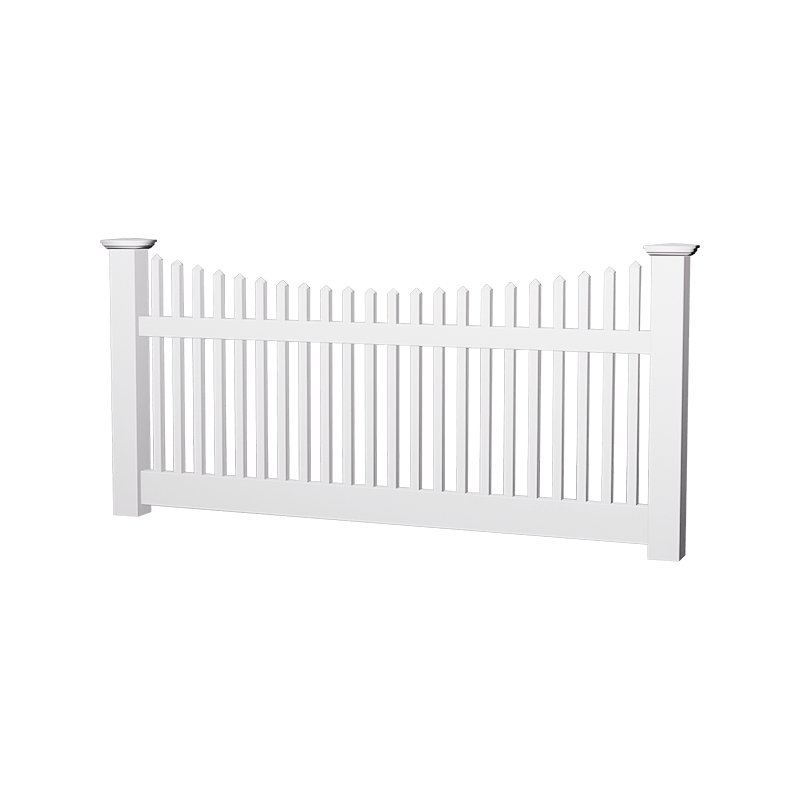
The Special-Shaped Picket Fence, the perfect addition to any home. Crafted from 100% virgin PVC, this fence combines durability and elegance with low maintenance requirements. Designed for easy DIY in...
See Details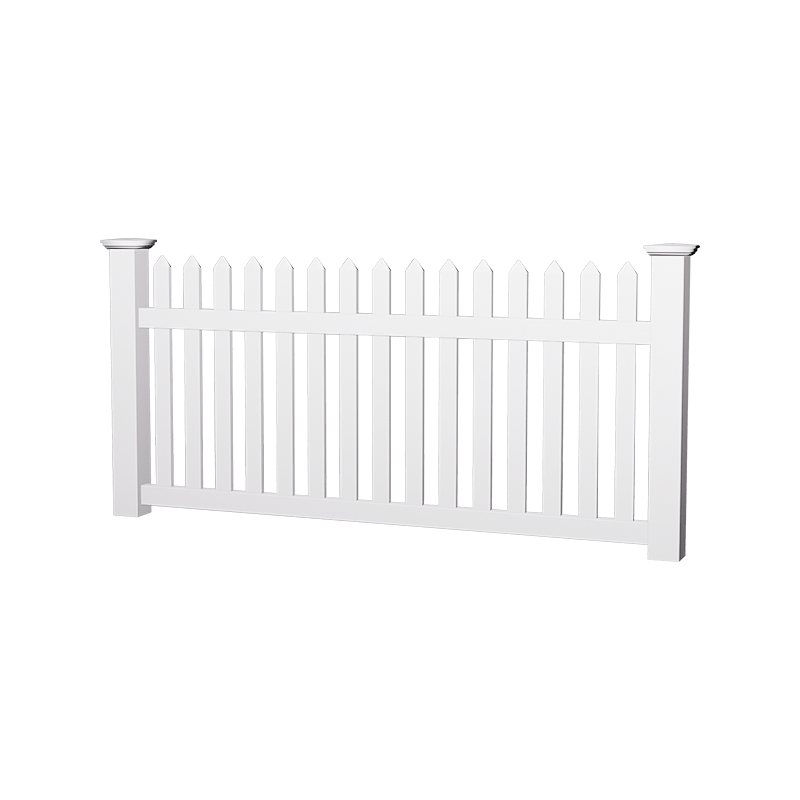
Enhance your home’s exterior with our Traditional Straight Spade Fence, crafted from 100% virgin PVC for exceptional durability and style. This low-maintenance solution is designed for easy installati...
See Details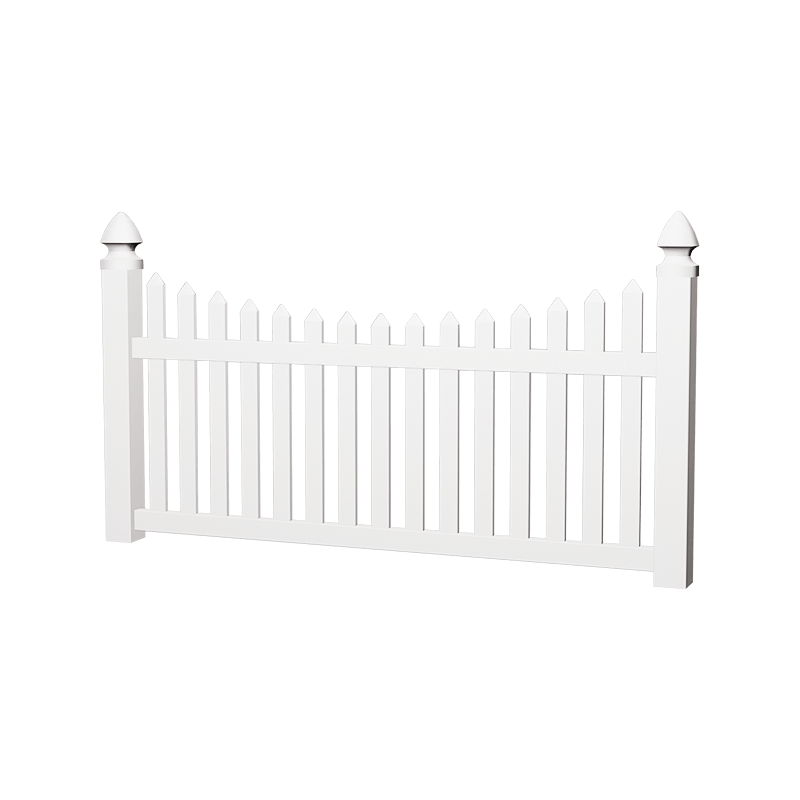
Transform your outdoor space with our 7/8"x3" Outdoor Picket Fence, specifically designed for farm use and outdoor applications. Crafted from 100% Virgin PVC, this durable and high-impact resistant fe...
See Details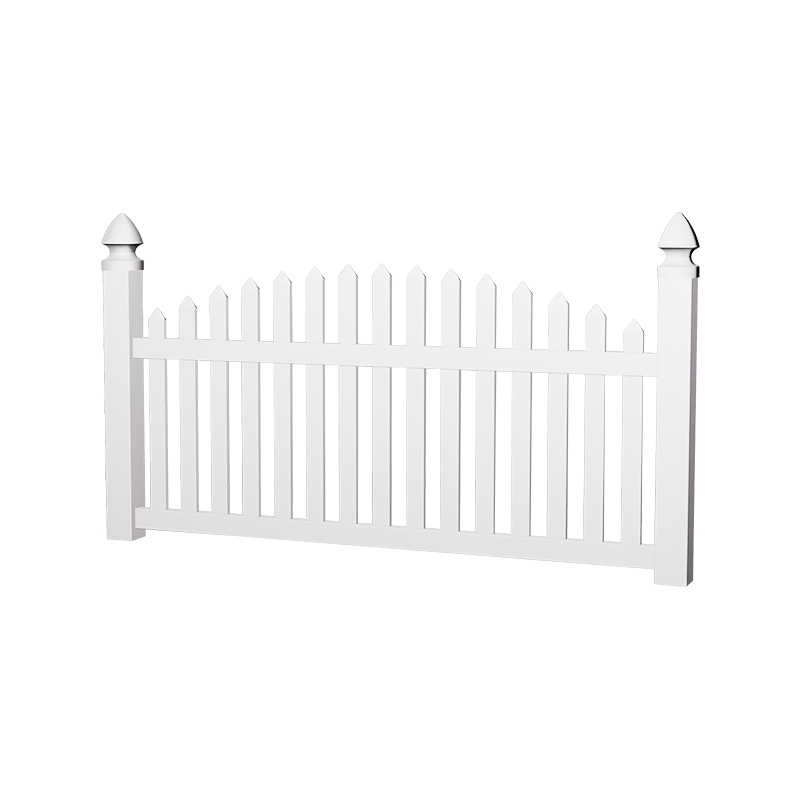
Enhance your farm's aesthetic and functionality with our PVC Arched Picket Fence. Crafted from 100% virgin PVC, this durable and stylish fencing solution combines the classic charm of traditional pick...
See Details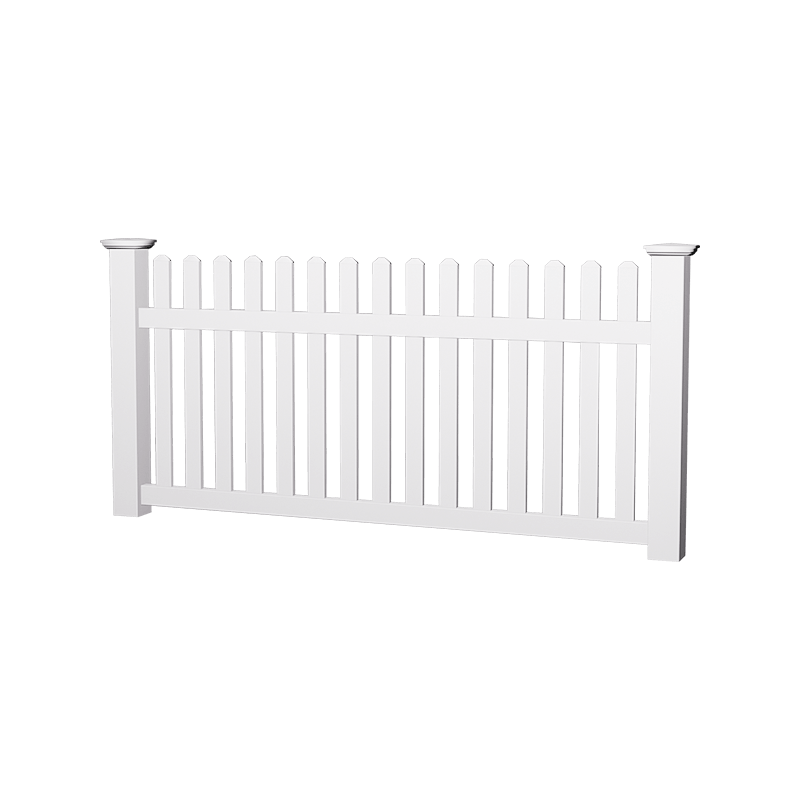
Our durable and versatile Picket Fence, designed specifically for farm use. Crafted from 100% virgin PVC plastic, this fence panel is not coated, ensuring superior quality and longevity. With dimensio...
See Details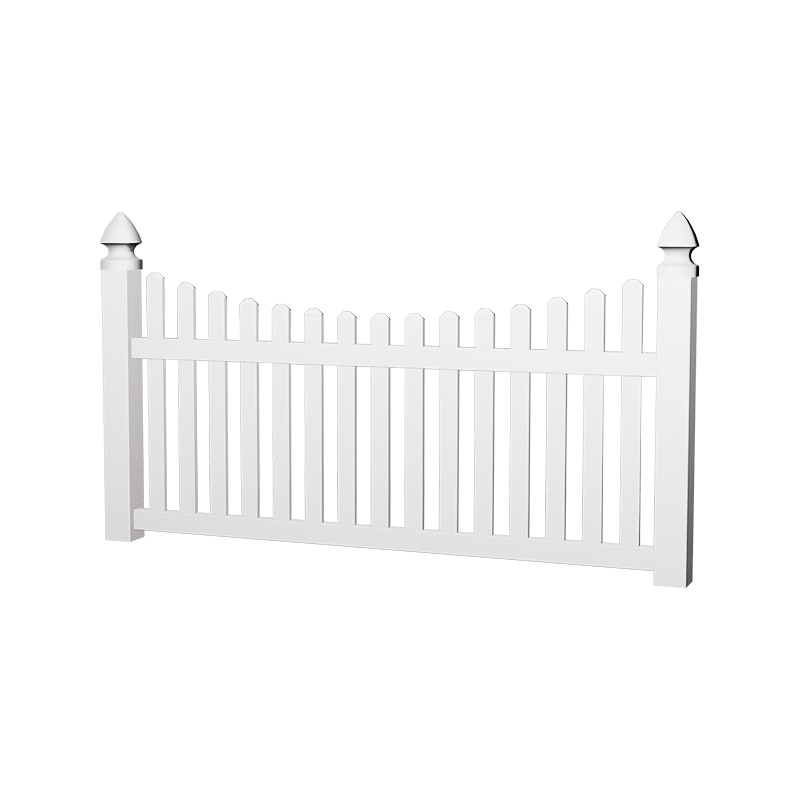
Introducing our 7/8"x3" Plastic Picket, designed specifically for farm applications. Crafted from 100% virgin PVC, this picket is not coated, ensuring maximum durability and resistance to impacts. Wit...
See Details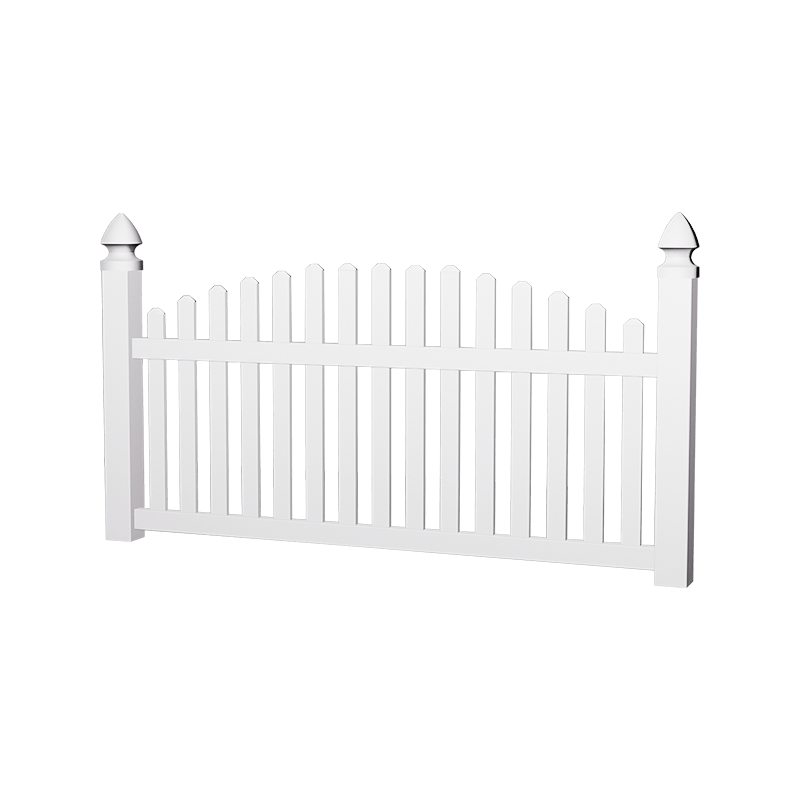
The Dog Ear Top Garden Fence, the ultimate solution for your farm fencing needs. Crafted from 100% virgin PVC, this fence is designed to withstand the elements without the worry of rot or decay, makin...
See Details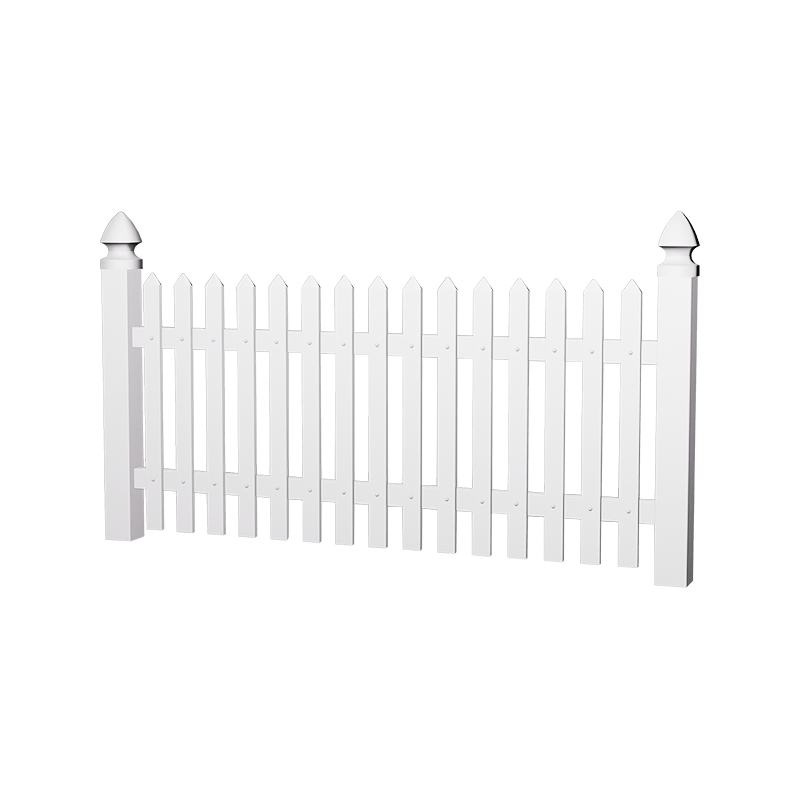
Decorate your outdoor spaces with our durable and stylish PVC Face Mounted Pickets Fence. Designed for easy installation and long-lasting performance, this fence is perfect for residential and commerc...
See Details
Our White Vinyl Fence, measuring 4'H x 8'W, designed for both functionality and aesthetics. Made from 100% virgin PVC plastic, this fence is not coated, ensuring unmatched durability and resistance to...
See Details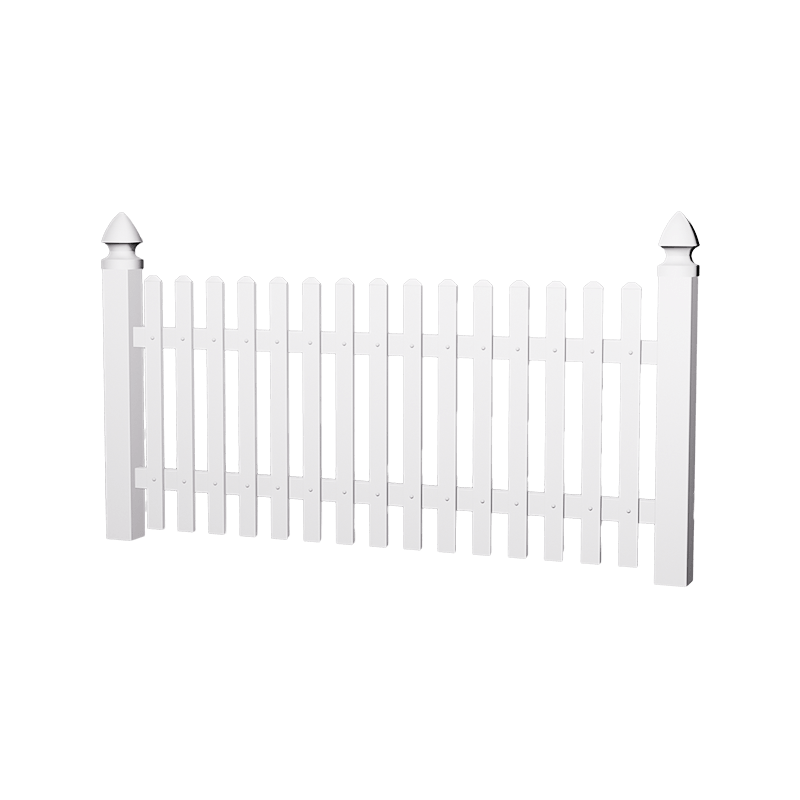
The Traditional Dog Ear Picket is an ideal choice for warehouses, combining aesthetic appeal with practicality. Made from 100% virgin PVC, this durable, low-maintenance fence resists rotting and water...
See Details
We are a professional manufacturer engaged in the research, development,
production, sale, and service of PVC fences and PVC flooring.
Contact Us
Mobile
Copyright © Deqing Huazhijie Railing & Fencing Co.,Ltd. All Rights Reserved.
 Custom Vinyl Fence Manufacturers
 English
 عربى
عربى 中文简体
中文简体 Español