Welcome to Huazhijie!
 +86-572-8086381 / 8282992
  hzjfence1@hzjfence.com


Apr 15, 2026
Content
A PVC fence screen is a flexible or semi-rigid panel made from polyvinyl chloride (PVC) material — either as a solid sheet, a woven mesh, or a slatted design — that attaches to an existing fence structure to block visibility, reduce wind, dampen noise, or simply improve the visual appearance of a fence line. Unlike building a new solid fence from scratch, a PVC privacy fence screen gives you most of the functional benefits of a solid barrier at a fraction of the cost, with the added advantages of easy installation, weather resistance, and the ability to remove or replace sections without major construction work.
PVC fence screens are used across a remarkably wide range of applications: homeowners install them along chain-link fences in backyards for privacy from neighbors; pool owners use them as windscreens and sun barriers around pool enclosures; sports facilities attach them to perimeter fencing to contain balls and reduce wind interference; construction sites hang them as temporary visual barriers and dust containment screens; and commercial properties use them to screen off unsightly equipment yards, loading docks, or storage areas. In each case, the core appeal is the same — a durable, low-maintenance, weather-resistant screening solution that is far more practical than wood, metal, or masonry alternatives in many situations.
Not all PVC fence screens are the same in construction or intended use. The type you choose determines the privacy level, wind resistance, durability, and visual outcome you'll get. Here are the main categories available on the market:
The most widely used type, PVC coated mesh screens are made from woven polyester or high-density polyethylene (HDPE) fabric with a PVC coating applied to the fiber surface. The woven structure creates a fabric that is strong, flexible, and permeable to a controlled degree — allowing some air to pass through while blocking most visibility. These screens are sold by the roll or in pre-cut panel sizes and are attached to fence rails or chain-link fabric using zip ties, bungee cord hooks, or grommeted fasteners. Privacy ratings on these screens typically range from 85% to 95% opacity, meaning they block that percentage of direct line-of-sight viewing from the outside.
Solid PVC privacy panels are extruded or injection-molded rigid or semi-rigid sheets designed for insertion into fence post channels or attachment to fence rails as full-coverage privacy barriers. They offer 100% opacity and are commonly used in vinyl privacy fences, pool surrounds, and commercial screening applications where complete visual blockage is required. Solid PVC panels are more expensive than mesh alternatives and require stronger fence post structures to support their greater wind load, since they act as a solid sail rather than a permeable screen when wind strikes them.
PVC fence slats are narrow strips of rigid or semi-flexible PVC that are woven horizontally or vertically through the diamond openings of a chain-link fence to create a privacy barrier. They are one of the most cost-effective ways to upgrade an existing chain-link fence because they use the existing fence structure without any additional framing and can be installed without tools by a single person. PVC slat inserts achieve 70–90% privacy coverage depending on the slat width and weaving pattern, and they are available in a wide range of colors. They do not perform as a windscreen because the gaps between slats allow significant air movement.
A growing category in the residential market, artificial hedge screens consist of PVC or polyethylene leaf and branch structures assembled onto a mesh backing panel, designed to mimic the appearance of a natural hedge when attached to a fence. These screens prioritize aesthetics over complete privacy or wind protection and are popular for balconies, rooftop terraces, and garden fences where a natural green look is desired year-round without any maintenance. Privacy coverage varies from 60% to 85% depending on the leaf density of the panel.
Shopping for PVC fence screens involves navigating several technical specifications that directly affect performance and satisfaction. Understanding what these numbers and ratings mean prevents costly mistakes and ensures you get a product suited to your actual conditions.
Privacy percentage — sometimes listed as opacity rating or shade factor — indicates what proportion of direct viewing through the screen is blocked. A screen rated at 90% privacy blocks 90% of the line-of-sight view from the outside, but this measurement is taken under specific laboratory lighting conditions. In real-world outdoor use, the actual visual privacy can vary considerably depending on lighting angle, distance from the screen, and the brightness differential between the two sides. In general: an 85% screen provides good privacy from a distance but limited privacy for someone standing directly adjacent to the fence; a 95%+ screen delivers near-complete privacy in most real-world conditions.
Fabric weight, measured in grams per square meter (GSM), is one of the most reliable indicators of a mesh PVC fence screen's durability and quality. Lightweight screens in the 100–150 GSM range are suitable for temporary or seasonal use in sheltered locations. Mid-weight screens at 150–200 GSM offer a good balance of durability and airflow for standard residential applications. Heavy-duty screens at 200–300+ GSM are designed for permanent installation in exposed locations, commercial properties, and construction site applications where the screen will face sustained high winds, UV exposure, and physical abrasion.
PVC and PVC-coated materials are susceptible to UV degradation — exposure to sunlight causes the polymer chains to break down, leading to discoloration, brittleness, and eventually physical failure of the screen. Quality PVC fence screens incorporate UV stabilizers into the material during manufacturing to slow this process. Look for products that specify UV stabilization and ideally state a UV resistance rating or expected outdoor service life. A budget screen without UV protection may look acceptable for the first season but become brittle and discolored within 12–18 months of sun exposure.
For mesh-style PVC fence screens, the grommets — metal rings reinforcing the attachment holes around the screen perimeter — are a critical quality indicator. Grommets should be spaced no more than 12–18 inches apart along all four edges, made from rust-resistant brass or aluminum rather than plain steel, and seated in a reinforced hem or border that prevents tearing. The border hem itself should be double-stitched or heat-welded and noticeably thicker than the main screen body. Screens that tear free at the grommets under wind load are the most common failure mode in PVC fence screen installations.
PVC fence screens are not the only way to add privacy to a fence line, and understanding how they compare to alternatives helps you make the right choice for your specific situation and budget.
| Screening Option | Privacy Level | Installation Difficulty | Maintenance | Typical Cost | Lifespan |
| PVC Mesh Screen | 85–95% | Easy (DIY) | Very low | $0.50–$2.50/sq ft | 3–10 years |
| Solid PVC Privacy Panel | 100% | Moderate | Very low | $3–$8/sq ft | 15–25+ years |
| Wood Privacy Fence | 100% | High (professional) | High (paint, seal) | $15–$30/linear ft | 10–20 years |
| Bamboo / Reed Screen | 70–90% | Easy | Moderate (degrades) | $1–$4/sq ft | 2–5 years |
| Artificial Hedge Panel | 60–85% | Easy | Very low | $2–$6/sq ft | 5–10 years |
| Shade Sail / Fabric Panel | 70–95% | Moderate | Low | $1–$4/sq ft | 3–7 years |
PVC mesh screens occupy the sweet spot between affordability and durability for most residential applications. They cost significantly less than building or replacing a solid fence, install in a single afternoon without professional help, and require virtually no ongoing maintenance beyond an occasional rinse. The main limitation is that they rely on an existing fence structure for support — if your existing fence posts are rotted or unstable, you'll need to address that before installing any screen.
Installing a PVC mesh fence screen is a straightforward DIY project that most homeowners can complete in two to four hours with basic tools. The process applies to chain-link fences, wooden rail fences, and metal tube fences — the attachment method differs slightly by fence type but the general approach is the same.
Start by measuring the total length of fence to be screened and cutting your PVC screen panels to the correct length, adding 2–3 inches of overlap at each end if the screen will span multiple fence bays. Unroll or unfold the screen along the fence and position it so the top edge aligns with the top rail of the fence. On chain-link fences, thread the first row of zip ties through the top grommets of the screen and around the top rail, spacing them every 12 inches. Pull each tie snug but not so tight that it distorts the grommet hole — overtightened zip ties will eventually tear through the screen hem under wind load.
Once the top edge is secured, work down to the bottom rail and apply zip ties through the bottom grommets at the same 12-inch spacing. Then fasten the intermediate vertical grommet rows to the fence posts or to the chain-link fabric itself using additional zip ties every 12–18 inches. For wooden rail fences, use corrosion-resistant screws with large washers through the grommets, or purpose-made fence screen clips. Trim all zip tie tails flush with a wire cutter for a clean finish and to eliminate sharp edges. For long fence runs, tension the screen slightly as you fasten the bottom edge to prevent sagging.
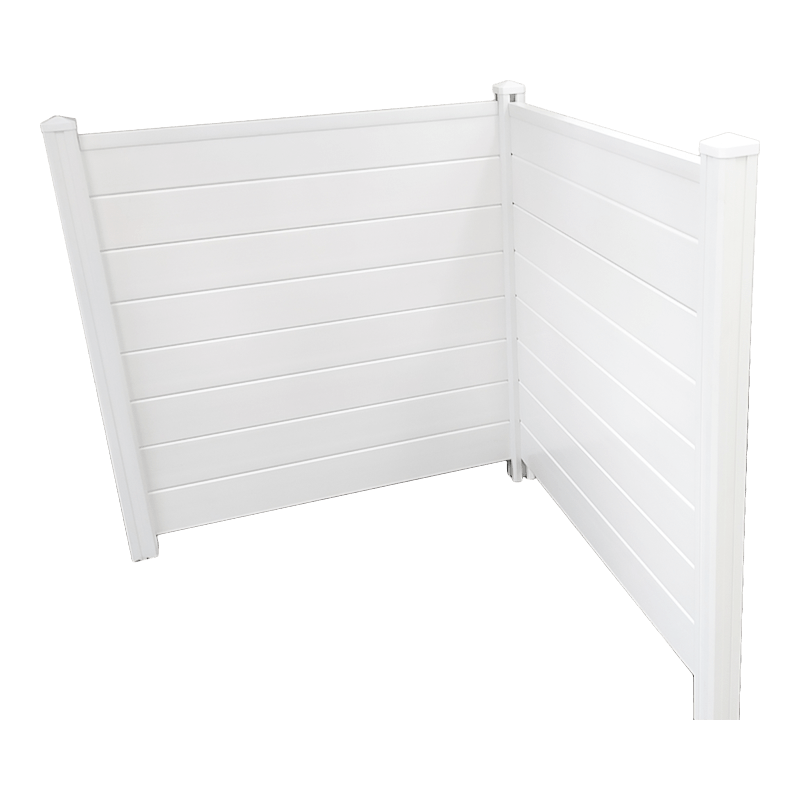
Understanding where PVC privacy fence screens are most commonly and effectively used helps you evaluate whether this solution fits your specific project and what product specifications are most relevant to your situation.
The most common residential use is adding privacy to an existing chain-link fence that separates a backyard from a neighbor, alley, or road. A 6-foot-tall PVC mesh screen in a neutral color like black or green effectively converts a see-through chain-link fence into a private outdoor space without requiring new posts or professional installation. Black-colored screens are particularly popular because they visually recede, making the fence less prominent and allowing landscaping to read as the primary visual element. For situations where you want privacy only from a specific angle — such as a neighbor's elevated deck — installing the screen only on the relevant fence section is a practical and cost-effective approach.
Pool enclosures and patio areas benefit enormously from PVC windscreen fence covers, which reduce the cooling effect of wind on wet skin, prevent debris and leaves from blowing into the pool, and create a more sheltered, comfortable outdoor living environment. Pool-specific screens should be rated for high UV exposure and saltwater corrosion if the pool uses a saltwater chlorination system. For this application, a fabric weight of at least 180 GSM with a 90% or higher wind reduction rating delivers the best functional result.
Tennis courts, basketball courts, baseball batting cages, and multi-use recreational areas commonly use PVC fence screens for ball containment, wind buffering, and visual separation from surrounding areas. Sports screens are typically heavier-weight (200–300 GSM), high-strength mesh products with reinforced edges and are often custom-printed with team names, sponsor logos, or decorative graphics. The screens are installed on chain-link perimeter fencing using specialized tensioning systems that maintain consistent tautness across large panel spans.
Temporary PVC fence screens on construction site hoarding and perimeter fencing serve multiple functions: they screen the work area from public view, contain dust and light debris, and provide a surface for safety signage and project information. Commercial properties use permanent PVC privacy fence panels to screen off dumpster areas, HVAC equipment yards, loading docks, and outdoor storage from customer-facing areas. In both cases, the requirements skew heavily toward durability, wind load resistance, and fire rating compliance rather than aesthetics.
Accurate measurement before ordering prevents the frustration of running short partway through an installation or wasting money on excess material. Follow this straightforward process to calculate exactly how much PVC fence screening you need:
One of the primary reasons property owners choose PVC fence screens over natural alternatives like bamboo or reed matting is the dramatically lower maintenance requirement. PVC does not rot, warp, splinter, or require periodic painting or sealing. However, some basic maintenance practices will significantly extend the useful life of your fence screen and keep it looking presentable.
Clean your PVC privacy screen annually — or more often in dusty, high-pollen, or coastal environments — by hosing it down with a garden hose on a moderate pressure setting. For stubborn algae, mildew staining, or traffic grime on screens near roadways, mix a mild solution of dish soap and warm water and scrub with a soft brush, then rinse thoroughly. Avoid high-pressure power washing, which can stress the weave structure of mesh screens and loosen the PVC coating from the fibers over time. Never use bleach or solvent-based cleaners on PVC mesh screens — they degrade the PVC coating and accelerate UV-related discoloration.
Inspect your screen annually for torn grommets, fraying edges, broken zip ties, and areas where the screen has begun to sag between attachment points. Replace broken zip ties promptly — a screen that has lost several fasteners concentrates load on the remaining ones and will typically tear out at the next grommet along the line in the next windstorm. If a section of screen has been significantly damaged, it is almost always more cost-effective to cut out and replace that panel section than to attempt repairs with tape or patches, which rarely hold well under outdoor conditions.
The PVC fence screen market is crowded with products ranging from high-quality commercial-grade materials to budget options that look identical in product photos but perform very differently in real-world conditions. Here is exactly what to check before placing an order:
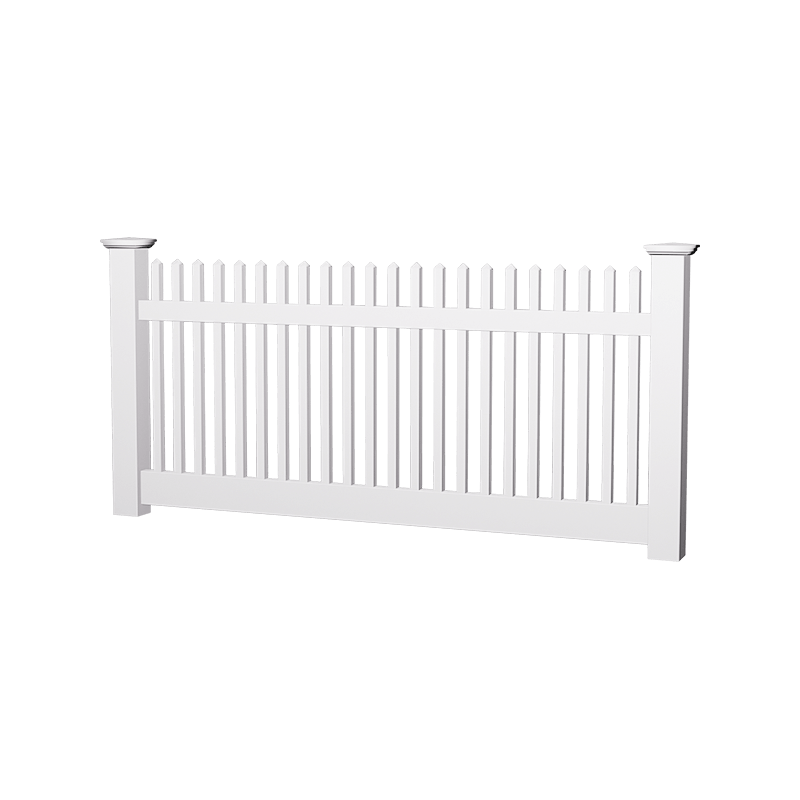
Our 1.5"x1.5" Horizontal Picket Fence, the ultimate garden solution made from 100% virgin PVC for unmatched durability and low maintenance. Designed for easy DIY installation, this fire-proof fence re...
See Details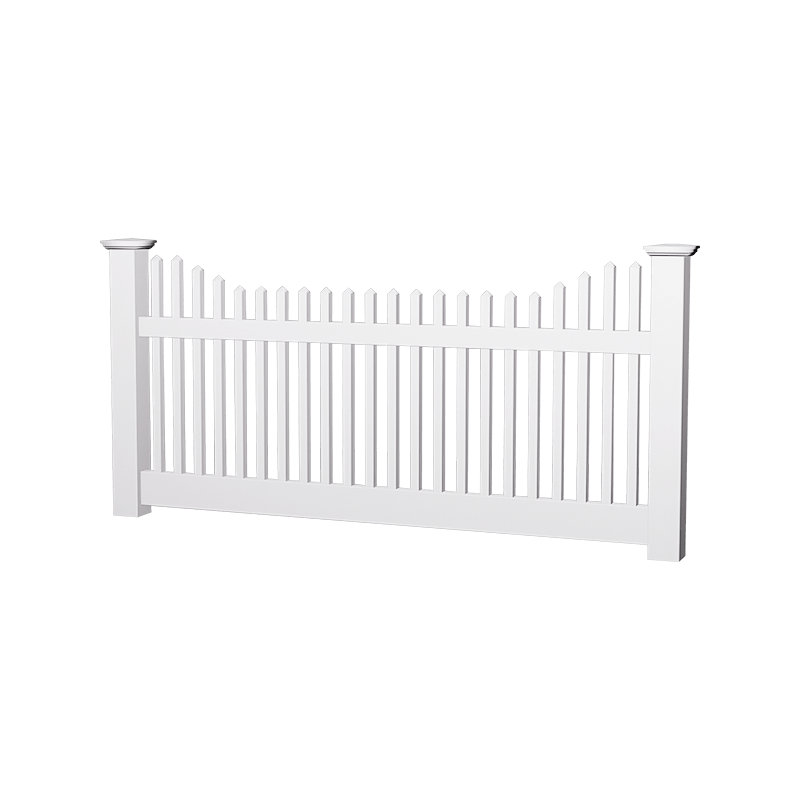
The Special-Shaped Picket Fence, the perfect addition to any home. Crafted from 100% virgin PVC, this fence combines durability and elegance with low maintenance requirements. Designed for easy DIY in...
See Details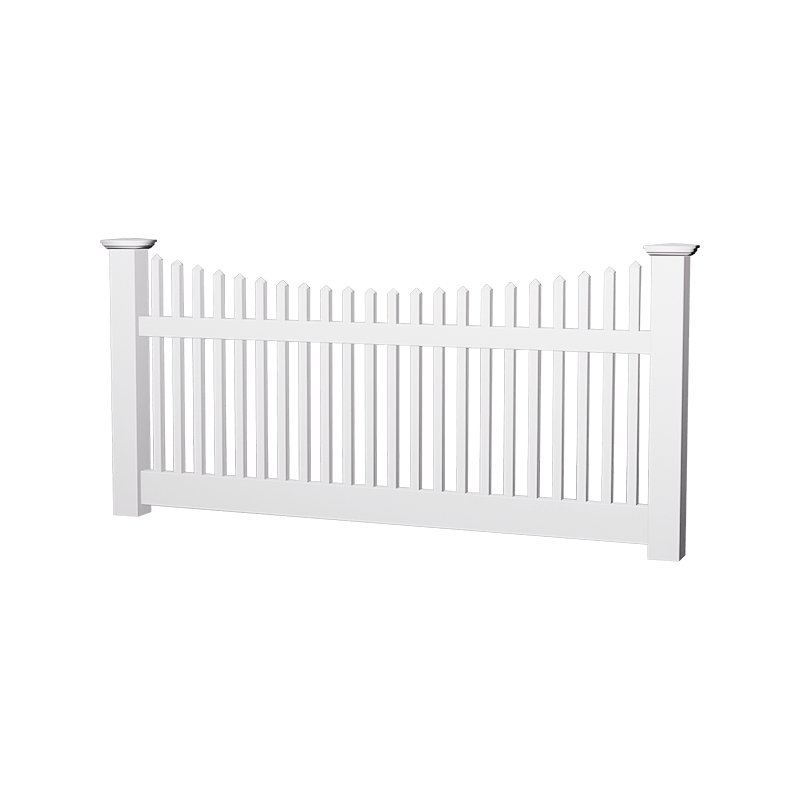
The Special-Shaped Picket Fence, the perfect addition to any home. Crafted from 100% virgin PVC, this fence combines durability and elegance with low maintenance requirements. Designed for easy DIY in...
See Details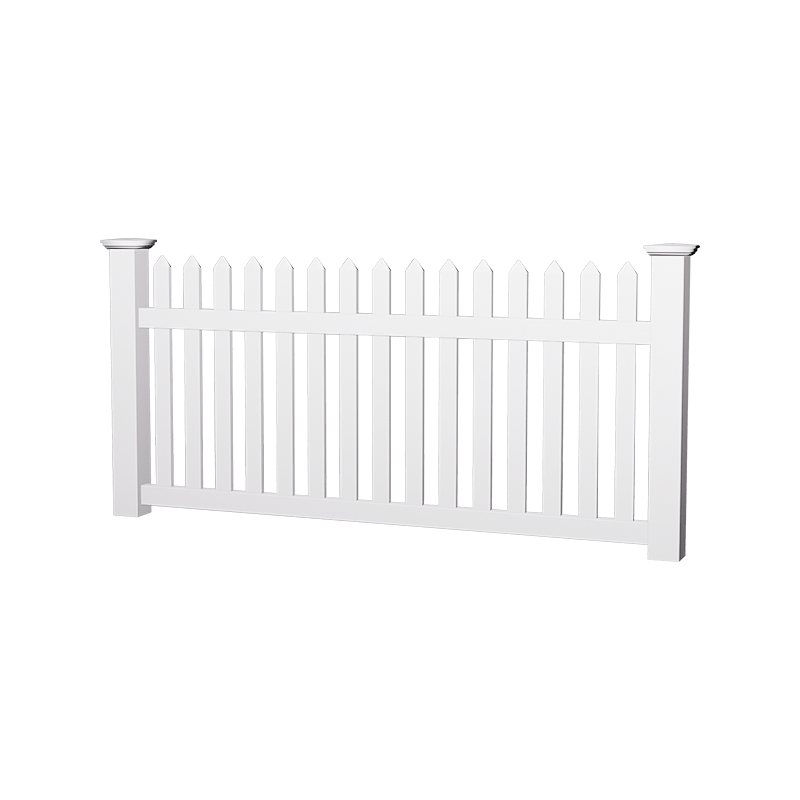
Enhance your home’s exterior with our Traditional Straight Spade Fence, crafted from 100% virgin PVC for exceptional durability and style. This low-maintenance solution is designed for easy installati...
See Details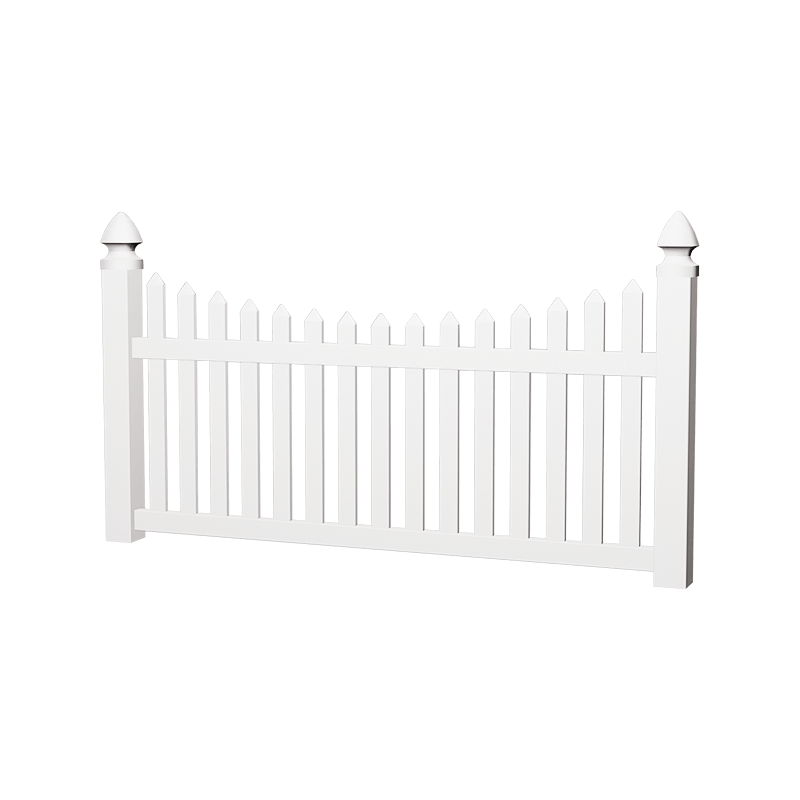
Transform your outdoor space with our 7/8"x3" Outdoor Picket Fence, specifically designed for farm use and outdoor applications. Crafted from 100% Virgin PVC, this durable and high-impact resistant fe...
See Details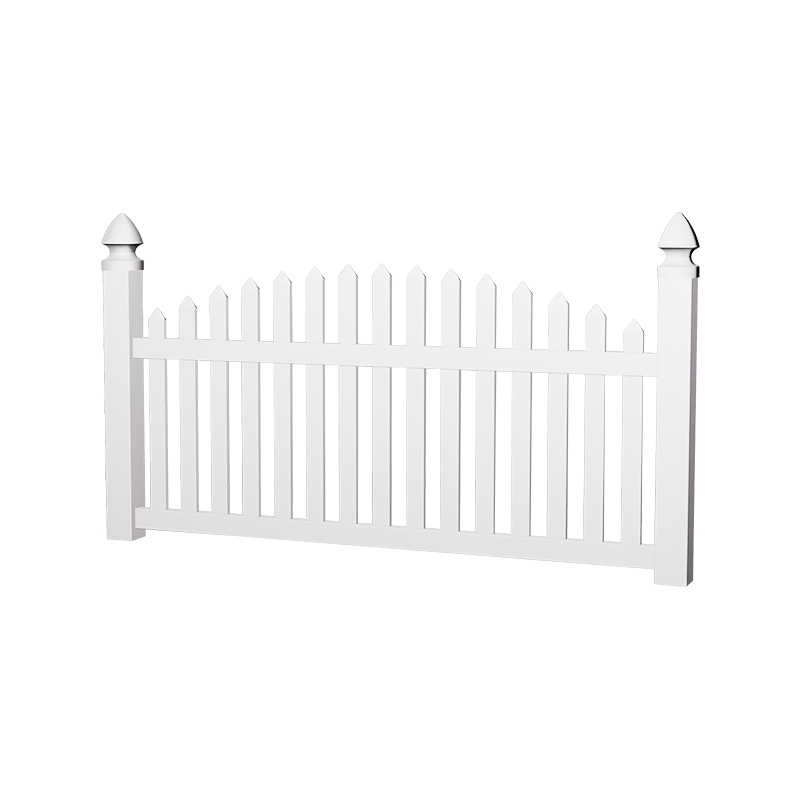
Enhance your farm's aesthetic and functionality with our PVC Arched Picket Fence. Crafted from 100% virgin PVC, this durable and stylish fencing solution combines the classic charm of traditional pick...
See Details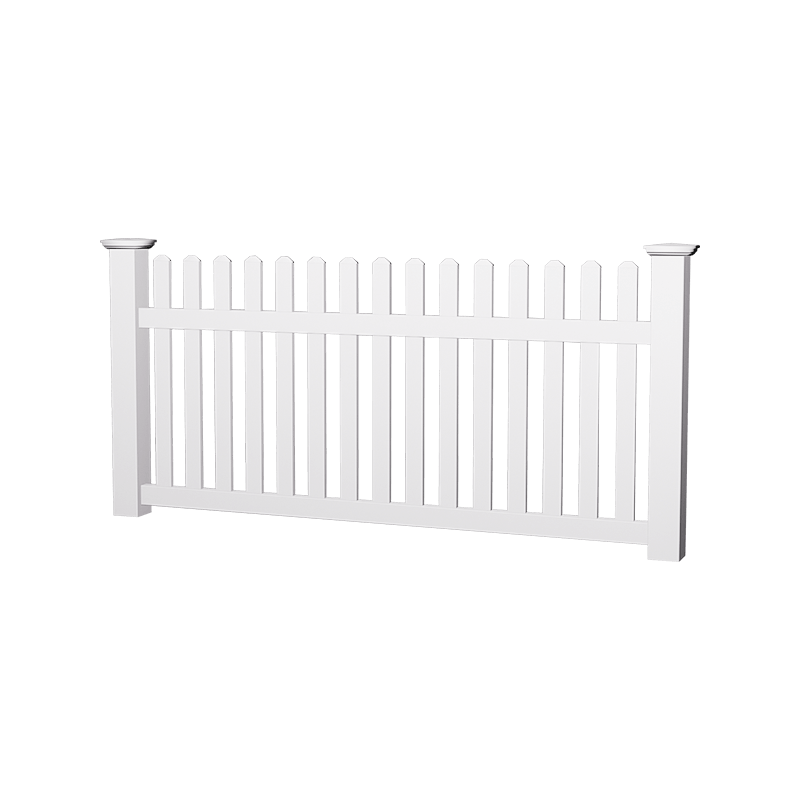
Our durable and versatile Picket Fence, designed specifically for farm use. Crafted from 100% virgin PVC plastic, this fence panel is not coated, ensuring superior quality and longevity. With dimensio...
See Details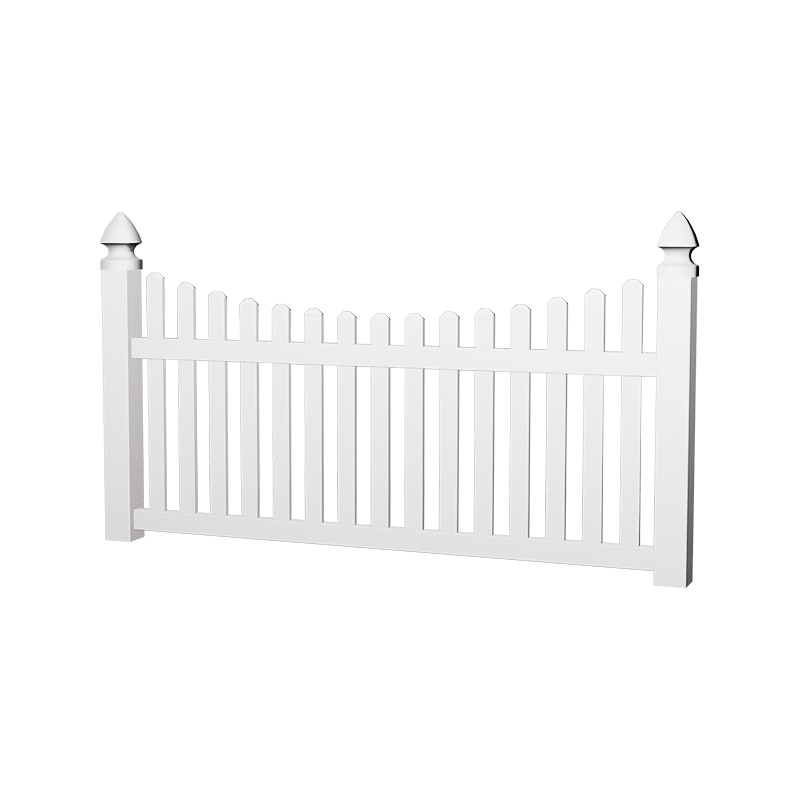
Introducing our 7/8"x3" Plastic Picket, designed specifically for farm applications. Crafted from 100% virgin PVC, this picket is not coated, ensuring maximum durability and resistance to impacts. Wit...
See Details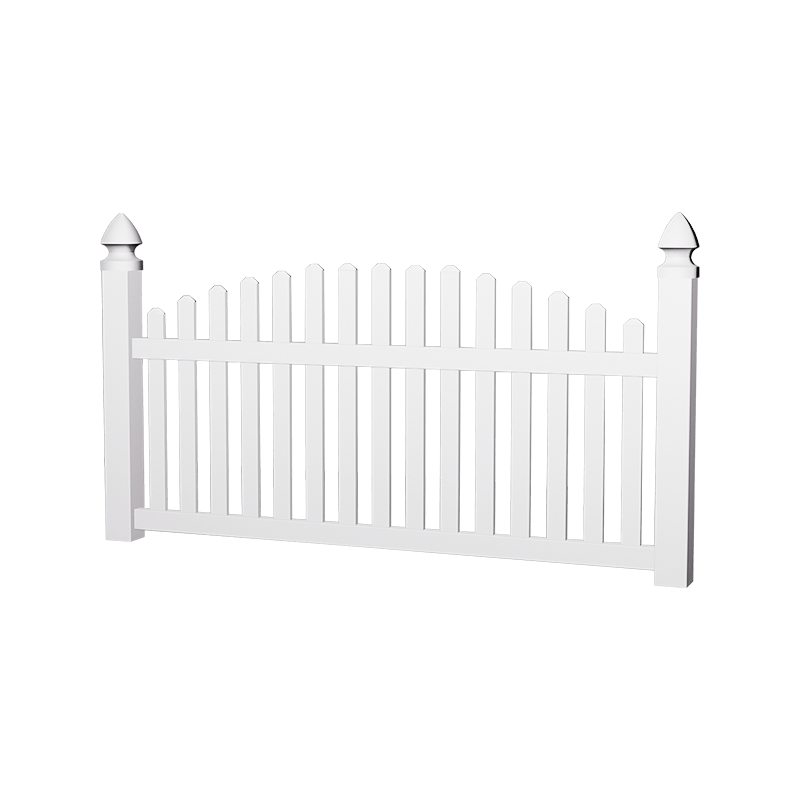
The Dog Ear Top Garden Fence, the ultimate solution for your farm fencing needs. Crafted from 100% virgin PVC, this fence is designed to withstand the elements without the worry of rot or decay, makin...
See Details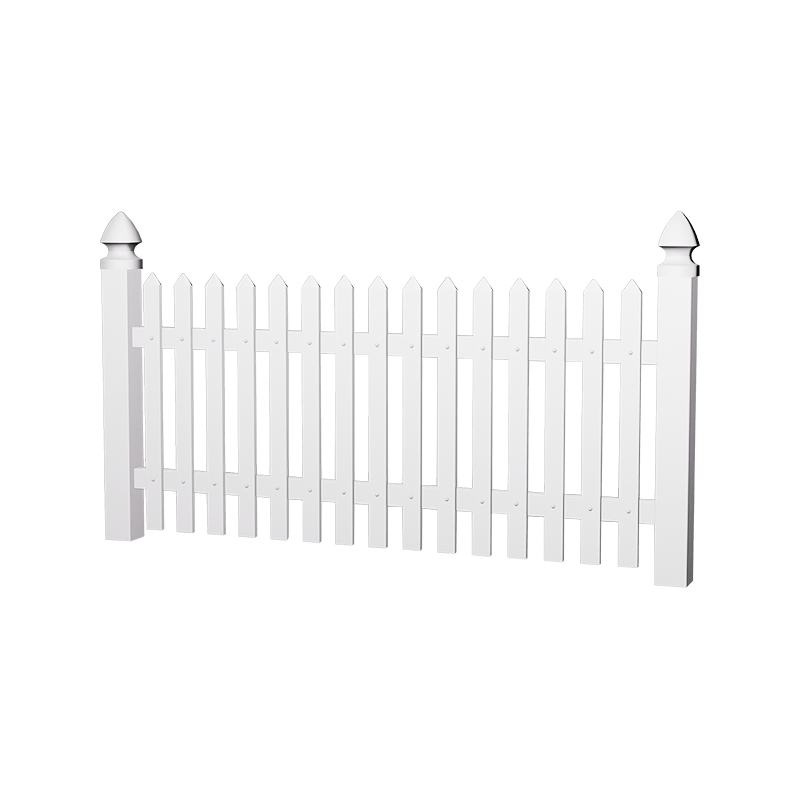
Decorate your outdoor spaces with our durable and stylish PVC Face Mounted Pickets Fence. Designed for easy installation and long-lasting performance, this fence is perfect for residential and commerc...
See Details
Our White Vinyl Fence, measuring 4'H x 8'W, designed for both functionality and aesthetics. Made from 100% virgin PVC plastic, this fence is not coated, ensuring unmatched durability and resistance to...
See Details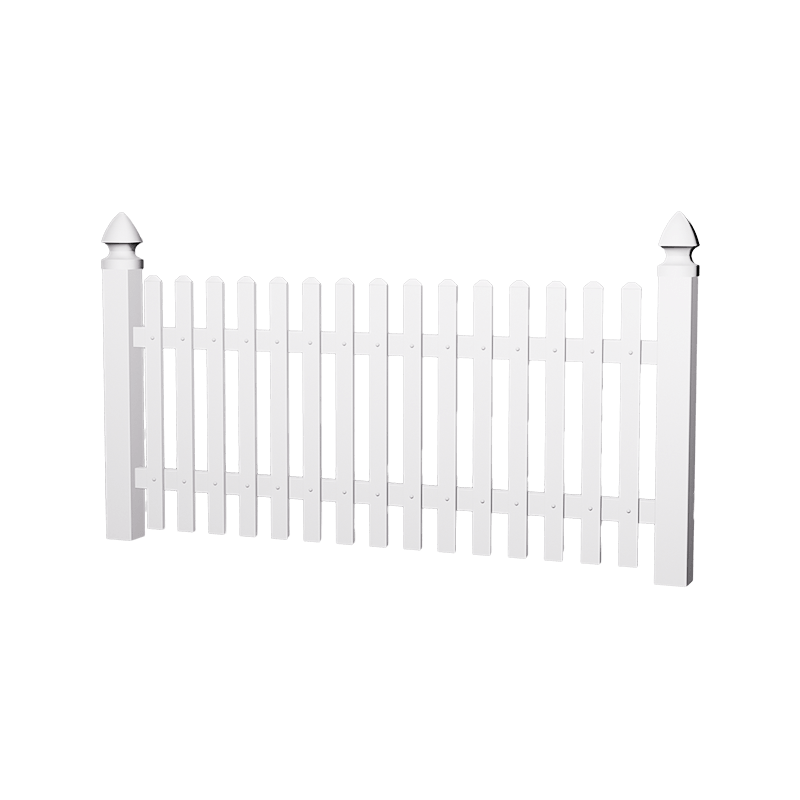
The Traditional Dog Ear Picket is an ideal choice for warehouses, combining aesthetic appeal with practicality. Made from 100% virgin PVC, this durable, low-maintenance fence resists rotting and water...
See Details
We are a professional manufacturer engaged in the research, development,
production, sale, and service of PVC fences and PVC flooring.
Contact Us
Mobile
Copyright © Deqing Huazhijie Railing & Fencing Co.,Ltd. All Rights Reserved.
 Custom Vinyl Fence Manufacturers
 English
 عربى
عربى 中文简体
中文简体 Español