Welcome to Huazhijie!
 +86-572-8086381 / 8282992
  hzjfence1@hzjfence.com


Apr 08, 2026
Content
A PVC garden bed is a raised planting structure made from durable polyvinyl chloride (PVC) materials. Unlike traditional wooden or metal garden beds, PVC raised garden beds are lightweight, weather-resistant, and easy to assemble. They are designed to create a controlled growing environment, making them ideal for vegetables, herbs, and flowers.
PVC garden beds are especially popular among home gardeners because they require minimal maintenance and resist rot, rust, and insect damage. Whether used in backyards, patios, or greenhouses, they offer a practical solution for organized and efficient gardening.
Choosing a PVC garden bed provides several advantages compared to traditional materials. These benefits make it a smart option for both beginners and experienced gardeners.
PVC garden beds come in various styles and configurations to suit different gardening needs. Understanding these options helps you choose the best fit for your space.
These beds consist of interlocking panels or pipes that can be expanded or reconfigured. They are ideal for gardeners who want flexibility in layout and size.
Vertical designs use stacked PVC pipes or frames, allowing you to grow plants upward. This is perfect for small spaces such as balconies or patios.
These systems include built-in water reservoirs that help maintain consistent soil moisture. They are suitable for busy gardeners or areas with limited watering access.
Selecting the right PVC garden bed depends on your gardening goals, available space, and plant types. Making the right choice ensures better growth and easier maintenance.
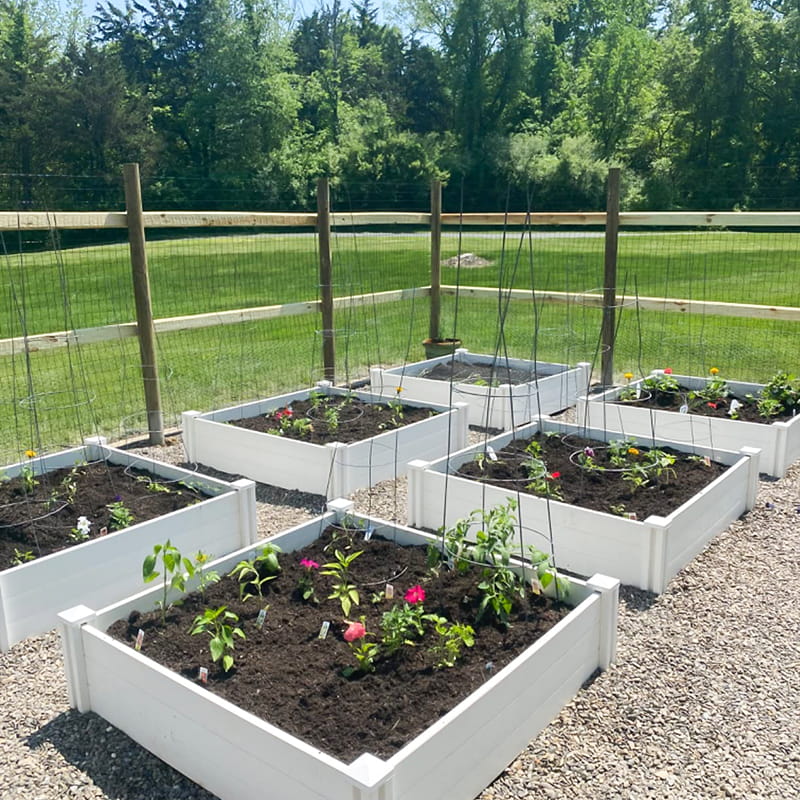
Setting up a PVC raised garden bed is straightforward, but following proper steps ensures long-term success and plant health.
Using the right soil mix and planting strategy is key to maximizing the benefits of a PVC garden bed. A well-prepared bed promotes healthy plant growth and higher yields.
| Component | Purpose |
| Topsoil | Provides structure and nutrients |
| Compost | Enhances fertility and microbial activity |
| Perlite or Sand | Improves drainage and aeration |
| Organic Matter | Supports long-term soil health |
Although PVC garden beds are low-maintenance, regular care ensures optimal performance and plant health throughout the growing season.
A PVC garden bed is a practical and efficient solution for modern gardening. Its durability, ease of use, and flexibility make it suitable for a wide range of applications. By choosing the right design, preparing proper soil, and following simple maintenance practices, gardeners can enjoy healthy plants and productive harvests throughout the year.
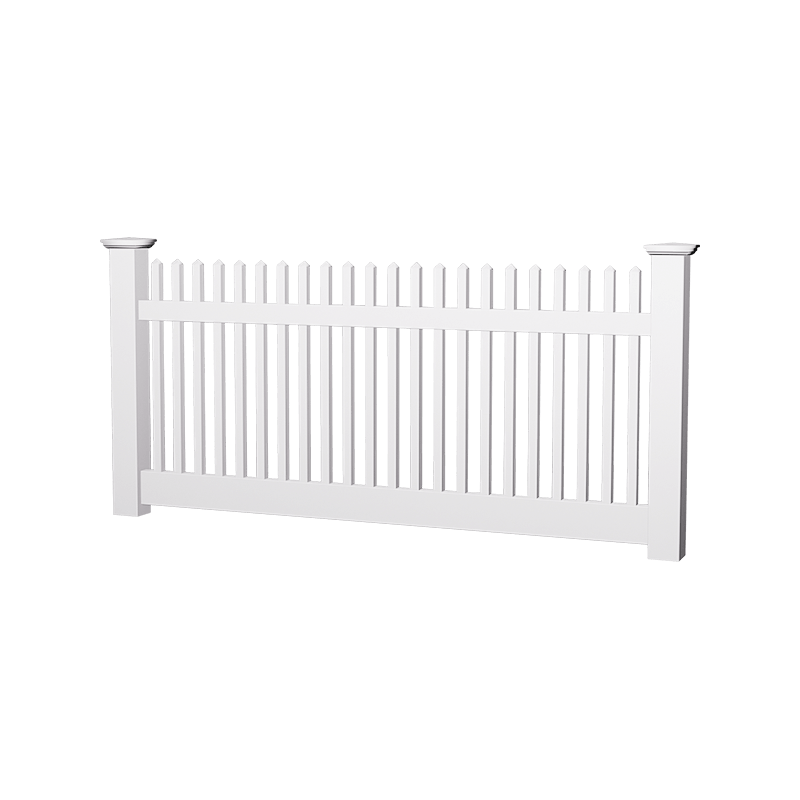
Our 1.5"x1.5" Horizontal Picket Fence, the ultimate garden solution made from 100% virgin PVC for unmatched durability and low maintenance. Designed for easy DIY installation, this fire-proof fence re...
See Details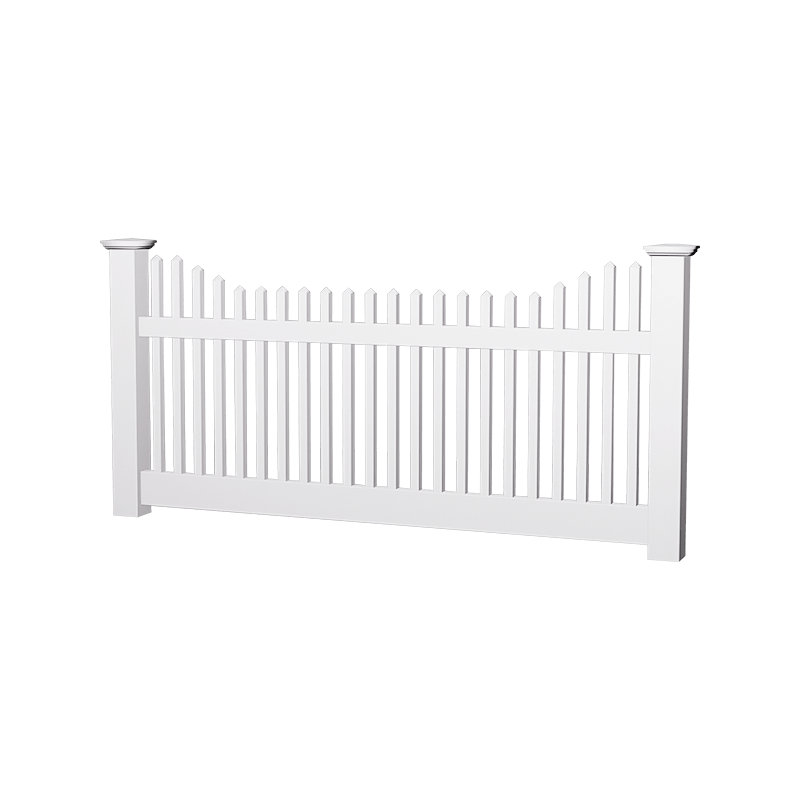
The Special-Shaped Picket Fence, the perfect addition to any home. Crafted from 100% virgin PVC, this fence combines durability and elegance with low maintenance requirements. Designed for easy DIY in...
See Details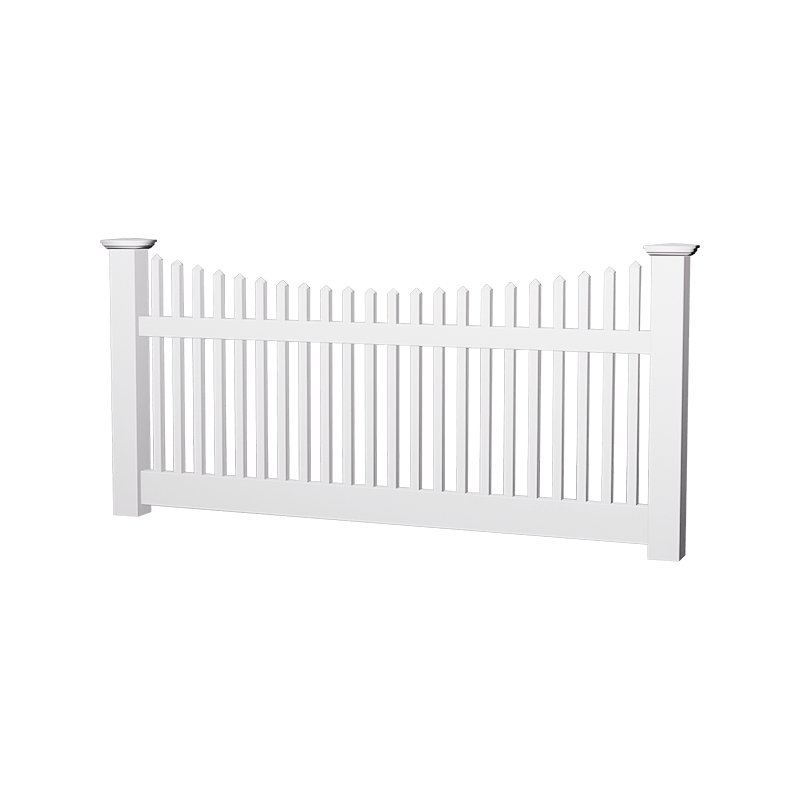
The Special-Shaped Picket Fence, the perfect addition to any home. Crafted from 100% virgin PVC, this fence combines durability and elegance with low maintenance requirements. Designed for easy DIY in...
See Details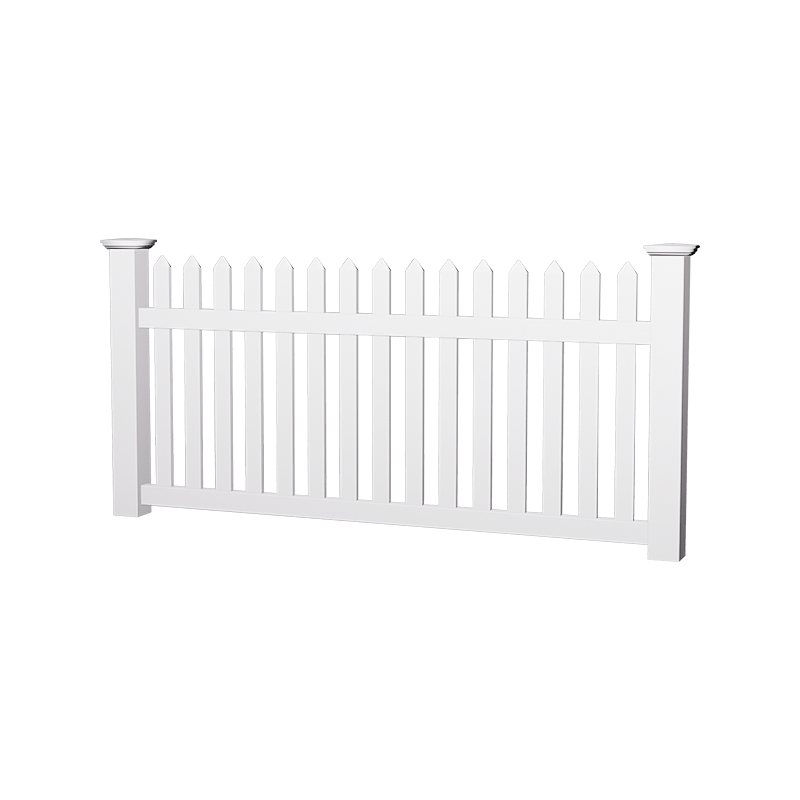
Enhance your home’s exterior with our Traditional Straight Spade Fence, crafted from 100% virgin PVC for exceptional durability and style. This low-maintenance solution is designed for easy installati...
See Details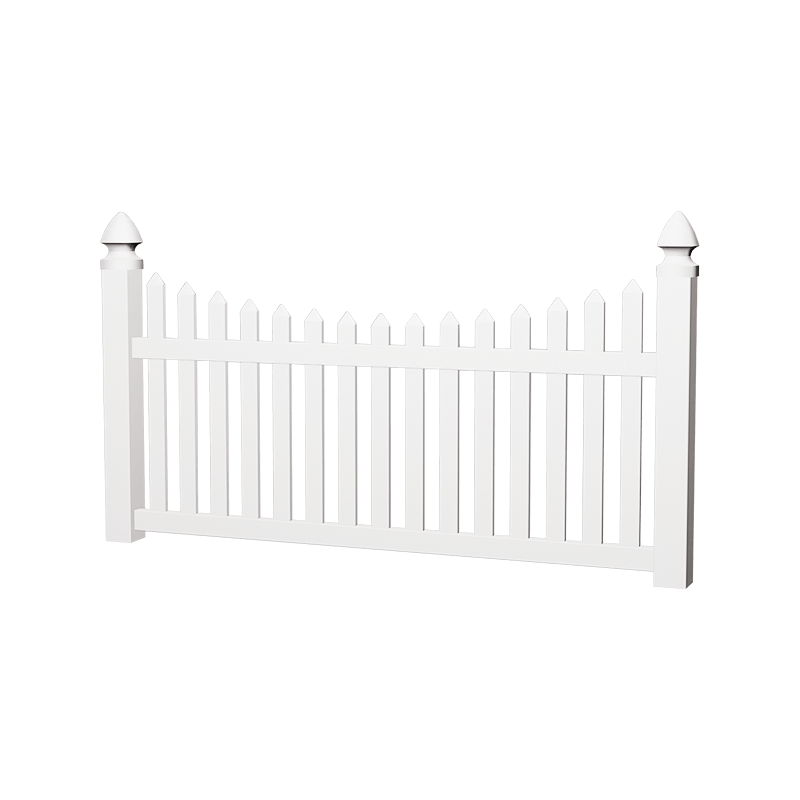
Transform your outdoor space with our 7/8"x3" Outdoor Picket Fence, specifically designed for farm use and outdoor applications. Crafted from 100% Virgin PVC, this durable and high-impact resistant fe...
See Details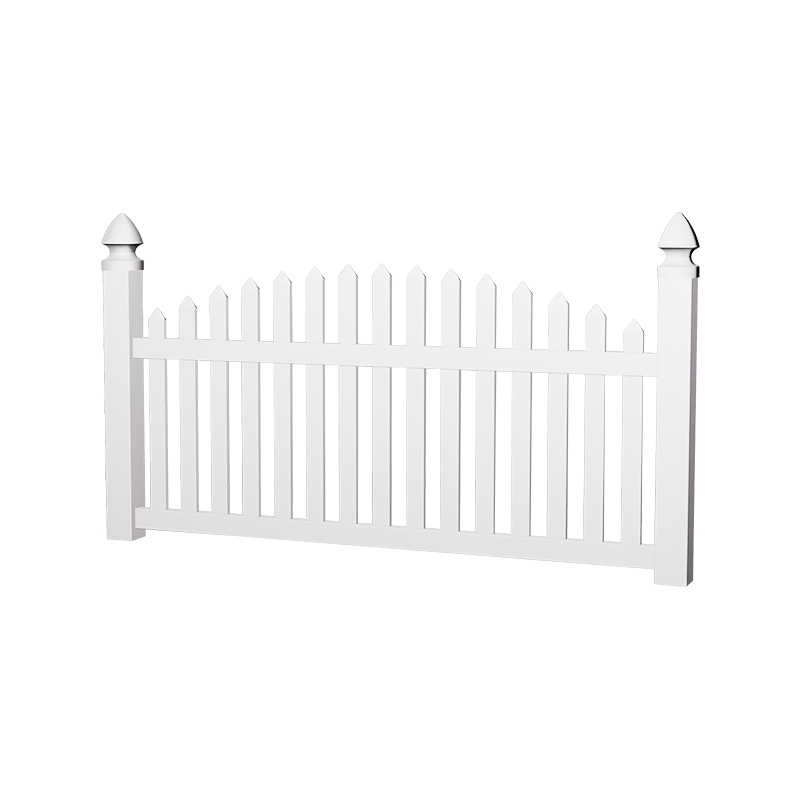
Enhance your farm's aesthetic and functionality with our PVC Arched Picket Fence. Crafted from 100% virgin PVC, this durable and stylish fencing solution combines the classic charm of traditional pick...
See Details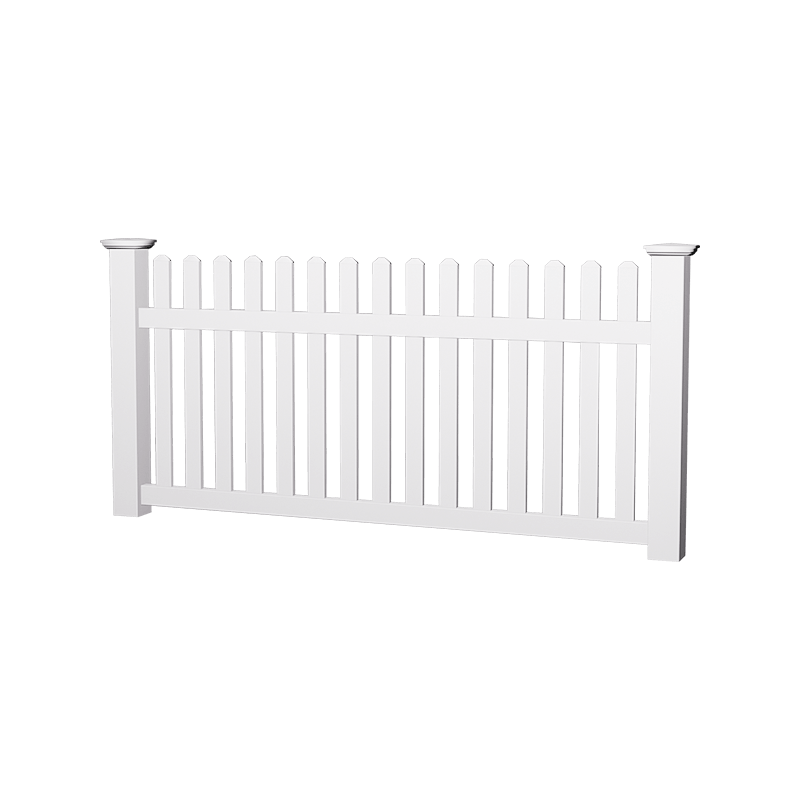
Our durable and versatile Picket Fence, designed specifically for farm use. Crafted from 100% virgin PVC plastic, this fence panel is not coated, ensuring superior quality and longevity. With dimensio...
See Details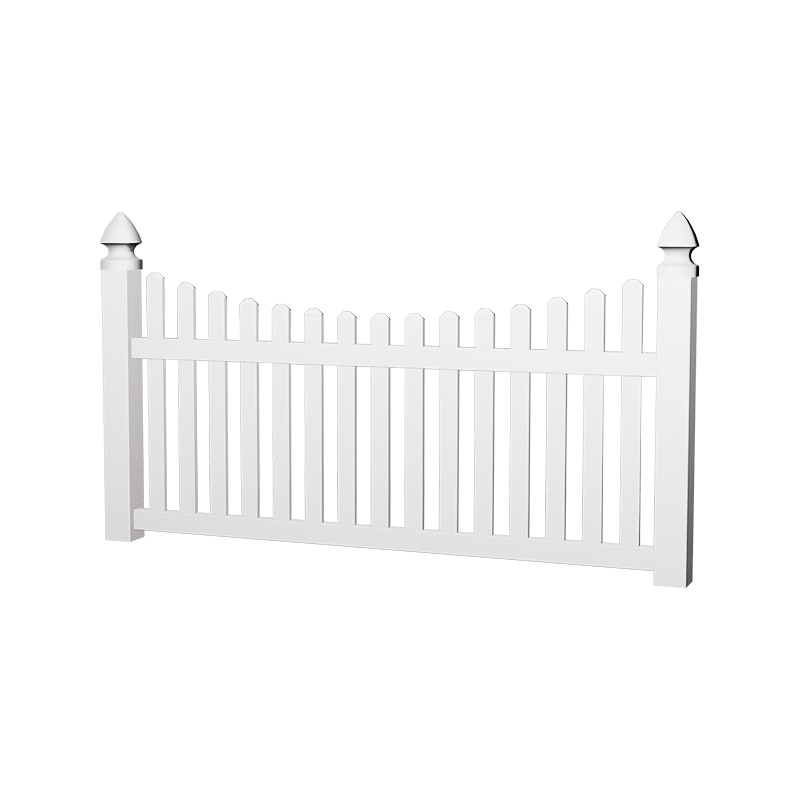
Introducing our 7/8"x3" Plastic Picket, designed specifically for farm applications. Crafted from 100% virgin PVC, this picket is not coated, ensuring maximum durability and resistance to impacts. Wit...
See Details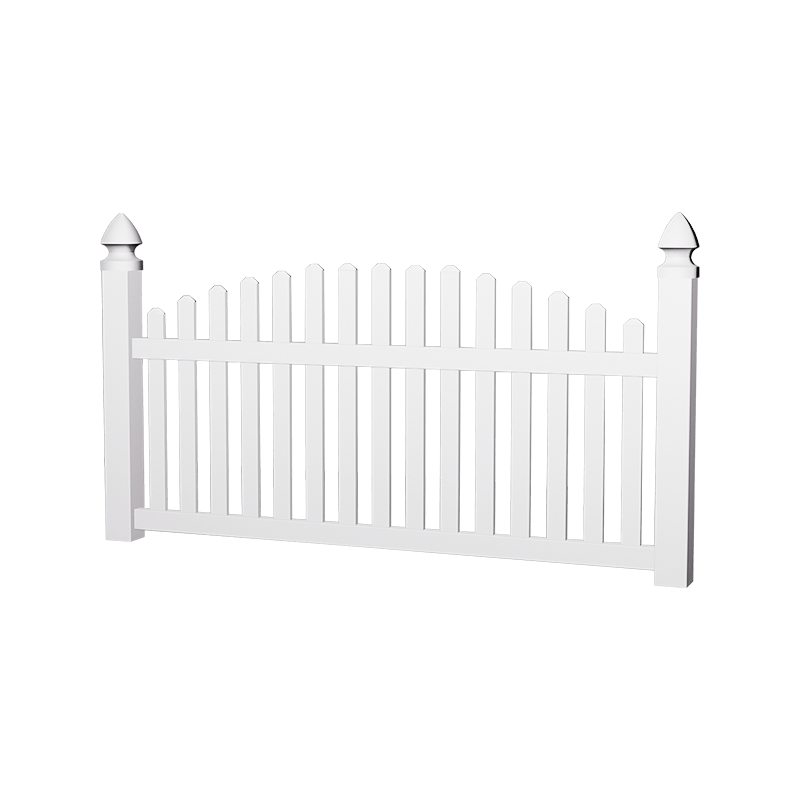
The Dog Ear Top Garden Fence, the ultimate solution for your farm fencing needs. Crafted from 100% virgin PVC, this fence is designed to withstand the elements without the worry of rot or decay, makin...
See Details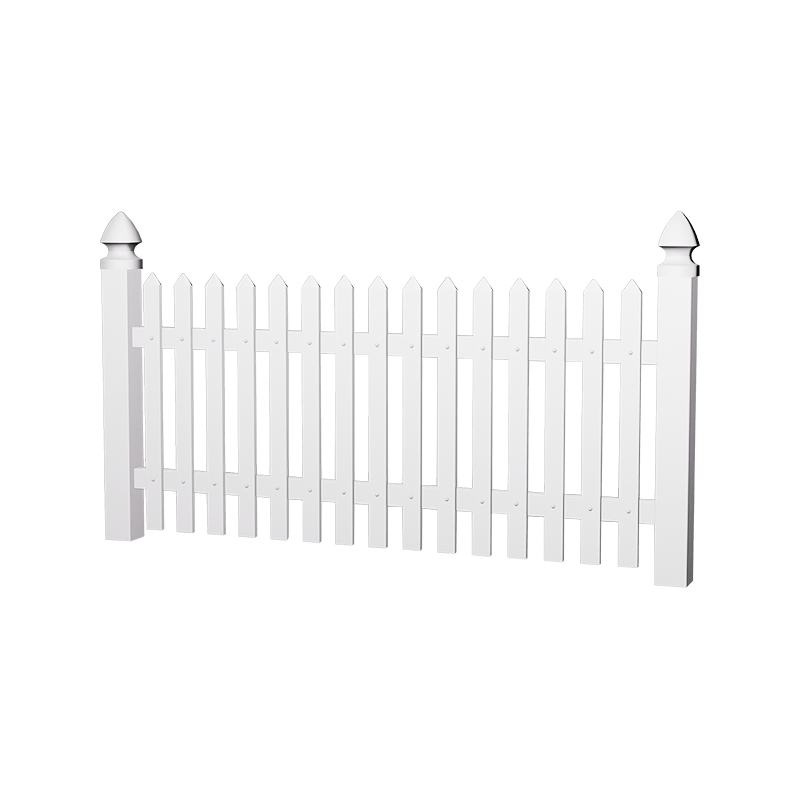
Decorate your outdoor spaces with our durable and stylish PVC Face Mounted Pickets Fence. Designed for easy installation and long-lasting performance, this fence is perfect for residential and commerc...
See Details
Our White Vinyl Fence, measuring 4'H x 8'W, designed for both functionality and aesthetics. Made from 100% virgin PVC plastic, this fence is not coated, ensuring unmatched durability and resistance to...
See Details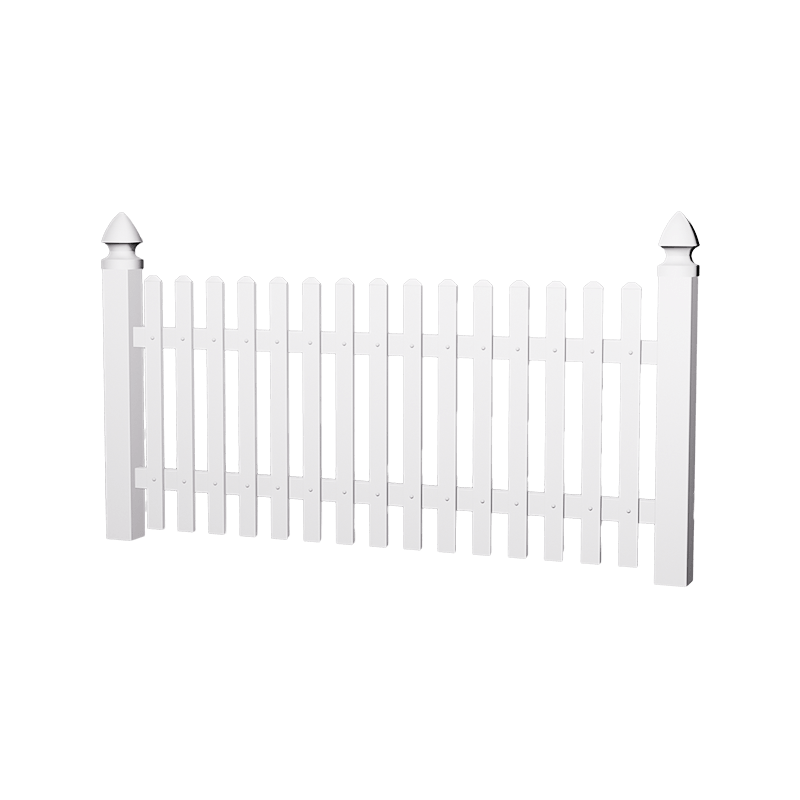
The Traditional Dog Ear Picket is an ideal choice for warehouses, combining aesthetic appeal with practicality. Made from 100% virgin PVC, this durable, low-maintenance fence resists rotting and water...
See Details
We are a professional manufacturer engaged in the research, development,
production, sale, and service of PVC fences and PVC flooring.
Contact Us
Mobile
Copyright © Deqing Huazhijie Railing & Fencing Co.,Ltd. All Rights Reserved.
 Custom Vinyl Fence Manufacturers
 English
 عربى
عربى 中文简体
中文简体 Español