Welcome to Huazhijie!
 +86-572-8086381 / 8282992
  hzjfence1@hzjfence.com


Jul 31, 2026
Content
A straight spade fence is an ornamental metal fence style where each vertical picket ends in a flat, spade-shaped point rather than a rounded ball, decorative finial, or sharp spear tip. The "straight" part refers to the picket design running in clean, uninterrupted vertical lines without added scrollwork or curves, giving the fence a simple, structured look that works well for both traditional and modern properties. This style has stayed popular for decades because it strikes a balance between classic wrought-iron aesthetics and a cleaner, more minimal appearance compared to heavily ornamented fence designs.
Spade top pickets in particular offer a practical middle ground between decorative appeal and security. The flattened spade shape is less aggressive-looking than a sharp spear point, making it a popular choice for residential properties, while still providing enough of a deterrent along the top rail to discourage unwanted climbing compared to a flat-topped or rounded picket design.
The material a spade fence is made from affects everything from upfront cost to long-term maintenance, and each option comes with its own tradeoffs worth understanding before making a purchase.
Traditional wrought iron gives a spade fence its classic, heavy-duty look and feel, often associated with historic properties and formal garden designs. It requires periodic repainting or rust treatment to prevent corrosion, especially in humid climates, but many homeowners consider the maintenance worth it for the authentic aesthetic it provides.
Aluminum has become the most common material for modern spade fencing because it mimics the look of wrought iron while being significantly lighter, easier to install, and naturally resistant to rust. Powder-coated aluminum spade fences hold their finish for years without the repainting that iron requires, making them a popular low-maintenance alternative.
Steel spade fencing offers a middle ground between the strength of iron and the low maintenance of aluminum. Galvanized or powder-coated steel resists corrosion reasonably well and provides more rigidity than aluminum, making it a common choice for commercial properties or areas needing extra structural durability.
Here's a quick comparison to help weigh the practical differences between the most common straight spade fence materials available today.
| Material | Maintenance Level | Typical Lifespan | Relative Cost |
| Wrought Iron | High | Decades with upkeep | Higher |
| Aluminum | Low | 20 to 30 years | Moderate |
| Steel | Moderate | 20 to 25 years | Moderate to higher |
This fence style suits a range of property types, though it tends to shine in certain settings more than others based on its clean lines and moderate security profile.
Because the spade top design offers a visual middle ground, not too plain and not overly ornate, it tends to fit a wider variety of architectural styles than more elaborate fence designs featuring scrollwork or finials.

Before ordering a straight spade fence for your property, a few practical details are worth confirming to avoid delays or mismatched expectations once installation begins.
Taking care of these details upfront helps avoid the common headache of ordering a fence that technically looks right but doesn't meet code requirements or fit the actual dimensions of your property.
Proper installation makes a significant difference in how well a straight spade fence holds up over time, regardless of the material chosen. Setting posts at the correct depth, generally below the frost line in colder climates, prevents shifting or heaving caused by seasonal ground movement. Using concrete footings rather than just packed soil provides much stronger long-term stability, particularly for taller fence sections that need to resist wind load.
Spacing pickets evenly and checking for level across each panel during installation prevents the finished fence from looking uneven or developing gaps that could compromise its security function over time. For DIY installations, it's worth renting a post hole digger or auger rather than digging by hand, since consistent hole depth and diameter make a noticeable difference in how sturdy the finished fence feels once fully assembled.
Regular maintenance keeps a straight spade fence looking sharp and functioning well long after installation. Rinse aluminum and steel fences periodically with a garden hose to remove dust, pollen, and grime buildup that can dull the finish over time. For wrought iron, check regularly for small rust spots and treat them early with a rust-inhibiting primer and matching paint before corrosion has a chance to spread further into the metal.
Tighten any loose bolts or fasteners at post connections periodically, since seasonal temperature changes can cause slight expansion and contraction that loosens hardware over the years. Trimming back nearby vegetation also helps, since vines and overgrown shrubs pressing against the pickets can trap moisture against the metal and accelerate wear in that section of the fence.
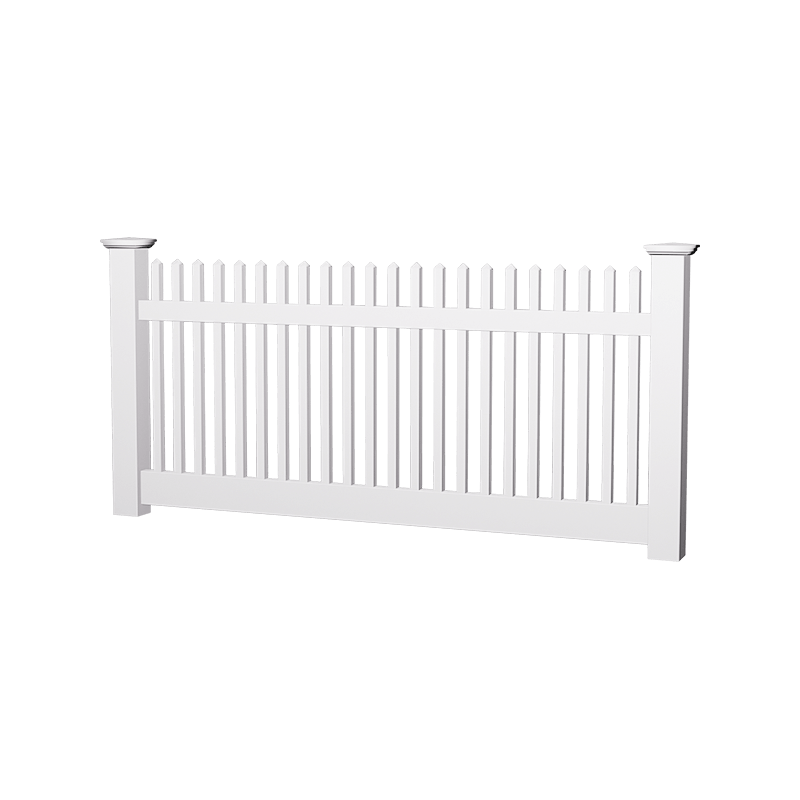
Our 1.5"x1.5" Horizontal Picket Fence, the ultimate garden solution made from 100% virgin PVC for unmatched durability and low maintenance. Designed for easy DIY installation, this fire-proof fence re...
See Details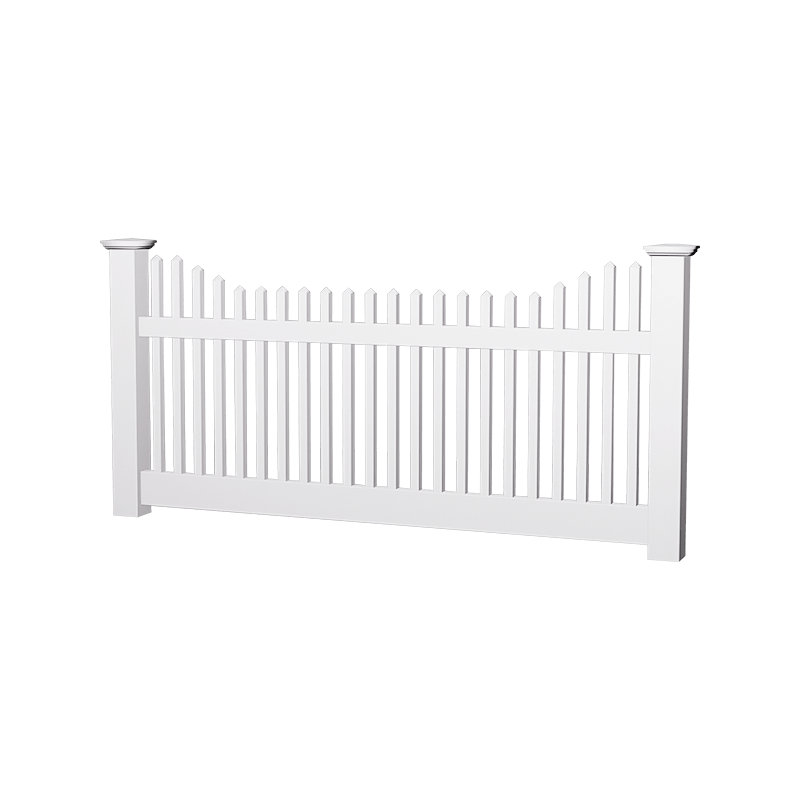
The Special-Shaped Picket Fence, the perfect addition to any home. Crafted from 100% virgin PVC, this fence combines durability and elegance with low maintenance requirements. Designed for easy DIY in...
See Details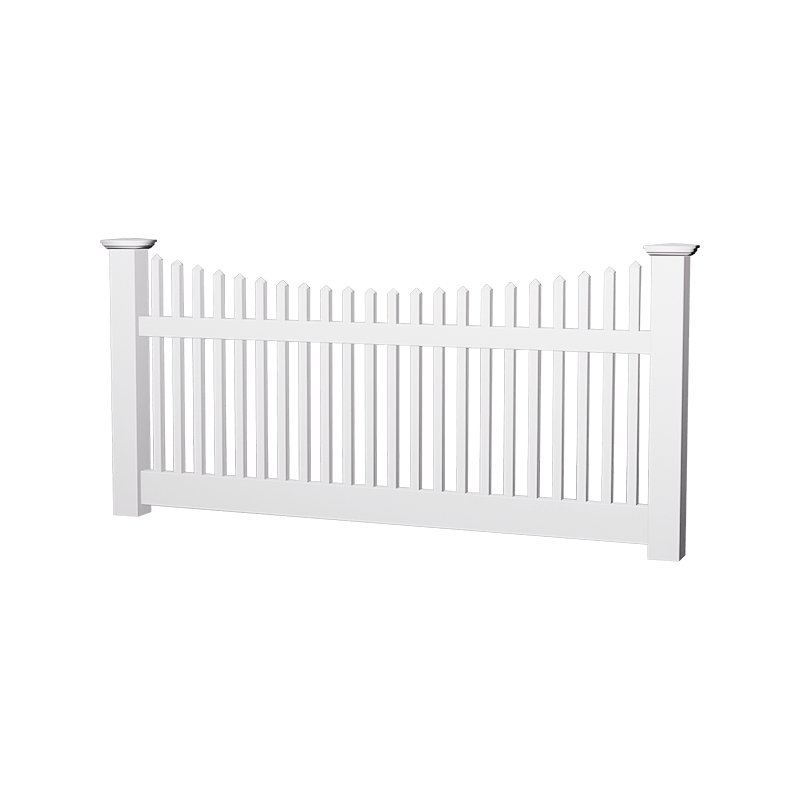
The Special-Shaped Picket Fence, the perfect addition to any home. Crafted from 100% virgin PVC, this fence combines durability and elegance with low maintenance requirements. Designed for easy DIY in...
See Details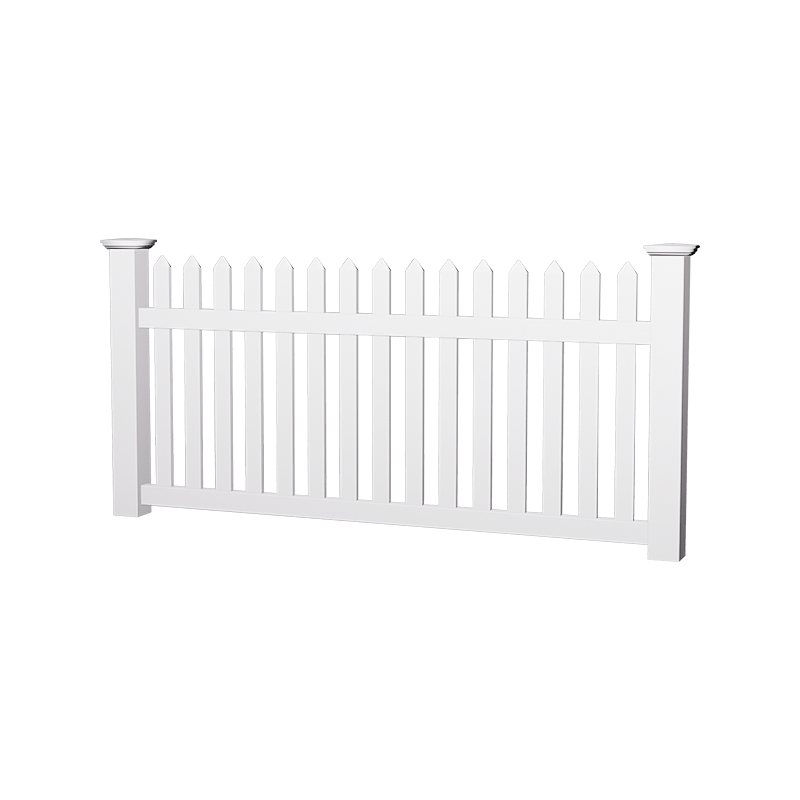
Enhance your home’s exterior with our Traditional Straight Spade Fence, crafted from 100% virgin PVC for exceptional durability and style. This low-maintenance solution is designed for easy installati...
See Details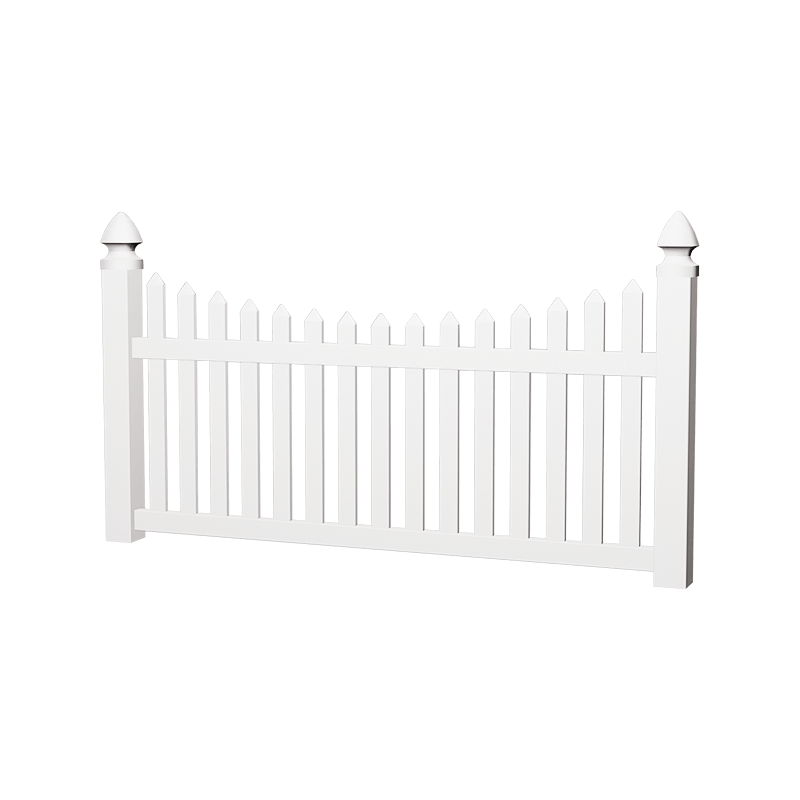
Transform your outdoor space with our 7/8"x3" Outdoor Picket Fence, specifically designed for farm use and outdoor applications. Crafted from 100% Virgin PVC, this durable and high-impact resistant fe...
See Details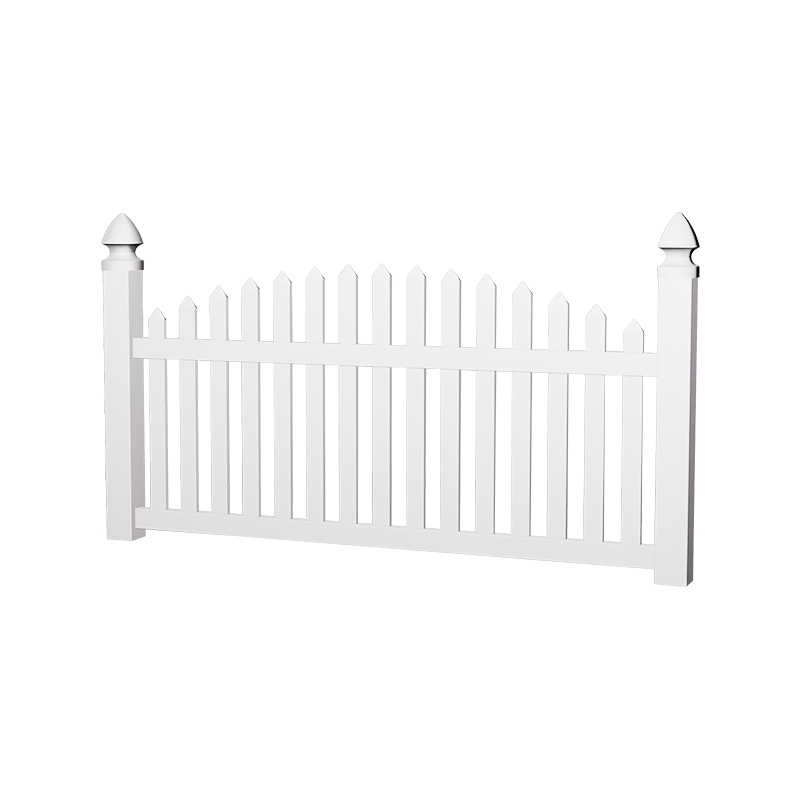
Enhance your farm's aesthetic and functionality with our PVC Arched Picket Fence. Crafted from 100% virgin PVC, this durable and stylish fencing solution combines the classic charm of traditional pick...
See Details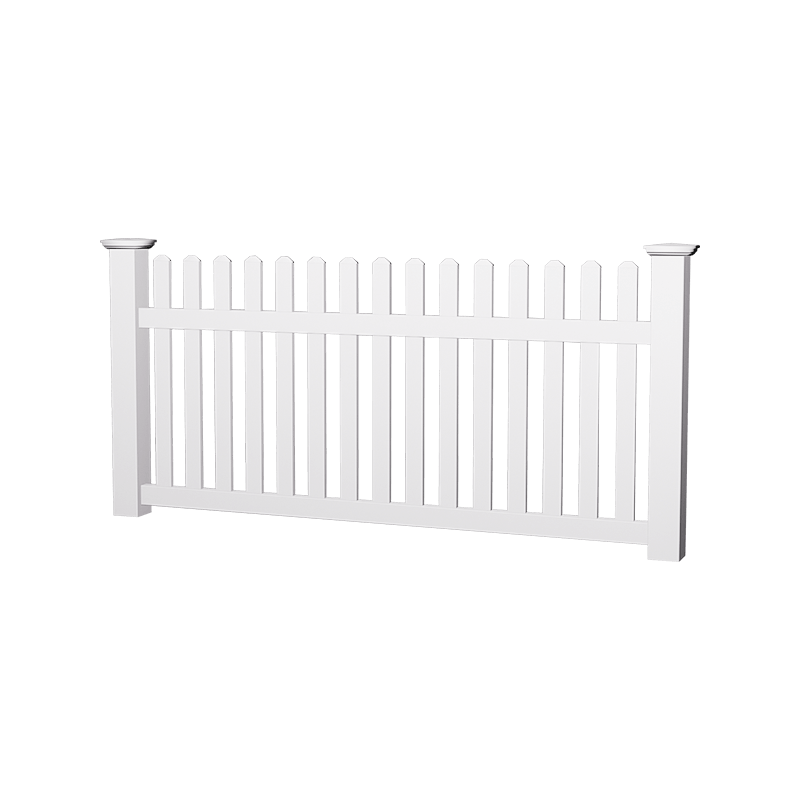
Our durable and versatile Picket Fence, designed specifically for farm use. Crafted from 100% virgin PVC plastic, this fence panel is not coated, ensuring superior quality and longevity. With dimensio...
See Details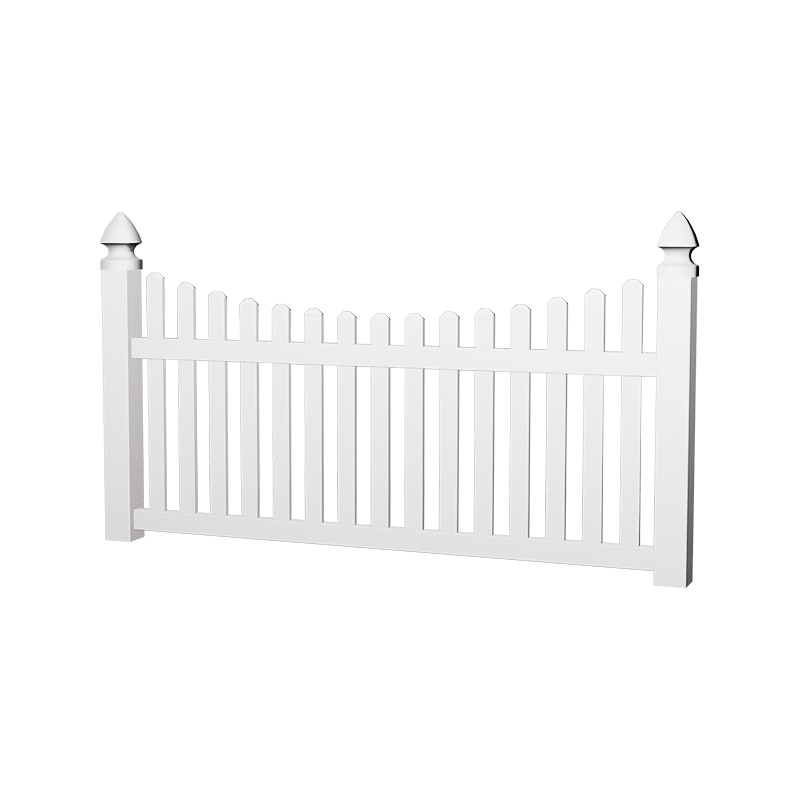
Introducing our 7/8"x3" Plastic Picket, designed specifically for farm applications. Crafted from 100% virgin PVC, this picket is not coated, ensuring maximum durability and resistance to impacts. Wit...
See Details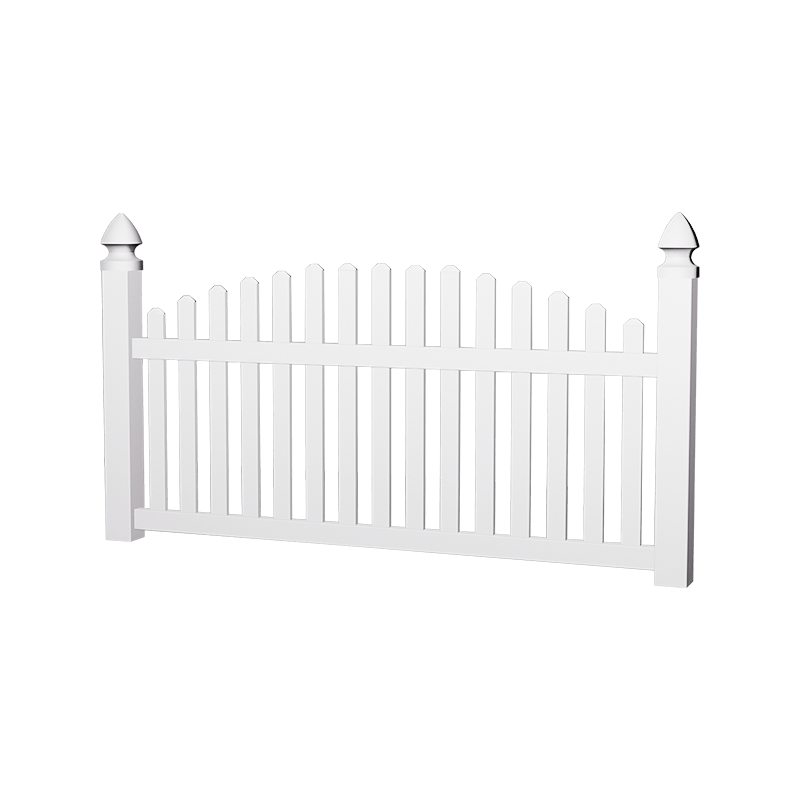
The Dog Ear Top Garden Fence, the ultimate solution for your farm fencing needs. Crafted from 100% virgin PVC, this fence is designed to withstand the elements without the worry of rot or decay, makin...
See Details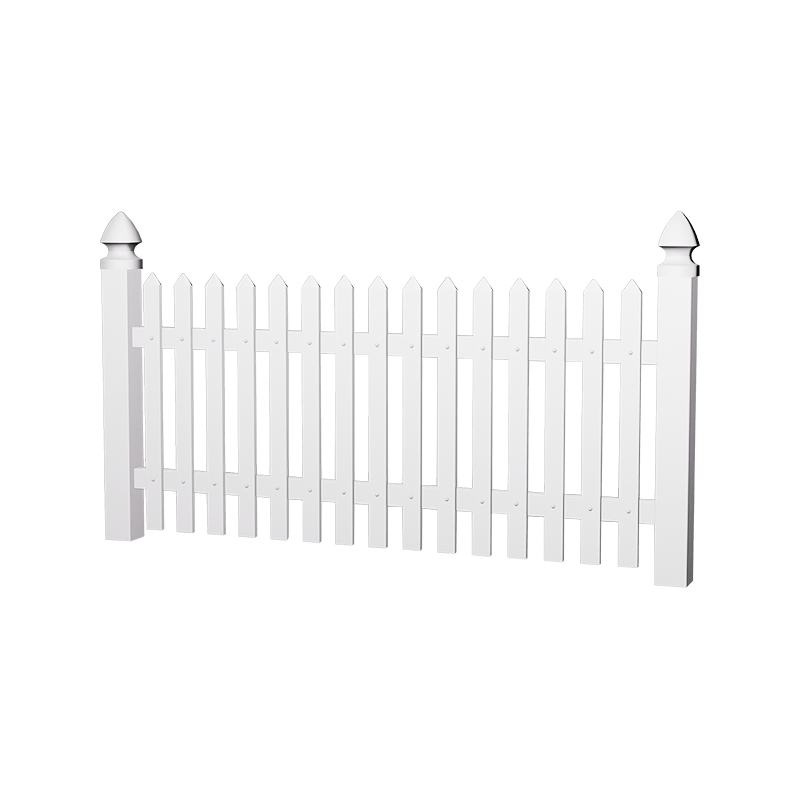
Decorate your outdoor spaces with our durable and stylish PVC Face Mounted Pickets Fence. Designed for easy installation and long-lasting performance, this fence is perfect for residential and commerc...
See Details
Our White Vinyl Fence, measuring 4'H x 8'W, designed for both functionality and aesthetics. Made from 100% virgin PVC plastic, this fence is not coated, ensuring unmatched durability and resistance to...
See Details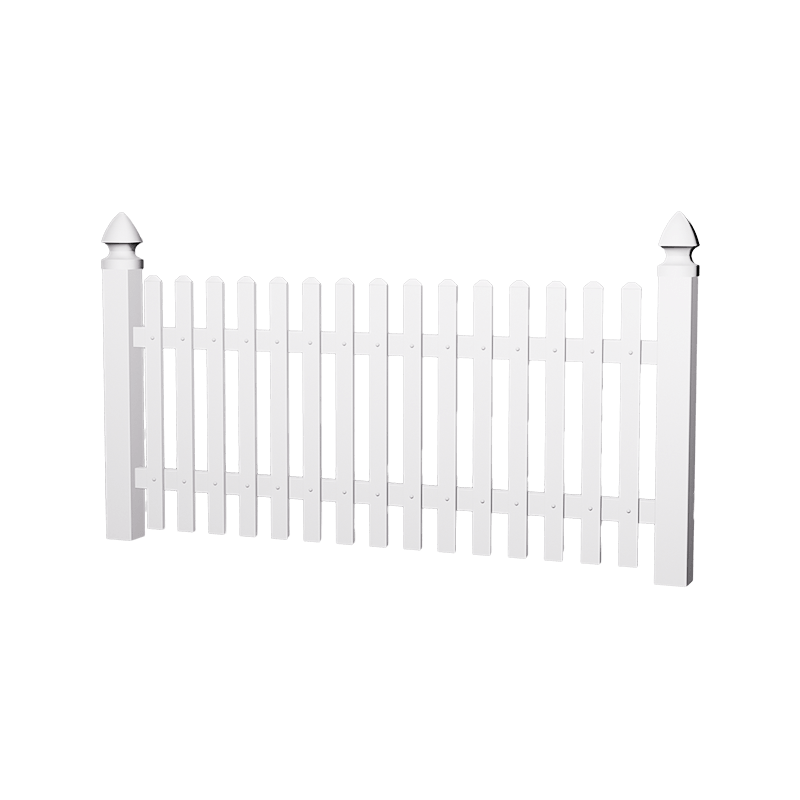
The Traditional Dog Ear Picket is an ideal choice for warehouses, combining aesthetic appeal with practicality. Made from 100% virgin PVC, this durable, low-maintenance fence resists rotting and water...
See Details
We are a professional manufacturer engaged in the research, development,
production, sale, and service of PVC fences and PVC flooring.
Contact Us
Mobile
Copyright © Deqing Huazhijie Railing & Fencing Co.,Ltd. All Rights Reserved.
 Custom Vinyl Fence Manufacturers
 English
 عربى
عربى 中文简体
中文简体 Español