Welcome to Huazhijie!
 +86-572-8086381 / 8282992
  hzjfence1@hzjfence.com


Aug 04, 2026
Content
Walk through almost any older neighborhood and you'll likely spot a Traditional Dog Ear Picket fence lining someone's front yard. The name comes from the shape of the picket top, which is cut at two angles on either side to create a rounded, slightly drooping point that resembles a dog's ear. Unlike pointed or flat-top pickets, the dog ear style has softened corners, which makes it look a little more relaxed and classic rather than sharp or formal. It's a design that's been used for generations because it works well for both decorative front yard fencing and more functional backyard boundaries.
There are several picket top styles to choose from, including French Gothic, pointed, flat top, and dog ear. So why does the traditional dog ear picket remain one of the most requested styles by fence contractors? Part of it comes down to practicality, and part of it comes down to appearance. Below are some of the main reasons this style continues to be a top choice.
The rounded, angled top gives the fence a soft, welcoming appearance that fits almost any home style, from farmhouse to craftsman to traditional suburban homes. It doesn't compete with the architecture of the house, which is part of why it has stayed popular for so long.
Because the two angled cuts on a dog ear picket are made from the same board with minimal trimming, manufacturers can produce them with less wasted wood compared to more elaborate picket tops. This often makes dog ear pickets slightly more affordable than decorative alternatives.
Unlike a sharply pointed picket, the angled dog ear cut removes the harsh point at the top of each board. This makes it a safer option for households with kids or pets who might be playing near the fence line.
If you're trying to decide between a Traditional Dog Ear Picket fence and other picket styles, it helps to see the differences side by side. The table below breaks down how dog ear compares to a few other common options.
| Picket Style | Top Shape | Typical Cost | Best For |
| Dog Ear | Angled, rounded corners | Budget-friendly | Classic, everyday yards |
| Flat Top | Straight across | Budget-friendly | Modern, minimal looks |
| Pointed (Gothic) | Sharp peak | Moderate | Decorative, formal yards |
| French Gothic | Stepped, ornate peak | Higher | Historic or upscale homes |
While cedar and pine are the most traditional choices for a dog ear picket fence, homeowners today have several material options depending on budget, climate, and how much maintenance they're willing to do. Cedar is naturally resistant to rot and insects, making it a long-lasting choice, though it comes at a higher price point. Pressure-treated pine is more affordable and holds up well when properly sealed, but it typically requires more frequent maintenance. Vinyl dog ear pickets have also become popular in recent years since they mimic the classic wood look without the need for staining or painting, making them a low-maintenance alternative for busy homeowners.
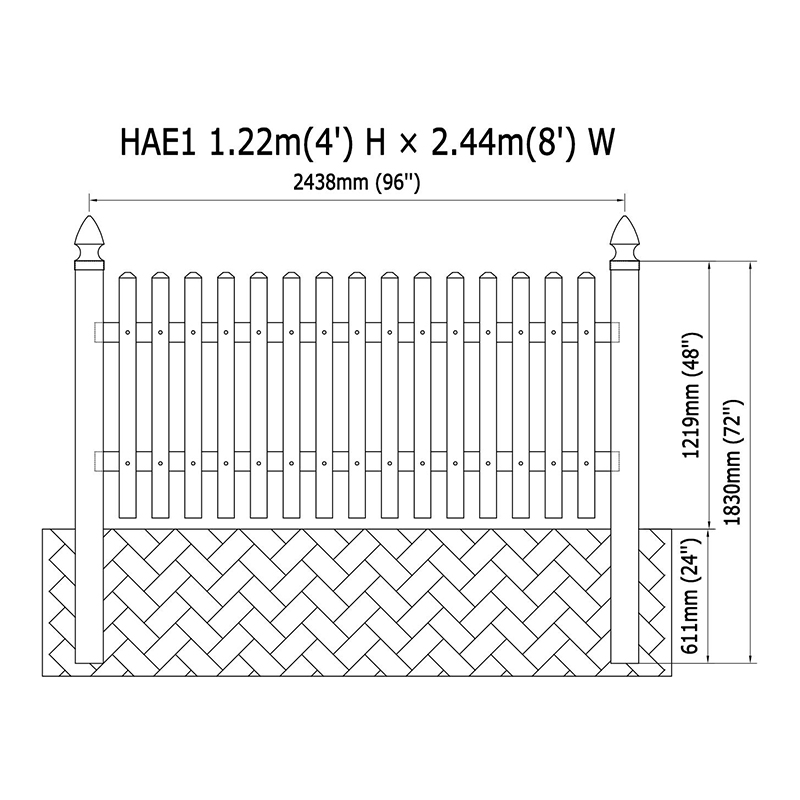
Installing a Traditional Dog Ear Picket fence follows the same basic process as most wood picket fences, though a few details make a big difference in how the finished fence looks and holds up over time. Here's a general step-by-step overview:
A well-built dog ear picket fence can last decades with the right care. Wood fences should be sealed or stained every two to three years to protect against moisture, sun damage, and warping. It's also worth inspecting posts annually for signs of rot near the ground line, since that's typically where wood fences begin to fail first. Loose pickets should be re-secured promptly, since a single loose board can put extra stress on surrounding boards and rails. For vinyl versions, maintenance is much simpler and usually just involves washing the fence occasionally to remove dirt or mildew buildup.
Whether you're replacing an old fence or installing one for the first time, the Traditional Dog Ear Picket style remains a reliable choice that balances affordability, classic style, and everyday durability. With proper installation and routine care, it's a fence style that continues to look good for many years to come.
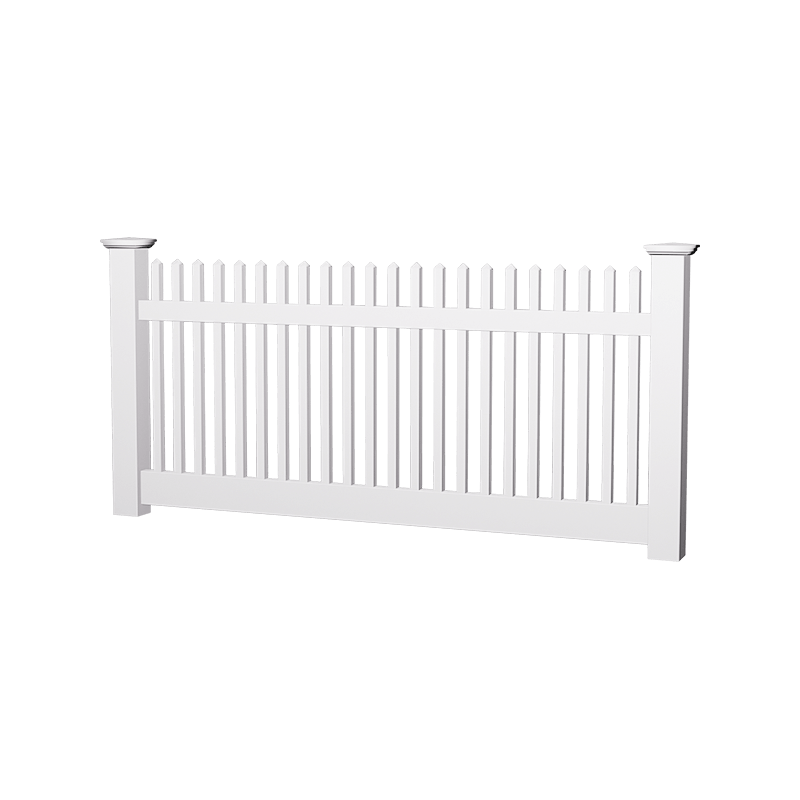
Our 1.5"x1.5" Horizontal Picket Fence, the ultimate garden solution made from 100% virgin PVC for unmatched durability and low maintenance. Designed for easy DIY installation, this fire-proof fence re...
See Details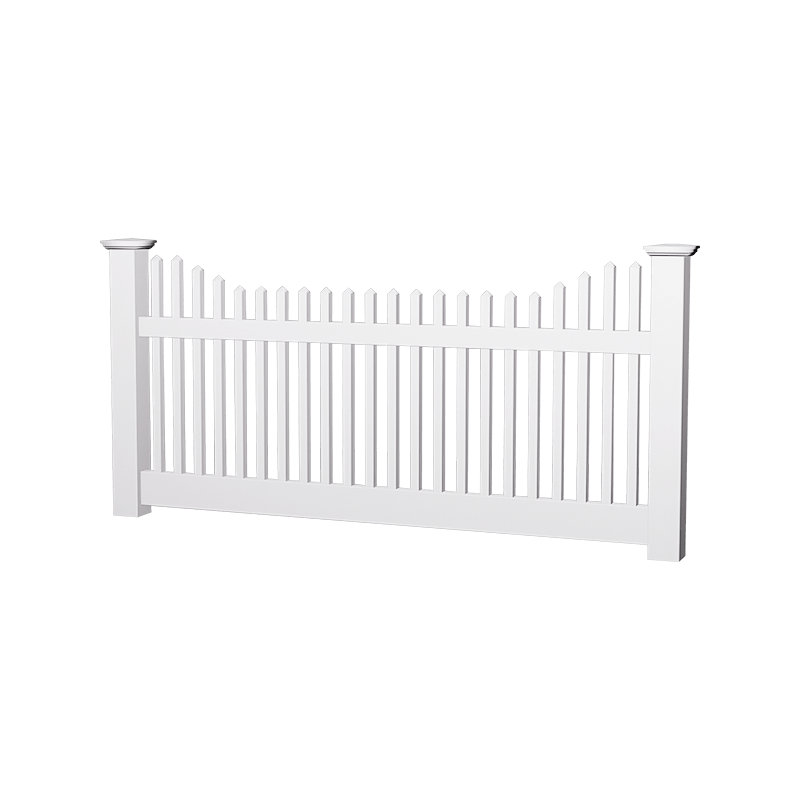
The Special-Shaped Picket Fence, the perfect addition to any home. Crafted from 100% virgin PVC, this fence combines durability and elegance with low maintenance requirements. Designed for easy DIY in...
See Details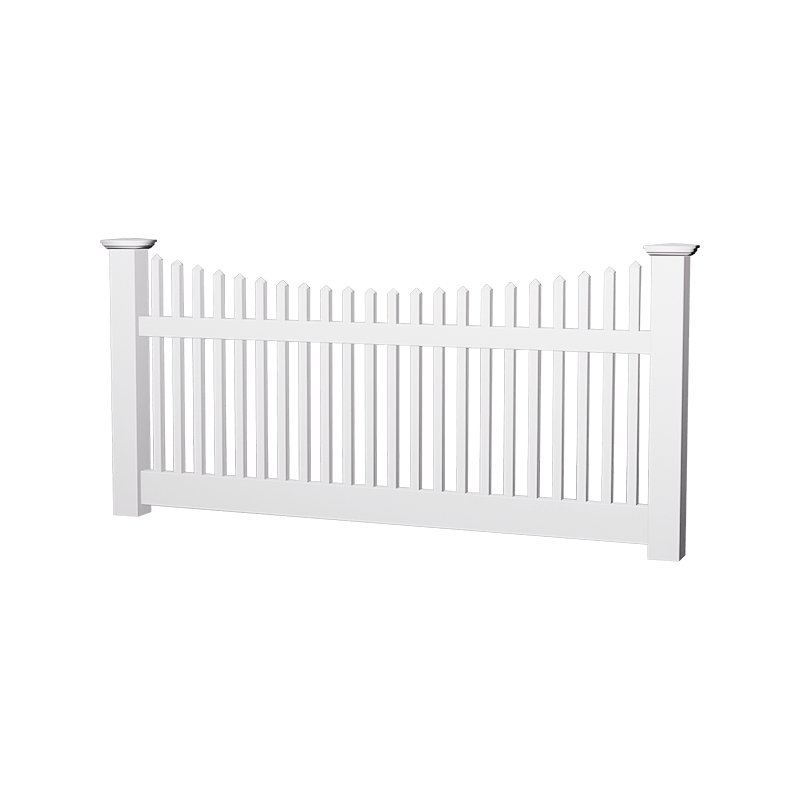
The Special-Shaped Picket Fence, the perfect addition to any home. Crafted from 100% virgin PVC, this fence combines durability and elegance with low maintenance requirements. Designed for easy DIY in...
See Details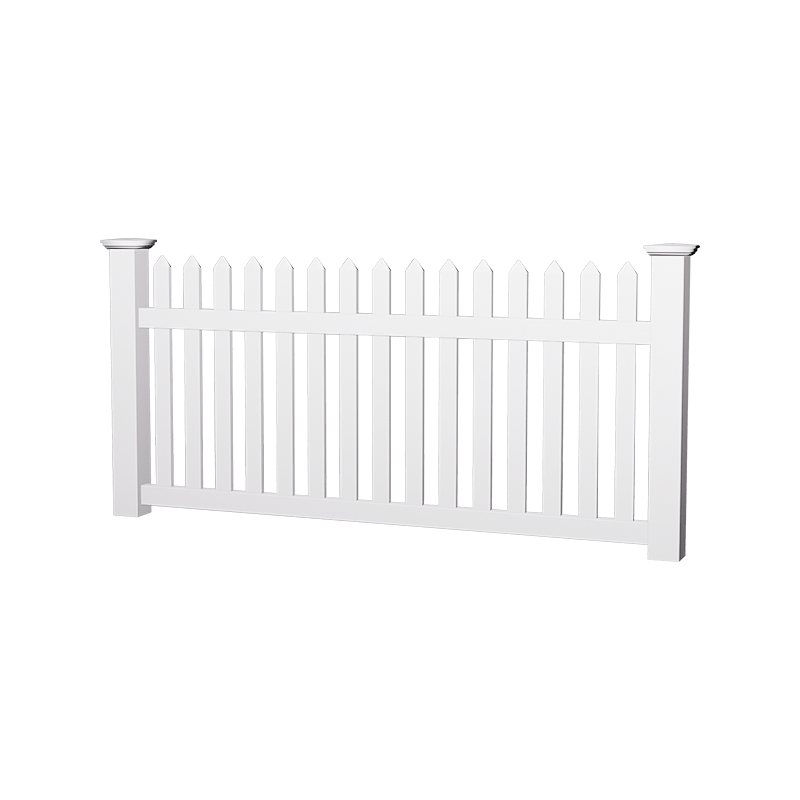
Enhance your home’s exterior with our Traditional Straight Spade Fence, crafted from 100% virgin PVC for exceptional durability and style. This low-maintenance solution is designed for easy installati...
See Details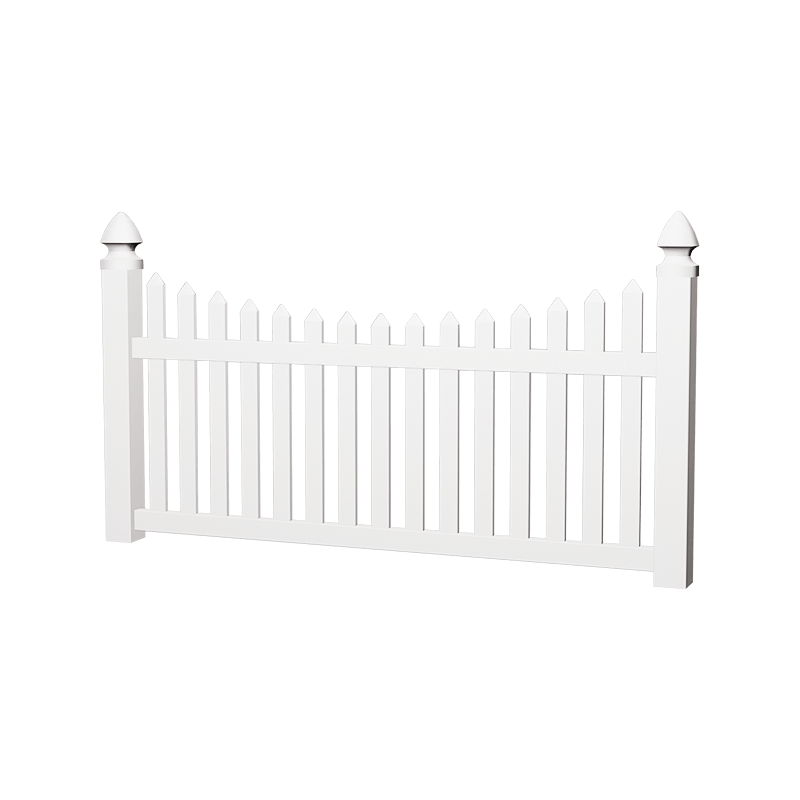
Transform your outdoor space with our 7/8"x3" Outdoor Picket Fence, specifically designed for farm use and outdoor applications. Crafted from 100% Virgin PVC, this durable and high-impact resistant fe...
See Details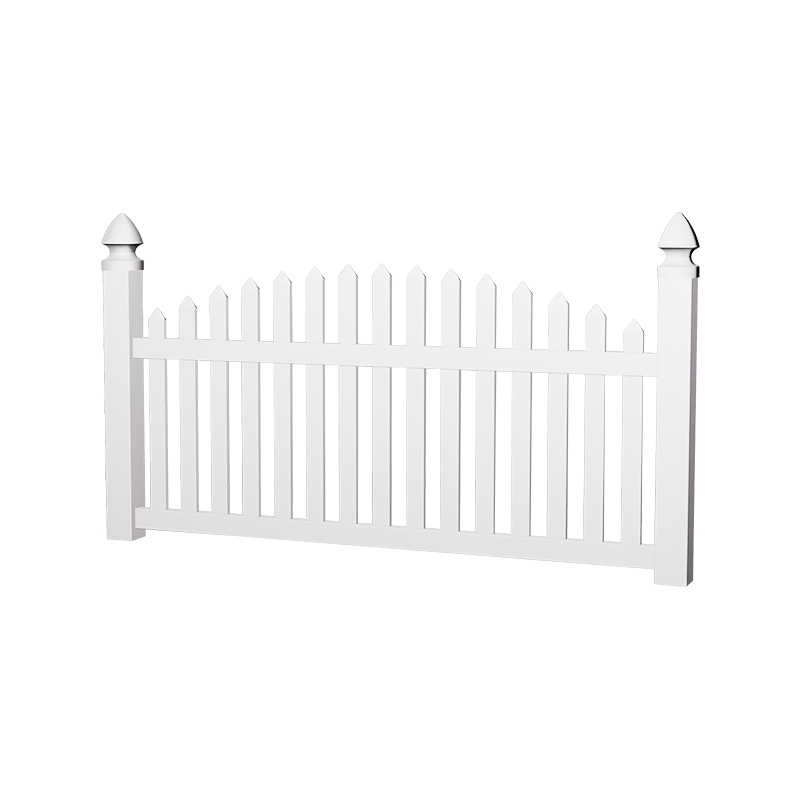
Enhance your farm's aesthetic and functionality with our PVC Arched Picket Fence. Crafted from 100% virgin PVC, this durable and stylish fencing solution combines the classic charm of traditional pick...
See Details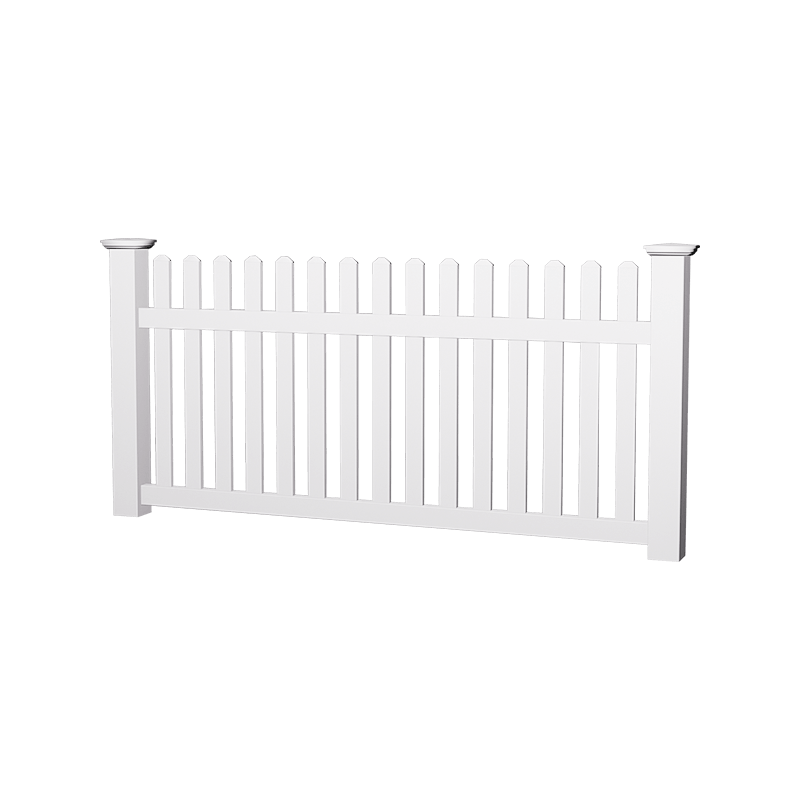
Our durable and versatile Picket Fence, designed specifically for farm use. Crafted from 100% virgin PVC plastic, this fence panel is not coated, ensuring superior quality and longevity. With dimensio...
See Details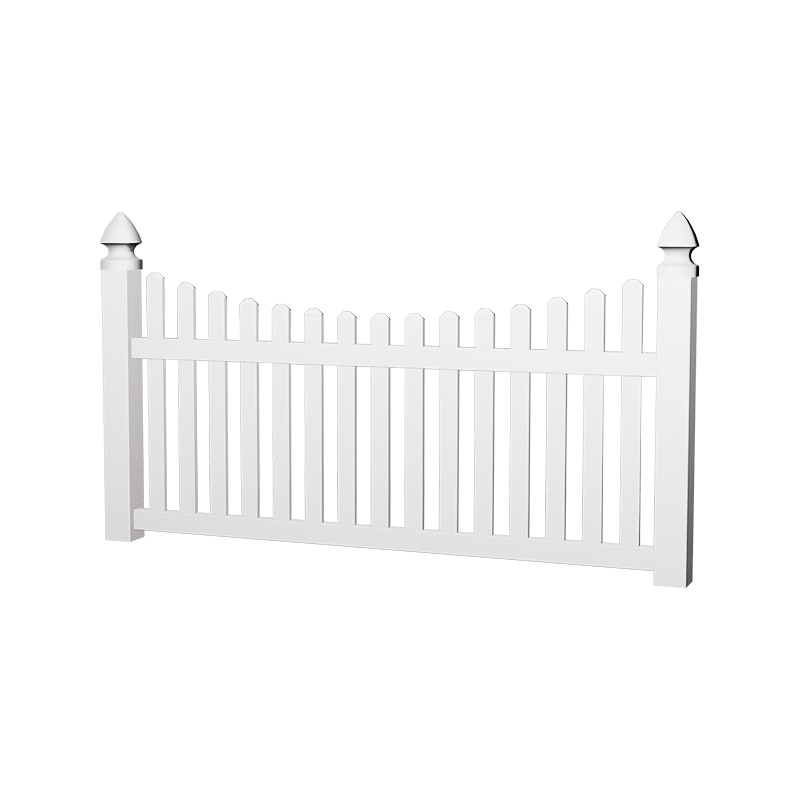
Introducing our 7/8"x3" Plastic Picket, designed specifically for farm applications. Crafted from 100% virgin PVC, this picket is not coated, ensuring maximum durability and resistance to impacts. Wit...
See Details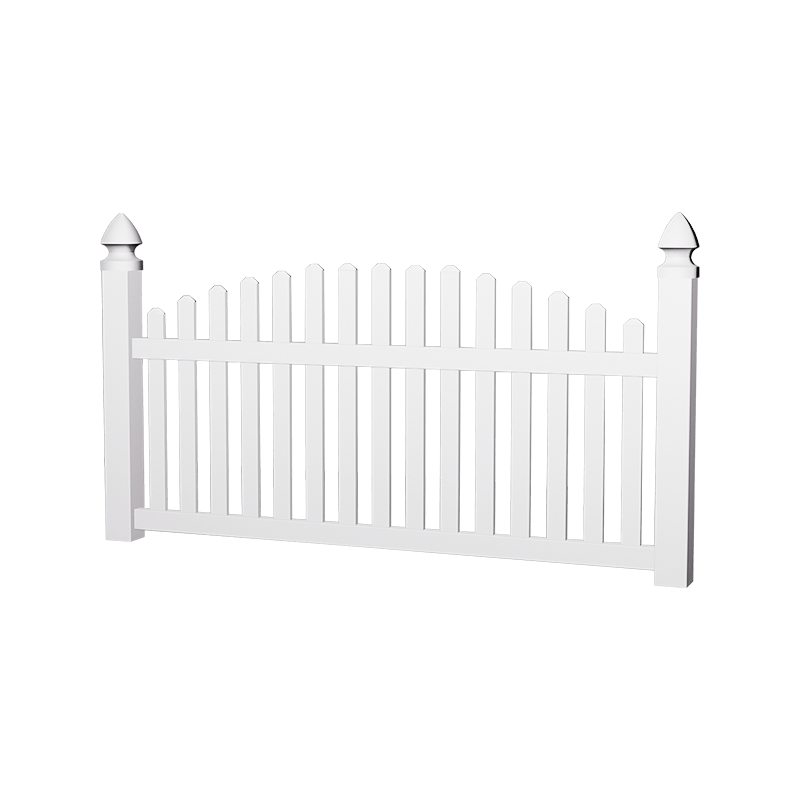
The Dog Ear Top Garden Fence, the ultimate solution for your farm fencing needs. Crafted from 100% virgin PVC, this fence is designed to withstand the elements without the worry of rot or decay, makin...
See Details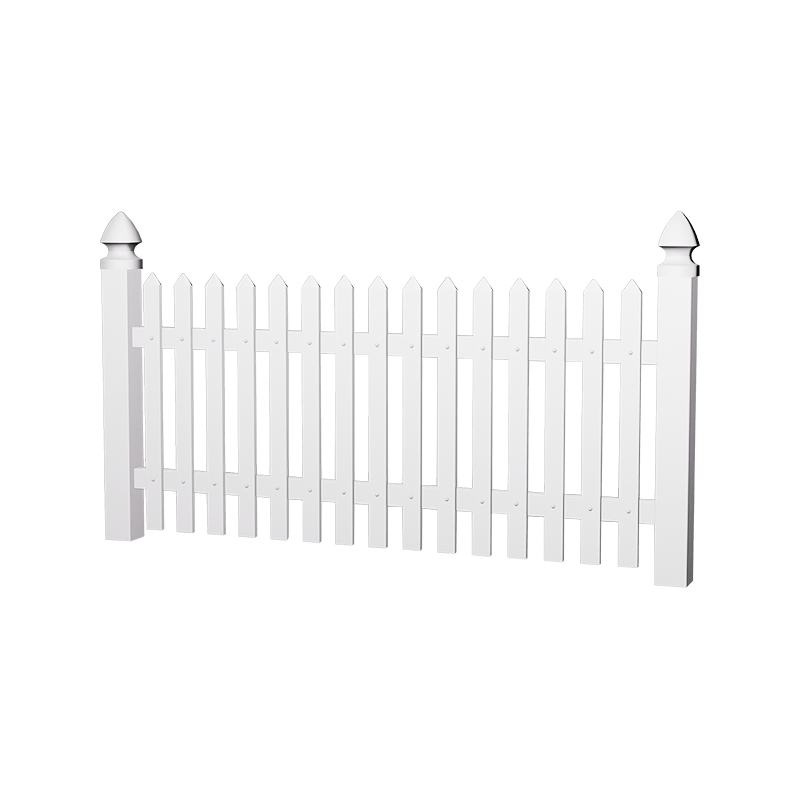
Decorate your outdoor spaces with our durable and stylish PVC Face Mounted Pickets Fence. Designed for easy installation and long-lasting performance, this fence is perfect for residential and commerc...
See Details
Our White Vinyl Fence, measuring 4'H x 8'W, designed for both functionality and aesthetics. Made from 100% virgin PVC plastic, this fence is not coated, ensuring unmatched durability and resistance to...
See Details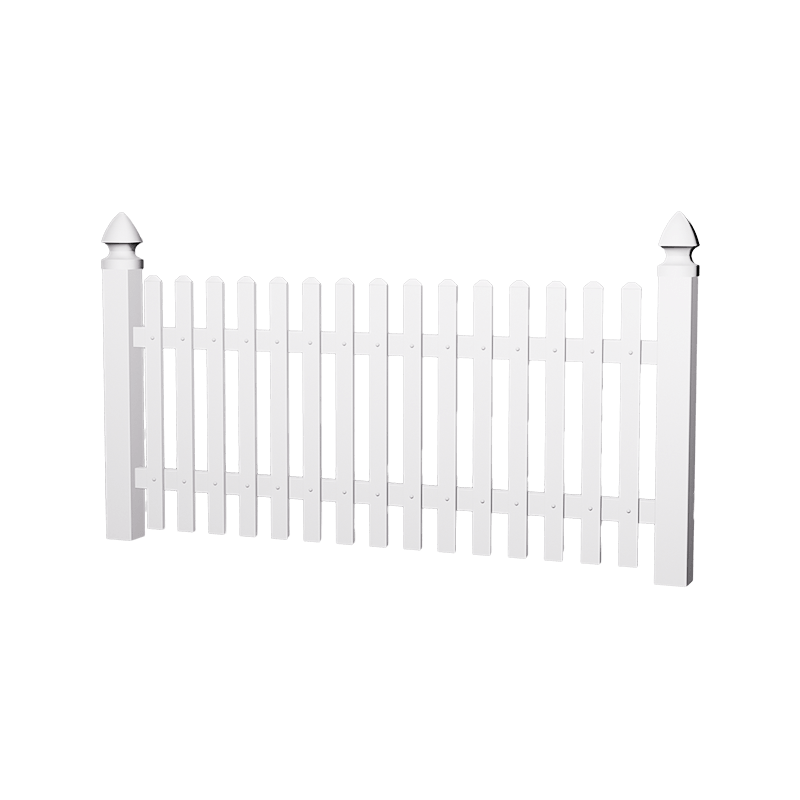
The Traditional Dog Ear Picket is an ideal choice for warehouses, combining aesthetic appeal with practicality. Made from 100% virgin PVC, this durable, low-maintenance fence resists rotting and water...
See Details
We are a professional manufacturer engaged in the research, development,
production, sale, and service of PVC fences and PVC flooring.
Contact Us
Mobile
Copyright © Deqing Huazhijie Railing & Fencing Co.,Ltd. All Rights Reserved.
 Custom Vinyl Fence Manufacturers
 English
 عربى
عربى 中文简体
中文简体 Español