Welcome to Huazhijie!
 +86-572-8086381 / 8282992
  hzjfence1@hzjfence.com


Jan 21, 2026
Content
A white vinyl fence has become the gold standard for residential properties, largely due to its incredible durability and resistance to the elements. Unlike wood, which is susceptible to rot, insect infestations, and warping, vinyl is composed of high-grade PVC that remains structurally sound for decades. The non-porous surface of vinyl means that moisture cannot penetrate the material, preventing the growth of mold and mildew that often plagues wooden structures. Furthermore, the crisp white color is integrated throughout the material during the manufacturing process, meaning it will never chip, peel, or require a fresh coat of paint to maintain its aesthetic appeal.
When deciding on a fencing material, it is helpful to look at how vinyl stacks up against traditional pressure-treated wood across several key performance metrics. The following table highlights why many homeowners are making the switch to synthetic options.
| Feature | Vinyl White Fence | Traditional Wood |
| Maintenance Level | Low (Soap & Water) | High (Staining/Sanding) |
| Lifespan | 20-30+ Years | 10-15 Years |
| Pest Resistance | Termite Proof | Vulnerable |
White vinyl fencing is not a one-size-fits-all solution; it comes in a variety of configurations designed to meet specific functional needs while enhancing your home's curb appeal. Whether you are looking to create a private sanctuary or simply define your property boundaries, there is a specific design tailored for your project. High-quality vinyl panels are now manufactured with reinforced bottom rails to prevent sagging, ensuring that the clean horizontal lines of your fence remain straight over time.
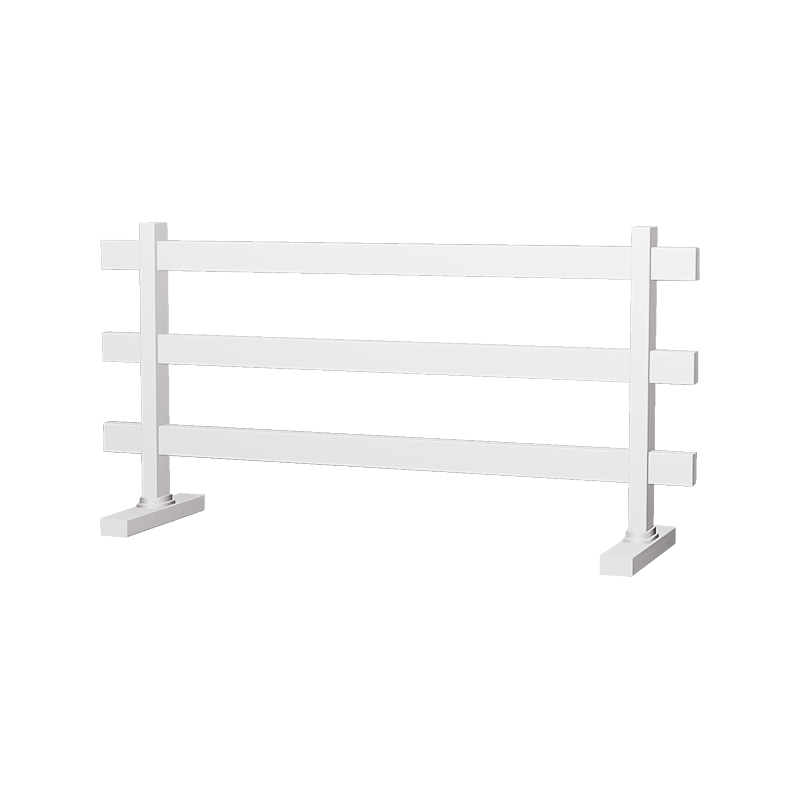
Proper installation is the most critical factor in ensuring your vinyl white fence withstands heavy winds and ground shifts. Because vinyl expands and contracts slightly with temperature changes, it is essential to allow for a small amount of "play" within the rail brackets. Professional installers emphasize the importance of set-depth for posts; in colder climates, posts must be set below the frost line to prevent "heaving," where the frozen ground pushes the fence upward and out of alignment.
When setting the posts, using high-strength concrete is non-negotiable. For gate posts, which bear the weight of moving parts, many experts recommend inserting an internal aluminum or steel stiffener. This reinforcement prevents the vinyl from bowing under the weight of the gate and ensures that latches remain perfectly aligned for smooth operation. Checking for level and plumb at every stage of the process will result in a professional-grade finish that looks as good from the street as it does from your porch.
While vinyl is marketed as "maintenance-free," it does require occasional cleaning to keep its brilliant white sheen. Environmental factors such as dust, grass clippings from mowing, and red clay splash-back can dull the surface over time. Fortunately, the cleaning process is straightforward and does not require specialized chemical treatments or power washing, which can sometimes damage the "beaded" finish of the vinyl if done too aggressively.
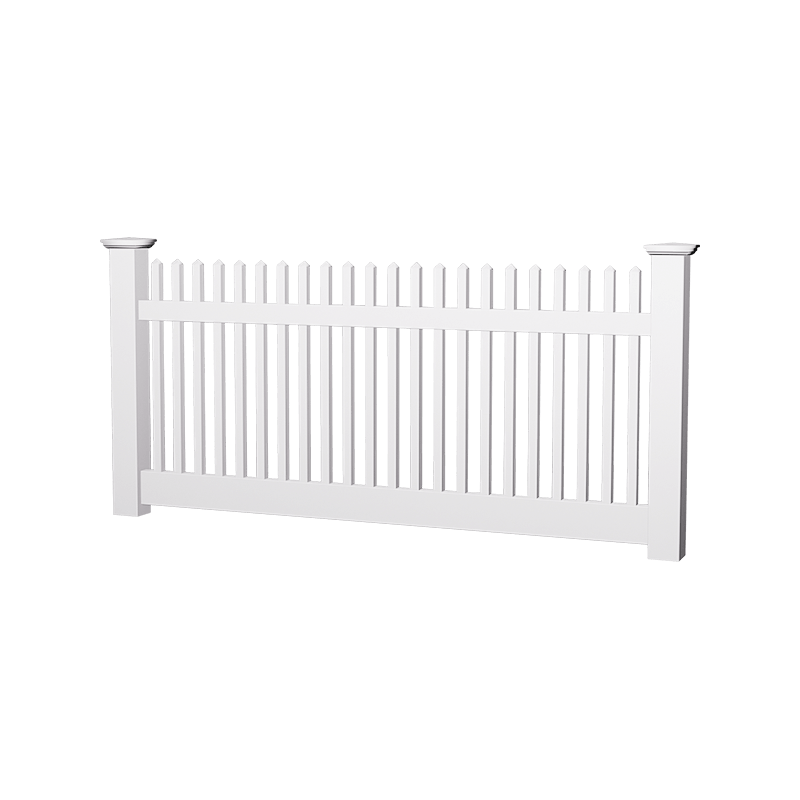
Our 1.5"x1.5" Horizontal Picket Fence, the ultimate garden solution made from 100% virgin PVC for unmatched durability and low maintenance. Designed for easy DIY installation, this fire-proof fence re...
See Details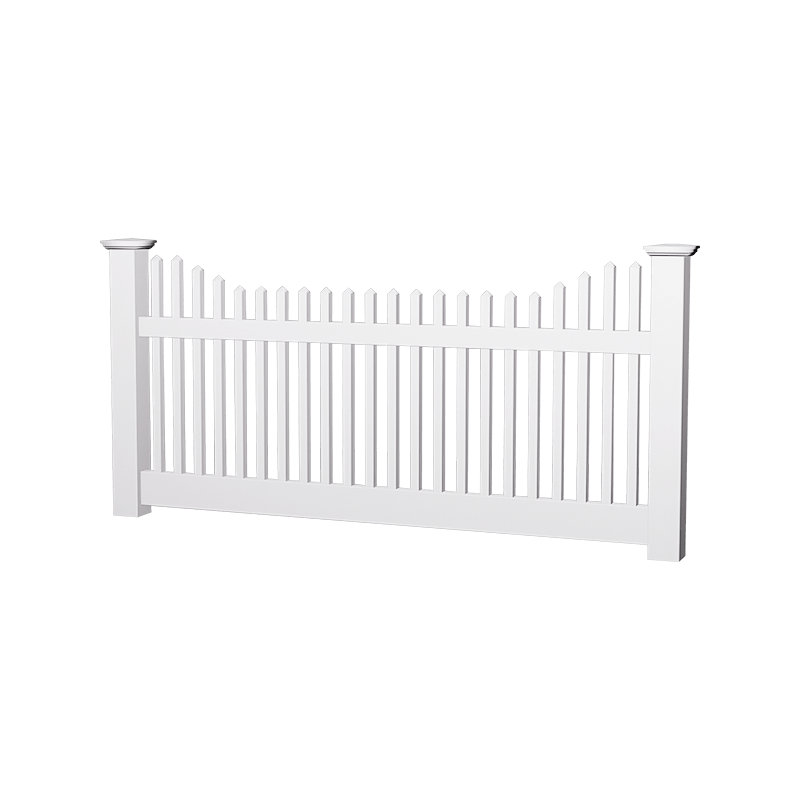
The Special-Shaped Picket Fence, the perfect addition to any home. Crafted from 100% virgin PVC, this fence combines durability and elegance with low maintenance requirements. Designed for easy DIY in...
See Details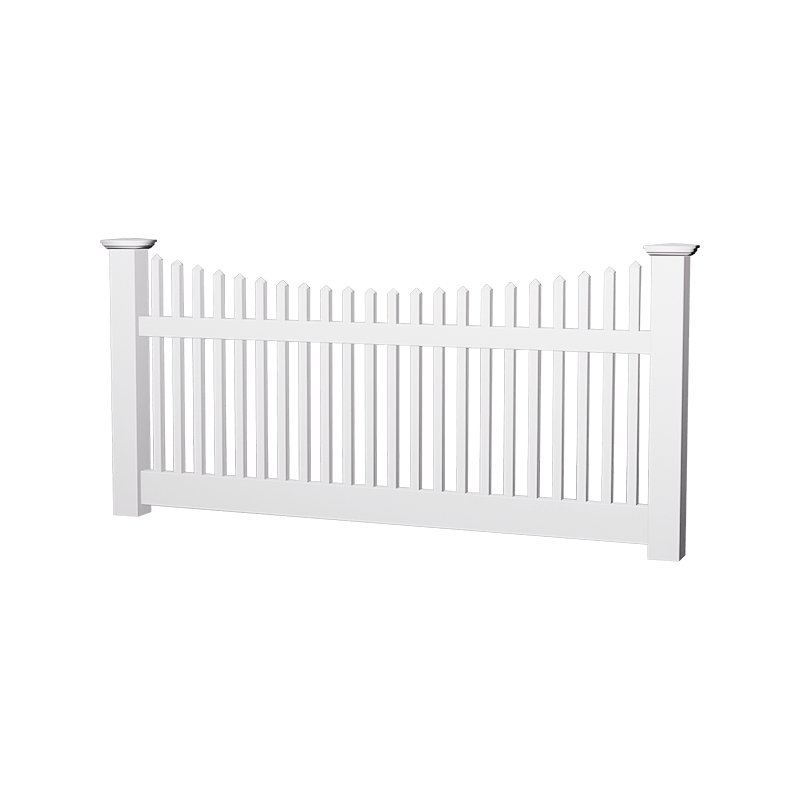
The Special-Shaped Picket Fence, the perfect addition to any home. Crafted from 100% virgin PVC, this fence combines durability and elegance with low maintenance requirements. Designed for easy DIY in...
See Details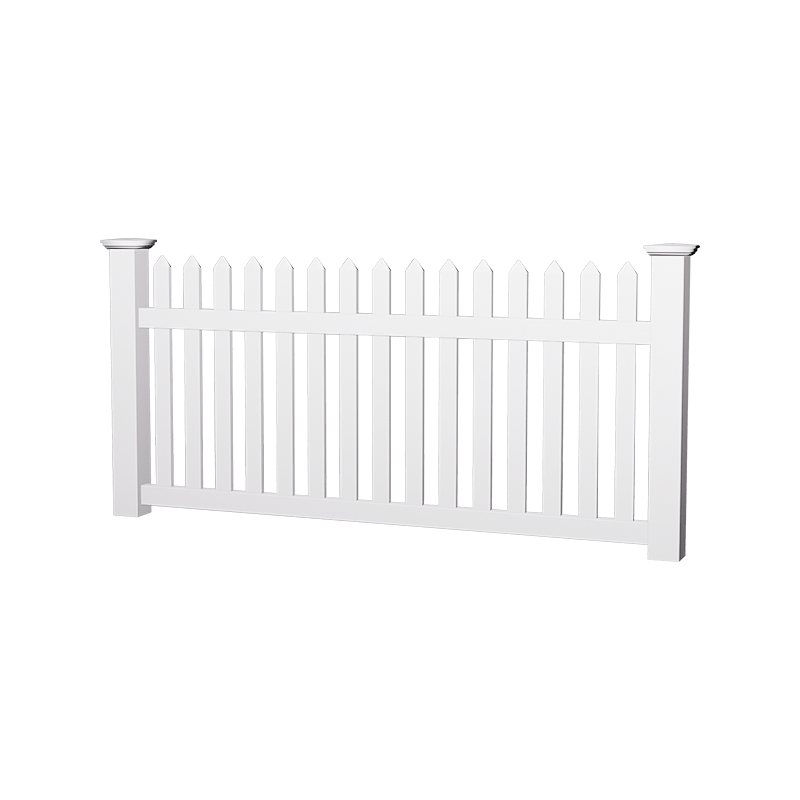
Enhance your home’s exterior with our Traditional Straight Spade Fence, crafted from 100% virgin PVC for exceptional durability and style. This low-maintenance solution is designed for easy installati...
See Details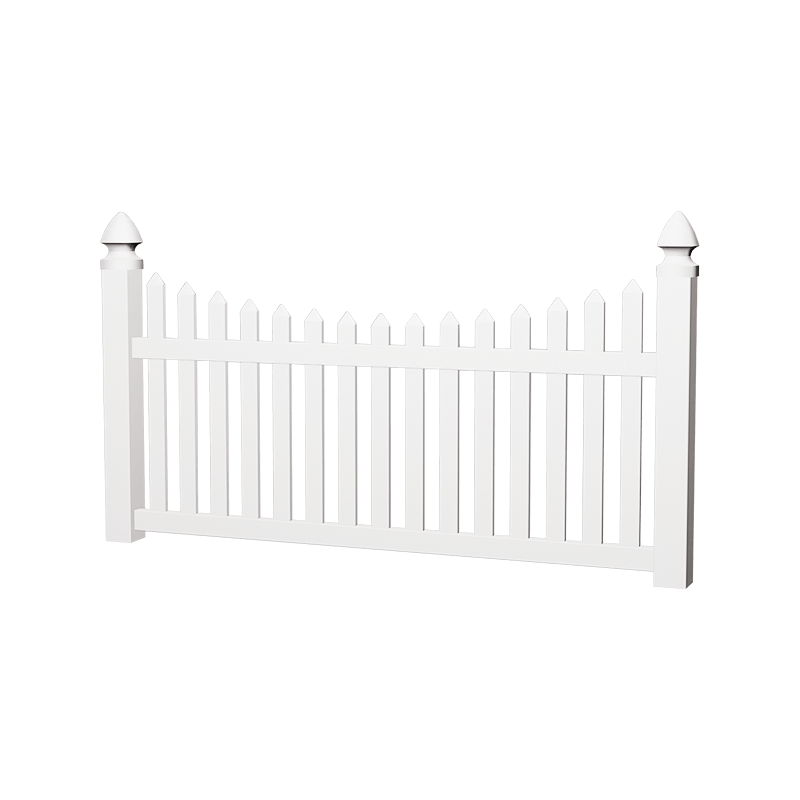
Transform your outdoor space with our 7/8"x3" Outdoor Picket Fence, specifically designed for farm use and outdoor applications. Crafted from 100% Virgin PVC, this durable and high-impact resistant fe...
See Details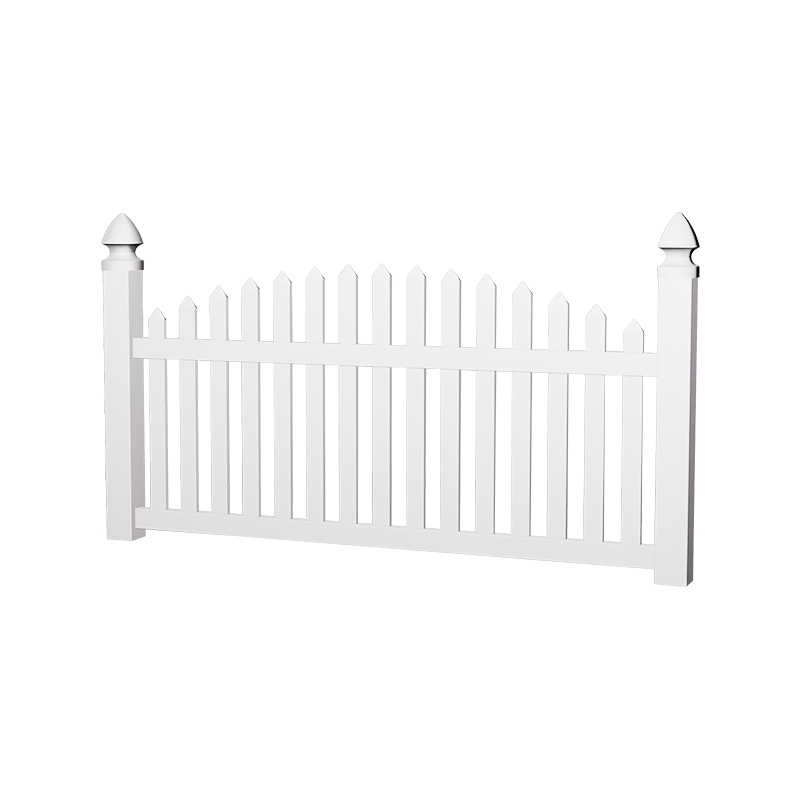
Enhance your farm's aesthetic and functionality with our PVC Arched Picket Fence. Crafted from 100% virgin PVC, this durable and stylish fencing solution combines the classic charm of traditional pick...
See Details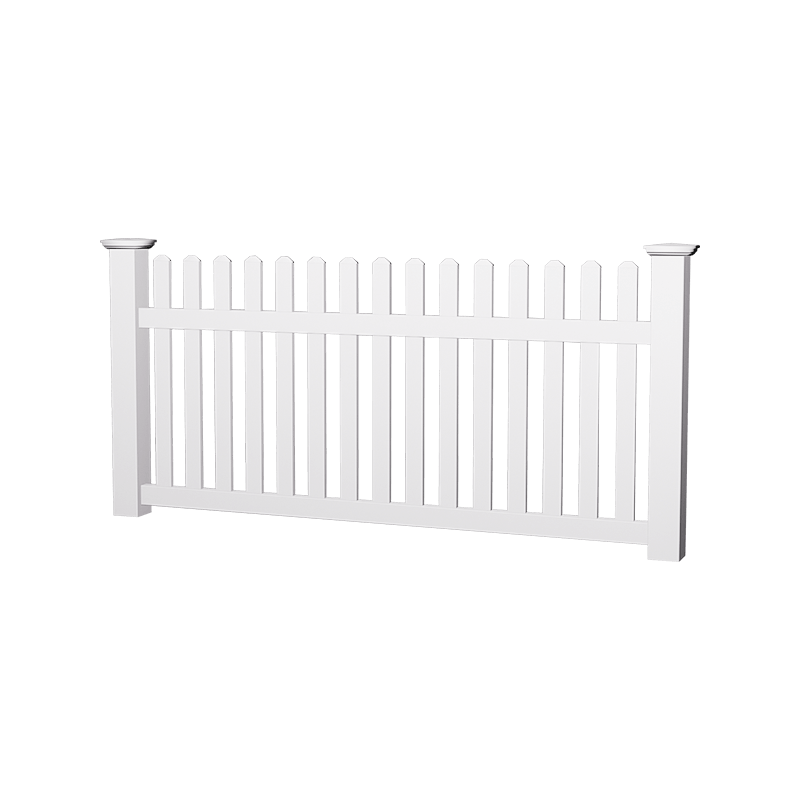
Our durable and versatile Picket Fence, designed specifically for farm use. Crafted from 100% virgin PVC plastic, this fence panel is not coated, ensuring superior quality and longevity. With dimensio...
See Details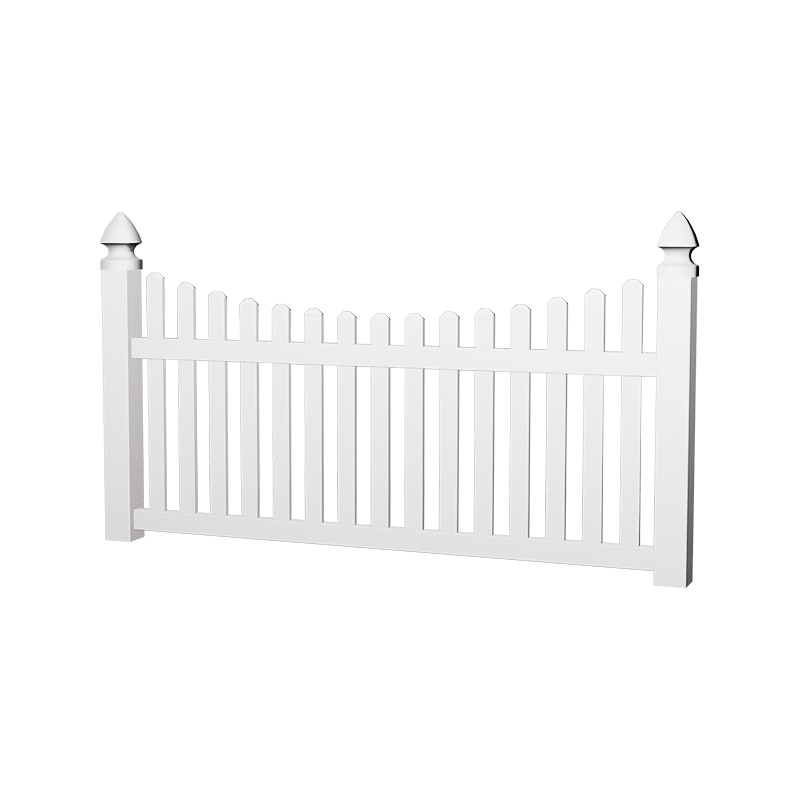
Introducing our 7/8"x3" Plastic Picket, designed specifically for farm applications. Crafted from 100% virgin PVC, this picket is not coated, ensuring maximum durability and resistance to impacts. Wit...
See Details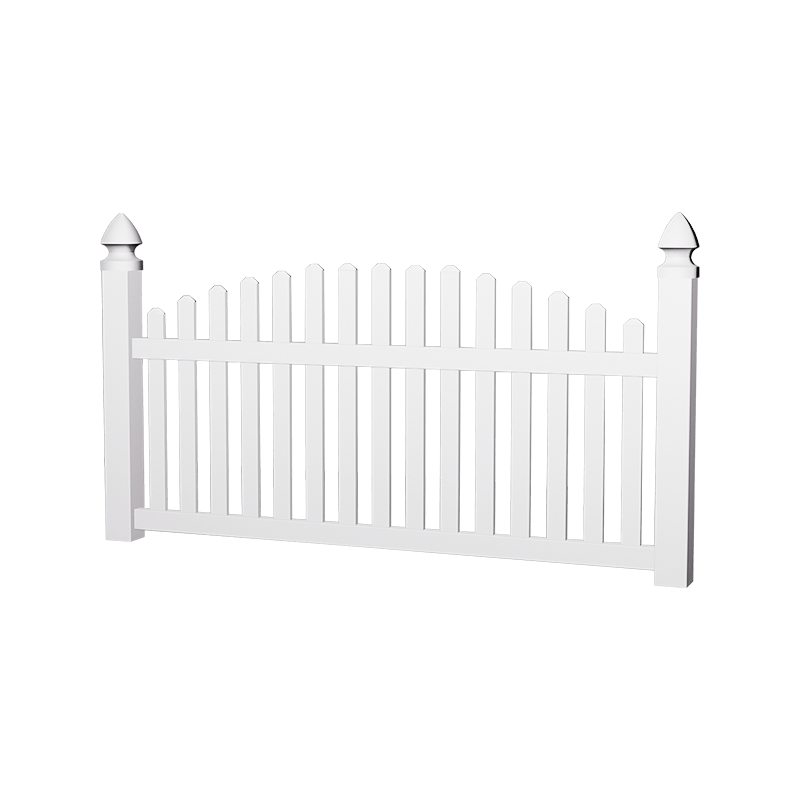
The Dog Ear Top Garden Fence, the ultimate solution for your farm fencing needs. Crafted from 100% virgin PVC, this fence is designed to withstand the elements without the worry of rot or decay, makin...
See Details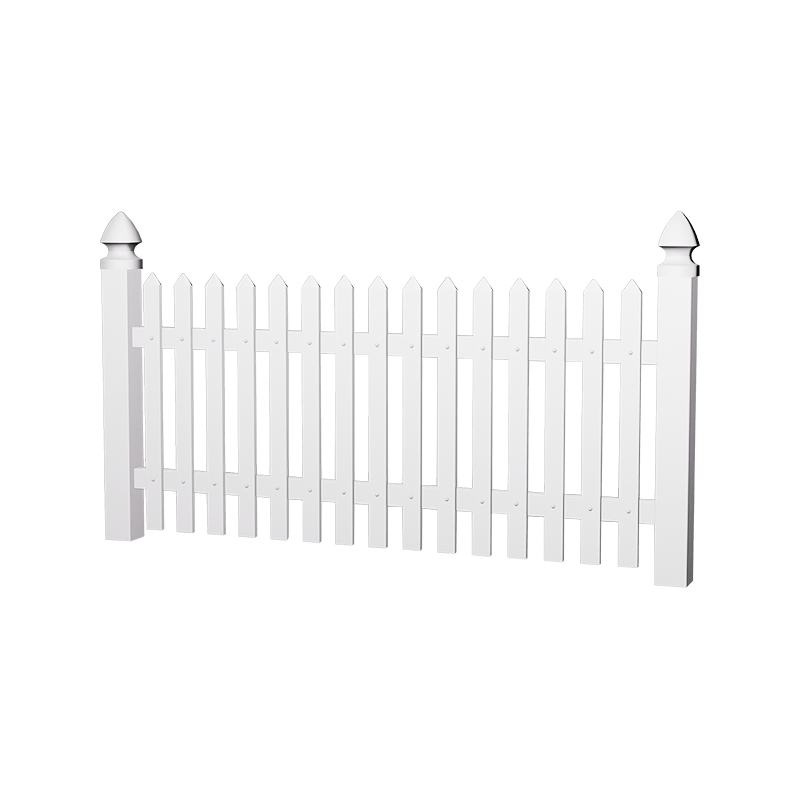
Decorate your outdoor spaces with our durable and stylish PVC Face Mounted Pickets Fence. Designed for easy installation and long-lasting performance, this fence is perfect for residential and commerc...
See Details
Our White Vinyl Fence, measuring 4'H x 8'W, designed for both functionality and aesthetics. Made from 100% virgin PVC plastic, this fence is not coated, ensuring unmatched durability and resistance to...
See Details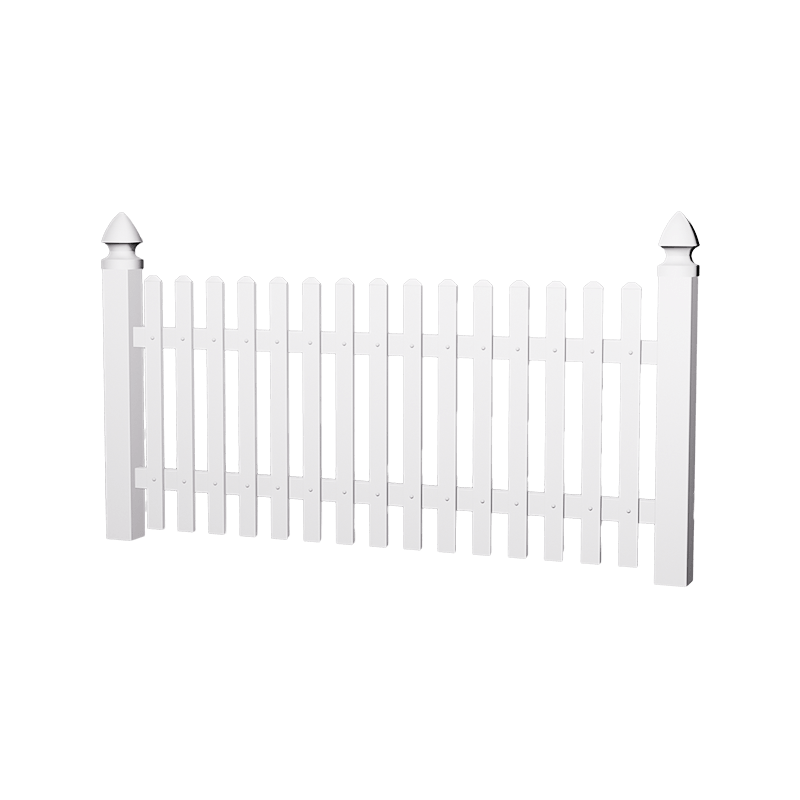
The Traditional Dog Ear Picket is an ideal choice for warehouses, combining aesthetic appeal with practicality. Made from 100% virgin PVC, this durable, low-maintenance fence resists rotting and water...
See Details
We are a professional manufacturer engaged in the research, development,
production, sale, and service of PVC fences and PVC flooring.
Contact Us
Mobile
Copyright © Deqing Huazhijie Railing & Fencing Co.,Ltd. All Rights Reserved.
 Custom Vinyl Fence Manufacturers
 English
 عربى
عربى 中文简体
中文简体 Español