Welcome to Huazhijie!
 +86-572-8086381 / 8282992
  hzjfence1@hzjfence.com


Jan 12, 2026
Content
One of the most significant advantages of vinyl horse fencing is its inherent ability to absorb impact. Unlike traditional wood, which can splinter into dangerous shards, or high-tensile wire, which can cause severe lacerations, vinyl is engineered to flex. When a horse runs into a vinyl rail or leans heavily against it, the material bows. This "give" significantly reduces the risk of skeletal or soft-tissue injuries to the animal. Furthermore, if a high-impact collision occurs, many vinyl systems are designed to allow the rails to pop out of the posts rather than shattering, preventing the catastrophic impalement risks associated with broken timber.
Modern vinyl fencing is manufactured using high-quality PVC (polyvinyl chloride) enriched with impact modifiers. These additives ensure that the fence remains pliable even in extreme temperatures. In colder climates, where traditional plastics might become brittle and crack, high-grade vinyl horse fencing maintains its structural integrity. This makes it a reliable choice for ranchers and stable owners who prioritize a "horse-safe" environment where the containment system itself does not become a hazard during a spook or a playful gallop.
The long-term value of vinyl horse fencing is most apparent when examining the maintenance requirements compared to other common materials. Owners of wooden fences often face a cycle of painting, staining, and replacing rotted boards every few years. Vinyl, conversely, is virtually maintenance-free. Because the color is extruded throughout the material, it never requires a fresh coat of paint and will not chip, peel, or blister under intense sunlight.
| Feature | Vinyl Fencing | Pressure-Treated Wood | Steel/Pipe |
| Rot/Corrosion Resistance | High | Low | Medium (Rust) |
| Painting Required | Never | Every 2-3 Years | Occasionally |
| Cribbing Resistance | Excellent | Poor | Excellent |
| Lifetime Cost | Low | High | Moderate |
For vinyl fencing to perform effectively in a livestock setting, proper installation is paramount. Because vinyl expands and contracts with temperature changes, the rails must not be glued or screwed tightly to the posts. Instead, they should be "routed" through the posts, allowing for slight movement. This floating design prevents the rails from warping or popping out during seasonal shifts.

Horses are notorious for "cribbing" or chewing on wooden fence rails out of boredom or nutritional deficiencies. This behavior not only destroys the fence but can also lead to dental issues and digestive problems for the horse. Vinyl is a non-porous material that lacks the texture and taste of wood, making it far less appealing for horses to chew on. Most horses will try to bite a vinyl rail once or twice and quickly realize it is unrewarding.
In cases where a particularly stubborn horse continues to lean on or push against the fence, vinyl systems are highly compatible with electric fencing. A thin "hot wire" can be easily attached to the top or inside of the vinyl rail using specialized insulators. This combination creates a psychological barrier that reinforces the physical boundary, ensuring that the vinyl fence remains pristine and the horses stay safely within the designated paddock areas.
A common concern with outdoor plastic products is "yellowing" or becoming brittle due to sun exposure. Premium vinyl horse fencing addresses this through the inclusion of Titanium Dioxide (TiO2). This chemical compound acts as a powerful sunscreen, reflecting harmful ultraviolet rays and preventing the chemical breakdown of the PVC. When choosing a vinyl product, it is essential to verify that it contains a high concentration of TiO2 to ensure the fence maintains its bright white or color-saturated finish for decades.
The longevity of vinyl also translates to environmental benefits. Because the product lasts for 20 to 50 years without needing chemical treatments like arsenic or creosote (often found in wood fencing), it is a cleaner choice for the soil and groundwater. Furthermore, many vinyl fencing components are recyclable at the end of their long lifespan, making them a sustainable infrastructure investment for modern equestrian facilities.
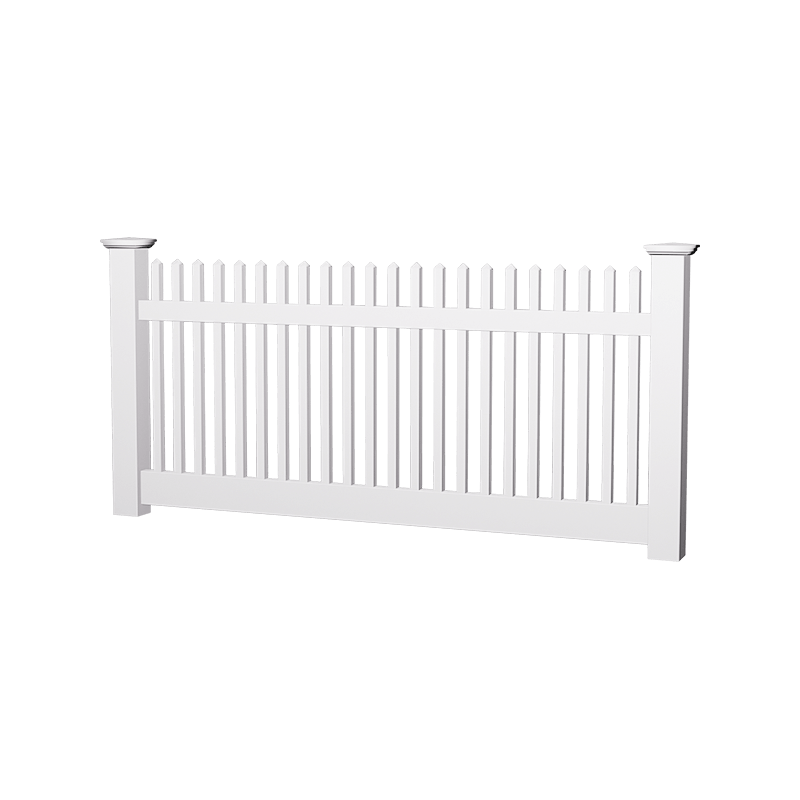
Our 1.5"x1.5" Horizontal Picket Fence, the ultimate garden solution made from 100% virgin PVC for unmatched durability and low maintenance. Designed for easy DIY installation, this fire-proof fence re...
See Details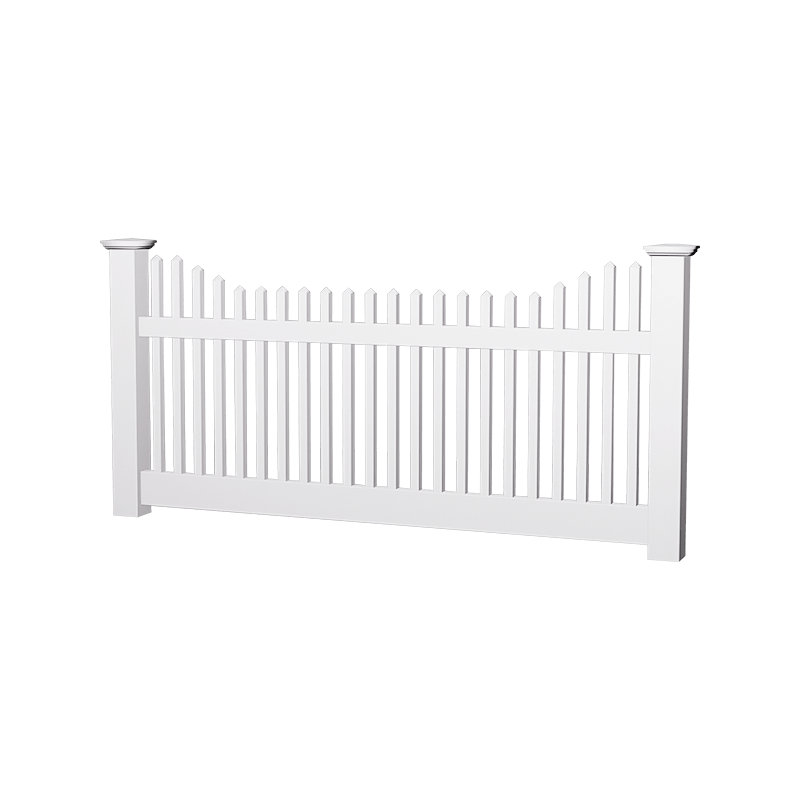
The Special-Shaped Picket Fence, the perfect addition to any home. Crafted from 100% virgin PVC, this fence combines durability and elegance with low maintenance requirements. Designed for easy DIY in...
See Details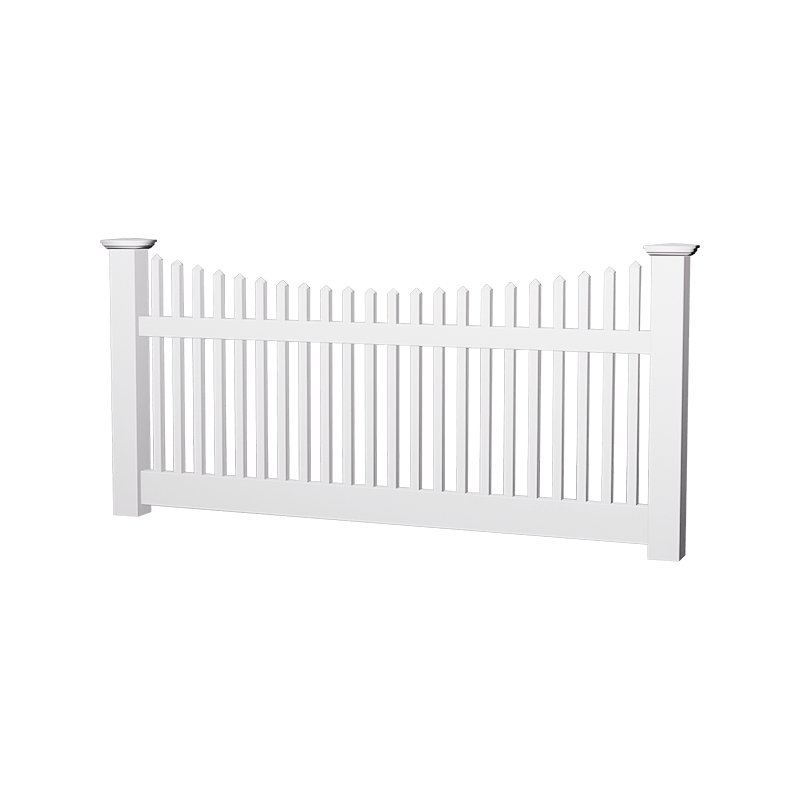
The Special-Shaped Picket Fence, the perfect addition to any home. Crafted from 100% virgin PVC, this fence combines durability and elegance with low maintenance requirements. Designed for easy DIY in...
See Details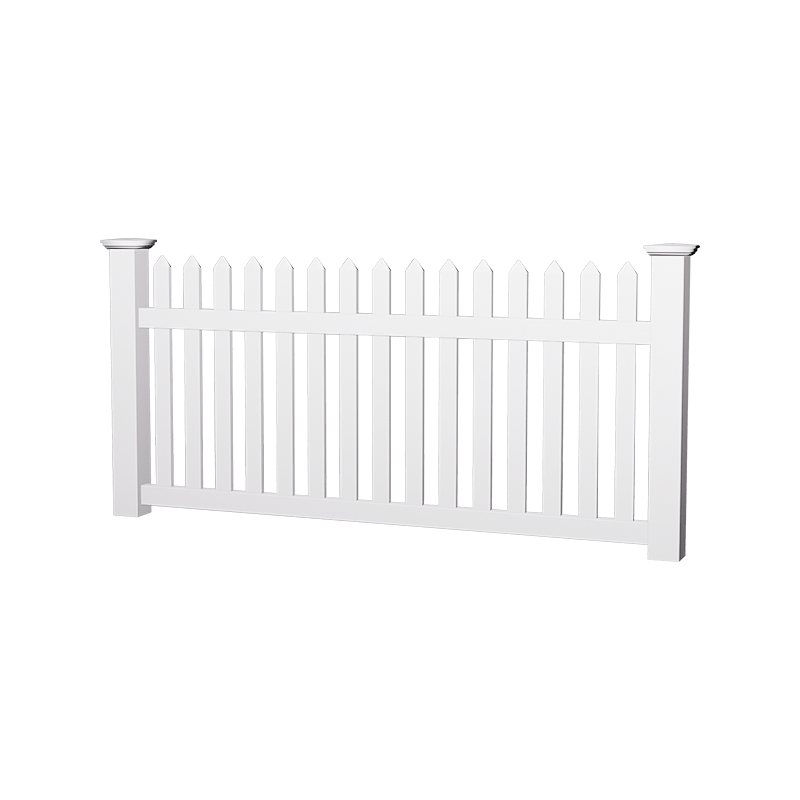
Enhance your home’s exterior with our Traditional Straight Spade Fence, crafted from 100% virgin PVC for exceptional durability and style. This low-maintenance solution is designed for easy installati...
See Details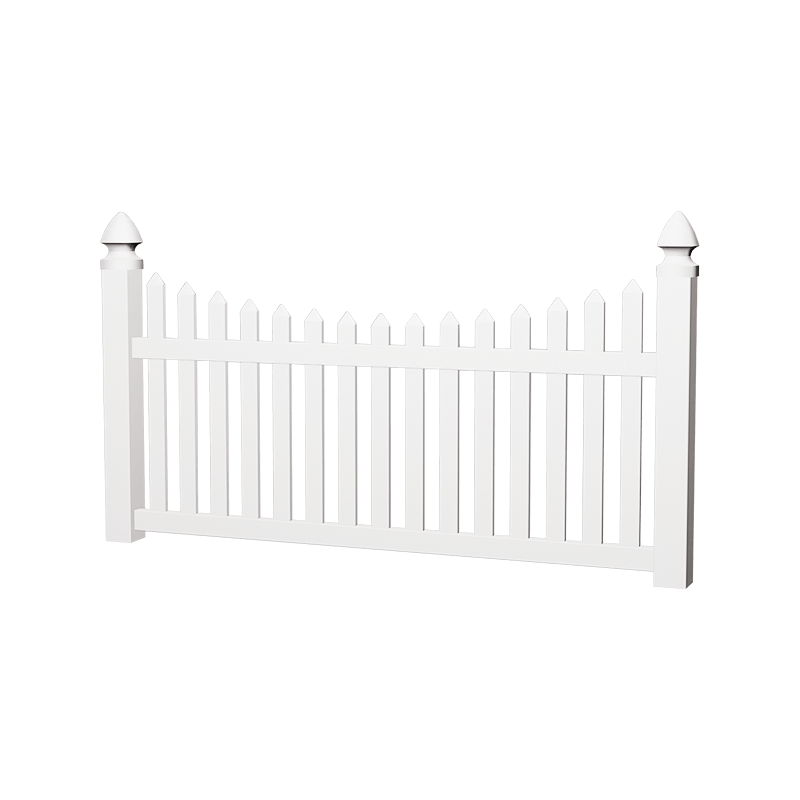
Transform your outdoor space with our 7/8"x3" Outdoor Picket Fence, specifically designed for farm use and outdoor applications. Crafted from 100% Virgin PVC, this durable and high-impact resistant fe...
See Details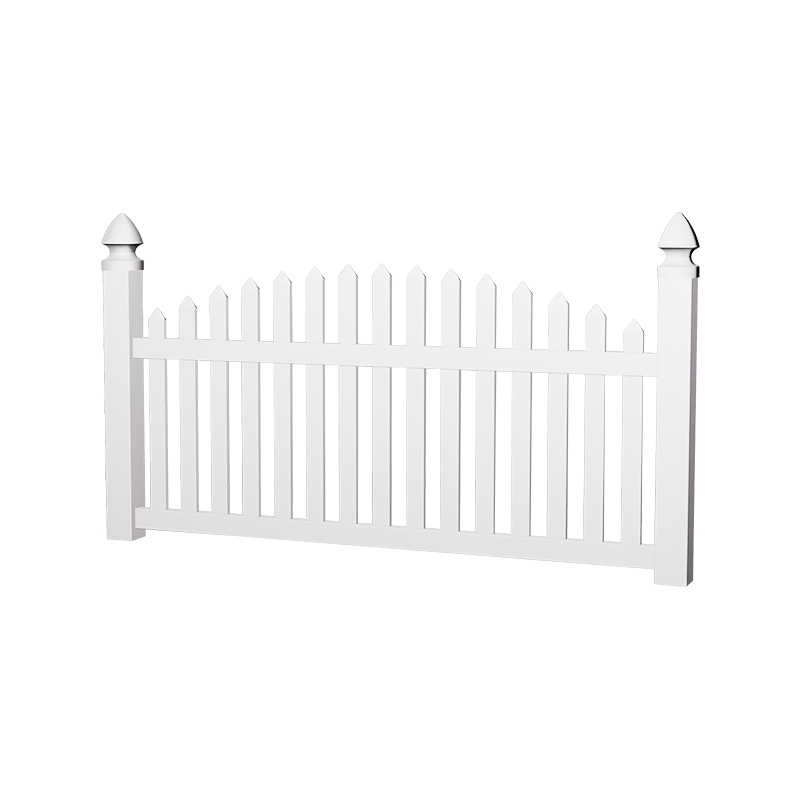
Enhance your farm's aesthetic and functionality with our PVC Arched Picket Fence. Crafted from 100% virgin PVC, this durable and stylish fencing solution combines the classic charm of traditional pick...
See Details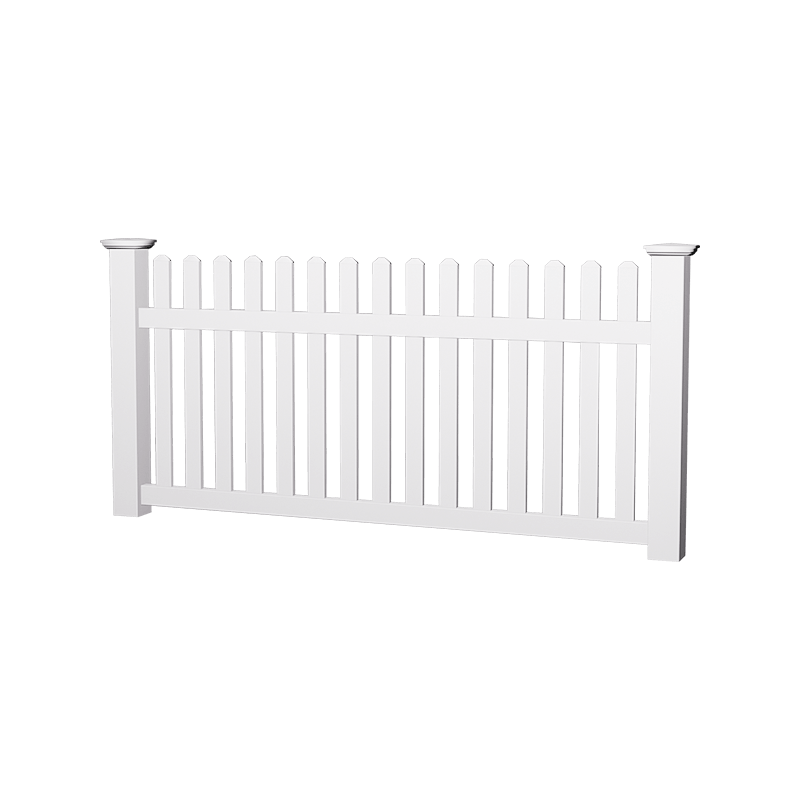
Our durable and versatile Picket Fence, designed specifically for farm use. Crafted from 100% virgin PVC plastic, this fence panel is not coated, ensuring superior quality and longevity. With dimensio...
See Details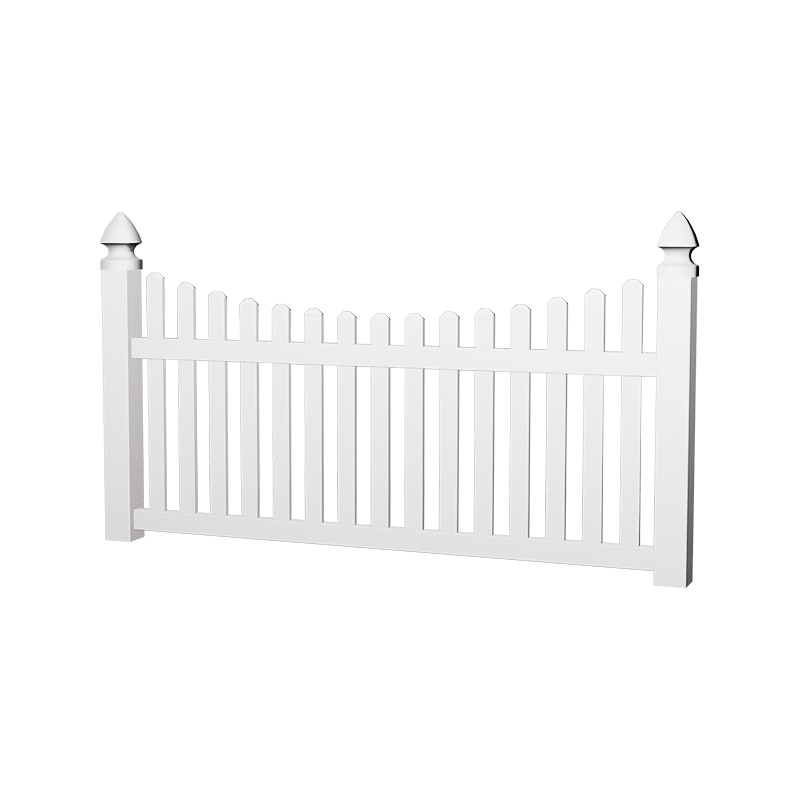
Introducing our 7/8"x3" Plastic Picket, designed specifically for farm applications. Crafted from 100% virgin PVC, this picket is not coated, ensuring maximum durability and resistance to impacts. Wit...
See Details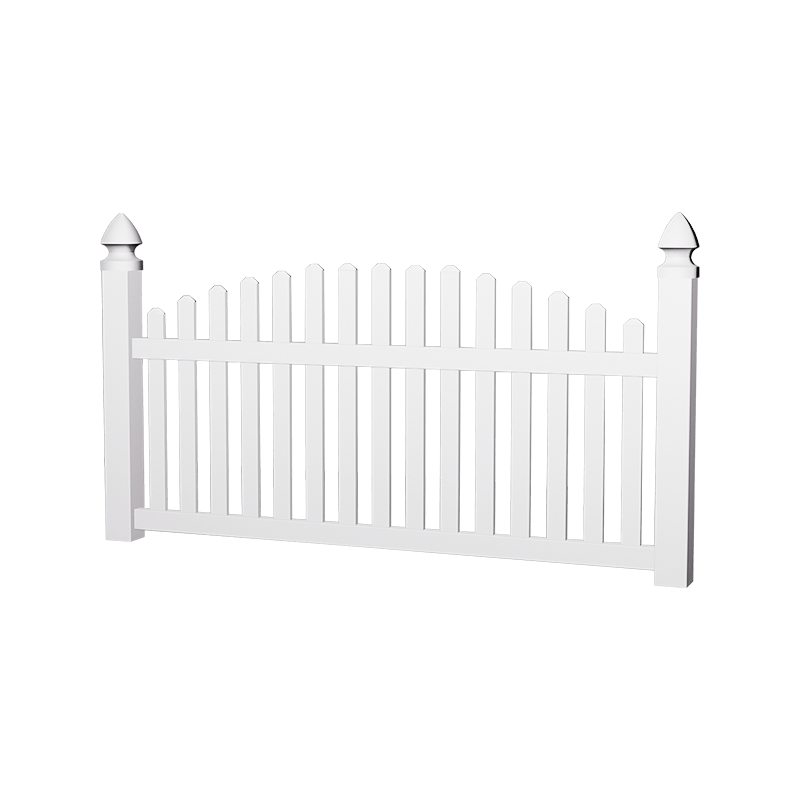
The Dog Ear Top Garden Fence, the ultimate solution for your farm fencing needs. Crafted from 100% virgin PVC, this fence is designed to withstand the elements without the worry of rot or decay, makin...
See Details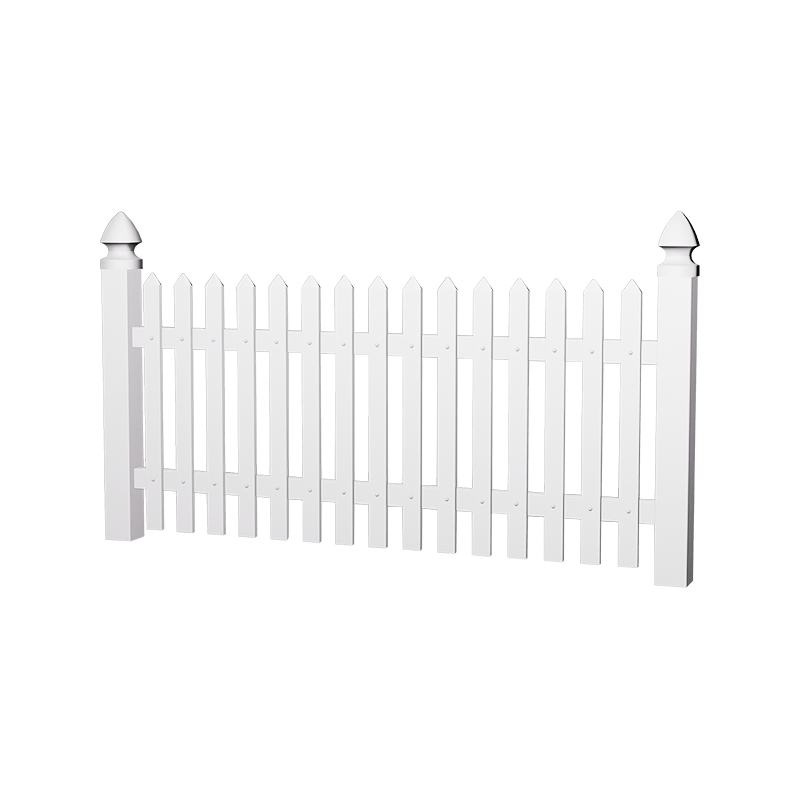
Decorate your outdoor spaces with our durable and stylish PVC Face Mounted Pickets Fence. Designed for easy installation and long-lasting performance, this fence is perfect for residential and commerc...
See Details
Our White Vinyl Fence, measuring 4'H x 8'W, designed for both functionality and aesthetics. Made from 100% virgin PVC plastic, this fence is not coated, ensuring unmatched durability and resistance to...
See Details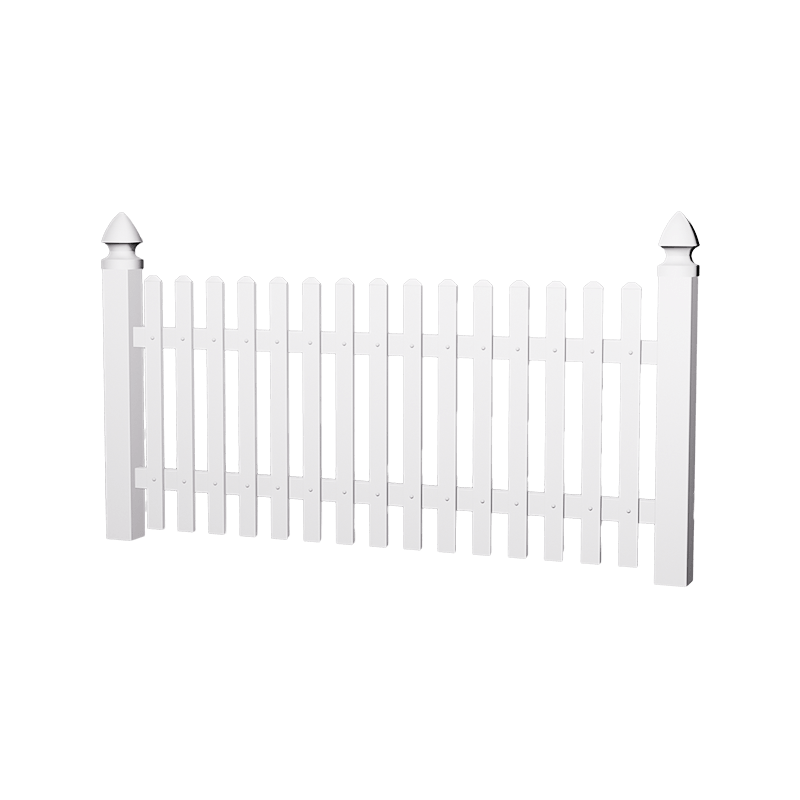
The Traditional Dog Ear Picket is an ideal choice for warehouses, combining aesthetic appeal with practicality. Made from 100% virgin PVC, this durable, low-maintenance fence resists rotting and water...
See Details
We are a professional manufacturer engaged in the research, development,
production, sale, and service of PVC fences and PVC flooring.
Contact Us
Mobile
Copyright © Deqing Huazhijie Railing & Fencing Co.,Ltd. All Rights Reserved.
 Custom Vinyl Fence Manufacturers
 English
 عربى
عربى 中文简体
中文简体 Español