Welcome to Huazhijie!
 +86-572-8086381 / 8282992
  hzjfence1@hzjfence.com


Jan 06, 2026
Content
Vinyl fencing is primarily manufactured from polyvinyl chloride (PVC), but the quality of the final product depends heavily on the additives used during the extrusion process. High-quality vinyl fences include titanium dioxide (TiO2), which serves as a powerful UV inhibitor to prevent the material from yellowing or becoming brittle under constant sun exposure. When selecting a fence, it is crucial to distinguish between professional-grade "mono-extruded" vinyl, which has consistent color and UV protection throughout the entire profile, and lower-tier options that may only have a protective coating on the outer layer.
The wall thickness of the vinyl posts and pickets is another critical indicator of long-term performance. Standard residential vinyl fencing usually features a wall thickness ranging from 0.135 to 0.150 inches. Thicker walls provide better impact resistance against lawnmowers, falling branches, and high winds, ensuring the structure remains rigid without warping over time.
Modern vinyl fencing offers a variety of architectural styles designed to meet specific functional needs while enhancing curb appeal. Unlike wood, which requires staining to achieve different looks, vinyl is available in various textures, including realistic wood-grain finishes and sleek, contemporary solids.
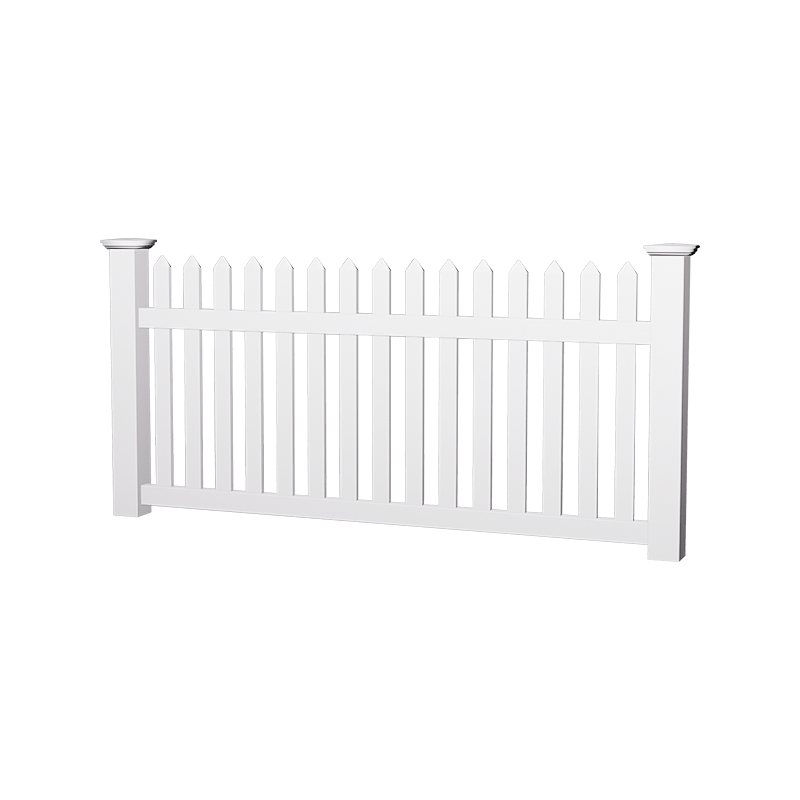
To help homeowners understand how vinyl stacks up against traditional fencing materials, the following table highlights the performance metrics regarding maintenance and lifespan. Vinyl remains the leading choice for those seeking a "set-it-and-forget-it" solution for property boundaries.
| Feature | Vinyl Fence | Pressure-Treated Wood | Wrought Iron |
| Maintenance Required | Occasional Cleaning | Staining/Sealing Every 2 Years | Sanding and Repainting |
| Lifespan | 20 - 50 Years | 10 - 15 Years | 25+ Years (Rust-Prone) |
| Resistance to Pests | Immune to Termites | Susceptible | Immune |
Proper installation is the most important factor in ensuring a vinyl fence remains level and secure for decades. Because vinyl expands and contracts slightly with temperature fluctuations, the installation method must account for thermal movement. It is recommended to use "routed" posts where the rails slide into pre-cut holes, rather than using external brackets which can fail under stress.
Foundational stability is achieved by setting posts in concrete deep enough to reach below the local frost line. This prevents "heaving," where frozen ground pushes the posts upward, causing the fence line to become uneven. Additionally, for gate posts, a heavy-duty aluminum or steel insert should be placed inside the vinyl post to provide the structural support necessary to hold the weight of the gate without sagging.
Maintenance for vinyl is minimal but necessary to keep the surface looking new. Over time, environmental dust or organic growth like algae may appear, especially in shaded or humid areas. Fortunately, the non-porous surface of PVC prevents stains from soaking into the material.
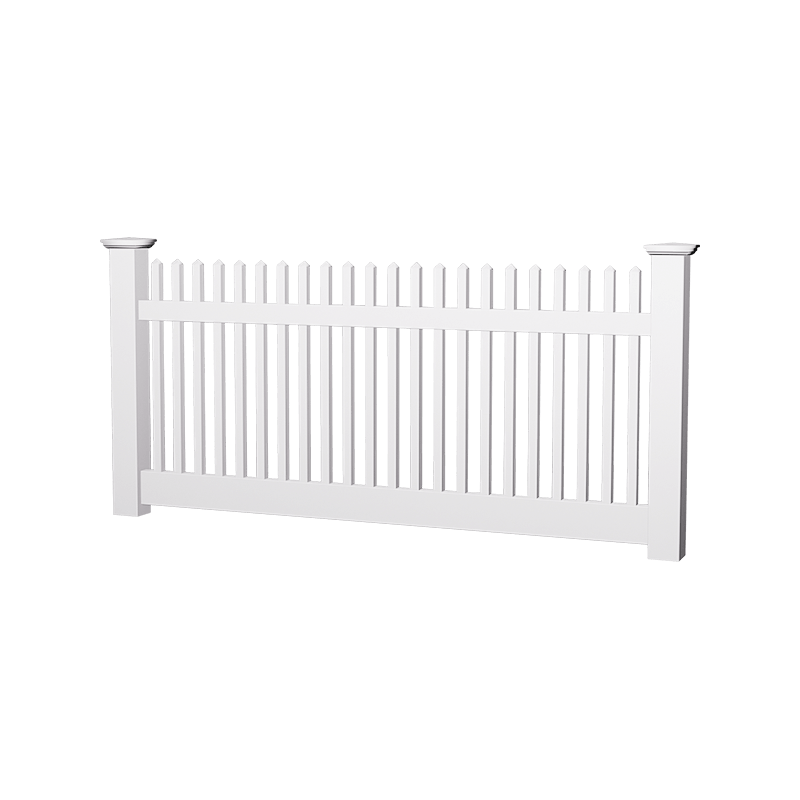
Our 1.5"x1.5" Horizontal Picket Fence, the ultimate garden solution made from 100% virgin PVC for unmatched durability and low maintenance. Designed for easy DIY installation, this fire-proof fence re...
See Details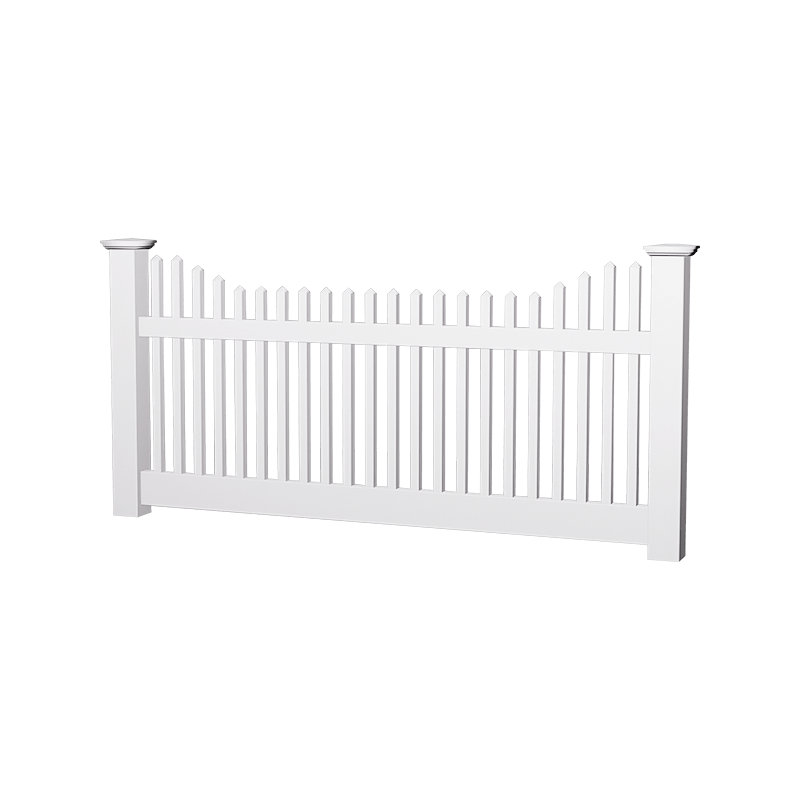
The Special-Shaped Picket Fence, the perfect addition to any home. Crafted from 100% virgin PVC, this fence combines durability and elegance with low maintenance requirements. Designed for easy DIY in...
See Details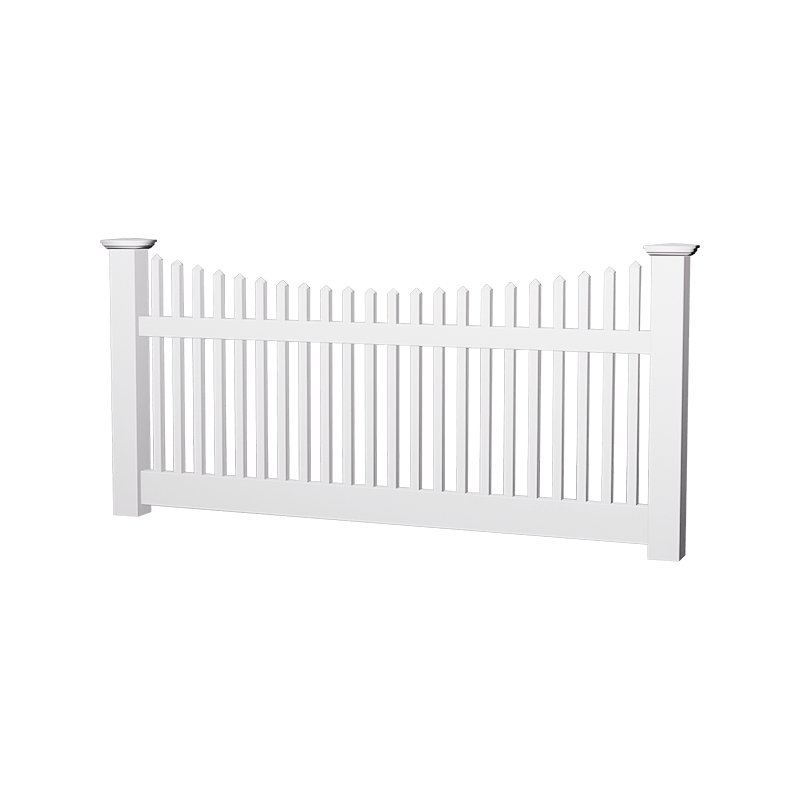
The Special-Shaped Picket Fence, the perfect addition to any home. Crafted from 100% virgin PVC, this fence combines durability and elegance with low maintenance requirements. Designed for easy DIY in...
See Details
Enhance your home’s exterior with our Traditional Straight Spade Fence, crafted from 100% virgin PVC for exceptional durability and style. This low-maintenance solution is designed for easy installati...
See Details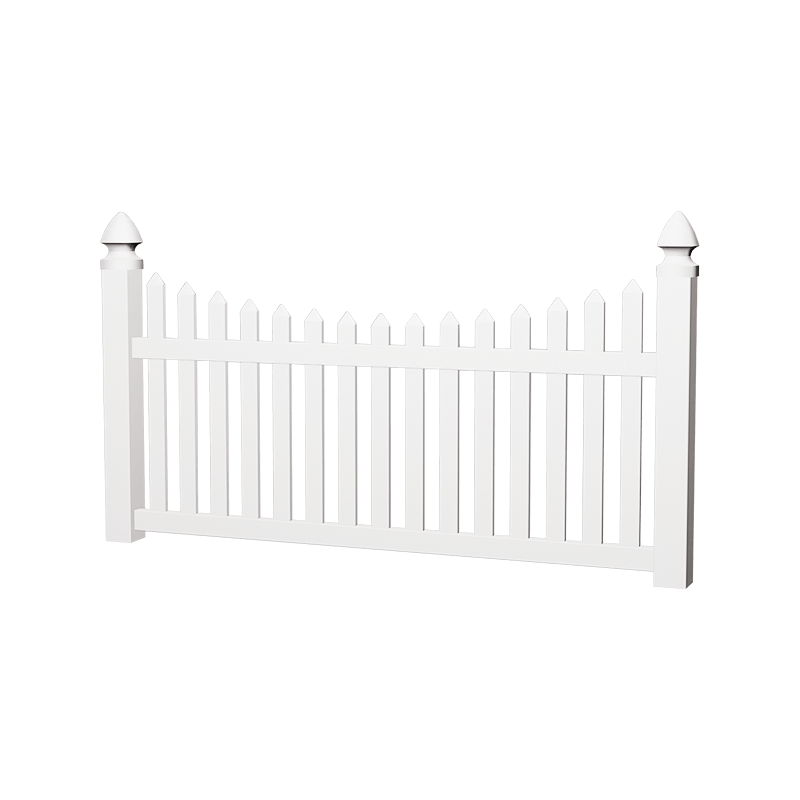
Transform your outdoor space with our 7/8"x3" Outdoor Picket Fence, specifically designed for farm use and outdoor applications. Crafted from 100% Virgin PVC, this durable and high-impact resistant fe...
See Details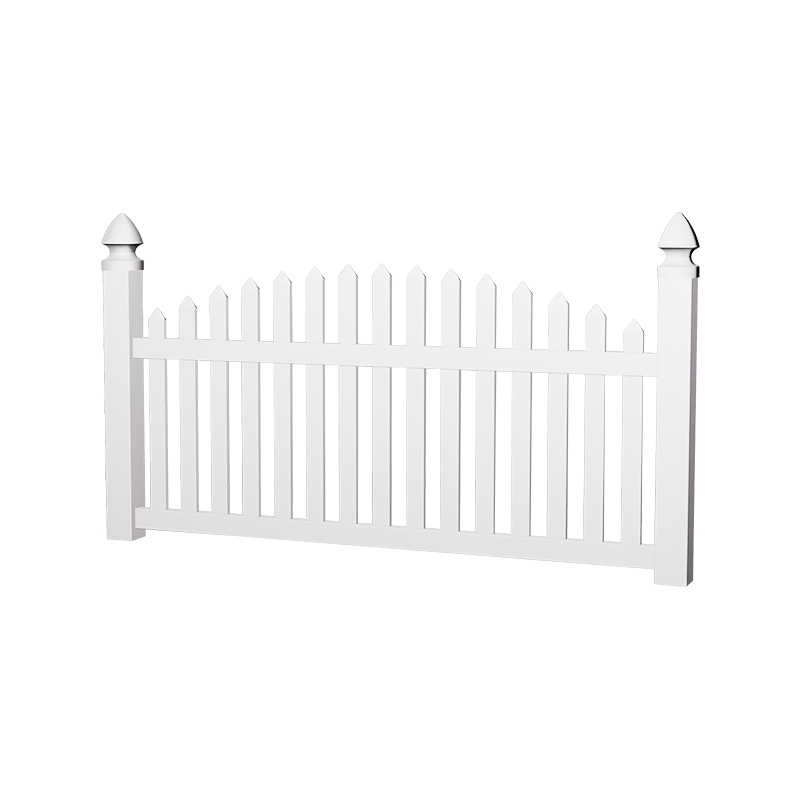
Enhance your farm's aesthetic and functionality with our PVC Arched Picket Fence. Crafted from 100% virgin PVC, this durable and stylish fencing solution combines the classic charm of traditional pick...
See Details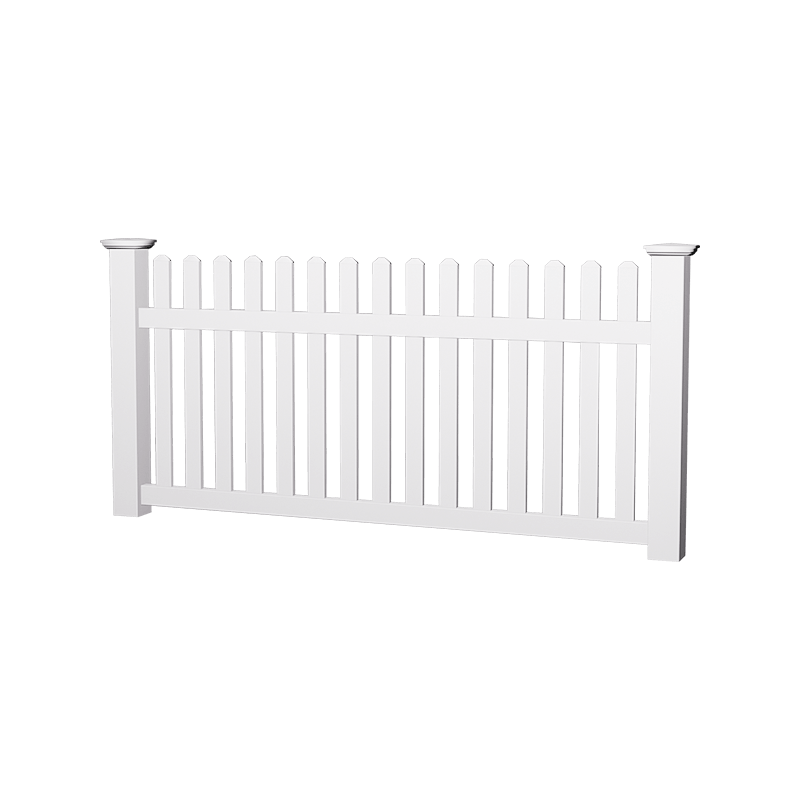
Our durable and versatile Picket Fence, designed specifically for farm use. Crafted from 100% virgin PVC plastic, this fence panel is not coated, ensuring superior quality and longevity. With dimensio...
See Details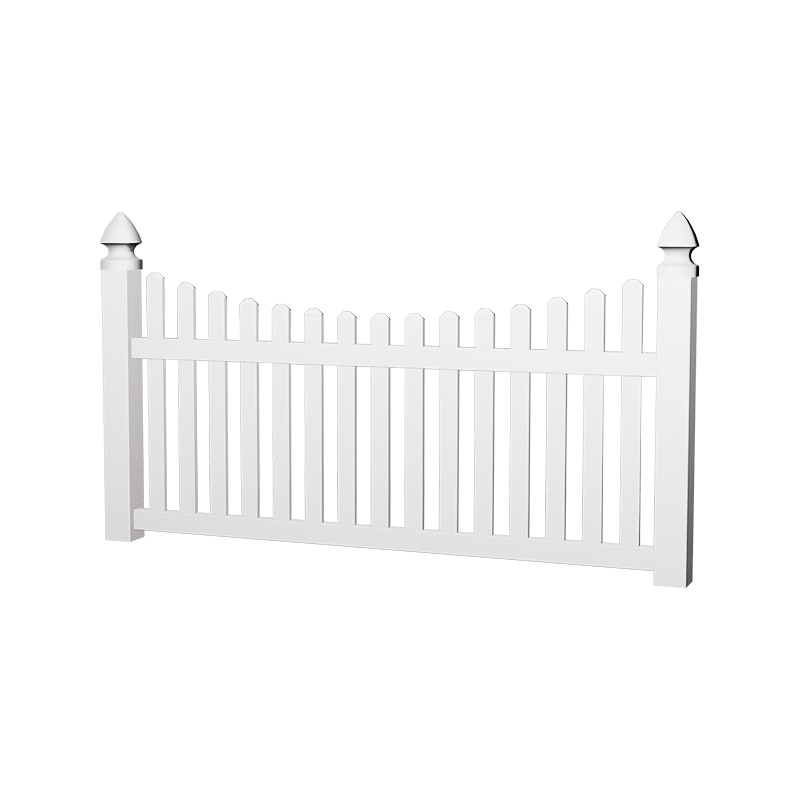
Introducing our 7/8"x3" Plastic Picket, designed specifically for farm applications. Crafted from 100% virgin PVC, this picket is not coated, ensuring maximum durability and resistance to impacts. Wit...
See Details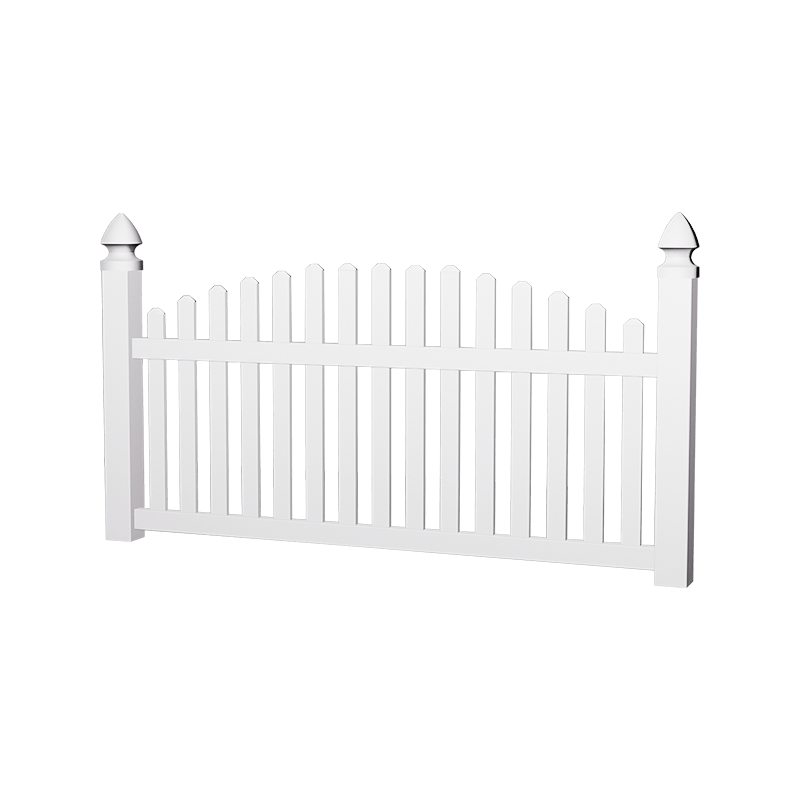
The Dog Ear Top Garden Fence, the ultimate solution for your farm fencing needs. Crafted from 100% virgin PVC, this fence is designed to withstand the elements without the worry of rot or decay, makin...
See Details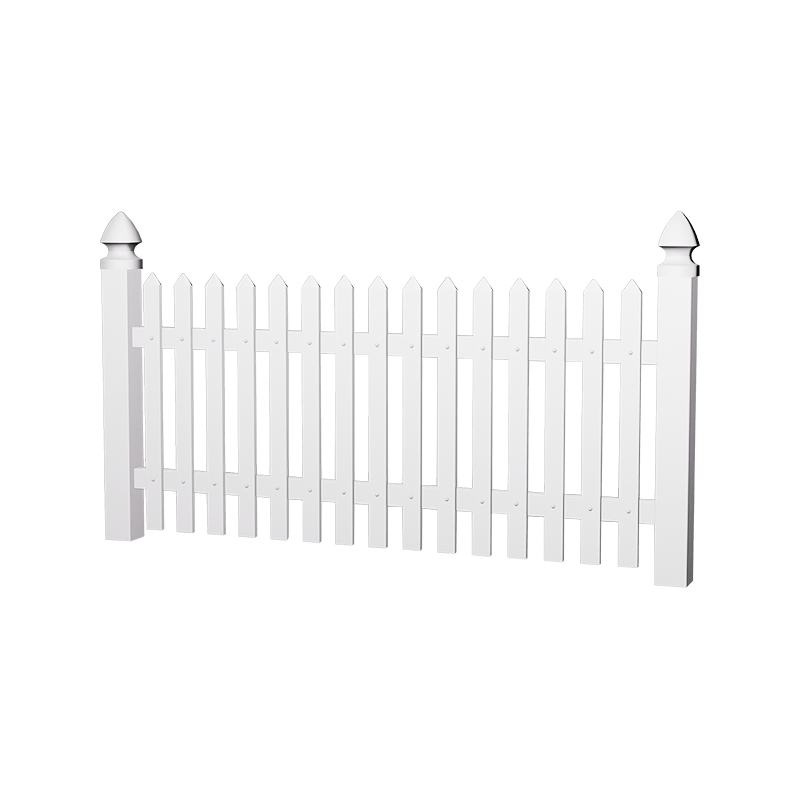
Decorate your outdoor spaces with our durable and stylish PVC Face Mounted Pickets Fence. Designed for easy installation and long-lasting performance, this fence is perfect for residential and commerc...
See Details
Our White Vinyl Fence, measuring 4'H x 8'W, designed for both functionality and aesthetics. Made from 100% virgin PVC plastic, this fence is not coated, ensuring unmatched durability and resistance to...
See Details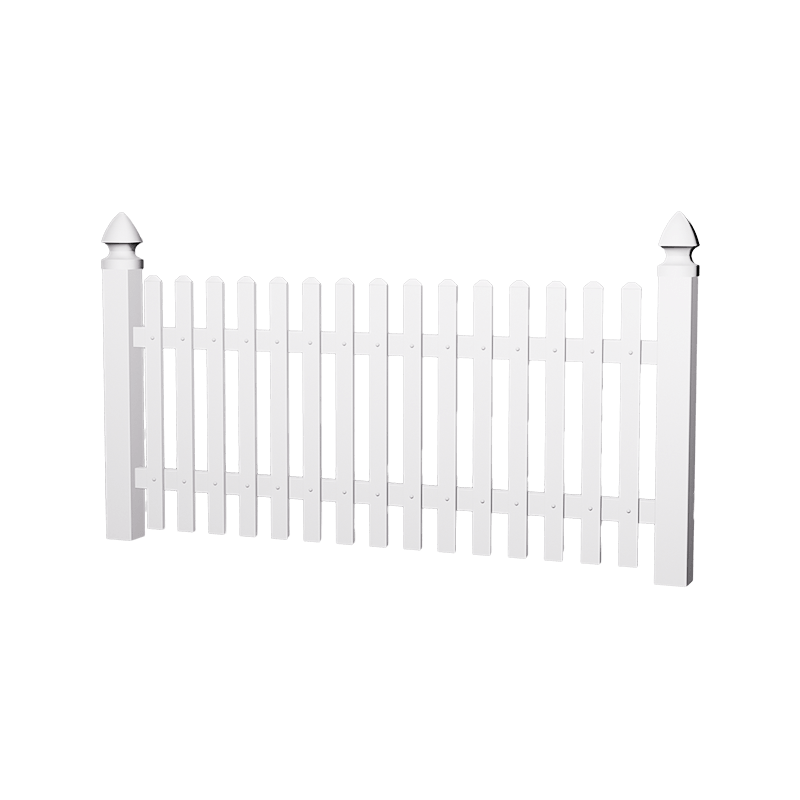
The Traditional Dog Ear Picket is an ideal choice for warehouses, combining aesthetic appeal with practicality. Made from 100% virgin PVC, this durable, low-maintenance fence resists rotting and water...
See Details
We are a professional manufacturer engaged in the research, development,
production, sale, and service of PVC fences and PVC flooring.
Contact Us
Mobile
Copyright © Deqing Huazhijie Railing & Fencing Co.,Ltd. All Rights Reserved.
 Custom Vinyl Fence Manufacturers
 English
 عربى
عربى 中文简体
中文简体 Español