Welcome to Huazhijie!
 +86-572-8086381 / 8282992
  hzjfence1@hzjfence.com


Jan 04, 2026
Content
The performance of a PVC fence gate is almost entirely dependent on the quality of the hardware used during installation. Unlike wood, vinyl expands and contracts with temperature changes, meaning the hinges and latches must be specifically designed for PVC applications. Heavy-duty stainless steel or powder-coated aluminum hardware is recommended to prevent rusting and staining. Self-closing hinges are a popular choice for pool safety and general convenience, allowing the gate to return to a latched position automatically. When selecting hardware, ensure that the screws are long enough to bite into the internal reinforcement of the gate post, as the PVC shell alone is not structural enough to hold the weight of a swinging gate over time.
| Hardware Type | Material Recommendation | Primary Benefit |
| Hinges | Adjustable Polymer or Steel | Allows for easy leveling |
| Latches | Gravity or Magnetic | Secure, hands-free locking |
| Drop Rods | Stainless Steel | Secures double-drive gates |
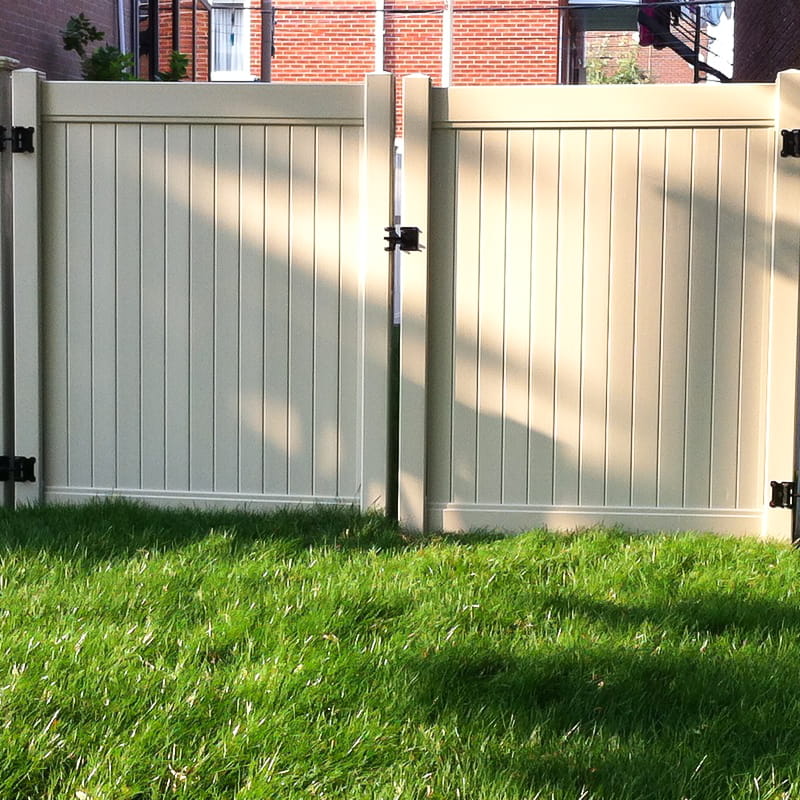
One of the most common points of failure for a PVC fence gate is "gate sag," which occurs when the hinge-side post leans under the constant weight of the gate. To prevent this, the gate posts must be reinforced internally. Most professionals use an aluminum or galvanized steel "I-beam" insert that slides inside the PVC post before it is set in concrete. Alternatively, filling the post with concrete and rebar can provide the necessary rigidity. It is crucial to set these posts at a deeper level than the standard line posts—typically 30 to 36 inches deep—to ensure they remain plumb throughout the changing seasons and heavy usage.
When planning your PVC fence gate, consider the long-term utility of the opening. A standard 36-inch or 42-inch walk-through gate is sufficient for foot traffic and standard lawnmowers. however, if you anticipate needing access for riding mowers, trailers, or construction equipment, a "double-drive" gate system is a better investment. Double gates consist of two gate leaves that meet in the middle, secured by a drop rod into the ground. It is important to remember that larger gates put significantly more stress on the posts, necessitating even more robust reinforcement measures to maintain a level appearance over time.
While PVC is marketed as low-maintenance, the moving parts of a gate require occasional attention. Over time, the ground may settle or the hardware may loosen slightly, causing the latch to misalign. High-quality PVC gate hinges are usually adjustable, allowing you to use a wrench to move the gate up, down, or side-to-side without removing the hinges from the post. Cleaning your PVC gate is as simple as using a mild detergent and a garden hose; avoiding abrasive cleaners is essential to preserve the UV-resistant outer layer of the vinyl. Regularly checking the tension on self-closing hinges ensures the gate continues to operate safely and remains a secure barrier for your property.
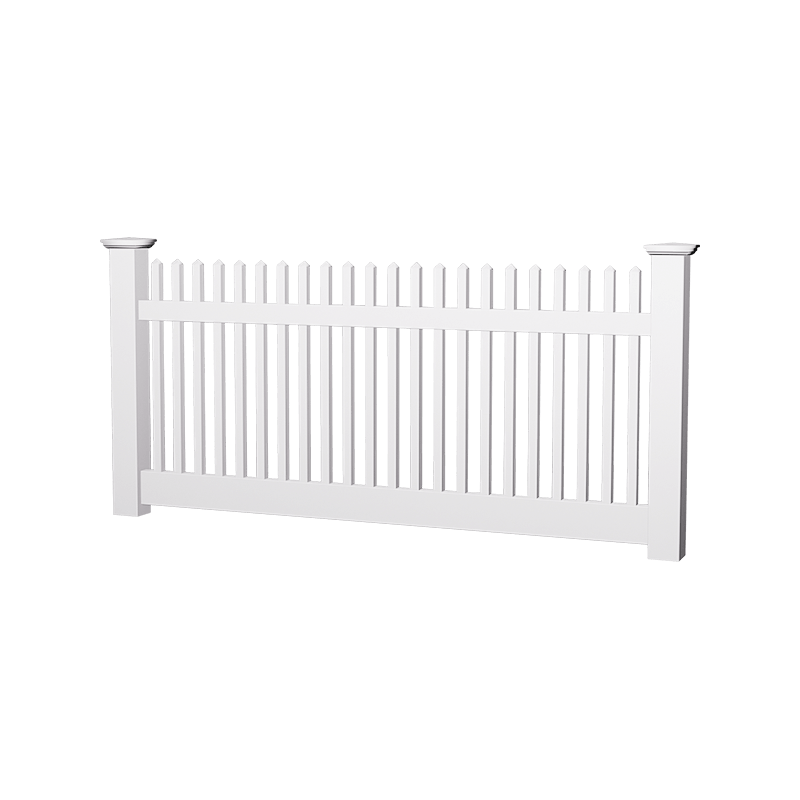
Our 1.5"x1.5" Horizontal Picket Fence, the ultimate garden solution made from 100% virgin PVC for unmatched durability and low maintenance. Designed for easy DIY installation, this fire-proof fence re...
See Details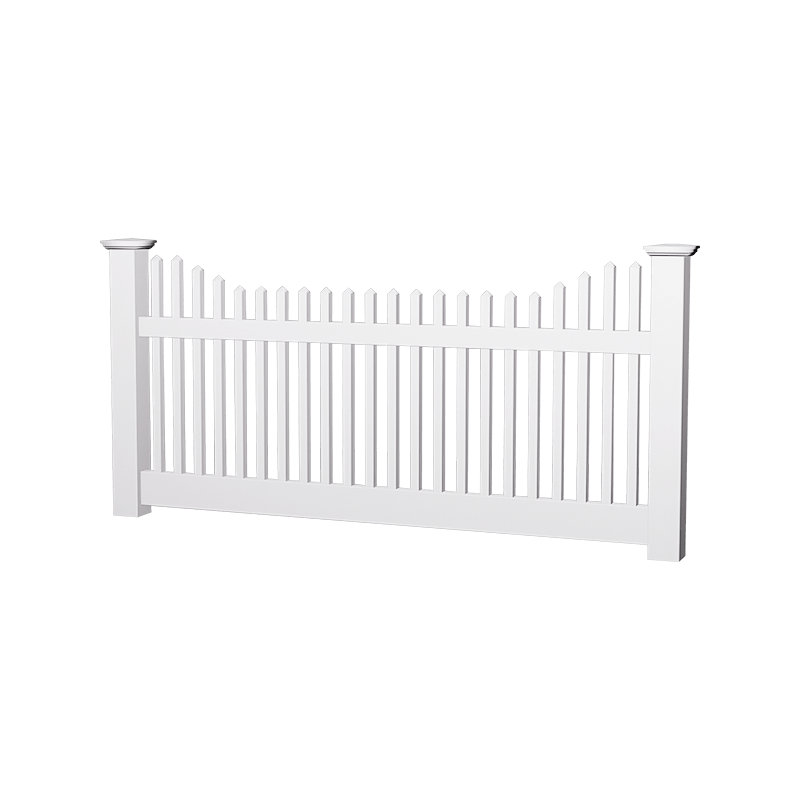
The Special-Shaped Picket Fence, the perfect addition to any home. Crafted from 100% virgin PVC, this fence combines durability and elegance with low maintenance requirements. Designed for easy DIY in...
See Details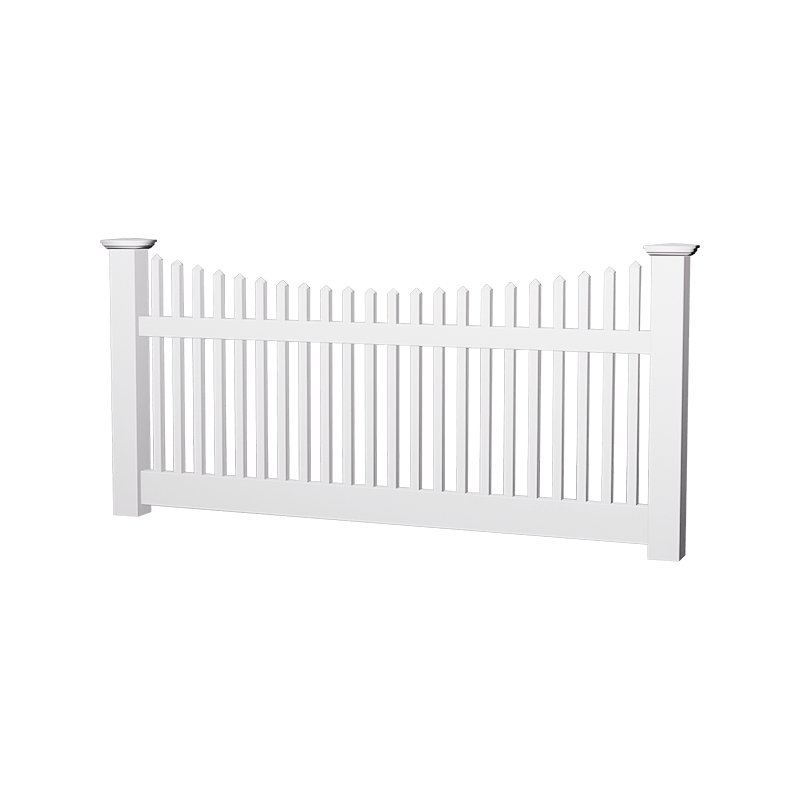
The Special-Shaped Picket Fence, the perfect addition to any home. Crafted from 100% virgin PVC, this fence combines durability and elegance with low maintenance requirements. Designed for easy DIY in...
See Details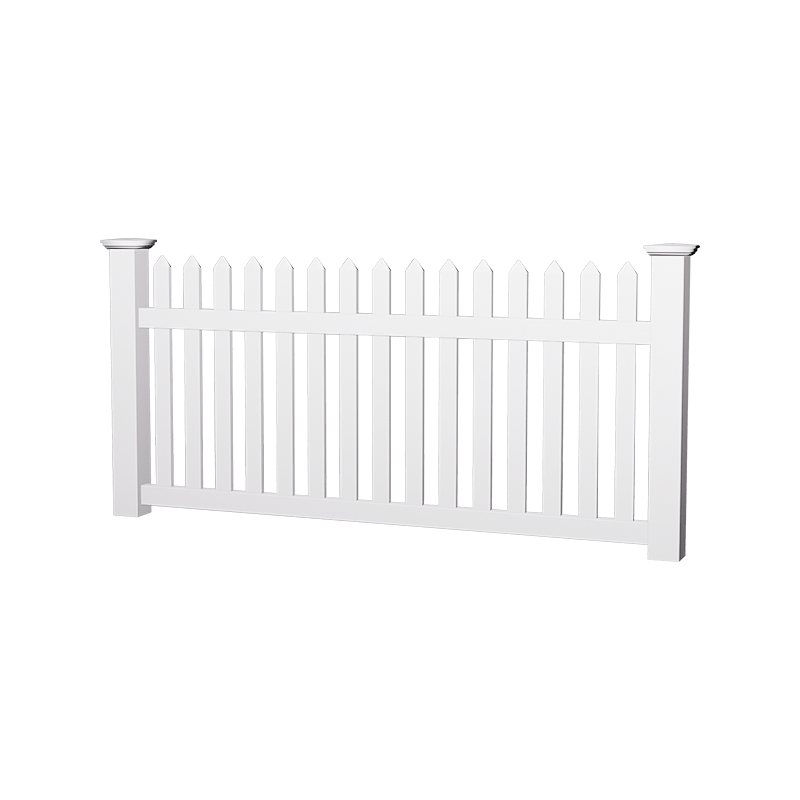
Enhance your home’s exterior with our Traditional Straight Spade Fence, crafted from 100% virgin PVC for exceptional durability and style. This low-maintenance solution is designed for easy installati...
See Details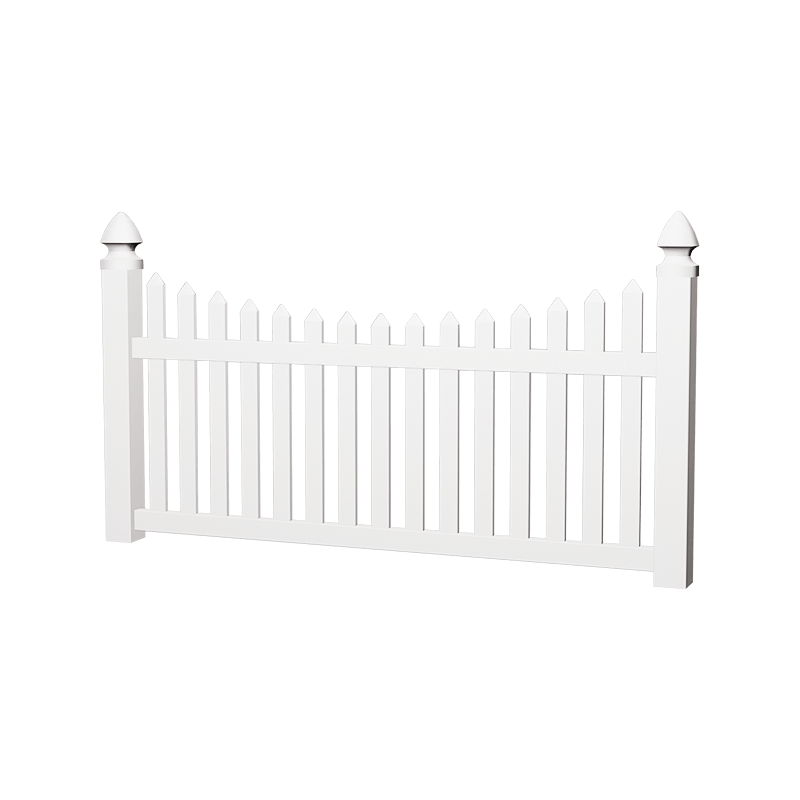
Transform your outdoor space with our 7/8"x3" Outdoor Picket Fence, specifically designed for farm use and outdoor applications. Crafted from 100% Virgin PVC, this durable and high-impact resistant fe...
See Details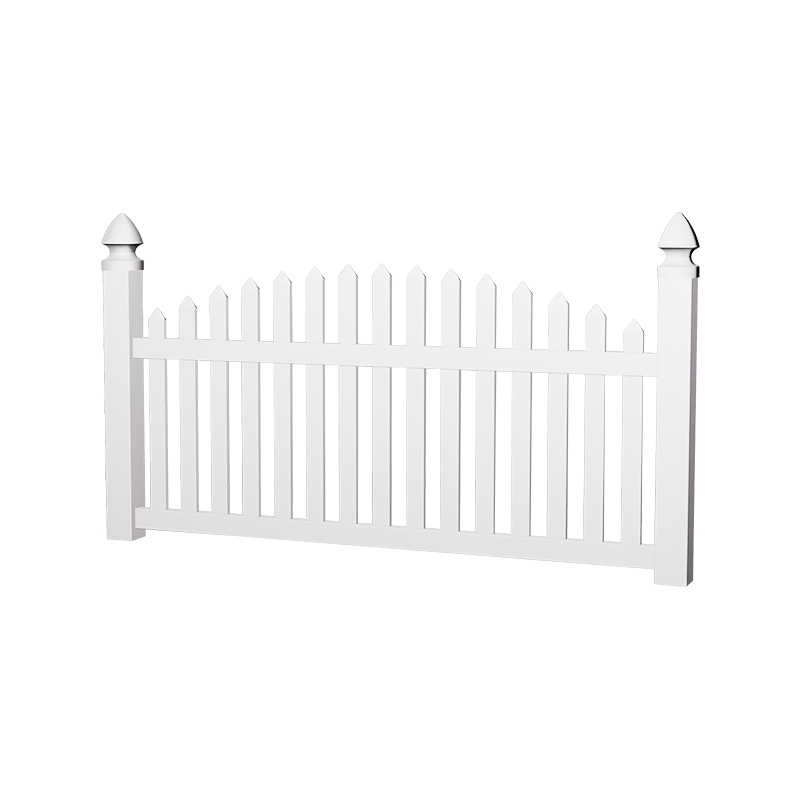
Enhance your farm's aesthetic and functionality with our PVC Arched Picket Fence. Crafted from 100% virgin PVC, this durable and stylish fencing solution combines the classic charm of traditional pick...
See Details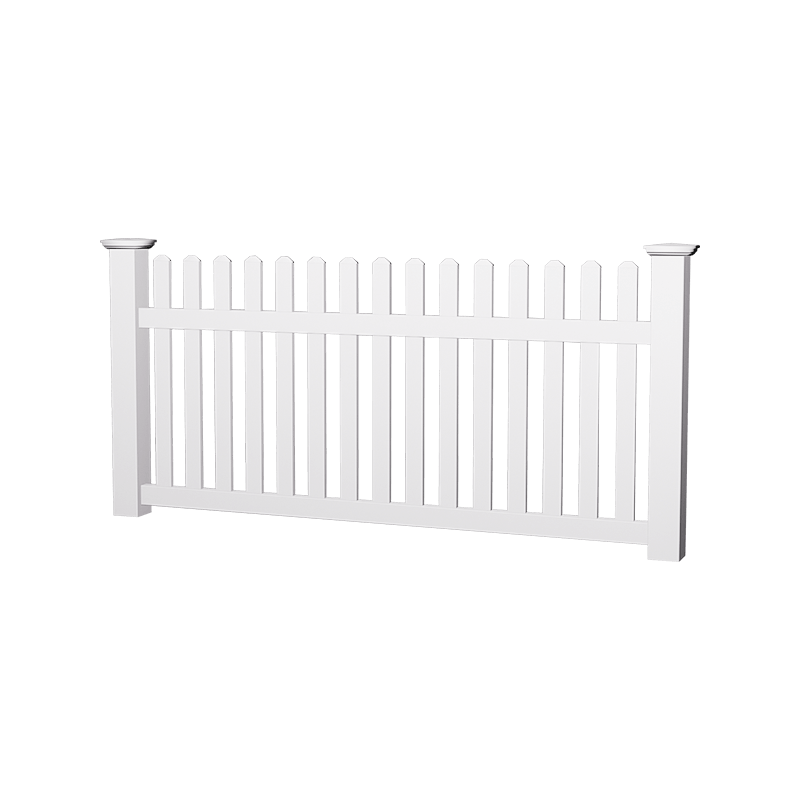
Our durable and versatile Picket Fence, designed specifically for farm use. Crafted from 100% virgin PVC plastic, this fence panel is not coated, ensuring superior quality and longevity. With dimensio...
See Details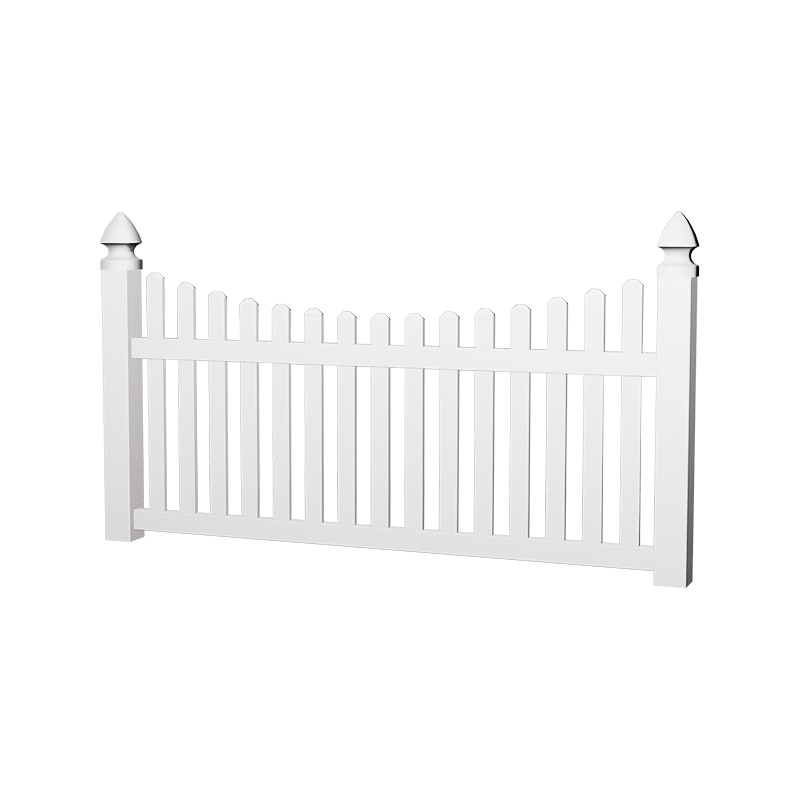
Introducing our 7/8"x3" Plastic Picket, designed specifically for farm applications. Crafted from 100% virgin PVC, this picket is not coated, ensuring maximum durability and resistance to impacts. Wit...
See Details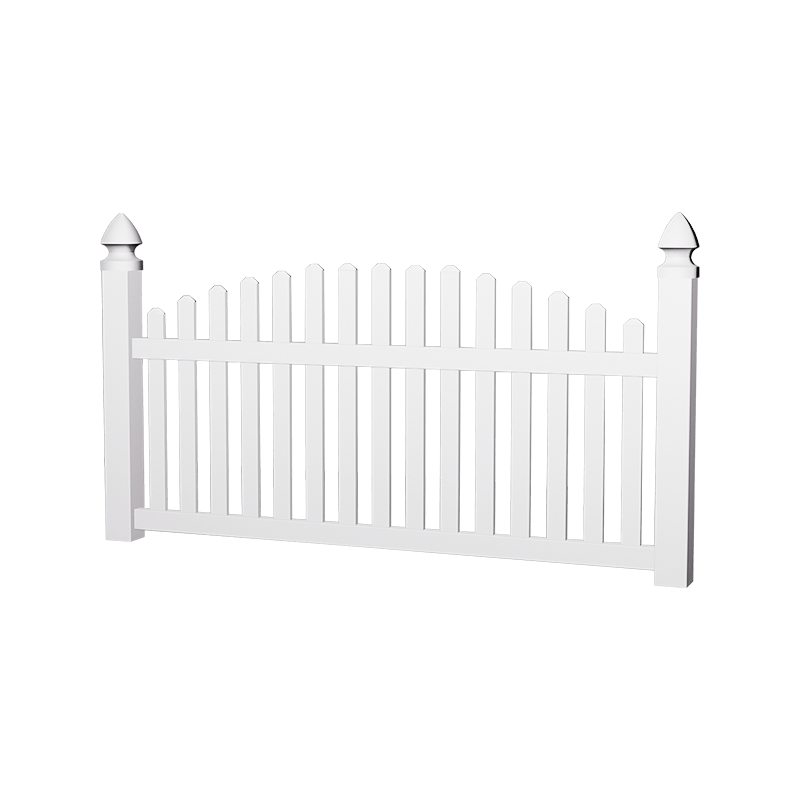
The Dog Ear Top Garden Fence, the ultimate solution for your farm fencing needs. Crafted from 100% virgin PVC, this fence is designed to withstand the elements without the worry of rot or decay, makin...
See Details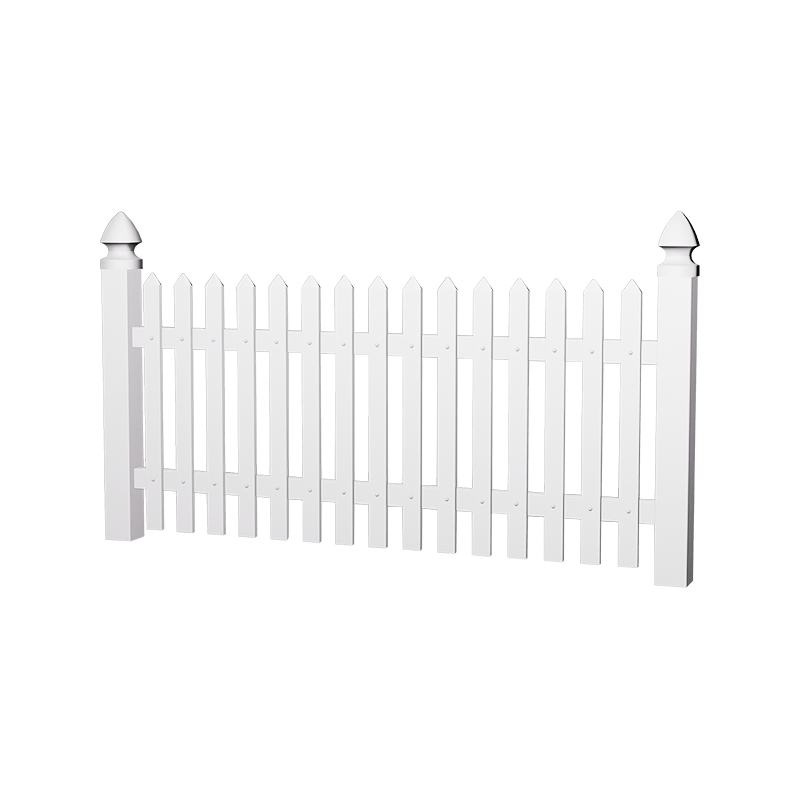
Decorate your outdoor spaces with our durable and stylish PVC Face Mounted Pickets Fence. Designed for easy installation and long-lasting performance, this fence is perfect for residential and commerc...
See Details
Our White Vinyl Fence, measuring 4'H x 8'W, designed for both functionality and aesthetics. Made from 100% virgin PVC plastic, this fence is not coated, ensuring unmatched durability and resistance to...
See Details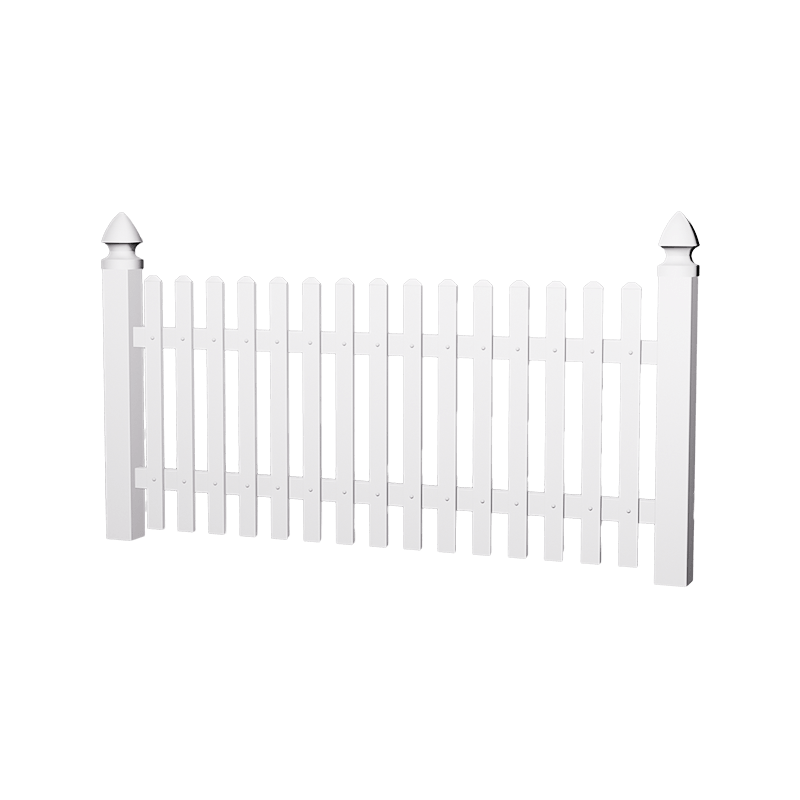
The Traditional Dog Ear Picket is an ideal choice for warehouses, combining aesthetic appeal with practicality. Made from 100% virgin PVC, this durable, low-maintenance fence resists rotting and water...
See Details
We are a professional manufacturer engaged in the research, development,
production, sale, and service of PVC fences and PVC flooring.
Contact Us
Mobile
Copyright © Deqing Huazhijie Railing & Fencing Co.,Ltd. All Rights Reserved.
 Custom Vinyl Fence Manufacturers
 English
 عربى
عربى 中文简体
中文简体 Español