Welcome to Huazhijie!
 +86-572-8086381 / 8282992
  hzjfence1@hzjfence.com


Dec 24, 2025
Content
PVC (polyvinyl chloride) privacy fencing has evolved from a simple plastic alternative to a high-performance building material. Unlike traditional wood, high-quality PVC is engineered with impact modifiers and UV inhibitors that prevent the material from becoming brittle or yellowing under constant sun exposure. The "privacy" aspect is achieved through a tongue-and-groove interlocking system, where each picket fits snugly into the next. This design eliminates gaps, providing a solid barrier that not only blocks the line of sight but also acts as a significant windbreak and sound dampener for your backyard oasis.
One of the primary reasons homeowners pivot toward PVC is its non-porous nature. In humid climates or areas with high rainfall, wood fences are susceptible to rot, mold, and termite infestations. PVC is completely impervious to biological threats and moisture. This means the structural integrity of the fence remains intact for decades without the need for chemical treatments, staining, or painting, making it one of the most cost-effective long-term investments for property boundaries.
When selecting a privacy fence, it is helpful to understand how PVC stacks up against other common materials like wood and chain link with privacy slats. While the initial cost of PVC may be higher than pressure-treated lumber, the absence of maintenance costs quickly closes that gap.
| Feature | PVC Privacy Fence | Cedar Wood Fence | Chain Link (with Slats) |
| Maintenance | Zero (Soap & Water) | High (Staining/Sealing) | Low (Rust checks) |
| Lifespan | 20 - 30+ Years | 10 - 15 Years | 15 - 20 Years |
| Privacy Level | Total (Gapless) | High (May shrink) | Moderate |
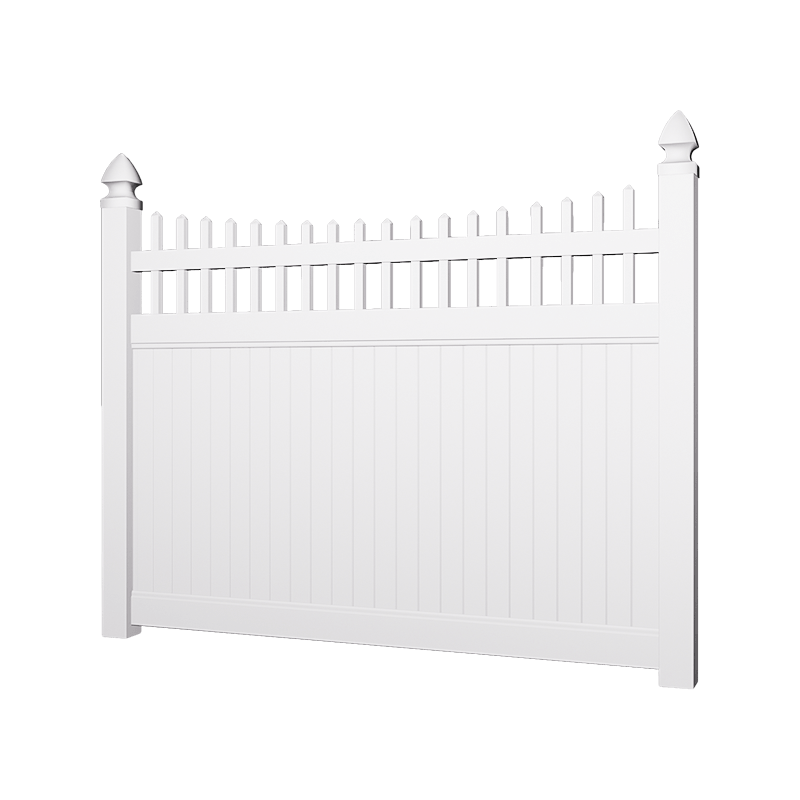
Because PVC privacy panels act like a large sail in the wind, proper installation is critical to ensure the fence does not lean or collapse during storms. Professionals recommend deeper post holes than those used for light-weight decorative fencing. For a standard 6-foot privacy fence, posts should ideally be buried 3 feet deep and secured with concrete to handle the lateral pressure of high winds.
Maintaining a PVC privacy fence is remarkably simple, but it is not entirely "set and forget" if you want it to look brand new for decades. Airborne pollutants, dust, and grass clippings can accumulate on the surface. A semi-annual wash with a garden hose and a soft cloth is usually sufficient. For tougher stains like bird droppings or scuff marks, a mild detergent or a specialized PVC cleaner will restore the luster without scratching the surface.
It is also important to monitor the gate hardware. Because PVC panels are lightweight, the gates are easy to operate, but the hinges and latches should be made of stainless steel or powder-coated black hardware to prevent rust streaks from forming on the white or tan vinyl. Periodically checking the alignment of the gate ensures that the privacy seal remains tight and the locking mechanism functions correctly for security.
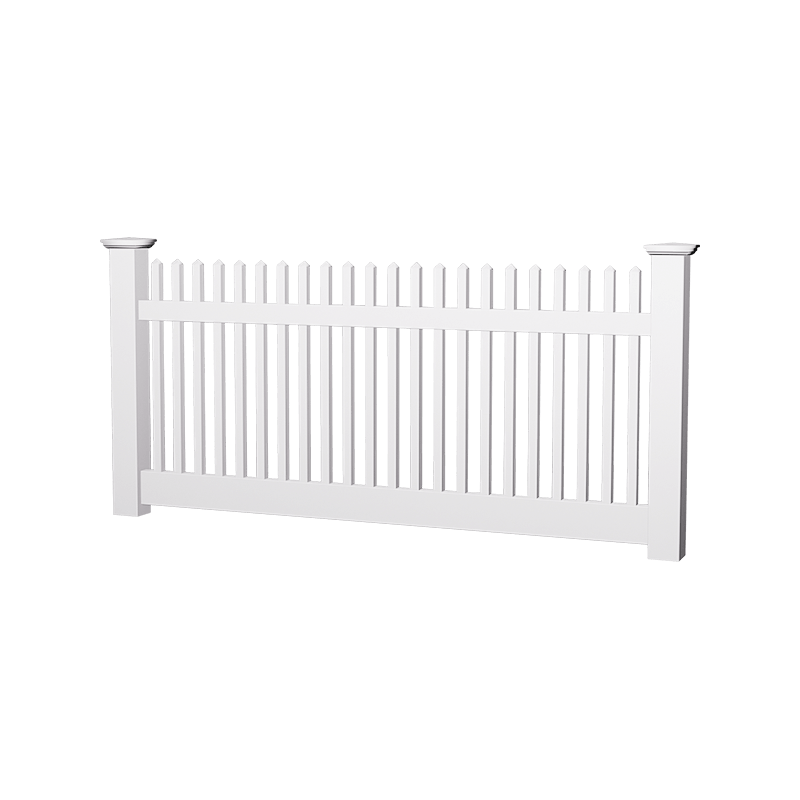
Our 1.5"x1.5" Horizontal Picket Fence, the ultimate garden solution made from 100% virgin PVC for unmatched durability and low maintenance. Designed for easy DIY installation, this fire-proof fence re...
See Details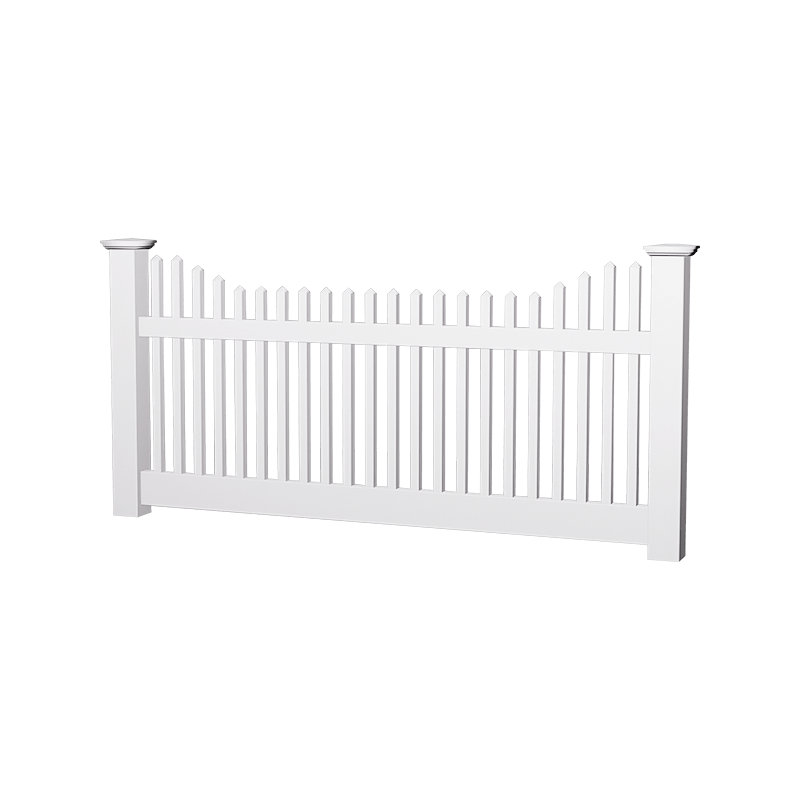
The Special-Shaped Picket Fence, the perfect addition to any home. Crafted from 100% virgin PVC, this fence combines durability and elegance with low maintenance requirements. Designed for easy DIY in...
See Details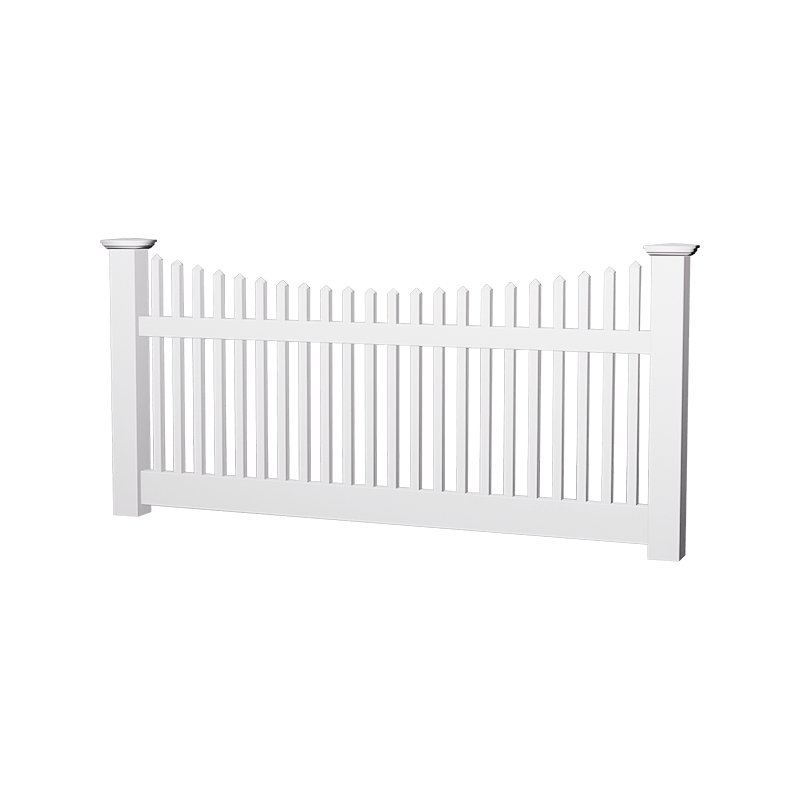
The Special-Shaped Picket Fence, the perfect addition to any home. Crafted from 100% virgin PVC, this fence combines durability and elegance with low maintenance requirements. Designed for easy DIY in...
See Details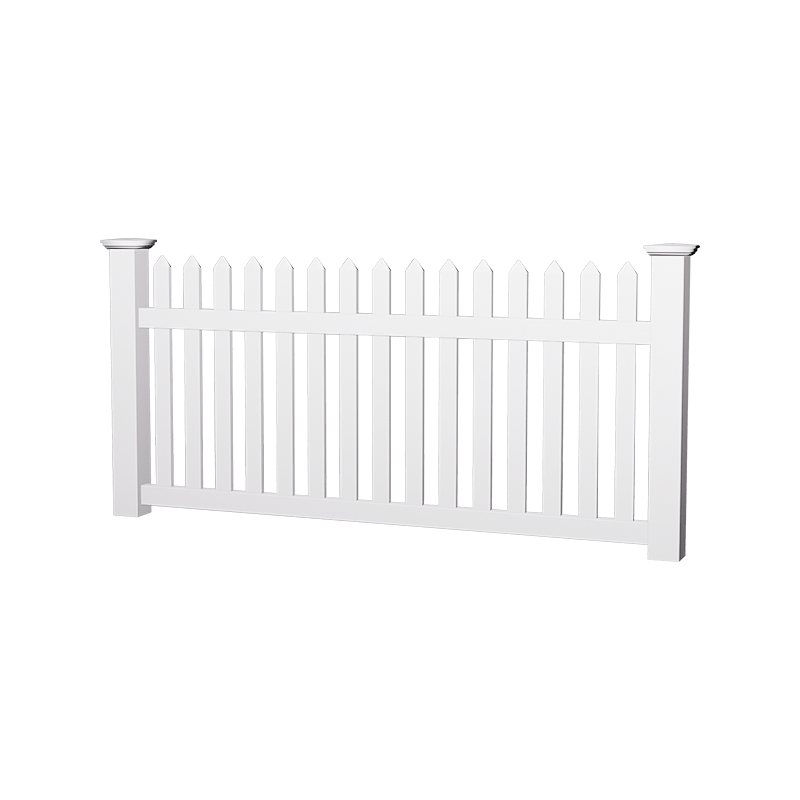
Enhance your home’s exterior with our Traditional Straight Spade Fence, crafted from 100% virgin PVC for exceptional durability and style. This low-maintenance solution is designed for easy installati...
See Details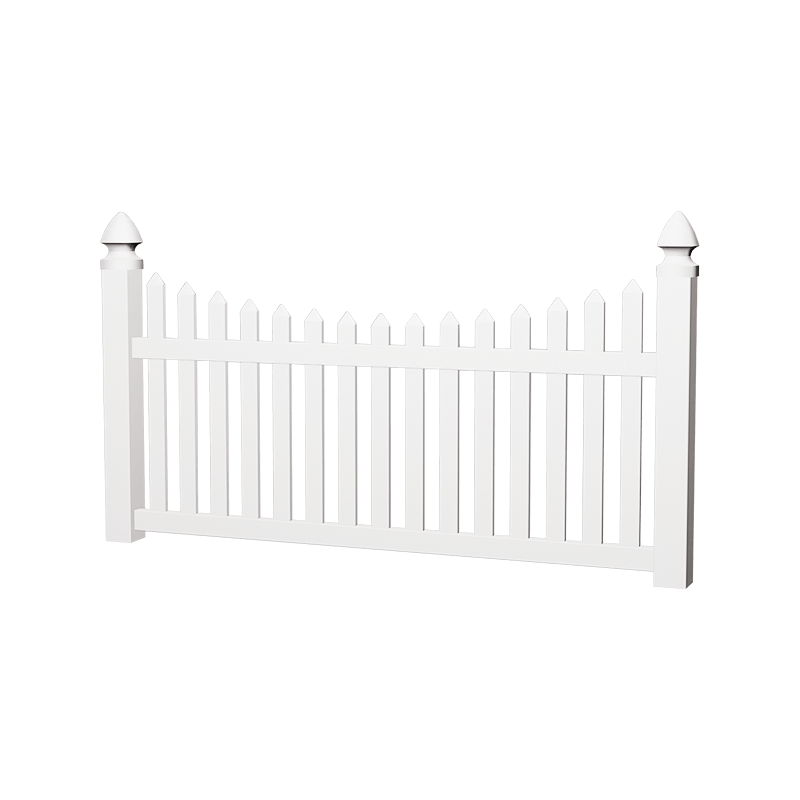
Transform your outdoor space with our 7/8"x3" Outdoor Picket Fence, specifically designed for farm use and outdoor applications. Crafted from 100% Virgin PVC, this durable and high-impact resistant fe...
See Details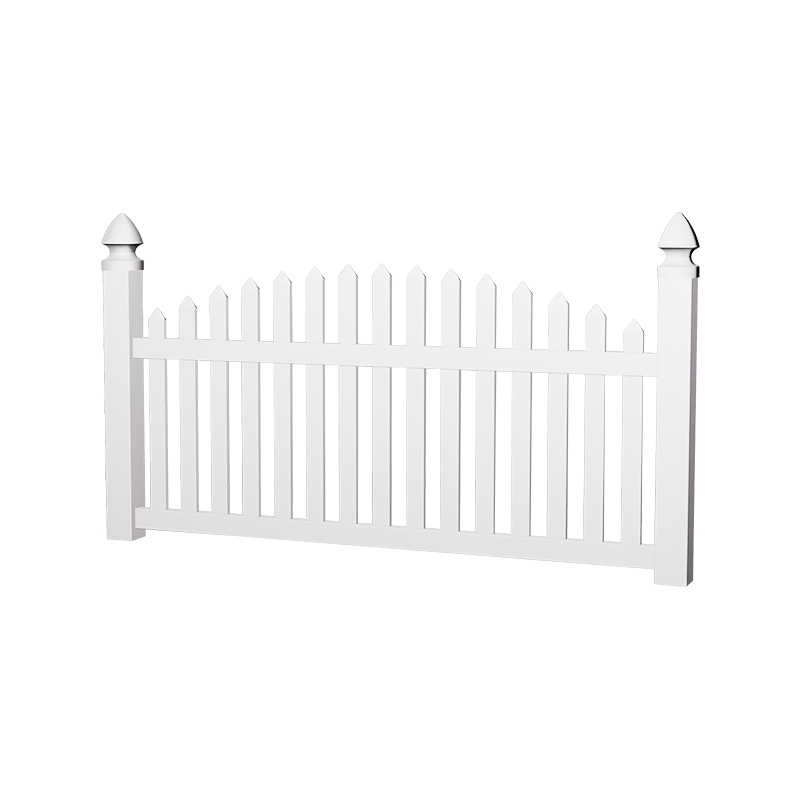
Enhance your farm's aesthetic and functionality with our PVC Arched Picket Fence. Crafted from 100% virgin PVC, this durable and stylish fencing solution combines the classic charm of traditional pick...
See Details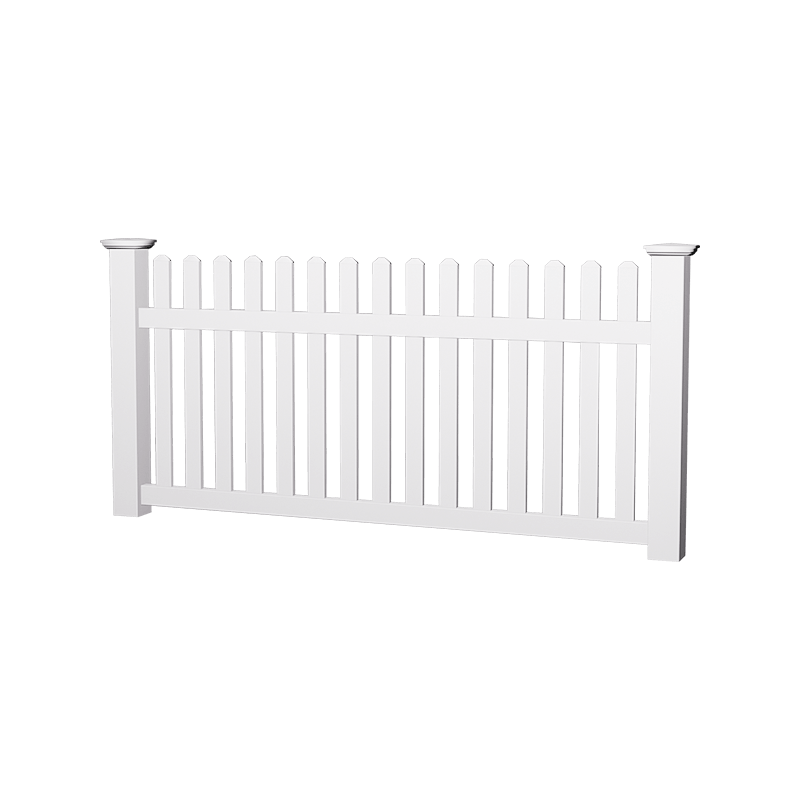
Our durable and versatile Picket Fence, designed specifically for farm use. Crafted from 100% virgin PVC plastic, this fence panel is not coated, ensuring superior quality and longevity. With dimensio...
See Details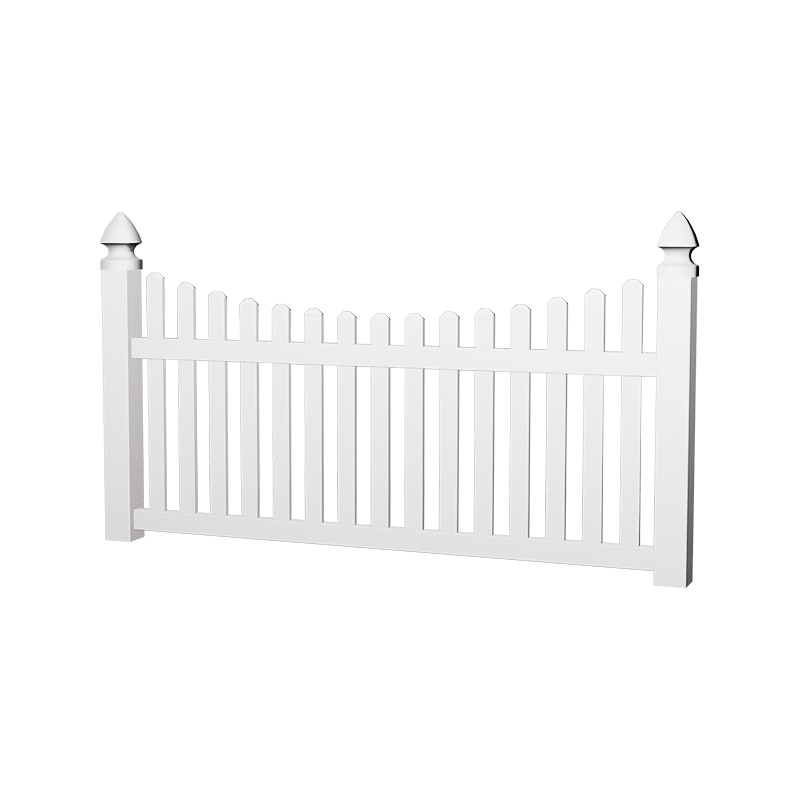
Introducing our 7/8"x3" Plastic Picket, designed specifically for farm applications. Crafted from 100% virgin PVC, this picket is not coated, ensuring maximum durability and resistance to impacts. Wit...
See Details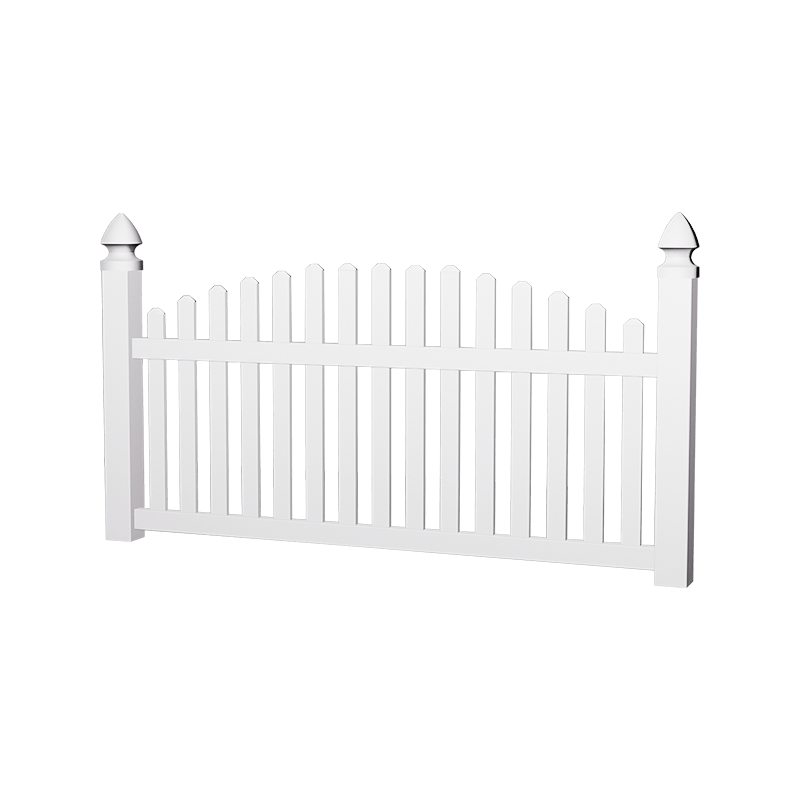
The Dog Ear Top Garden Fence, the ultimate solution for your farm fencing needs. Crafted from 100% virgin PVC, this fence is designed to withstand the elements without the worry of rot or decay, makin...
See Details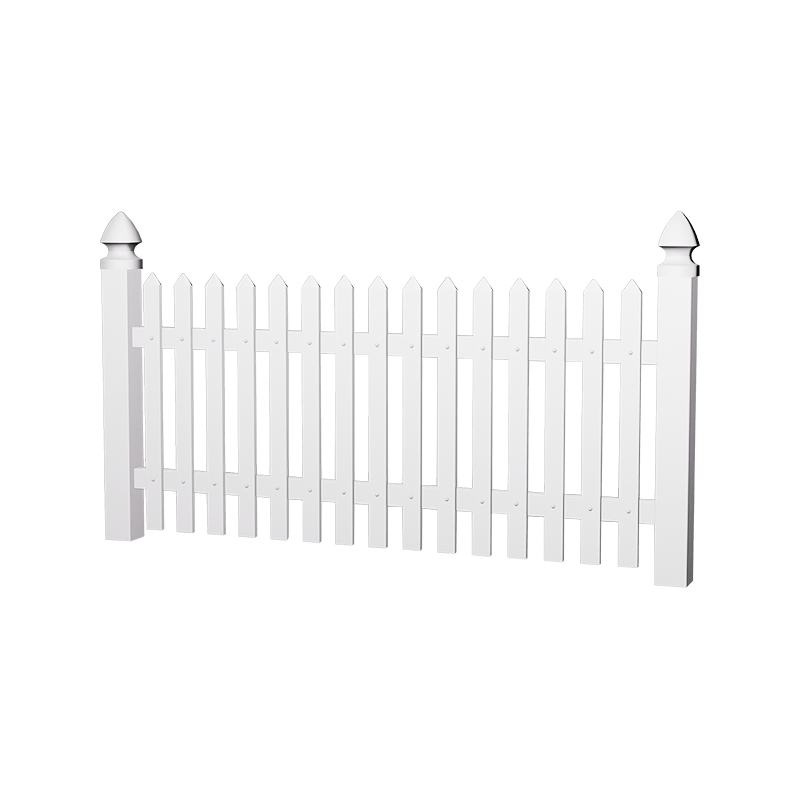
Decorate your outdoor spaces with our durable and stylish PVC Face Mounted Pickets Fence. Designed for easy installation and long-lasting performance, this fence is perfect for residential and commerc...
See Details
Our White Vinyl Fence, measuring 4'H x 8'W, designed for both functionality and aesthetics. Made from 100% virgin PVC plastic, this fence is not coated, ensuring unmatched durability and resistance to...
See Details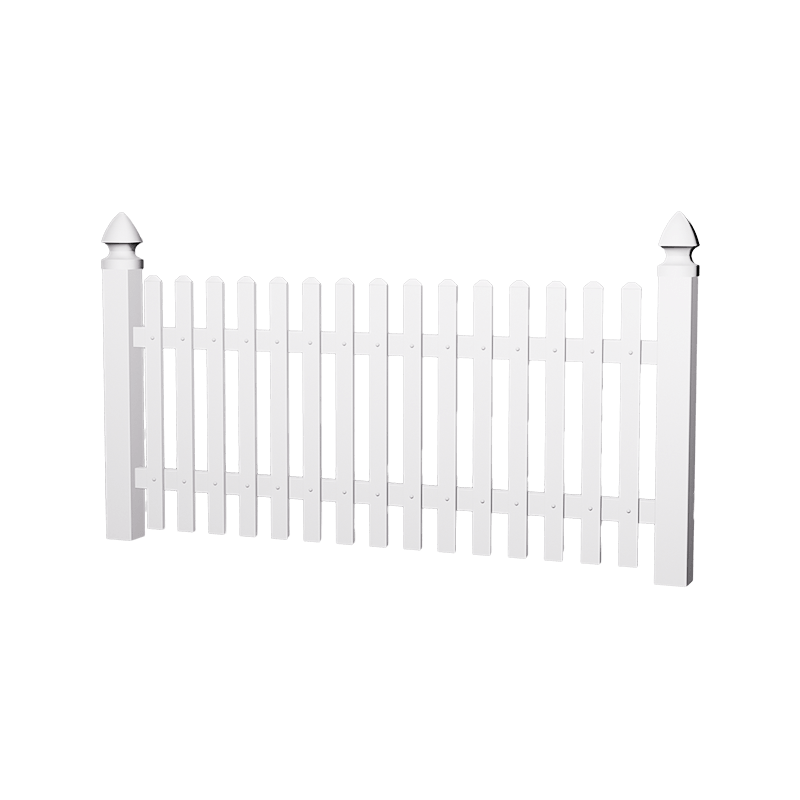
The Traditional Dog Ear Picket is an ideal choice for warehouses, combining aesthetic appeal with practicality. Made from 100% virgin PVC, this durable, low-maintenance fence resists rotting and water...
See Details
We are a professional manufacturer engaged in the research, development,
production, sale, and service of PVC fences and PVC flooring.
Contact Us
Mobile
Copyright © Deqing Huazhijie Railing & Fencing Co.,Ltd. All Rights Reserved.
 Custom Vinyl Fence Manufacturers
 English
 عربى
عربى 中文简体
中文简体 Español