Welcome to Huazhijie!
 +86-572-8086381 / 8282992
  hzjfence1@hzjfence.com


Dec 16, 2025
Content
For centuries, the fence has been a fundamental part of the home and landscape, serving as a boundary, a privacy screen, and a decorative element. Traditionally, this role was filled by natural materials: the rustic charm of wood or the stately elegance of wrought iron. However, the last few decades have witnessed a quiet revolution in fencing materials, spearheaded by a synthetic marvel: polyvinyl chloride, or PVC.
The ubiquitous white, tan, or gray PVC fence is more than just a substitute; it's a significant technological leap that addresses the traditional shortcomings of its predecessors. But what exactly is this material, and how does it manage to outperform natural options in so many key areas?
Polyvinyl chloride is the third-most-produced plastic globally, behind polyethylene and polypropylene. It is a polymer composed of repeating units of the vinyl chloride monomer. The raw materials used to create PVC are derived from two abundantly available resources: oil/natural gas (for the ethylene component) and common salt (which supplies the chlorine). This makes the manufacturing process relatively energy-efficient compared to metals.
In its pure form, PVC is rigid and brittle. To create the durable, weather-resistant material used for fencing, manufacturers add several crucial ingredients:
UV Inhibitors: These chemical additives are perhaps the most vital component for outdoor use. They absorb the damaging ultraviolet radiation from the sun, preventing the long polymer chains in the PVC from breaking down, which causes the material to become brittle, chalky, and yellow over time.
Impact Modifiers: These are compounds that increase the material's resistance to physical shocks, making the fence less likely to crack or shatter on impact from a baseball, lawnmower, or severe weather.
Thermal Stabilizers: These additives prevent the PVC from degrading during the high-temperature manufacturing process and ensure it remains stable across a wide range of outdoor temperatures.
One of the most compelling reasons for the popularity of a PVC fence is its remarkable longevity and minimal maintenance requirements. This characteristic is a direct consequence of its chemical structure.
Unlike wood, which is an organic material, PVC is completely inorganic. This fundamental difference gives it a profound resistance to natural decay mechanisms:
Insects and Pests: Termites and other wood-boring insects cannot digest or damage PVC, making the material inherently pest-proof without the need for chemical treatments.
Moisture and Rot: A wooden fence absorbs water, leading to swelling, warping, and eventually, fungal decay (rot). PVC is virtually non-porous and hydrophobic—it repels water. This means a PVC fence will not rot, rust, or suffer from mildew buildup in the same way. The only maintenance required is usually a simple wash with soap and water.
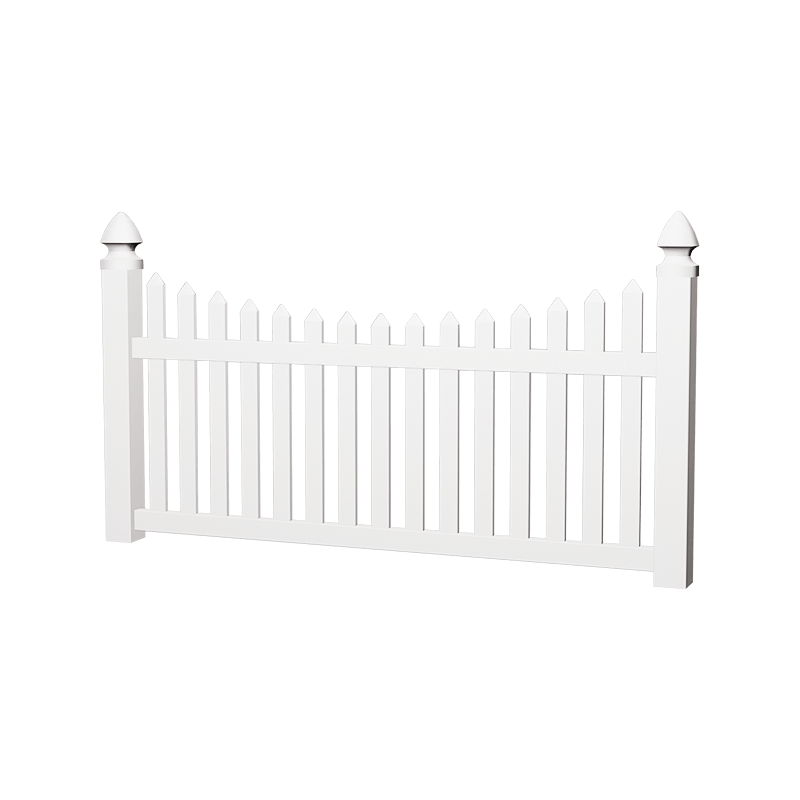
While PVC is generally stable, like all materials, it expands and contracts with temperature changes. Engineers design PVC fence systems to accommodate this natural movement, typically incorporating:
Hollow Design: The posts and rails of a PVC fence are often hollow or semi-hollow. This design makes the material lighter, which is good for installation, and also allows space for expansion and contraction without stressing the joints.
Pocket-and-Rail Connections: Instead of being rigidly fixed, the horizontal rails are often designed to slide into pockets or notches in the posts. This allows the rails to lengthen and shorten freely with temperature shifts, preventing bowing, buckling, or splitting.
The modern PVC fence also represents an advantage in terms of installation and, increasingly, in environmental sustainability.
A PVC fence system is entirely prefabricated. The components—posts, rails, and pickets—are manufactured to precise specifications, meaning they snap, slide, or screw together cleanly on-site. This modularity makes installation significantly faster and less labor-intensive than custom-building a wooden fence. The material’s light weight also reduces shipping costs and the strain on installers.
The environmental impact of PVC is a complex topic. While it is a plastic, modern manufacturing of PVC has become highly efficient. Furthermore, the material's long lifespan—often exceeding 20 years with zero maintenance beyond cleaning—reduces the consumption of resources compared to a wood fence that might need replacing or major repair every 7 to 10 years. Critically, PVC is 100% recyclable, and many high-quality PVC fence products today incorporate recycled content, turning old vinyl products into new, durable backyard solutions.
The PVC fence is a testament to how material science can redefine common household products. It takes the traditional function of a boundary and delivers it with a modern, high-performance promise: a beautiful, durable barrier that practically maintains itself for decades.
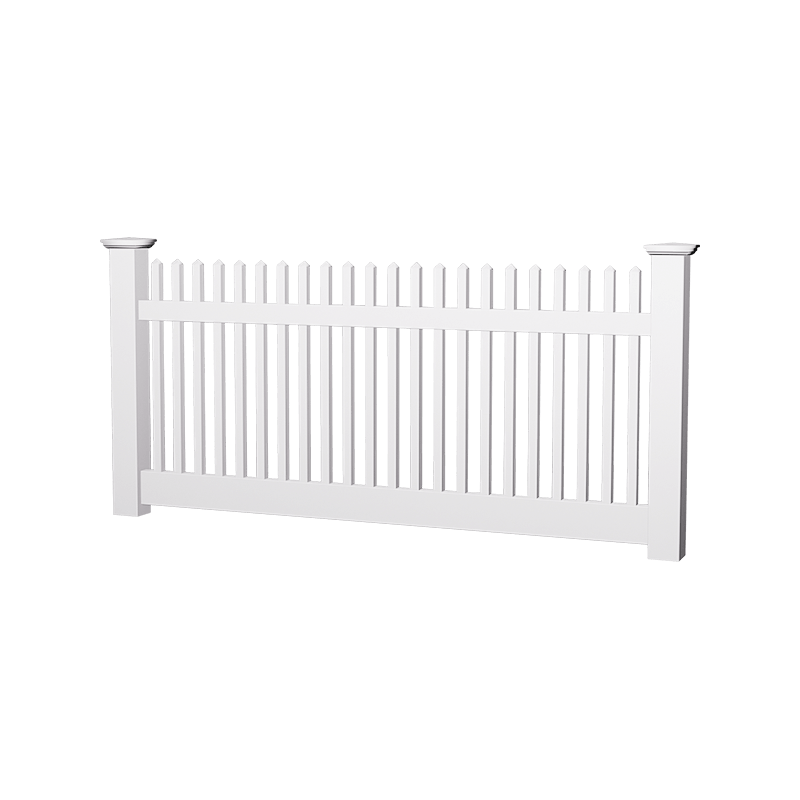
Our 1.5"x1.5" Horizontal Picket Fence, the ultimate garden solution made from 100% virgin PVC for unmatched durability and low maintenance. Designed for easy DIY installation, this fire-proof fence re...
See Details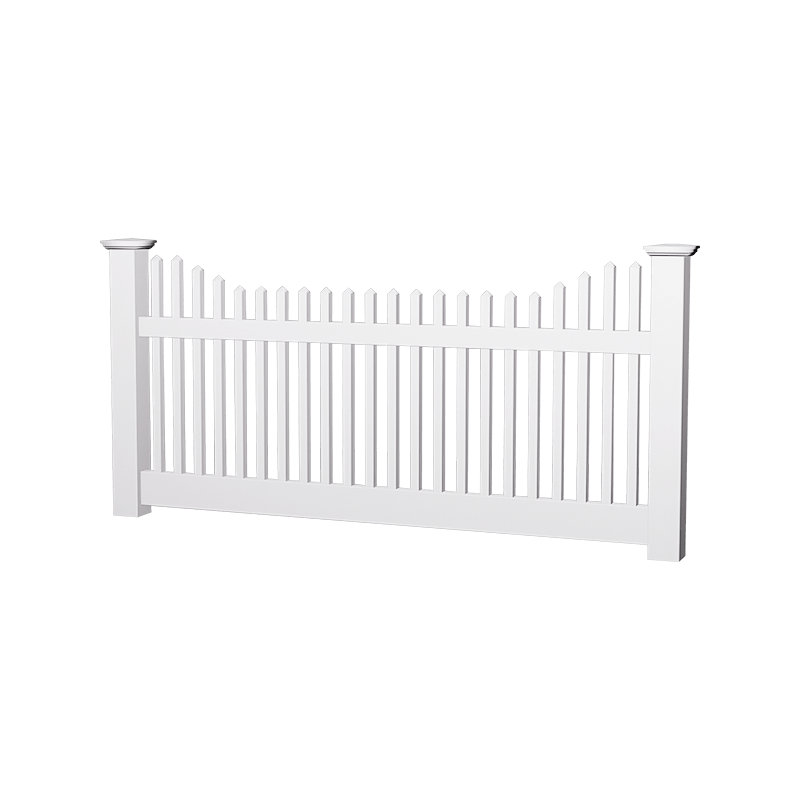
The Special-Shaped Picket Fence, the perfect addition to any home. Crafted from 100% virgin PVC, this fence combines durability and elegance with low maintenance requirements. Designed for easy DIY in...
See Details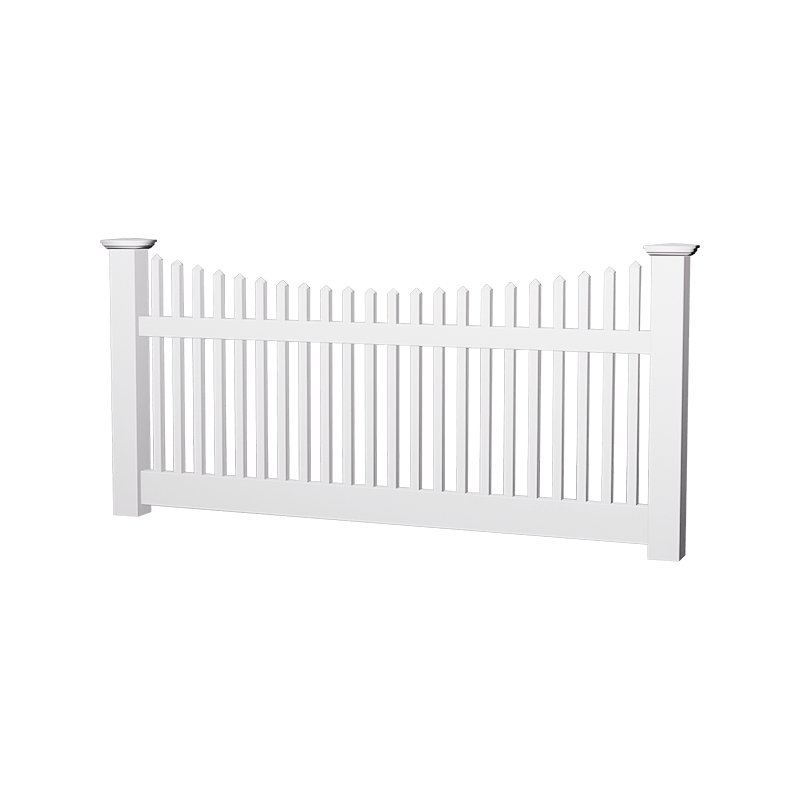
The Special-Shaped Picket Fence, the perfect addition to any home. Crafted from 100% virgin PVC, this fence combines durability and elegance with low maintenance requirements. Designed for easy DIY in...
See Details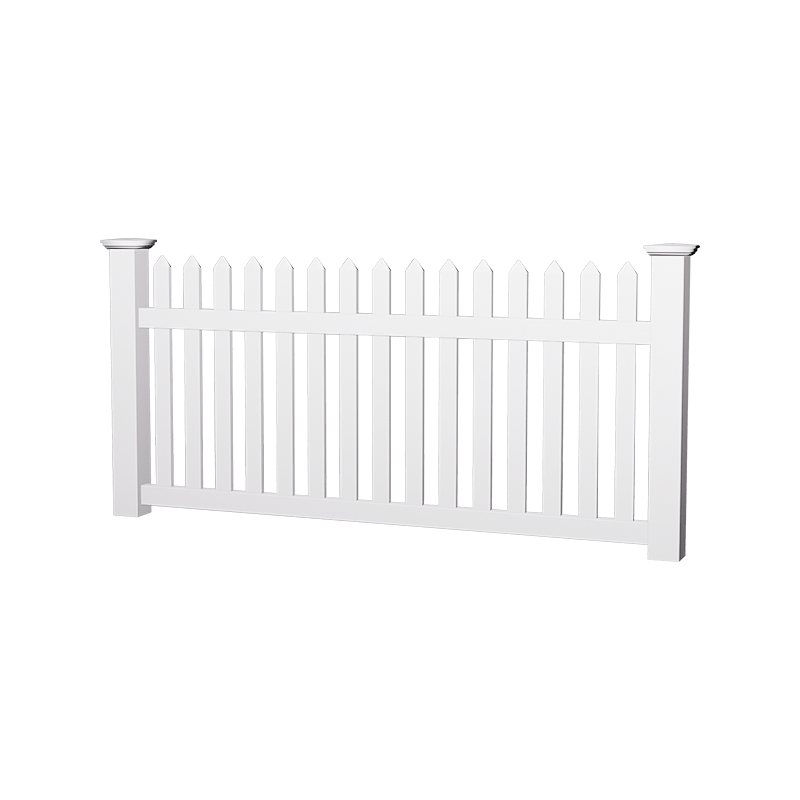
Enhance your home’s exterior with our Traditional Straight Spade Fence, crafted from 100% virgin PVC for exceptional durability and style. This low-maintenance solution is designed for easy installati...
See Details
Transform your outdoor space with our 7/8"x3" Outdoor Picket Fence, specifically designed for farm use and outdoor applications. Crafted from 100% Virgin PVC, this durable and high-impact resistant fe...
See Details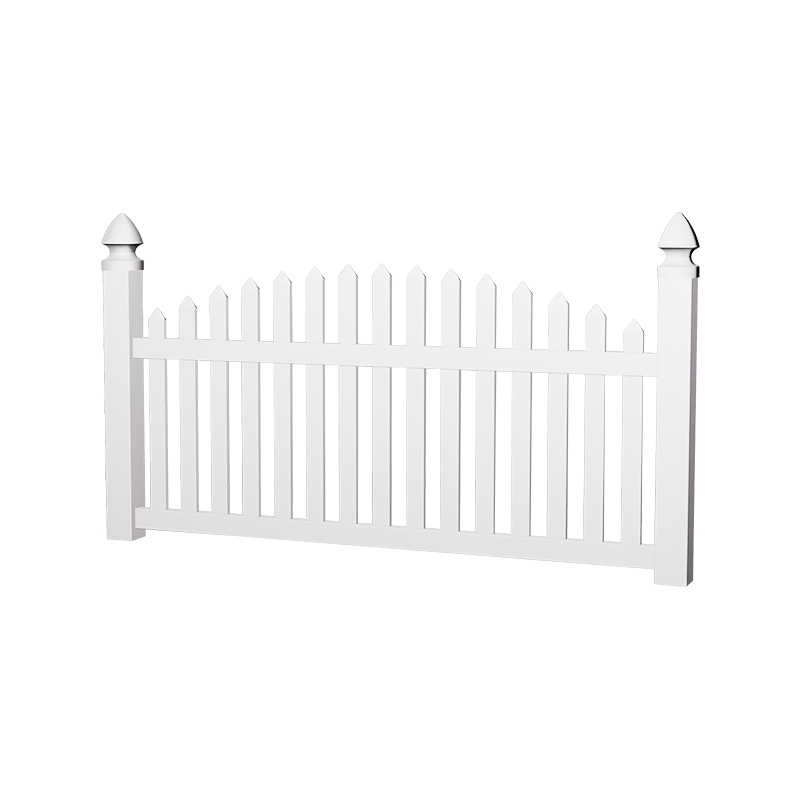
Enhance your farm's aesthetic and functionality with our PVC Arched Picket Fence. Crafted from 100% virgin PVC, this durable and stylish fencing solution combines the classic charm of traditional pick...
See Details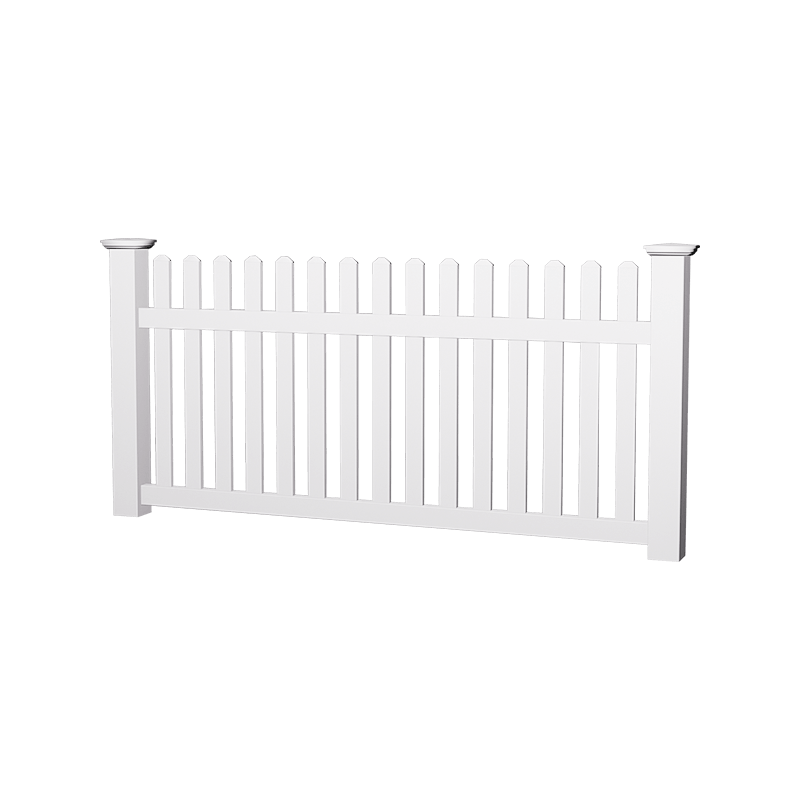
Our durable and versatile Picket Fence, designed specifically for farm use. Crafted from 100% virgin PVC plastic, this fence panel is not coated, ensuring superior quality and longevity. With dimensio...
See Details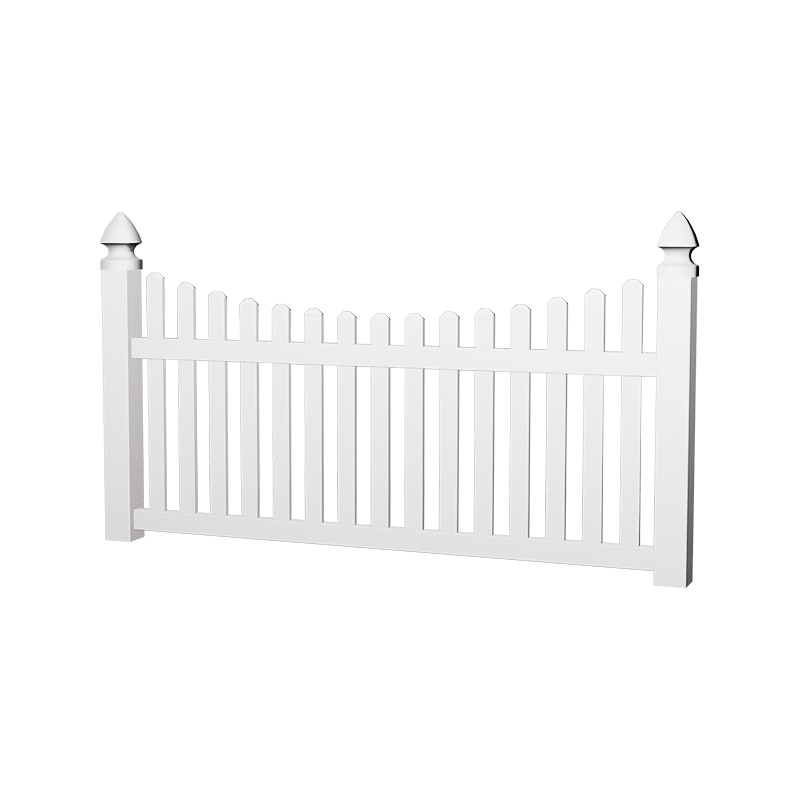
Introducing our 7/8"x3" Plastic Picket, designed specifically for farm applications. Crafted from 100% virgin PVC, this picket is not coated, ensuring maximum durability and resistance to impacts. Wit...
See Details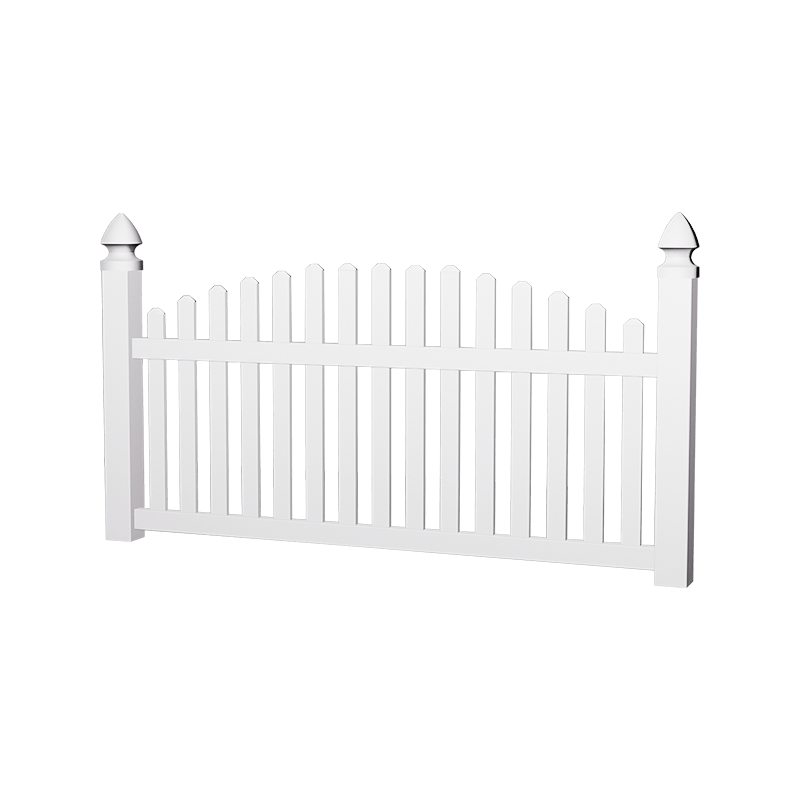
The Dog Ear Top Garden Fence, the ultimate solution for your farm fencing needs. Crafted from 100% virgin PVC, this fence is designed to withstand the elements without the worry of rot or decay, makin...
See Details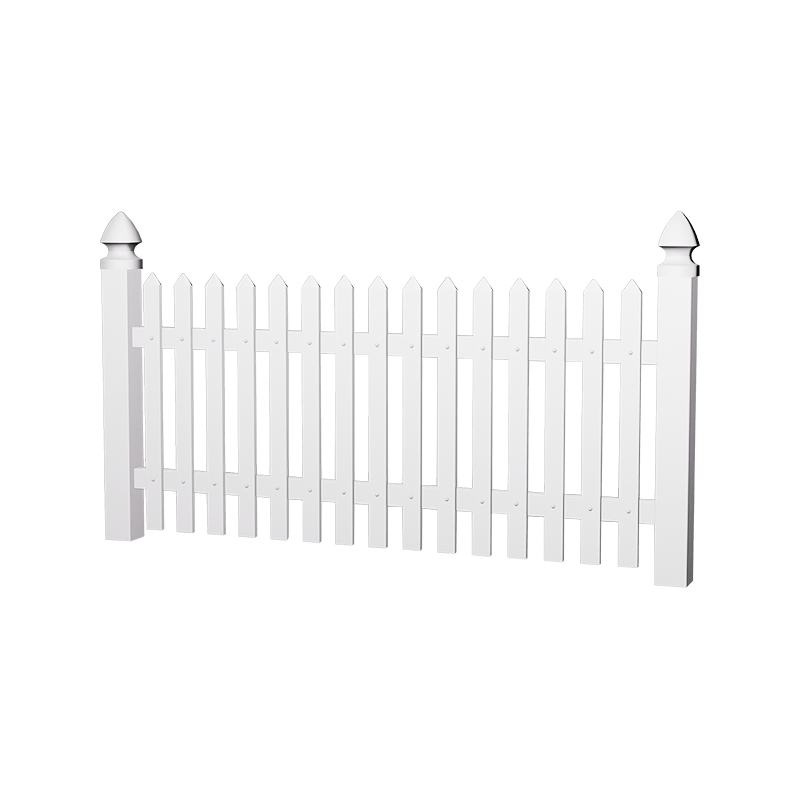
Decorate your outdoor spaces with our durable and stylish PVC Face Mounted Pickets Fence. Designed for easy installation and long-lasting performance, this fence is perfect for residential and commerc...
See Details
Our White Vinyl Fence, measuring 4'H x 8'W, designed for both functionality and aesthetics. Made from 100% virgin PVC plastic, this fence is not coated, ensuring unmatched durability and resistance to...
See Details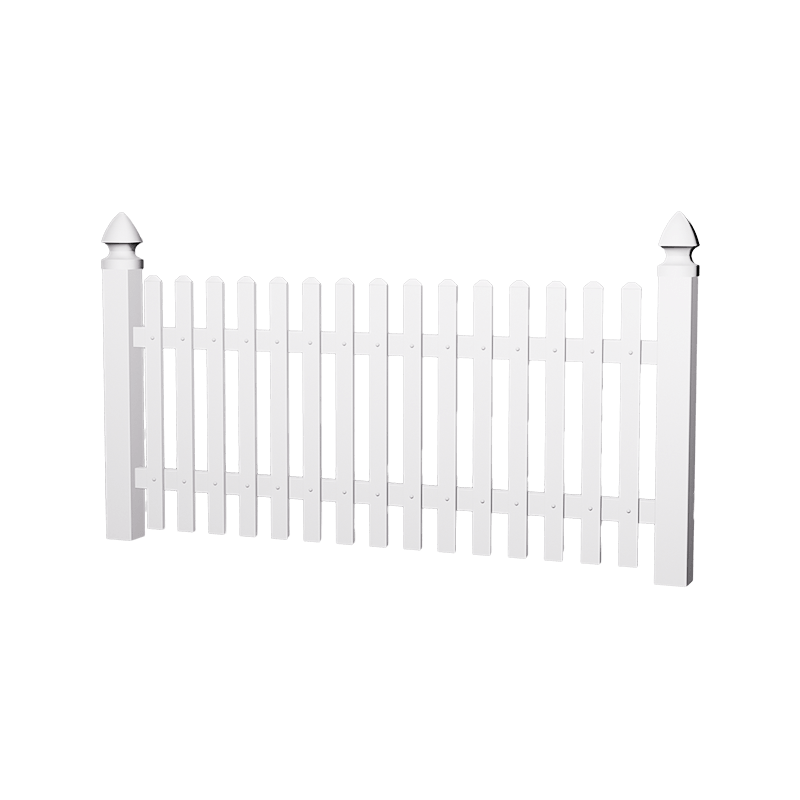
The Traditional Dog Ear Picket is an ideal choice for warehouses, combining aesthetic appeal with practicality. Made from 100% virgin PVC, this durable, low-maintenance fence resists rotting and water...
See Details
We are a professional manufacturer engaged in the research, development,
production, sale, and service of PVC fences and PVC flooring.
Contact Us
Mobile
Copyright © Deqing Huazhijie Railing & Fencing Co.,Ltd. All Rights Reserved.
 Custom Vinyl Fence Manufacturers
 English
 عربى
عربى 中文简体
中文简体 Español