Welcome to Huazhijie!
 +86-572-8086381 / 8282992
  hzjfence1@hzjfence.com


Dec 09, 2025
Content
The humble PVC Fence Screen is a ubiquitous sight, draped over chain-link fences at construction sites, athletic fields, and even residential properties. But what makes this simple screen so effective, and what is the science behind its construction and function? The answer lies primarily in the material itself: Polyvinyl Chloride (PVC).
PVC is one of the world’s most widely produced synthetic plastic polymers. It is created through the polymerization of the vinyl chloride monomer. In its base form, PVC is a rigid material, but for flexible applications like a fence screen, it is compounded with plasticizers to make it pliable and easy to roll up and install.
A major misconception about fence screens is that they are solid barriers. In reality, most PVC fence screens are woven or knitted meshes, designed to serve two simultaneous, crucial functions: privacy and wind resistance.
The effectiveness of a PVC fence screen is often quantified by its “blockage rate” or “privacy factor,” typically expressed as a percentage (e.g., 85% or 95% blockage). This percentage is an indicator of how much light and visibility the screen impedes.
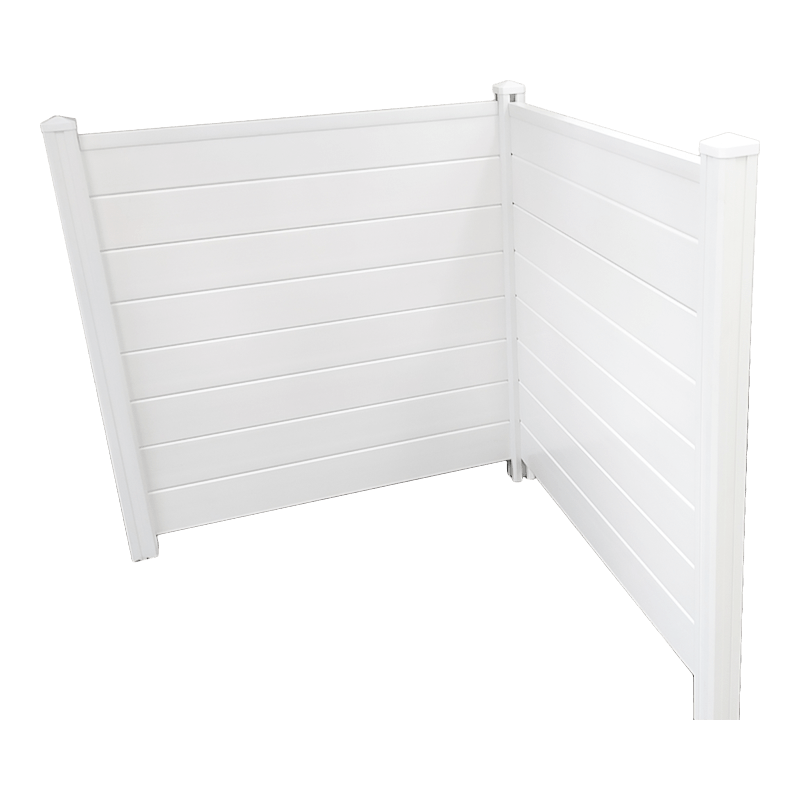
Wind is a significant force, and a solid barrier can act like a sail, putting immense stress on the fence posts and potentially leading to failure. This is why a tightly woven but not solid mesh is essential.
The color of the PVC fence screen is more than an aesthetic choice—it has a direct impact on the material’s thermal performance.
Dark-colored PVC screens (like black or dark green) are effective because they absorb more light, which contributes to their excellent visual blockage. However, according to the principles of light absorption and thermodynamics, they also absorb more solar radiation.
The PVC Fence Screen is a perfect example of applied material science. It uses a synthetic polymer engineered with chemical stabilizers and configured in a precise mesh pattern to offer an optimal blend of durability, cost-effectiveness, privacy, and structural safety against the elements. It is a highly engineered product performing a simple, yet vital, function in our modern, often crowded, environment.
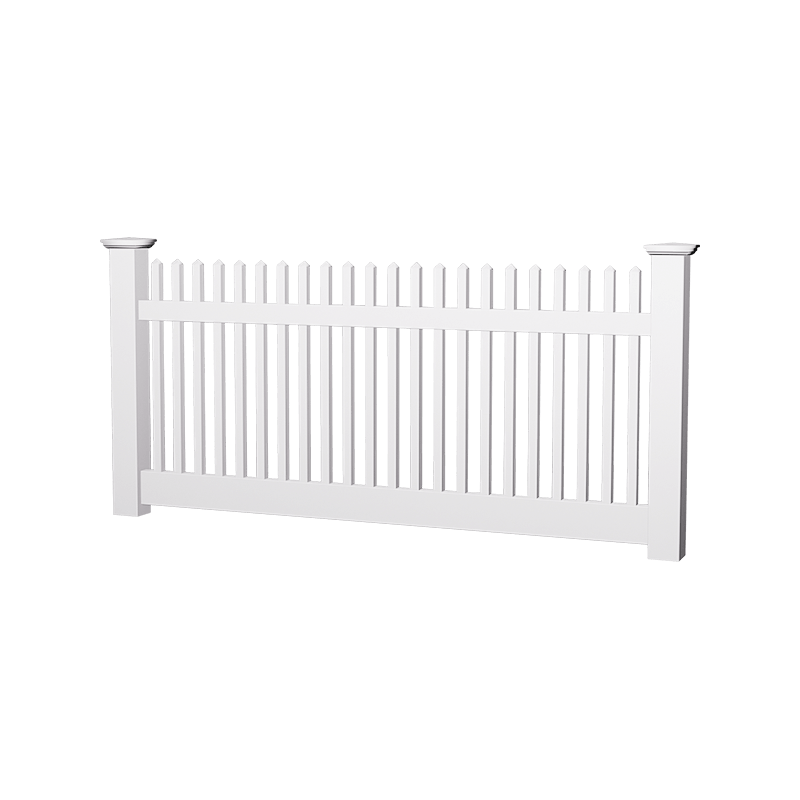
Our 1.5"x1.5" Horizontal Picket Fence, the ultimate garden solution made from 100% virgin PVC for unmatched durability and low maintenance. Designed for easy DIY installation, this fire-proof fence re...
See Details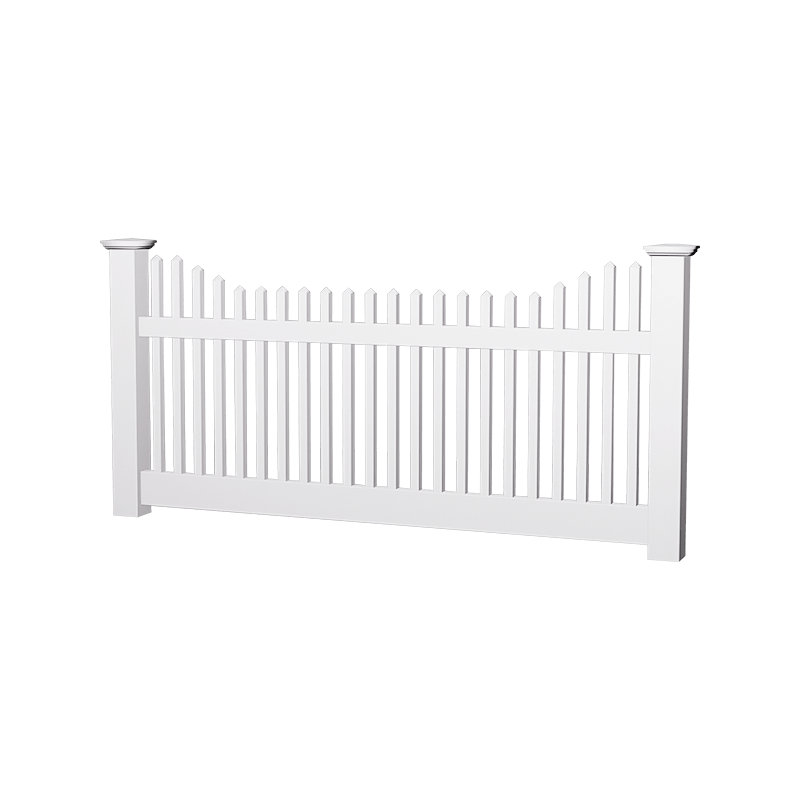
The Special-Shaped Picket Fence, the perfect addition to any home. Crafted from 100% virgin PVC, this fence combines durability and elegance with low maintenance requirements. Designed for easy DIY in...
See Details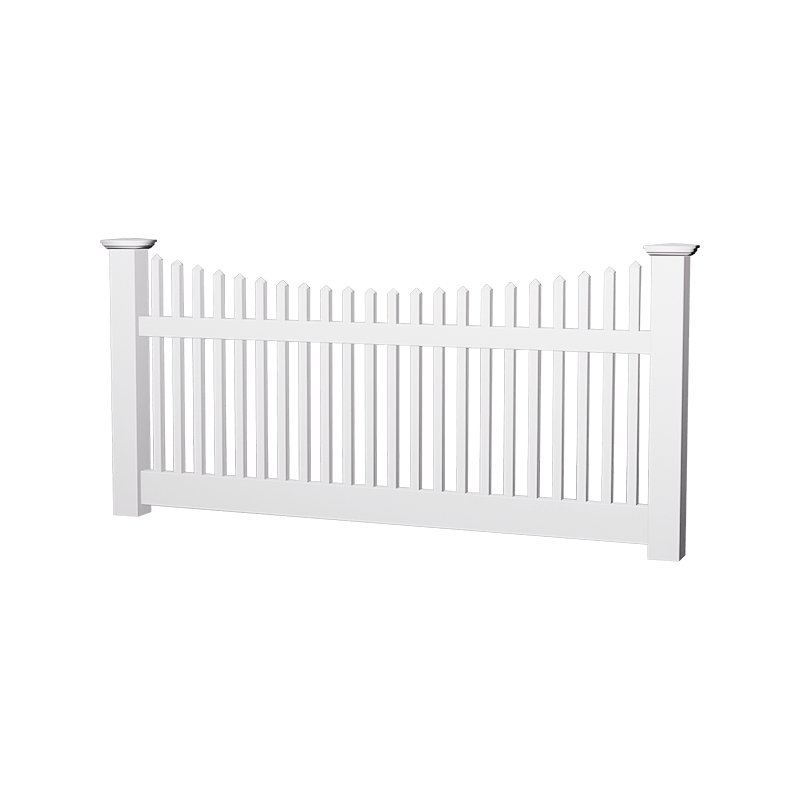
The Special-Shaped Picket Fence, the perfect addition to any home. Crafted from 100% virgin PVC, this fence combines durability and elegance with low maintenance requirements. Designed for easy DIY in...
See Details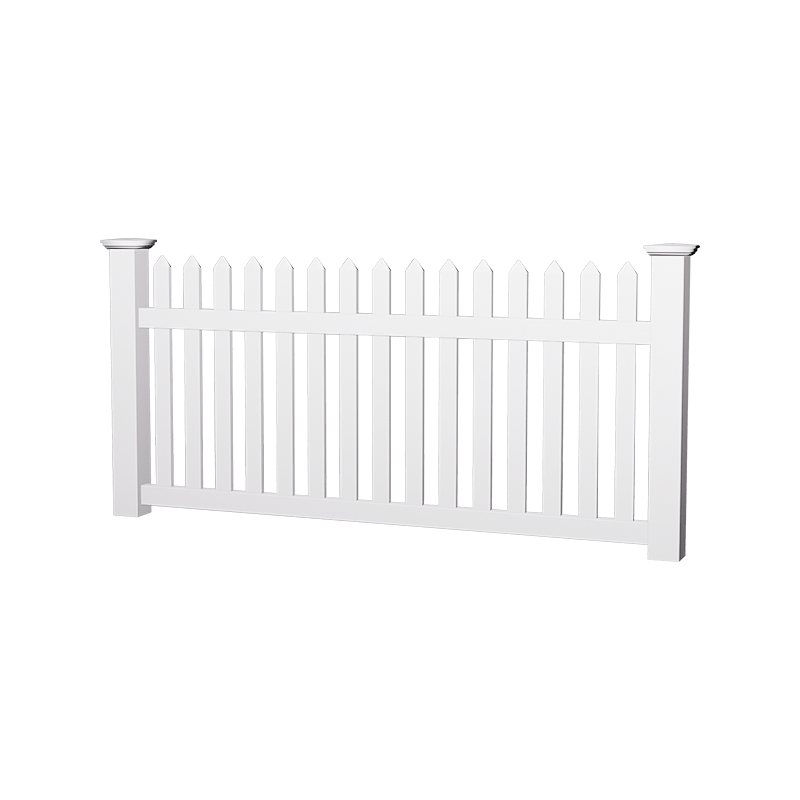
Enhance your home’s exterior with our Traditional Straight Spade Fence, crafted from 100% virgin PVC for exceptional durability and style. This low-maintenance solution is designed for easy installati...
See Details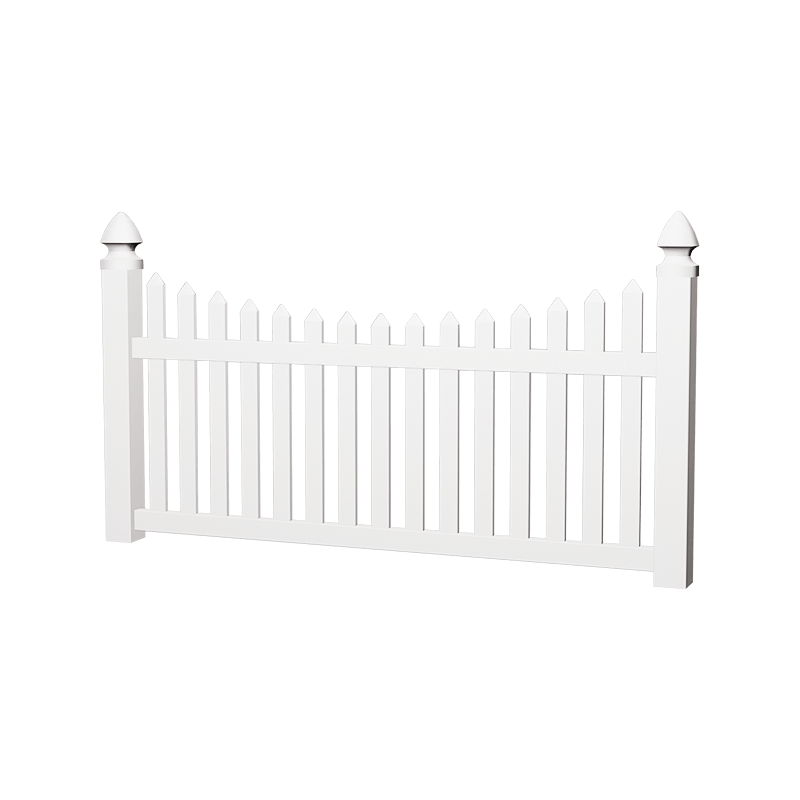
Transform your outdoor space with our 7/8"x3" Outdoor Picket Fence, specifically designed for farm use and outdoor applications. Crafted from 100% Virgin PVC, this durable and high-impact resistant fe...
See Details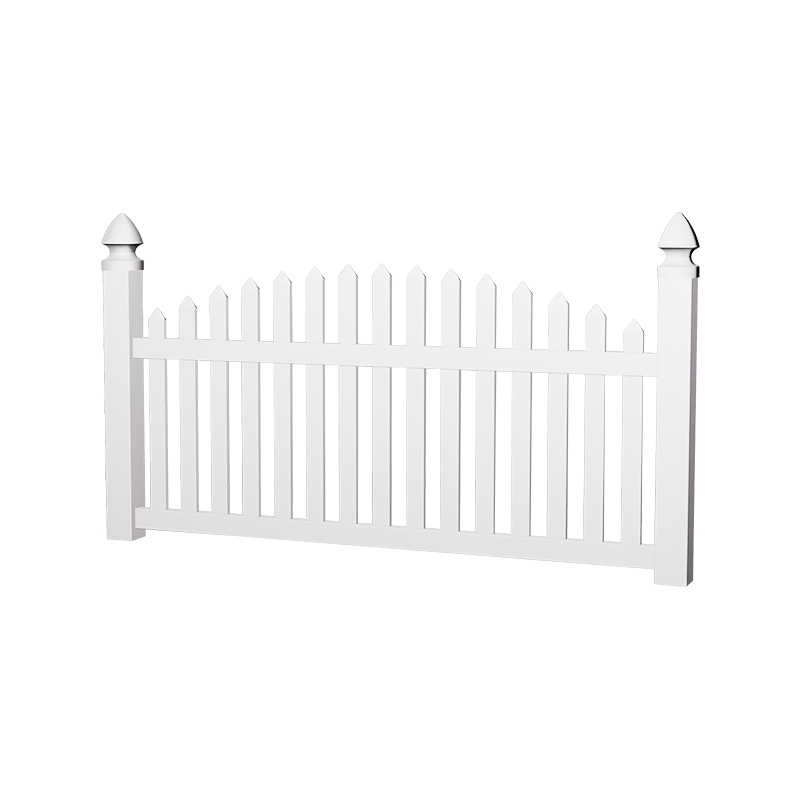
Enhance your farm's aesthetic and functionality with our PVC Arched Picket Fence. Crafted from 100% virgin PVC, this durable and stylish fencing solution combines the classic charm of traditional pick...
See Details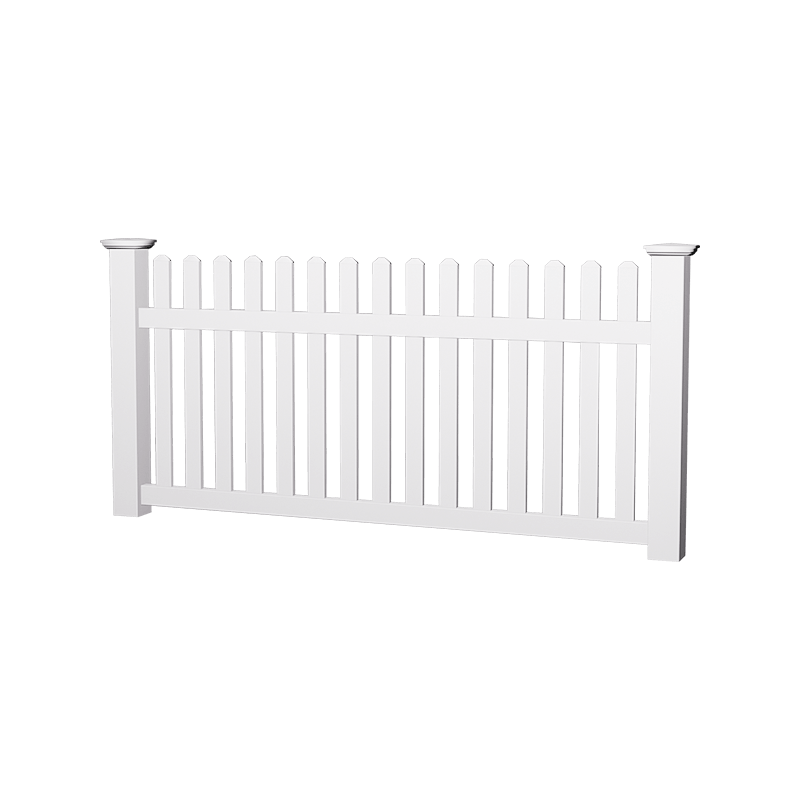
Our durable and versatile Picket Fence, designed specifically for farm use. Crafted from 100% virgin PVC plastic, this fence panel is not coated, ensuring superior quality and longevity. With dimensio...
See Details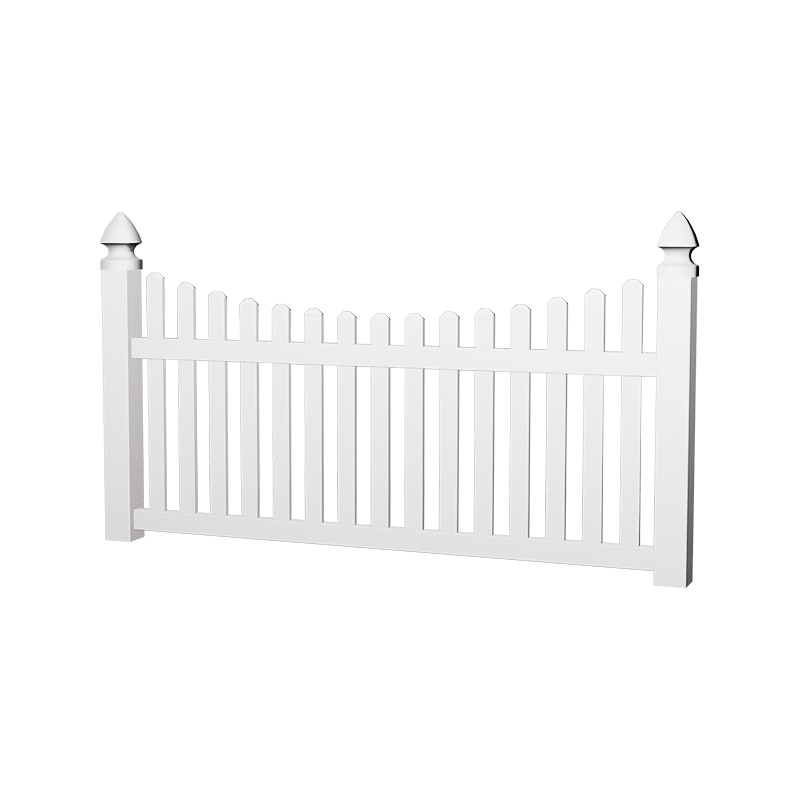
Introducing our 7/8"x3" Plastic Picket, designed specifically for farm applications. Crafted from 100% virgin PVC, this picket is not coated, ensuring maximum durability and resistance to impacts. Wit...
See Details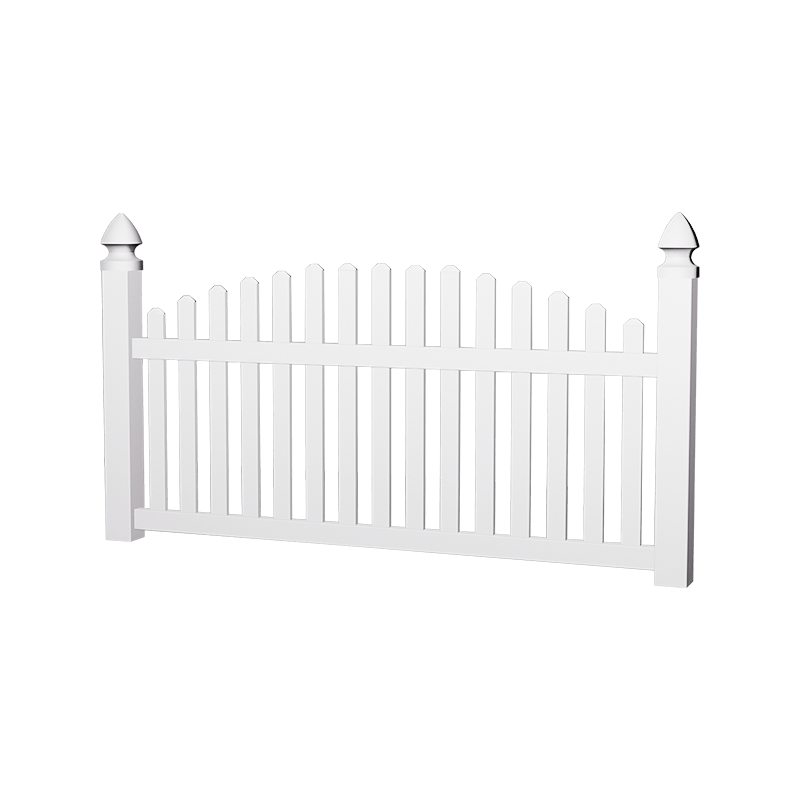
The Dog Ear Top Garden Fence, the ultimate solution for your farm fencing needs. Crafted from 100% virgin PVC, this fence is designed to withstand the elements without the worry of rot or decay, makin...
See Details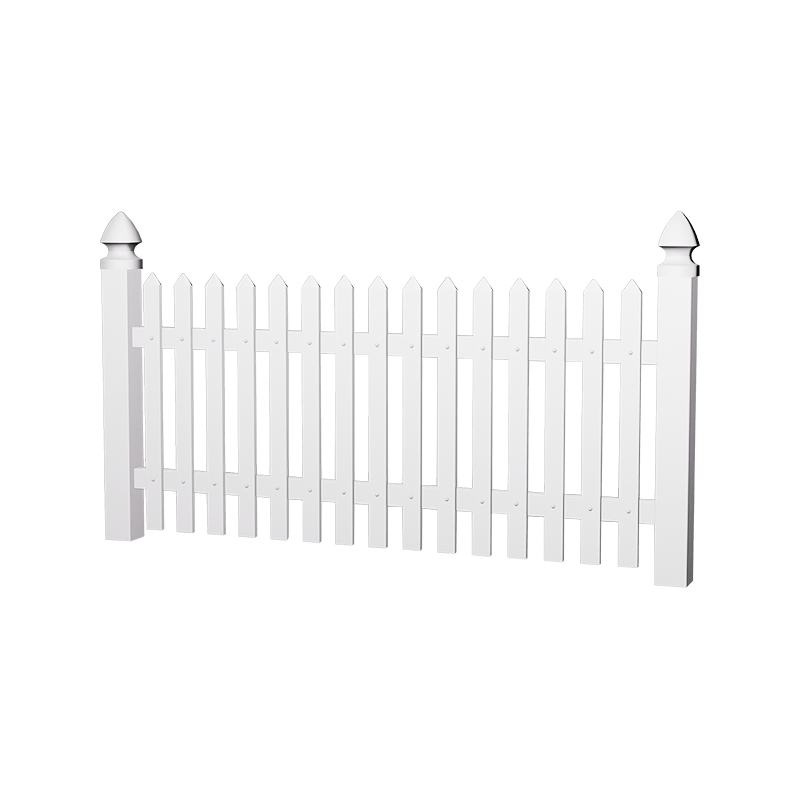
Decorate your outdoor spaces with our durable and stylish PVC Face Mounted Pickets Fence. Designed for easy installation and long-lasting performance, this fence is perfect for residential and commerc...
See Details
Our White Vinyl Fence, measuring 4'H x 8'W, designed for both functionality and aesthetics. Made from 100% virgin PVC plastic, this fence is not coated, ensuring unmatched durability and resistance to...
See Details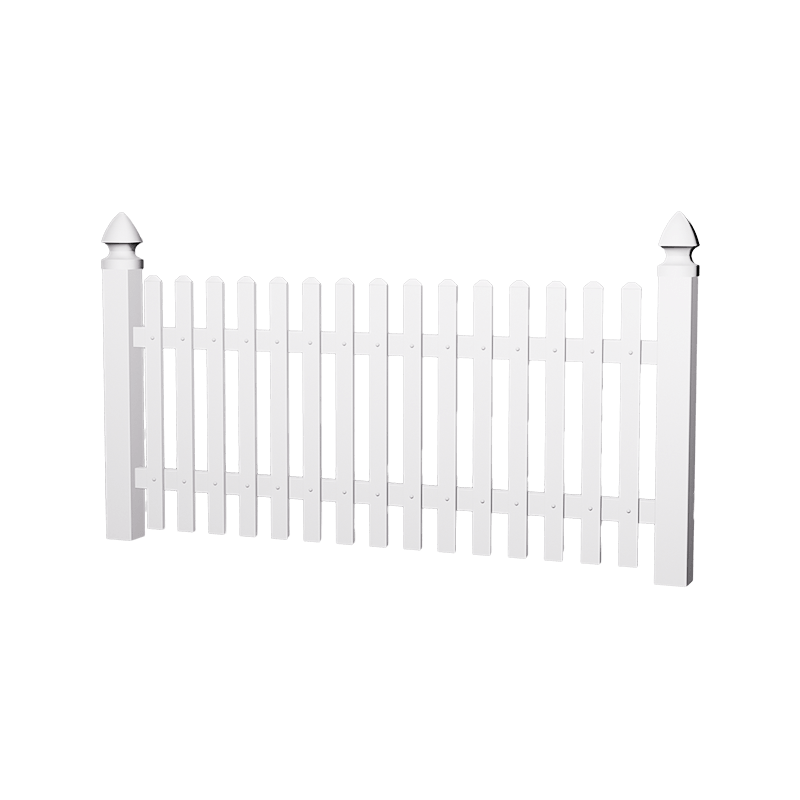
The Traditional Dog Ear Picket is an ideal choice for warehouses, combining aesthetic appeal with practicality. Made from 100% virgin PVC, this durable, low-maintenance fence resists rotting and water...
See Details
We are a professional manufacturer engaged in the research, development,
production, sale, and service of PVC fences and PVC flooring.
Contact Us
Mobile
Copyright © Deqing Huazhijie Railing & Fencing Co.,Ltd. All Rights Reserved.
 Custom Vinyl Fence Manufacturers
 English
 عربى
عربى 中文简体
中文简体 Español