Welcome to Huazhijie!
 +86-572-8086381 / 8282992
  hzjfence1@hzjfence.com


Dec 05, 2025
Content
In the world of property boundaries and backyard security, the PVC fence gate stands out as a true modern marvel. PVC, or polyvinyl chloride, is a synthetic plastic polymer that has revolutionized everything from plumbing to fashion. But when it comes to fencing, this material offers a compelling blend of beauty, durability, and minimal upkeep that traditional materials simply can’t match.
Unlike wood, which can warp, rot, and fall victim to insect infestation, PVC is virtually impervious to the elements. Imagine a gate that never needs sanding, staining, or painting—a gate that looks as crisp and white (or tan, or grey) years after installation as it did the day it was put up. This extreme durability is due to the chemical structure of PVC, which makes it resistant to moisture, UV rays, and temperature fluctuations.
For centuries, wood was the standard material for residential fences and gates. While it offers a classic aesthetic, the maintenance required is a significant drawback. The choice between PVC and wood often boils down to a trade-off between initial cost and long-term convenience.
While the initial purchase price of a high-quality PVC fence gate might be higher than its wooden counterpart, the long-term savings are considerable. Consider the expenses associated with a wood gate:
A PVC gate, on the other hand, is a one-and-done investment. It requires nothing more than the occasional wash with a garden hose to look brand new.
PVC is a highly moldable material, which allows manufacturers to create a vast array of styles that mimic the look of traditional wood fencing—from classic picket and privacy to decorative lattice tops. This means you can achieve a traditional look with a modern, low-maintenance material.
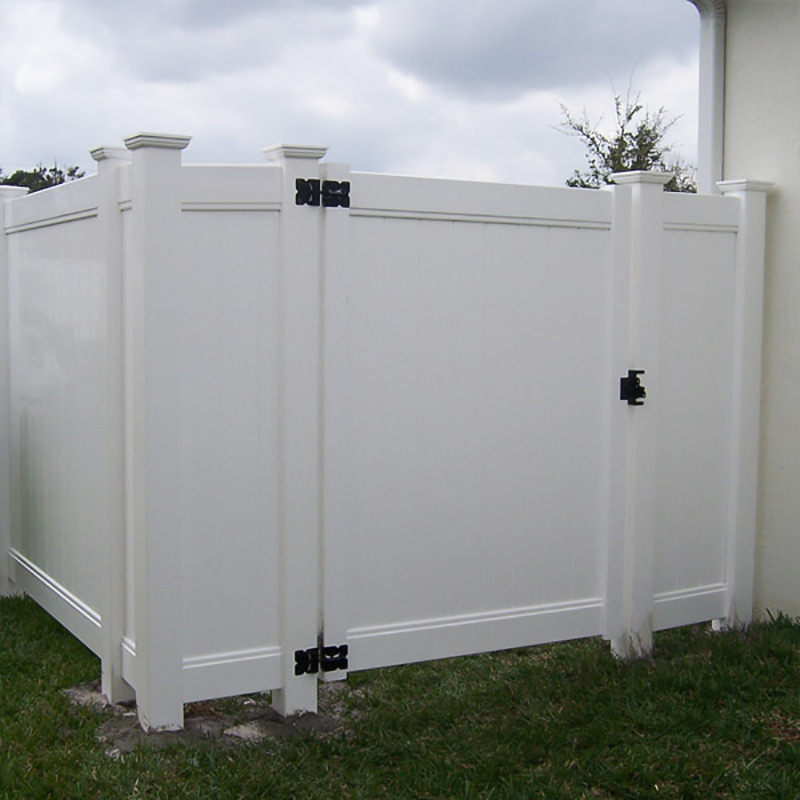
The construction of a PVC fence gate is designed for both ease of installation and longevity.
PVC fence panels and gates are typically installed using a system of interlocking components. The posts are set in concrete, similar to wood, but the vinyl rails slide and lock into pre-routed holes in the posts. This system ensures a snug, secure fit without the need for exposed nails or screws that could rust or pull out over time.
For the gate specifically, the hardware—hinges and latches—are crucial components. These are often made of durable, powder-coated steel or aluminum, designed to complement the longevity of the PVC material itself. Proper installation of the gate hinges and frame is essential to prevent sagging, which is the most common issue in any type of fence gate.
Caring for a PVC fence gate couldn’t be simpler:
This easy maintenance process is why PVC fence gates are often called the “set it and forget it” option for homeowners looking for peace of mind.
Modern PVC manufacturing has also become more environmentally conscious. While PVC is a petroleum-based product, its long lifespan means that fewer fences need to be replaced, reducing waste in landfills. Furthermore, most PVC fencing materials, including gates, are now recyclable, contributing to a more sustainable building cycle.
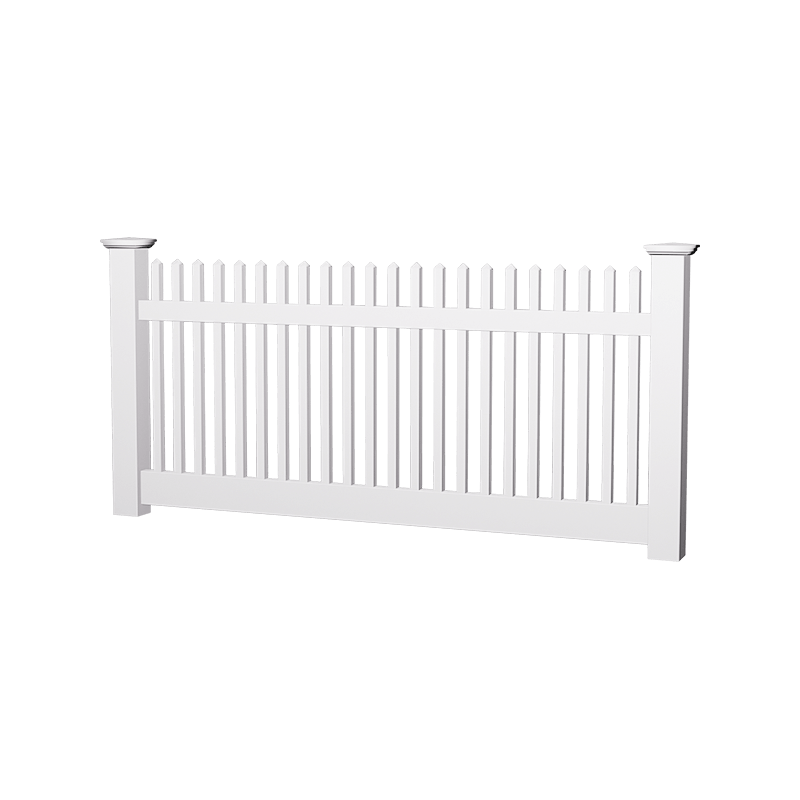
Our 1.5"x1.5" Horizontal Picket Fence, the ultimate garden solution made from 100% virgin PVC for unmatched durability and low maintenance. Designed for easy DIY installation, this fire-proof fence re...
See Details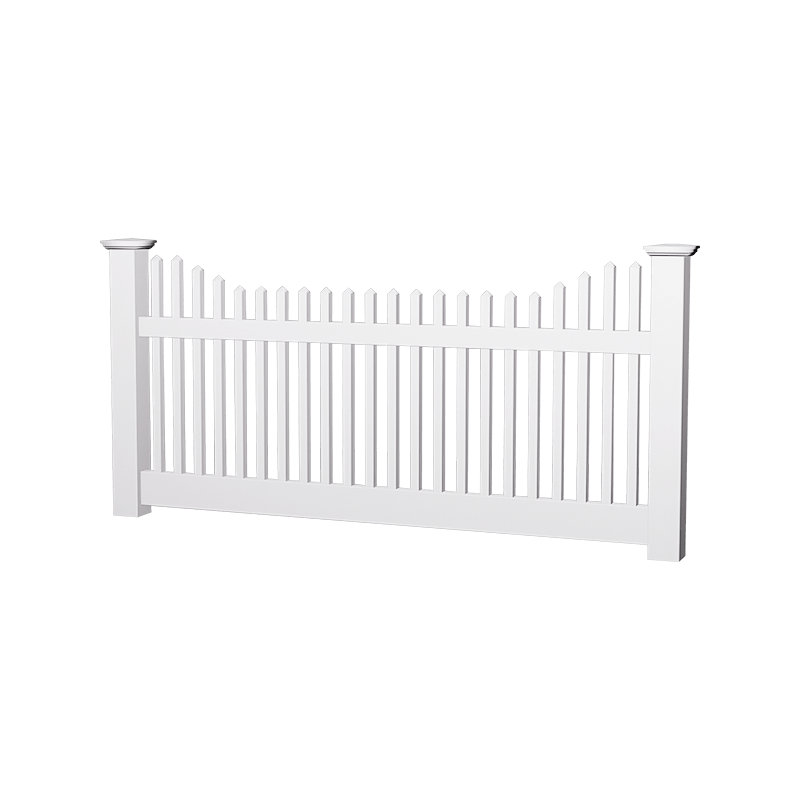
The Special-Shaped Picket Fence, the perfect addition to any home. Crafted from 100% virgin PVC, this fence combines durability and elegance with low maintenance requirements. Designed for easy DIY in...
See Details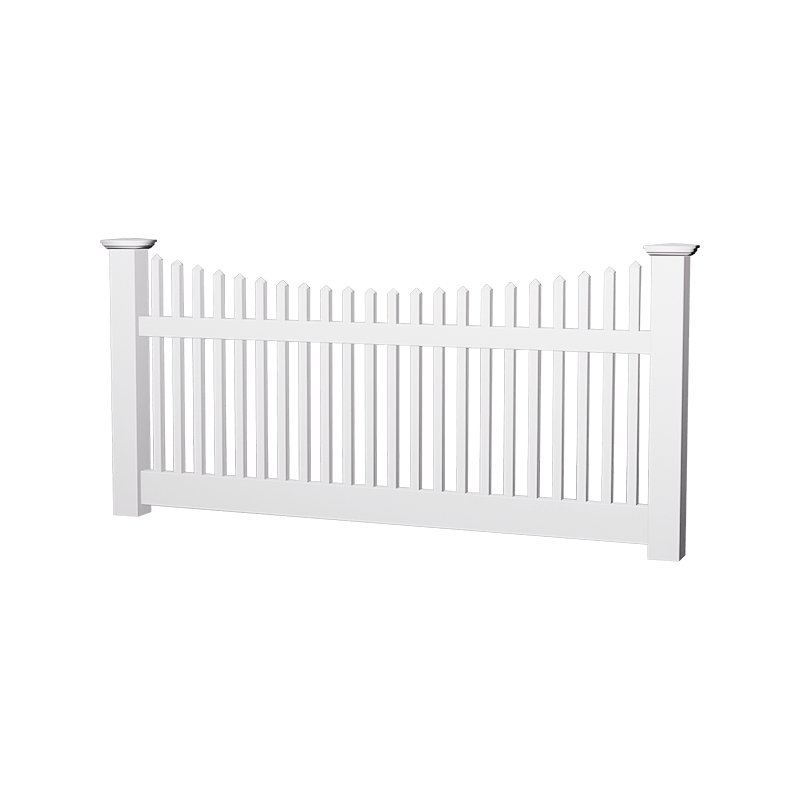
The Special-Shaped Picket Fence, the perfect addition to any home. Crafted from 100% virgin PVC, this fence combines durability and elegance with low maintenance requirements. Designed for easy DIY in...
See Details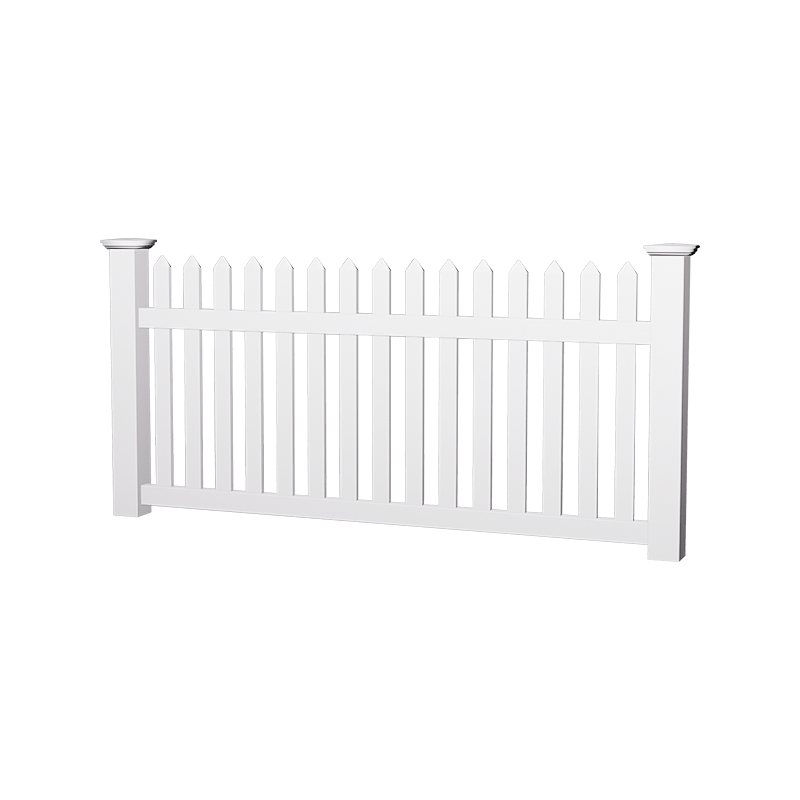
Enhance your home’s exterior with our Traditional Straight Spade Fence, crafted from 100% virgin PVC for exceptional durability and style. This low-maintenance solution is designed for easy installati...
See Details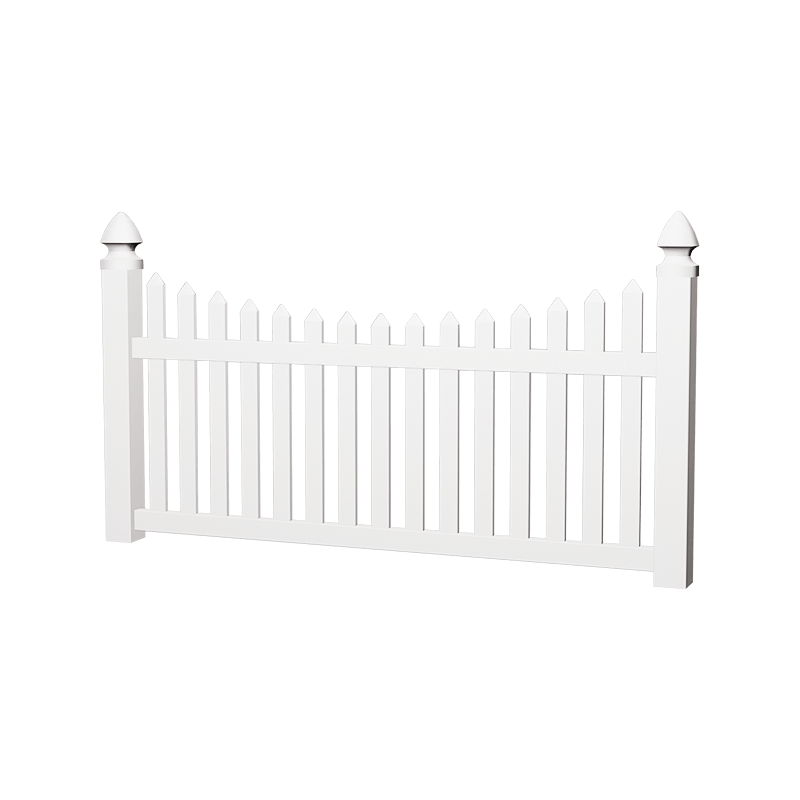
Transform your outdoor space with our 7/8"x3" Outdoor Picket Fence, specifically designed for farm use and outdoor applications. Crafted from 100% Virgin PVC, this durable and high-impact resistant fe...
See Details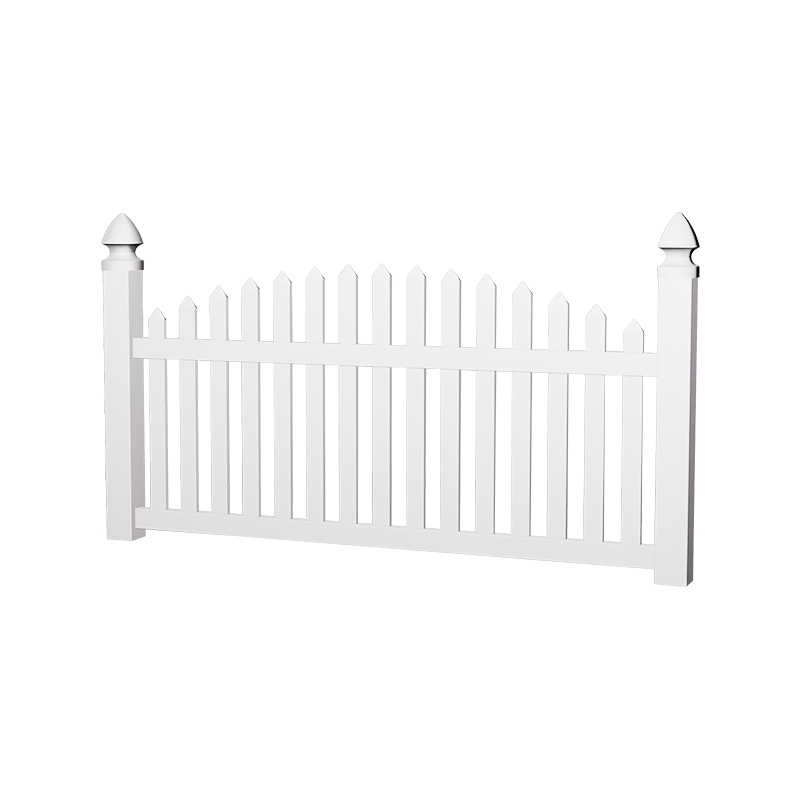
Enhance your farm's aesthetic and functionality with our PVC Arched Picket Fence. Crafted from 100% virgin PVC, this durable and stylish fencing solution combines the classic charm of traditional pick...
See Details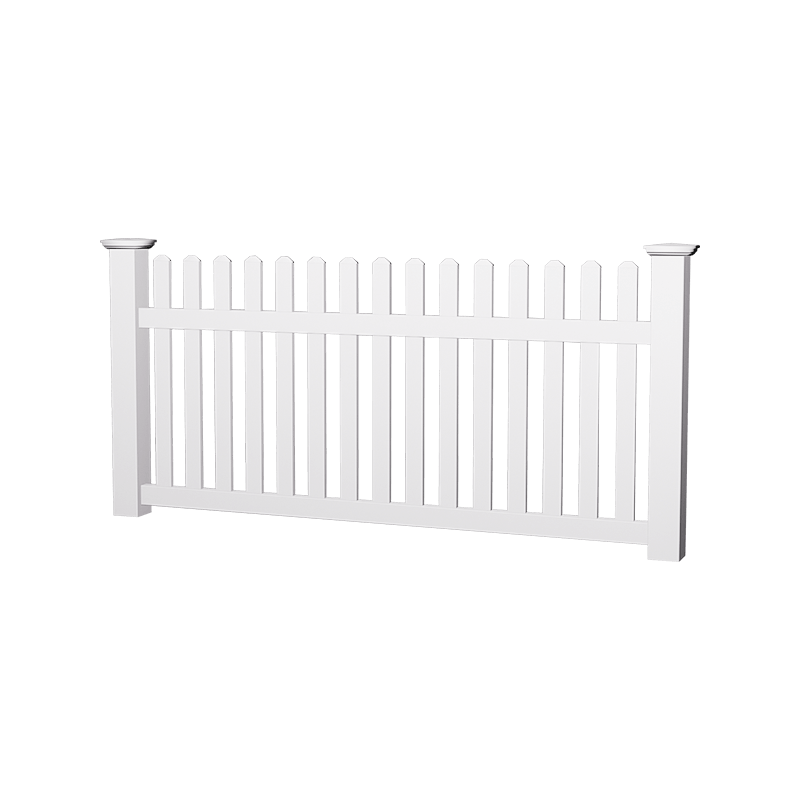
Our durable and versatile Picket Fence, designed specifically for farm use. Crafted from 100% virgin PVC plastic, this fence panel is not coated, ensuring superior quality and longevity. With dimensio...
See Details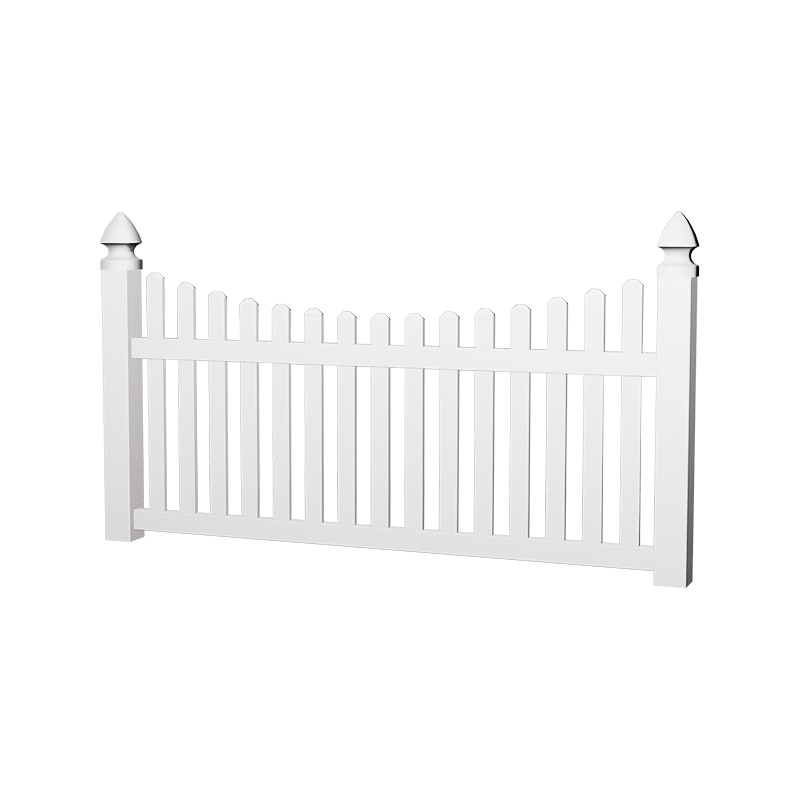
Introducing our 7/8"x3" Plastic Picket, designed specifically for farm applications. Crafted from 100% virgin PVC, this picket is not coated, ensuring maximum durability and resistance to impacts. Wit...
See Details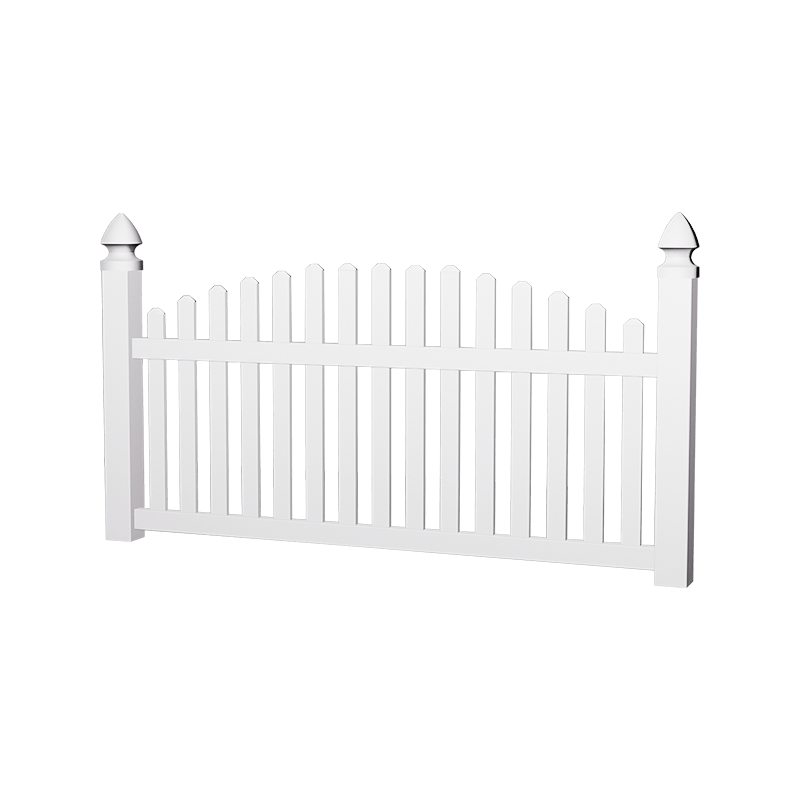
The Dog Ear Top Garden Fence, the ultimate solution for your farm fencing needs. Crafted from 100% virgin PVC, this fence is designed to withstand the elements without the worry of rot or decay, makin...
See Details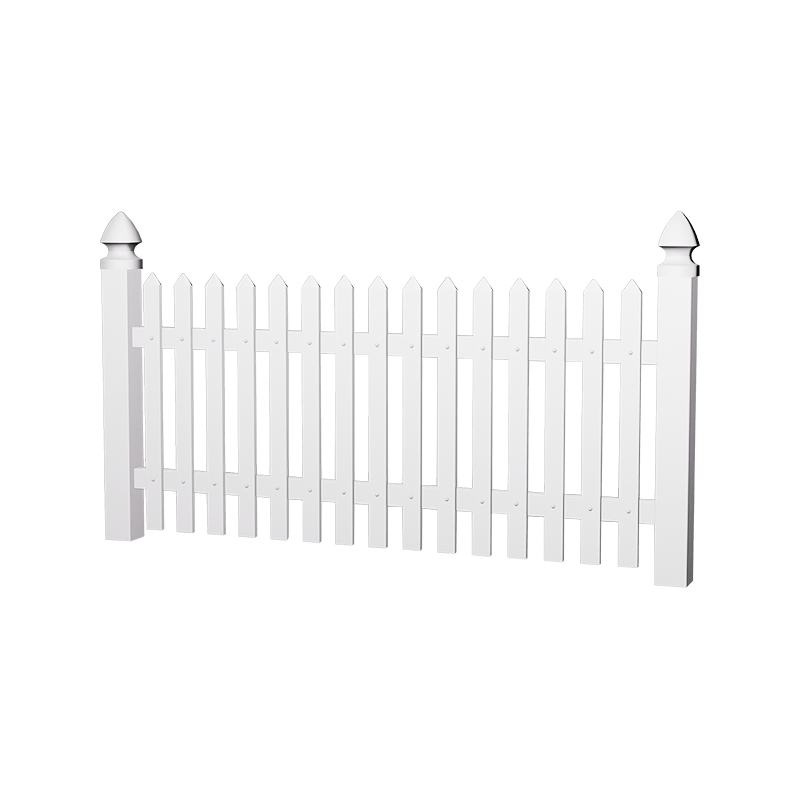
Decorate your outdoor spaces with our durable and stylish PVC Face Mounted Pickets Fence. Designed for easy installation and long-lasting performance, this fence is perfect for residential and commerc...
See Details
Our White Vinyl Fence, measuring 4'H x 8'W, designed for both functionality and aesthetics. Made from 100% virgin PVC plastic, this fence is not coated, ensuring unmatched durability and resistance to...
See Details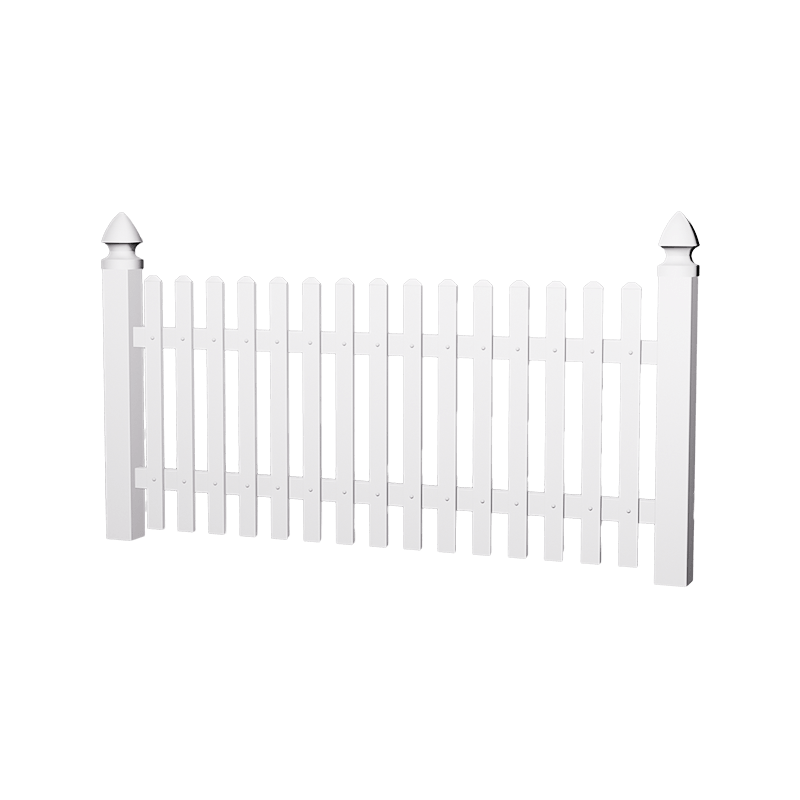
The Traditional Dog Ear Picket is an ideal choice for warehouses, combining aesthetic appeal with practicality. Made from 100% virgin PVC, this durable, low-maintenance fence resists rotting and water...
See Details
We are a professional manufacturer engaged in the research, development,
production, sale, and service of PVC fences and PVC flooring.
Contact Us
Mobile
Copyright © Deqing Huazhijie Railing & Fencing Co.,Ltd. All Rights Reserved.
 Custom Vinyl Fence Manufacturers
 English
 عربى
عربى 中文简体
中文简体 Español