Welcome to Huazhijie!
 +86-572-8086381 / 8282992
 hzjfence1@hzjfence.com



Nov 24, 2026
Outdoor garden fencing does more than mark a boundary. It frames the view, gives children and pets a safe place to play, screens a compost heap, and makes the garden feel considered. After years of helping homeowners, landscapers, and trade customers choose PVC fence systems, we have learned that the best fence is rarely the most complicated one. It is the one that fits the site, the climate, and the way the garden is used.
Content
Before comparing profiles or colours, decide what the fence must achieve. A front garden may need a low boundary that looks friendly and lets light through. A back garden may need six feet of solid screening from a neighbour or road. A pool area needs a secure barrier and a self-closing gate, while a working garden may need a robust fence that contains dogs without blocking too much sun.
Walk the boundary at different times of day. Notice where wind hits, where water collects, and where the ground slopes. Check property lines and local height rules before ordering. A fence that works on a flat suburban plot can fail on an exposed site if posts and panels are not specified for wind load.
Wood, metal, composite, and PVC all have a place in outdoor garden fencing. Timber looks natural but needs regular treatment and can rot at the base in wet ground. Metal is strong and slim, yet it can rust in coastal air unless properly coated. PVC fencing has become popular because it does not need painting, resists moisture, rot, and insect attack, and can be cleaned with little more than a hose and mild soap.
Not all PVC is the same. Ask about the formulation, UV stabilisers, and whether the product is lead-free. Wall thickness, post reinforcement, and fitting quality matter more than a glossy brochure. Our own factory has been producing PVC fencing since 2003, and small differences in profile design affect how a panel handles heat, wind, and years of sun. If you would like a closer look at the production side, you can visit our factory page for an overview of our extrusion and assembly work.
Style is not only about appearance. The shape of a fence changes how much light passes through, how the garden feels, and how much maintenance the owner can expect. Most garden fencing falls into three broad groups.
A picket fence is the classic front-garden choice. It marks the edge without shutting out the street and suits cottages, family homes, and informal planting. Heights around three to four feet are common, with dog-ear, spade, scalloped, and arched tops offering different characters. A picket fence also works well around a seating area or as a decorative divider inside a larger garden.
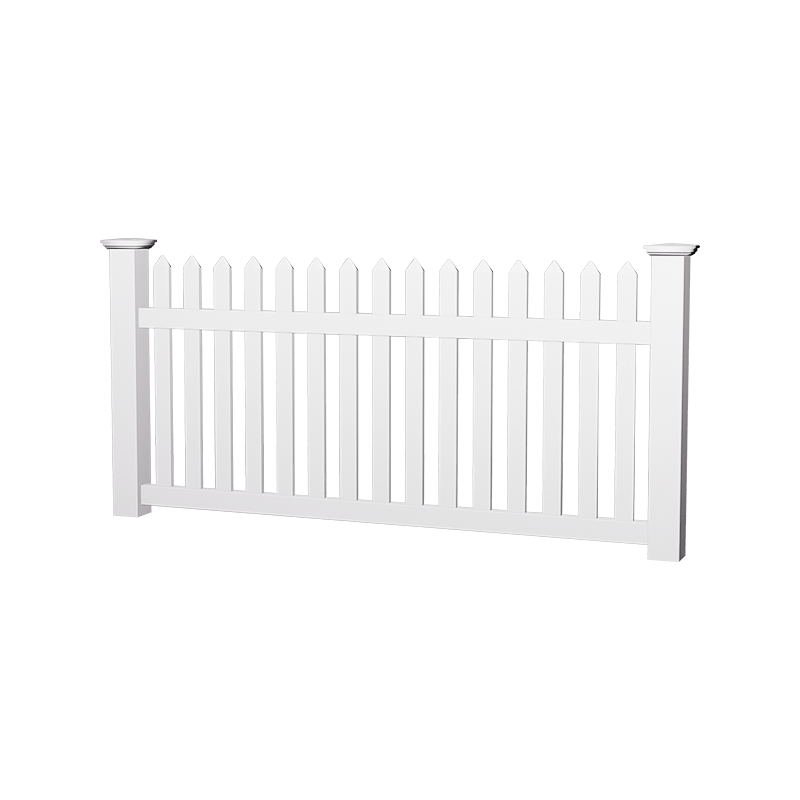 HAB1 Straight Spade PVC Picket FenceA straight spade-top PVC picket fence for front gardens and decorative boundaries, available in multiple heights, colors, post caps, and matching gates.View Product →
Solid privacy fencing is right when the garden looks onto a road, a neighbour's window, or a busy footpath. Tongue-and-groove panels close the gaps between boards, while a cap rail and sturdy posts give the run a clean finish. Six feet is a common residential height, but local rules vary, and a tall fence on an exposed site needs careful post spacing.
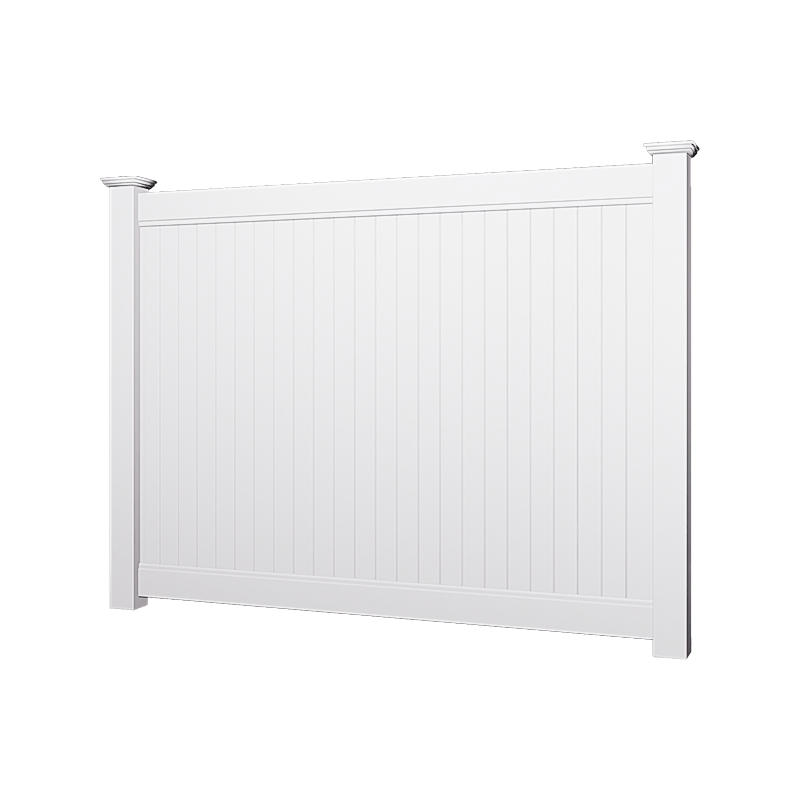 HEA 6' x 8' Tongue-and-Groove Privacy FenceA full-height tongue-and-groove PVC privacy section for garden perimeters and courtyards, with aluminum-reinforced bottom rail, multiple post options, colors, and matching gates.View Product →
Sometimes full privacy feels too heavy. A semi-private fence can block a sightline at eye level while letting morning light through. Louvred panels, lattice tops, and picket-top designs are useful where you want separation without a solid wall. They also suit side returns, bin stores, and terraces that need a little shelter from wind.
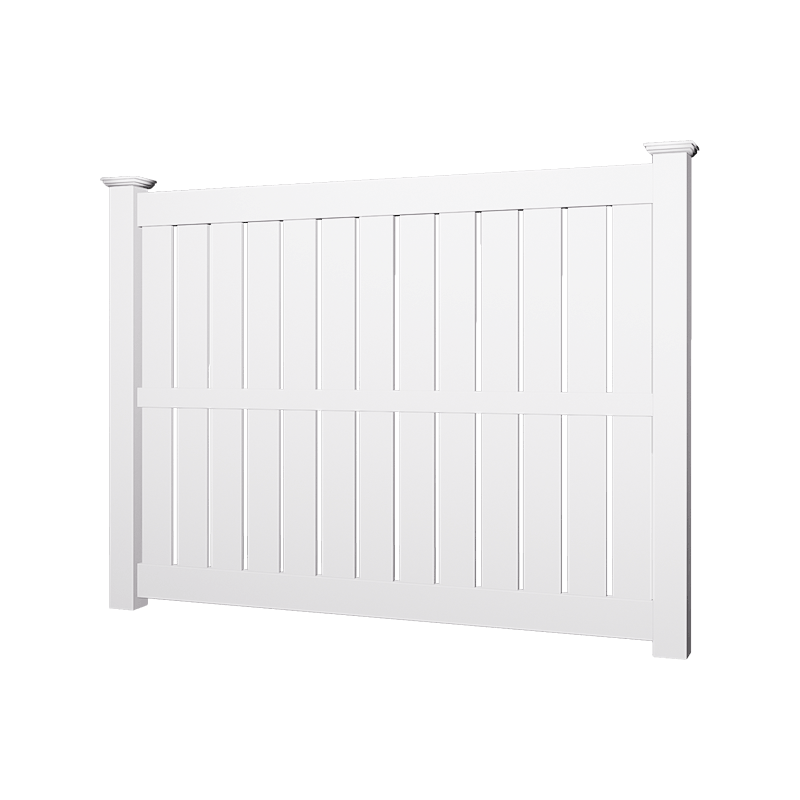 HFB PVC Semi-Private Fence PanelA mid-privacy PVC panel with open bands for light and airflow, suited to front boundaries, garden divisions, and pool-deck surrounds where permitted.View Product →
| Style | Privacy level | Typical height | Best use | Care notes |
|---|---|---|---|---|
| Picket | Low | 3–4 ft | Front boundary, decorative divider | Wash occasionally; check posts |
| Semi-private | Medium | 4–6 ft | Side garden, terrace, bin screen | Clean slats and caps |
| Full privacy | High | 5–6 ft+ | Road-facing garden, neighbour screen | Check wind load and drainage |
| Pool or railing | Open | 3–4 ft | Pool edge, balcony, level change | Inspect fixings and gate hardware |
The most expensive fence is the one that has to be taken down and rebuilt. Measure the full run, including corners and returns, then subtract gate openings. Mark post positions and check that they clear drains, cables, and tree roots. On slopes, decide whether panels will step down or follow the angle; stepping usually looks tidier and keeps panels level.
Gates deserve attention. A single gate suits a pedestrian entrance, while a double gate gives access for trailers or mowers. Match the gate style to the fence, but specify heavier posts and hardware if the gate is wide or used often. A gate that sags is usually a post or hinge problem, not a panel problem.
PVC fencing is low maintenance, but it is not maintenance-free. Posts need proper footings, especially on exposed sites. Follow the manufacturer's spacing and embedment guidance, use concrete where needed, and allow for the small movement that comes with temperature change. Do not over-tighten fasteners; PVC expands and contracts, and a little tolerance prevents cracks around screw holes. Good drainage at the base also keeps soil from staying wet against the post.
Clean the fence once or twice a year with mild soap and water. Avoid abrasive pads and strong solvents that can dull the surface. In coastal or humid areas, rinse salt and dirt from lower rails and hinges. For tougher marks, our PVC fence maintenance guide covers stains and seasonal care in more detail. If a panel is damaged, most systems allow a section to be replaced without rebuilding the whole run.
The final ten percent of a fence project is what people notice. Post caps protect the top of the post and soften the silhouette. A cap rail ties panels together and hides cut edges. Gate hardware should feel solid but easy to use. Where the fence meets planting, leave a small gap for air movement and avoid piling soil against the panels.
Think about how the fence will look in winter as well as summer. A pale grey or warm neutral can sit quietly in a contemporary garden, while white against evergreen planting feels crisp and traditional. Climbing plants can soften long runs, but keep them clear of gates and access points.
Whether you are buying for one garden or placing a trade order, clear questions save time. Ask for samples, dimensions, installation details, PVC formulation, UV package, and lead-free status. Confirm how posts are reinforced, how panels are packed, and what lead time applies to gates and accessories.
Outdoor garden fencing should solve a real problem and still look at home. Start with the job, choose a style that matches the privacy you need, and specify the material for your weather. Get the posts, gates, and layout right, and the fence will quietly do its work for years. If you are planning a garden project, a trade order, or a custom fence run, our team is always happy to talk through practical options and help you avoid the details that cause trouble later.
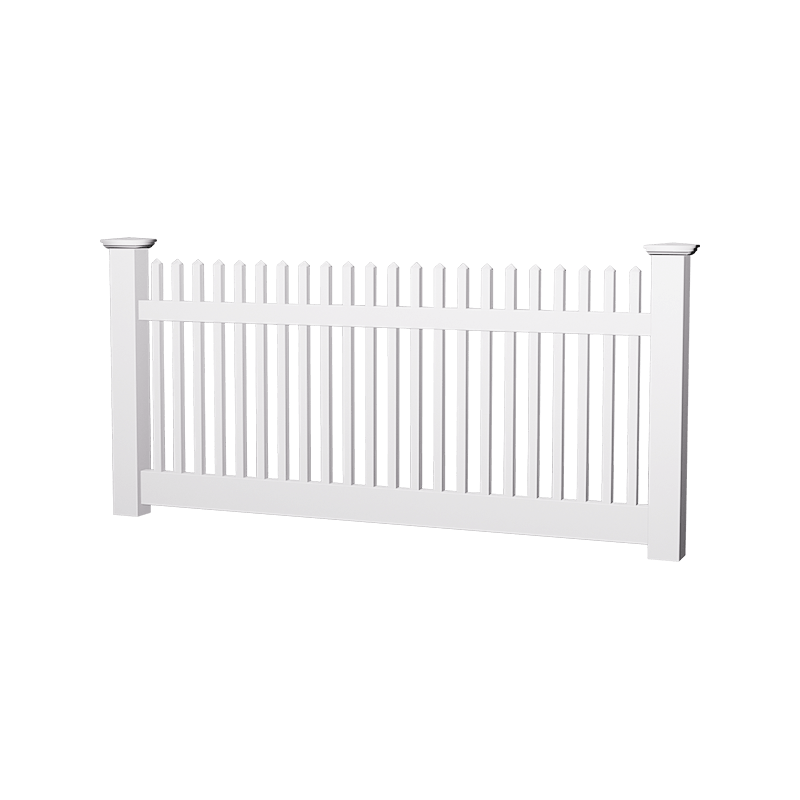
Our 1.5"x1.5" Horizontal Picket Fence, the ultimate garden solution made from 100% virgin PVC for unmatched durability and low maintenance. Designed for easy DIY installation, this fire-proof fence re...
See Details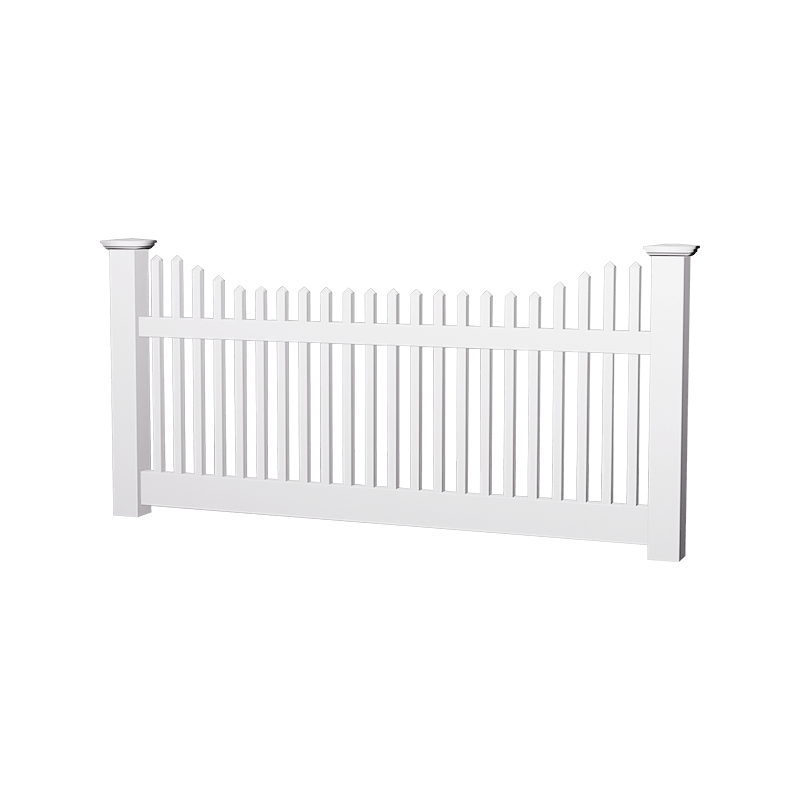
The Special-Shaped Picket Fence, the perfect addition to any home. Crafted from 100% virgin PVC, this fence combines durability and elegance with low maintenance requirements. Designed for easy DIY in...
See Details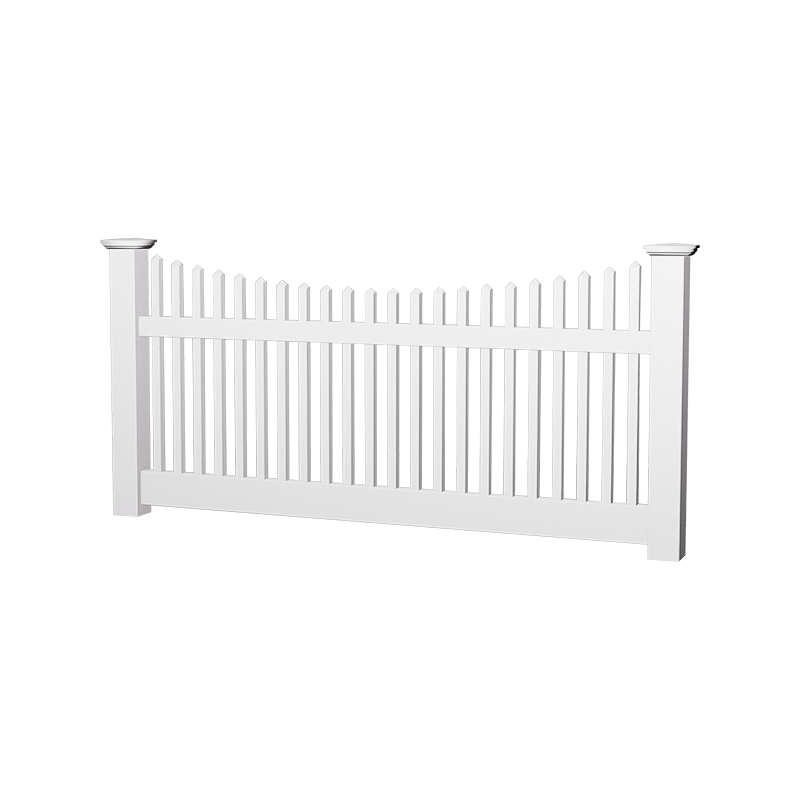
The Special-Shaped Picket Fence, the perfect addition to any home. Crafted from 100% virgin PVC, this fence combines durability and elegance with low maintenance requirements. Designed for easy DIY in...
See Details
Enhance your home’s exterior with our Traditional Straight Spade Fence, crafted from 100% virgin PVC for exceptional durability and style. This low-maintenance solution is designed for easy installati...
See Details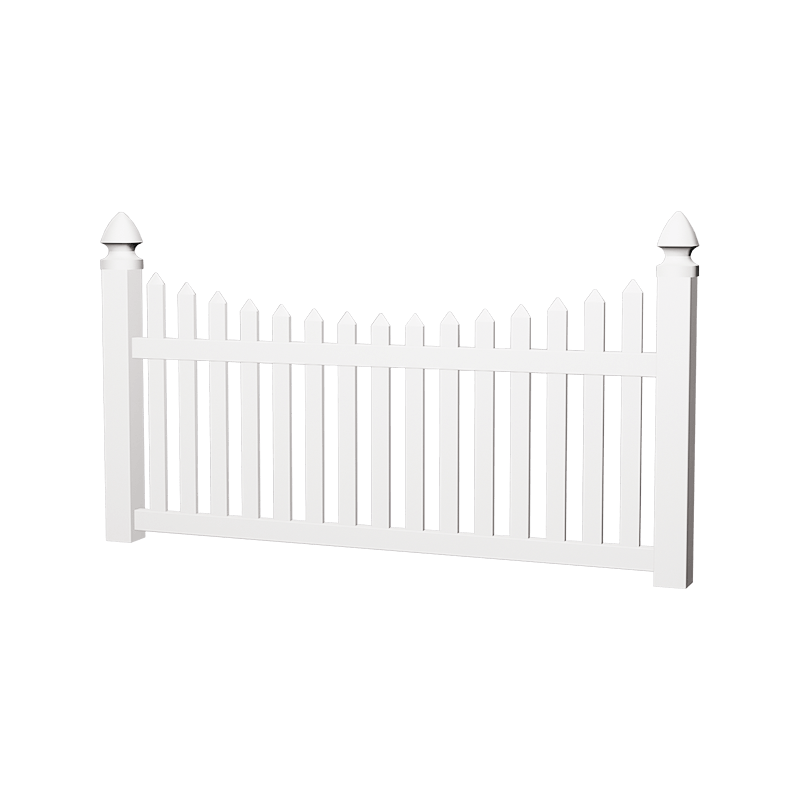
Transform your outdoor space with our 7/8"x3" Outdoor Picket Fence, specifically designed for farm use and outdoor applications. Crafted from 100% Virgin PVC, this durable and high-impact resistant fe...
See Details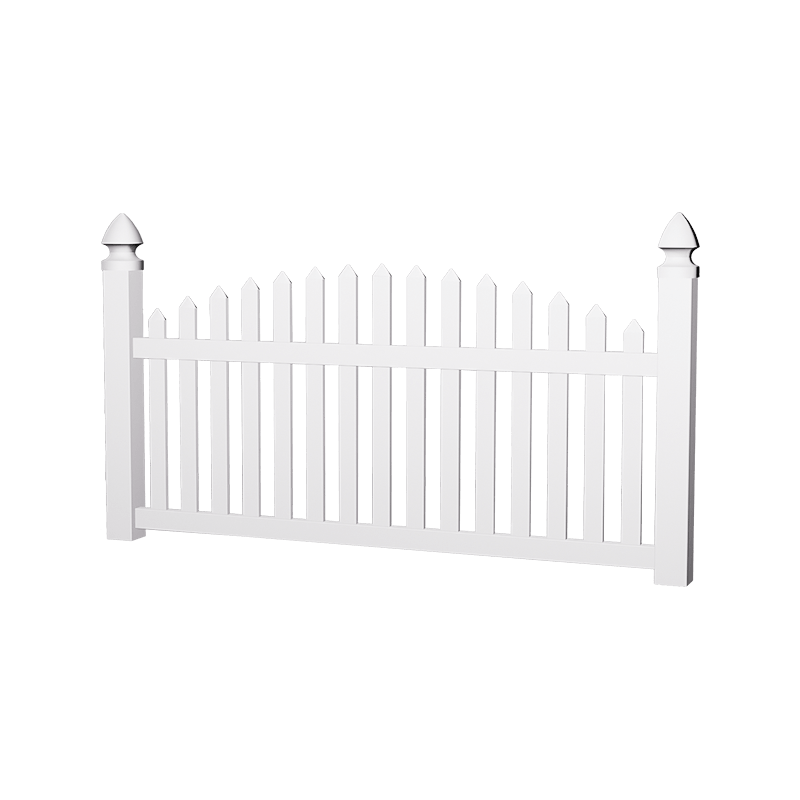
Enhance your farm's aesthetic and functionality with our PVC Arched Picket Fence. Crafted from 100% virgin PVC, this durable and stylish fencing solution combines the classic charm of traditional pick...
See Details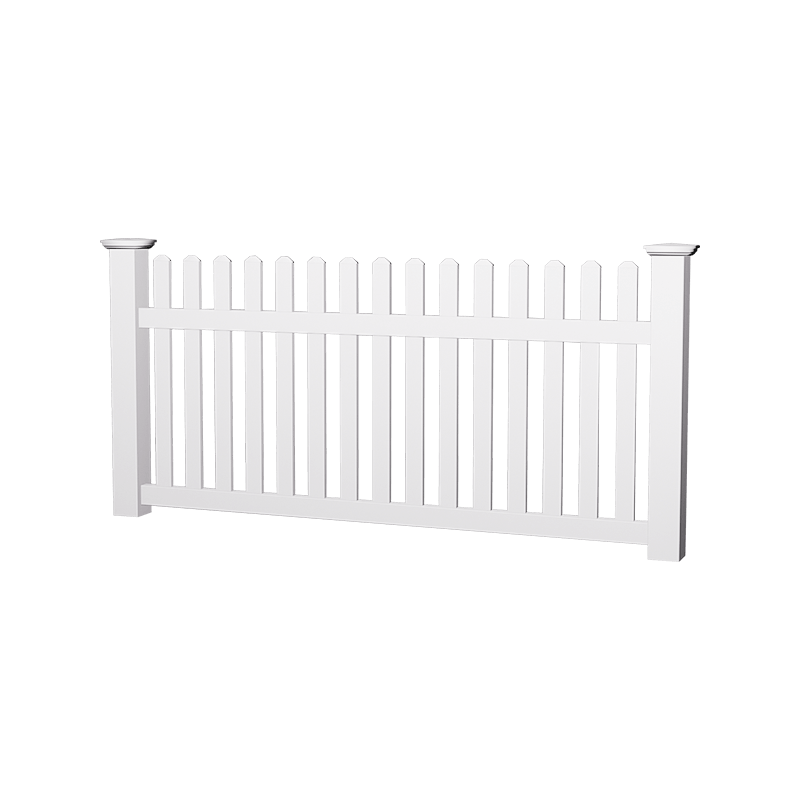
Our durable and versatile Picket Fence, designed specifically for farm use. Crafted from 100% virgin PVC plastic, this fence panel is not coated, ensuring superior quality and longevity. With dimensio...
See Details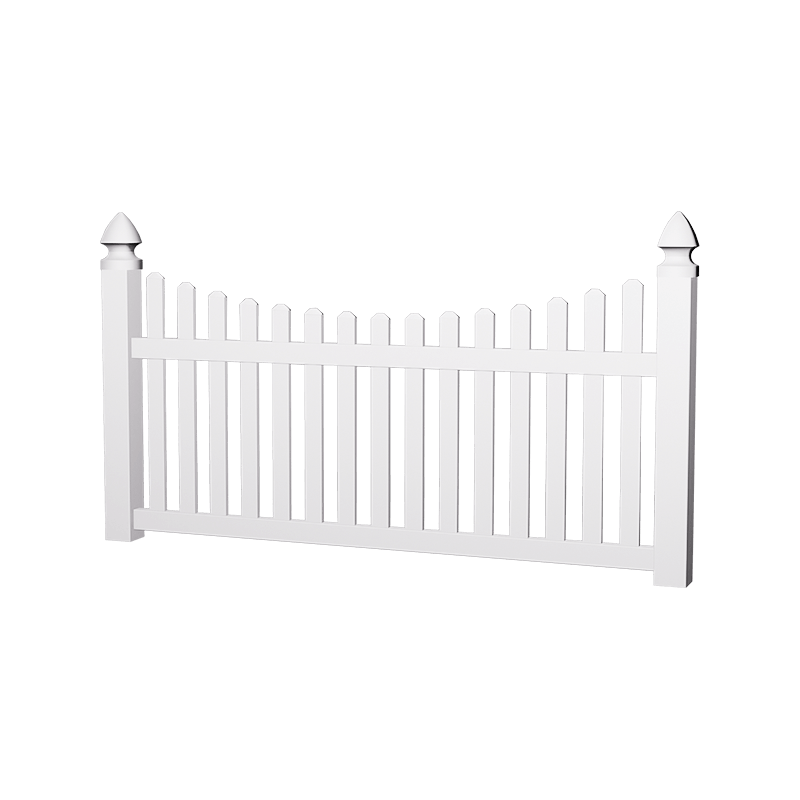
Introducing our 7/8"x3" Plastic Picket, designed specifically for farm applications. Crafted from 100% virgin PVC, this picket is not coated, ensuring maximum durability and resistance to impacts. Wit...
See Details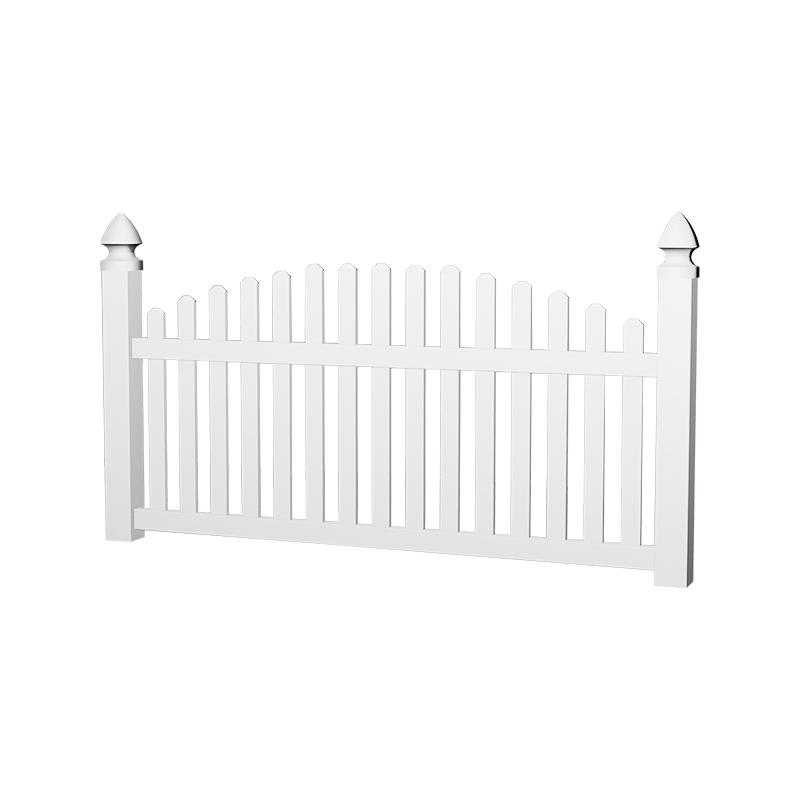
The Dog Ear Top Garden Fence, the ultimate solution for your farm fencing needs. Crafted from 100% virgin PVC, this fence is designed to withstand the elements without the worry of rot or decay, makin...
See Details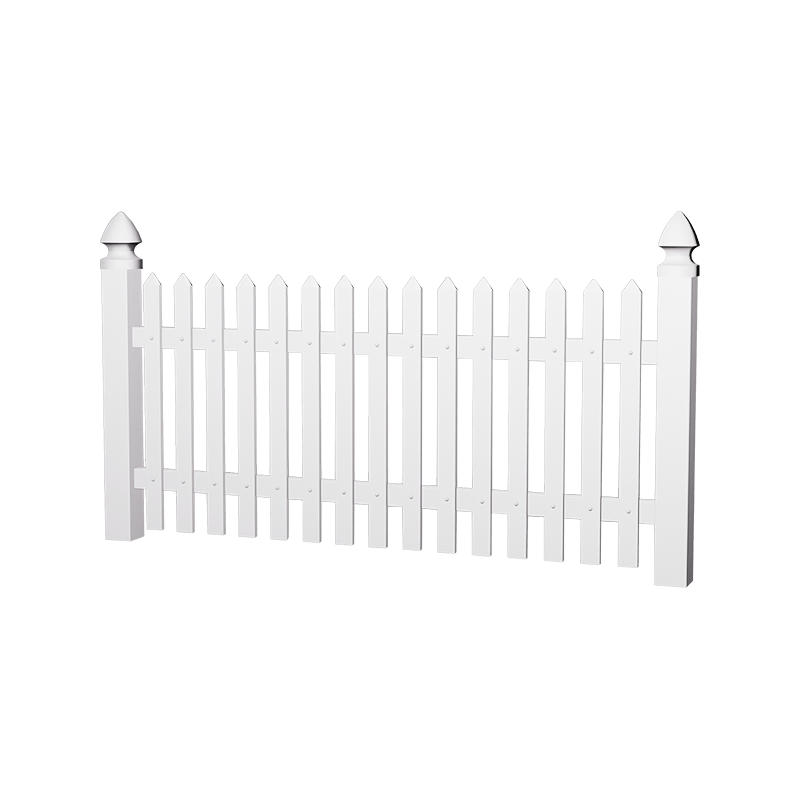
Decorate your outdoor spaces with our durable and stylish PVC Face Mounted Pickets Fence. Designed for easy installation and long-lasting performance, this fence is perfect for residential and commerc...
See Details
Our White Vinyl Fence, measuring 4'H x 8'W, designed for both functionality and aesthetics. Made from 100% virgin PVC plastic, this fence is not coated, ensuring unmatched durability and resistance to...
See Details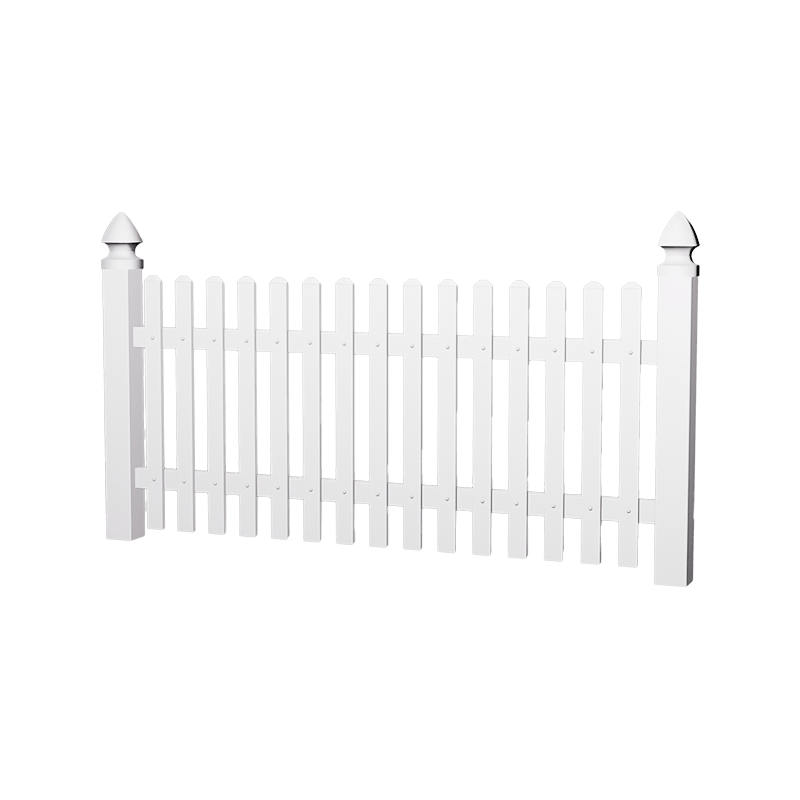
The Traditional Dog Ear Picket is an ideal choice for warehouses, combining aesthetic appeal with practicality. Made from 100% virgin PVC, this durable, low-maintenance fence resists rotting and water...
See Details
We are a professional manufacturer engaged in the research, development,
production, sale, and service of PVC fences and PVC flooring.
Contact Us
Mobile
Copyright © Deqing Huazhijie Railing & Fencing Co.,Ltd. All Rights Reserved.
 Custom Vinyl Fence Manufacturers
 English
 عربى
 中文简体
 Español