Welcome to Huazhijie!
 +86-572-8086381 / 8282992
 hzjfence1@hzjfence.com



Nov 18, 2026
Plastic fencing panels look simple from a distance: a neat row of white or colored infill between posts. Up close, they are a system of profiles, rails, pickets, caps, and fasteners that need to work together. That is the first lesson we share with buyers who are comparing quotes. A panel is not just a sheet of plastic; it is a carefully chosen assembly that affects privacy, wind load, installation time, and how the fence looks five or ten years from now.
Content
In the fencing trade, “plastic fencing panels” can refer to several different products. For a homeowner, it often means a ready-to-install privacy panel. For a distributor, it may mean boxed panels, posts, and caps sold as a complete kit. For a contractor, it can mean the infill section only, with rails and posts ordered separately. Understanding this difference early prevents mismatched components and awkward site surprises.
Most PVC fencing panels are built around extruded profiles. Vertical pickets or tongue-and-groove boards fit into rails, and the rails connect to posts. Caps, brackets, and sometimes metal or composite reinforcement complete the system. Because PVC is extruded, panel dimensions can be kept consistent from order to order, which matters when a project is installed in phases. Our own production is organized around this modular approach, with profiles, panels, gates, and accessories developed as one family rather than unrelated parts.
When you review a supplier’s range, ask whether the panel is a complete assembly or a component. Check whether posts, rails, and caps are included, and confirm the profile dimensions. This is also where a factory visit or a detailed specification sheet helps. If you want to see how the components fit together before ordering, our factory overview gives a useful look at the production environment behind the panels.
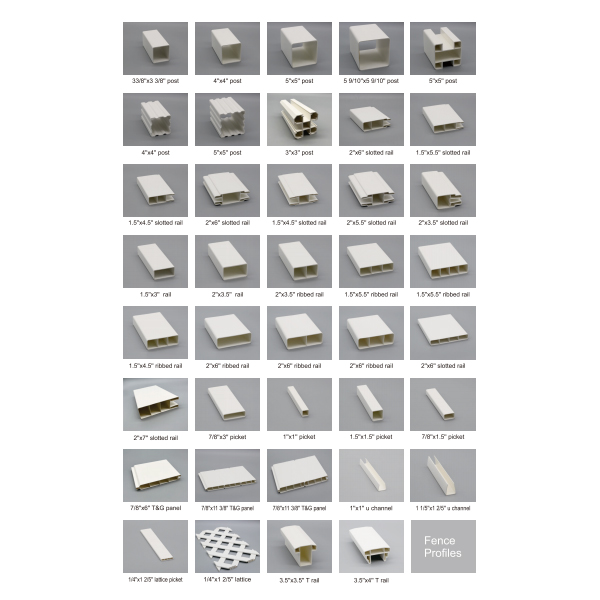 PVC Fence Profiles and Pre-Assembled Panel SystemsExtruded PVC profiles and pre-assembled panels cover privacy, picket, railing, agricultural and pool uses, with components and custom options for project planning.View Product →
Panel style should follow the job, not the other way around. A privacy panel that suits a suburban backyard may be a poor choice for a pool barrier or a horse arena. The table below gives a practical starting point for matching common PVC panel types to typical applications.
| Panel style | Visual effect | Typical use | Details to confirm |
|---|---|---|---|
| Full privacy | Solid, closed view | Backyards, side boundaries, commercial screening | Panel height, tongue-and-groove fit, post spacing |
| Semi-private | Partial screening with light and air | Front yards, garden edges, decorative boundaries | Slat spacing, lattice or louver design, wind exposure |
| Picket | Open, traditional look | Garden borders, decorative enclosures, pool surrounds | Picket width, gap size, top style, rail count |
| Railing and pool | Clean horizontal or vertical lines | Pools, balconies, terraces, walkways | Local safety rules, rail spacing, height limits |
| Horse and farm | Strong open rails | Paddocks, arenas, farm boundaries | Rail number, post strength, gate matching |
Privacy panels are usually the first product people ask about. A 6 x 8 privacy panel, for example, gives a substantial visual barrier, but the installation still depends on post depth, ground conditions, and local height rules. Semi-private panels are a good compromise where you want separation without a solid wall effect. Picket panels remain popular because they look familiar and let air move through, while pool and railing panels need careful attention to spacing and code requirements.
 HEA 6' x 8' PVC Privacy Panel FenceFull-height tongue-and-groove privacy panel with pre-notched rails, optional posts and caps, matching gate, and custom heights or widths for boundaries and screening.View Product →
Two panels can look alike in a photo and still behave very differently on site. The details below are worth discussing before you approve a sample or place a bulk order.
Panel height affects privacy and wind load. Width affects post spacing and handling. Rail count affects rigidity and the rhythm of the fence line. A 4 ft panel may suit a garden boundary, while a 6 ft or taller panel is more common for privacy. For horse fencing, two, three, or four rails change both appearance and strength. Always confirm whether the stated size is the panel only or the finished section including posts.
Tongue-and-groove boards, picket profiles, and rail thickness all influence how solid the finished fence feels. A clean, consistent extrusion helps panels slide together without forcing. If you need a tighter privacy line, ask how the boards interlock and whether a cap or channel is recommended. Our manufacturer’s guide to profiles and panels explains more of the technical background.
White remains the most common color, but tan, gray, and custom colors are available in many ranges. Ask about UV stabilization, surface finish, and whether the formulation is lead-free. If a project requires documentation, request certificates and test reports early rather than after the order is packed.
A panel that performs well on a sheltered property may need a different post schedule on an exposed site. Wind, frost depth, soil type, slope, and gate placement all affect the finished fence. On sloped ground, decide whether panels will step, rack, or be trimmed. Around pools, check barrier height and gap requirements before choosing a decorative panel. For commercial projects, confirm access for delivery and whether panels will be moved through narrow openings.
We often remind buyers that the best panel is the one that can be installed correctly with the posts and fittings supplied. A beautiful panel with undersized posts is not a good system. If you are comparing options, ask for a simple layout drawing, a post spacing recommendation, and a packing list. Those three documents prevent most site delays.
PVC fencing panels are chosen for low maintenance, but low maintenance does not mean no attention. A seasonal wash with mild soap and water removes dust and pollen. Avoid abrasive pads on textured surfaces. Check posts and caps after severe weather, and keep soil clear of the bottom rail so water can drain. Unlike wood, PVC does not need painting or staining, and it will not rot in the same way. However, formulations and installation quality still determine how well a panel ages under strong sun or coastal humidity.
For buyers who need a consistent look across a large site, order panels, gates, and caps from the same production batch where possible. This helps color and profile consistency, especially when the project will be completed in stages.
Many projects need more than a standard catalog size. Custom heights, colors, packaging, and gate configurations are common requests in B2B fencing supply. A manufacturer with its own extrusion lines can often adjust profiles and panel assemblies more efficiently than a trader sourcing finished goods. That is why we welcome OEM and ODM discussions, from a modified cap to a panel system designed around a distributor’s brand and market.
Before a custom run begins, agree on the sample, the tolerance, the packaging method, and the inspection criteria. A clear approved sample protects both sides. For semi-private designs, small changes in slat spacing can change the privacy level, so a physical sample is more useful than a rendering alone.
 HFB PVC Semi-Private Fence Panel SystemMid-privacy PVC panels with pre-notched rails, standard 72-inch by 96-inch sections, pre-routed posts and cap options, and matching gates for residential or commercial boundaries.View Product →
Plastic fencing panels can be a practical, long-lasting choice when the product is treated as a complete system. Start with the site, match the panel to the purpose, and confirm the small details before the order is placed. That approach keeps installation smoother and gives the finished fence a much better chance of meeting expectations.
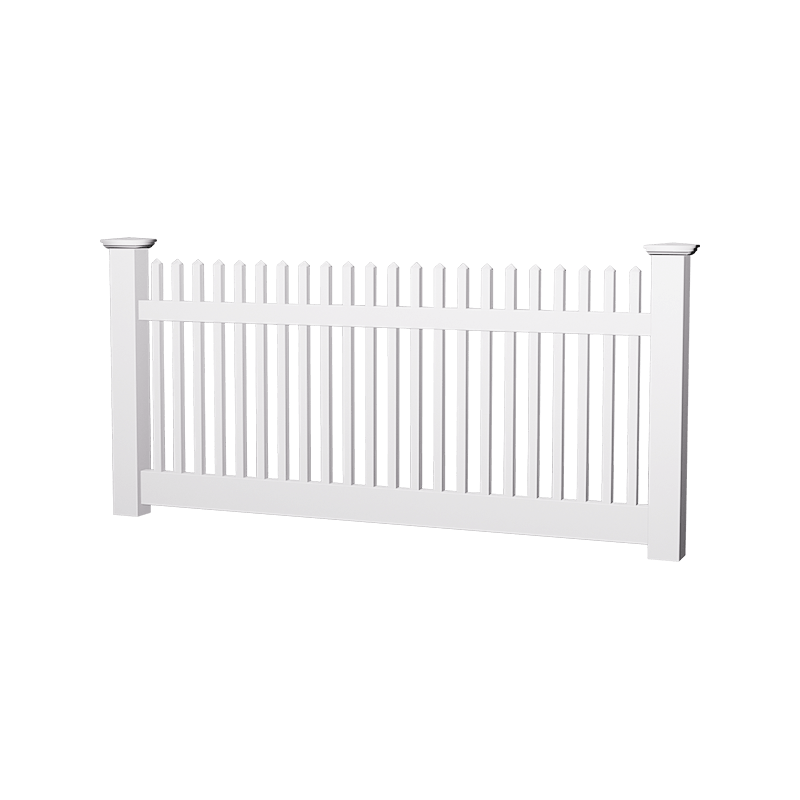
Our 1.5"x1.5" Horizontal Picket Fence, the ultimate garden solution made from 100% virgin PVC for unmatched durability and low maintenance. Designed for easy DIY installation, this fire-proof fence re...
See Details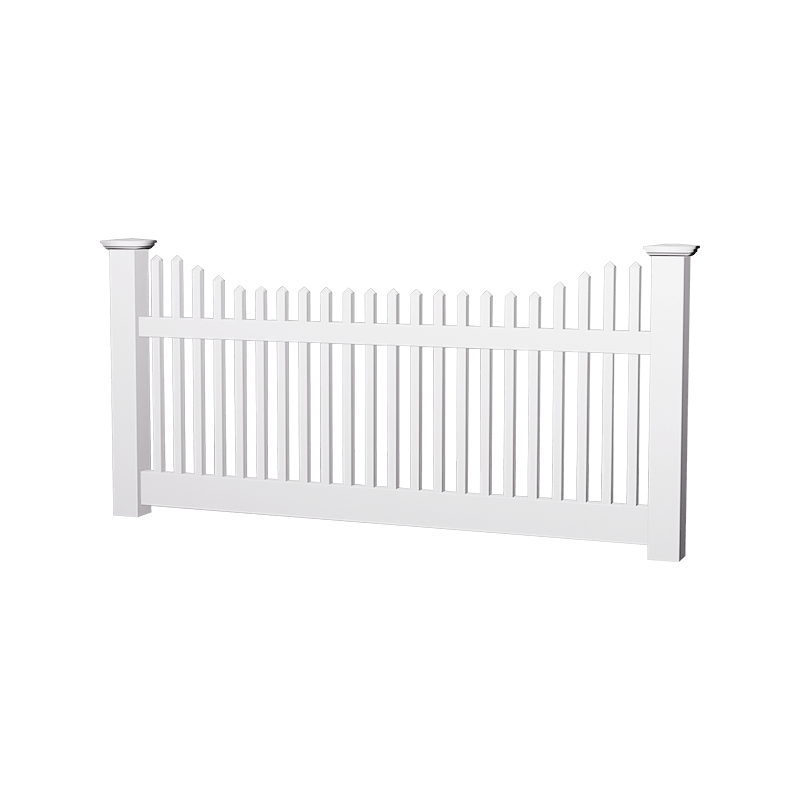
The Special-Shaped Picket Fence, the perfect addition to any home. Crafted from 100% virgin PVC, this fence combines durability and elegance with low maintenance requirements. Designed for easy DIY in...
See Details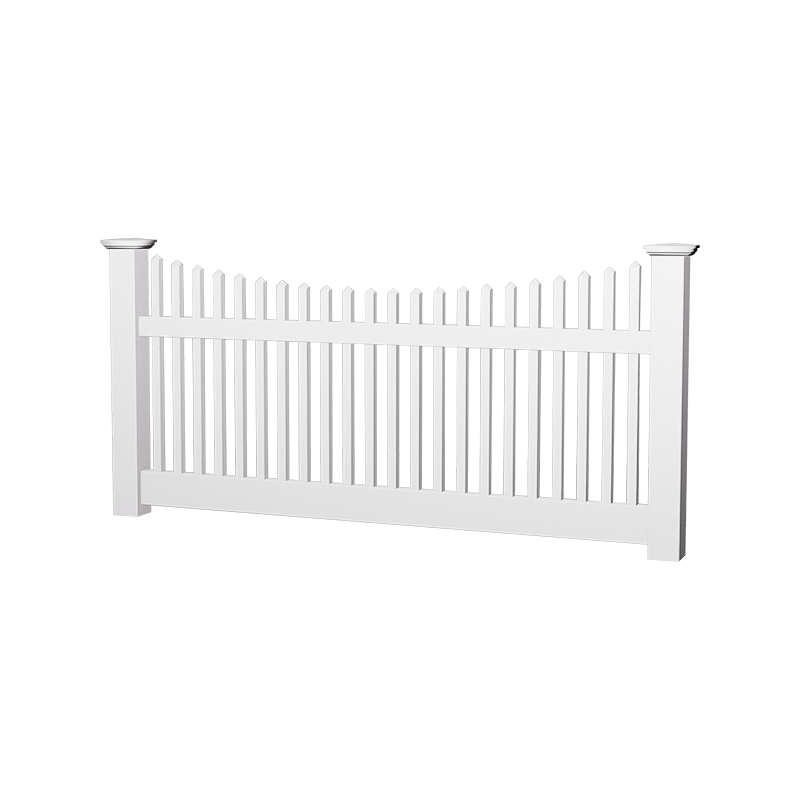
The Special-Shaped Picket Fence, the perfect addition to any home. Crafted from 100% virgin PVC, this fence combines durability and elegance with low maintenance requirements. Designed for easy DIY in...
See Details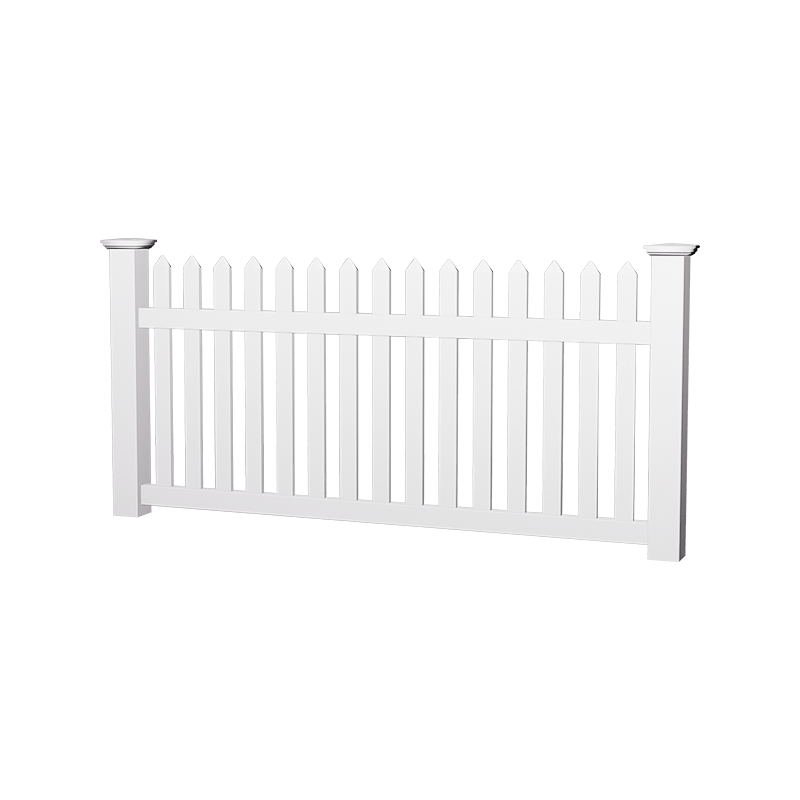
Enhance your home’s exterior with our Traditional Straight Spade Fence, crafted from 100% virgin PVC for exceptional durability and style. This low-maintenance solution is designed for easy installati...
See Details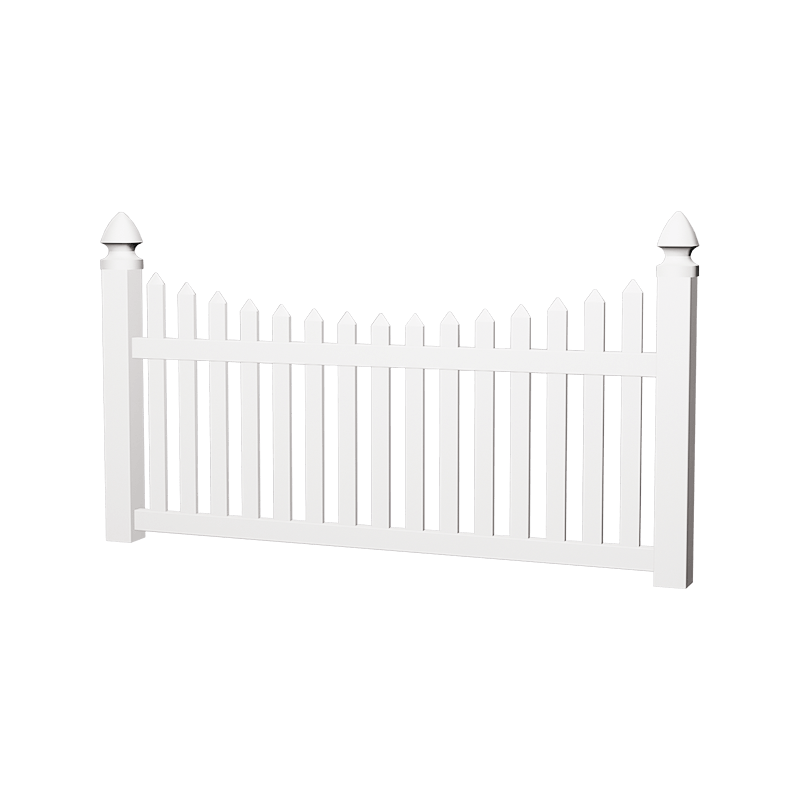
Transform your outdoor space with our 7/8"x3" Outdoor Picket Fence, specifically designed for farm use and outdoor applications. Crafted from 100% Virgin PVC, this durable and high-impact resistant fe...
See Details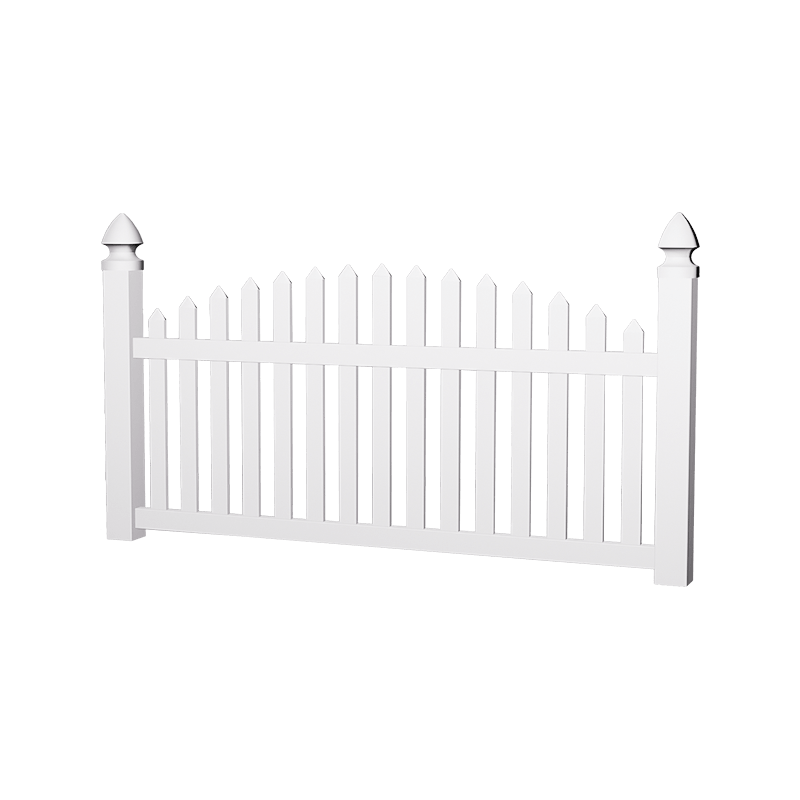
Enhance your farm's aesthetic and functionality with our PVC Arched Picket Fence. Crafted from 100% virgin PVC, this durable and stylish fencing solution combines the classic charm of traditional pick...
See Details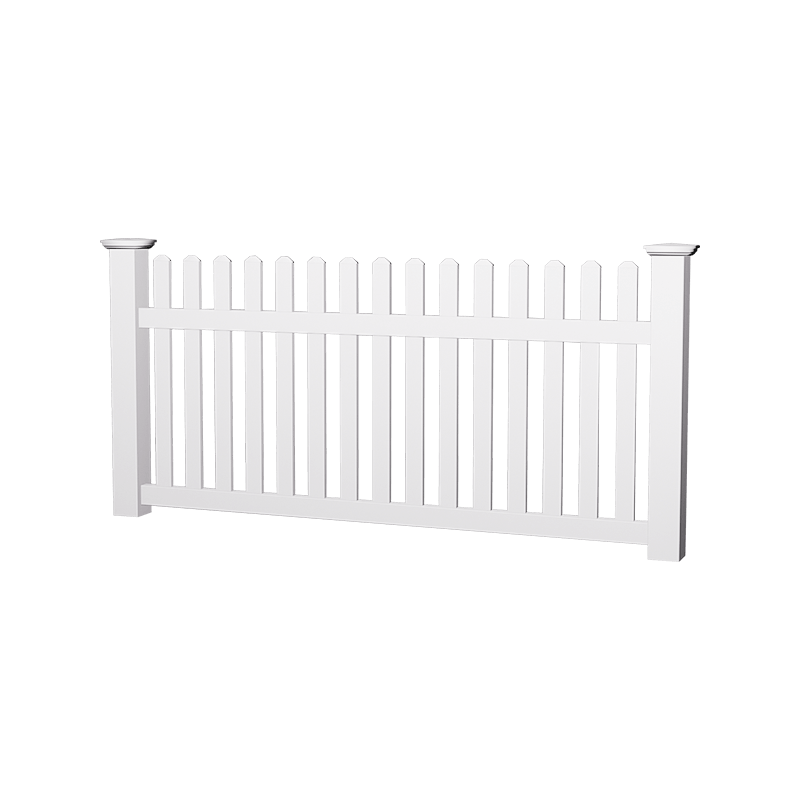
Our durable and versatile Picket Fence, designed specifically for farm use. Crafted from 100% virgin PVC plastic, this fence panel is not coated, ensuring superior quality and longevity. With dimensio...
See Details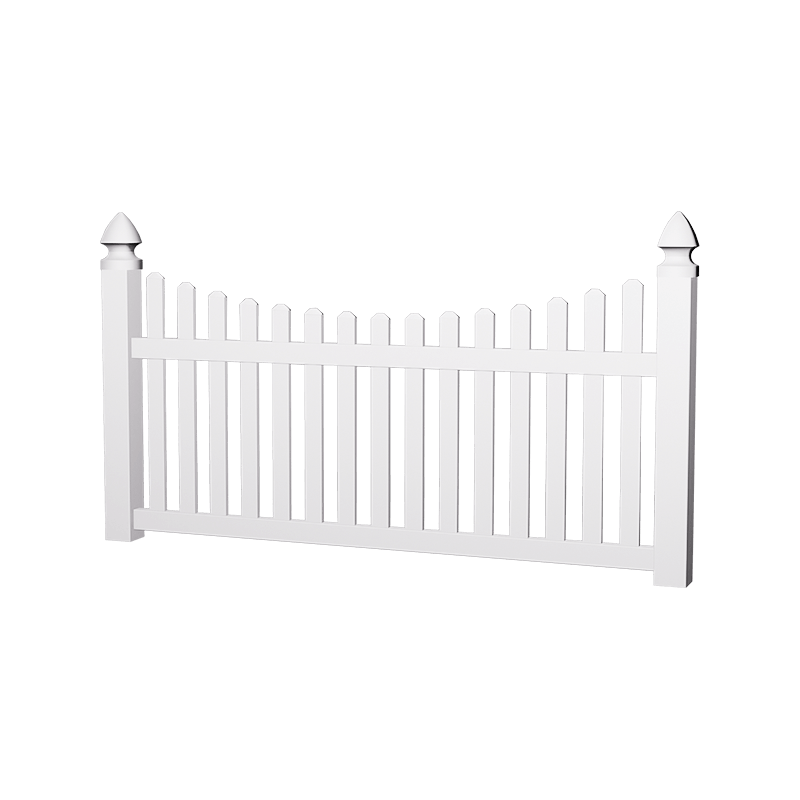
Introducing our 7/8"x3" Plastic Picket, designed specifically for farm applications. Crafted from 100% virgin PVC, this picket is not coated, ensuring maximum durability and resistance to impacts. Wit...
See Details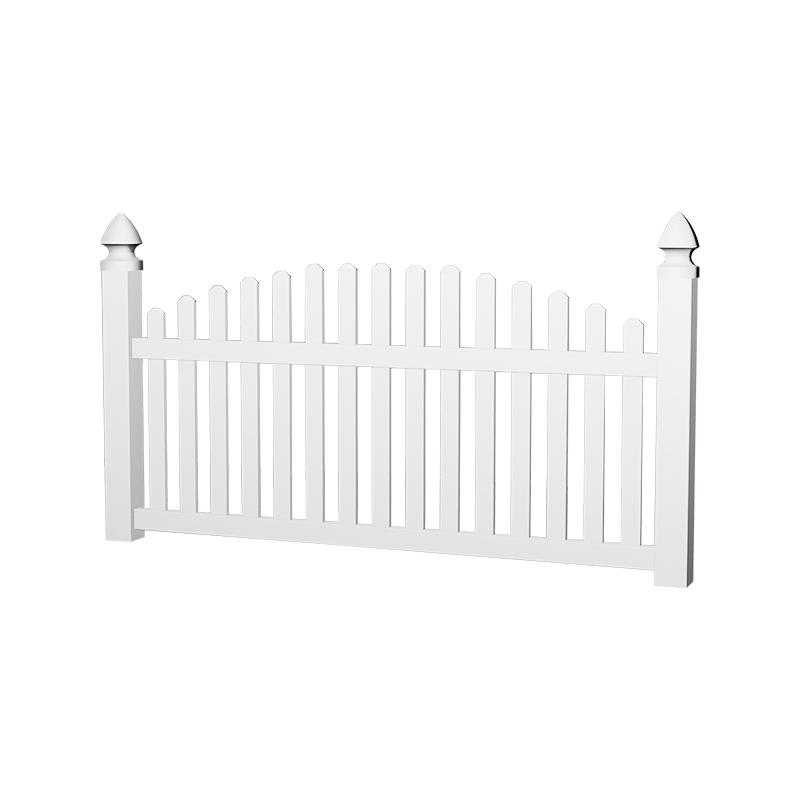
The Dog Ear Top Garden Fence, the ultimate solution for your farm fencing needs. Crafted from 100% virgin PVC, this fence is designed to withstand the elements without the worry of rot or decay, makin...
See Details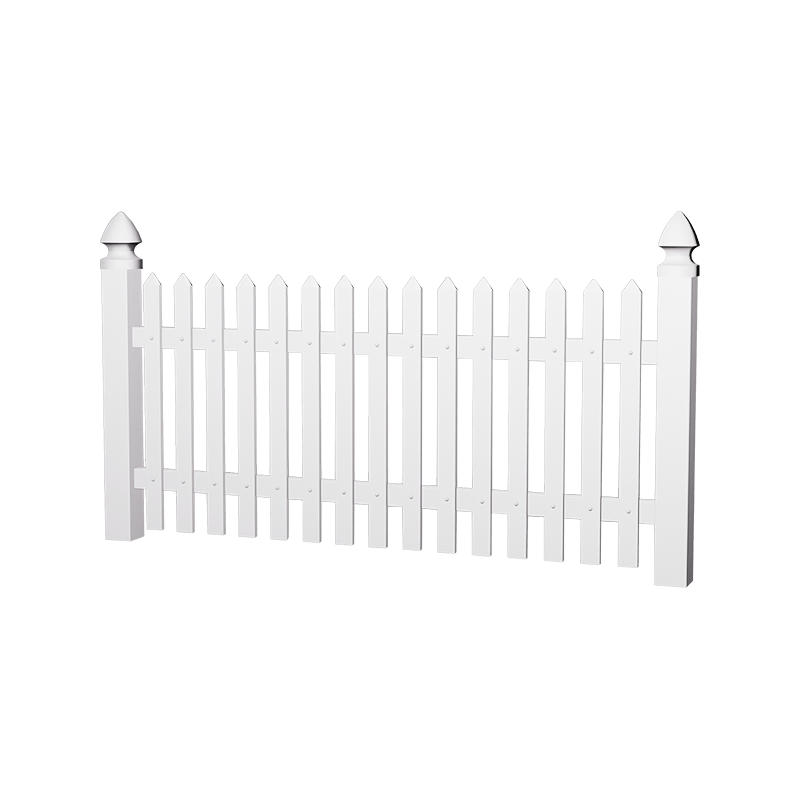
Decorate your outdoor spaces with our durable and stylish PVC Face Mounted Pickets Fence. Designed for easy installation and long-lasting performance, this fence is perfect for residential and commerc...
See Details
Our White Vinyl Fence, measuring 4'H x 8'W, designed for both functionality and aesthetics. Made from 100% virgin PVC plastic, this fence is not coated, ensuring unmatched durability and resistance to...
See Details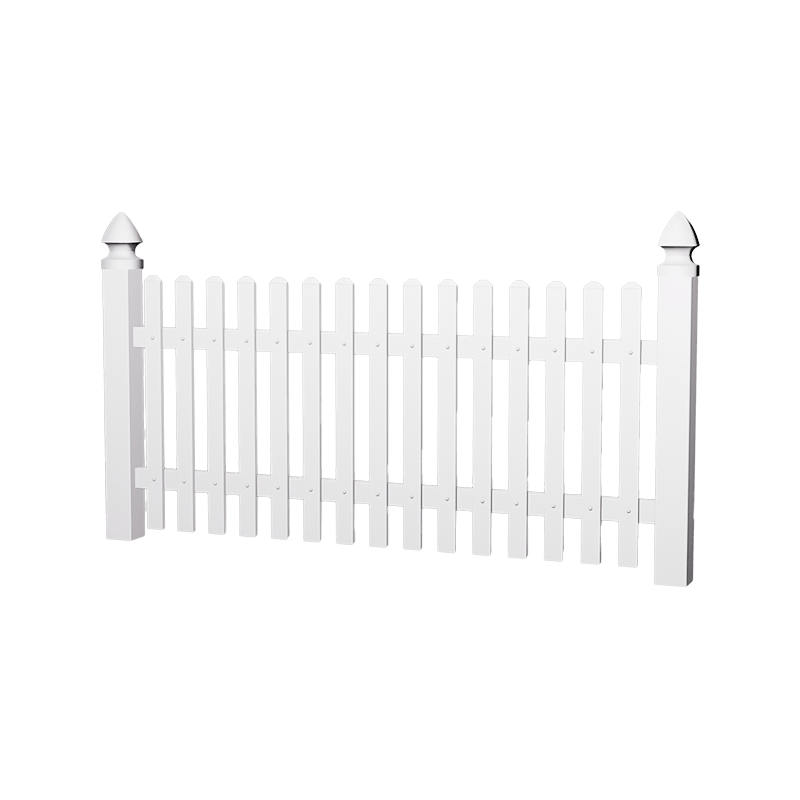
The Traditional Dog Ear Picket is an ideal choice for warehouses, combining aesthetic appeal with practicality. Made from 100% virgin PVC, this durable, low-maintenance fence resists rotting and water...
See Details
We are a professional manufacturer engaged in the research, development,
production, sale, and service of PVC fences and PVC flooring.
Contact Us
Mobile
Copyright © Deqing Huazhijie Railing & Fencing Co.,Ltd. All Rights Reserved.
 Custom Vinyl Fence Manufacturers
 English
 عربى
 中文简体
 Español