Welcome to Huazhijie!
 +86-572-8086381 / 8282992
 hzjfence1@hzjfence.com



Nov 12, 2026
A scalloped vinyl picket fence has a way of making a boundary feel welcoming without making it feel open. For commercial sites, that balance is often exactly what architects, contractors, and property managers are looking for. The curved top line softens long runs, the picket spacing keeps sight lines reasonably clear, and the vinyl surface fits into a low-maintenance exterior plan. At the same time, a commercial scalloped vinyl picket installation asks more of the product than a small residential garden fence does. Longer runs, public access, wind exposure, gate traffic, and consistent replacement parts all need to be considered before the first post goes into the ground.
This guide is written from the perspective of a PVC fence manufacturer that works with distributors, installers, and project buyers. It covers what “commercial” really changes, which details are worth locking down early, and how to source scalloped vinyl picket fencing without creating problems later on site.
Content
In residential work, a scalloped picket fence is often chosen for curb appeal. In commercial work, appearance still matters, but the fence also has to perform as a repeatable system. That usually means longer panel runs, more posts, more gate interactions, and a greater need for consistency from one section to the next. A fence along a park path, a clubhouse perimeter, a retail entrance, or a multifamily common area will be viewed, touched, and sometimes leaned on far more than a private backyard fence.
For buyers, the practical difference comes down to specification discipline. Confirm the picket profile, the rail arrangement, the post spacing, the fastening method, and the finish color before production begins. Ask how replacement panels will be matched months or years later. On commercial projects, a small profile change can affect the look of an entire elevation, so approved samples and written specifications are worth the time.
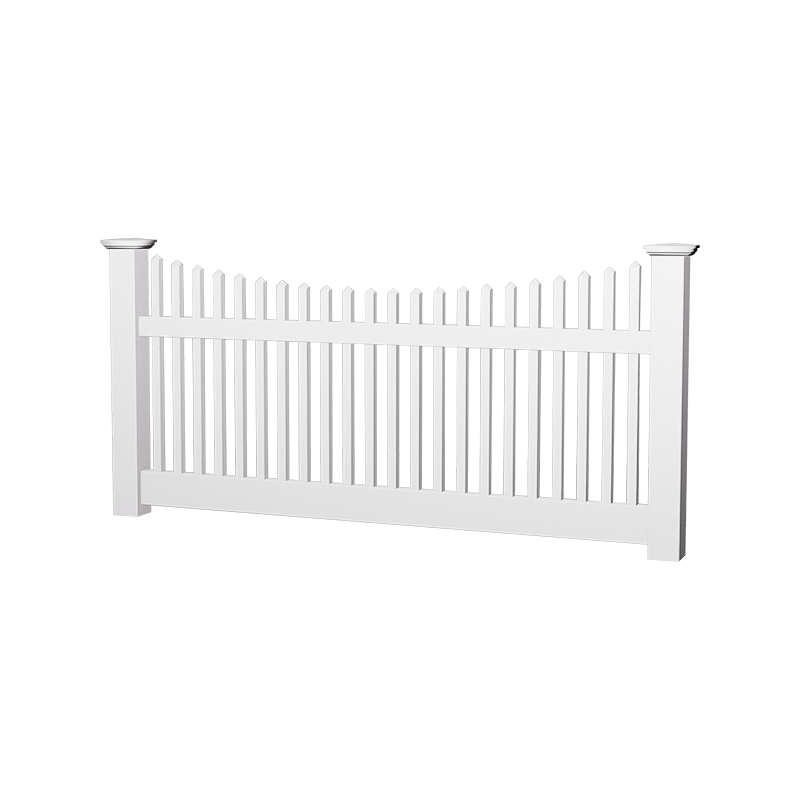 HAA3 4 ft Scalloped PVC Picket FenceA four-foot scalloped PVC picket section with pre-notched rails, configurable posts, colors, and matching gates for residential or commercial specification.View Product →
A four-foot scalloped picket profile is a common starting point for commercial and residential projects alike, but the final height, picket spacing, and post layout should always follow the project drawings and local requirements.
Scalloped vinyl picket fencing is not a high-security system, and it is not usually specified as one. Its strength is in defining edges, guiding circulation, and creating a finished look that does not require repainting every few seasons. The curved top adds visual rhythm, which helps a long fence line feel less rigid. That is useful on hospitality properties, community entrances, parks, assisted living campuses, and mixed-use landscapes where the fence needs to be visible but not institutional.
Finishing details matter more than many buyers expect. Post caps, cap styles, and trim pieces can change the character of a commercial fence line, especially where the fence is seen up close by pedestrians. A crown cap or a coordinated gate style can make a standard picket run feel intentional rather than generic.
 HAG Crown Cap PVC Picket Fence SectionA crowned-top PVC picket section with closed picket ends, aluminum-reinforced bottom rail, post caps, colors, and matching gate for finished boundaries.View Product →
Commercial scalloped vinyl picket projects tend to go smoothly when the specification is clear before quoting. The table below covers the points we usually review with contractors and project buyers. It is not a substitute for local code review or engineered drawings, but it helps frame the conversation.
| Item | What to confirm | Why it matters |
|---|---|---|
| Picket profile | Width, thickness, top shape, and spacing | Affects appearance, sight lines, and panel weight |
| Panel height | Finished height above grade | Must match design intent and local requirements |
| Post spacing | Standard or project-specific centers | Influences wind performance, rigidity, and panel fit |
| Rail configuration | Number and position of rails | Supports pickets and defines the fence’s visual weight |
| Color and finish | Solid color, cap stock, and sample approval | Helps maintain consistency across phased deliveries |
| Gate interface | Hinge posts, latch alignment, and gate style | Prevents sagging and awkward transitions on site |
| Site exposure | Wind, salt, sun, and drainage conditions | Guides post anchoring and material selection |
It also helps to agree on tolerances and packaging. Commercial buyers often need panels that can be handled by a crew, stacked safely, and identified by phase or building. Clear labeling reduces installation errors, especially on sites where several fence types are being installed at once.
Installation is where a good commercial scalloped vinyl picket specification either proves itself or creates extra work. Start with a site walk and confirm grades, utilities, setbacks, and access for delivery. Long runs should be broken into manageable sections, with gate posts and terminal posts planned early. On sloped ground, decide whether panels will rack, step, or use custom transitions. That decision affects both the order and the crew’s sequence.
For public-facing sites, pay attention to pedestrian routes, accessible clearances, and maintenance access. A fence that looks right on a plan can still fail on site if it blocks a service path or creates a trip hazard at a transition. Our factory overview may be useful for buyers who want to understand how profiles and panels are produced before approving a specification.
Vinyl fencing is often chosen because it does not need painting, staining, or sealing. That does not mean it needs no attention at all. Commercial properties should include the fence in routine exterior cleaning and inspection. A periodic wash with mild soap and water removes dust and pollution film. Check post caps, gate hardware, and panel connections after severe weather or heavy site use. If a panel is damaged, replace it with a matching profile and color rather than patching it with a different material.
Lead-free formulations and stable color compounds are worth asking about, especially for projects with environmental or procurement requirements. In our experience, most long-term satisfaction comes down to correct installation and a clear replacement plan rather than any special coating. Keep a small stock of caps, fasteners, and one or two matching panels on hand for busy commercial sites.
For distributors and contractors, the sourcing conversation should cover more than price per panel. Ask about profile drawings, sample approval, color consistency, packaging, mixed container options, and lead times. If the project needs a custom height, special gate width, or a particular cap style, confirm that the tooling and production schedule can support it. OEM and ODM work is common in this category, and a manufacturer that understands project phases can help avoid mismatched deliveries.
Our factory in Deqing has been producing PVC fencing since 2003, with export experience across North America, Europe, Australia, and New Zealand. We work with lead-free PVC formulations and can discuss CE, ROHS, and UL94 documentation where relevant to the project. For commercial work, we usually recommend approving a sample and a packing plan before mass production.
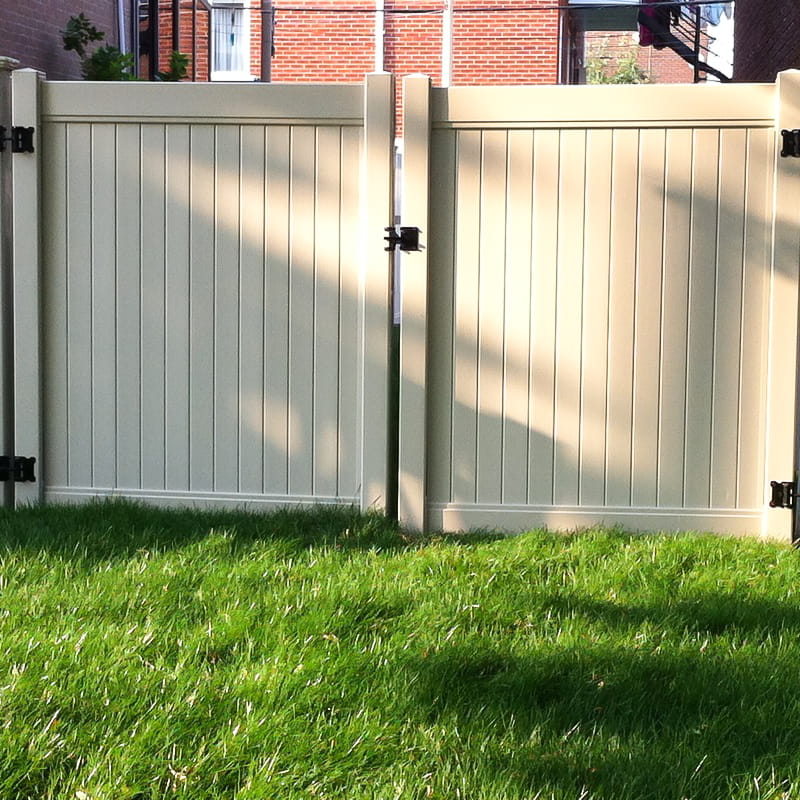 PVC Fence Double Gate Suit for Matching Fence SystemsA pre-assembled double-swing gate in matching PVC colors and panel heights, with aluminum-reinforced posts, hardware, and 3–8 ft openings.View Product →
Gates are part of the fence system, not an afterthought. Double gates are often needed for service access, refuse collection, or emergency routes, so hinge posts and latch details should be resolved with the fence layout. If you are planning a commercial scalloped vinyl picket project, send us the drawings, quantities, and target schedule so the specification can be reviewed in one pass.
A commercial scalloped vinyl picket fence works best when the design intent and the manufacturing details are aligned. Get the profile, height, spacing, gate logic, and color approval settled early, then keep installation and replacement planning just as practical. Done well, the result is a clean, friendly boundary that suits public spaces, hospitality grounds, community edges, and commercial landscapes without demanding constant upkeep.
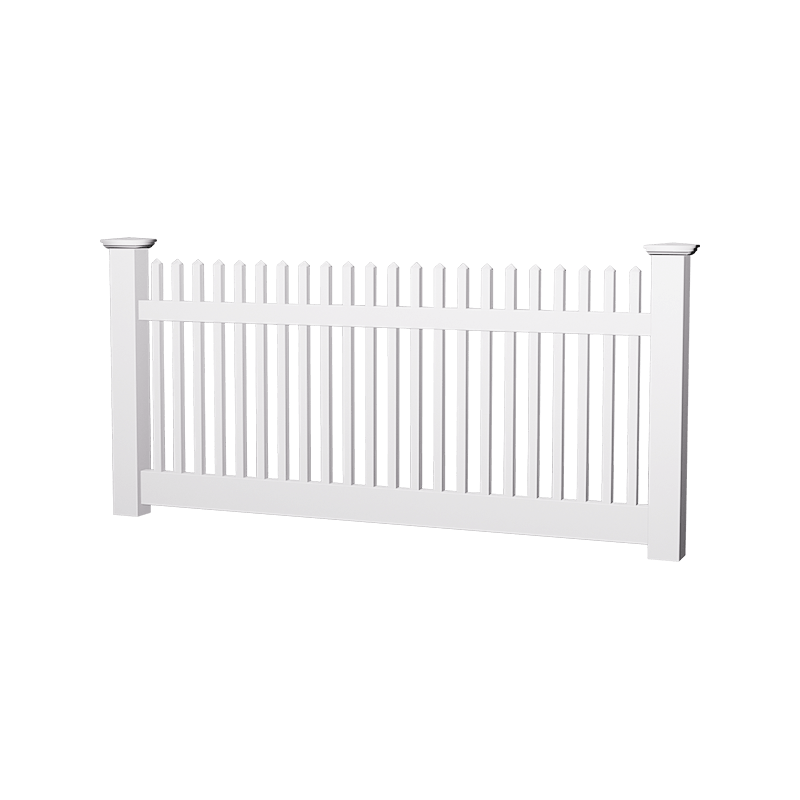
Our 1.5"x1.5" Horizontal Picket Fence, the ultimate garden solution made from 100% virgin PVC for unmatched durability and low maintenance. Designed for easy DIY installation, this fire-proof fence re...
See Details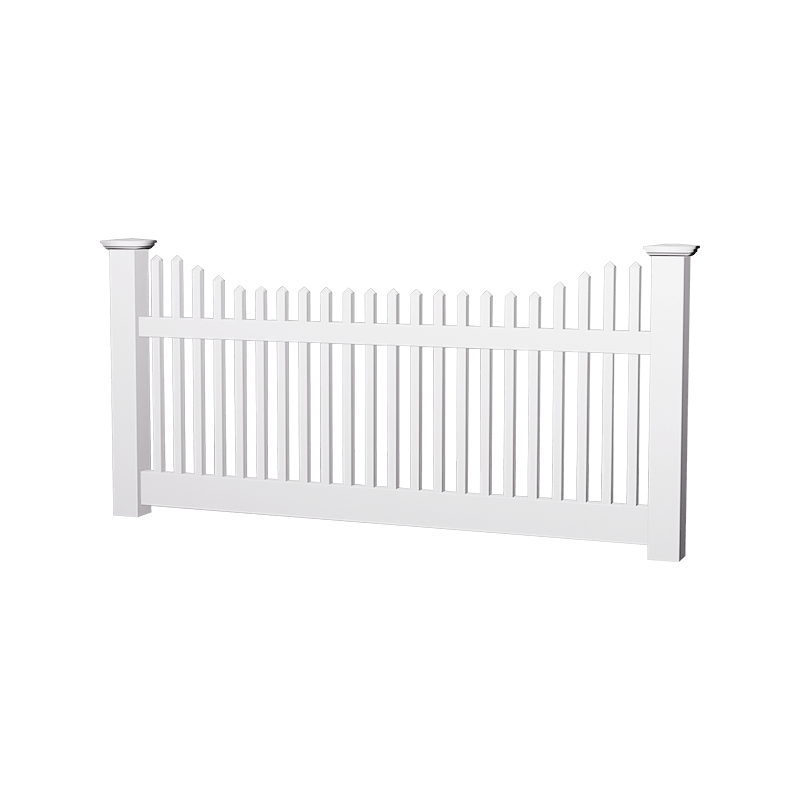
The Special-Shaped Picket Fence, the perfect addition to any home. Crafted from 100% virgin PVC, this fence combines durability and elegance with low maintenance requirements. Designed for easy DIY in...
See Details
The Special-Shaped Picket Fence, the perfect addition to any home. Crafted from 100% virgin PVC, this fence combines durability and elegance with low maintenance requirements. Designed for easy DIY in...
See Details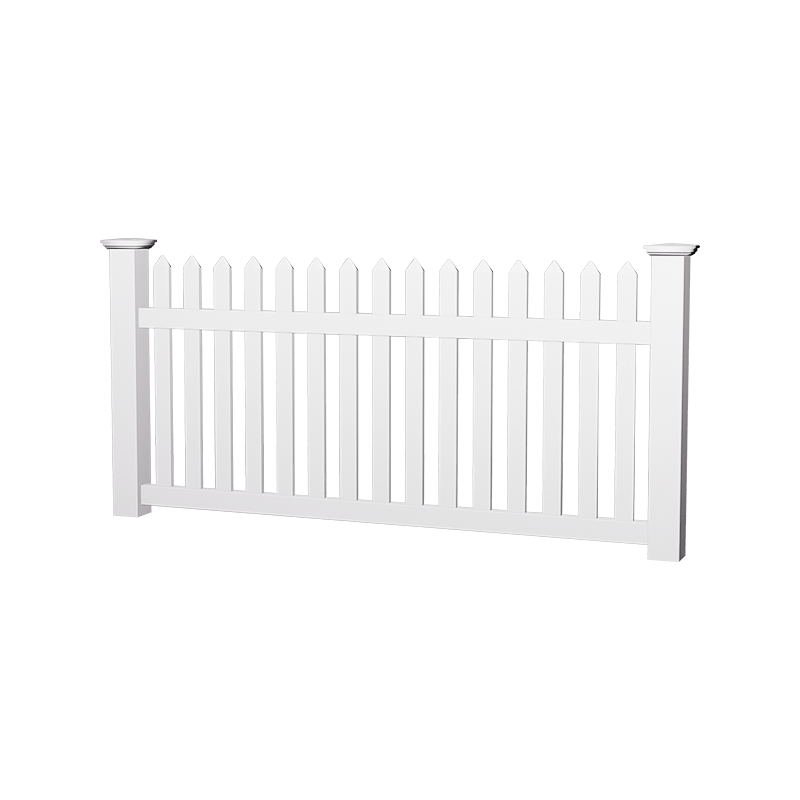
Enhance your home’s exterior with our Traditional Straight Spade Fence, crafted from 100% virgin PVC for exceptional durability and style. This low-maintenance solution is designed for easy installati...
See Details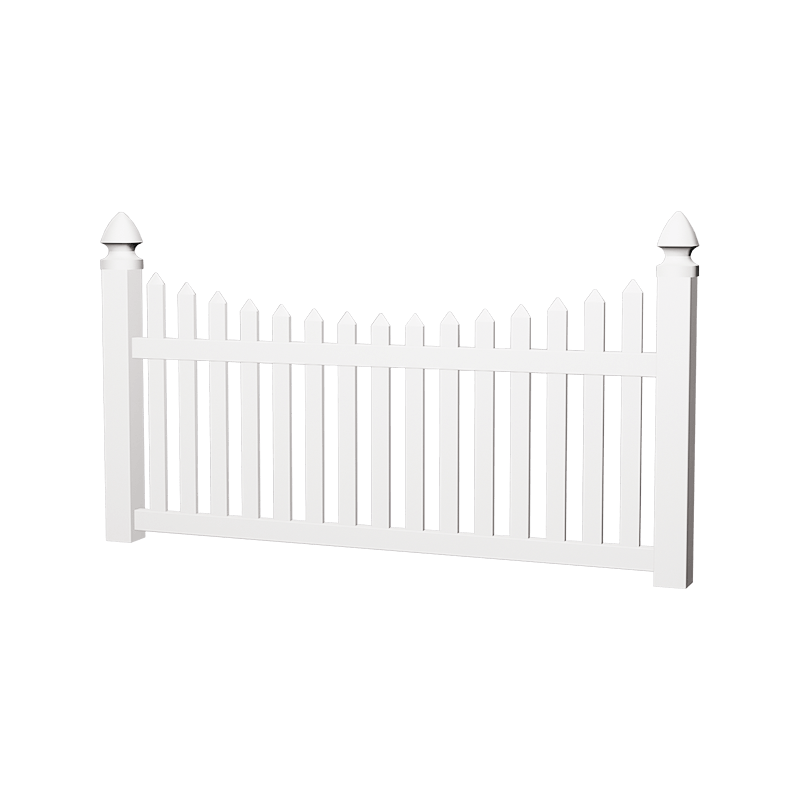
Transform your outdoor space with our 7/8"x3" Outdoor Picket Fence, specifically designed for farm use and outdoor applications. Crafted from 100% Virgin PVC, this durable and high-impact resistant fe...
See Details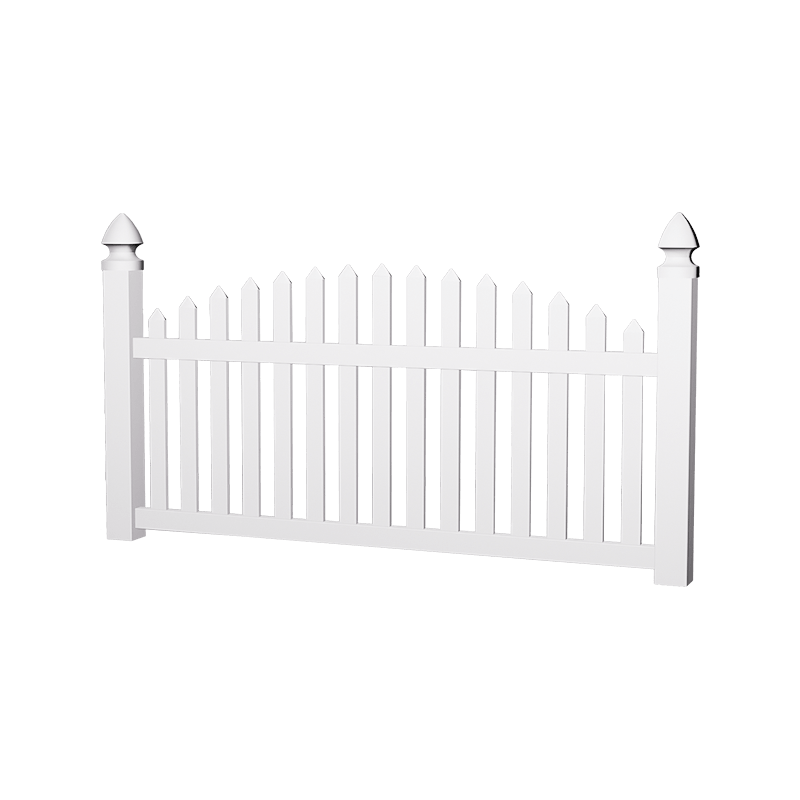
Enhance your farm's aesthetic and functionality with our PVC Arched Picket Fence. Crafted from 100% virgin PVC, this durable and stylish fencing solution combines the classic charm of traditional pick...
See Details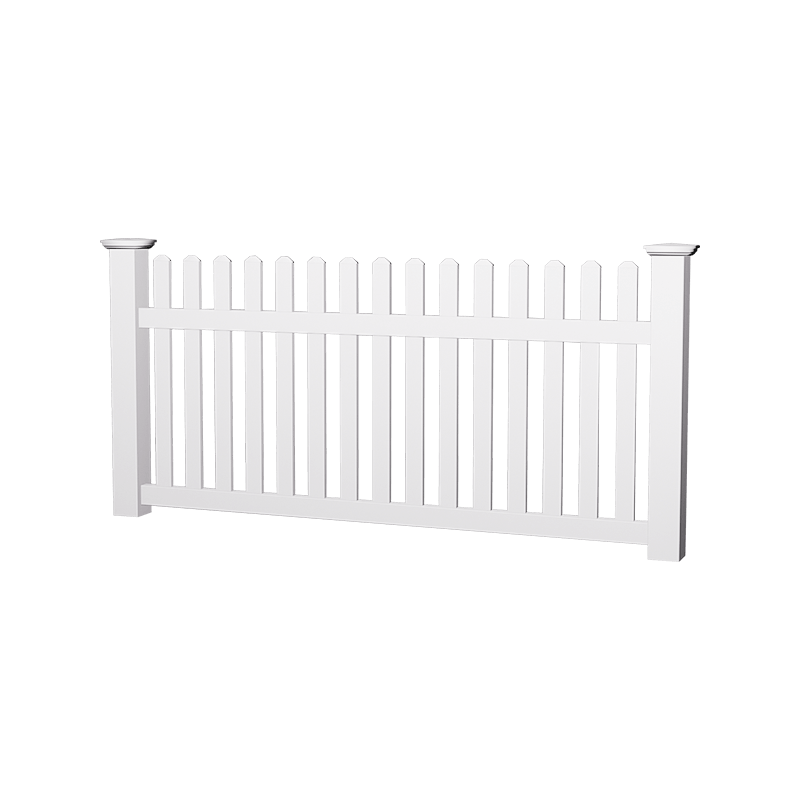
Our durable and versatile Picket Fence, designed specifically for farm use. Crafted from 100% virgin PVC plastic, this fence panel is not coated, ensuring superior quality and longevity. With dimensio...
See Details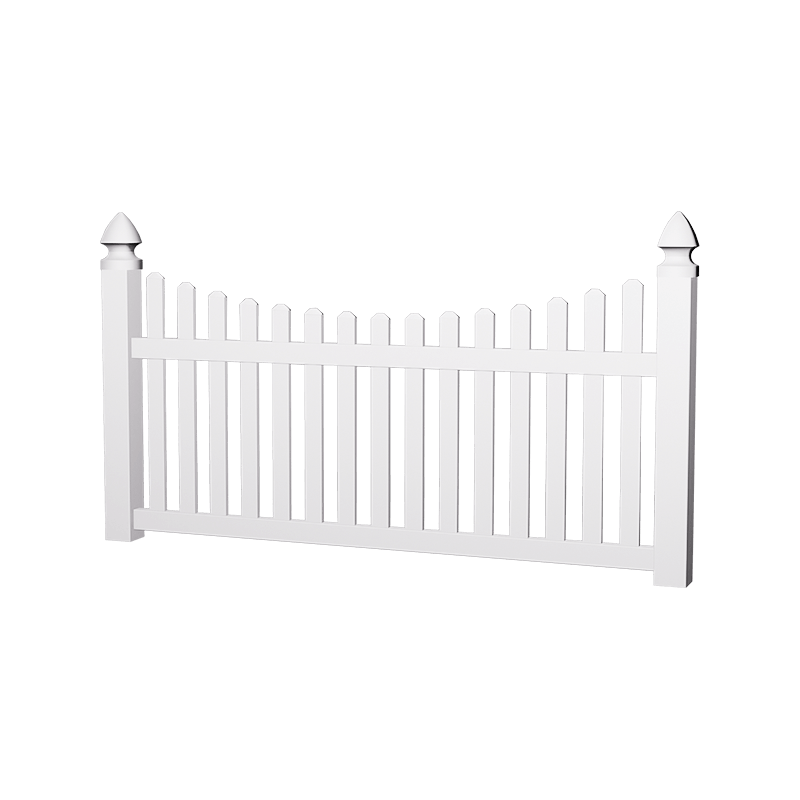
Introducing our 7/8"x3" Plastic Picket, designed specifically for farm applications. Crafted from 100% virgin PVC, this picket is not coated, ensuring maximum durability and resistance to impacts. Wit...
See Details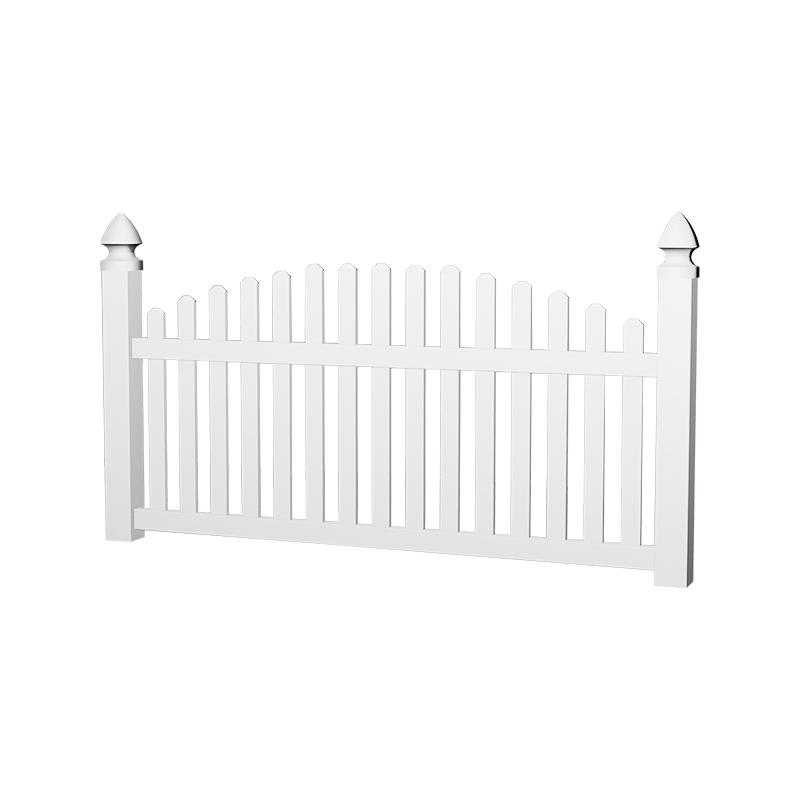
The Dog Ear Top Garden Fence, the ultimate solution for your farm fencing needs. Crafted from 100% virgin PVC, this fence is designed to withstand the elements without the worry of rot or decay, makin...
See Details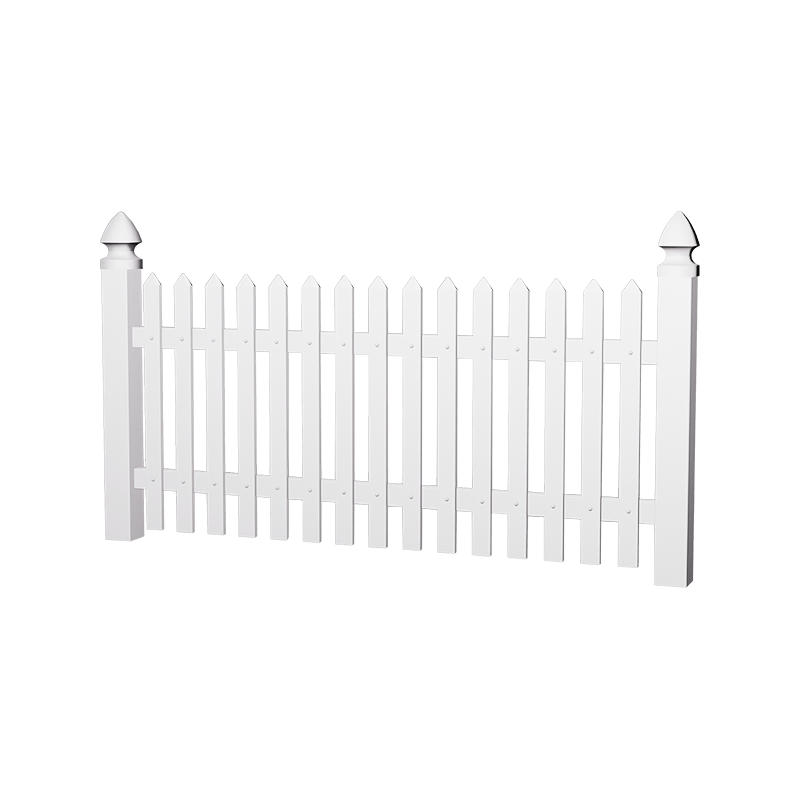
Decorate your outdoor spaces with our durable and stylish PVC Face Mounted Pickets Fence. Designed for easy installation and long-lasting performance, this fence is perfect for residential and commerc...
See Details
Our White Vinyl Fence, measuring 4'H x 8'W, designed for both functionality and aesthetics. Made from 100% virgin PVC plastic, this fence is not coated, ensuring unmatched durability and resistance to...
See Details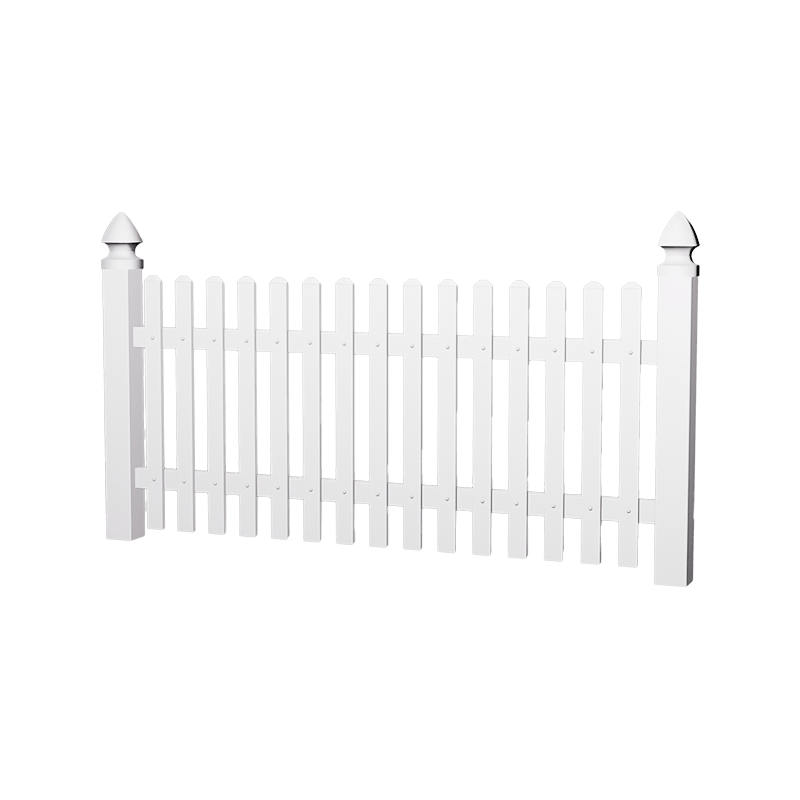
The Traditional Dog Ear Picket is an ideal choice for warehouses, combining aesthetic appeal with practicality. Made from 100% virgin PVC, this durable, low-maintenance fence resists rotting and water...
See Details
We are a professional manufacturer engaged in the research, development,
production, sale, and service of PVC fences and PVC flooring.
Contact Us
Mobile
Copyright © Deqing Huazhijie Railing & Fencing Co.,Ltd. All Rights Reserved.
 Custom Vinyl Fence Manufacturers
 English
 عربى
 中文简体
 Español