Welcome to Huazhijie!
 +86-572-8086381 / 8282992
 hzjfence1@hzjfence.com



Nov 04, 2026
When someone asks us for a “portable” PVC picket fence, the first thing we do is ask where it will stand and how often it will move. A picket fence that stays in one garden for a decade needs different details from a fence that goes up for a weekend market, comes down before a rental inspection, or gets rearranged around a seasonal display. The word “portable” sounds simple, but it covers several different jobs.
We have been making PVC fencing since 2003, and our factory has produced picket panels, posts, rails, feet, and connectors for customers in many markets. That experience has taught us a practical lesson: portability is not only about making a fence lighter. It is about making the whole system easy to carry, stable enough to stand, and simple enough to take apart without losing parts. A good portable picket fence feels more like a well-designed tool than a temporary compromise.
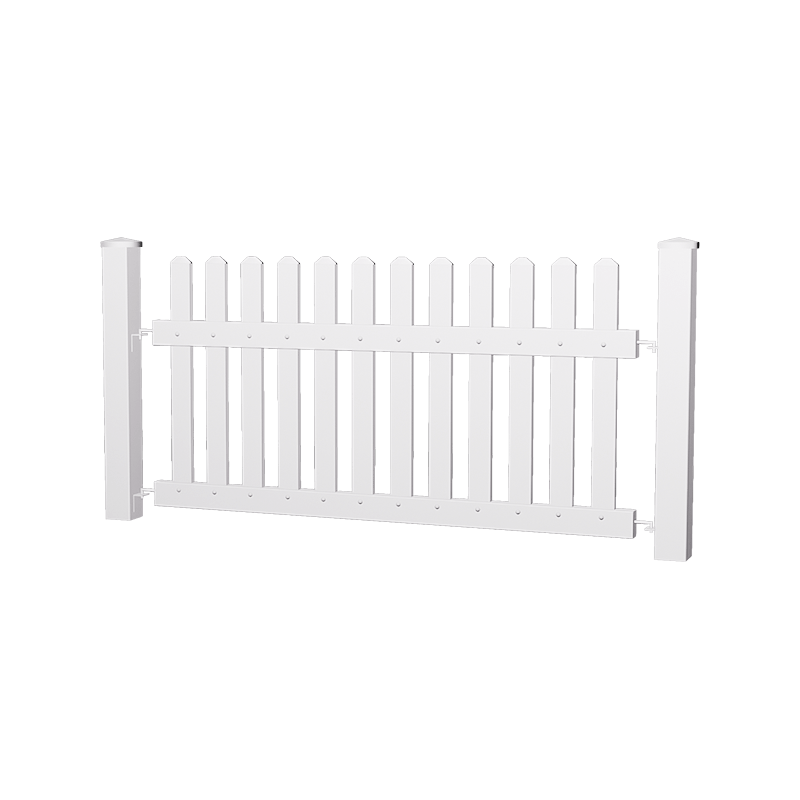
 PVC Portable Picket Fence Panels for Temporary BoundariesLightweight PVC picket sections with pre-mounted posts, rails, and pickets suit temporary event boundaries and stack for transport.View Product →
Content
A traditional picket fence is usually fixed in the ground with posts set in concrete. A portable version borrows the same visual language, but changes the way the fence meets the ground. Instead of buried posts, it often uses removable feet, weighted bases, ground stakes, or panel connectors. The pickets and rails still create the familiar outline, but the system can be lifted, stacked, and moved.
That difference matters. A portable PVC picket fence should be light enough for one or two people to handle, rigid enough to stand without constant adjustment, and simple enough that setup does not require a truck full of tools. The main factors are:
Portable picket fencing is not a replacement for a permanent boundary or a code-compliant pool barrier. It is better understood as a flexible visual boundary. That makes it useful in situations where a fixed fence would be too expensive, too slow, or simply too much commitment.
For projects that need more privacy than an open picket design, a solid temporary panel may be the better fit. The same portable logic still applies: lightweight panels, simple connections, and a base system that suits the surface.
 Portable Vinyl Temporary Fence Panels for Events and SitesSolid PVC panels with hooks and pre-mounted steel post plates provide a reusable privacy barrier for events, queues, and site separation.View Product →
The base is where most portable fences succeed or fail. On hard surfaces, broad flat feet spread the load and protect the surface from sharp edges. On grass, a stake or weighted foot may be needed to stop the panel from tipping in a breeze. It is worth asking how the feet attach, whether they can be replaced, and whether they leave a clean profile when the fence is packed away.
A 4 ft height is common for portable picket systems because it is easier to carry and store than a 6 ft panel. Lower panels are also less likely to catch wind, though stability still depends on the base and layout. Picket spacing is a visual and practical choice. A tighter spacing looks more enclosed and can help with small pets, while a more open spacing keeps the fence light and lets the garden show through.
Portable fence panels should connect firmly but come apart without tools. Look for connectors that stay attached to the panel, or at least use a consistent fastener that is easy to replace. Stacking matters too. If the pickets face each other when stacked, they can scuff. A simple storage plan, such as keeping panels upright in a rack or stacking them with a protective layer between faces, helps the fence stay presentable.
The exact steps depend on the product, but a sensible sequence works for most portable picket systems:
Take-down should be just as deliberate. Clean and dry the panels before stacking, count the feet and connectors, and store them together. A few minutes of order at the end of a job saves a lot of time at the next setup.
Buyers often focus on the picket profile first because it is the most visible part. In practice, the specification should start with the surface, the amount of handling, and the look you need from a short distance. The table below is a simple way to compare the details that affect portability.
| Specification | What to check | Why it matters |
|---|---|---|
| Panel height | 4 ft is a common hand-carried height; taller panels need more planning | Affects stability, storage, and one-person setup |
| Picket spacing | Check gaps for the intended use, especially with pets | Smaller gaps contain better but add weight |
| Base or foot style | Flat feet, weighted feet, or stake-down options | Determines wind resistance and surface protection |
| Panel connections | Hinged, pin, or bracket connections | Faster assembly and fewer loose parts |
| Storage format | Stackable panels and removable feet | Saves space and protects pickets between jobs |
For a recurring event, consistency matters more than a custom look. For a garden trial, appearance may lead. For a rental property, storage space and setup time often decide the purchase. Write down those priorities before comparing samples, and the specification becomes much clearer.
Whether you are buying one set for a venue or sourcing for a distributor, the same questions keep coming up. Ask how the panels are packed, whether feet and connectors are included, and how replacement parts are handled. If the fence will be used outdoors for long periods, ask about UV exposure and color stability. PVC is a practical outdoor material because it does not rot, splinter, or rust like timber and steel, but the formulation and finish still matter.
Good suppliers will not pretend that one portable fence fits every job. They will help you match the panel, base, and connector to the way the fence will actually be used.
PVC fencing is low-maintenance, but “low” does not mean “none.” A quick wash with mild soap and water removes dust and marks from handling. Avoid abrasive pads on glossy surfaces. Check the feet and connectors for wear, and tighten or replace anything that has worked loose. When the fence is not in use, store it dry and out of direct sun where possible. These small habits keep the fence looking neat and extend the time between replacements.
A portable PVC picket fence is at its best when the job calls for a friendly boundary that can move with the plan. It gives you the look of a classic picket fence without the commitment of concrete and buried posts. If you are comparing options for an event space, rental property, garden trial, or commercial display, our team can help you work through panel height, picket spacing, base style, and packing. Contact us with the surface, layout, and storage details, and we will help you narrow the choice to a practical specification.
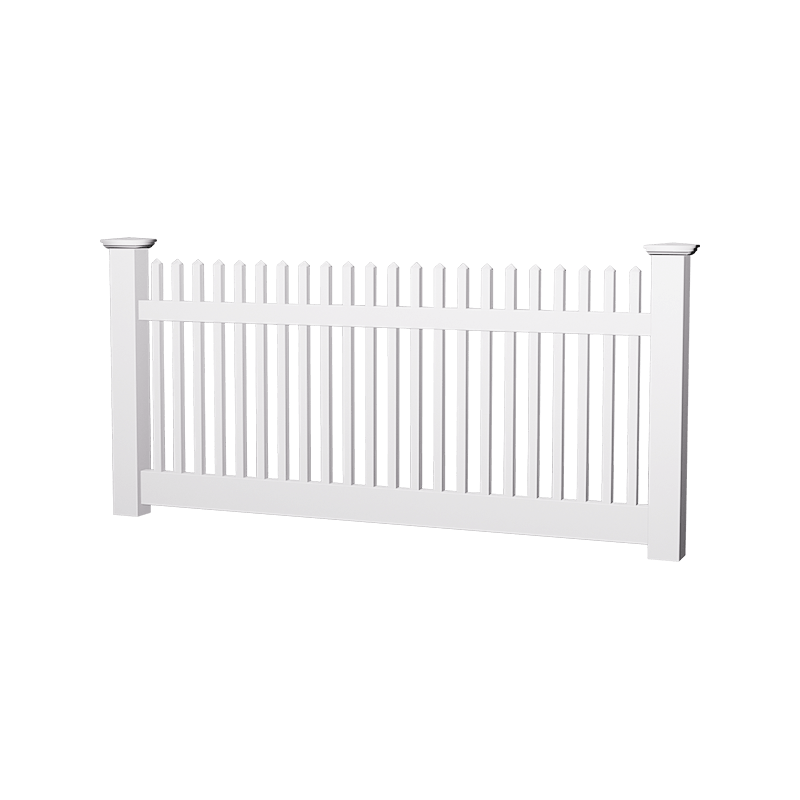
Our 1.5"x1.5" Horizontal Picket Fence, the ultimate garden solution made from 100% virgin PVC for unmatched durability and low maintenance. Designed for easy DIY installation, this fire-proof fence re...
See Details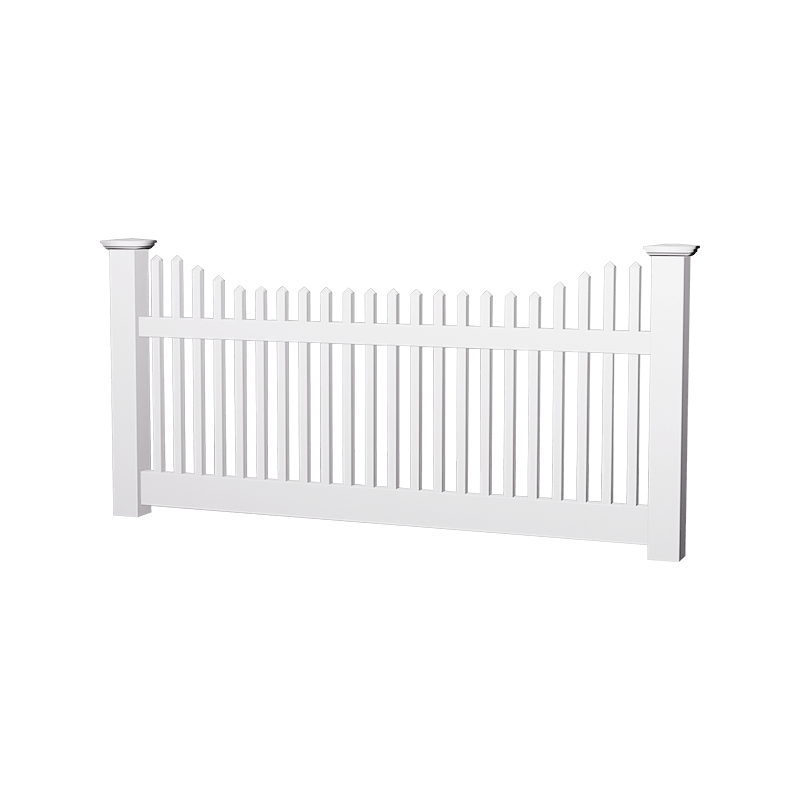
The Special-Shaped Picket Fence, the perfect addition to any home. Crafted from 100% virgin PVC, this fence combines durability and elegance with low maintenance requirements. Designed for easy DIY in...
See Details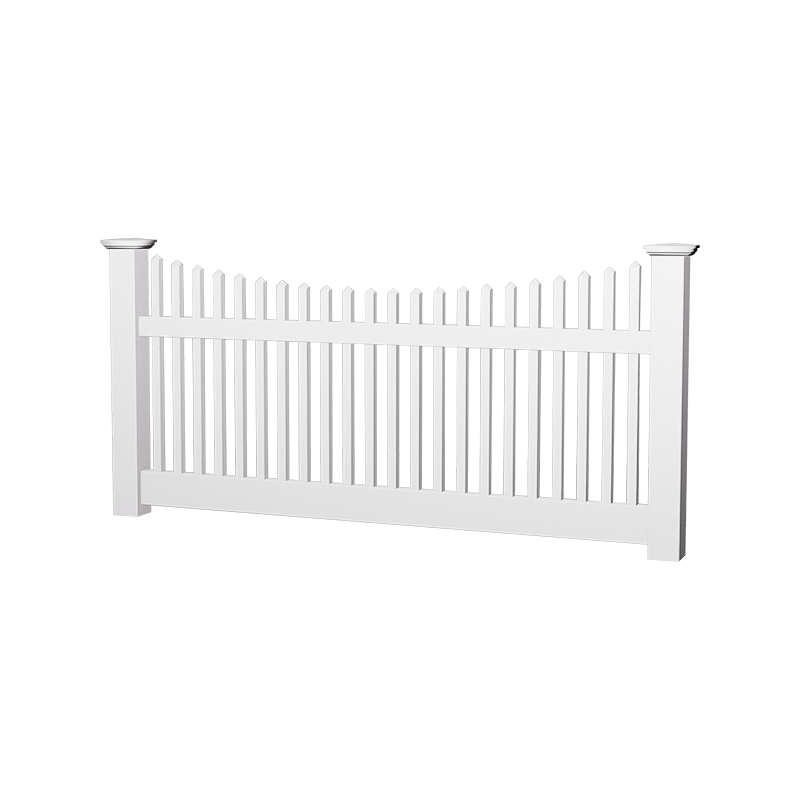
The Special-Shaped Picket Fence, the perfect addition to any home. Crafted from 100% virgin PVC, this fence combines durability and elegance with low maintenance requirements. Designed for easy DIY in...
See Details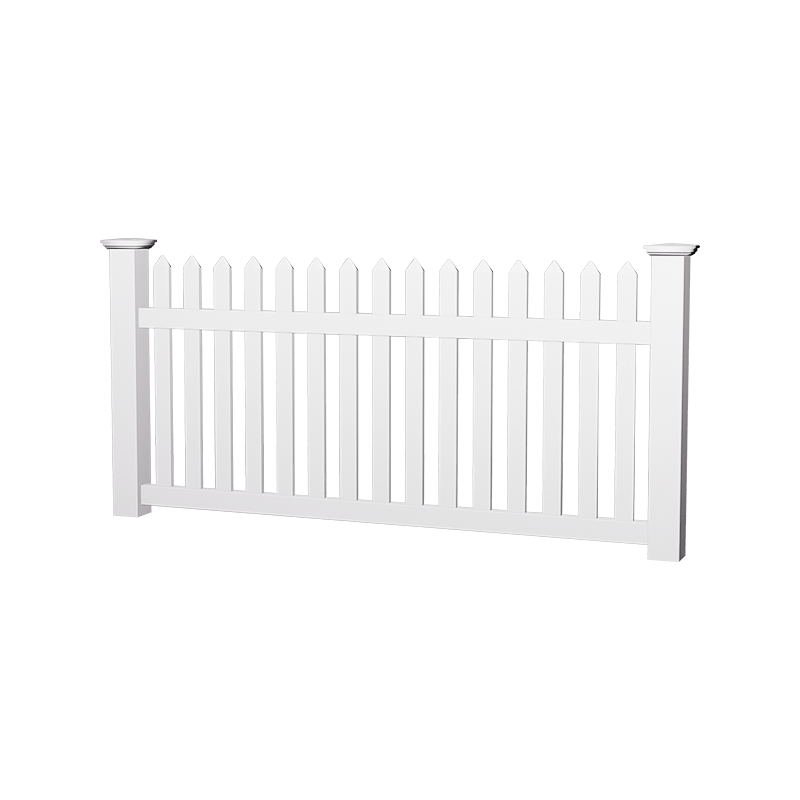
Enhance your home’s exterior with our Traditional Straight Spade Fence, crafted from 100% virgin PVC for exceptional durability and style. This low-maintenance solution is designed for easy installati...
See Details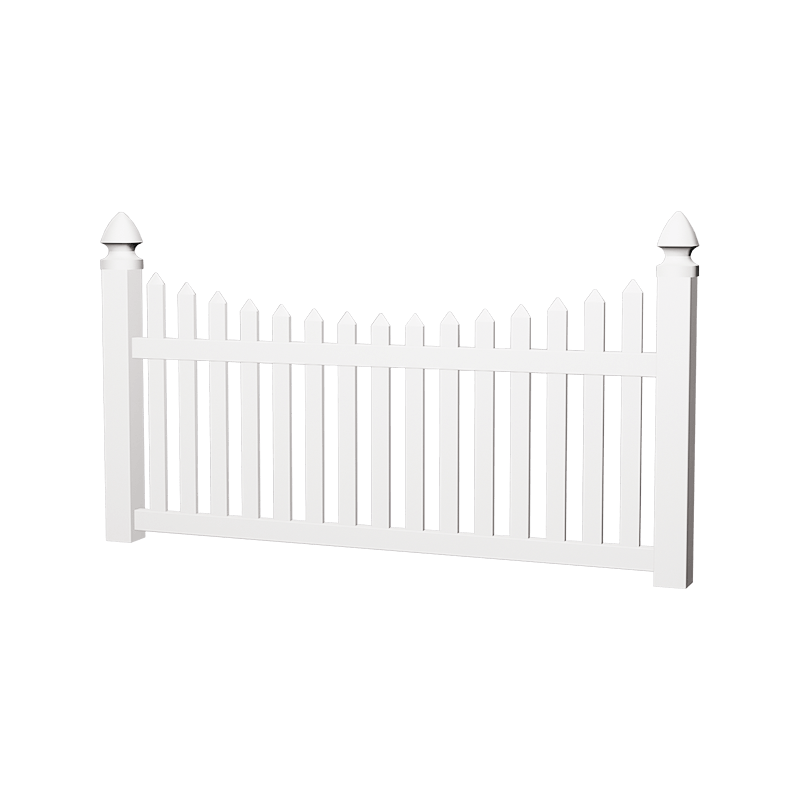
Transform your outdoor space with our 7/8"x3" Outdoor Picket Fence, specifically designed for farm use and outdoor applications. Crafted from 100% Virgin PVC, this durable and high-impact resistant fe...
See Details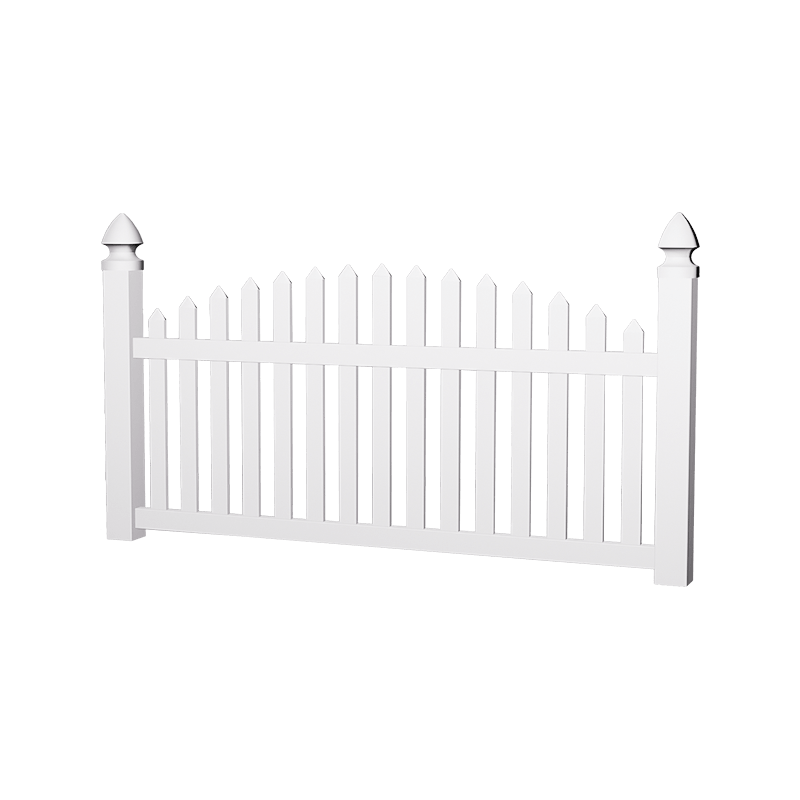
Enhance your farm's aesthetic and functionality with our PVC Arched Picket Fence. Crafted from 100% virgin PVC, this durable and stylish fencing solution combines the classic charm of traditional pick...
See Details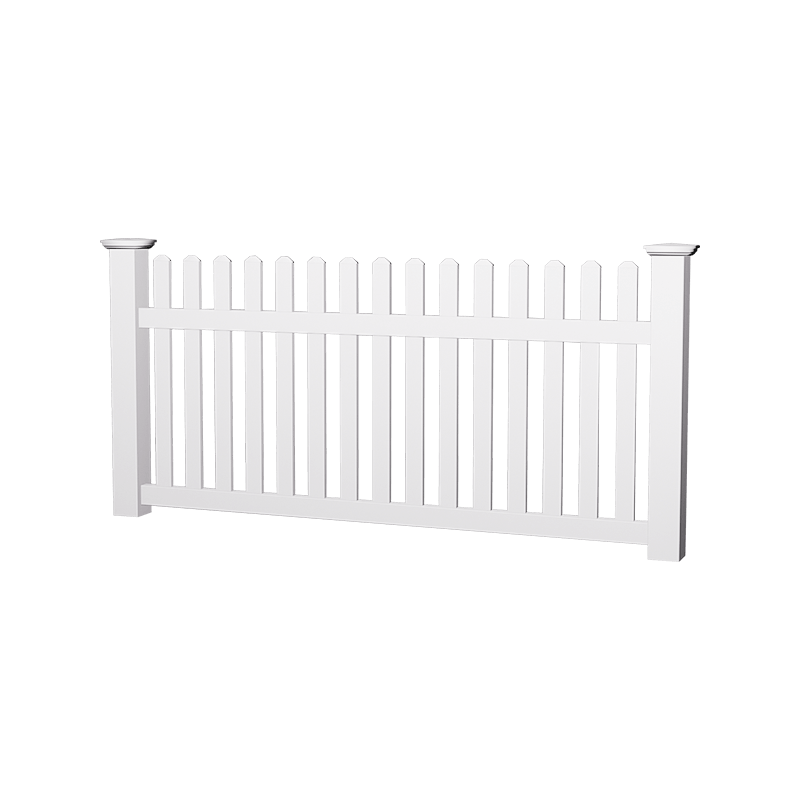
Our durable and versatile Picket Fence, designed specifically for farm use. Crafted from 100% virgin PVC plastic, this fence panel is not coated, ensuring superior quality and longevity. With dimensio...
See Details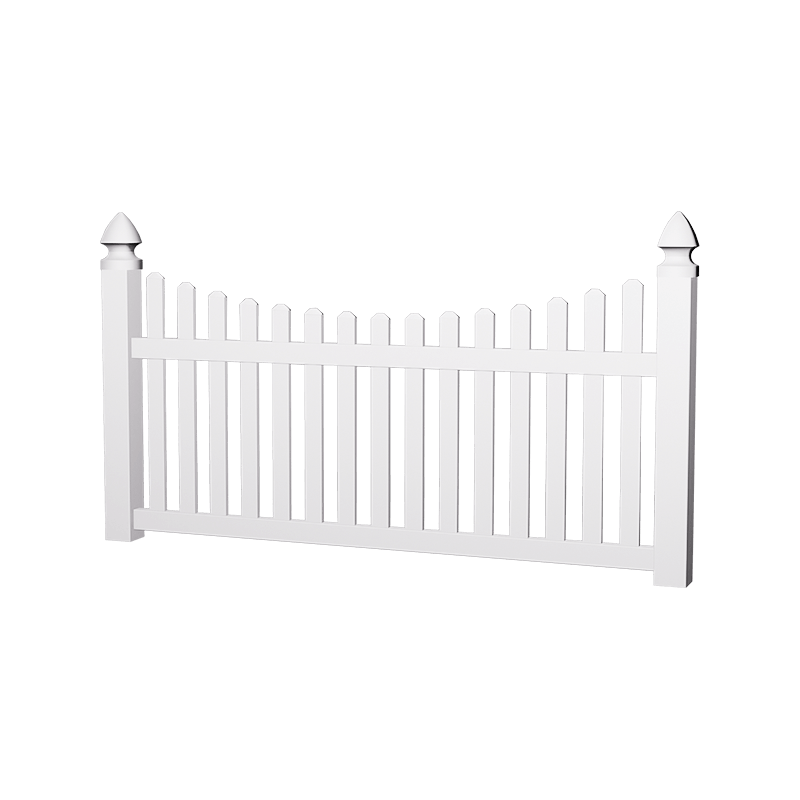
Introducing our 7/8"x3" Plastic Picket, designed specifically for farm applications. Crafted from 100% virgin PVC, this picket is not coated, ensuring maximum durability and resistance to impacts. Wit...
See Details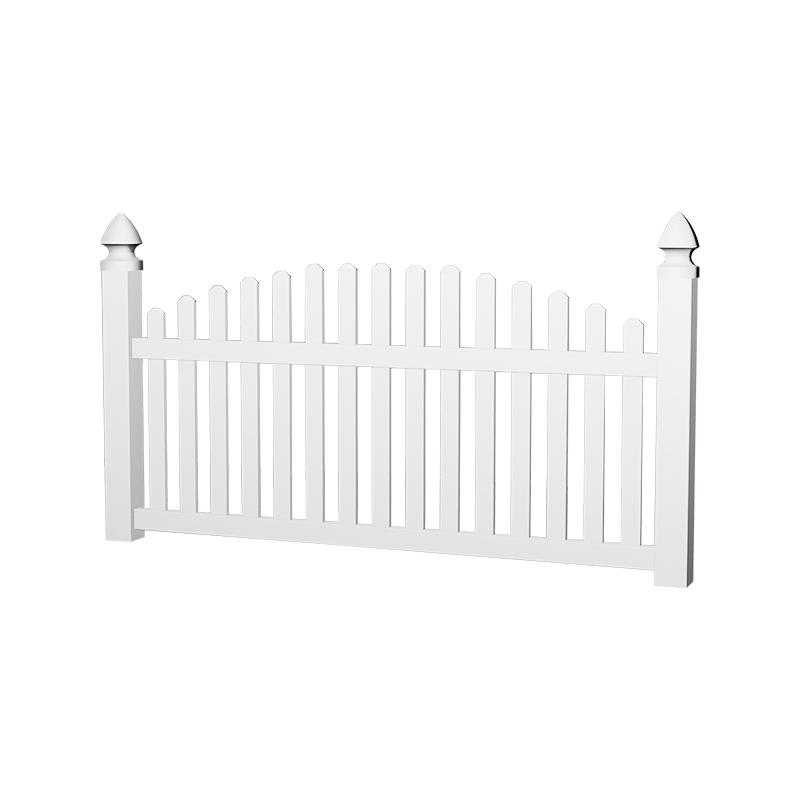
The Dog Ear Top Garden Fence, the ultimate solution for your farm fencing needs. Crafted from 100% virgin PVC, this fence is designed to withstand the elements without the worry of rot or decay, makin...
See Details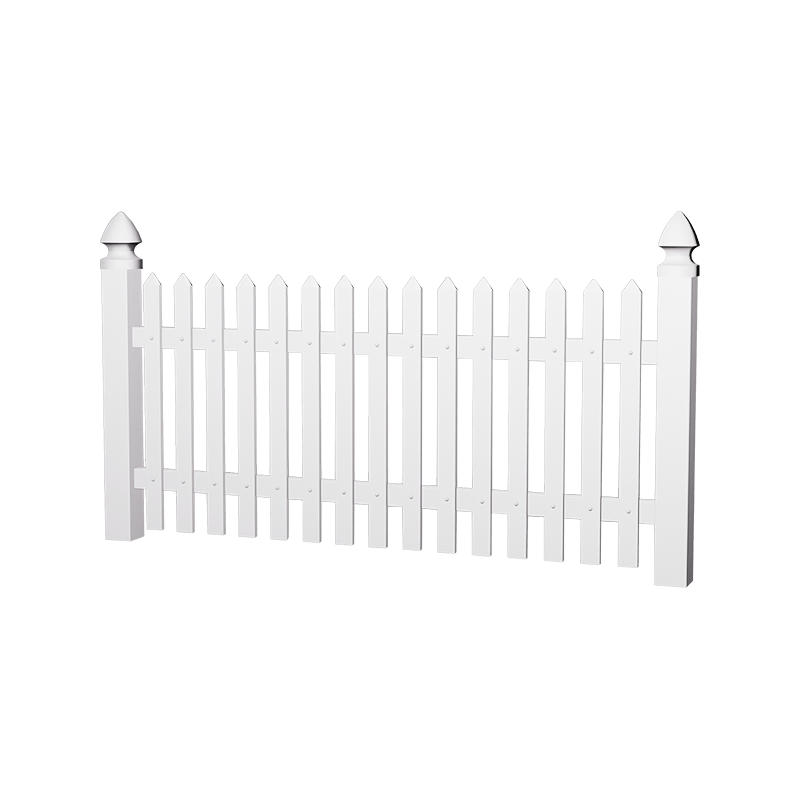
Decorate your outdoor spaces with our durable and stylish PVC Face Mounted Pickets Fence. Designed for easy installation and long-lasting performance, this fence is perfect for residential and commerc...
See Details
Our White Vinyl Fence, measuring 4'H x 8'W, designed for both functionality and aesthetics. Made from 100% virgin PVC plastic, this fence is not coated, ensuring unmatched durability and resistance to...
See Details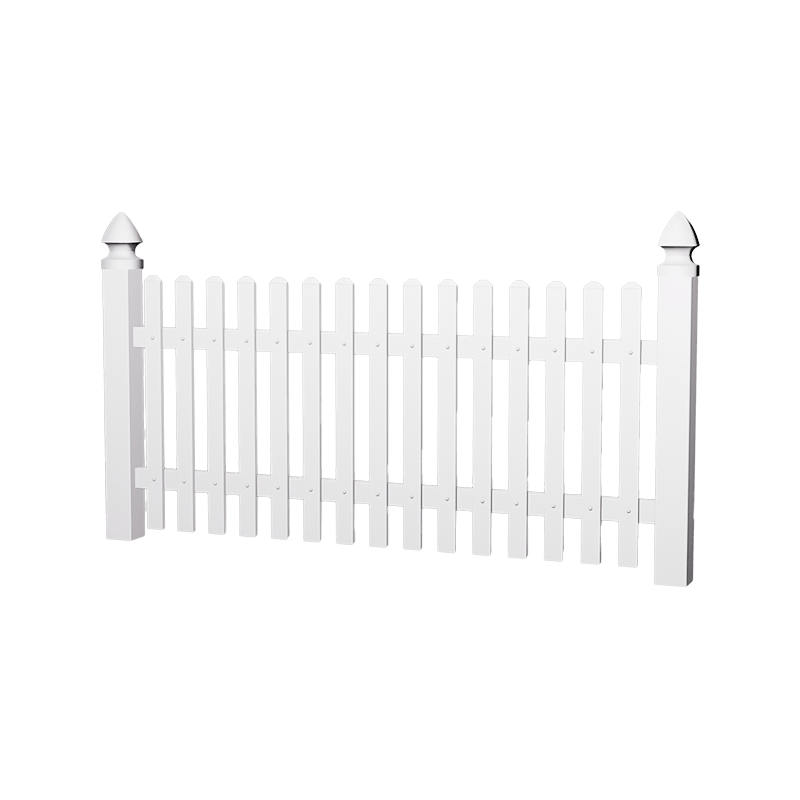
The Traditional Dog Ear Picket is an ideal choice for warehouses, combining aesthetic appeal with practicality. Made from 100% virgin PVC, this durable, low-maintenance fence resists rotting and water...
See Details
We are a professional manufacturer engaged in the research, development,
production, sale, and service of PVC fences and PVC flooring.
Contact Us
Mobile
Copyright © Deqing Huazhijie Railing & Fencing Co.,Ltd. All Rights Reserved.
 Custom Vinyl Fence Manufacturers
 English
 عربى
 中文简体
 Español