Welcome to Huazhijie!
 +86-572-8086381 / 8282992
 hzjfence1@hzjfence.com



Oct 26, 2026
Horses have a talent for finding the weak point in any fence. That is exactly why so many yards keep a set of pvc horse temporary fence panels within easy reach: when the layout has to change this afternoon rather than next month, the temporary option is the one that actually gets used. We have been extruding PVC fence profiles at our factory in Huzhou since 2003, and over the years the questions we hear about temporary horse fencing have become remarkably consistent — how many rails, what height, will it stay upright in wind, and can one person move it alone. This guide answers those questions in plain terms.
Content
A temporary fence is not simply a cheaper version of a permanent one. It solves a different problem: short-term separation that can be shifted by hand and stacked flat when the job is finished. In practice, we see horse owners and yard managers use it for:
Boundaries also shape behaviour. A clear, visible line teaches a horse where the edge is long before it tests the fence, and that is a training conversation as much as a fencing one. Our colleagues have written separately about how fencing supports horse training, and the thinking applies just as well to a movable panel as to a fixed rail.
Temporary horse fencing is modular by design: rails, posts, bases and connectors that assemble without digging. Because nothing is set in concrete, every joint carries more load than it would on a fixed fence, so the hardware matters as much as the rail.
Rail count is the first decision. Two rails keep a quiet horse in a small area; three rails cover most routine turnout; four rails suit larger paddocks and livelier animals; a cross-rail pattern adds a visible diagonal that horses seem to read well from a distance. These configurations mirror the fixed horse fence families we build — HDA two-rail, HDB three-rail, HDC four-rail and HDD cross — which makes it easier to match a temporary pen to the perimeter fencing already on the property.
A temporary post is only as good as what holds it up. Weighted bases, wide flat feet and rubber pads all work, but they behave differently on grass, gravel and concrete. On soft ground, a driven sleeve or a stake-through base usually beats pure ballast; on hardstanding, a broad weighted foot is the practical answer.
Plan the gate before you plan the panels. A three-metre opening is generous for a handler leading a horse; a narrow gap encourages pushing and swinging. Hinged sections with a simple, high-set latch work well, provided the latch cannot be nudged open by a curious nose.
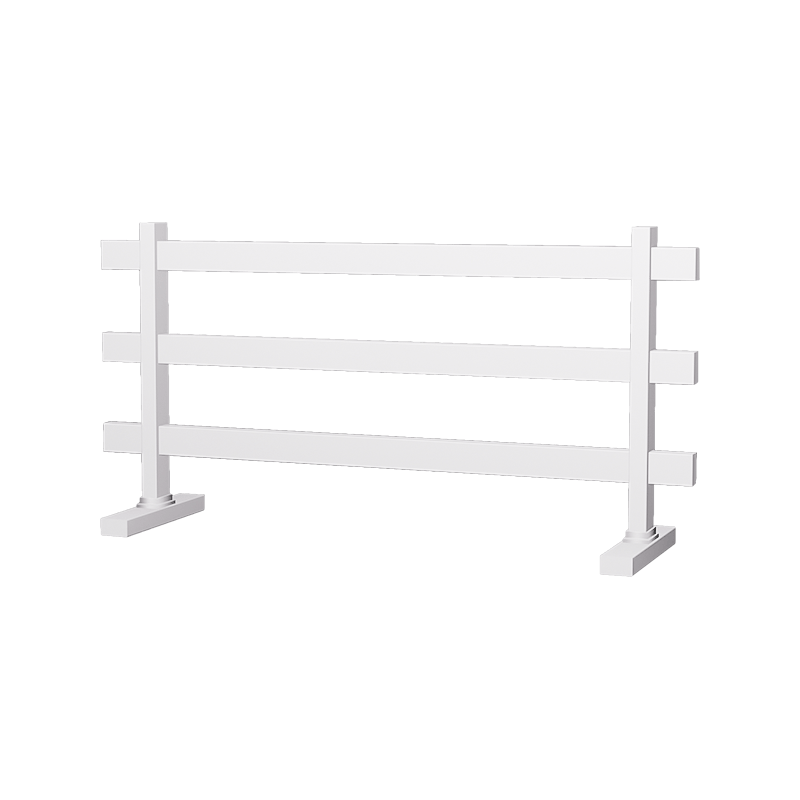 PVC Horse Temporary Fence Panels for Portable EnclosuresPortable 36-inch by 72-inch PVC sections with pre-mounted posts and three rails, useful for flexible horse pens, events, and temporary livestock enclosures.View Product →
The table below is a starting point rather than a rulebook. Horse size, ground conditions and local expectations should always have the final word.
| Configuration | Common height | Good fit for | Watch out for |
|---|---|---|---|
| Two rails | Around 4 ft | Quiet handling areas, lane dividers, short vet pens | Too open for young or playful horses |
| Three rails | 4 to 5 ft | Everyday turnout, clinics, weaning pens | Needs firm corner weighting in exposed spots |
| Four rails | 5 to 6 ft | Larger paddocks, studs, energetic animals | Heavier sections, so plan for two people |
| Cross rail | 5 to 6 ft | Training rings, lunging areas, roadside pens | More joints to inspect each time you set up |
Most complaints about temporary fencing trace back to the first ten minutes of installation, not to the product. This sequence keeps things honest:
Wind deserves its own line. Solid PVC panels catch air like sails, so on exposed ground use fewer rails, leave deliberate gaps, or orient long runs to break the prevailing wind.
Both have a job, and most properties eventually need both. Temporary fencing is for flexibility: rotation, events, treatment, short stays. A permanent perimeter is for the boundary that must not move for fifteen years. If a temporary pen has quietly become a full-time paddock, that is the moment to look at a fixed run instead, such as a four-rail ranch style built from the same PVC profile system and set in ground.
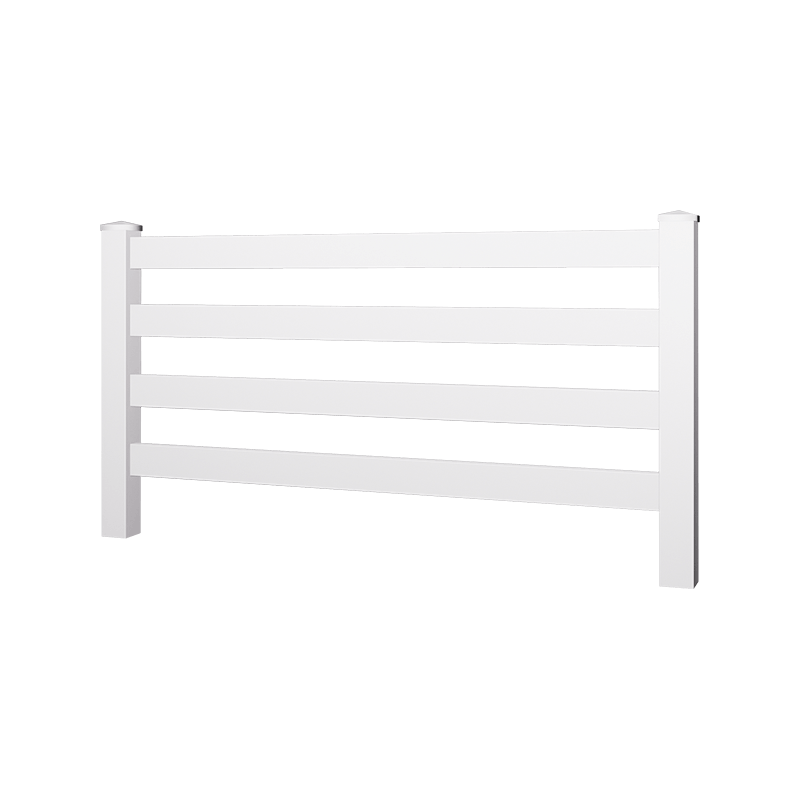 HDC Four-Rail PVC Ranch Fence for Permanent PaddocksA 54-inch open-rail vinyl fence with four ribbed rails and pre-routed posts, suited to fixed horse paddocks, boundaries, and farm lanes.View Product →
PVC is forgiving, but it is not indestructible. A few habits keep a set of temporary horse panels working for years:
Replacement rails and matching profiles are usually the practical fix rather than a new set, and standard components make that straightforward.
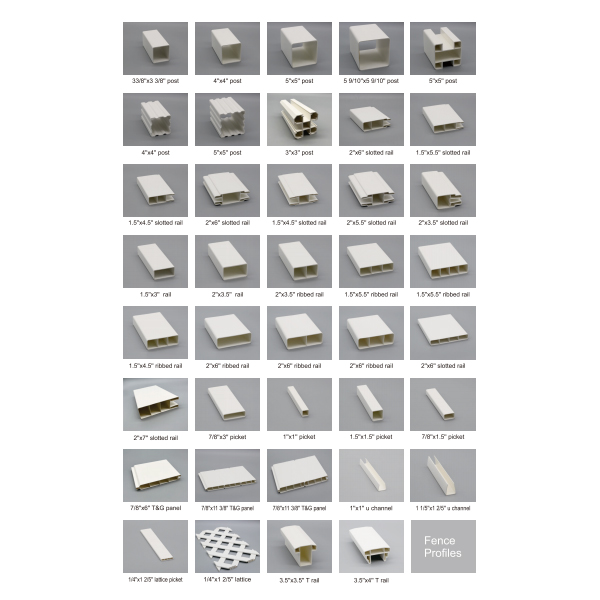 PVC Fence Profiles and Panels for Matching and SupplyVirgin PVC profiles and panels in multiple styles and colors, suited to matching profiles or sourcing fence components for residential, farm, and commercial projects.View Product →
For buyers sourcing in quantity — importers, farm supply distributors, contractors fitting out stables — a short checklist saves a long email thread:
We also handle OEM and ODM work, so profile tweaks, cap shapes and printed packaging can be discussed before tooling rather than after. If you would like to compare options across the wider range, the PVC fencing product catalogue is a sensible place to start.
Temporary horse fencing is one of those purchases that feels minor until the day it is needed in a hurry. Get the rail count and the bases right, set the corners properly, and store the panels with a little care, and a single set will cover years of moving pens, changing paddocks and one more horse than you planned for. If you are unsure which configuration fits your ground, send us the layout and a photo — after two decades of extrusion, we have usually seen something very close to it before.
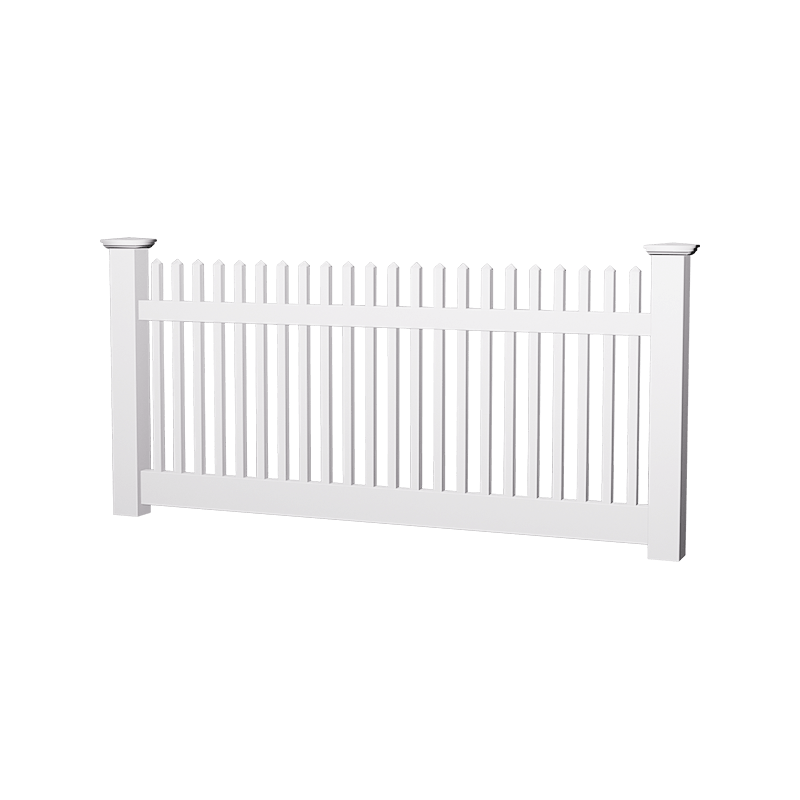
Our 1.5"x1.5" Horizontal Picket Fence, the ultimate garden solution made from 100% virgin PVC for unmatched durability and low maintenance. Designed for easy DIY installation, this fire-proof fence re...
See Details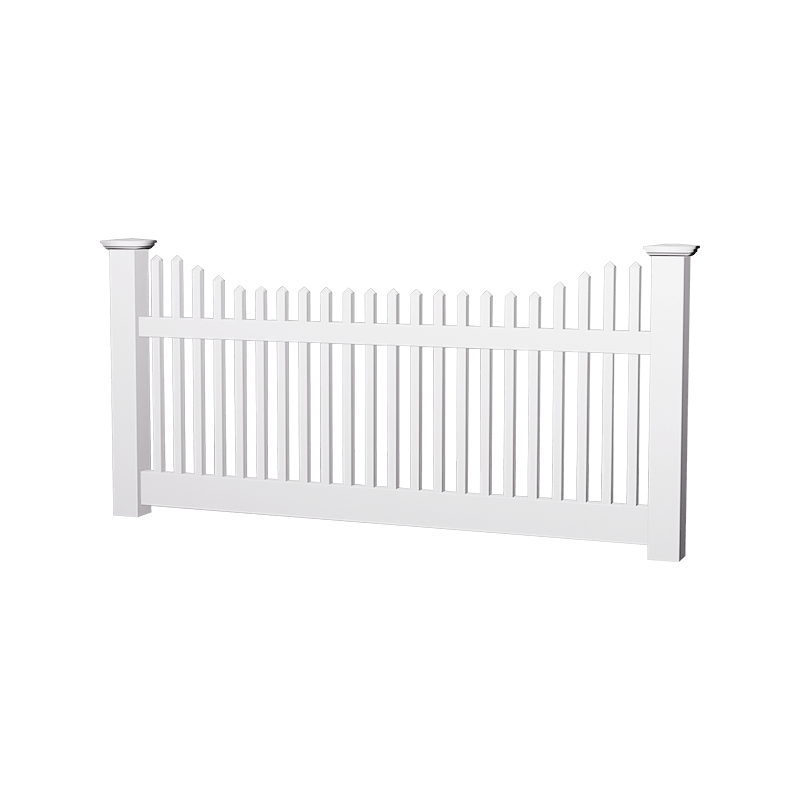
The Special-Shaped Picket Fence, the perfect addition to any home. Crafted from 100% virgin PVC, this fence combines durability and elegance with low maintenance requirements. Designed for easy DIY in...
See Details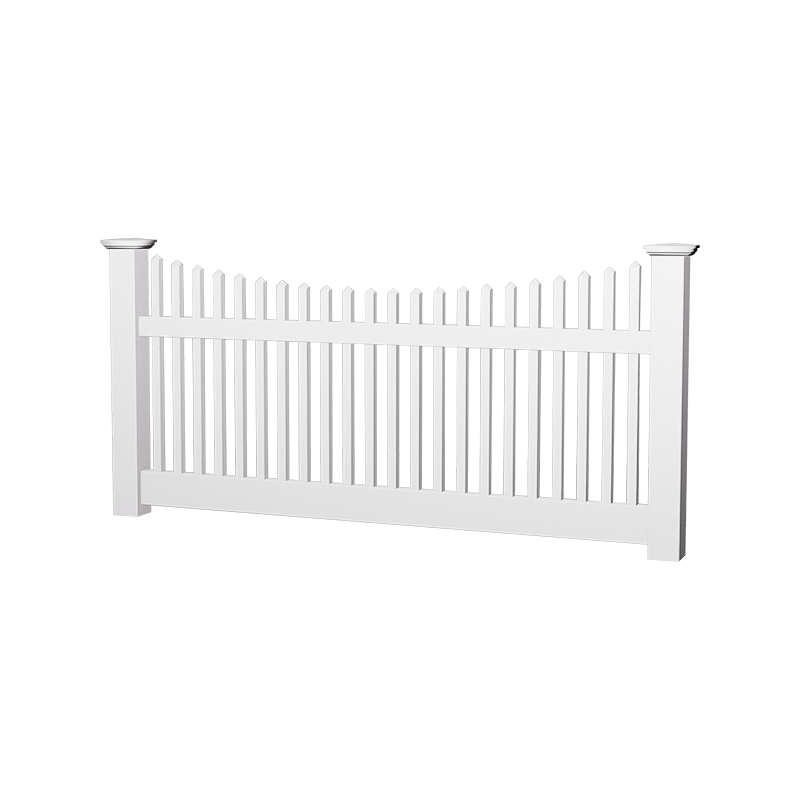
The Special-Shaped Picket Fence, the perfect addition to any home. Crafted from 100% virgin PVC, this fence combines durability and elegance with low maintenance requirements. Designed for easy DIY in...
See Details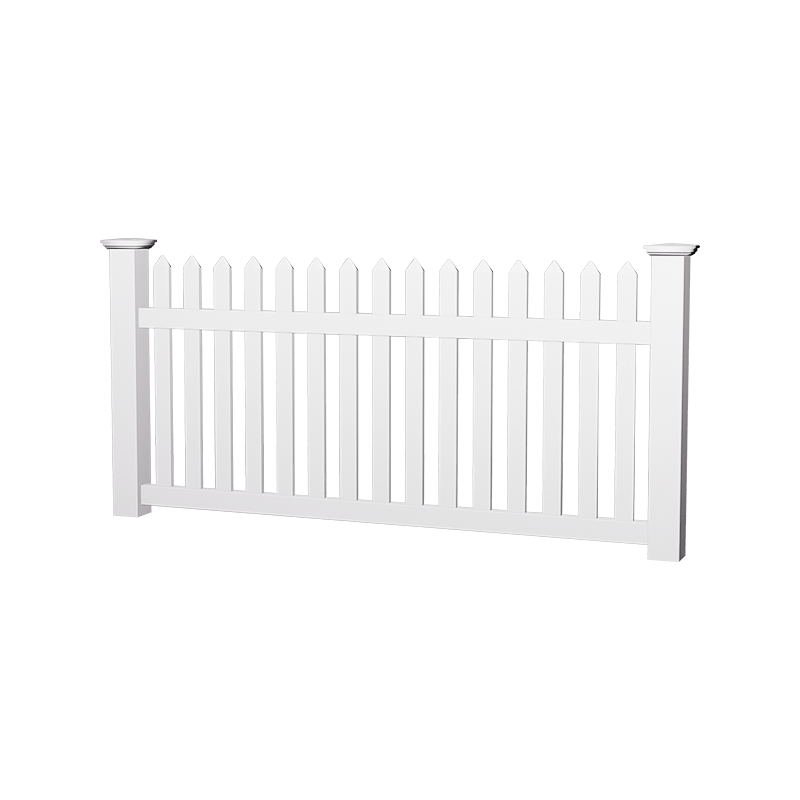
Enhance your home’s exterior with our Traditional Straight Spade Fence, crafted from 100% virgin PVC for exceptional durability and style. This low-maintenance solution is designed for easy installati...
See Details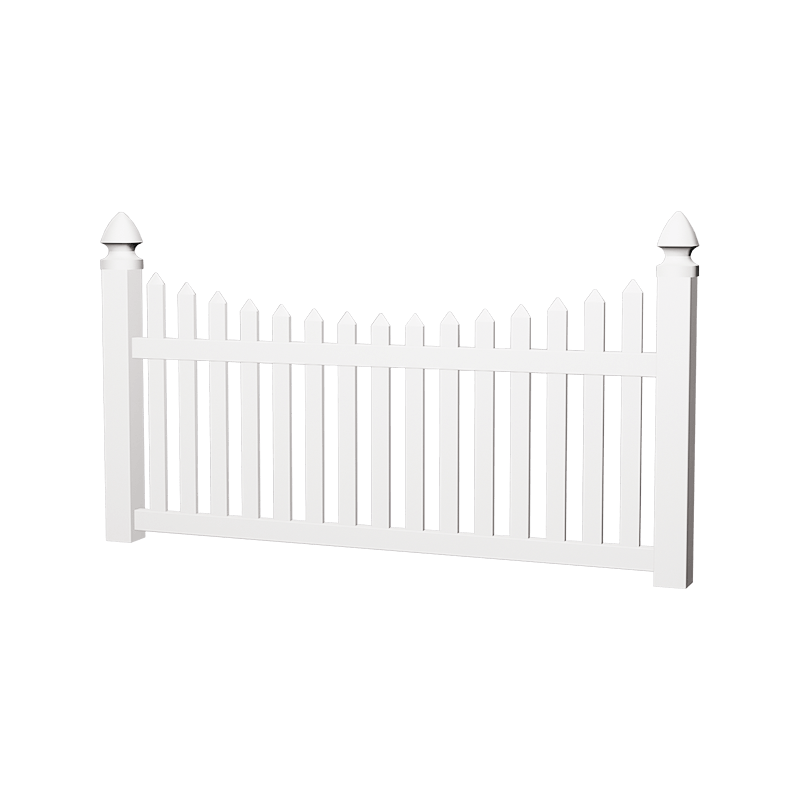
Transform your outdoor space with our 7/8"x3" Outdoor Picket Fence, specifically designed for farm use and outdoor applications. Crafted from 100% Virgin PVC, this durable and high-impact resistant fe...
See Details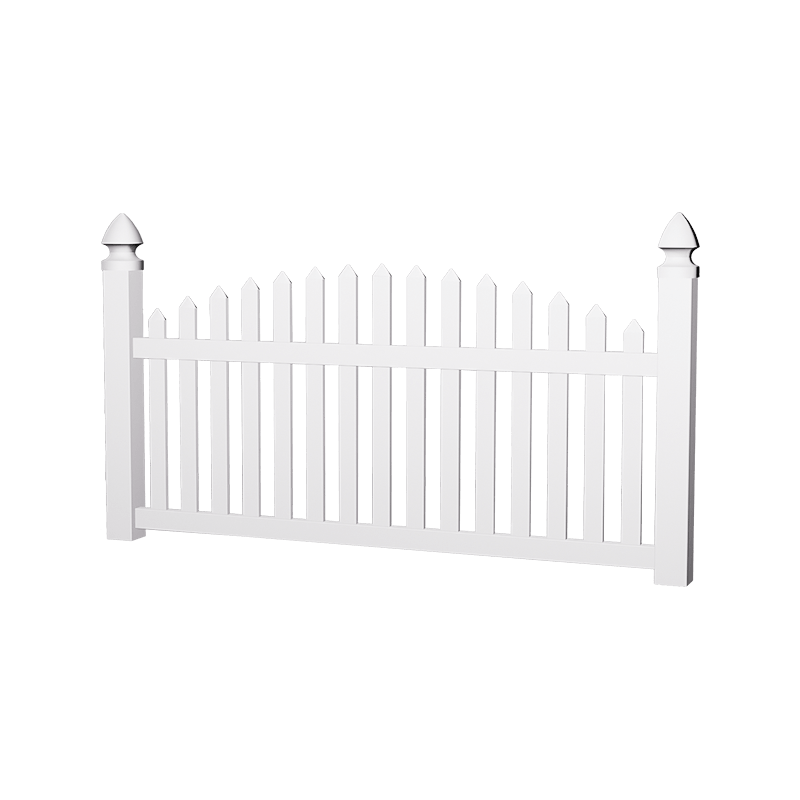
Enhance your farm's aesthetic and functionality with our PVC Arched Picket Fence. Crafted from 100% virgin PVC, this durable and stylish fencing solution combines the classic charm of traditional pick...
See Details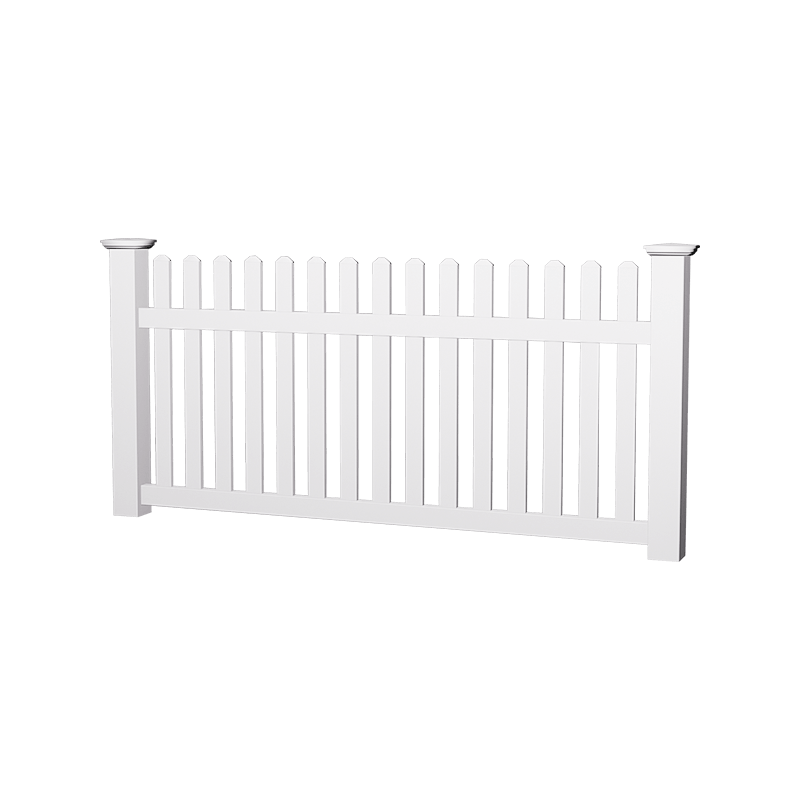
Our durable and versatile Picket Fence, designed specifically for farm use. Crafted from 100% virgin PVC plastic, this fence panel is not coated, ensuring superior quality and longevity. With dimensio...
See Details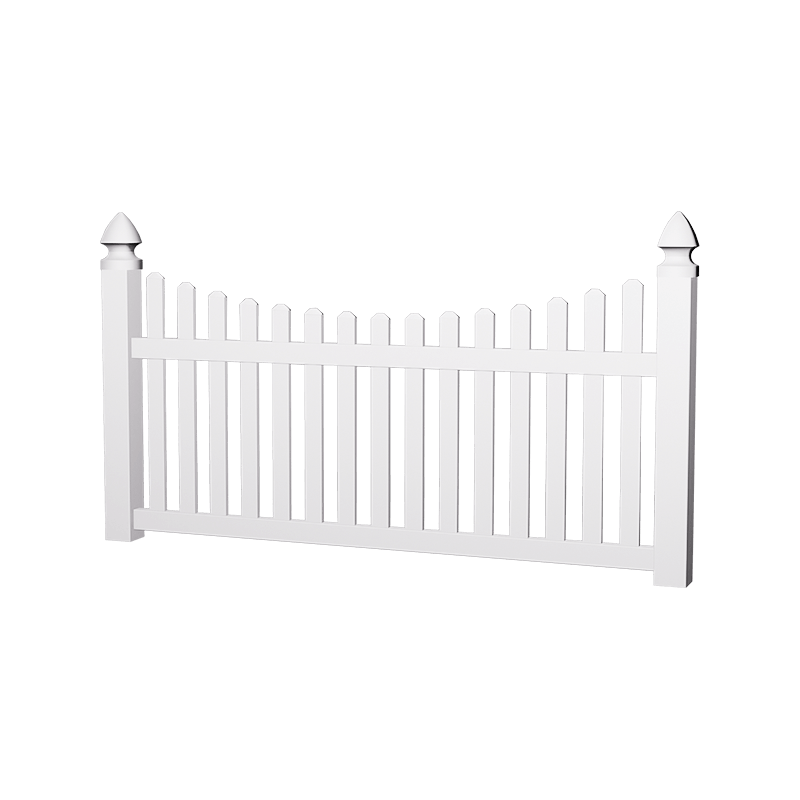
Introducing our 7/8"x3" Plastic Picket, designed specifically for farm applications. Crafted from 100% virgin PVC, this picket is not coated, ensuring maximum durability and resistance to impacts. Wit...
See Details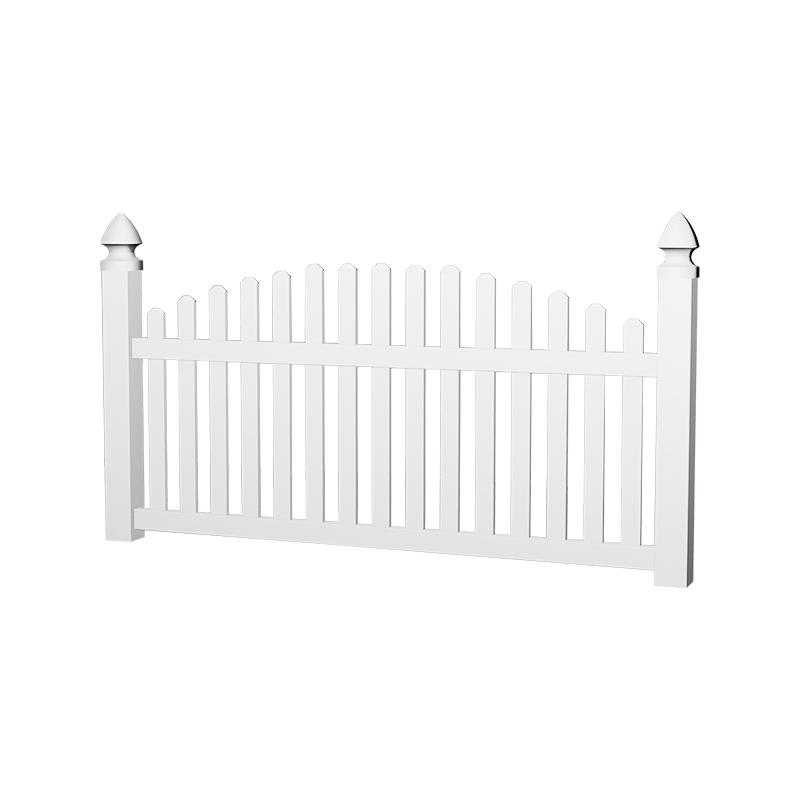
The Dog Ear Top Garden Fence, the ultimate solution for your farm fencing needs. Crafted from 100% virgin PVC, this fence is designed to withstand the elements without the worry of rot or decay, makin...
See Details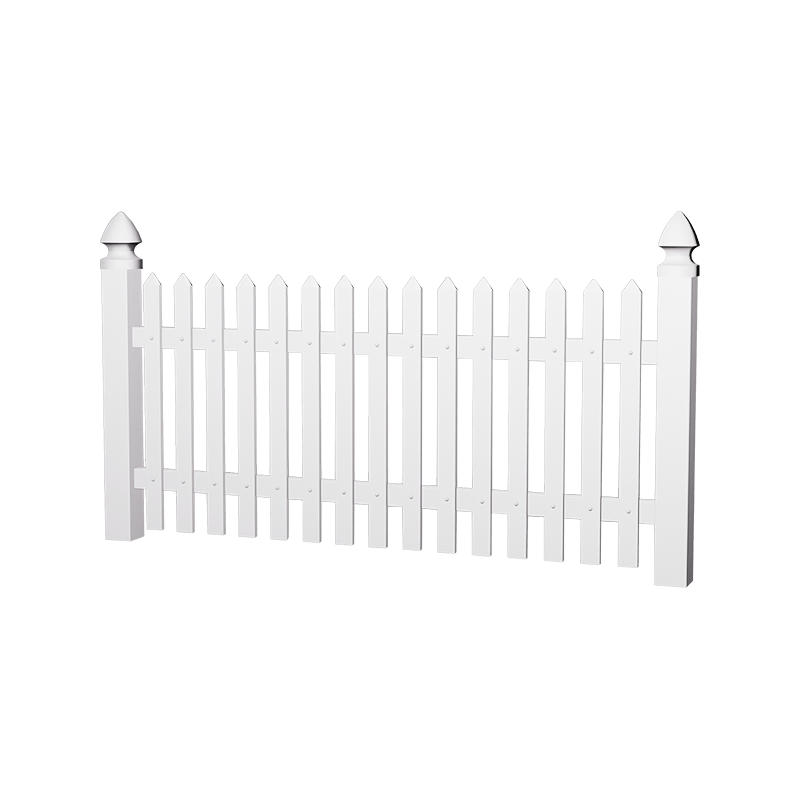
Decorate your outdoor spaces with our durable and stylish PVC Face Mounted Pickets Fence. Designed for easy installation and long-lasting performance, this fence is perfect for residential and commerc...
See Details
Our White Vinyl Fence, measuring 4'H x 8'W, designed for both functionality and aesthetics. Made from 100% virgin PVC plastic, this fence is not coated, ensuring unmatched durability and resistance to...
See Details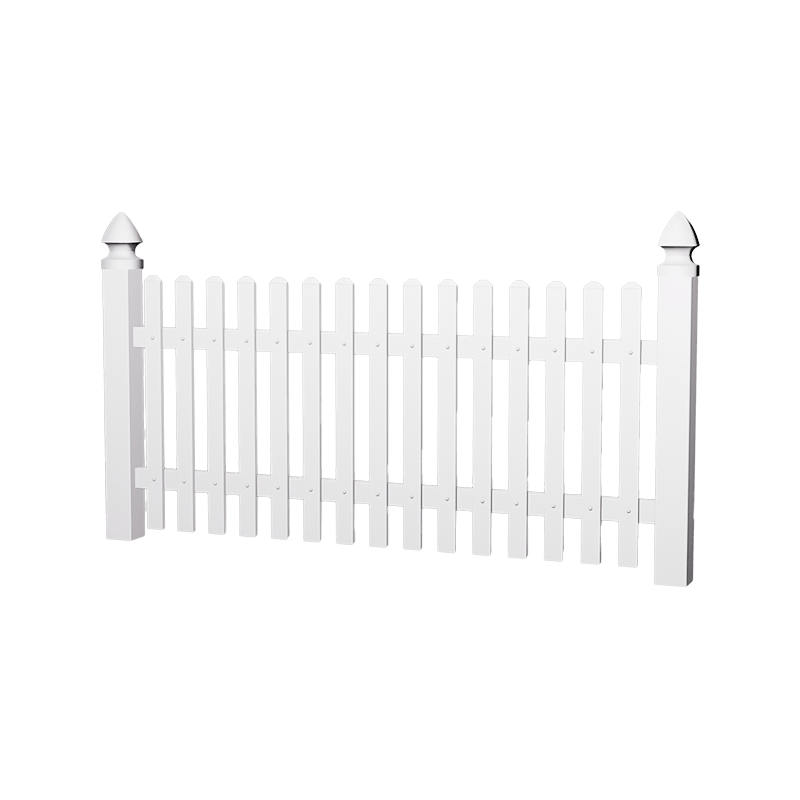
The Traditional Dog Ear Picket is an ideal choice for warehouses, combining aesthetic appeal with practicality. Made from 100% virgin PVC, this durable, low-maintenance fence resists rotting and water...
See Details
We are a professional manufacturer engaged in the research, development,
production, sale, and service of PVC fences and PVC flooring.
Contact Us
Mobile
Copyright © Deqing Huazhijie Railing & Fencing Co.,Ltd. All Rights Reserved.
 Custom Vinyl Fence Manufacturers
 English
 عربى
 中文简体
 Español