Welcome to Huazhijie!
 +86-572-8086381 / 8282992
  hzjfence1@hzjfence.com


Jun 17, 2026
A PVC fence screen is one of the most practical and cost-effective ways to add privacy, wind protection, and a cleaner visual boundary to any outdoor space — whether that's a backyard, a pool enclosure, a commercial construction site, a sports facility, or a rooftop terrace. Unlike building a solid fence from scratch, a PVC privacy screen attaches to an existing chain-link or wire fence and transforms it in a single afternoon without heavy tools or permits in most jurisdictions. But not all vinyl fence screens are built the same, and buying the wrong one means fading, tearing, sagging, or replacing the whole thing within a season. This guide covers everything you need to know to buy smart and install it right the first time.
Content
A PVC fence screen — also called a vinyl fence screen, vinyl privacy screen, or PVC windscreen — is a flexible mesh or solid panel material made from polyvinyl chloride (PVC) or a PVC-coated fabric that is designed to attach to the face of an existing fence structure. The base material is either woven from PVC-coated high-density polyethylene (HDPE) threads, extruded as a knitted PVC mesh, or manufactured as a solid or semi-solid vinyl slat panel that inserts into chain-link fence diamond openings.
The "PVC" designation in the name refers broadly to the vinyl polymer used in the coating, weave, or extrusion process. In practice, the highest-quality outdoor fence screens are made from virgin HDPE with a UV-stabilized PVC coating, rather than from recycled or uncoated materials. The distinction matters significantly for outdoor performance: virgin material with UV stabilization resists fading, brittleness, and cracking over years of sun exposure, while lower-grade recycled or uncoated materials can degrade visibly within one to two seasons in high-UV climates.
PVC fence screens serve multiple functional purposes depending on the installation context: privacy screening (blocking sightlines), wind reduction (reducing wind speed at ground level by 70–90% depending on density), sun shading (reducing direct solar exposure in seating areas or on sensitive plantings), and visual presentation (covering the utilitarian appearance of chain-link fencing in commercial or residential settings).
The category of "PVC fence screen" includes several distinct product types that differ in construction, privacy level, wind resistance, and appropriate use. Understanding these differences prevents the most common buying mistake: purchasing a screen designed for one purpose and using it in a context where it performs poorly.
Knitted mesh screens are the most widely used type for residential and light commercial applications. They are manufactured by knitting together flat PVC-coated HDPE tapes into a stable open mesh structure with a defined density. The knitted construction gives the material dimensional stability — it resists stretching and distortion under wind load — and the open mesh structure allows partial airflow, which actually reduces the total wind force on the screen compared to a solid panel. This is why knitted PVC fence screens can be installed on relatively lightweight chain-link fences without requiring additional structural reinforcement.
Knitted screens are available in privacy ratings from approximately 80% to 95%, which refers to the percentage of the viewing area that is blocked. A 90% privacy screen is the most popular choice for residential use — it blocks most sightlines from a normal standing distance while still allowing some air circulation. Fully opaque (95%+) knitted screens are available but generate significantly higher wind loads.
Woven PVC windscreens use a tighter weave construction than knitted products, with flat PVC strips woven in both warp and weft directions. The woven structure is denser and more resistant to tearing when punctured or cut, making it the preferred choice for high-wind environments, tennis courts, sports facility perimeters, and commercial construction sites. Woven screens are heavier per square foot than knitted screens and require more robust fastening, but they maintain their flat, even appearance better over time and are generally more resistant to the edge fraying that can affect lower-quality knitted products.
Privacy slats are a fundamentally different approach to PVC fence screening. Instead of attaching a screen panel to the fence surface, individual extruded PVC or vinyl slats are woven vertically or horizontally through the diamond pattern of a chain-link fence, filling the openings and creating a near-solid visual barrier. This produces a much more finished, fence-like appearance than mesh screens and achieves close to 100% privacy. The limitation is that privacy slats work only with chain-link fences of a specific mesh opening size (typically 2" diamond), require more installation labor per linear foot, and create substantially higher wind resistance — making them appropriate only for fences with posts and rails engineered to handle the additional load.
Shade screens are engineered primarily for solar control rather than privacy. They use a looser open weave structure specifically designed to reduce solar radiation transmission by 50–90% depending on density, while maintaining outward visibility from the shaded side. PVC-coated shade screens are common in patio and pergola enclosures, greenhouse sidewalls, nursery shade structures, and pool surrounds. They provide minimal privacy from the outside looking in but deliver meaningful temperature reduction in the shaded area and protect against UV degradation of furniture, plants, and people underneath.
Privacy rating is the most important specification to understand when comparing PVC fence screen products. It is expressed as a percentage and represents the proportion of the screen's surface area that is solid material rather than open space. A 90% privacy screen blocks 90% of the viewing area; the remaining 10% is open mesh through which light, air, and partial sightlines can pass.
| Privacy Rating | Typical Use | Wind Load Characteristic | Air Circulation |
| 70–80% | Wind reduction, partial privacy, construction sites | Moderate — suitable for most fences | Good airflow |
| 85–90% | Residential backyard, pool privacy, sports courts | Moderate-high — check post spacing | Moderate airflow |
| 95% | Maximum privacy, commercial screening | High — requires reinforced fence structure | Minimal airflow |
| 100% (solid slats) | Full privacy barrier, security screening | Very high — engineered structure required | No airflow |
A critical point that is frequently missed: higher privacy ratings do not simply mean better screening — they mean significantly higher wind loads on the fence structure. A 95% solid screen on a standard residential chain-link fence with posts set 10 feet apart in standard concrete footings can generate enough force in a 40 mph wind to bend posts or pull anchors. If you are installing a high-density PVC fence screen in an exposed location or high-wind climate, consult the fence's structural specifications or reduce post spacing before installation.
The outdoor fence screen market is flooded with products across a wide quality spectrum, and it is not always easy to distinguish a screen that will last five or more years from one that will fade, crack, and fray within twelve months. These are the specific quality indicators to check before purchasing:
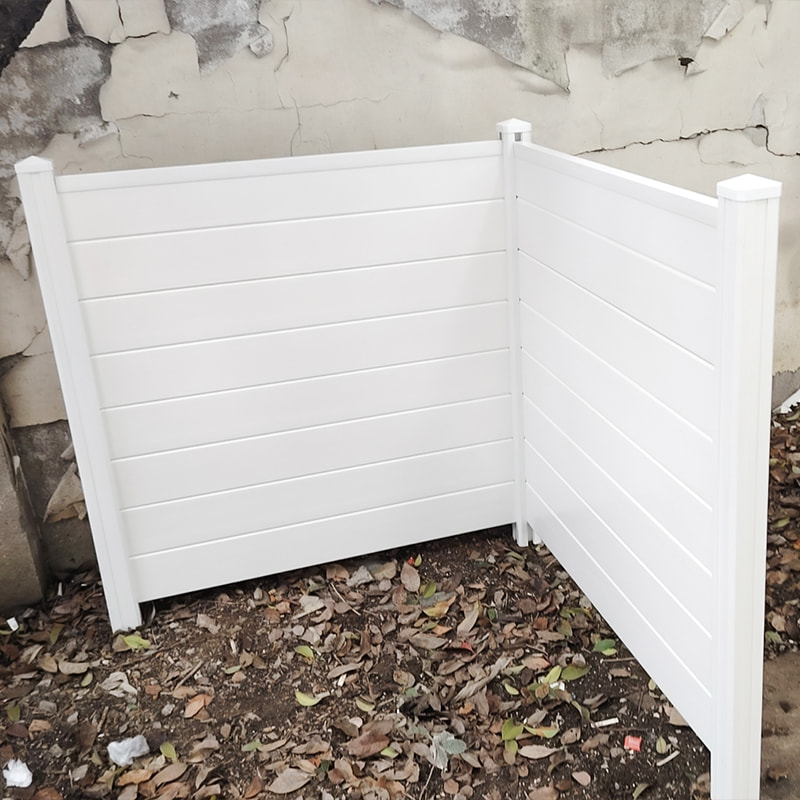
Accurate sizing before ordering prevents the two most common installation headaches: screens that are too short to provide full coverage, and screens that are too long and must be awkwardly folded, cut, or bunched at the ends. PVC fence screens are sold in standard roll widths (typically 4 ft, 5 ft, 6 ft, and 8 ft) and standard lengths (25 ft, 50 ft, and 100 ft), as well as custom-cut panels sized to order.
When measuring for a standard roll screen attachment to chain-link fencing, measure the fence height from the top rail to the bottom rail, not to the ground. Most standard residential chain-link fences are 4 ft or 6 ft in height measured rail to rail — choose the screen width that matches your rail-to-rail measurement. If your fence height falls between standard screen widths, select the next size up and trim the excess with heavy-duty scissors or a utility knife along a straightedge.
For length, measure the total linear footage of fence to be covered and add 5–10% for overlap at corners and to account for slight variations in post spacing. If your fence has sections that meet at corners, plan for how the screen will turn the corner — either with a continuous piece folded at 90 degrees (which works for knitted mesh but not rigid woven products) or with separate pieces meeting at the corner post with a small overlap.
Installing a PVC vinyl fence screen is a straightforward DIY project that most homeowners can complete in a few hours with basic tools. The process is the same whether you are covering a chain-link fence, a wood rail fence, or a wire mesh panel system.
Start at one end post and unroll the screen along the fence in the direction you will work. Do not unroll the entire length and then try to attach it — the screen will drag, twist, and tangle. Work in 10–15 foot sections: unroll, align the top edge with the top rail, and secure the top grommets to the top rail with zip ties before proceeding to the bottom and sides.
Attach the screen to the top rail first, spacing zip ties through every grommet along the top edge. Pull the screen taut as you move along — a screen installed with slack will billow, vibrate, and wear out much faster than one that is tensioned flat. After the top edge is fully secured, move to the bottom rail and attach with the same grommet spacing, pulling the screen down firmly to remove any vertical slack before tightening each zip tie. Finish by securing the vertical edges at each post, threading zip ties through grommets and around the post or through the fence fabric.
For permanent commercial installations or high-wind environments, use stainless steel hog rings (applied with hog ring pliers) instead of zip ties for all attachment points. Hog rings are significantly stronger than zip ties, do not UV-degrade, and cannot be cut or removed without tools. For temporary or seasonal installations — such as construction site screening or event barriers — bungee ball fasteners allow quick removal and reinstallation without damaging the screen grommets.
At inside corners, fold the screen tightly around the corner post and fasten to both fence faces, with the fold pressed flat. At outside corners, cut the screen to end at the centerline of the corner post and start a new piece from the same point, overlapping by 2–3 inches and fastening both pieces to the post. Trying to wrap a stiff woven screen around an outside corner without cutting typically produces a visible gap or a stressed fold that tears over time.
One of the primary advantages of PVC vinyl fence screens over wood or metal privacy panels is their low maintenance requirement. A quality screen needs very little attention to maintain its appearance and structural integrity over its service life. Here is what routine maintenance involves:
PVC fence screens are used across a wide range of residential, commercial, and industrial settings. Each application has specific requirements that should guide product selection.
| Application | Recommended Screen Type | Key Selection Factor |
| Residential backyard privacy | 90% knitted mesh | Color, UV stability, finished edges |
| Pool enclosure | 85–90% knitted, non-fading | Chlorine resistance, color retention |
| Tennis / pickleball court | Woven windscreen, 80–85% | Wind reduction, ball containment backdrop |
| Construction site perimeter | Heavy woven, 70–80% | Tear resistance, debris containment |
| Commercial property boundary | 95% knitted or solid slats | Appearance, maximum privacy |
| Balcony or rooftop terrace | 70–80% knitted, lightweight | Low wind load, railing attachment compatibility |
| Garden / nursery shading | Shade screen, 50–70% | Solar transmission control, airflow |
The following mistakes are consistently cited by buyers who end up replacing their fence screen prematurely or struggling with installation problems that could have been avoided:
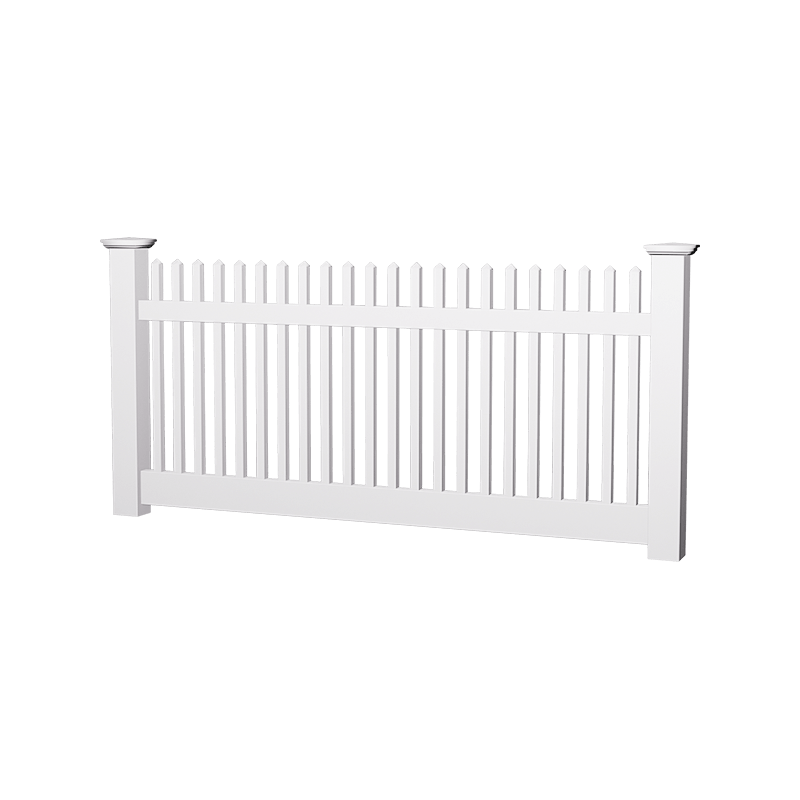
Our 1.5"x1.5" Horizontal Picket Fence, the ultimate garden solution made from 100% virgin PVC for unmatched durability and low maintenance. Designed for easy DIY installation, this fire-proof fence re...
See Details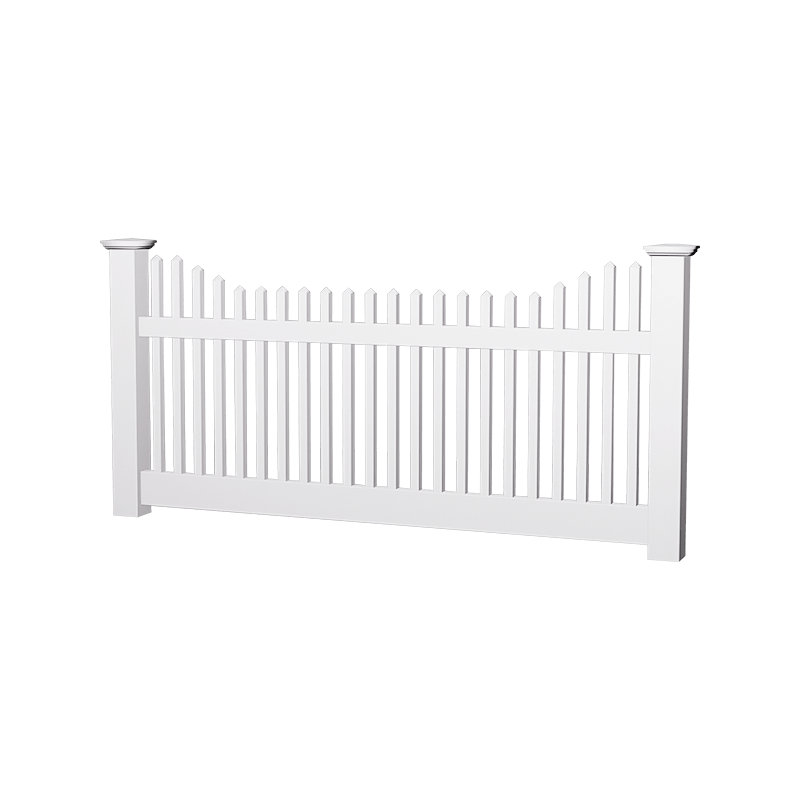
The Special-Shaped Picket Fence, the perfect addition to any home. Crafted from 100% virgin PVC, this fence combines durability and elegance with low maintenance requirements. Designed for easy DIY in...
See Details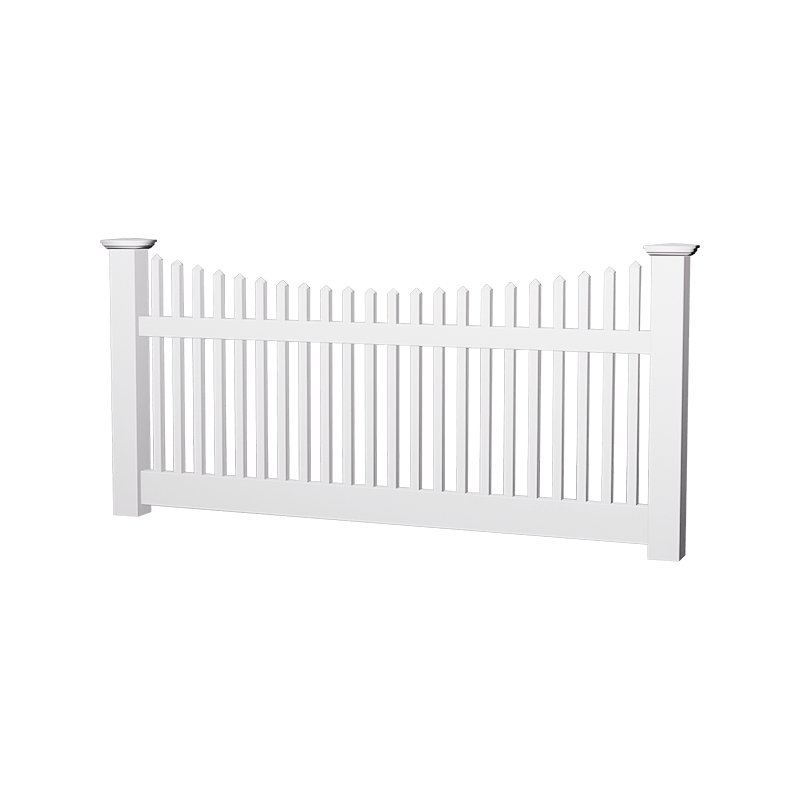
The Special-Shaped Picket Fence, the perfect addition to any home. Crafted from 100% virgin PVC, this fence combines durability and elegance with low maintenance requirements. Designed for easy DIY in...
See Details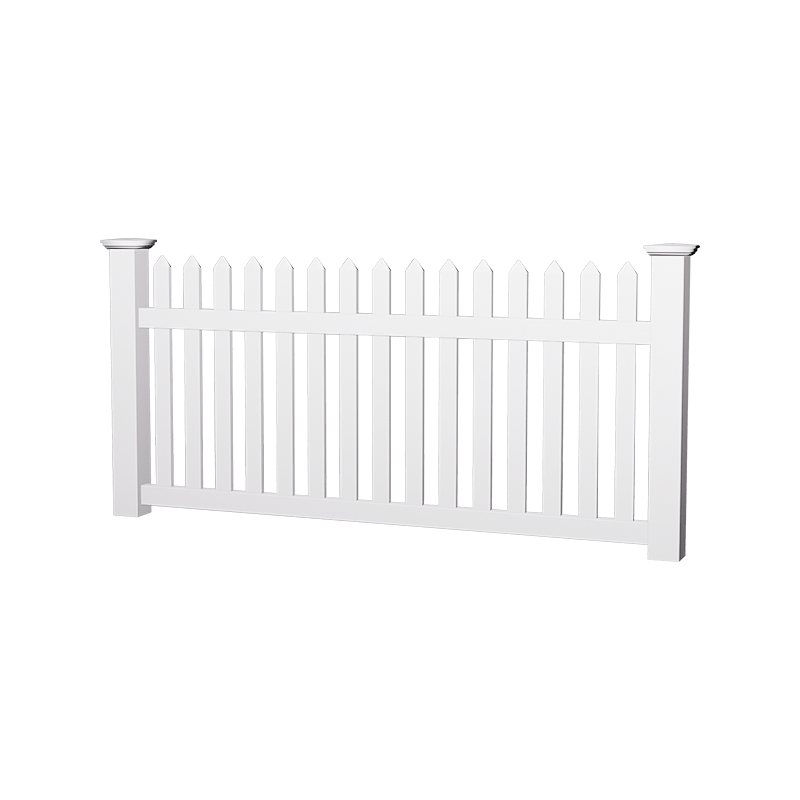
Enhance your home’s exterior with our Traditional Straight Spade Fence, crafted from 100% virgin PVC for exceptional durability and style. This low-maintenance solution is designed for easy installati...
See Details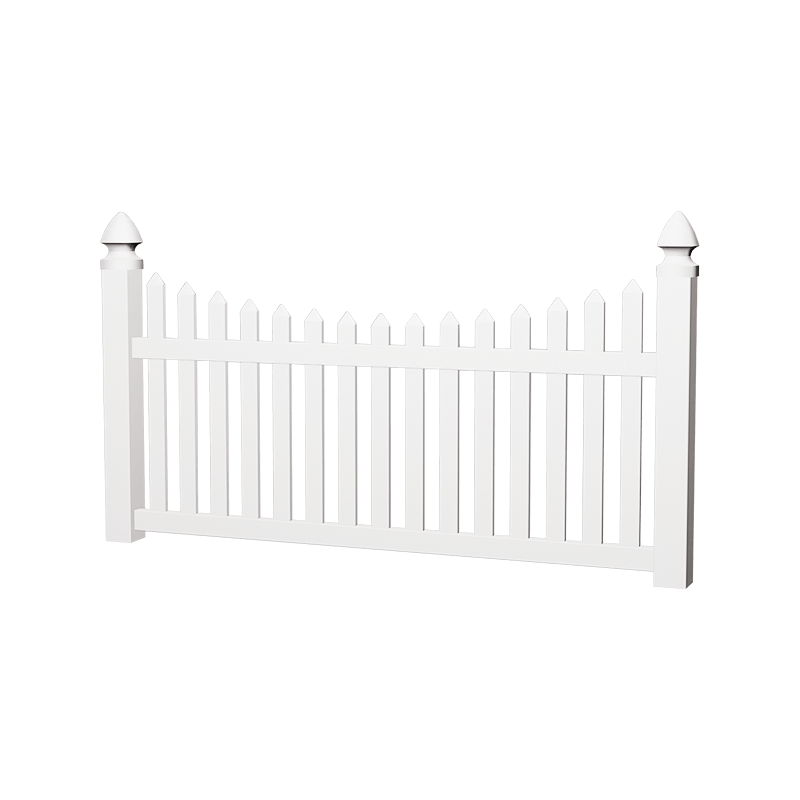
Transform your outdoor space with our 7/8"x3" Outdoor Picket Fence, specifically designed for farm use and outdoor applications. Crafted from 100% Virgin PVC, this durable and high-impact resistant fe...
See Details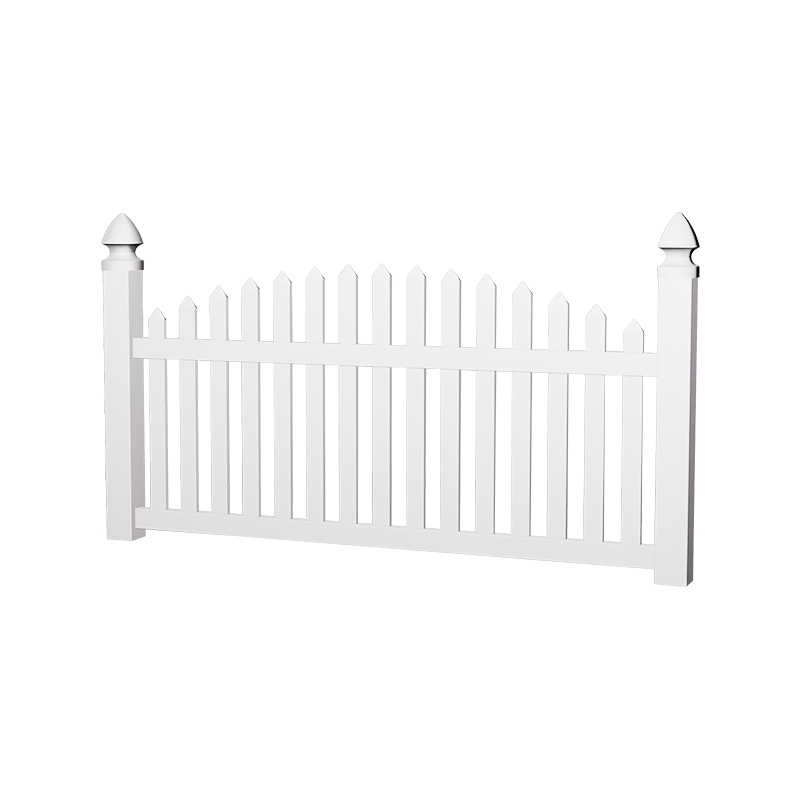
Enhance your farm's aesthetic and functionality with our PVC Arched Picket Fence. Crafted from 100% virgin PVC, this durable and stylish fencing solution combines the classic charm of traditional pick...
See Details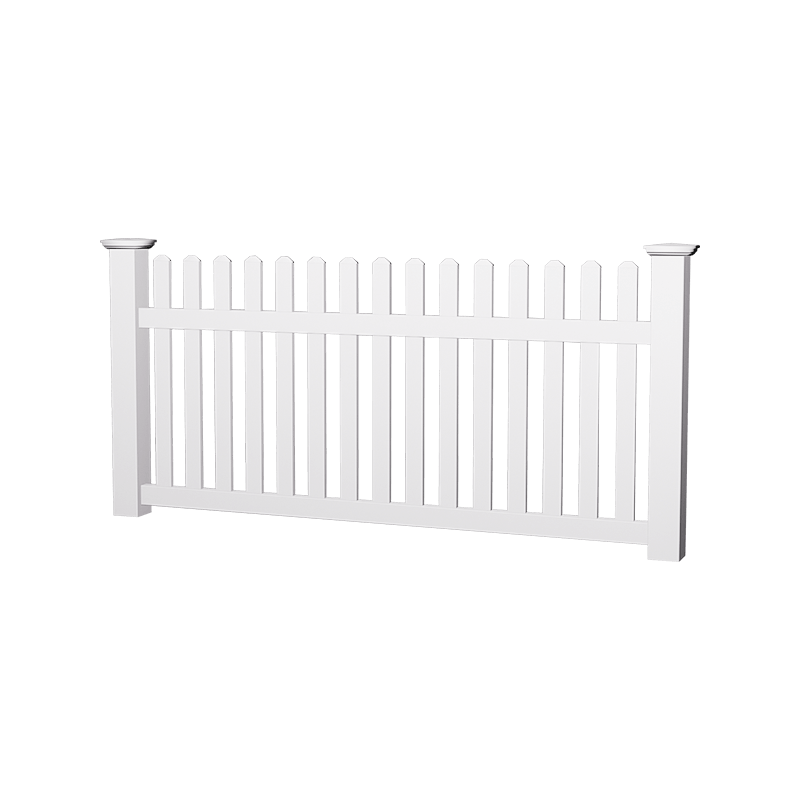
Our durable and versatile Picket Fence, designed specifically for farm use. Crafted from 100% virgin PVC plastic, this fence panel is not coated, ensuring superior quality and longevity. With dimensio...
See Details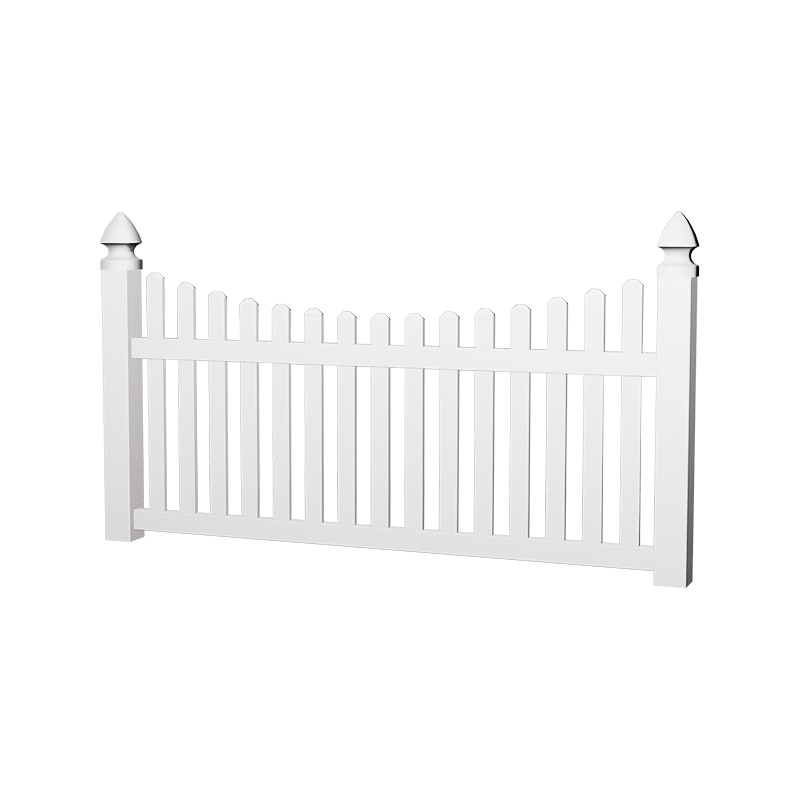
Introducing our 7/8"x3" Plastic Picket, designed specifically for farm applications. Crafted from 100% virgin PVC, this picket is not coated, ensuring maximum durability and resistance to impacts. Wit...
See Details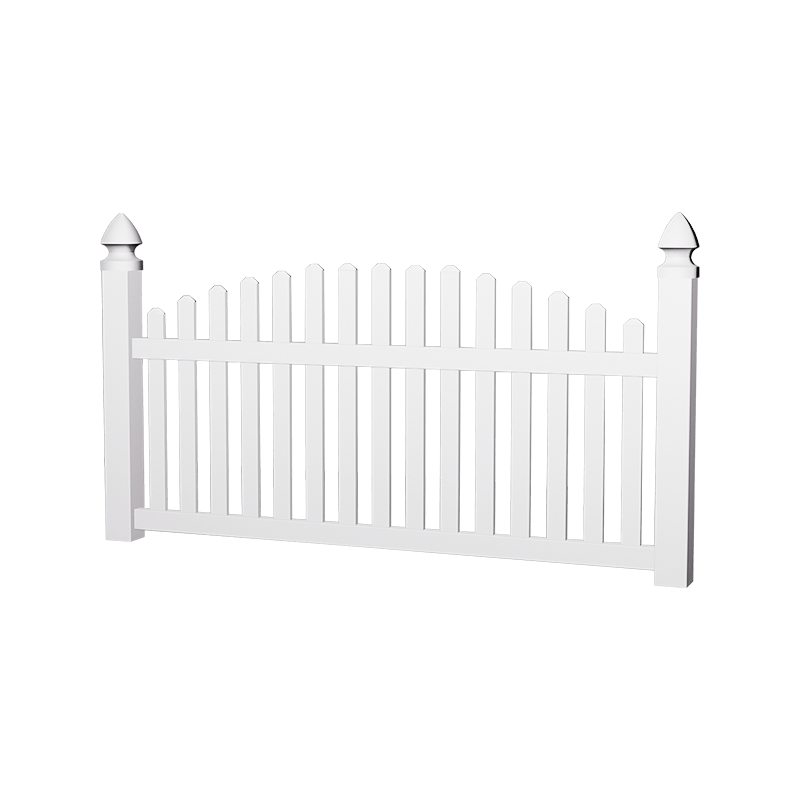
The Dog Ear Top Garden Fence, the ultimate solution for your farm fencing needs. Crafted from 100% virgin PVC, this fence is designed to withstand the elements without the worry of rot or decay, makin...
See Details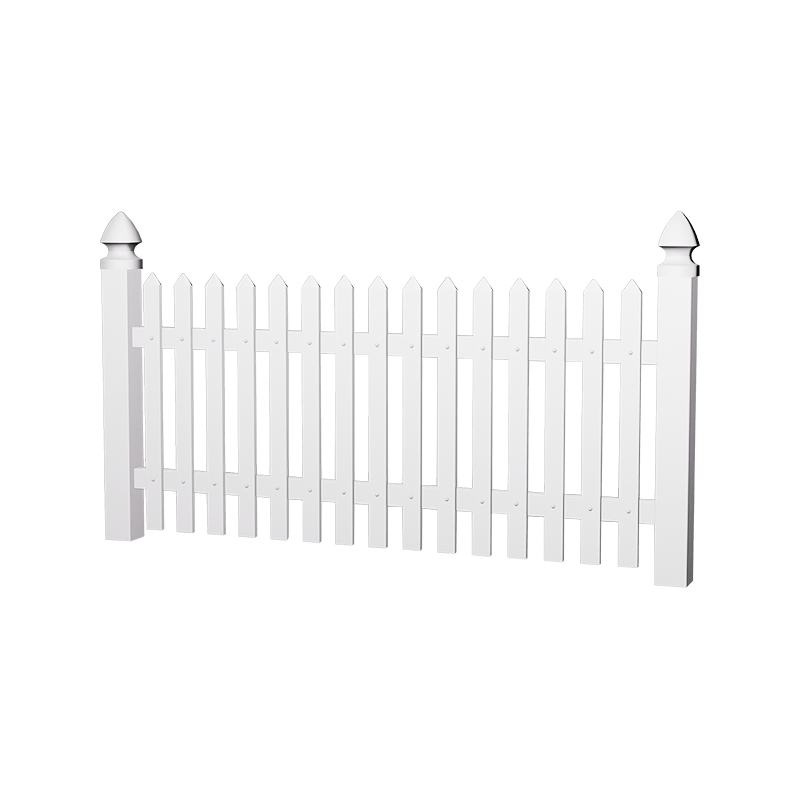
Decorate your outdoor spaces with our durable and stylish PVC Face Mounted Pickets Fence. Designed for easy installation and long-lasting performance, this fence is perfect for residential and commerc...
See Details
Our White Vinyl Fence, measuring 4'H x 8'W, designed for both functionality and aesthetics. Made from 100% virgin PVC plastic, this fence is not coated, ensuring unmatched durability and resistance to...
See Details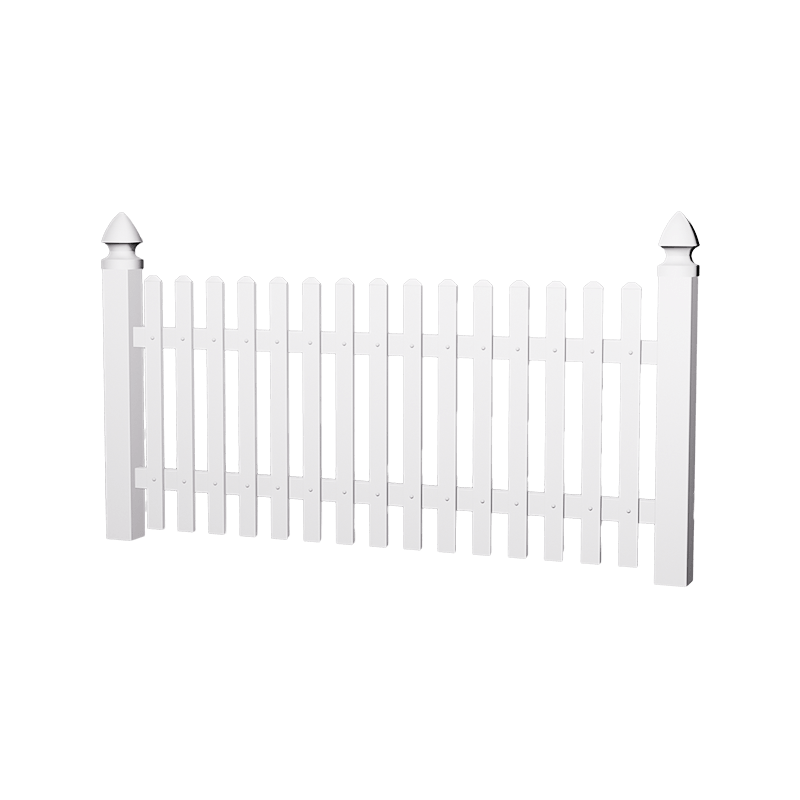
The Traditional Dog Ear Picket is an ideal choice for warehouses, combining aesthetic appeal with practicality. Made from 100% virgin PVC, this durable, low-maintenance fence resists rotting and water...
See Details
We are a professional manufacturer engaged in the research, development,
production, sale, and service of PVC fences and PVC flooring.
Contact Us
Mobile
Copyright © Deqing Huazhijie Railing & Fencing Co.,Ltd. All Rights Reserved.
 Custom Vinyl Fence Manufacturers
 English
 عربى
عربى 中文简体
中文简体 Español