Welcome to Huazhijie!
 +86-572-8086381 / 8282992
  hzjfence1@hzjfence.com


Oct 09, 2026
Lead-free plastic fence is more than a marketing phrase. For families, it means fewer worries about what children, pets, and gardeners may touch every day. For contractors and importers, it represents a formulation choice that affects compliance, reputation, and long-term performance. At Huazhijie, we have been producing PVC fencing since 2003, and we have watched the conversation around lead stabilizers change the market. This guide shares what we have learned on the factory floor, from extrusion to final installation.
Content
In PVC fencing, “lead-free” refers to the stabilizer system used in the vinyl compound. PVC resin needs stabilizers to survive heat and UV exposure during extrusion and years of outdoor use. Older formulations sometimes used lead-based stabilizers because they were effective and inexpensive. Modern lead-free plastic fence products use calcium-zinc or other non-lead stabilizers. The finished fence should not contain intentionally added lead. This matters because fence surfaces can be touched, chewed, or brushed against by people and animals. A lead-free formulation helps reduce exposure risk without sacrificing the weather resistance that makes PVC fencing popular.
It is important to distinguish between “lead-free” and “no lead added.” In many regions, regulations define acceptable limits for heavy metals in consumer and construction products. A responsible manufacturer tests raw materials and finished profiles, keeps records, and can explain the stabilizer system used. When you ask for a lead-free plastic fence, ask for documentation, not just a label. The best suppliers are transparent about their formulations and their testing process.
The case for lead-free PVC fencing is strongest where people and animals spend time close to the fence. That includes backyards, swimming pools, pet enclosures, horse paddocks, gardens, and playgrounds. Lead-free plastic fence is also a practical choice for public spaces, schools, and commercial landscaping where liability and safety standards are strict. Here are a few situations where the formulation deserves attention:
In our experience, buyers rarely ask for lead-free fencing because of a single regulation. They ask because it aligns with how they want to build: durable, low-maintenance, and safer for the people who use the space.
A lead-free plastic fence begins with the compound. PVC resin, calcium-zinc stabilizers, impact modifiers, UV stabilizers, and pigments are blended to create a dry mix. The mix is then extruded into profiles: pickets, rails, posts, panels, caps, and gates. The extrusion line controls temperature, pressure, and cooling speed. Small changes in the formulation or the line settings can affect color, gloss, impact strength, and dimensional stability. This is why a lead-free claim must be supported by consistent production, not just a one-time sample.
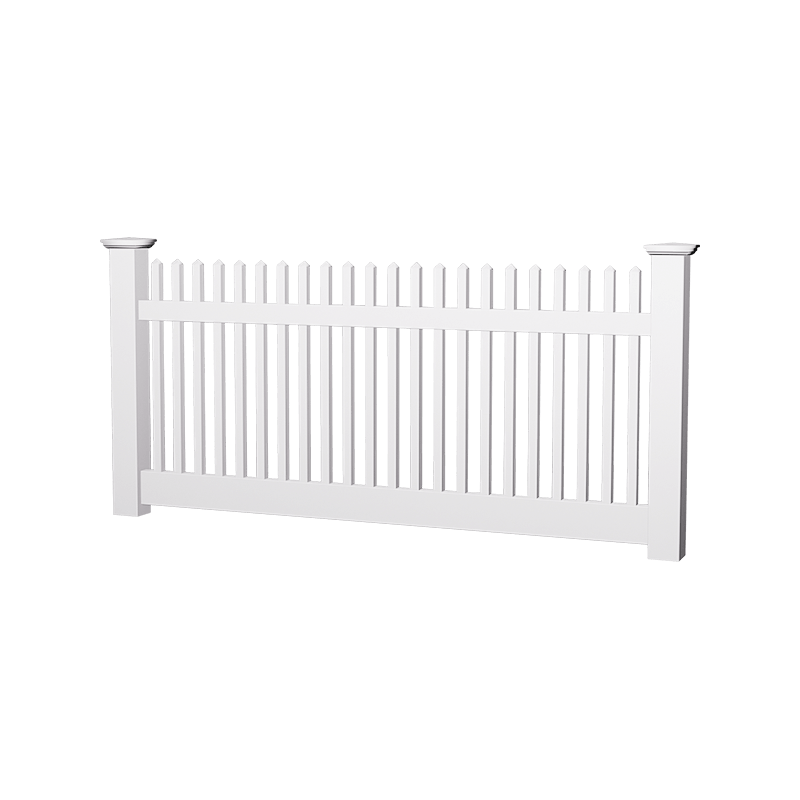
At our factory, we run multiple extrusion lines and a wide range of molds. This lets us produce lead-free PVC fence systems in different heights, rail counts, and top styles. For example, semi-privacy fences with lattice tops, picket fences with dog-ear or scalloped tops, and pool fences with vertical rails all use the same base material philosophy: no intentionally added lead, with UV and impact performance suitable for outdoor use. The goal is a fence that looks good on day one and still performs after years of sun, rain, and temperature swings.
Certifications do not replace good manufacturing, but they help buyers verify basic claims. We maintain CE, ROHS, and UL94 certificates for our products, and we test incoming materials and finished profiles as part of our quality control. If you are sourcing a lead-free plastic fence, ask for material safety data sheets or test reports for heavy metals, UV and impact test results for the profile, color and dimensional consistency checks, and a clear explanation of the stabilizer system. We also welcome third-party inspection, because trust is easier to build when the process is open. For a closer look at how we approach this, see our notes on maintaining quality standards.
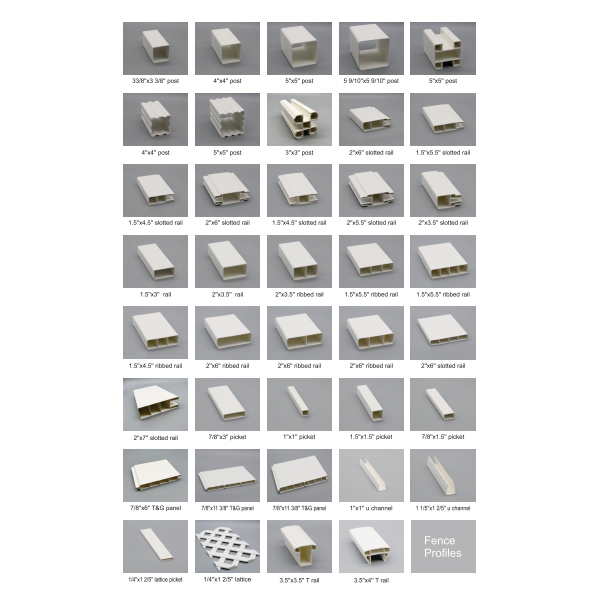 Engineered PVC Fence Profiles and PanelsDurable PVC fence profiles and panels for residential, commercial, or agricultural fencing, with UV stabilization, low maintenance, and varied styles for privacy or decorative use.View Product →
Not every lead-free fence is the same. The right choice depends on privacy, height, wind load, installation method, and the audience using the space. Here are the main paths we see from our customers.
Privacy fences are designed for full or partial screening. A lead-free semi-privacy fence often uses a combination of solid panels and open lattice or louvered sections, giving homeowners a balance of air flow and seclusion. These fences work well along property lines, patios, and hot tub areas. If you need a solid visual barrier, a full privacy panel with tongue-and-groove profiles is usually the better fit. Semi-privacy options, such as our lead-free plastic fence, are popular because they feel lighter and less imposing while still blocking most sightlines.
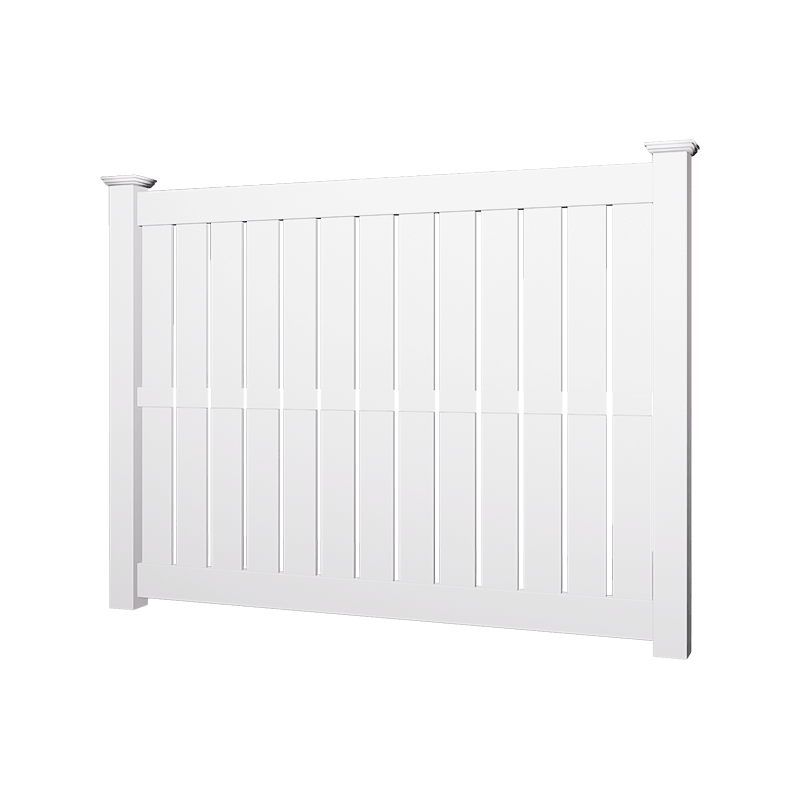 HFP Lead-Free PVC Semi-Privacy Fence SystemLead-free PVC fencing for garden semi-privacy and modern privacy, with customizable heights, rails, pickets, posts, lattice, tongue-and-groove panels, and matching gates.View Product →
Pool fencing and railing systems have their own safety and design requirements. Vertical rails, handrails, and balcony panels must be strong, smooth, and easy to clean. Lead-free PVC is a natural fit because it resists moisture, chlorine exposure, and rot. For garden projects, PVC raised beds and arbors offer a clean look without the splinters and chemical treatments associated with some wood products. When selecting a pool or railing fence, pay attention to rail spacing, post reinforcement, and the hardware finish. These details determine how the fence feels and how long it stays tight.
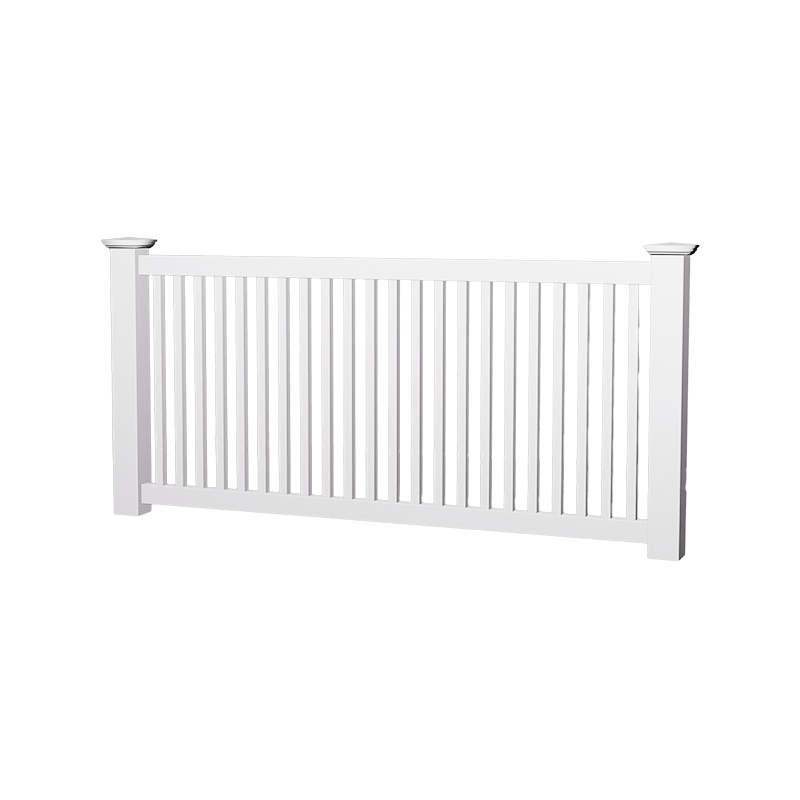 HBA PVC Vertical Railing Fence for Pools and BalconiesLow-maintenance PVC railing system for pool, garden, front yard, and balcony use, with aluminum-reinforced bottom rail and matching gates.View Product →
Farm and horse fencing needs more than good looks. It must handle large animals, changing weather, and frequent inspection. Two-rail, three-rail, and four-rail PVC horse fences are common because they provide visibility and safety without sharp edges. Temporary PVC fencing is useful for events, construction sites, and seasonal paddocks. A lead-free formulation adds peace of mind in these environments, especially where animals may chew or lean on the fence. The same extrusion technology that makes residential fencing also supports these heavier-duty profiles, which is one reason PVC has become a practical alternative to wood and metal.
When comparing suppliers, look beyond the phrase “lead-free.” Ask how the material is stabilized, how the profiles are tested, and whether the factory can provide consistent color and dimensions across repeat orders. A good supplier should be comfortable answering technical questions and sharing documentation. The table below summarizes what to check for common applications.
| Application | Typical Product Series | Key Features to Confirm |
|---|---|---|
| Residential privacy | Privacy panel, semi-privacy panel | Panel thickness, tongue-and-groove fit, UV color stability |
| Pool and balcony | Vertical railing, handrail, balcony fence | Rail spacing, post strength, smooth surface, corrosion resistance |
| Farm and horse | 2-rail, 3-rail, 4-rail horse fence | Impact resistance, rail dimensions, animal-safe edges |
| Pet and garden | Pet fence, raised garden bed, arbor | Non-toxic formulation, chew resistance, easy cleaning |
| Temporary and event | Portable picket, temporary fence | Lightweight panels, stable feet, quick assembly |
A supplier who manufactures its own profiles can control these details from the extruder to the pallet. That vertical control is one reason we keep our mold range broad and our quality checks in-house. If you are not sure which series fits your project, ask for samples and a specification sheet before placing a bulk order.
Lead-free plastic fence is installed much like other PVC fencing. Posts are set in concrete or mounted to existing surfaces, rails are cut to length, and panels are locked into place. Because PVC expands and contracts with temperature, leaving a small allowance at joints helps prevent cracking. Always follow the manufacturer’s instructions for post depth, hole size, and hardware. For long-term care, a simple routine keeps the fence looking new.
Most lead-free PVC fences do not need painting or staining. If a scuff appears, a little mild cleaner and a soft cloth usually take care of it. For tougher marks, check our notes on PVC fence durability and maintenance.
A lead-free plastic fence is a small material decision with a long reach. It affects the people who live with the fence, the animals that lean against it, and the crews who install it. It also affects the reputation of the importer, contractor, or brand that sells it. As a manufacturer with more than two decades in PVC fencing, we believe the best lead-free fences are not just compliant; they are well engineered, consistently produced, and supported by clear documentation. Whether you are fencing a backyard, a pool, a farm, or a commercial site, ask questions, request samples, and choose a supplier who can explain what is inside the fence. That is how you get a fence that performs beautifully for years, without compromise.
Our 1.5"x1.5" Horizontal Picket Fence, the ultimate garden solution made from 100% virgin PVC for unmatched durability and low maintenance. Designed for easy DIY installation, this fire-proof fence re...
See Details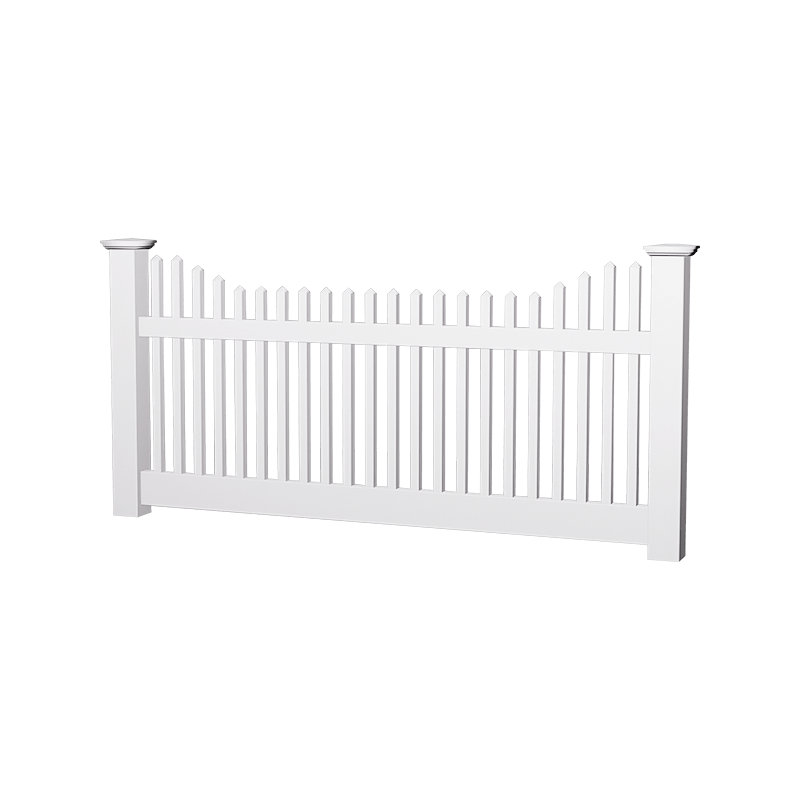
The Special-Shaped Picket Fence, the perfect addition to any home. Crafted from 100% virgin PVC, this fence combines durability and elegance with low maintenance requirements. Designed for easy DIY in...
See Details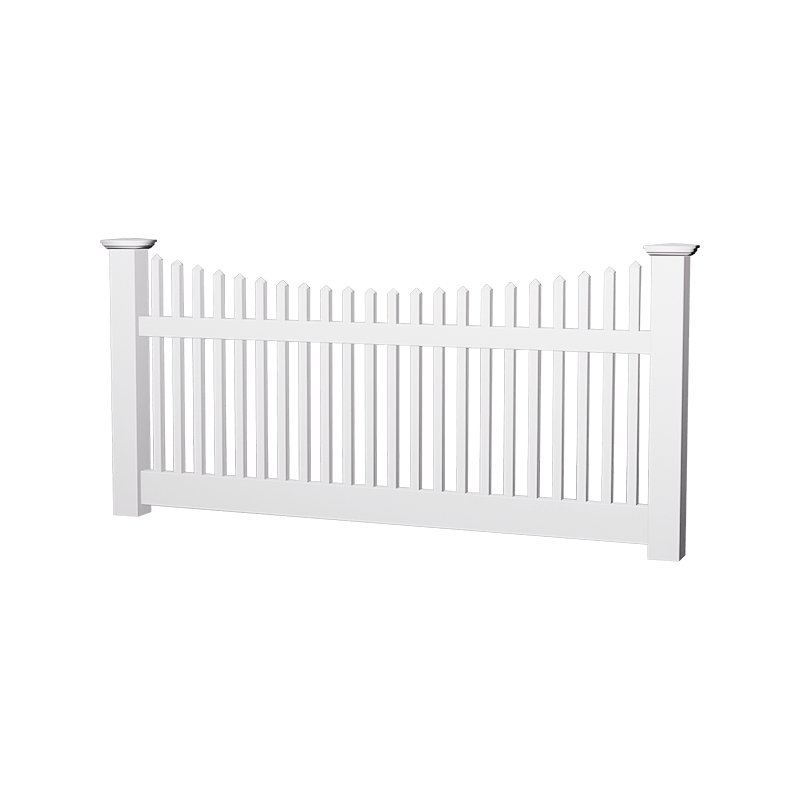
The Special-Shaped Picket Fence, the perfect addition to any home. Crafted from 100% virgin PVC, this fence combines durability and elegance with low maintenance requirements. Designed for easy DIY in...
See Details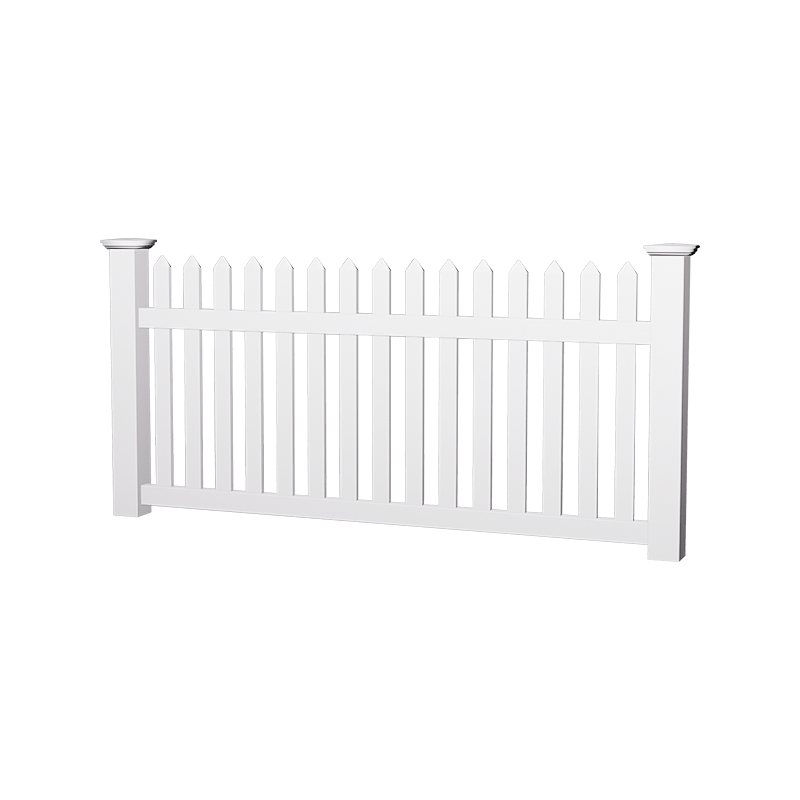
Enhance your home’s exterior with our Traditional Straight Spade Fence, crafted from 100% virgin PVC for exceptional durability and style. This low-maintenance solution is designed for easy installati...
See Details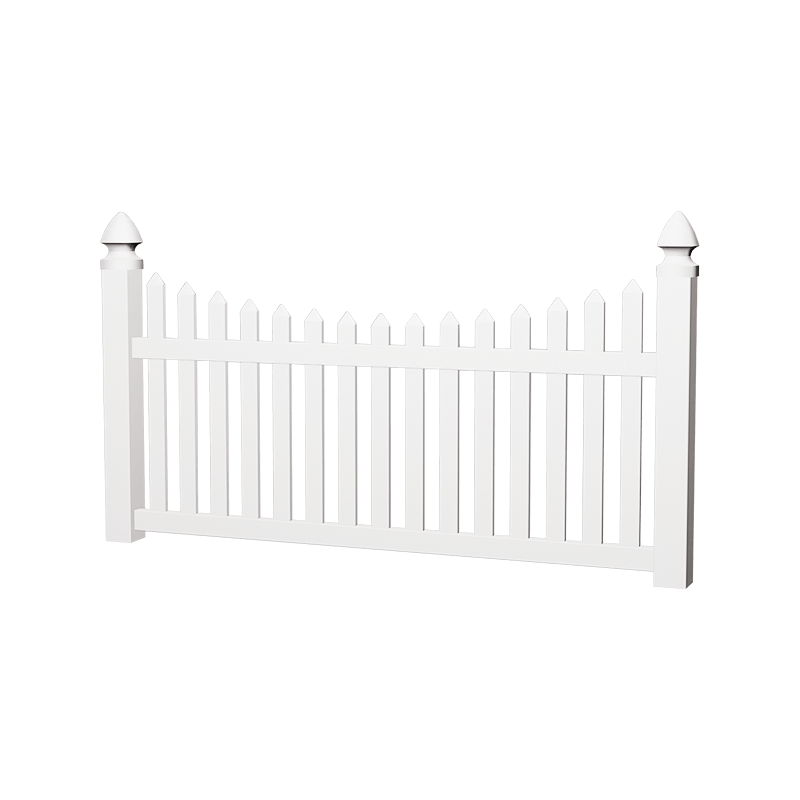
Transform your outdoor space with our 7/8"x3" Outdoor Picket Fence, specifically designed for farm use and outdoor applications. Crafted from 100% Virgin PVC, this durable and high-impact resistant fe...
See Details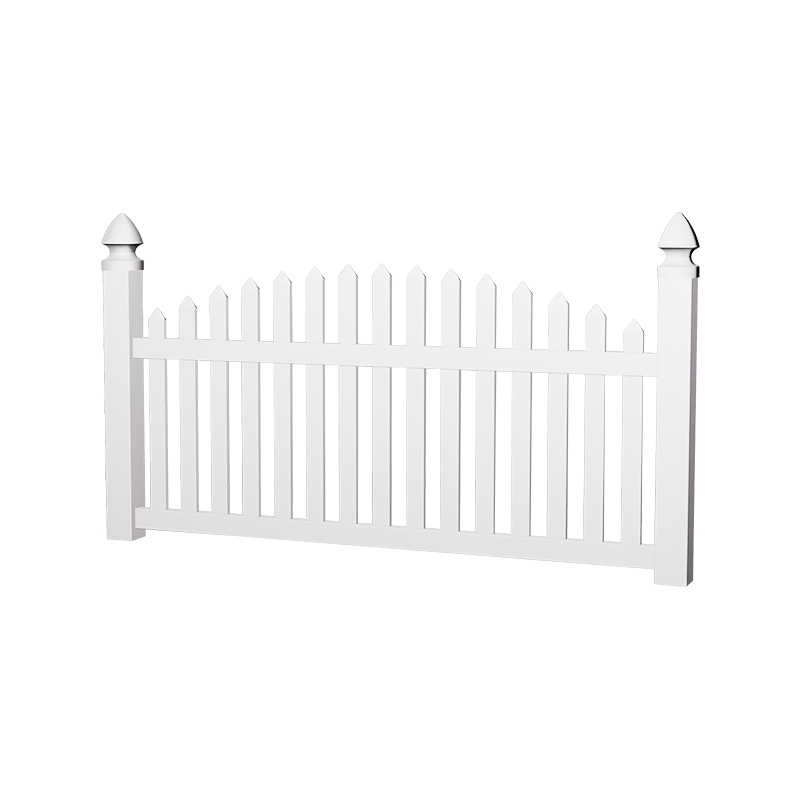
Enhance your farm's aesthetic and functionality with our PVC Arched Picket Fence. Crafted from 100% virgin PVC, this durable and stylish fencing solution combines the classic charm of traditional pick...
See Details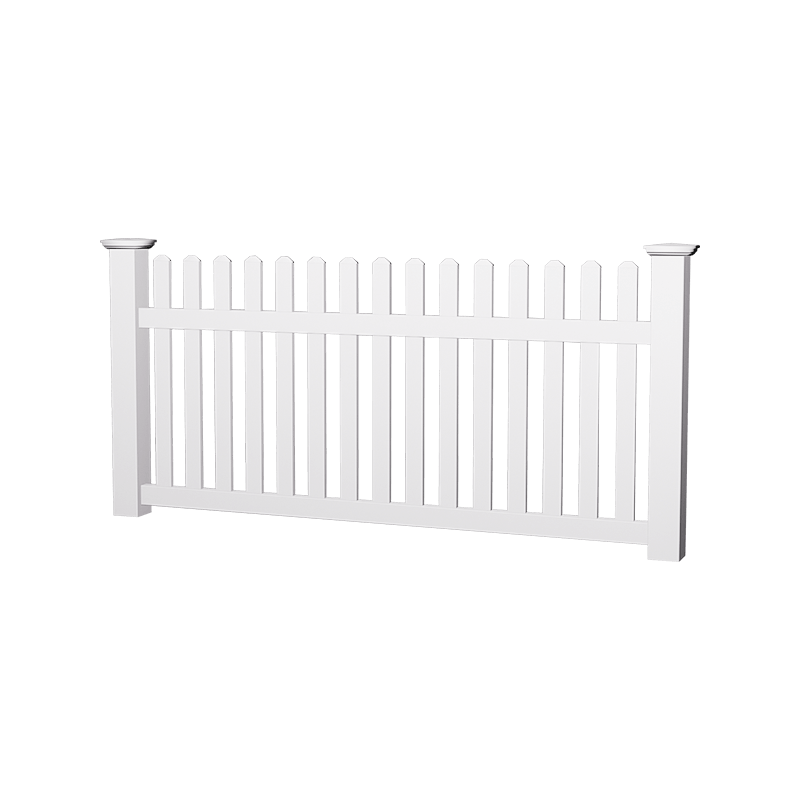
Our durable and versatile Picket Fence, designed specifically for farm use. Crafted from 100% virgin PVC plastic, this fence panel is not coated, ensuring superior quality and longevity. With dimensio...
See Details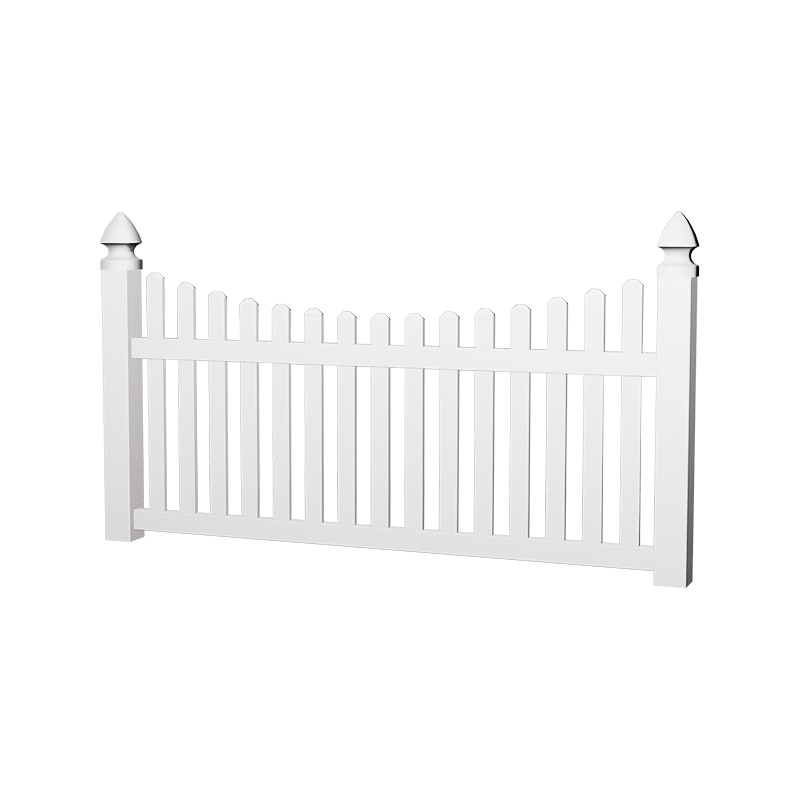
Introducing our 7/8"x3" Plastic Picket, designed specifically for farm applications. Crafted from 100% virgin PVC, this picket is not coated, ensuring maximum durability and resistance to impacts. Wit...
See Details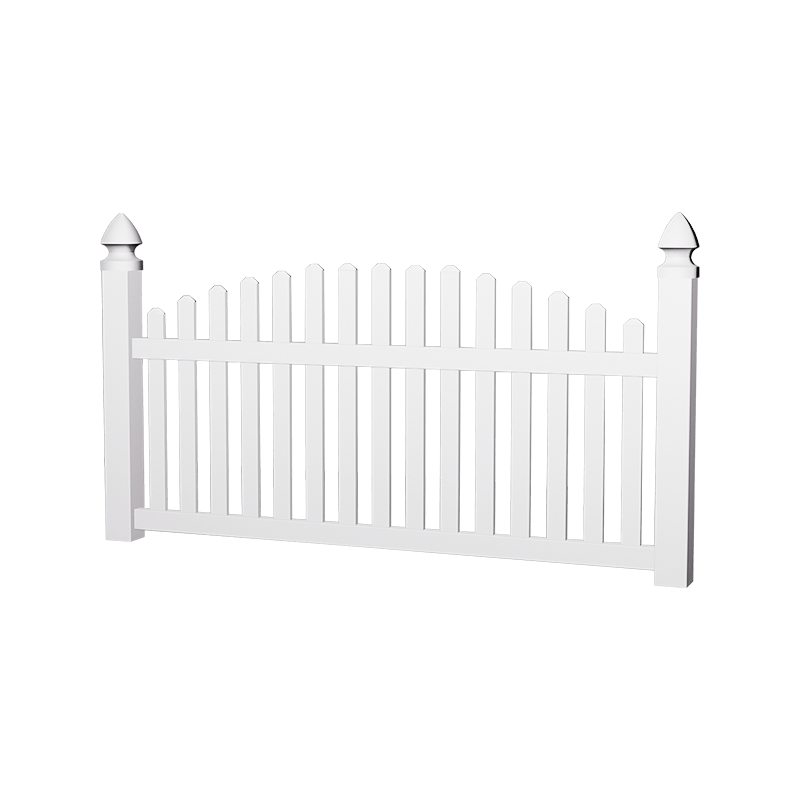
The Dog Ear Top Garden Fence, the ultimate solution for your farm fencing needs. Crafted from 100% virgin PVC, this fence is designed to withstand the elements without the worry of rot or decay, makin...
See Details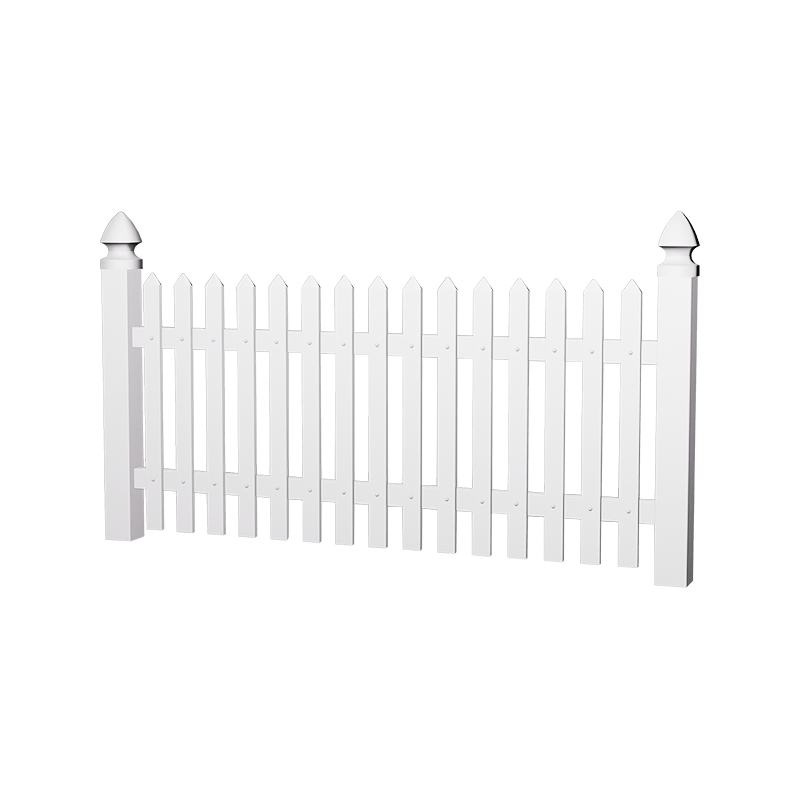
Decorate your outdoor spaces with our durable and stylish PVC Face Mounted Pickets Fence. Designed for easy installation and long-lasting performance, this fence is perfect for residential and commerc...
See Details
Our White Vinyl Fence, measuring 4'H x 8'W, designed for both functionality and aesthetics. Made from 100% virgin PVC plastic, this fence is not coated, ensuring unmatched durability and resistance to...
See Details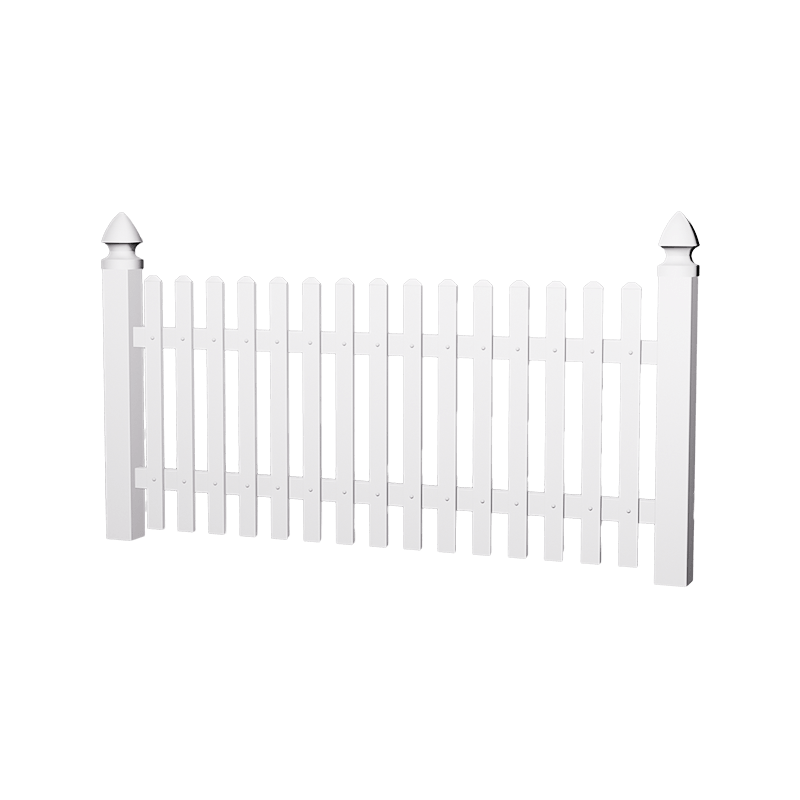
The Traditional Dog Ear Picket is an ideal choice for warehouses, combining aesthetic appeal with practicality. Made from 100% virgin PVC, this durable, low-maintenance fence resists rotting and water...
See Details
We are a professional manufacturer engaged in the research, development,
production, sale, and service of PVC fences and PVC flooring.
Contact Us
Mobile
Copyright © Deqing Huazhijie Railing & Fencing Co.,Ltd. All Rights Reserved.
 Custom Vinyl Fence Manufacturers
 English
 عربى
عربى 中文简体
中文简体 Español