Welcome to Huazhijie!
 +86-572-8086381 / 8282992
  hzjfence1@hzjfence.com


Oct 12, 2026
If you have ever driven past a working ranch or a riding arena, you have seen a fence where the rails meet in an X between the posts. It is a familiar silhouette, and more owners are asking for that same look in a material that will not rot, splinter or need repainting every few seasons. That is where a PVC cross horse fence comes in, and after more than two decades of extruding PVC fence profiles, we know the questions buyers ask first.
This guide covers what the cross design actually is, how it behaves around horses, how to choose a rail layout, and what to settle before you place an order.
Content
A cross horse fence uses the same basic frame as any rail fence: posts set at regular intervals, rails running between them, and caps on top. What sets it apart is the crossing pattern. In addition to the parallel rails, extra rails are set on a diagonal so they intersect in the middle of each bay and form an X. Shorter runs often carry a single crossing per bay, while taller versions repeat the pattern in two bands.
The idea began with timber crossbuck fences, which were common at ranch entrances, arenas and long driveways because they read unmistakably as a boundary. Timber brings the usual baggage, though: rot at the base, splinters where horses lean, and a paint or stain cycle that never really ends. A PVC version keeps the geometry and swaps the material for extruded profiles that are UV stabilised and produced from a lead-free compound, so the fence holds its line and colour without any surface treatment.
 HDD PVC Cross Horse FenceA PVC cross horse fence for farms and enclosures, with four pre-notched ribbed rails, modular sections, matching gates, and a 30-year warranty.View Product →
In practical terms, the fence is built from a small set of parts: posts, top and bottom rails, the cross members, post caps, and gates sized to the opening. Because everything is modular, a damaged crossing panel can be swapped out later without rebuilding the whole run.
Horse owners worry about two things above all: will the fence hurt the animal, and will the animal stay where it belongs. The cross design answers the first question well. Extruded PVC has no splinters, no protruding nails, no sharp welded joints and no wire ends waiting at eye height. The rails are smooth and slightly rounded, which matters when a horse leans over to graze or to greet a neighbour in the next paddock.
Visibility is the second advantage. Horses shy at whatever they cannot read clearly. A white or light-coloured X pattern gives a strong visual cue, so a horse moving along a tree line or a shadowed arena edge still registers the boundary well before it reaches it.
One honest caveat belongs here. The open triangles inside a cross bay leave room for a curious foal or a playful yearling to put a leg through. On pastures holding young stock, a four-rail ranch fence or a three-rail horse fence with tighter spacing is usually the safer call. The cross pattern tends to shine in arenas, along driveways, at entrances and on mature-horse turnout, where appearance and visibility matter as much as containment.
Before you pick a number, think about who lives behind the fence and how much pressure the line will take. A two-rail farm fence is the lightest option. It suits large, low-traffic pastures for mature horses and reads more as a boundary than a barrier. On a long run it keeps both cost and visual weight down, but it also offers the least containment.
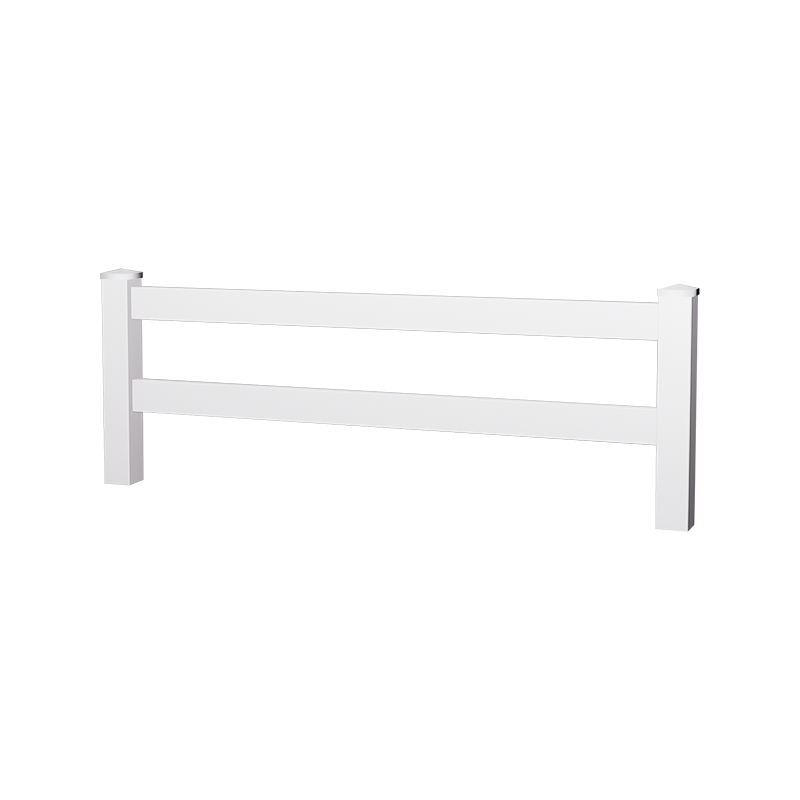 HDA 2-Rail PVC Farm FenceA light two-rail PVC farm fence for low-traffic pastures and mature horses, with pre-notched ribbed rails, matching gate options, and a 30-year warranty.View Product →
Three rails remain the everyday choice for general turnout, and four rails take over where young horses, stallions or heavy traffic put real pressure on the fence line. A cross design is normally specified for arenas, entrances and driveways, or as a decorative top band on a taller fence.
 HDC 4-Rail PVC Ranch FenceA four-rail PVC ranch fence for general turnout under heavier pressure, with pre-notched ribbed rails, matching gates, and a 30-year warranty.View Product →
| Layout | Where it fits | What to keep in mind |
|---|---|---|
| 2-rail PVC farm fence | Mature horses, large pastures, boundary lines | Lightest look, least containment |
| 3-rail PVC horse fence | General turnout, paddocks, smaller pastures | Most common balance of cost and control |
| 4-rail PVC ranch fence | Young stock, stallions, heavy-use paddocks | Strongest containment, taller profile |
| Cross design | Arenas, entrances, driveways, feature runs | Clearest visual boundary, not ideal for foals |
Most problems we hear about come down to sizing rather than material. These are the figures worth agreeing on before production starts:
The sequence is straightforward, and a two-person crew can move quickly on a straight run:
PVC expands and contracts a little with temperature, so leave a small allowance at the joints instead of forcing rails into place. On a hot afternoon, a rail that fits tightly in the morning can bow by the end of the week.
Upkeep is the part of the story where PVC earns its place. A rinse with a garden hose and a mild soap is usually enough to lift dust and pasture splashes, and there is nothing to paint, stain or seal. After a storm, walk the line and check for loose caps or a rail that has shifted out of its sleeve. Because the compound is UV stabilised, the colour holds up rather than chalking away, and the lead-free formulation keeps the material suitable for animal areas. If you want background reading on how this material has settled into equine work, it is worth looking at why vinyl horse fencing has become the modern standard on so many properties.
Cross horse fences are rarely bought off a shelf. Height, colour, rail count, bay length and gate openings all change with the property, and most of our work is done with distributors, contractors, farm owners and brand owners who need the fence made to their own specification. We welcome OEM and ODM projects, and we are just as comfortable adjusting a standard profile as developing a new one. Standard colours are white and tan, custom colours are possible on volume orders, and our profiles are produced from lead-free compound with CE, ROHS and UL94 documentation available for buyers who need it. If you would like to see how the parts fit together, you can browse our full PVC fence range before you send drawings.
A cross fence is not the right answer for every paddock, but where visibility, ranch character and low upkeep matter, it is hard to beat. Send us your post spacing, the height you have in mind and a rough layout sketch, and we will come back with a straightforward recommendation on rails, crossings and gates for your site.
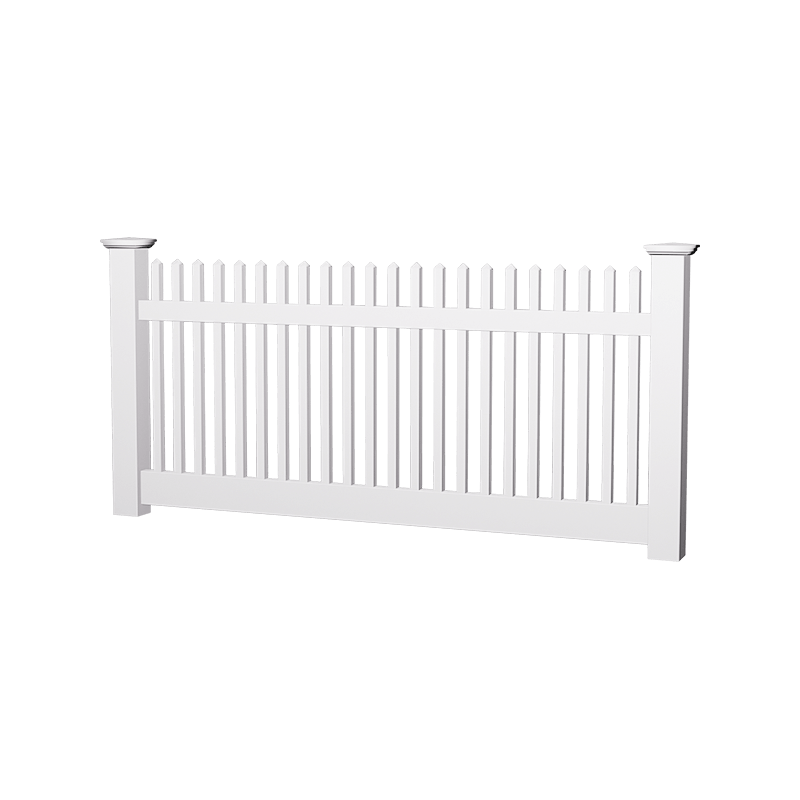
Our 1.5"x1.5" Horizontal Picket Fence, the ultimate garden solution made from 100% virgin PVC for unmatched durability and low maintenance. Designed for easy DIY installation, this fire-proof fence re...
See Details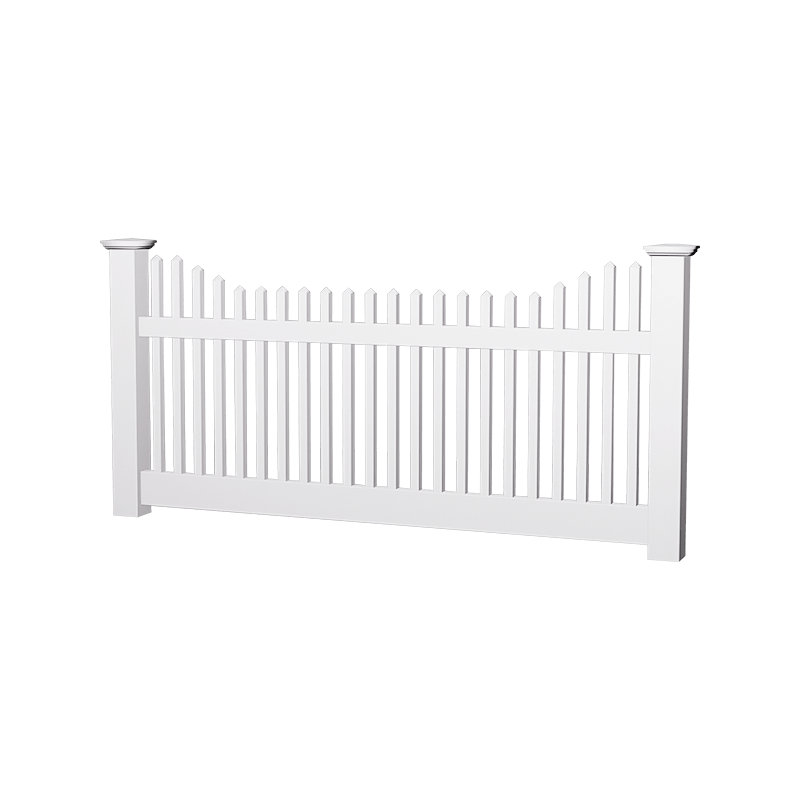
The Special-Shaped Picket Fence, the perfect addition to any home. Crafted from 100% virgin PVC, this fence combines durability and elegance with low maintenance requirements. Designed for easy DIY in...
See Details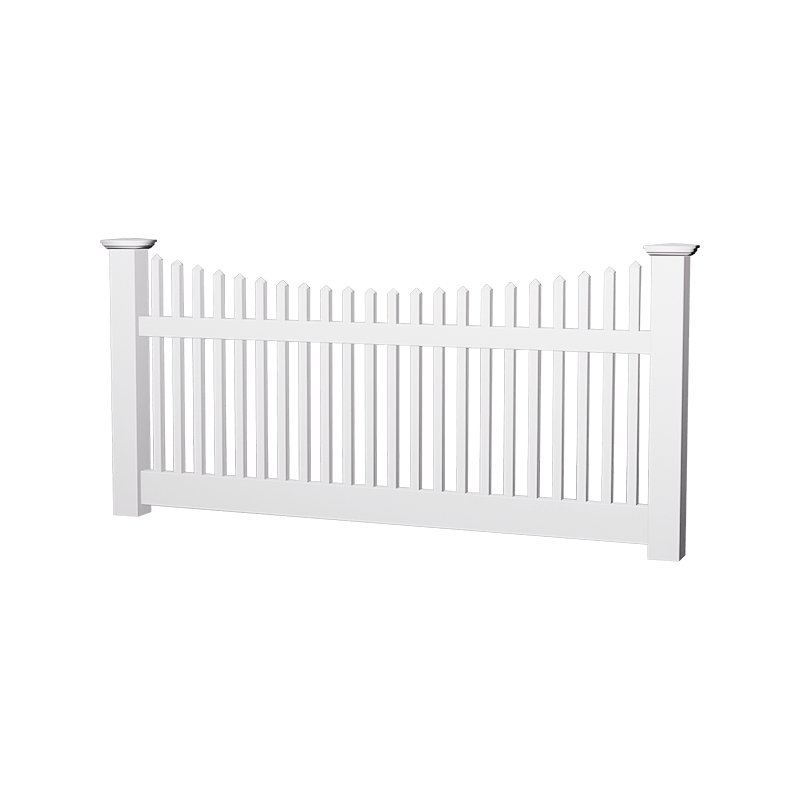
The Special-Shaped Picket Fence, the perfect addition to any home. Crafted from 100% virgin PVC, this fence combines durability and elegance with low maintenance requirements. Designed for easy DIY in...
See Details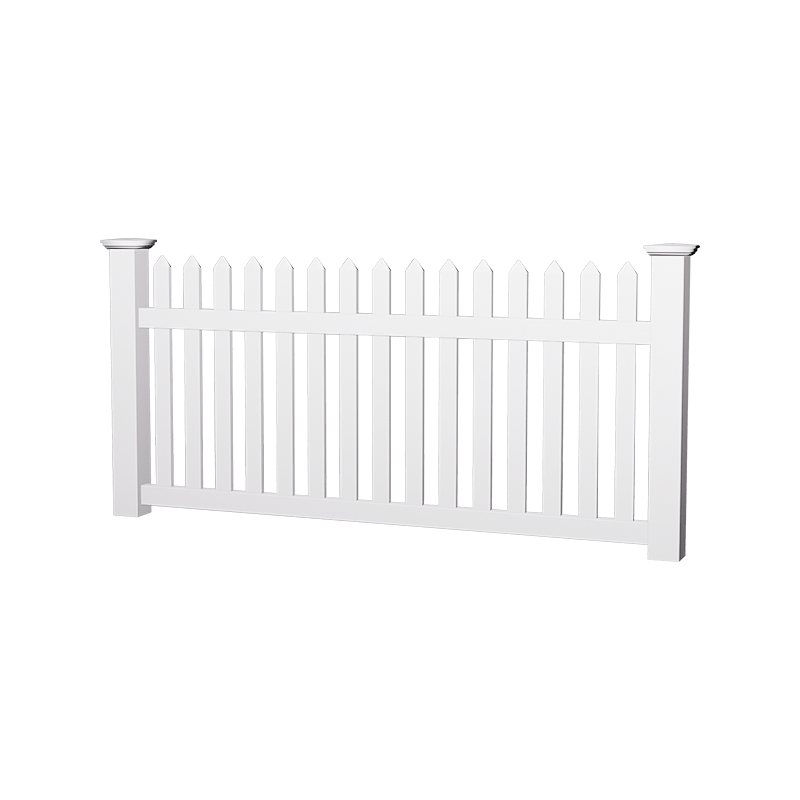
Enhance your home’s exterior with our Traditional Straight Spade Fence, crafted from 100% virgin PVC for exceptional durability and style. This low-maintenance solution is designed for easy installati...
See Details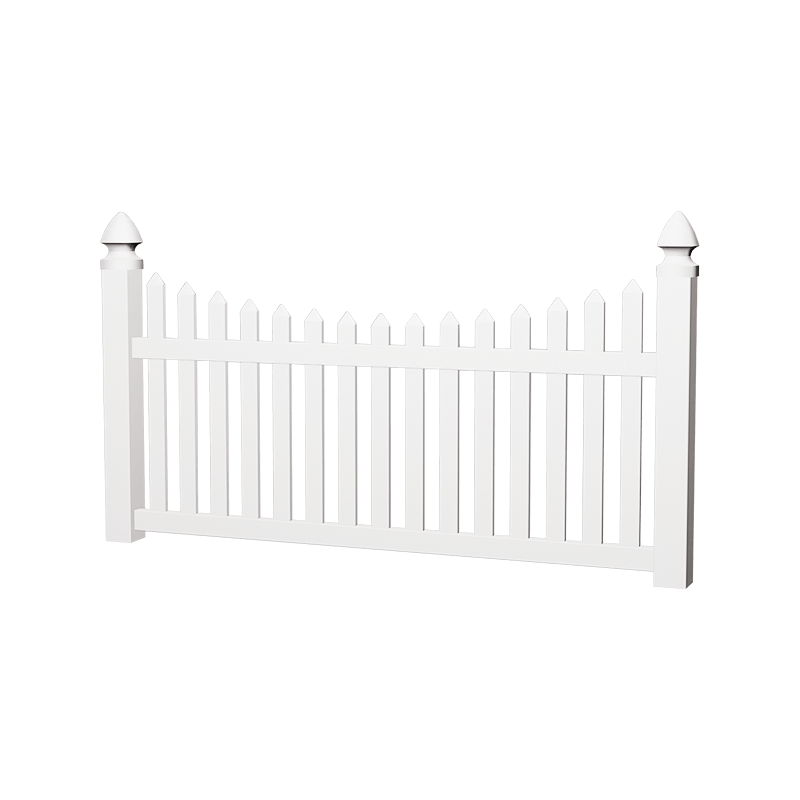
Transform your outdoor space with our 7/8"x3" Outdoor Picket Fence, specifically designed for farm use and outdoor applications. Crafted from 100% Virgin PVC, this durable and high-impact resistant fe...
See Details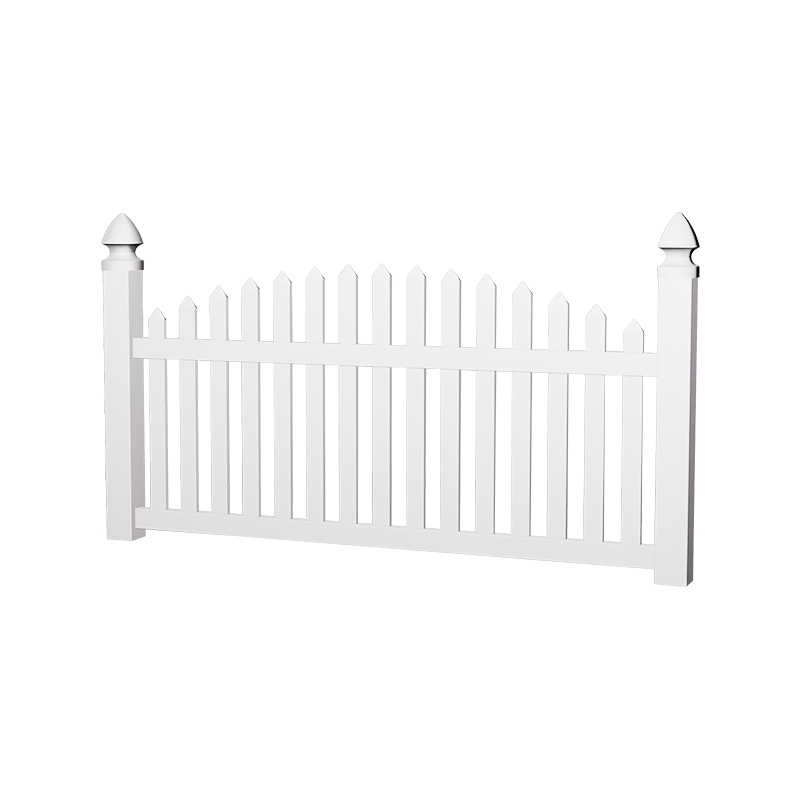
Enhance your farm's aesthetic and functionality with our PVC Arched Picket Fence. Crafted from 100% virgin PVC, this durable and stylish fencing solution combines the classic charm of traditional pick...
See Details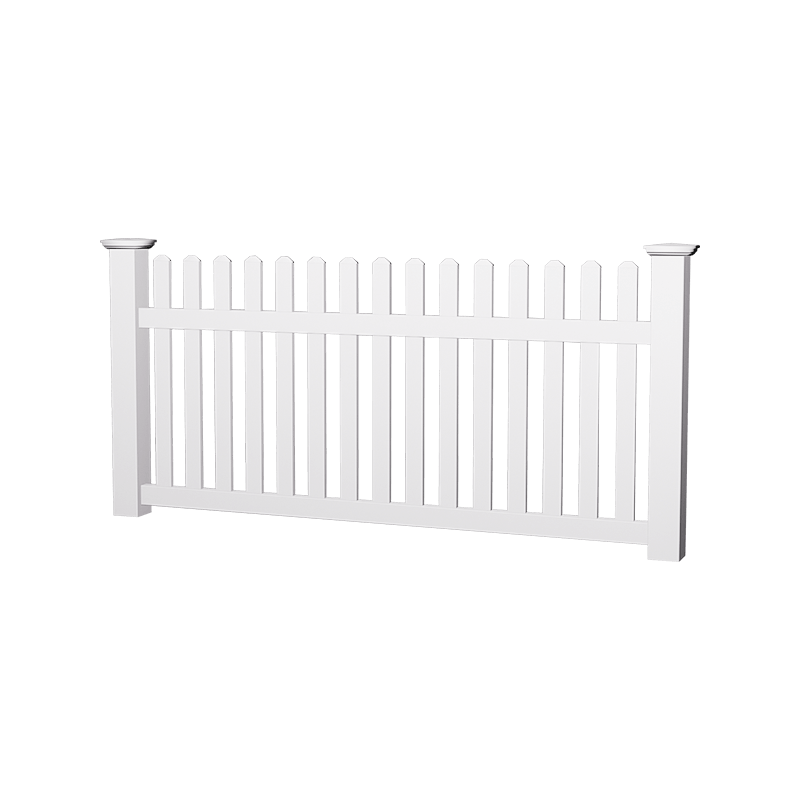
Our durable and versatile Picket Fence, designed specifically for farm use. Crafted from 100% virgin PVC plastic, this fence panel is not coated, ensuring superior quality and longevity. With dimensio...
See Details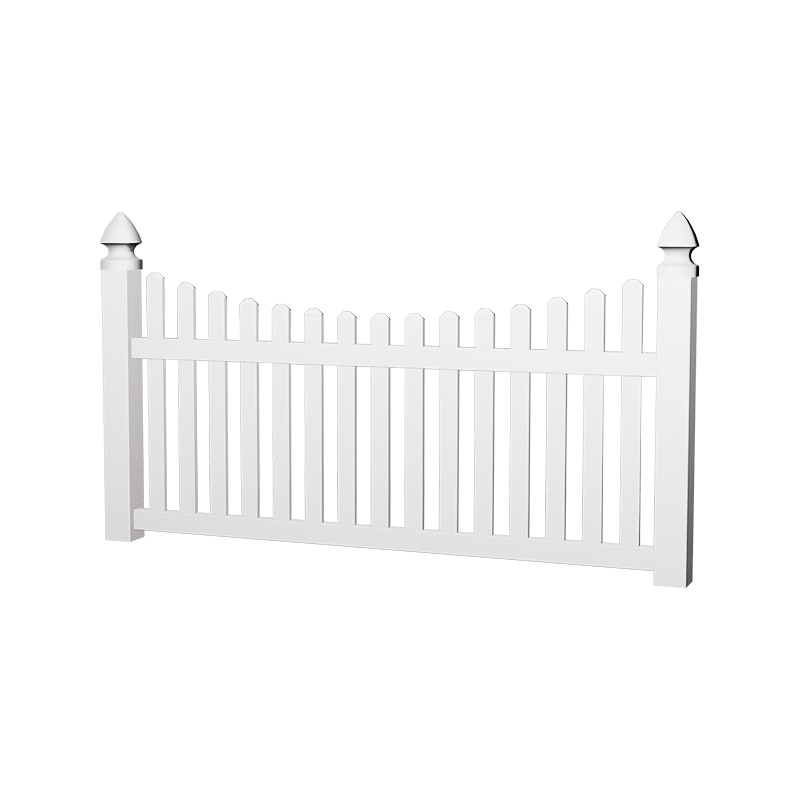
Introducing our 7/8"x3" Plastic Picket, designed specifically for farm applications. Crafted from 100% virgin PVC, this picket is not coated, ensuring maximum durability and resistance to impacts. Wit...
See Details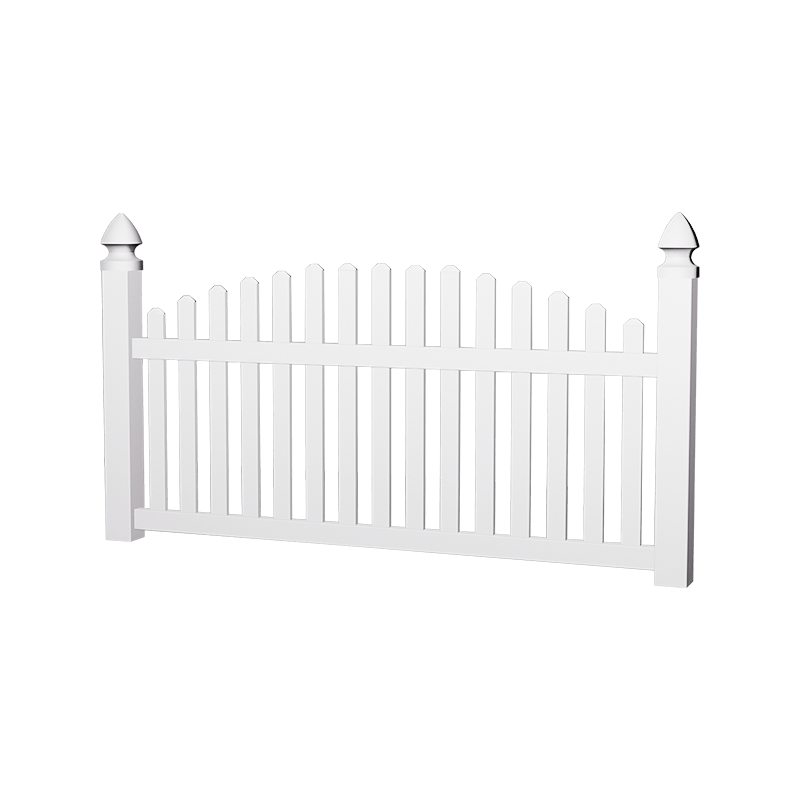
The Dog Ear Top Garden Fence, the ultimate solution for your farm fencing needs. Crafted from 100% virgin PVC, this fence is designed to withstand the elements without the worry of rot or decay, makin...
See Details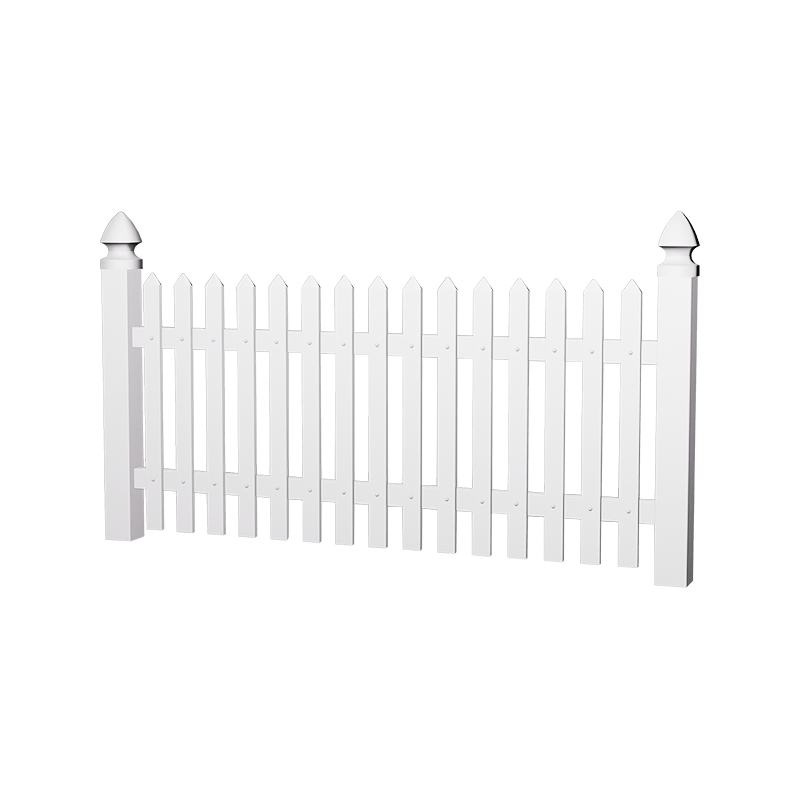
Decorate your outdoor spaces with our durable and stylish PVC Face Mounted Pickets Fence. Designed for easy installation and long-lasting performance, this fence is perfect for residential and commerc...
See Details
Our White Vinyl Fence, measuring 4'H x 8'W, designed for both functionality and aesthetics. Made from 100% virgin PVC plastic, this fence is not coated, ensuring unmatched durability and resistance to...
See Details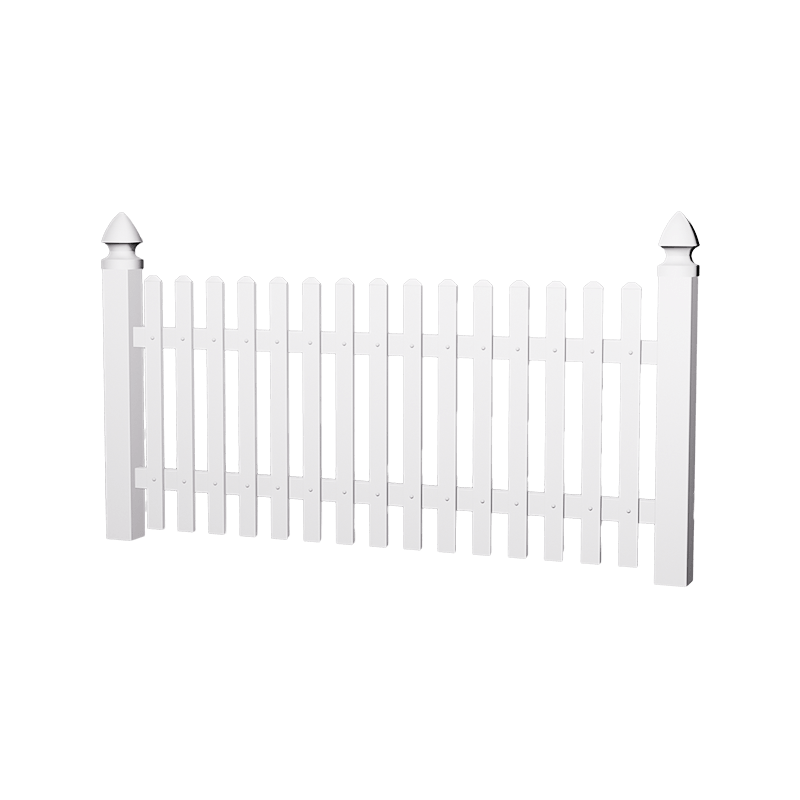
The Traditional Dog Ear Picket is an ideal choice for warehouses, combining aesthetic appeal with practicality. Made from 100% virgin PVC, this durable, low-maintenance fence resists rotting and water...
See Details
We are a professional manufacturer engaged in the research, development,
production, sale, and service of PVC fences and PVC flooring.
Contact Us
Mobile
Copyright © Deqing Huazhijie Railing & Fencing Co.,Ltd. All Rights Reserved.
 Custom Vinyl Fence Manufacturers
 English
 عربى
عربى 中文简体
中文简体 Español